

Asthma is one of the most common chronic respiratory disorders affecting both children and adults worldwide. Most people recognize asthma by its characteristic attacks of shortness of breath, wheezing, chest tightness, and coughing, which may occur during physical activity, exposure to certain triggers, or even while resting. These attacks can range from mild and occasional to severe and life-threatening if not properly managed.
In medical terms, asthma refers to a group of conditions characterized by recurrent episodes of breathing difficulty caused by temporary narrowing and inflammation of the airways or bronchial tubes in the lungs. During an asthma attack, the airways become swollen, produce excess mucus, and tighten, making it difficult for air to move freely in and out of the lungs.
Various factors can contribute to the development and worsening of asthma, and these triggers may differ from one person to another. The most accurate definition of asthma is a condition in which the airways become chronically inflamed and unusually sensitive to certain environmental, dietary, emotional, or physical factors.
In this article, ACPFOOD explores asthma in Traditional Iranian Medicine, including its causes, symptoms, types, and supportive treatment approaches from both traditional and modern perspectives, helping readers gain a better understanding of this common respiratory condition and the lifestyle factors that may influence it.
Table of Contents
ToggleTrigger Factors of Asthma Attacks
Various trigger factors can cause the airways to narrow and become inflamed, reducing the flow of air through the lungs and resulting in symptoms such as shortness of breath, wheezing, chest tightness, and coughing. These triggers may vary significantly from one person to another, and not all individuals with asthma react to the same factors.
For this reason, asthma should not be viewed as a single disease with a single cause. Rather, it is a complex respiratory condition that can appear in different forms and with varying levels of severity. Some people experience only occasional mild symptoms, while others may suffer from frequent or severe asthma attacks.
Asthma also differs in terms of its triggers, underlying causes, and response to treatment. As a result, a treatment plan that works very well for one patient may not be suitable or effective for another. Identifying and avoiding personal trigger factors is therefore one of the most important steps in the successful management of asthma and the prevention of future attacks.
Causes of Asthma Attacks
Most people are aware that asthma tends to occur more frequently in certain families, suggesting that hereditary and genetic factors play an important role in its development. In allergic asthma (Extrinsic Asthma), genetic predisposition is considered a major contributing factor, whereas in non-allergic asthma (Intrinsic Asthma), hereditary influences appear to be less significant.
How Does Asthma Begin?
The genetic component of asthma does not work in the same way as inheriting eye color or blood type from parents. Having a family history of asthma does not necessarily mean that a person will develop the disease. For example, a parent with severe asthma may have children who never experience asthma symptoms during their lifetime.
In addition to genetic susceptibility, environmental factors play a crucial role in the development and worsening of asthma. Exposure to allergens, airborne irritants, pollution, cigarette smoke, respiratory infections, and other environmental triggers can increase the likelihood of asthma attacks in susceptible individuals.
However, these factors do not affect everyone in the same way. While one person may develop asthma symptoms after exposure to a particular trigger, another person may remain completely unaffected. This interaction between genetic predisposition and environmental exposure is one of the main reasons why asthma varies greatly from one individual to another in terms of severity, symptoms, and response to treatment.
House Dust Mites and Other Triggering Factors
In addition to hereditary and genetic influences, many environmental factors can contribute to the initial development of asthma and the triggering of asthma attacks. For example, asthma that first appears in adulthood often develops after a severe cold, respiratory infection, or viral illness. Exposure to irritating substances in the workplace, such as dust, chemicals, fumes, or strong odors, may also contribute to the onset of asthma symptoms in some individuals.
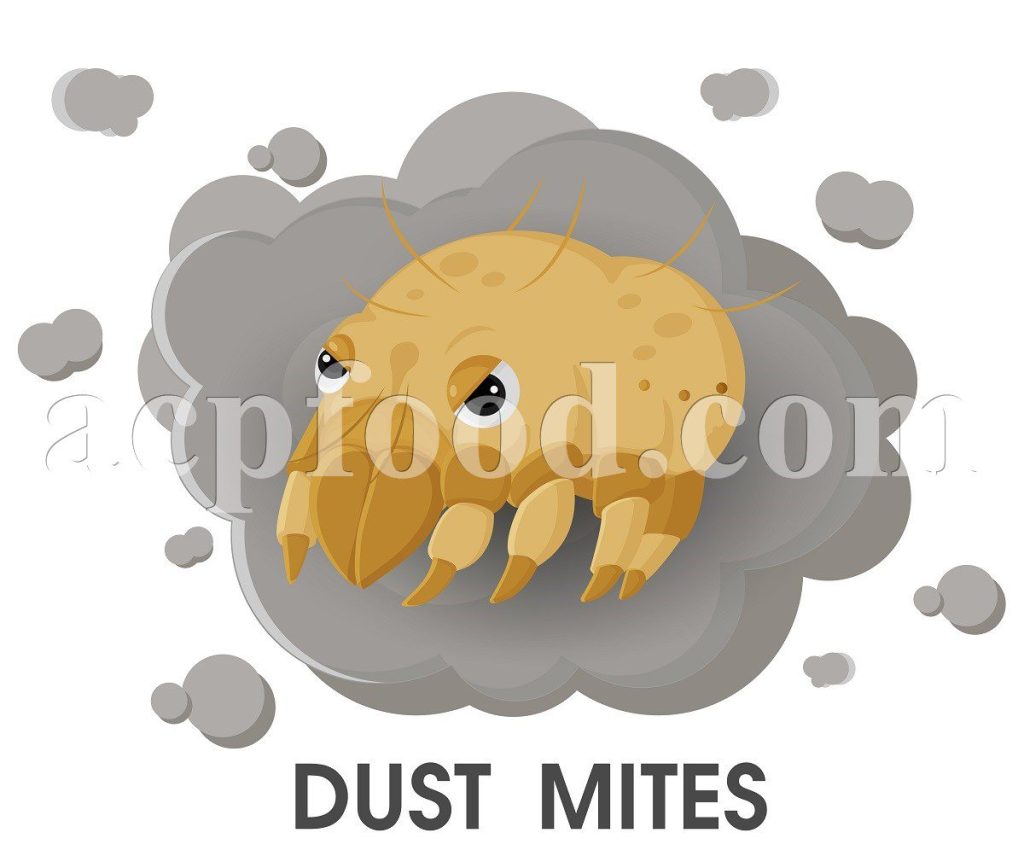
However, one of the most common and important triggers of asthma attacks, especially in children, is exposure to house dust mites.
House dust mites are tiny microscopic creatures that are smaller than the tip of a needle and cannot be seen with the naked eye. They commonly live in carpets, rugs, mattresses, pillows, blankets, quilts, upholstered furniture, and stuffed toys. A single mattress may contain millions of these microscopic organisms.
It is important to note that the mites themselves are not usually the direct cause of the allergic reaction. Instead, proteins found in their feces are responsible for triggering allergies and asthma in sensitive individuals. When these microscopic particles become airborne and are inhaled, the immune system of susceptible people may identify them as harmful substances.
As a result, the body’s white blood cells become sensitized to these allergens. When the proteins from mite feces enter the lungs through inhalation, they can trigger an immune response within the bronchial lining, leading to inflammation of the airways. This inflammation makes the bronchial tubes more sensitive and reactive. Once this sensitivity develops, subsequent exposure to dust mites or other irritants can cause the airways to narrow, resulting in asthma symptoms such as wheezing, coughing, chest tightness, and shortness of breath.
Several other factors can also increase the risk of asthma or trigger asthma attacks. One important example is exposure to cigarette smoke. Smoking during pregnancy may increase the risk of respiratory problems in children, while exposure to secondhand smoke after birth can significantly worsen asthma symptoms and increase the frequency of attacks. For children in particular, living in an environment where others smoke is considered a major risk factor for asthma and other respiratory diseases.
Causes of Asthma
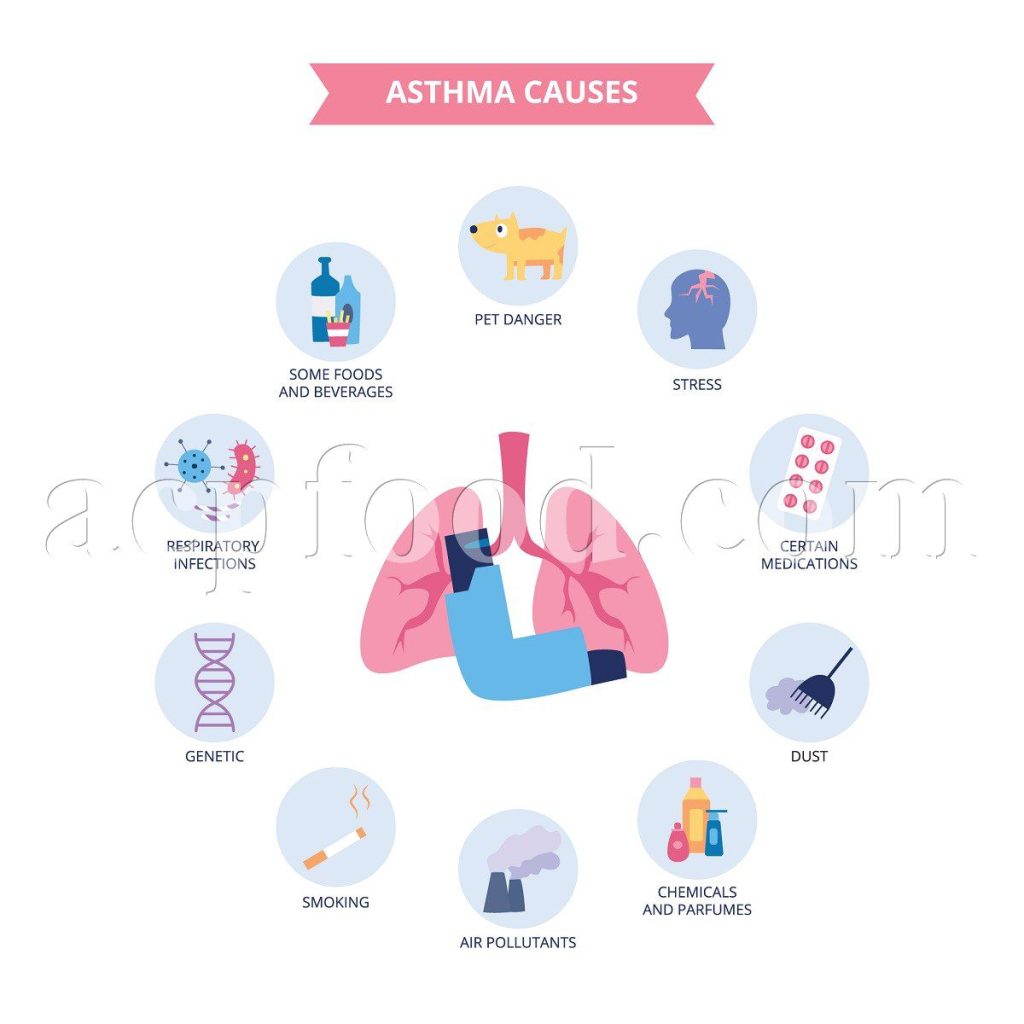
Asthma develops as a result of a combination of genetic predisposition and environmental influences. Although the exact cause may vary from person to person, several factors have been identified as important contributors to the development and worsening of this condition.
The most common causes and risk factors for asthma include:
- Hereditary and genetic predisposition
- Smoking during pregnancy
- Exposure of children to secondhand cigarette smoke
- Air pollution and environmental pollutants
- Exposure to allergens such as dust mites, pollen, mold, and animal dander
- Colds and viral respiratory infections
- Exposure to chemicals, dust, fumes, and other irritants in the workplace (occupational asthma)
In many individuals, asthma develops when a genetically susceptible person is repeatedly exposed to one or more of these environmental triggers.
The Prevalence of Asthma
Asthma is one of the most common chronic respiratory diseases worldwide and affects millions of people of all ages. The prevalence of this condition has increased significantly over recent decades, particularly in industrialized and urbanized regions.
It is estimated that approximately 20% of primary school children and around 6–7% of the general population are affected by asthma. The disease is especially common in Western countries. For example, millions of people in England and Wales live with asthma and require ongoing management of their symptoms.
The prevalence of asthma also varies according to age and gender. In childhood, asthma is generally more common in boys than in girls, with boys being affected approximately twice as often. However, in adulthood, asthma tends to become slightly more common in women than in men.
Another important concern is the continuing increase in childhood asthma. Researchers believe that factors such as environmental pollution, indoor allergens, changes in lifestyle, and increased exposure to respiratory irritants may contribute to the growing number of asthma cases among children worldwide.
The Main Provoking Factors in Asthma
In people with asthma, exposure to certain triggering factors can cause the airways to narrow and become inflamed, leading to symptoms such as wheezing, coughing, chest tightness, and shortness of breath. These triggers vary from person to person, and most patients gradually learn which factors are responsible for provoking their asthma attacks.
Physical Activity and Exercise
Exercise and vigorous physical activity can trigger asthma symptoms in some individuals, particularly in children. Running, playing sports, and other strenuous activities may lead to coughing, wheezing, or shortness of breath. However, it should be noted that breathlessness during exercise is not always caused by asthma. In many cases, it may simply result from poor physical fitness or lack of regular exercise.
Allergens
Allergens are among the most common triggers of asthma attacks. Plant pollens are well-known irritants, and exposure to animals such as dogs, cats, horses, and other furry pets may also provoke symptoms in sensitive individuals.
Long-term exposure to allergens, whether from plants, animals, dust mites, or molds, can lead to persistent inflammation of the airways and recurring asthma symptoms. Because exposure often occurs gradually and continuously, the importance of these allergens may sometimes be overlooked.
Smoke, Perfume, and Dust
Cigarette smoke is a powerful irritant and can trigger asthma attacks in many patients. Both active smoking and exposure to secondhand smoke can worsen symptoms and increase the frequency of attacks.
Dusty environments, strong odors, perfumes, air fresheners, chemical fumes, and other airborne irritants can also provoke asthma symptoms in sensitive individuals. In such cases, the most effective strategy is to avoid or minimize exposure to these triggers whenever possible.
Colds and Viral Infections
Viral respiratory infections are among the most common causes of asthma attacks in both children and adults. A simple cold or flu can increase airway inflammation and trigger significant breathing difficulties in susceptible individuals.
It is important to understand that antibiotics are only effective against bacterial infections, which are a relatively uncommon cause of asthma exacerbations. Since antibiotics do not work against viruses, they generally have no role in treating asthma attacks caused by viral infections.
Emotions and Stress
Strong emotions can also trigger asthma symptoms in some people. Excitement, laughter, anxiety, sadness, fear, and emotional stress may all contribute to airway narrowing and breathing difficulties.
For example, some children experience wheezing during birthday parties because of the combination of excitement and emotional stimulation. Similarly, emotional distress during major life events, such as the illness or loss of a loved one, may trigger asthma attacks in susceptible individuals.
Because emotional and psychological factors can influence asthma severity, managing stress and maintaining emotional well-being are important aspects of overall asthma care.
Weather and Air Pollution
Many people with asthma notice that their symptoms can change depending on weather conditions. Some patients feel better in certain climates, while others experience worsening symptoms in different weather types. For example, some individuals prefer cold and humid environments, whereas others feel more comfortable in hot and dry conditions. However, there is no single scientifically confirmed climate that is universally suitable for all people with asthma.
In reality, the effect of weather on asthma varies from person to person and depends on the type of asthma, individual sensitivity, and underlying triggers. Therefore, it is important for each patient to observe their own condition and identify which environmental conditions are more suitable for their respiratory health.
Air pollution is another major factor that can significantly worsen asthma symptoms. Exposure to polluted air, industrial fumes, vehicle emissions, and fine particulate matter can irritate the airways and increase the frequency and severity of asthma attacks, especially in patients with more severe forms of the disease.
Asthma Symptoms and Diagnosis
Asthma is often challenging to diagnose because its symptoms can closely resemble those of other respiratory conditions. For this reason, a definitive diagnosis requires a thorough medical history, clinical evaluation, and a series of diagnostic tests.
Asthma is typically characterized by one or more of four main symptoms:
Wheezing
Shortness of breath
Cough
Chest tightness or pressure
Wheezing and shortness of breath are the most recognized symptoms of asthma and usually occur intermittently, especially after exposure to irritants or triggers. However, in some patients, shortness of breath may occur without noticeable wheezing.
Coughing is another important but often overlooked symptom. It may be either dry or productive and frequently occurs at night or during physical activity such as exercise or sports. In many cases, asthma-related cough is mistakenly diagnosed as bronchitis. Repeated episodes of persistent cough—especially when occurring without clear wheezing or shortness of breath—should raise suspicion of asthma.
Chest tightness or pressure is another key symptom of asthma. In older adults, this symptom may sometimes resemble cardiac angina, making it more difficult for clinicians to distinguish between the two conditions without further investigation.
Asthma symptoms often worsen during physical activity and may appear without an obvious trigger. A notable feature of poorly controlled asthma is nighttime awakening due to coughing, wheezing, or breathlessness. Symptoms that frequently disturb sleep or worsen in the early morning hours are often signs that asthma is not adequately controlled and requires proper management.
Different Types of Asthma
In many cases, the exact cause of asthma remains unknown, although in some individuals, allergic reactions to specific substances are clearly responsible for triggering attacks. Asthma in Traditional Iranian Medicine can also present in different forms, including Brittle Asthma, Aspirin-induced Asthma, and Nighttime Asthma. When an allergic trigger is suspected—such as exposure to plants, animals like cats, dogs, or horses, or household allergens—appropriate allergy testing is recommended to identify the specific cause. Overall, asthma in Traditional Iranian Medicine emphasizes the role of individual triggers and personal sensitivity in disease expression.
Allergic Asthma
In allergic asthma, hypersensitivity to certain substances plays a central role. To confirm this, simple allergy tests can be performed, usually taking around 20 to 30 minutes.
During this test, small drops containing common allergens—such as house dust mites, grass pollen, tree pollen, or animal dander—are placed on the forearm. The skin beneath each drop is then gently pricked with a small needle so the allergen can enter the skin.
After about 15 minutes, a localized reaction may appear, similar to an insect bite. The area becomes red and often itchy. The procedure itself is not painful, as it only involves a light scratch, although temporary itching may occur and last for around half an hour.
The size and intensity of the reaction are measured for each allergen. This helps determine not only whether a person is sensitive to a particular substance, but also the degree of their sensitivity. This information is valuable in guiding treatment and in helping patients understand which triggers should be avoided.
Desensitization
When a specific allergen is identified—such as animal dander—and complete avoidance is not possible, and symptoms are not adequately controlled with medication, desensitization (allergen immunotherapy) may be considered in asthma in Traditional Iranian Medicine supportive approaches.
This treatment must be carried out only in specialized medical centers. Typically, only one allergen is treated at a time. Because there is a risk of severe allergic reactions, including asthma attacks, this procedure is performed under strict medical supervision in a hospital setting where emergency care is available if needed.
In seasonal allergies, such as hay fever, the risks may be lower, but in asthma patients, extra caution is always required. Desensitization involves administering gradually increasing doses of the allergen through small injections under the skin, usually in the upper arm, to help the immune system become less sensitive over time.
Mild local reactions, such as redness at the injection site, may occur but usually resolve on the same day. Once a desensitization course is completed successfully, maintenance injections are typically required at regular intervals to sustain the effect.
Brittle Asthma
Brittle asthma is a rare and severe form of asthma characterized by sudden, unpredictable, and often severe attacks, even when the condition appears to be well controlled. Some patients may have a previous history of asthma, but later experience a sudden worsening that becomes difficult to manage.
Due to the high risk of life-threatening attacks, patients with brittle asthma may require hospitalization and close medical supervision. Allergic sensitivity is often prominent in these individuals, and attacks may be triggered by inhaled or ingested allergens.
Nighttime Asthma
Nighttime asthma refers to asthma symptoms that occur during sleep or in the early hours of the morning. Waking up at night due to coughing, wheezing, or breathlessness is often a sign that asthma is not well controlled and may occur in any type of asthma.
In some patients, acid reflux (pyrosis) during sleep may irritate the airways and contribute to nighttime symptoms. In such cases, treating the underlying gastric issue and adjusting sleeping posture—such as using a thicker pillow—may help reduce symptoms.
In addition, reducing exposure to dust mites by regularly washing pillows, blankets, mattresses, and carpets can be beneficial. In many cases, prescribed bronchodilator medications are also effective in controlling and reducing nighttime asthma symptoms.
Why Has Asthma Increased?
The exact reason for the global increase in asthma is still not fully understood. One possible explanation is related to changes in medical diagnosis and terminology, where conditions that were previously described as “wheezing bronchitis” are now often classified under asthma. However, this alone cannot fully explain the significant rise in cases.
Current evidence suggests that there is no single cause responsible for asthma in all individuals. Instead, it is more likely that a combination of environmental, genetic, and lifestyle factors has contributed to the increasing prevalence of the disease in modern society. Among these, allergic conditions are believed to play a particularly important role in asthma in Traditional Iranian Medicine understanding of respiratory disorders.
There have also been discussions and concerns regarding asthma-related deaths and their possible connection to medication side effects, including inhaled anti-asthma treatments. However, extensive research has not confirmed a single definitive cause for these rare events.
In most cases, asthma-related deaths occur due to delayed diagnosis, lack of proper treatment, or inappropriate management of the disease. Statistics indicate that nearly two-thirds of asthma-related deaths could potentially be prevented with timely and appropriate medical care.
Interestingly, asthma prevalence is not uniform across the world. While it is increasing in many industrialized countries, there are regions where the condition remains relatively rare. For example, asthma is uncommon among the Inuit populations in Alaska, possibly due to their traditional living environments, which offer less exposure to indoor allergens such as dust mites.
Although an asthma diagnosis may seem to imply long-term dependence on medication, it is important to understand that alongside pharmaceutical treatments, lifestyle modifications, trigger avoidance, and supportive approaches can also play an important role in reducing symptoms and improving quality of life.
Avoid Allergens
Controlling house dust mites can be very important in some patients, although it may be costly. Using protective polythene covers for mattresses and pillows is highly effective. However, spraying insecticides to kill mites is not considered effective in controlling asthma, and ideally, carpets and fabric or velvet furniture should be reduced or removed from the home environment when possible.
Woolen toys and soft items can be placed in the freezer once a week for around 12 hours to help eliminate mites. Because these preventive measures can be time-consuming and expensive, many people tend to rely more on inhalation sprays rather than implementing full environmental control measures.
House Central Heating System
There is no clear scientific consensus on whether a specific type of central heating system is beneficial or harmful for asthma patients. However, some individuals report that gas-powered heating or air-conditioning systems may cause excessively dry air, which can worsen symptoms in sensitive patients. Others may also be sensitive to oil-based heating systems or related emissions.
Bedroom Temperature
A well-known 17th-century physician, Sir John Floyer—who himself suffered from asthma—suggested that nighttime awakening due to asthma could be related to excessive heat in the bedroom or bedding. He also believed that sleeping in a room with fresh air or an open window may be beneficial for some patients. However, no definitive scientific conclusion has been established regarding this matter.
Some individuals feel better with fresh air circulation at night, while others report that cool air may worsen wheezing. Therefore, bedroom conditions should be adjusted individually based on each patient’s response and comfort.
Viral Infections
Viral infections are among the most common and unavoidable triggers that can worsen asthma attacks. While it is possible to temporarily avoid contact with individuals who have colds or flu, this is not always practical—especially for children attending school. Respiratory infections can significantly aggravate asthma symptoms.
Food Allergies
A small proportion of asthma patients, particularly children, may have food allergies. However, diagnosing food allergies can be complex and often requires multiple evaluations over time. Skin tests alone may be misleading and should not be solely relied upon for diagnosis.
A clear history of wheezing occurring shortly after consuming a specific food—such as peanuts—may suggest a food allergy. In such cases, the most effective management is complete avoidance of the triggering food. However, allergies to foods such as dairy or wheat can be more difficult to identify due to their often chronic and less obvious symptoms.
Cigarette Smoke
Cigarette smoke is highly harmful for individuals with asthma, yet a significant proportion of patients continue to smoke. Smokers with asthma are at a much higher risk of severe attacks and hospitalization. Quitting smoking as early as possible is strongly recommended, as continued smoking can seriously endanger health.
Children whose parents smoke are also at increased risk of wheezing and asthma symptoms compared to those in smoke-free environments. Maternal smoking during pregnancy further increases the likelihood of a child developing asthma.
All individuals with asthma should avoid both active smoking and exposure to secondhand smoke. Parents who smoke are strongly encouraged to quit in order to protect both their own health and the health of their children.
School and Children’s Playing
Asthma triggered by physical activity is common in children and may sometimes be misinterpreted as laziness or lack of effort if teachers are not aware of the condition. Proper awareness and management are essential in school environments.
Using a prescribed reliever inhaler (such as salbutamol) approximately 10–15 minutes before physical activity can help prevent exercise-induced symptoms. It is also recommended to perform a proper warm-up before starting exercise, as this may reduce the likelihood of symptom onset.
Sports and Athletes
Many athletes live with asthma and are still able to perform at elite competitive levels. The same preventive measures recommended for children apply to athletes as well, including the use of prescribed inhalers before exercise.
Additionally, proper warm-up routines before training or competition are important to help reduce exercise-induced asthma symptoms and improve overall respiratory tolerance.

Therapeutic Measures
Some individuals with asthma may not require continuous medical treatment if they are able to consistently avoid their specific triggers. However, in practice, this is often difficult because there are many potential irritants in everyday life. For this reason, most patients with Asthma in traditional Iranian medicine require some form of medical management.
Today, asthma attacks can be effectively controlled with fast-acting medications, while long-term controller therapies can help reduce the frequency and severity of future attacks. Modern management of Asthma in traditional Iranian medicine also emphasizes patient education, regular monitoring, and close cooperation with a healthcare provider to maintain stable daily control of the condition.
The primary goal of treatment is to eliminate symptoms, minimize the occurrence of acute attacks, and prevent emergency situations. Although severe and life-threatening attacks can occur, they are often preceded by warning signs. Timely adjustment of medication and regular communication with a physician are essential to prevent deterioration.
All Kinds of Medications
Medications used in asthma management are generally divided into two main categories: quick-relief medications and preventive (controller) medications. Quick-relief medicines are used during acute attacks to rapidly ease breathing difficulties, while preventive medications are used regularly to reduce airway inflammation and prevent symptoms.
Most quick-relief medications are bronchodilators, which work by relaxing the muscles around the airways and improving airflow. When inhaled, these medications usually begin working within minutes, although their effects are short-lived, typically lasting only a few hours.
They should be used as soon as symptoms appear, or in some cases, before physical activity if prescribed by a doctor.
Emergency Treatment
In the event of a severe asthma attack, prescribed emergency medications should be used immediately according to medical instructions. If symptoms do not improve, emergency medical services should be contacted without delay.
During an attack, it is important to remain calm and sit in an upright, comfortable position with support under the arms or hands on the knees. Lying down should be avoided, as it may worsen breathing difficulties. Attempting to stay relaxed can help reduce heart rate and prevent additional strain.
In a hospital setting, treatment may include oxygen therapy, corticosteroids, and bronchodilators delivered through a nebulizer or inhalation device. In rare and severe cases, mechanical ventilation may be required to support breathing until medications take full effect.
Living with Asthma
Effective control of Asthma in traditional Iranian medicine depends greatly on consistent and proper use of prescribed medications, combined with lifestyle adjustments that reduce the risk of attacks. Patients are advised to avoid smoking and exposure to polluted or smoky environments, and to engage in regular physical activity to improve overall lung capacity.
Swimming is often considered a beneficial form of exercise, while extreme temperatures—either very cold or very hot—should be avoided when exercising, as they may trigger symptoms. Exposure to known allergens such as pollen, pets, and certain plants should also be minimized when possible.
Patients should always carry their reliever inhaler and ensure it is readily available, even during travel or vacations. For individuals whose symptoms are triggered by stress or anxiety, relaxation techniques and stress management strategies can be helpful in reducing the frequency of attacks.

Useful Instructions for People with Asthma and Lung Allergies
People suffering from asthma and shortness of breath should stop eating before they are fully satiated. They should not drink water immediately after meals; instead, it is better to drink water about 2 hours after eating. They should also avoid going to sleep immediately after meals. Daytime sleeping is not recommended.
Chest and side massage can be helpful. These areas may be massaged using cuttlebone powder mixed with water.
Massage with jasmine (Jasminum) flower oil or hoary stock (Matthiola incana) flower oil can also be beneficial. Massage should begin gently and gradually increase in strength. Massage with Achillea Tenuifolia decoction or its oil is also useful. In addition, cupping therapy and hijama are considered effective.
People suffering from shortness of breath should avoid constipation.
Very cold and very hot weather is harmful to the lungs. If the patient has a hot temperament or fever, it should be managed promptly.
The following prescriptions and herbs are useful for treating asthma:
As a treatment, sweet violet flower (Viola odorata L.) and licorice extract (Glycyrrhiza glabra L.), 10 grams each; agarikon (Fomitopsis officinalis) and gum tragacanth (Astragalus gummifer), 5 grams each. Grind them finely and consume 3 dessert spoons daily. Alternatively, after grinding, mix with 200 grams of honey and take one dessert spoon every morning, noon, and night.
The mixture of agarikon (Fomitopsis officinalis) 10 grams, dodder (Cuscuta epithymum) 15 grams, and honey 250 grams is highly beneficial for asthma patients.
Grind 5 grams of cumin seed (Cuminum cyminum L.), dissolve it in half a glass of vinegar, pour it into a glass of boiled water, and consume 4 tablespoons daily.
Boil 100 grams of hyssop flowers (Hyssopus officinalis L.) and pour the filtered water into 250 grams of rock candy. Consume this amount every morning, noon, and night for 2 weeks (ensure it is finished within 2 weeks).
20 figs, currants 50 grams, fenugreek seeds (Trigonella foenum-graecum L.), hyssop flowers (Hyssopus officinalis L.), and licorice root (Glycyrrhiza glabra L.) 15 grams each. Iris root (Iris persica L.) 20 grams. Celery root and anise root (Pimpinella anisum), 10 grams each. Celery seeds, anise seeds (Pimpinella anisum), nettle seeds (Urtica dioica L.), horehound (Marrubium vulgare L.) 15 grams each. Grind 20 grams of maidenhair fern (Adiantum capillus-veneris L.) and divide into 20 equal parts. Then add chopped figs and raisins to each part and boil one part daily; drink the decoction in the morning and evening.
During the day, place Assyrian plum fruit (Cordia myxa L.) under the tongue to absorb its juice. Once softened, chew and consume the flesh and discard the core.
Every day, clean and boil equal amounts of Broadleaf Plantain seeds (Plantago major L.), alyssum seed (Alyssum alyssoides), Lallemantia royleana, and Salvia macrosiphon Boiss. seeds. While warm, consume one cup of seeds, water, and mucilage.
Pour a large amount of quince seeds (Cydonia oblonga Mill.) in boiling water and consume one dessert spoon of its mucilage 48 times within 24 hours.
Boil some licorice root (Glycyrrhiza glabra L.) and turnip seed in water daily on an empty stomach and drink the filtered decoction for one week.
Drink cold milk daily.
Cook savory with figs daily and consume it.
Boil currants without seeds with green dates and Persian borage flowers (Echium amoenum) and drink the filtered decoction daily.
Burn sage leaves and stems (Salvia officinalis L.) daily and inhale the smoke.
Cook aromatic quince fruit over heat and consume it hot.
Take onion juice mixed with fresh lemon juice and drink it.
Mix and drink turnip juice, carrot juice, raw celery juice, and lemon juice daily.
Brew common poppy flowers (Papaver rhoeas) and sweeten the decoction with sugar before drinking.
Cook nettle leaves (Urtica dioica L.) with barley decoction and eat.
Boil 6 grams of the root of the bitter hazelnut tree and drink its decoction.
Cook leeks with barley and consume as soup.
Mix egg yolk with ground flax seed and consume it.
Boil fennel seed (Foeniculum vulgare Mill.), maidenhair fern (Adiantum capillus-veneris L.), and figs together and drink the decoction.
Pound mint leaves and terebinth gum (Pistacia terebinthus L.) together and consume.
Licorice root (Glycyrrhiza glabra L.) 15 grams, jujube dried fruit (Ziziphus jujuba Mill.) 40 pieces, Assyrian plum (Cordia myxa L.) 30 pieces, figs 40 pieces, hyssop flower (Hyssopus officinalis L.), marshmallow seed (Althaea officinalis L.), blue mallow flower (Malva sylvestris L.), maidenhair fern (Adiantum capillus-veneris L.), and fennel seed (Foeniculum vulgare Mill.) 6 grams each. Boil all, filter the decoction, and store in a refrigerator. Finish within 7 days.
Grind Salvia macrosiphon Boiss., chicory seeds (Cichorium intybus L.), poppy seeds (Papaver somniferum L.), quince seed (Cydonia oblonga Mill.), marshmallow roots (Althaea officinalis L.), and sweet almond kernels and consume with water daily.
Grind agarikon (Fomitopsis officinalis), peeled colocynth (Citrullus colocynthis), horehound (Marrubium vulgare L.), sarcocolla gum (Astragalus sarcocolla Dymock), sweet violet (Viola odorata L.), licorice root (Glycyrrhiza glabra L.), anise (Pimpinella anisum), hyssop flower (Hyssopus officinalis L.), turpeth root (Operculina turpethum), and aristolochia fruit, and make a paste with rose water. Form pea-sized pills and take 6 pills daily gradually from morning to night.
Boil and strain hyssop flower (Hyssopus officinalis L.), licorice root (Glycyrrhiza glabra L.), maidenhair fern (Adiantum capillus-veneris L.), Indian lavender, iris root (Iris persica L.), horehound (Marrubium vulgare L.), Cuscuta epithymum, Persian borage flowers (Echium amoenum), fennel seed (Foeniculum vulgare Mill.), and thyme (Thymus serpyllum L.). Then grind and mix sarcocolla (Astragalus sarcocolla), Drimia maritima bulb, and agarikon (Fomitopsis officinalis) with honey. Add the decoction and take 3 tablespoons daily, morning, noon, and night.
Grind dried parsley and mix with warm milk; drink in the morning on an empty stomach.
Brew one tablespoon of fennel seed (Foeniculum vulgare Mill.) in boiling water for 10 minutes, mix with honey, and drink one cup daily after meals.
Boil a teaspoon of lettuce seeds in water, strain, and drink the decoction.
Every day, mix and boil 3 grams each of Lallemantia seeds (Lallemantia royleana), Solanum nigrum, Tribulus terrestris L., sweet violet flower (Viola odorata L.), and Celosia cristata seeds. Filter and add 12 grams of cleaned and ground trehala manna. Drink slowly.
Mix and boil hyssop flowers (Hyssopus officinalis L.), sweet violet flower (Viola odorata L.), water lily flower (Nymphaea alba L.), blue mallow flower (Malva sylvestris L.), dried cranberry fruit (Vaccinium macrocarpon), corn silk, cleaned trehala manna, and eucalyptus leaf (3 grams each). Filter and drink on an empty stomach for three days.
Chop 10 grams of Drimia maritima bulb and place it in a porcelain container with 55 grams of agarikon (Fomitopsis officinalis) and 4 cups of vinegar. Leave for 4 days (closed container), then boil and filter. Add honey equal to the weight of the decoction, heat lightly to mix, and store in a glass jar. Mix one dessert spoon in a cup of tea daily on an empty stomach for 40 days.
Boil licorice root (Glycyrrhiza glabra L.) with strawberry leaves and drink.
Boil cabbage core with sweet almond kernels until two-thirds of water evaporates. Add sugarcane and drink two glasses daily morning and evening.
Soak 60 grams of valerian root (Valeriana officinalis L.) in one liter of hot water for one day, then strain. Drink one cup with honey before each meal.
In case of an asthma attack, brew thyme leaves, strain, and drink.
Pound 10 grams of barberry (Berberis vulgaris L.), soak in one liter of water for two hours, strain, and squeeze juice. Mix with sugar and boil until half remains. Drink a few spoons in water 2–3 times daily.
Mix onion juice with milk and drink every morning.
Boil two cloves of garlic in a cup of milk and drink hot every morning.
Make a hole in a turnip, add sugar, let it sit, and drink the liquid formed.
Mix and drink orange juice with a little lemon juice 3 times daily. During this period, avoid meat, fat, rice, potatoes, and eggs. If needed, consume honey or brown sugar with water until recovery.
Boil kernels of yellow sweet clover (Melilotus officinalis L.), anise (Pimpinella anisum), fig, hyssop flower (Hyssopus officinalis L.), fenugreek, and violet flower (Viola odorata L.). Sprinkle gum Arabic powder (Senegalia senegal) on the filtered decoction and drink.
Mix licorice extract powder (Glycyrrhiza glabra L.) and anise powder (Pimpinella anisum) equally and drink one teaspoon in water morning, noon, and night before meals for 30 days.
Cook licorice extract powder (Glycyrrhiza glabra L.) with sugar and water until thick. After cooling, form balls and store. Keep one in the mouth throughout the day until it dissolves.
Boil 15 grams of wild rue (Peganum harmala L.) in water. Mix with sesame oil or honey and drink for one month.
Additional Dietary Guidance
Avoid smoking, dust, cold weather, and bathing in cold water.
Increase consumption of the following foods:
Sweet pomegranate juice, orange, carrot juice, strawberry, cherry, sweet lemon, cucumber core, yellow carrot juice, apple, grated red apple with honey, quince juice, garlic, onion, black radish, leek, cooked lettuce, courgette soup with coriander, barley soup with leek, ramsons, celery, nettle decoction, fenugreek with honey, peppermint leaves mixed with terebinth gum (Pistacia terebinthus L.).
Spinach, basil, mint, oregano (Origanum vulgare L.), dill (Anethum graveolens L.), garlic soup, wheat germ, barberry syrup, Russian olive (Elaeagnus angustifolia L.), valerian root tea (Valeriana officinalis L.), asafoetida (Ferula assa-foetida L.), trehala manna tea, bitter almond with starch, purgative manna, chicory seed decoction, licorice extract, cooked turnips, quince syrup, tamarind, fenugreek with maidenhair fern (Adiantum capillus-veneris L.) decoction, infused coffee, warm vinegar with honey, and coriander seed decoction.
In conclusion, asthma management in traditional Iranian medicine emphasizes a holistic approach that combines lifestyle regulation, dietary guidance, and carefully selected herbal and therapeutic interventions. While many traditional practices aim to support respiratory comfort and reduce triggering factors, long-term control of symptoms requires consistency, awareness of individual sensitivities, and proper medical supervision when necessary. Understanding and addressing asthma through both preventive care and supportive treatments can significantly improve quality of life and reduce the frequency and severity of attacks. This comprehensive approach highlights the importance of integrating knowledge and personalized care in the management of asthma in traditional Iranian medicine.
References:
-Daeratol Maarif Giah Darmanie Iran (Noskhehaye Shafabakhsh), by Haji Sharifi, Ahmad (Attare Esfahani)