





Wholesale Bulk Trehala Manna for Export
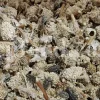
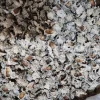
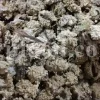
At ACPFOOD, we provide bulk trehala manna for export to international wholesalers, distributors, and importers seeking consistent quality and reliable supply. Also known as Globe Thistle Manna or Echinops manna, this rare natural product is carefully sourced and prepared to meet the demands of global industries. Our expertise in bulk trade makes us a trusted partner for companies looking for dependable trehala manna wholesale suppliers.

GENERAL DATA
Plant parts: Stems, Leaves and Manna
Cultivation mode: Wild collection
In manufacturing: Pharmaceutical
In food: Tea
🌿 Industries That Use Trehala Manna from Echinops pungens Trautv.
Trehala Manna—also called “Khar-Mashak Manna” in Persian—is a sweet, resinous exudate collected from the flowering heads of Echinops pungens, a wild thistle species found in Iran, Turkey, Iraq, and parts of Central Asia. It is a non-fructose sugar-rich secretion, often formed through insect–plant interactions, and is traditionally used as a mild laxative, tonic, and lung remedy.

-
Antipyretic – helps reduce fever in traditional remedies
-
Demulcent & tonic – used to coat and soothe the digestive tract
-
Diuretic – promotes gentle urination and fluid balance
✅ Common forms: powdered manna, decoction, syrup, or chewed directly
2. Herbal & Nutraceutical Industry
Due to its mild sweetness and non-sucrose structure, Trehala manna is included in functional herbal blends—especially for lung support, detox, and digestive regulation.
Applications:
-
Added to respiratory herbal teas for throat coating
-
Included in sugar-free wellness formulas for children or diabetic patients
-
Used in seasonal cleansing programs (spring and autumn tonics)
✅ Often combined with Violet flowers, Marshmallow, Thyme, or Quince
3. Confectionery & Natural Sweetener Industry
In some ethnic and health-food circles, Trehala manna is explored as a natural, low-glycemic sweetener alternative.
Applications:
-
Traditional Persian confections (combined with nuts, rosewater, or spices)
-
Low-impact sweetener for herbal candies or lozenges
-
Studied for use in diabetic-friendly foods or natural syrup bases
✅ May be blended with Carob, Mulberry syrup, or Saffron in regional recipes
4. Ethnic, Organic & Export Markets
Trehala manna is a regionally prized product in Iranian, Kurdish, Turkish, and Iraqi markets, often found in herbal shops and traditional pharmacies.
Export Forms:
-
Crystalline lumps or loose powder
-
Packaged for herbalist supply chains
-
Included in gift boxes of traditional Persian medicine
-
Increasing demand in Middle Eastern diaspora wellness markets
✅ Also sold online via herbal e-commerce platforms
5. Academic & Botanical Research
Recent interest in ethnobotany and natural sugar alternatives has prompted limited scientific investigation into Trehala manna.
Research Topics:
-
Comparative sugar profiles and glycemic index studies
-
Antioxidant and broncho-protective properties
-
Evaluation as a safe pediatric remedy
-
Role of insects (e.g., Larinus spp.) in manna secretion
✅ Considered a non-toxic and gentle alternative to harsh laxatives
✅ Summary of Key Applications
| Industry | Common Uses |
|---|---|
| Pharmaceutical & Traditional | Respiratory tonic, gentle laxative, digestive demulcent |
| Herbal & Nutraceutical | Lung support teas, detox syrups, diabetic-friendly sweetener |
| Confectionery & Natural Sweetener | Functional lozenges, Persian sweets, herbal candy bases |
| Ethnic & Export Markets | Herbalist resins, diaspora medicine kits, gift boxes |
| Academic & Botanical Research | Studies on glycemic index, exudate chemistry, respiratory effects |
🌟 Key Features of Trehala Manna
-
100% wild-harvested from flowering heads of Echinops pungens
-
Naturally secreted—often through insect interaction
-
Sweet yet non-sucrose, low-glycemic composition
-
Known as a safe respiratory and digestive remedy in Persian medicine
-
Used for centuries in Southwest Iran and Mesopotamia
🌿 Comparison Table: Traditional Persian Mannas
| Feature | Trehala Manna(Echinops pungens) | Persian Manna (Gaz of Khunsar)(Astragalus brachycalyx) | Taranjabin (Hedysarum Manna)(Alhagi maurorum) | Purgative Manna (Shir Khesht)(Cotoneaster spp.) |
|---|---|---|---|---|
| Common Name | Trehala, Khar-Mashak Manna | Gaz of Khunsar, Persian Gaz | Taranjabin, Camelthorn Manna | Shir Khesht, Cotoneaster Manna |
| Plant Source | Echinops pungens | Astragalus brachycalyx | Hedysarum alhagi or Alhagi maurorum | Cotoneaster nummularia, Cotoneaster discolor, etc. |
| Geographic Origin | Western Iran, Zagros & Kurdistan areas | Khunsar region, Isfahan Province | Central Iran, desert regions | North & Central Iran, mountainous areas |
| Exudation Type | Insect-induced (e.g. by Larinus beetles) | Insect-induced (often by Cebellia species) | Insect-induced | Spontaneous exudation from fruit surface |
| Texture & Appearance | Crystalline, dry clumps | Soft, white or cream lumps, sticky | Crumbly or powdery sweet exudate | Powdery white or yellowish flaky lumps |
| Taste Profile | Mildly sweet, earthy | Very sweet, nougat-like taste | Sweet, mild | Slightly sweet, sometimes bitter or neutral |
| Traditional Uses | Respiratory, digestive, antipyretic | Ingredient in Gaz candies, tonic | Mild laxative, detox, infant fevers | Strong laxative, liver cleanser |
| Medicinal Action | Demulcent, expectorant, mild laxative | Nutritive, energizing | Cooling, detoxifying | Purgative, bitter tonic |
| Suitable For Children? | Yes, mild and safe | Yes (as food) | Yes (for mild fever, constipation) | Rarely; used with caution due to strong purgative effect |
| Commercial Use | Ethnomedicinal, functional tea ingredient | Widely used in Persian Gaz confections | Occasionally in herbal teas or syrups | Medicinal-only, not used in food |
| Availability / Export | Niche herbal markets | High demand, exported as nougat or raw | Limited; mostly local markets | Very limited, traditional herbalists only |
✅ Key Highlights:
-
Trehala Manna: Gentle respiratory and digestive support with low glycemic profile
-
Gaz of Khunsar: Famous for its use in Persian nougat (Gaz) and tonic properties
-
Taranjabin: Cooling and mild; safe for infants and children, especially in fevers
-
Shir Khesht: Strong medicinal use as a purgative—used in liver/detox protocols
PRODUCT NAME IN DIFFERENT LANGUAGES
Persian Name: شِکَر تیغال/ Shekartighal
German Name (Deutschland, Austria, Switzerland): –
French Name (France, Belgium, Switzerland, Quebec): –
HARVEST CALENDAR
Feb
Mar
Apr
May
Jun
Jul
Aug
Sep
Oct
Nov
Dec
To order Globe Thistle Manna, please contact us.

About Trehala Manna
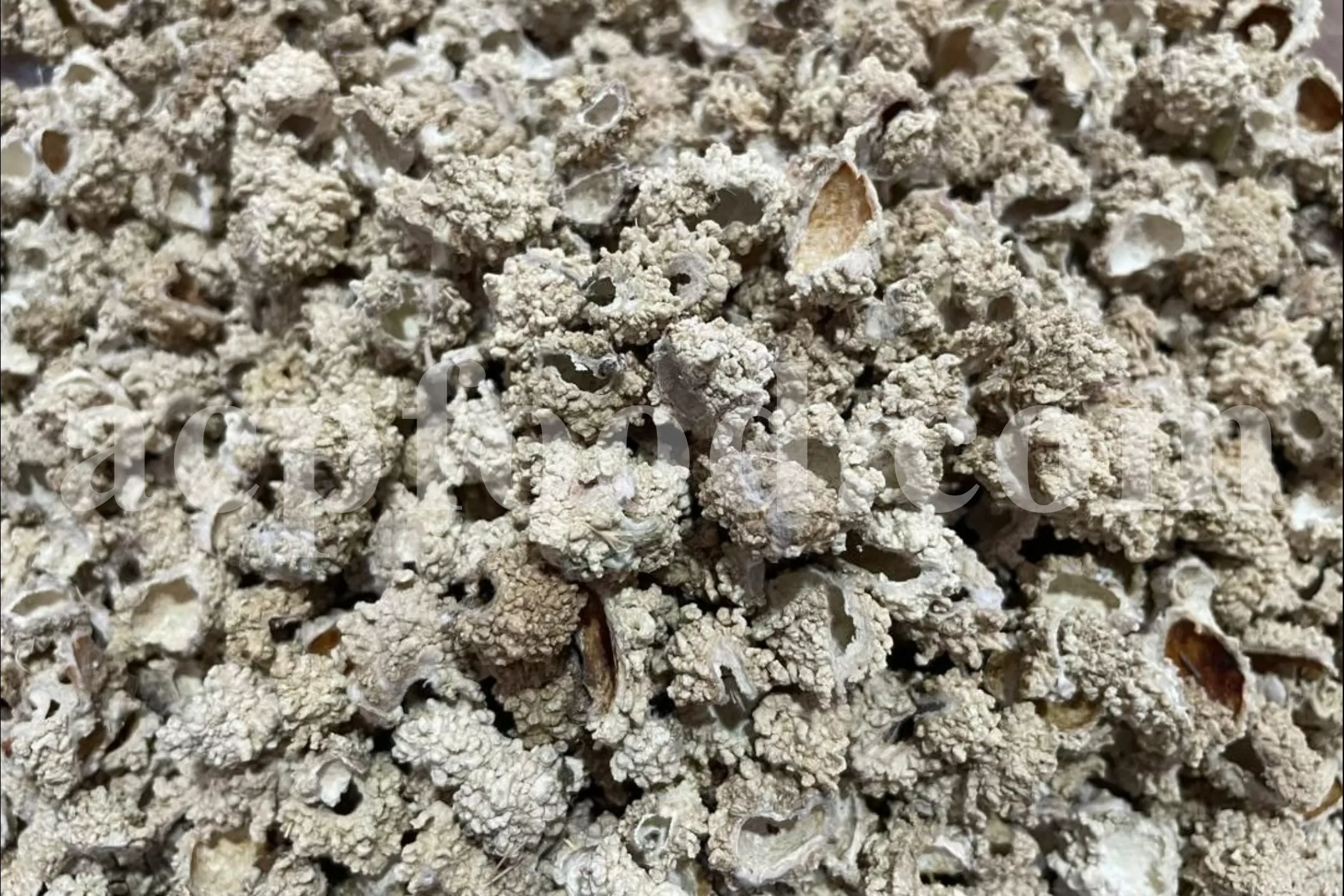
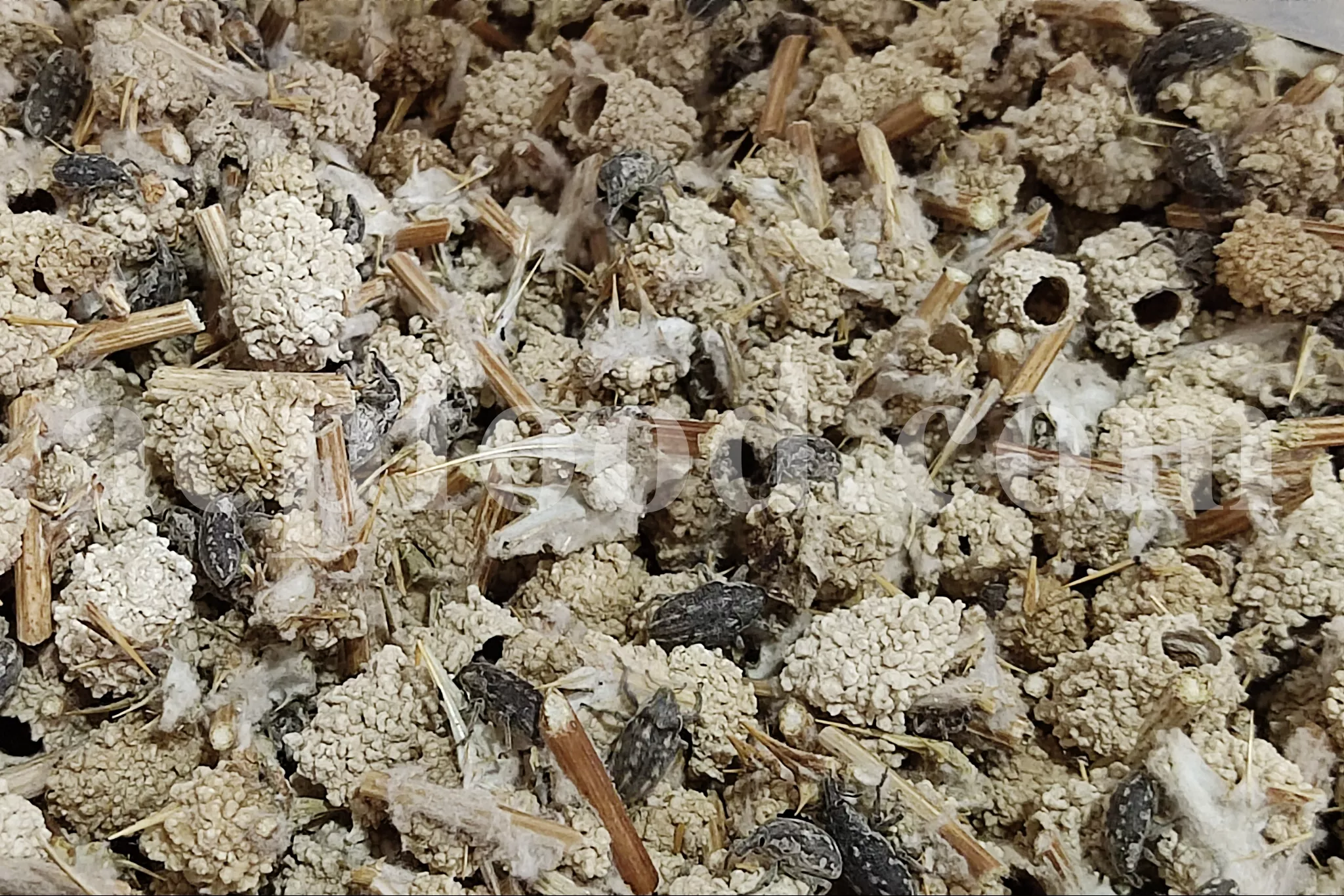
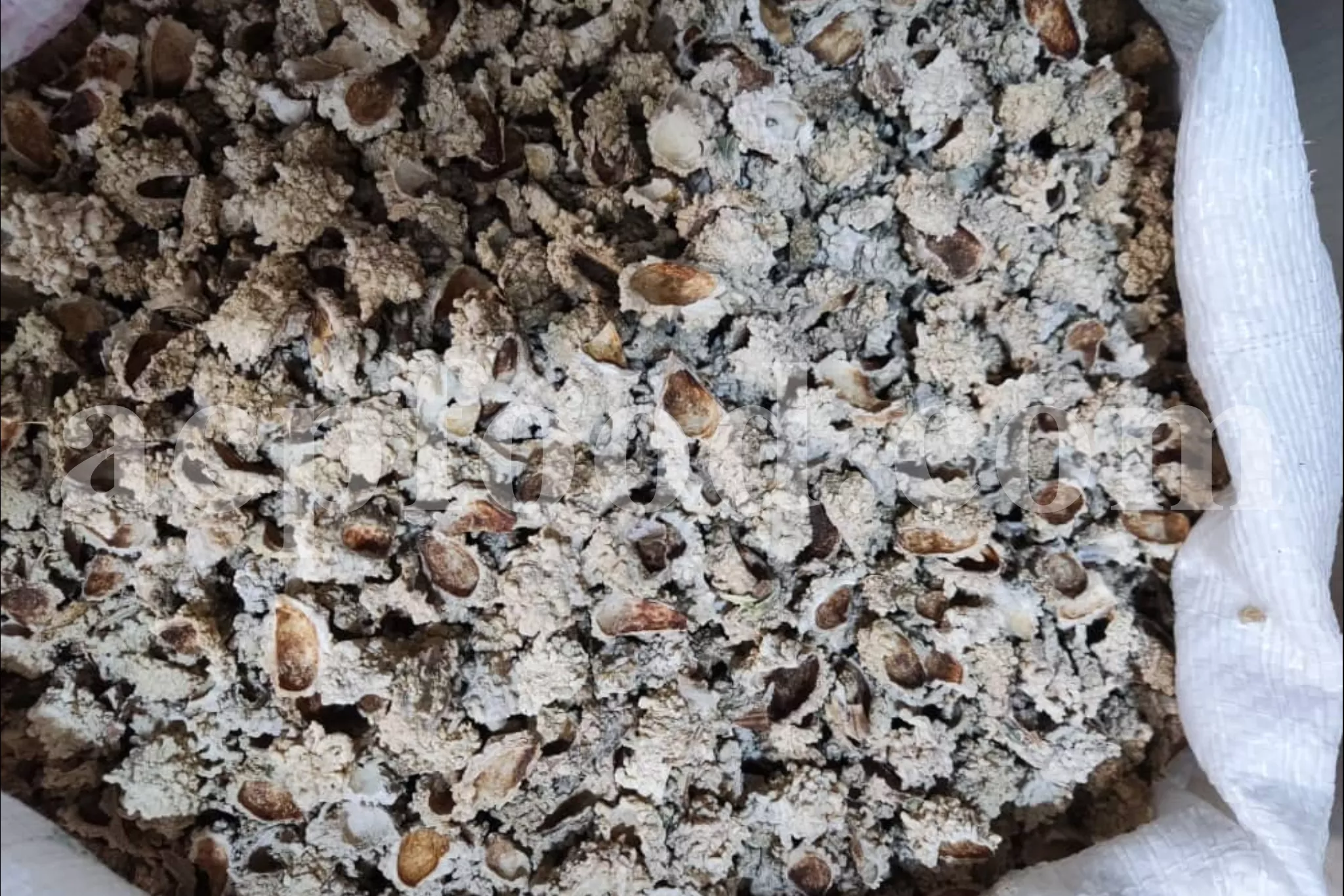
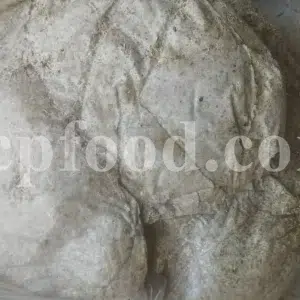
Larinus maculatus insect cocoon or gall is formed after the insect bites the plant. It is yellowish white and is from Craie flower species, and its shape is egg-shaped and its length is about 2 cm.
After the insect creates a cocoon, like a silkworm cocoon, it is trapped inside. In some cases, the life cycle of the worm is over and it turns into an insect, pierces the cocoon and exits. Therefore, most of these manna do not have insects inside them, but in some cases there are insects inside it. When this manna, which is the cocoon or pod of the insect, is fresh, it is a little sweet. But when it is old, its sweetness decreases a lot and it gets a starchy taste.
Echinops Manna Temperament
Moderate and moist.

Trehala Manna Side Effects
Overeating it cause confusion.
Trehala Manna Dose
Up to 12 grams.
Modifiers
Sugar and Manna of Hedysarum.
🧾 Nutrition Facts – Trehala Manna (Echinops pungens Trautv.) (100g)
Botanical Name: Echinops pungens Trautv.
Common Names: Trehala Manna
Product Type: Natural exudate from insect activity on Echinops species
Traditional Uses: Natural laxative, tonic, expectorant, and mild sweetener
| Nutrient | Amount per 100g | % Daily Value (DV*) |
|---|---|---|
| Calories | 310 – 340 kcal | 17% |
| Water | 8.0 – 10.0 g | — |
| Protein | 1.5 – 2.5 g | 4% |
| Total Fat | 0.2 g | <1% |
| • Saturated Fat | 0.0 g | 0% |
| Carbohydrates | 80 – 85 g | 29% |
| • Sugars | 65 – 70 g | — |
| • Dietary Fiber | 6 – 8 g | 24% |
🔬 Minerals
| Mineral | Amount | %DV |
|---|---|---|
| Calcium | 60 mg | 5% |
| Iron | 1.5 mg | 8% |
| Magnesium | 35 mg | 8% |
| Phosphorus | 20 mg | 2% |
| Potassium | 300 mg | 6% |
| Sodium | 15 mg | <1% |
| Zinc | 0.4 mg | 4% |
🌿 Vitamins
| Vitamin | Amount | %DV |
|---|---|---|
| Vitamin A (RAE) | 0 µg | 0% |
| Vitamin C | 1.5 mg | 2% |
| Vitamin B1 (Thiamine) | 0.02 mg | 2% |
| Vitamin B2 (Riboflavin) | 0.03 mg | 2% |
| Niacin (B3) | 0.5 mg | 3% |
| Vitamin E | 0.1 mg | 1% |
🧪 Additional Notes
-
Trehala Manna is a natural exudate formed by the activity of insects (mainly Eulechria echinopis or Trabala vishnou) on Echinops plants.
-
Its sugar content consists mostly of mannitol, fructose, and glucose, making it mildly sweet and suitable for herbal formulations.
-
Traditionally used in Persian medicine for digestive health, respiratory support, and mild laxative effects.
-
Contains prebiotic fibers that may support gut flora.
🏭 Uses & Applications
-
Traditional Medicine: Laxative, anti-inflammatory, and general tonic.
-
Herbal Teas & Syrups: Dissolved in warm water or milk for medicinal use.
-
Natural Sweetener: Used sparingly in traditional sweets and remedies.
⚠️ Caution
-
May cause mild laxative effects in higher doses.
-
Diabetics should consume cautiously due to natural sugars.
-
Ensure purity — low-quality or adulterated forms may contain impurities or sand.
📦 Storage
Store in an airtight container, in a cool, dry place away from moisture and insects.
To order Trehala Manna, please contact us.



Reviews
There are no reviews yet.