

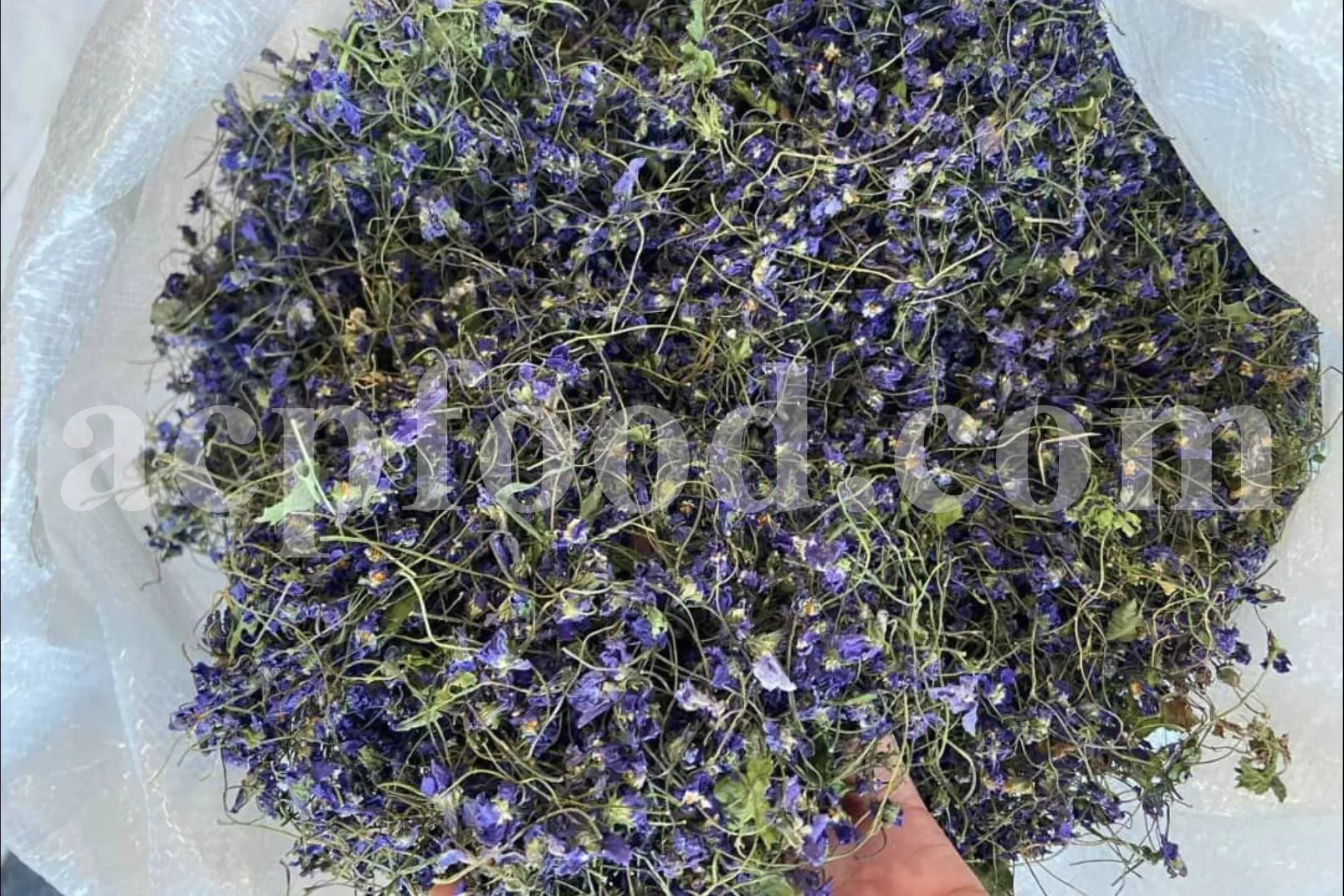


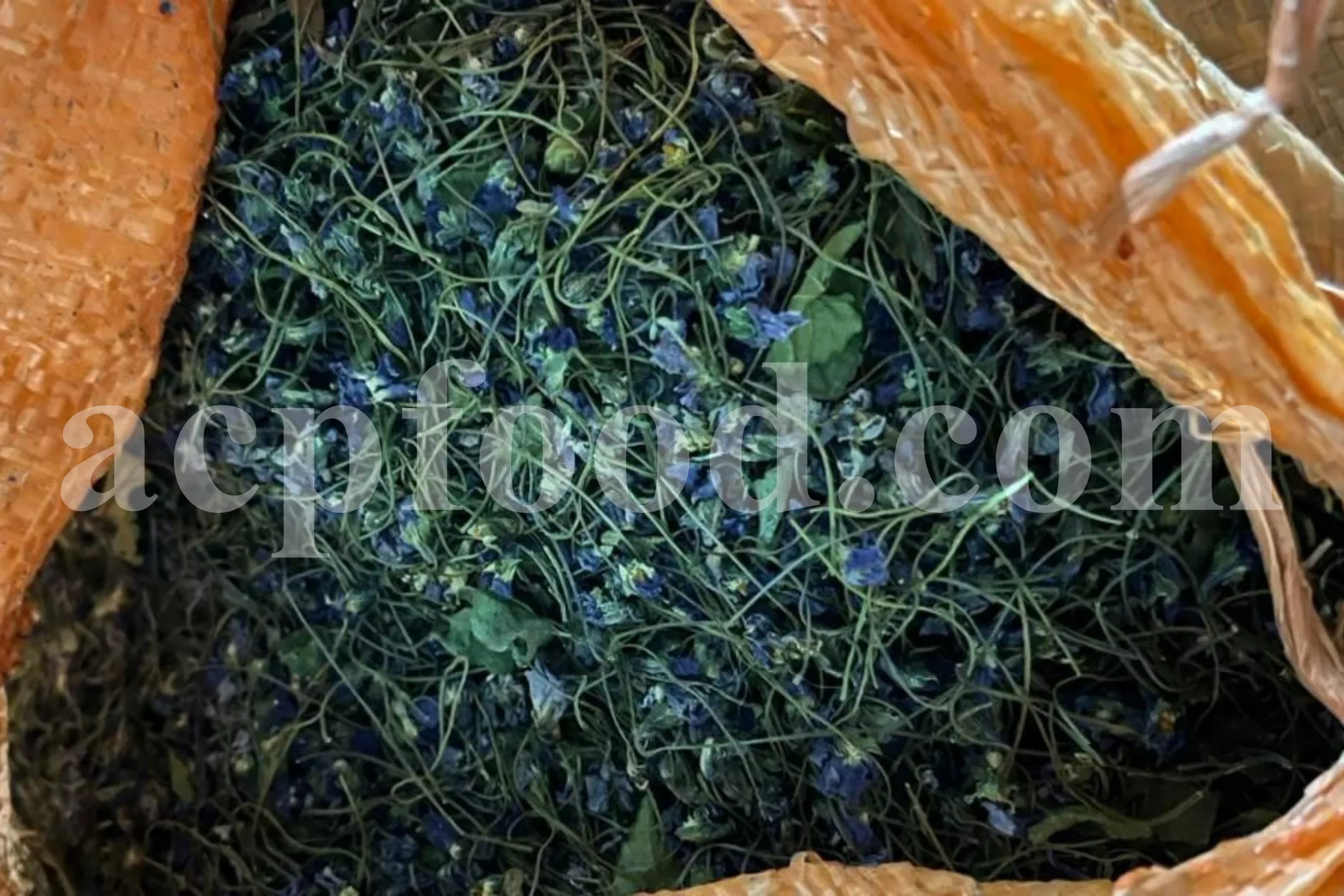

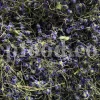
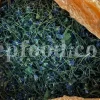
Bulk Sweet Violet for Export and Wholesale Supply

GENERAL DATA
Plant Parts: Leaves, flowers, oil
Cultivation Mode: Wild collection/Cultivated
In Manufacturing: Pharmaceutical, Hydrosol, Cosmetics, Perfumery, Herbal Tea, Oil, Soft drinks, Alcoholic drinks, Confectionery.
Foods: Omelet, Salad, Cakes, Desserts.
🌸 Industries That Use Sweet Violet Flowers (Viola odorata L.)
Sweet Violet, also known as English Violet or Garden Violet, is a fragrant flowering herb with centuries of medicinal, culinary, and cosmetic use. Native to Europe and Asia, its deep purple blossoms contain aromatic compounds, saponins, salicylic acid derivatives, and mucilage.
1. Pharmaceutical & Traditional Medicine Industry
Used traditionally for respiratory, inflammatory, and nervous conditions, violet flowers are a staple in Western, Ayurvedic, and Unani herbal medicine.

✅ Common forms: tea, syrups, poultices, oil infusions, and extracts.
2. Herbal & Nutraceutical Industry
Valued for its mucilage and polyphenols, sweet violet is used in:
-
Herbal tea blends for respiratory comfort and gentle calming
-
Skin-cleansing and anti-inflammatory tinctures
-
Detox or lymphatic support formulas
✅ Often combined with Marshmallow, Licorice, or Elderflower.
3. Cosmetic & Skincare Industry
With its anti-inflammatory and soothing qualities, violet flower extract is ideal for:
-
Sensitive skin formulations
-
Anti-redness and calming facial mists
-
Herbal eye compresses and bathing salts
-
Used in vintage “violet creams” and balms
✅ Gentle and well-tolerated in organic beauty formulations.
4. Perfumery & Aromatherapy Industry
Sweet Violet has a long history in high-end perfumery:
-
Floral note in feminine perfumes
-
Used in vintage colognes, solid perfumes, and botanical waters
-
Aromatherapy oils used for calming the nerves
✅ Violet absolute is rare and expensive due to low yield and complex extraction.
5. Food & Confectionery Industry
The flower’s pleasant aroma and mild sweetness make it suitable for:
-
Candied violets and edible flower decorations
-
Infused syrups and teas
-
Flavoring for old-fashioned sweets, desserts, and liqueurs
✅ Traditional in French patisserie and British floral cordials.
6. Ethnic, Organic, and Boutique Herbal Markets
Sold in:
-
Dried flower form for teas and crafts
-
Bulk floral supplies for herbalism schools and natural health stores
-
Herbal blends targeting respiratory and emotional support
7. Botanical & Scientific Research
Explored for:
-
Anti-inflammatory, antioxidant, and antimicrobial activity
-
Role in natural cosmetic preservation
-
Potential in natural pain management
✅ Studies support mild antitussive and expectorant properties.
✅ Summary of Key Applications
| Industry | Common Uses |
|---|---|
| Pharmaceutical | Expectorant syrups, mild sedative, anti-inflammatory remedies |
| Herbal & Nutraceutical | Respiratory teas, lymph detox, anxiety relief formulas |
| Cosmetic & Skincare | Calming creams, sensitive skin products, eye mists |
| Perfumery & Aromatherapy | Floral absolute in perfumes, calming oils |
| Food & Confectionery | Candied petals, flavored syrups, edible decorations |
| Ethnic & Herbal Market | Dried petals, apothecary teas, floral sachets |
| Scientific Research | Antioxidant and mucilage studies for skincare and herbalism |
🌿 Key Features of Sweet Violet
-
Botanical Name: Viola odorata L.
-
Used Parts: Flowers (sometimes leaves)
-
Key Compounds: Mucilage, saponins, violanthin, ionones (aromatic molecules)
-
Appearance: Deep violet to purple petals with a sweet, soft scent
-
Form: Dried petals, extracts, oils, or essential waters
-
Traditional Use: Respiratory support, mood calming, gentle skin remedies
🌿 Industries That Use Sweet Violet Leaves (Viola odorata L.)
While the flowers of Sweet Violet are prized for their fragrance, the leaves also hold significant therapeutic, cosmetic, and culinary value. They are rich in mucilage, flavonoids, salicylic acid, and vitamin C, making them popular in traditional herbal remedies and gentle skin treatments.
1. Pharmaceutical & Herbal Medicine Industry
Violet leaves are traditionally used for their cooling, demulcent, and anti-inflammatory properties.
-
Respiratory Relief:
Soothe dry coughs, sore throats, and bronchial irritation.
Included in herbal expectorant blends or decoctions. -
Lymphatic Support:
Used in detox formulations to stimulate lymph drainage.
Helpful for swollen glands and chronic skin conditions. -
Anti-inflammatory Action:
Applied in poultices for inflammation, boils, cysts, and skin eruptions.
Employed in herbal compresses for mastitis or lumpy skin conditions.
✅ Available as dried leaves, tinctures, and herbal infusions.
2. Cosmetic & Skincare Industry
Sweet violet leaves are soothing and restorative, especially for sensitive, dry, or inflamed skin.
-
Herbal facial steams or mists for calming redness
-
Topical creams and salves for eczema, dermatitis, and itching
-
Bath teas for whole-body skin soothing
✅ Often infused in oil or blended with Chamomile, Calendula, or Plantain.
3. Herbal Teas & Detox Blends
Although milder in taste than flowers, the leaves are used in wellness teas that:
-
Support immune balance and skin clarity
-
Act as mild lymphatic tonics and gentle digestive aids
✅ Typically combined with Nettle, Dandelion leaf, or Red Clover.
4. Natural Remedies & Folk Medicine
In folk herbalism, violet leaves are known as:
-
A “blood purifier” for acne, boils, or skin irritation
-
Gentle pain relievers for localized swelling or nerve discomfort
-
Moistening agents for dry, depleted constitutions
✅ Used both internally and externally in poultice, syrup, and tea form.
5. Botanical & Pharmacological Research
Modern studies examine:
-
The anti-inflammatory and antioxidant profile of the leaves
-
Use in natural pain relief and dermatological treatments
-
Vitamin C and salicylic acid content for immune and skin health
✅ Being evaluated as a plant-based ingredient for pharmaceutical skincare.
6. Ethnic & Organic Herbal Markets
Violet leaves are featured in:
-
Herbal compress kits, lymphatic detox formulas
-
Bulk leaf products for apothecaries and naturopathic clinics
-
Handmade organic remedies for skin and chest ailments
✅ Known for gentle yet effective action in niche herbal markets.
✅ Summary of Key Applications
| Industry | Common Uses |
|---|---|
| Pharmaceutical & Herbal | Expectorants, anti-inflammatory remedies, poultices |
| Skincare & Cosmetics | Calming creams, herbal baths, eczema and dermatitis care |
| Tea & Nutraceuticals | Lymphatic detox teas, skin-support infusions |
| Folk & Natural Remedies | Blood purifiers, compresses, chest rubs |
| Research & Pharmacology | Anti-inflammatory compounds, mucilage content, skin healing agents |
| Organic & Ethnic Markets | Bulk dried leaves, DIY herbal kits, apothecary supplies |
🌱 Key Features of Sweet Violet Leaves
-
Botanical Name: Viola odorata L.
-
Used Part: Leaves (young and mature)
-
Phytochemicals: Mucilage, salicylic acid, flavonoids, vitamin C
-
Texture: Soft, slightly fuzzy, heart-shaped leaves
-
Form: Dried whole, powdered, or as oil/water infusions
-
Traditional Roles: Skin health, lymphatic drainage, cooling herbal remedy
🌿 Comparison: Sweet Violet Flowers vs Leaves
| Feature / Attribute | Sweet Violet Flowers (Viola odorata L.) | Sweet Violet Leaves (Viola odorata L.) |
|---|---|---|
| Part Used | Deep violet to purple fragrant blossoms | Soft, heart-shaped green foliage |
| Primary Compounds | Ionones (aromatic), mucilage, saponins, flavonoids | Mucilage, salicylic acid, flavonoids, vitamin C |
| Aroma | Strong floral and sweet scent (used in perfumery) | Very mild green scent, non-fragrant |
| Traditional Uses | Coughs, bronchitis, anxiety, sore throat | Swollen glands, lymph support, chest issues |
| Pharmaceutical Uses | Expectorant, mild sedative, anti-inflammatory | Anti-inflammatory, demulcent, lymphatic tonic |
| Cosmetic Applications | Perfumes, calming floral creams, eye mists | Anti-eczema creams, herbal baths, skin soothers |
| Perfumery Relevance | High – Violet absolute in floral perfumes | None – not used for scent extraction |
| Nutraceutical & Tea Use | Floral teas for respiratory and mood support | Lymphatic detox teas, skin-clearing blends |
| Form Available | Dried petals, absolute, syrup, extracts | Dried leaves, infusions, tinctures |
| Main Markets | Perfumery, luxury herbal teas, confectionery | Herbal medicine, organic skin care, DIY herbalism |
| Scientific Interest | Aromatic and antitussive effects | Anti-inflammatory, antioxidant, dermatological uses |
| Visual Appeal | Bright violet and ornamental | Plain green; less marketable visually |
| Toxicity / Safety | Safe in moderate herbal use | Safe, even for sensitive populations |
✅ Summary
-
Flowers: Best for aromatherapy, respiratory health, perfumery, and floral herbal teas.
-
Leaves: Best for skin soothing, lymphatic drainage, and topical anti-inflammatory use.
-
Both parts are gentle and non-toxic, ideal for wellness, cosmetic, and botanical use.
PRODUCT NAME IN DIFFERENT LANGUAGES
Persian Name: بنفشه/ Banafsheh
German Name (Deutschland, Austria, Switzerland): Märzveilchen, März-Veilchen, Duftveilchen
French Name (France, Belgium, Switzerland, Quebec): Violette
HARVEST CALENDAR
Feb
Mar
Apr
May
Jun
Jul
Aug
Sep
Oct
Nov
Dec
To order dried English Violet, please contact us.
About Viola Odorata
Viola odorata is a perennial plant that reaches twenty centimeters in height. This plant has many species.
The leaf of this plant is heart-shaped and slightly shiny, and its edge is jagged. Its leaf is attached to the root by an elongated petiole.

The best type of Common Violet is fresh, fragrant and has light color. After its flower dries up, a small fruit grows in the same place. This fruit is green at first, but after fully ripening, its color turns to pale purple. Its fruit is almost like a prism with the surface of the base of the triangle, which has longitudinal grooves on its sides. Inside the fruit there are small, spherical, pale brown and shiny seeds.
Sweet Violet Chemical Constituent
Glucoside, Methyl salicylate, alkaloid Violin, Violaquercitrin, Anthocyanins.
Sweet Violet Temperament
First degree of cold and second degree of moist.
Sweet Violet Health Benefits
Viola odorata flower is yellow bile laxative and quenches thirst.
Eating English Violet decoction and its poultice cures hot headaches, catarrh, colds, coughs, chest and throat hoarseness, diphtheria, pneumonia, prolapse of the anus, burning bladder, heartburn, urinary retention, kidney pain, and cancer. Sweet Violet is good for the stomach, liver and spleen and expels “yellow bile” from the body easily. Especially yellow bile which is trapped in the stomach and intestines. Drinking its brewed tea with beer and Plum is beneficial for fever, suffocation and fainting.

Eating Goleghand which is prepared from Sweet Violet flowers is beneficial for asthma, pneumonia, stomach inflammation, side pain, kidney pain and urinary retention.Smelling fresh English Violet cures insomnia. Poultice of Common Violet powder on the head and forehead helps to treat headache, stomach and liver hot diseases, hot swellings, anus swelling and fissures. Rubbing the decoction of Viola odorata flower and Chamomile on the head is useful for relieving pain, eliminating heat, cough, and dryness of the brain.
Drinking 2.5 grams of Viola odorata leaf juice and its one third sugar will greatly improve children’s anus protrusion. Poultice of Violet leaves is very useful for hot swellings, inflammation of the stomach, heat of the eyes, protrusion of the anus, bilious scabies, and itching.
English Violet oil helps to treat scabies, wounds, dry chest, cough, hair loss and dry joints. Drinking 5 grams of Common Violet oil several times after sweating in the bath is useful for shortness of breath.
Dripping English Violet oil in the penis hole is useful for urinary burning and bladder heat. Violet oil poultice along with wax on children’s chest helps a lot to treat cough.
Navel massage with Common Violet oil is effective for chronic cough. Cotton soaked in Violet oil and its poultice on the anus relieves insomnia.
Sweet Violet Dose
The flower itself up to 17 grams. In the form of an infusion up to 34 grams.
Sweet Violet Side Effects
Smelling Violets can cause colds. Excessive consumption leads to heart failure, stomach heaviness, nausea, sadness, and anxiety.
Sweet Violet Modifiers
Sweet Marjoram for colds, Anise for other harms.
English Violet should not be boiled, because it lost its health benefits. If you want to use it as a laxative, mix it with sugar, because it increases its strength. But honey reduces its laxative power. Using Violet tea is better for the stomach and it is absorbed faster than Violet itself.
🧾 Nutrition Facts – Dried Sweet Violet Flowers (Viola odorata L.)
Botanical Name: Viola odorata L.
Common Names: Sweet Violet, English Violet, Garden Violet
Type: Whole flower (dried)
Form: Dried, unprocessed blossoms
Use: Traditional expectorant, anti-inflammatory, soothing for respiratory and skin ailments
🌿 General Description
Sweet Violet (Viola odorata) is a small perennial herb known for its intensely fragrant purple flowers. These blossoms have been traditionally used in herbal medicine, particularly in Europe and the Middle East, as a gentle remedy for coughs, bronchitis, inflammation, and skin problems. The dried flowers contain a range of beneficial flavonoids, volatile oils, and mucilage, making them ideal for infusions, syrups, and topical preparations.
🔬 Estimated Nutritional Composition per 100g (Dried Flowers)
| Nutrient | Approximate Value |
|---|---|
| Energy | 250–280 kcal |
| Protein | 4.0–5.5 g |
| Total Fat | 0.6–1.2 g |
| Carbohydrates | 50–60 g |
| Natural Sugars | 5–8 g |
| Dietary Fiber | 15–20 g |
| Ash (Total Minerals) | 7–9 g |
| Moisture (Residual) | 8–11% |
🌱 Mineral & Micronutrient Content (approx.)
| Mineral | Approx. per 100g |
|---|---|
| Calcium (Ca) | 500–650 mg |
| Iron (Fe) | 8–14 mg |
| Potassium (K) | 350–500 mg |
| Magnesium (Mg) | 70–100 mg |
| Zinc (Zn) | 0.8–1.1 mg |
| Manganese (Mn) | 0.6–1.0 mg |
| Copper (Cu) | 0.3–0.5 mg |
🍊 Vitamin Content (approx.)
| Vitamin | Estimated per 100g |
|---|---|
| Vitamin C | 20–40 mg |
| Vitamin A (as β-carotene) | Moderate levels |
| B-complex Vitamins | Trace to small |
| Vitamin E | Trace |
| Vitamin K | Present in low amounts |
🌿 Phytochemical Composition
| Group | Major Compounds |
|---|---|
| Flavonoids | Violanthin, rutin, quercetin, kaempferol |
| Volatile Compounds | Ionones, methyl salicylate (contributes to scent & activity) |
| Mucilage | Soothing polysaccharides |
| Salicylic Derivatives | Salicylic acid |
| Phenolic Acids | Caffeic acid, p-coumaric acid |
| Alkaloids | Trace amounts |
⚕️ Traditional Health Benefits
| Application Area | Common Uses |
|---|---|
| Respiratory Health | Expectorant, cough relief, bronchial irritation |
| Skin Health | Anti-inflammatory, used in salves and poultices |
| Nervous System | Mild sedative, soothing effect |
| Digestive & Urinary | Mild diuretic, traditionally used in constipation |
| Immune Support | Antioxidant, supportive in cold/flu formulations |
⚠️ Safety & Usage Notes
-
Taste: Mild, floral, slightly mucilaginous
-
Traditional Use: Infusion (1–2g per cup), syrup, herbal compress
-
Cautions: Generally safe in small amounts; avoid large doses during pregnancy due to mild salicylate content. Allergic reactions are rare but possible.
📦 Storage & Shelf Life
Store in airtight containers, protected from light, moisture, and heat.
Shelf Life: Up to 1.5–2 years when kept whole and dry
🧾 Nutrition Facts – Dried Sweet Violet Leaves (Viola odorata L.)
Botanical Name: Viola odorata L.
Common Names: Sweet Violet Leaves, Violet Leaf
Type: Whole leaf (dried)
Form: Dried aerial parts (leaves)
Use: Herbal infusion, skin care ingredient, anti-inflammatory and mucilaginous applications
🌿 General Description
The leaves of Viola odorata are rich in mucilage, chlorophyll, and gentle phytochemicals that make them a favored ingredient in herbal medicine and natural cosmetics. Traditionally used for their soothing, demulcent, and anti-inflammatory properties, violet leaves are applied both internally (as infusions or tinctures) and externally (as poultices or salves) for treating respiratory conditions, skin inflammations, and lymphatic congestion.
🔬 Estimated Nutritional Composition per 100g (Dried Leaves)
| Nutrient | Approximate Value |
|---|---|
| Energy | 230–260 kcal |
| Protein | 5.0–6.5 g |
| Total Fat | 1.2–1.8 g |
| Carbohydrates | 40–50 g |
| Natural Sugars | 3–5 g |
| Dietary Fiber | 18–25 g |
| Ash (Total Minerals) | 9–11 g |
| Moisture (Residual) | 8–10% |
🌱 Mineral & Micronutrient Content (approx.)
| Mineral | Approx. per 100g |
|---|---|
| Calcium (Ca) | 600–850 mg |
| Iron (Fe) | 15–22 mg |
| Potassium (K) | 400–600 mg |
| Magnesium (Mg) | 90–120 mg |
| Zinc (Zn) | 1.0–1.3 mg |
| Manganese (Mn) | 1.2–1.6 mg |
| Copper (Cu) | 0.5–0.7 mg |
🍊 Vitamin Content (approx.)
| Vitamin | Estimated per 100g |
|---|---|
| Vitamin C | 100–160 mg |
| Vitamin A (as β-carotene) | Moderate |
| Vitamin E | Trace to small |
| B-complex Vitamins | Trace to moderate |
| Vitamin K | Present (not quantified) |
🌿 Phytochemical Composition
| Group | Major Compounds |
|---|---|
| Flavonoids | Rutin, quercetin, luteolin |
| Mucilage | Polysaccharides (soothing/demulcent activity) |
| Phenolic Acids | Caffeic acid, ferulic acid |
| Coumarins | Umbelliferone, scopoletin |
| Chlorophyll | High levels (green pigment and antioxidant) |
| Triterpenoids | α-amyrin, β-sitosterol |
⚕️ Traditional Health Benefits
| Application Area | Common Uses |
|---|---|
| Respiratory Support | Demulcent for dry cough, soothing for bronchitis |
| Skin & Lymphatic Health | Anti-inflammatory, used in poultices & ointments |
| Immune & Detox Support | Lymphatic cleanser, mild immune tonic |
| Digestive Health | Mild laxative and anti-inflammatory |
| Urinary Tract | Gentle diuretic and soothing agent |
⚠️ Safety & Usage Notes
-
Taste: Mild, earthy, slightly mucilaginous
-
Traditional Use: Infusion (1.5–3g per cup), tincture, compress, or poultice
-
Cautions: Generally well tolerated; avoid very large doses. Mildly laxative in sensitive individuals.
📦 Storage & Shelf Life
Store in sealed containers, away from humidity, sunlight, and high temperatures.
Shelf Life: Up to 1.5–2 years when stored in dry, cool conditions
To order Viola odorata for sale, please contact us.


Reviews
There are no reviews yet.