,

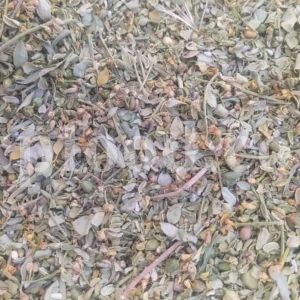
Bulk Colocynth for Export – Premium Citrullus colocynthis

ACPFOOD supplies high-quality Colocynth in bulk to global buyers in the pharmaceutical, cosmetic, and herbal industries. With global distribution through our partners in Germany, Canada, and China, we ensure consistent quality and reliable logistics for every order.

Bulk Colocynth for Export – Wholesale Supply for Industrial Use

  • Product Code: FRU-010
  • Minimum Order Quantity (MOQ): 50 kg

To order or get a quote, please push the below button:
Get A Quote!

Bulk Colocynth for Export – Wholesale B2B Supply

ACPFOOD exports bulk colocynth for export to B2B buyers, including manufacturers, processors, and herbal product companies worldwide. Also known as bitter apple, this potent botanical from Citrullus colocynthis is widely used in traditional medicine, natural health formulations, and pharmaceutical production. We offer colocynth in bulk quantities for industrial use, including dried pulp and seeds, ideal for extract manufacturers, herbal medicine exporters, and wholesale raw material distributors. Our colocynth is cleaned, sorted, and packed according to international standards for global B2B supply chains.

ACPFOOD supplies bulk Colocynth for export, carefully selected from wild-harvested Citrullus colocynthis fruits grown in arid and semi-desert regions of Iran. Known as Bitter Apple or Desert Gourd, this ancient medicinal fruit has been used for centuries in traditional and modern herbal formulations for its strong purgative and anti-inflammatory properties.

Our bulk Colocynth for export is cleaned, dried, and processed according to international standards, ensuring maximum potency and purity. It is available in whole fruits, seeds, or crushed form — ideal for pharmaceutical, nutraceutical, and veterinary applications.

Product Highlights

  • 100% Wild-Harvested Citrullus colocynthis

  • Naturally Dried and Sorted for Export Quality

  • High Concentration of Colocynthin and Cucurbitacins

  • Suitable for Pharmaceutical and Herbal Preparations

  • Available as Whole Fruits, Crushed Pieces, or Seeds

Industrial and Commercial Applications

  • Pharmaceutical Industry: Used in traditional and modern medicines as a natural purgative, anti-diabetic, and anti-inflammatory agent.

  • Nutraceutical Industry: Incorporated into detox and digestive formulations.

  • Veterinary Medicine: Applied in natural remedies for parasitic and digestive disorders in livestock.

  • Research and Biotechnology: Valuable for biochemical and phytochemical studies focusing on cucurbitacins and related compounds.

Packaging Options

  • Export-grade cartons (5 kg – 10 kg)

  • Moisture-proof inner liner for stability and freshness

  • Custom labeling and packaging available upon request

Delivery Options

🌍 Direct Export from Iran – Available worldwide
🇪🇺 European Union Customers: Delivered DDP from our warehouse in Heppenheim, Germany (MOQ: 500 Kg)
🇨🇦 Canada & 🇨🇳 China: Delivered DDP (MOQ: 500 Kg)
🇺🇸 USA Customers: Delivered DAP (MOQ: 1000 Kg)
🚢 Other Countries: CIF shipping available worldwide

Dried colocynth roots for medicinal export
Naturally dried colocynth roots used in traditional medicine and remedies

Scientific Name: Citrullus colocynthis (L.) Schrad.
Synonyms: Cucumis colocynthis L.
English Name: Colocynth
Other Names in English (UK, USA, Canada, South Africa, Australia, New Zealand): Bitter Apple, Desert Gourd, Wild Melon
Family: Cucurbitaceae

GENERAL DATA

Plant parts: Fruit, Root
Cultivation mode: Wild collection
In manufacturing: Pharmaceutical, Oil, Extract.
In food: Bread.


Industries That Use Colocynth (Bitter Apple)

Here’s a well-organized list of industries that commonly use Colocynth:

⚠️ Important Note:

Colocynth is toxic in high doses and is not commonly used in food. Its uses are mostly medicinal, industrial, and traditional. It must be handled and marketed with proper disclaimers and regulatory compliance.

1. Pharmaceutical Industry

  • Traditional Medicine – Used in Ayurveda, Unani, and folk medicine for:
    • Constipation (as a powerful purgative/laxative)
    • Anti-inflammatory treatments
    • Diabetes management (blood sugar regulation)
    • Rheumatism and joint pain relief
  • Modern Research – Explored for its antioxidant, antimicrobial, and anticancer properties.

⚠️ Often used in capsule, tincture, or powdered forms—strictly under dosage guidelines.

2. Nutraceuticals & Herbal Supplement Industry

  • Used in controlled quantities for:
    • Detox products
    • Natural laxatives
    • Metabolism-boosting supplements
    • Anti-parasitic blends

⚠️ Must be clearly labeled and used only in regulated formulations. Not approved in some countries for human consumption.

Cleaned colocynth root pieces ready for bulk supply
Premium colocynth root in bulk for pharmaceutical and herbal uses

3. Cosmetic & Personal Care Industry

  • Seed oil and plant extracts may be used in:
    • Anti-acne formulations (due to antibacterial effects)
    • Scalp treatments and herbal hair oils
    • Skin detox and exfoliating masks

The use is niche and primarily in natural or Ayurvedic cosmetic brands.

4. Agricultural & Veterinary Industry

  • Pest control – Sometimes used in traditional pest repellent formulations.
  • Animal medicine – Occasionally used in traditional livestock treatments (e.g. for worms), though with extreme caution.

5. Industrial & Chemical Industry

  • Seed oil may be used as a base in:
    • Soap production
    • Industrial lubricants
    • Biofuel research

6. Academic & Botanical Research

  • Extensively studied for:
    • Antimicrobial and anti-inflammatory activity
    • Bioactive compounds (such as cucurbitacins)
    • Potential in cancer therapy and drug development

🌿 Industries That Use Colocynth Root (Citrullus colocynthis L.)

Colocynth, also known as Bitter Apple, Bitter Cucumber, or Desert Gourd, is a desert-adapted medicinal plant traditionally used in Middle Eastern, Persian, Indian (Unani, Ayurveda), and African systems of medicine. While the bitter pulp (fruit) is the most widely used part, the root also has potent bioactive properties and is used for specific applications.

⚠️ Caution

All parts of Citrullus colocynthis, including the root, are highly toxic in large doses and require expert processing. Traditional systems only use it in highly diluted, processed, or external forms.

1. Pharmaceutical & Traditional Medicine Industry

The root of colocynth is a traditional purgative, anti-inflammatory, and vermifuge used in controlled doses. It contains colocynthin, alkaloids, cucurbitacins, and resins that contribute to its medicinal properties.

Applications:

  • Strong laxatives or purgative formulas (used rarely, in traditional settings)

  • Anti-inflammatory pastes for arthritis and rheumatic pain

  • Anti-parasitic formulations

  • Emmenagogue and abortifacient (used cautiously in folk practices)

  • Traditional Unani and Ayurvedic medicine

Form: Dried root powder, decoctions, poultices, pastes (for external use)

2. Topical Herbal Formulations

Due to the irritant and anti-inflammatory properties, colocynth root is used in external-only preparations.

Applications:

  • Topical anti-rheumatic balms and pain-relief oils

  • Poultices for joint inflammation

  • Used in herbal plasters with other warming herbs

Form: Ground root paste, infused oils, mixed with other base pastes

3. Veterinary & Ethnoveterinary Use

In traditional animal medicine, colocynth root is sometimes used:

  • As a vermifuge for livestock

  • In external poultices to reduce swelling or inflammation

  • Used in combination with other herbs in low doses

Form: Decoctions or powder in external salves

4. Natural Pesticide & Insecticidal Industry

Due to the high bitterness and toxicity, extracts from colocynth root are being explored as botanical pesticides.

Applications:

  • Natural soil treatments to deter pests

  • Ingredient in traditional grain storage repellents

  • Research for bioactive insecticidal agents

Form: Root extract, decoction, powder infusion

5. Folklore, Spiritual, and Ethnomedicinal Uses

Colocynth root has cultural and protective uses in desert and nomadic traditions.

Applications:

  • Used in amulets or charms to repel evil or bad spirits

  • Planted at doorways as protective barrier in folk practices

  • Burned in ritual smoke to purify spaces (in rare traditions)

Form: Dried root, ground and mixed with incense materials

🧾 Summary of Key Industrial Uses

Industry Common Uses
Traditional Medicine Purgative, anti-inflammatory, vermifuge, rheumatic pastes
Topical Herbal Formulations Joint pain balms, anti-inflammatory poultices
Veterinary Applications Vermifuge and wound poultices in livestock
Natural Pesticides Bioinsecticide, grain storage, soil treatment
Folklore & Spiritual Use Ritual protection, incense, amulets

🧪 Key Features of Colocynth Root

  • Extremely bitter and potentially toxic if misused

  • Contains cucurbitacins, powerful bioactive compounds

  • Known for strong laxative, anti-inflammatory, and anthelmintic properties

  • Used mostly in external formulations or highly controlled internal doses

  • Considered a “drastic” medicine in older pharmacopeias

🧾 Comparison: Colocynth Fruit vs Root

Feature Colocynth Fruit (Pulp) Colocynth Root
🔍 Part Used Dried inner pulp of the fruit (usually after removing seeds) Underground root system (tuberous root)
🌿 Traditional Use Strong drastic purgative, liver stimulant, abortifacient; used in Unani, Ayurvedic, Persian medicine Anti-inflammatory, vermifuge, topical pain relief, and rarely as a purgative
💊 Main Active Compounds Cucurbitacins, colocynthin, resin, alkaloids Cucurbitacins, resins, volatile oils, bitter glycosides
⚕️ Medicinal Actions Purgative, hepatic stimulant, anti-parasitic, abortifacient Anti-inflammatory, vermifuge, analgesic (external), mild purgative (rare use)
🧪 Toxicity Highly toxic in moderate-to-large doses; causes severe diarrhea, dehydration, cramping Toxic in internal use; mainly limited to external applications in traditional systems
🧴 Forms Used Dried powder, decoction, pills (carefully dosed), tincture Paste, poultice, oil infusion, decoction (external), powder
🌱 Topical Use Rare, mostly internal use Frequently used topically for joint pain, swelling, and inflammatory conditions
🐄 Veterinary Use Used for strong purging in livestock (very carefully) Used externally in folk veterinary salves or poultices
🧿 Folk & Ritual Use Used in protective rituals, hung in homes, amulets Burned or buried in protective charms in some cultures
🐜 Agricultural Use Natural pesticide trials (due to bitter compounds) Also explored as a natural repellent and bio-insecticide

🧠 Key Differences

  • Fruit pulp is primarily internal and much more aggressive as a purgative, but is more toxic.

  • Root is more commonly used in external topical treatments for inflammation, pain, and swelling.

  • Both are toxic, but the fruit is more dangerous internally and requires precise processing.

  • The fruit is more common in official traditional medicine systems (Unani, Ayurveda), while root use is more niche and external.

PRODUCT NAME IN DIFFERENT LANGUAGES

Persian Name: Hendevaneh Aboujahl- Hanzal/ هندوانه ابوجهل- حنظل
German Name : Bitterapfel, Koloquinte
French Name : Coloquinthe


HARVEST CALENDAR

Jan
Feb
Mar
Apr
May
Jun
Jul
Aug
Sep
Oct
Nov
Dec


To order Bitter Apple dried fruits, please contact us.


About Citrullus Colocynthis

Bitter Apple is the fruit of a perennial plant that spreads on the ground in the form of a low and creeping bush. The stems of this plant are relatively thick and fluffy and can wrap around objects. The cross section of the stems of this plant is usually polygonal and sometimes circular.

The leaves of this plant have cuts and curves that divide the leaves into smaller parts. The overall shape of the leaves is almost triangular and elongated. These leaves are hairy and grow alternately. The flowers are yellow, small, and slightly fluffy, and each flower has five oval petals.

The fruit of this plant is spherical in shape and the size of an orange. The thin and smooth skin of this fruit is dark green at first, and pale spots and stripes can be seen on it. But after fully ripening, it turns yellow or orange. The appearance of Bitter Apple is similar to watermelon. But it is much smaller. The flesh of the fruit is greenish-white at first and has a very bitter taste. But after it is fully ripe, it dries up. Inside the fruit there are many brown, shiny, point-shaped and pointed seeds that are almost similar to apple seeds.


Bitter apple (Citrullus colocynthis) in bulk packaging
Bulk colocynth for export

About Cucumis melo subsp. Melo or Cantaloupe

Another species of this plant, which is called Cantaloupe in English, is a plant from the Cucurbitaceae family, its scientific name is Cucumis melo subsp. Melo and its synonym Cucumis trigonus Roxb.

Cantaloupe is a perennial plant; all its parts are covered with tuberous hair. Its circular leaves have 3-5 claws. Its male flowers are 2-3, large, single, and its ovary is covered with wool-like threads. Its fruit is like a small, fluffy, slightly long, egg-shaped plum with lines along the length of the fruit. This plant grows in Iran.


To order Citrullus colocynthis dried fruits, please contact us.


Citrullus Colocynthis Chemical Constituents

The fruit contains a number of bitter principles generally known as Cucurbitacins consisting of α-Elaterin (Cucurbitacin E), Elatericin B (Cucurbitacin I), Dihydro-Elatericin B (Cucurbitacin L), Citrulline, Citrullene, Citrullic acid and Citrullol.

Also present are sugars (glucose), pectin, hydrocarbons such as hentriacontane, a volatile oil consisting of citronellal, methyl eugenol and methyl heptenone, choline, alkaloids, lanosterol and bsitosterol. Seeds yield a bitter oil consisting of linoleic (60%), oleic (20%) and palmitic (10%) acids and a triterpene, citrullonol.

The flesh extract or Bitter Apple juice is a powerful antibiotic against some microbes, including Salmonella Enterica Typhi, Corynebacterium diphtheriae, Escherichia coli, Staphylococcus aureus, and finally Salmonella schottmuelleri (the cause of paratyphoid fever). And it is very effective to fight against Salmonella enterica subsp. Enterica.

Explanation:

– Salmonella Enterica Typhi is the cause of typhoid disease.

– Corynebacterium diphtheriae is the cause of diphtheria in humans, which is also called Diphtheria bacillus and Klebs-Löffler bacillus.

– Escherichia coli is a colonic bacillus. As long as it is in the bed of the colon, it is not pathogenic, but outside the body or in the urinary tract, it may cause infection. The presence of this bacillus in milk or water is the reason to show for contamination of milk or water with waste.

– Salmonella schottmuelleri and Salmonella enterica subsp. Enterica causes paratyphoid fever.


Bitter Apple Temperament

Fourth degree of hot and second degree of dry.


To order Colocynth dried fruits, please contact us.


Wild Melon Health Benefits

Bitter Apple is very bitter and glazed. Its fruit is used as medicine in traditional Iranian medicine, which is picked and dried in late summer. According to the experience of the sages of traditional medicine. The medicinal power of its fruit flesh remains up to 4 years if it is kept unpeeled, and if it is peeled and the flesh inside is dried and stored, it can be kept up to 2 years. According to the sages, its fruit is very hot and dry, and it is a very strong phlegm laxative, and it absorbs phlegm humors from the depths of the body and expels them.

The recommendation of traditional doctors is that, while Wild Melon fruit is a strong laxative, it is also very abrasive, so it should be avoided to get as a laxative, except in exceptional cases where they must evacuate the stomach and intestines. For example, it may be prescribed and consumed under the supervision of a doctor only in the case of some severe dropsy.

  1. Pour one or two grams of dried Bitter Cucumber flesh in empty capsules every day and eat it. It is a diuretic and a very strong laxative for phlegm and absorbs phlegm humors from the depths of the body and causes their expulsion, so it is used for hard polydipsia. Bitter Apple is useful for cold diseases such as headache, migraine, paralysis, Parkinson, epilepsy and forgetfulness, it is a powerful antibiotic against some microbe, it is useful for diseases of the stomach and intestines, liver, kidneys, bladder, uterus and joint pain, it is an emmenagogue.
  2. Drinking two grams of dried Bitter Cucumber decoction or (pulverize it softly and fill it in empty capsules and eat it) kills parasites and if you wash and enema the intestine with its decoction, it will destroy small anal worms. And for infants with parasites, you can poultice Colocynth decoction on their navel.
  3. Cook dried Bitter Apple flesh in water and honey and eat it. It is concentrated chyme laxative.
  4. Mix 7 grams of dried Bitter Cucumber flesh with triple amount of Fennel seed (Foeniculum vulgare Mill.) and boil it and drink its decoction. It is effective in treating melancholia, lamellar ichthyosis (a type of body hair loss) and leprosy.
  5. Pierce the intact fruit and remove the seeds inside it, but the flesh should remains, then fill it with Water Lily oil and close the lid with a piece of Colocynth peel and knead the dough around it. And cook in the oven to boil a few times and eat a little of that oil every day and rub it on your head at night. It darkens the hair and prevents the hair from turning white.
  6. Boil its juice or flesh in vinegar, then taste that vinegar in your mouth. Relieves toothache and strengthens the gums.
  7. If you poultice its fresh juice or its dried decoction on the gum of the tooth, tooth extraction will be easier.
  8. Drop dried Bitter Cucumber decoction in the ear. It will kill the worm inside the ear and disinfects the ear.
  9. Chop Bitter Cucumber with its peel and boil it in water, then strain it and enema with its decoction. Dried Colocynth is useful for treating paralysis, sciatica, gluteal muscles pain and back and lower back pain.
  10. Dried Bitter Cucumber suppository in the anus is strong laxative and placing it in the vagina aborts the fetus.

Eating Bitter Apple cures cold head diseases, headache, temples pain, paralysis, facial nerve paralysis, epilepsy, forgetfulness, chronic watery eye, polydipsia, leprosy, lamellar ichthyosis, elephantiasis, hemorrhoids, and black bile diseases. Colocynth in cold and phlegmatic temperaments causes proper blood flow.

Its fruit flesh extract or its juice is useful for typhoid and diphtheria. Eating Citrullus colocynthis fruit several times and applying it poultice on the soles of the feet cures leprosy. Eating its fruit which is cooked in water and honey is a laxative for thick chymus.

Sinus rinsing with fresh Bitter Apple juice is useful for yellow eyes. Boil this fruit in Olive oil and drop it in the nose, it opens cerebral artery stenosis and its drop in the ear relieves earache.

Pour vinegar in the middle of the empty Colocynth and boil it. Keeping that vinegar in the mouth strengthens the gums and relieves toothache.

Colocynth suppository is very strong laxative. Wild Melon boiled juice suppository is useful for paralysis, phlegmatic colic, sciatica, and cold pains.

Rubbing its powder on the tooth and gums makes tooth extraction easier. Eating 5 grams of dried leaves of Colocynth with starch and Gum Arabic helps to cure black bile diarrhea. Bitter Apple leaf poultice with water and starch improves bleeding and swelling.

Drinking a decoction of Colocynth root dissolves frozen blood and is useful for polydipsia, elephantiasis, and scorpion stings. Boiling its root in vinegar and keeping that vinegar in the mouth relieves toothache.

Desert Gourd oil cures cold pains. Drinking 2 grams of this oil causes phlegm and various types of stomach and intestinal worm expulsion. Dripping this oil in the ears is useful for tinnitus and killing earworms.

This fruit has special effects on the large intestine and uterus, so it is considered as a regular medicine.

To prepare its oil, mix two parts of Colocynth juice with one part of Sesame oil or one part of Olive oil and boil it with a gentle fire until the water evaporates and the oil remains but does not burn.

If its fruit is eaten alone or with other suitable herbs in the permitted dosage and according to the doctor’s recommendation, it can be used for diseases and ailments of the stomach, intestines, liver, kidney, bladder, uterus, joint pain, ascites, leprosy and preventing hair loss.

Enema with unpeeled Bitter Apple decoction is beneficial for paralysis, sciatica, pelvic, back, and lower back pain.

One of the sages of traditional medicine narrates that a person who was bitten by a snake in two or three parts of his body immediately ate 8 grams of cooked Colocynth root and regained his health.

Its leaf poultice, which is prepared with water and starch, is useful for stopping bleeding and dissolving swellings, and sprinkling its decoction in houses is useful to repel insects and kill fleas and prevent their reproduction and multiplication.

If Colocynth fruit is pierced, its seeds are taken out, and fill it with Iris flower oil, and the hole is blocked with a piece of Desert Gourd, and it is placed inside the dough and cooked for an hour, eating it, and covering the hair with it is very useful for blackening the hair and prevent hair greying.

In India, its fruit and seeds are used as a laxative, and its root is also used as a treatment for dropsy, jaundice, urinary tract diseases, and rheumatism.

Its seeds are cooling, astringent and useful for bilious disorders. Its roots and leaves are used for snakebite.

How to prepare Bitter Apple powder:

Its should be peeled and seeds should be removed. Dry it in 40 degrees Celsius, grind in a mortar and pass it through a pharmaceutical sieve.

How to prepare Colocynth alcoholic extract:

1 unit of ground Colocynth flesh, 6 units of 60-degree alcohol. Soak Wild Melon flesh in 6 units of alcohol for 10 days. Then filter them with pressure first and next filtered with filter paper. After that they take the alcohol and evaporate it to the consistency of soft extract through distillation in water bath heater. This extract can be used 0.3-0.1 grams.

How to prepare water extract of dried Colocynth:

1 unit of dry and seedless Bitter Apple flesh, 6 units of water, mix these and let the dried Bitter Apple soak for 3 days, then strain it several time with pressure. Then let it evaporated in a water bath heater to the required degree of dryness. It can be used between 0.3-0.1 grams.

How to prepare Wild Melon infusion:

Boil 5 grams of dried Colocynth flesh in 500 grams of water for 5 minutes and strain, then add 50 grams of bitter orange peel syrup and 5 grams of sulfuric ether (diethyl ether). Drink 3 dessert spoons of this decoction every two hours in case of dropsy which will be about 6-12 dessert spoons during the day.


To order Wild Melon dried fruits, please contact us.


Desert Gourd Dosage

Dried flesh powder of this fruit can be used 0.2 to 1g, which is mixed with another ineffective herb powder. Its extract can be used 0.1 to 0.3 g, as a pill.


Bitter Apple Side Effects

Colocynth is semi-toxic and you should be careful in using it, its use must be done under the supervision of a doctor or an experienced specialist. Hot-temperament people should avoid eating it, especially in the hot season, because it is harmful to them and causes stomach cramps, and discomfort such as confusion, headache, dizziness and stomach and anal discomfort.

Citrullus colocynthis fruit should not be eaten alone, but should be consumed with Gum Arabic or Gum Tragacanth or Pound Starch.


Colocynth Modifiers

Gum Arabic, Gum Tragacanth, and starch.

Gum Arabic weakens the Desert Gourd effectiveness. But Gum Tragacanth increases its strength. Colocynth should be used in cold weather and as a crushed. Otherwise, it will cause heartburn, wound and tear of intestine.


🥣 Nutrition Facts – Dried Colocynth Fruit (Citrullus colocynthis L. Schrad.)

Serving Size: 100 g
Calories: ~125 kcal (estimated)

Nutrient Amount per 100g % Daily Value*
Total Fat 1.8 g 2%
• Saturated Fat 0.2 g 1%
• Trans Fat 0 g
Cholesterol 0 mg 0%
Sodium 18 mg 1%
Total Carbohydrate 27.0 g 10%
• Dietary Fiber 9.2 g 33%
• Total Sugars 2.1 g
Protein 3.4 g 7%

Micronutrients:

Vitamin & Mineral Amount per 100g % Daily Value*
Calcium 126 mg 10%
Iron 3.1 mg 17%
Potassium 410 mg 9%
Magnesium 73 mg 18%
Zinc 1.0 mg 9%

⚠️ Caution: Colocynth contains powerful bioactive compounds (cucurbitacins). It is not edible as a food and should only be used in controlled herbal formulations. Toxic if ingested in large quantities.

Percent Daily Values are based on a 2,000-calorie diet. Values are approximate and for general reference only.

To order bulk Colocynth for export, please contact us.


Reviews

There are no reviews yet.

Be the first to review “Bulk Colocynth for Export – Premium Citrullus colocynthis”

Your email address will not be published. Required fields are marked *

Videos

Research & Studies

Research & Studies on Citrullus colocynthis (Bitter Apple)

Scientific Interest in English-Speaking Countries

Research into Citrullus colocynthis—commonly known as Bitter Apple—has been expanding across leading universities in the United Kingdom, United States, Canada, Australia, New Zealand, and South Africa. Studies focus on its bioactive compounds, antidiabetic properties, anti-inflammatory effects, and potential in nutraceutical and pharmaceutical industries.

  • United Kingdom:

    • University of Reading has explored natural antioxidants in desert plants including C. colocynthis (Reading research).

    • King’s College London has investigated traditional medicinal plants for metabolic and liver health (King’s College London research).

  • United States:

    • The National Center for Biotechnology Information (NCBI) hosts multiple peer-reviewed studies on colocynth seed and root extracts for their anti-inflammatory and anticancer activities (NCBI colocynth studies).

    • University of California researchers have evaluated its pharmacological potential in diabetes management.

  • Canada:

    • University of Toronto and McGill University have referenced colocynth extracts in studies on botanical alternatives for gut health and detoxification (McGill research).

  • Australia & New Zealand:

  • South Africa:

    • University of Pretoria has studied colocynth as part of its ethnobotany program focusing on arid-zone medicinal plants (UP research).

Industry Applications & Export Relevance

Colocynth fruit and root are gaining attention for use in:

  • Pharmaceuticals – natural compounds for anti-inflammatory, hepatoprotective, and anticancer formulations.

  • Nutraceuticals – plant-based detox and digestive support ingredients.

  • Cosmetics – botanical extracts for skin care formulations.

For businesses, sourcing bulk Colocynth for export ensures access to an ingredient that is already under rigorous international scientific evaluation.

Why Choose ACPFOOD?

As a trusted wholesale supplier, ACPFOOD connects research-backed natural products with global distributors. Beyond colocynth, we supply a wide range of botanicals through our dried fruit export category, including bulk dried figs for export and other medicinal herbs.

By aligning academic validation with commercial demand, we help natural food distributors and manufacturers secure colocynth and other botanicals with full documentation and reliable quality.

👉 Looking for a dependable ficus carica bulk supplier or exploring colocynth as part of your portfolio? Partner with ACPFOOD to secure bulk Colocynth for export with confidence.

Pin It on Pinterest

Share This
×