


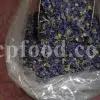


Bulk Dried Blue Mallow for Export
ACPFOOD is a trusted supplier of bulk dried blue mallow for export, offering premium malva sylvestris flowers and common mallow seeds to wholesalers, distributors, and importers worldwide. These versatile botanicals are widely used in herbal teas, natural remedies, skincare products, and cosmetic formulations. By providing consistent quality and competitive pricing, ACPFOOD ensures that businesses sourcing bulk blue mallow receive a reliable supply suitable for large-scale production and international trade.

Our Bulk Dried Blue Mallow for Export products are harvested at the ideal stage of maturity and gently dried to preserve their natural color, mucilage content, aroma, and botanical characteristics. Dried Blue Mallow Flowers are highly valued in herbal tea blends and botanical formulations, while Blue Mallow Leaves are widely used in herbal processing and extract production. Blue Mallow Seeds are supplied for cultivation, botanical applications, and specialized industrial uses.
ACPFOOD provides export-grade Bulk Dried Blue Mallow for Export products with professional cleaning, stable quality, and complete export documentation suitable for wholesalers, herbal manufacturers, pharmaceutical companies, and international importers.
🌸 Available Blue Mallow Products
✔️ Dried Blue Mallow Flowers (Malva sylvestris L.)
Premium-quality dried flowers with natural purple-blue coloration, widely used in herbal teas, botanical blends, and extraction industries.
✔️ Blue Mallow Leaves (Malva sylvestris L.)
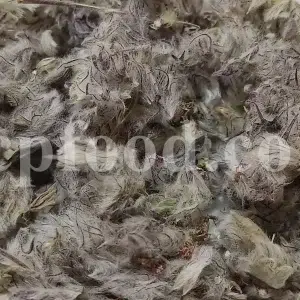
Carefully cleaned and dried leaves suitable for herbal formulations, extracts, and nutraceutical products.
✔️ Blue Mallow Seeds (Malva sylvestris L.)
Selected seeds supplied for cultivation, agricultural projects, botanical research, and specialty applications.
🏭 Industrial Applications
✔️ Herbal Tea Industry
- Dried blue mallow flowers used in herbal infusions and wellness tea blends
- Popular ingredient in floral tea formulations and specialty herbal beverages
✔️ Pharmaceutical Industry
- Flowers and leaves used in herbal extracts and botanical preparations
- Applied in traditional herbal formulations and plant-based products
✔️ Nutraceutical Industry
- Used in capsules, powders, extracts, and botanical supplements
- Suitable for functional wellness products
✔️ Cosmetic & Personal Care Industry
- Blue mallow extracts used in skincare products, creams, lotions, and botanical cosmetics
- Valued for natural plant-based formulations
✔️ Agricultural & Seed Industry
- Blue mallow seeds supplied for cultivation and research purposes
- Suitable for commercial farming and botanical projects
ACPFOOD supplies industrial-grade Bulk Dried Blue Mallow for Export products suitable for large-scale processing and manufacturing industries.
🌱 Product Specifications
| Parameter | Blue Mallow Flowers | Blue Mallow Leaves | Blue Mallow Seeds |
|---|---|---|---|
| Botanical Name | Malva sylvestris L. | Malva sylvestris L. | Malva sylvestris L. |
| Plant Part Used | Flowers | Leaves | Seeds |
| Form | Whole dried flowers | Dried leaves | Whole seeds |
| Color | Purple-blue | Green | Brown |
| Aroma | Mild floral | Mild herbal | Mild |
| Moisture | < 10% | < 10% | < 10% |
| Purity | ≥ 99% cleaned | ≥ 99% cleaned | ≥ 99% cleaned |
| Origin | Iran | Iran | Iran |
| Processing | Gentle drying and cleaning | Drying and cleaning | Cleaning and grading |
| Applications | Tea, extracts, cosmetics | Extracts, nutraceuticals | Cultivation and research |
| Documents Provided | CoA, TDS, Phytosanitary Certificate | CoA, TDS, Phytosanitary Certificate | CoA, TDS, Phytosanitary Certificate |
🌍 Why Choose ACPFOOD for Bulk Dried Blue Mallow for Export
- ✔️ Trusted supplier of Bulk Dried Blue Mallow for Export
- ✔️ Available as flowers, leaves, and seeds
- ✔️ Attractive natural color and export-grade quality
- ✔️ Suitable for herbal tea, pharmaceutical, nutraceutical, and cosmetic industries
- ✔️ Professionally cleaned and carefully processed
- ✔️ Complete export documentation available
- ✔️ Reliable international wholesale supply
ACPFOOD is a dependable supplier of Bulk Dried Blue Mallow for Export, serving importers, herbal manufacturers, pharmaceutical companies, and industrial buyers worldwide.
🚚 Delivery Options
🌍 Direct Export from Iran – Available worldwide
🇪🇺 European Union Customers: Delivered DDP from our warehouse in Heppenheim, Germany (MOQ: 500 Kg)
🇨🇦 Canada & 🇨🇳 China: Delivered DDP (MOQ: 500 Kg)
🇺🇸 USA Customers: Delivered DAP (MOQ: 1000 Kg)
🚢 Other Countries: CIF shipping available worldwide

GENERAL DATA
Plant parts: Flowers, Leaves
Cultivation mode: Wild Collection/Cultivated
In manufacturing: Pharmaceutical, skincare, haircare, shampoo, veterinary, plant dyes production, ship ropes production, textile, paper production, extract, cosmetics, perfumery, oil.
In food: Salads, herbal tea.
🌸 Industries That Use Blue Mallow Flowers (Malva sylvestris L.)
Blue Mallow Flowers are valued for their deep violet petals, high mucilage content, and anti-inflammatory, soothing, and emollient properties. They are widely used in herbal medicine, cosmetics, wellness teas, and ethnobotanical remedies.
1. Pharmaceutical & Traditional Medicine Industry
Blue mallow is a classic soothing agent in both Western herbalism and traditional Mediterranean medicine.
Applications:
-
Used in herbal remedies for coughs, sore throats, and gastric irritation
-
Applied topically for inflammation, wound healing, and skin irritation
-
Featured in respiratory and gastrointestinal herbal blends
✅ Rich in mucilage, flavonoids, and anthocyanins
2. Herbal & Nutraceutical Industry
Mallow flowers are used for internal soothing support and anti-inflammatory wellness formulas.
Applications:
-
Included in detox and cleansing teas
-
Featured in calming digestive and respiratory formulations
-
Used in oral health preparations and throat lozenges
✅ Combined with Licorice root, Mallow leaf, or Thyme in soft tissue support blends

✅ Gentle for reactive or delicate skin types
4. Tea & Beverage Industry
Blue Mallow is an attractive herbal tea ingredient due to its color and mucilaginous mouthfeel.
Applications:
-
Used in caffeine-free calming tea blends
-
Blended with Chamomile, Lemon Balm, or Rose petals for throat-soothing teas
-
Provides blue-purple hue, which can shift to pink with pH changes
✅ Sometimes used in color-changing or mood teas

5. Dye & Natural Colorant Industry
Due to its anthocyanins, mallow is used in natural dyeing and pH-sensitive applications.
Applications:
-
Natural colorant for handmade soaps, textiles, and artisanal paper
-
Used in natural food coloring (though limited by stability)
-
Sometimes included in DIY cosmetic pigment bases
✅ Offers a blue-violet to pink spectrum, depending on acidity
6. Craft, Aromatherapy & Ethnobotanical Use
Dried mallow flowers are appreciated for aesthetic appeal and symbolic calming energy.
Applications:
-
Used in potpourri, bath blends, and aromatherapy sachets
-
Added to ritual blends for harmony, calm, and communication
-
Common in herbal pillows and eye compresses
✅ Symbolic of gentleness and peace in traditional lore
✅ Summary of Key Applications
| Industry | Common Uses |
|---|---|
| Pharmaceutical & Traditional | Respiratory/gastrointestinal soothers, wound healing |
| Herbal & Nutraceutical | Detox teas, lozenges, anti-inflammatory blends |
| Cosmetics & Skincare | Calming creams, facial toners, after-sun care |
| Tea & Beverage | Soothing teas, visual color-change infusions |
| Natural Colorants | Artisanal dyes, natural soap or cosmetic pigment |
| Craft & Ethnobotanical | Potpourri, compresses, herbal baths, sachets |
🌟 Key Features
-
High in mucilage—great for soothing tissues (internally and externally)
-
Contains anthocyanins, offering color and antioxidant activity
-
Used in functional teas, natural skincare, and plant-based dyes
-
Considered safe, gentle, and effective across traditional and modern herbal systems
-
Popular in Europe, the Middle East, and North Africa
🌿 Industries That Use Blue Mallow Leaves (Malva sylvestris L.)
While the flowers are prized for their color and aroma, Blue Mallow Leaves are especially noted for their high mucilage content, offering exceptional soothing, anti-inflammatory, and emollient benefits. They are widely used in traditional medicine, herbal teas, natural skincare, and topical healing applications.
1. Pharmaceutical & Traditional Medicine Industry
Mallow leaves are recognized in traditional European and Mediterranean medicine as a soft tissue protector and anti-inflammatory agent.
Applications:
-
Used in decoctions or poultices for sore throats, bronchitis, and gastritis
-
Applied as compresses or washes for skin inflammation and wounds
-
Featured in formulas to soothe urinary tract, intestinal lining, or respiratory tissues
✅ Excellent mucilage source—forms a protective, calming layer over mucous membranes
2. Herbal & Nutraceutical Industry
Leaves are used in digestive and respiratory herbal blends, especially in combination with demulcents and expectorants.
Applications:
-
Included in mucilaginous tea blends for cough, sore throat, and heartburn
-
Featured in liver and bladder support herbal infusions
-
Blended with Marshmallow root, Licorice, or Thyme
✅ Supports both upper respiratory and gastrointestinal wellness
3. Skincare & Personal Care Industry
Due to its emollient and anti-inflammatory properties, mallow leaf is used in herbal skincare treatments for dry, irritated, or inflamed skin.
Applications:
-
Used in herbal steams, compresses, or infused oils
-
Found in eczema creams, soothing face masks, and baby care formulas
-
Also used in post-shaving balms, herbal bath soaks, and cleansing milks
✅ Gentle and safe for sensitive skin or atopic conditions
4. Veterinary & Livestock Care
Traditionally used in herbal care for animals, especially in rural herbal veterinary systems.
Applications:
-
Added to fodder or mash for sick animals
-
Used in washes for hoof or skin irritations
-
Sometimes included in natural wound care blends
✅ Mucilage helps soothe inflammation and irritation in livestock
5. Agricultural & Botanical Research
Mallow leaves are studied for antioxidant, anti-inflammatory, and soil remediation potential.
Applications:
-
Used in studies on natural herbicides and allelochemicals
-
Investigated as a bioindicator plant in polluted areas
-
Research on leaf extracts for green antimicrobial agents
✅ Known to accumulate bioactive polyphenols in response to stress
✅ Summary of Key Applications
| Industry | Common Uses |
|---|---|
| Pharmaceutical & Traditional | Anti-inflammatory decoctions, topical poultices |
| Herbal & Nutraceutical | Soothing teas for throat, stomach, and urinary tract |
| Skincare & Cosmetics | Sensitive skin creams, baby care, herbal steams |
| Veterinary | Herbal washes, natural feed supplements, wound care |
| Research & Agriculture | Bioindicator plant, allelopathy, natural pesticide testing |
🌟 Key Features
-
Exceptionally high in mucilage—offering soothing, protective properties
-
Contains polyphenols, flavonoids, and mild tannins
-
Traditionally used for respiratory, urinary, and digestive irritation
-
Common in gentle herbal skincare and anti-inflammatory formulas
-
Available as whole dried leaves, cut & sifted, or powdered
🌱 Industries That Use Blue Mallow Seeds (Malva sylvestris L.)
Blue Mallow seeds, commonly referred to as “cheeses” due to their shape, are primarily used for propagation, but they also appear in traditional folk remedies, natural cosmetics, and botanical formulations focused on digestive and skin health. While not as prominent as the flowers or leaves, they support a sustainable, full-plant utilization approach.
1. Horticulture & Seed Industry
This is the primary sector that utilizes Blue Mallow seeds.
Applications:
-
Used in seed propagation for herbal gardens, farms, and botanical landscapes
-
Sold in heirloom seed kits, wildflower mixes, and pollinator programs
-
Integral in restoration ecology due to mallow’s fast growth and soil tolerance
✅ Seeds germinate well in Mediterranean and temperate climates, attracting bees and butterflies
2. Herbal & Ethnobotanical Use (Limited)
In traditional medicine systems, mallow seeds have been used for digestive and urinary tract support.
Applications:
-
Consumed in folk remedies for mild constipation or bladder inflammation
-
Sometimes included in traditional Persian and Mediterranean remedies
-
Occasionally ground and steeped as a demulcent infusion
✅ Like other parts of the plant, seeds contain mucilage with soothing effects
3. Skincare & Cosmetic Industry (Emerging/Niche)
The oil extracted from seeds and seed powders are now being explored in natural skincare.
Applications:
-
Used in herbal face masks, natural exfoliants, and infused oils
-
Sometimes pressed for light carrier oil rich in omega fatty acids
-
May appear in hair tonics, scalp conditioners, or body polishes
✅ Supports a zero-waste model in whole-plant processing
4. Craft & Natural Packaging
Dried seeds have value in crafting and sustainable packaging.
Applications:
-
Added to natural potpourri blends, eco-paper, or seed sachets
-
Used in seed paper for herbal marketing or event giveaways
-
Occasionally incorporated into resin crafts or educational kits
✅ Visually unique, symbolic of regeneration and self-care
✅ Summary of Key Applications
| Industry | Common Uses |
|---|---|
| Horticulture & Seed | Propagation, pollinator gardens, wildflower programs |
| Herbal & Traditional | Digestive demulcents, bladder support, folk remedies |
| Skincare & Cosmetics | Exfoliants, scalp care, herbal oil infusions |
| Crafts & Sustainable Packaging | Seed paper, potpourri, artisan resin, eco-labels |
🌟 Key Features
-
Contain mucilage, mild oils, and plant sterols
-
Primarily used for cultivation, but gaining interest in natural health and skincare
-
Fits into zero-waste, whole-herb product lines
-
Symbolic of renewal, often used in eco-gifting and sustainability initiatives
-
Available as whole seeds, powder, or cold-pressed oil (niche)
💜🌿🌱 Comparison: Blue Mallow Flowers vs Leaves vs Seeds
Malva sylvestris L.
| Aspect | Blue Mallow Flowers | Blue Mallow Leaves | Blue Mallow Seeds |
|---|---|---|---|
| Botanical Role | Petals of the plant’s inflorescence | Foliage used for defense and photosynthesis | Reproductive structure of the plant |
| Appearance | Violet to deep blue petals | Broad, lobed green leaves | Small kidney- or cheese-shaped brown seeds |
| Main Constituents | Anthocyanins, flavonoids, mucilage | High mucilage, polyphenols, tannins | Mucilage, fatty acids, plant sterols |
| Aroma/Flavor | Mildly floral, soft | Earthy, green, neutral | Very mild, nutty-earthy when fresh |
| Pharmaceutical Use | Respiratory, throat, inflammation | Gastric, urinary, respiratory soothing | Mild laxative, bladder soothing (folk use) |
| Cosmetic Use | Anti-redness, soothing creams, floral mists | Facial steams, eczema creams, baby care | Exfoliants, infused oils, scalp care |
| Herbal Use | Calming teas, lozenges, throat blends | Digestive teas, demulcent formulas | Folk demulcents, limited internal use |
| Aromatherapy/Crafts | Potpourri, bath blends, sachets | Poultices, compresses, healing wraps | Seed sachets, seed paper, symbolic crafts |
| Dye/Color Use | Natural pH-sensitive dye (blue-pink) | Minimal pigment use | Not used for color |
| Agricultural Use | Harvested for petals | Harvested as herbal biomass | Sown for propagation, used in pollinator mixes |
| Market Format | Dried whole petals or powder | Cut & sifted dried leaf, whole leaf | Bulk seed, ground, or seed oil (rare) |
| Industrial Demand | High (teas, skincare, pharma) | Moderate (herbal and cosmetic) | Niche but rising (horticulture, crafts) |
✅ Summary Insights
-
Flowers are rich in anthocyanins and mucilage, ideal for colorful calming teas, skincare, and respiratory support.
-
Leaves are the mucilage powerhouse, widely used for digestive, urinary, and skin-soothing herbal remedies.
-
Seeds serve a horticultural and regenerative role, but are gaining attention in cosmetic formulations and folk medicine for mild demulcent effects.
🌟 Key Takeaways
-
All three parts are non-toxic, soothing, and fit into demulcent-based herbal systems.
-
Supports full-plant utilization for zero-waste, eco-friendly, and multi-industry product lines.
-
Common in European, Middle Eastern, and Mediterranean phytotherapy traditions.
PRODUCT NAME IN DIFFERENT LANGUAGES
Persian Name: پنیرک/ Panirak
German Name (Deutschland, Austria, Switzerland): Käsepappel, Wilde Malve
French Name (France, Belgium, Switzerland, Quebec): Grande mauve, Mauve des bois, Mauve sauvage
HARVEST CALENDAR
Feb
Mar
Apr
May
Jun
Jul
Aug
Sep
Oct
Nov
Dec
To order Common Mallow, please contact us.
About Malva sylvestris
It is a plant of the Malvaceae family, which has two types (large and small).
- Large type: It is a perennial or biennial herb with a straight stem and a cylinder that is 40 to 80 cm tall. The flowers are large, appearing reddish-purple in May to June. A variety of it grows in Iran.
- Small type: The leaves and flowers are smaller than the large type in all parts. Its height is about one span and reaches a maximum of half a meter. Its leaves are round and its flowers are white with red or burgundy streaks. This plant is also grown in most parts of Iran.

Malva Health Benefits
Flower
1. Brew 30 grams of it in a liter of boiling water and drink the strained water gradually. It is a moderator, laxative and emollient, antipyretic, dilutes concentrated humors and moderates very diluted humors, treats rough voice caused by hot and dryness, opens the obstruction of the liver ducts, increases the secretion of urine and milk, is useful for treating jaundice, gastric ulcer, diarrhea and burning of the urethra, is prescribed in cases of disorders of the mucous membranes of the lungs, bladder and urinary tract.
2. Blue Mallow is used as a poultice in external use to eliminate skin inflammations.
3. Brew 10 grams of it in a liter of boiling water, strain and drink a cup every morning, noon and night. It soothes the chest and relieves cough.
4. Gargle Blue Mallow tea and rinse your mouth with it. It is very beneficial.
Leaves
1. Brewed its leaves tea is beneficial to soften anal swelling and firmness of uterine muscles.
2. Poultice of its pulverized leaves is useful for fractures of limbs, dwindle of hot swellings and bee stings.
3. If you smash and mix Blue Mallow with olive oil and poultice, it is beneficial for healing burns from fire, erysipelas and scorpion bites.
🧾 Nutrition Facts – Dried Blue Mallow Flowers (100g)
Botanical Name: Malva sylvestris L.
Common Names: Common Mallow, High Mallow, Blue Mallow
Plant Part Used: Dried Flowers
Traditional Uses: Herbal teas, anti-inflammatory tonics, respiratory and skin care remedies
| Nutrient | Amount per 100g | % Daily Value (DV)* |
|---|---|---|
| Calories | 261 kcal | 13% |
| Water | 8.1 g | — |
| Protein | 17.3 g | 35% |
| Total Fat | 2.1 g | 3% |
| • Saturated Fat | 0.3 g | 1% |
| Carbohydrates | 53.5 g | 19% |
| • Dietary Fiber | 28.1 g | 100%+ |
| • Sugars | 4.8 g | — |
🔬 Minerals
| Mineral | Amount | %DV |
|---|---|---|
| Calcium | 540 mg | 42% |
| Iron | 11.2 mg | 62% |
| Magnesium | 179 mg | 45% |
| Phosphorus | 137 mg | 11% |
| Potassium | 728 mg | 15% |
| Zinc | 2.4 mg | 22% |
| Manganese | 3.1 mg | 135% |
| Sodium | 31 mg | 1% |
🌿 Vitamins
| Vitamin | Amount | %DV |
|---|---|---|
| Vitamin A (RAE) | 154 µg | 17% |
| Vitamin C | 28 mg | 31% |
| Vitamin E | 3.2 mg | 21% |
| Vitamin K1 | 77 µg | 64% |
| Vitamin B2 (Riboflavin) | 0.38 mg | 29% |
| Folate (B9) | 46 µg | 12% |


🌸 Flavor Profile: Mild, slightly sweet, and earthy with mucilaginous texture
📦 Storage: Store in airtight container in a cool, dry, dark place
⚠️ Note: Mucilage content may vary depending on drying method and harvest time
🧪 Disclaimer: Nutritional values are approximate and based on standard lab data for dried mallow flowers
🧾 Nutrition Facts – Dried Blue Mallow Leaves (100g)
Botanical Name: Malva sylvestris L.
Common Names: Blue Mallow, Common Mallow
Plant Part Used: Dried Leaves
Traditional Uses: Digestive relief, respiratory support, skin inflammation, and wound healing
| Nutrient | Amount per 100g | % Daily Value (DV)* |
|---|---|---|
| Calories | 240 kcal | 12% |
| Water | 9.2 g | — |
| Protein | 19.2 g | 38% |
| Total Fat | 3.0 g | 4% |
| • Saturated Fat | 0.4 g | 2% |
| Carbohydrates | 42.7 g | 16% |
| • Dietary Fiber | 27.3 g | 98% |
| • Sugars | 3.2 g | — |
🔬 Minerals
| Mineral | Amount | %DV |
|---|---|---|
| Calcium | 612 mg | 47% |
| Iron | 13.1 mg | 73% |
| Magnesium | 192 mg | 48% |
| Phosphorus | 141 mg | 11% |
| Potassium | 740 mg | 16% |
| Zinc | 2.8 mg | 25% |
| Manganese | 3.7 mg | 160% |
| Sodium | 28 mg | 1% |
🌿 Vitamins
| Vitamin | Amount | %DV |
|---|---|---|
| Vitamin A (RAE) | 182 µg | 20% |
| Vitamin C | 31 mg | 34% |
| Vitamin E | 3.6 mg | 24% |
| Vitamin K1 | 88 µg | 73% |
| Vitamin B1 (Thiamine) | 0.14 mg | 12% |
| Vitamin B2 (Riboflavin) | 0.42 mg | 32% |
| Folate (B9) | 54 µg | 14% |
🧪 Key Phytochemicals & Bioactive Compounds
-
Mucilage (polysaccharides) – Soothes mucous membranes
-
Flavonoids (quercetin, malvone) – Antioxidant and anti-inflammatory
-
Tannins – Astringent and antibacterial
-
Phenolic acids (caffeic, ferulic) – Free radical scavengers
-
Chlorophyll – Detoxification and skin health
🏭 Industrial & Herbal Applications
-
Phytotherapy: For dry coughs, gastritis, ulcers, and mild constipation
-
Topical Use: Poultices and salves for eczema, bites, and inflammation
-
Cosmetic Products: Soothing creams, face masks, shampoos
-
Food Use: Occasionally as salad garnish, or tea blend base
-
Colorant Source: Contributes green tone to herbal mixtures
🍃 Flavor Profile: Mild, earthy, slightly mucilaginous
📦 Storage: Keep airtight in a cool, dry, and dark environment
⚠️ Note: Over-drying may reduce mucilage content
🧪 Disclaimer: Nutrient values are based on published data and can vary by origin and drying method
🧾 Nutrition Facts – Dried Blue Mallow Seeds (100g)
Botanical Name: Malva sylvestris L.
Common Names: Blue Mallow, Common Mallow
Plant Part Used: Dried Seeds
Traditional Uses: Emollient, laxative, anti-inflammatory, and nutritive tonic
| Nutrient | Amount per 100g | % Daily Value (DV)* |
|---|---|---|
| Calories | 410 kcal | 21% |
| Water | 6.5 g | — |
| Protein | 20.8 g | 42% |
| Total Fat | 19.7 g | 25% |
| • Saturated Fat | 2.6 g | 13% |
| • Monounsaturated Fat | 5.4 g | — |
| • Polyunsaturated Fat | 10.8 g | — |
| Carbohydrates | 43.3 g | 16% |
| • Dietary Fiber | 22.4 g | 80% |
| • Sugars | 1.9 g | — |
🔬 Minerals
| Mineral | Amount | %DV |
|---|---|---|
| Calcium | 321 mg | 25% |
| Iron | 9.6 mg | 53% |
| Magnesium | 256 mg | 64% |
| Phosphorus | 412 mg | 33% |
| Potassium | 685 mg | 15% |
| Zinc | 4.3 mg | 39% |
| Manganese | 2.1 mg | 91% |
| Sodium | 15 mg | 0% |
🌿 Vitamins
| Vitamin | Amount | %DV |
|---|---|---|
| Vitamin E | 5.2 mg | 35% |
| Vitamin K1 | 29 µg | 24% |
| Vitamin B1 (Thiamine) | 0.28 mg | 23% |
| Vitamin B2 (Riboflavin) | 0.36 mg | 28% |
| Vitamin B3 (Niacin) | 4.9 mg | 31% |
| Folate (B9) | 47 µg | 12% |
🧪 Key Phytochemicals & Bioactive Compounds
-
Essential fatty acids (Omega-6 & Omega-9) – Anti-inflammatory, skin health
-
Mucilaginous polysaccharides – Soothing and emollient
-
Flavonoids – Antioxidant and protective
-
Phenolic compounds – Detoxifying and antimicrobial
-
Sterols – Hormonal support and metabolic balance
🏭 Industrial & Herbal Applications
-
Herbal Medicine: As soft laxative, urinary tract demulcent, and inflammation modulator
-
Cosmetic Use: Oils and powders for skin calming and hydration
-
Food Applications: Nutritional additive, tea ingredient, and oil source
-
Animal Feed & Forage: High-protein botanical seed content
🌱 Flavor Profile: Nutty, slightly earthy
📦 Storage: Keep cool, dry, and tightly sealed to preserve oils
⚠️ Note: Sensitive to oxidation—store away from heat and light
🧪 Disclaimer: Nutrient values are estimated from reference data; actual composition may vary by origin and harvest
To order Blue Mallow dried flowers, please contact us.




Reviews
There are no reviews yet.