Bulk Fenugreek Seeds for Export and Dried Fenugreek Leaves
At ACPFOOD, we supply bulk fenugreek seeds for export along with high-quality dried fenugreek leaves to global buyers, wholesalers, and distributors. Known botanically as Trigonella foenum-graecum, both seeds and leaves are valued for their culinary, herbal, and pharmaceutical uses. We deliver consistent quality in large volumes at competitive prices for international trade.
Wholesale Supply of Trigonella Foenum-Graecum Seeds and Dried Fenugreek Leaves
Product Code: SEE-005
Minimum Order Quantity (MOQ): 500 kg
To order or get a quote, please push the below button:
Bulk Fenugreek Seeds for Export with Dried Fenugreek Leaves
Our company provides bulk fenugreek seeds for export and premium dried fenugreek leaves to international wholesalers, importers, and distributors. These Trigonella foenum-graecum seeds and leaves are widely used in food processing, pharmaceutical industries, and herbal products. ACPFOOD ensures consistent quality, competitive prices, and reliable delivery, making us a trusted wholesale supplier of fenugreek seeds and dried leaves for global markets.
ACPFOOD supplies premium-quality Bulk Fenugreek Seeds for Export, sourced from the finest Trigonella foenum-graecum crops in Iran. Our portfolio includes both fenugreek seeds and fenugreek leaves (Kasuri Methi), carefully harvested, shade-dried, and processed to preserve maximum nutritional, aromatic, and functional qualities.
Our Bulk Fenugreek Seeds for Export are widely used in food production, spice blends, herbal supplements, animal feed formulations, nutraceutical products, and traditional medicine. Fenugreek seeds are valued for their high fiber content, saponins, beneficial alkaloids, and natural emulsifying properties — making them essential for dietary supplements, digestive formulations, and functional foods.
Fenugreek leaves (dried) offer a rich aroma and natural bitterness, making them a key ingredient in culinary applications and herbal infusions. Both fenugreek seeds and fenugreek leaves supplied by ACPFOOD are lab-tested, cleaned, and packaged under international hygiene and export standards.
As a trusted supplier of Bulk Fenugreek Seeds for Export, ACPFOOD provides stable supply, competitive bulk pricing, and full export documentation to support global manufacturers and importers.
🏭 Industrial Applications
✔️ Food & Spice Industry
Used in curry powders, spice mixes, and condiments
Functional ingredient for soups, sauces, and flavor blends
Fenugreek leaves used in ready meals and herbal seasonings
✔️ Nutraceuticals & Health Supplements
Supports metabolism, digestion, and blood sugar management
Used in fiber blends, capsules, powders, and herbal extracts
✔️ Traditional & Herbal Medicine
Employed for anti-inflammatory, digestive, and lactation-support formulations
✔️ Animal Feed & Veterinary Industry
Natural appetite stimulant
High nutritional value for livestock supplement blends
✔️ Cosmetic & Personal Care
Used in herbal skin formulations, masks, and hair-strengthening products
ACPFOOD delivers Bulk Fenugreek Seeds for Export tailored to the needs of food processors, herbal manufacturers, and global ingredient distributors.
🌱 Product Specifications
Parameter
Description
Botanical Name
Trigonella foenum-graecum L.
Available Forms
Fenugreek Seeds, Fenugreek Leaves (Kasuri Methi)
Purity
99% cleaned
Moisture
< 10%
Color
Natural yellow-brown seeds / green dried leaves
Origin
Iran
Packaging
Export-grade sacks or cartons
Documents
CoA, TDS, MSDS available
🌍 Why Choose ACPFOOD for Bulk Fenugreek Seeds for Export
✔️ Reliable supply from controlled harvesting regions
✔️ Both seeds and leaves available in bulk
✔️ Lab-tested batches with international export documentation
✔️ Competitive wholesale pricing
✔️ DDP delivery options to EU, Canada & China
✔️ Trusted exporter with long-term global partnerships
ACPFOOD is your dependable partner for Bulk Fenugreek Seeds for Export and fenugreek leaves for industrial use.
🚚 Delivery Options
🌍 Direct Export from Iran – Available worldwide 🇪🇺 EU Customers: Delivered DDP from Heppenheim, Germany (MOQ: 1000 Kg) 🇨🇦 Canada & 🇨🇳 China: Delivered DDP (MOQ: 1000 Kg) 🇺🇸 USA Customers: Delivered DAP (MOQ: 2000 Kg) 🚢 Other Countries: CIF shipping available worldwide
Scientific Names: Trigonella foenum-graecum L. Synonyms: Buceras foenum-graecum (L.) All., Folliculigera graveolens Pasq. English Name: Fenugreek seed Other Names in English (UK, USA, Canada, South Africa, Australia, New Zealand): Greek Hay, Common Fenugreek, Sicklefruit Fenugreek Family: Fabaceae
GENERAL DATA
Plant Parts: Seeds, Leaves, Seed Oil, Leave hydrosol Cultivation mode: Cultivated In manufacturing: Spices, livestock and poultry feeds, pharmaceutical, skin care and cosmetics. In food: Soups, salads, etc.
🌿 Industries That Use Fenugreek Seed (Trigonella foenum-graecum L.)
Here is a professional and structured breakdown for Fenugreek Seeds, derived from Trigonella foenum-graecum L., a highly valued botanical in food, pharmaceutical, and nutraceutical industries.
🌿 What Are Fenugreek Seeds?
Fenugreek seeds are the dried, angular golden-brown seeds of the Trigonella foenum-graecum plant, native to the Mediterranean and widely cultivated in South Asia, the Middle East, and parts of Africa.
The seeds are rich in saponins, alkaloids (notably trigonelline), flavonoids, mucilage, and 4-hydroxyisoleucine, a rare amino acid linked to blood sugar regulation.
Used for culinary, medicinal, cosmetic, and agricultural purposes, fenugreek seeds are among the most versatile functional plant ingredients in the global trade.
Trusted supplier of fenugreek seeds for international markets
1. Pharmaceutical & Traditional Medicine Industry
Fenugreek seeds are well-documented in Ayurvedic, Unani, Traditional Chinese, and Persian Medicine systems.
Applications:
Blood sugar regulation: Used in traditional formulas for managing diabetes and metabolic disorders
Digestive aid: Carminative and mucilage-rich, helpful for indigestion and bloating
Lactation enhancer: Galactagogue in postpartum formulas
Anti-inflammatory: For arthritis, cough, and bronchial irritation
✅ Common forms: powder, capsules, decoction, infused oils, and poultices
2. Herbal & Nutraceutical Industry
Widely used in natural health supplements for metabolic, hormonal, and digestive benefits.
Formulations include:
Blood sugar support capsules or tablets
Hormonal balance blends for women (PMS, menopause)
Appetite stimulants and digestive bitters
Liver detox and antioxidant combinations
✅ Often paired with Gymnema, Cinnamon, or Milk Thistle
3. Food & Culinary Industry
A key culinary spice and flavoring agent in South Asian, Middle Eastern, Mediterranean, and North African cuisines.
Culinary roles:
Flavoring agent in curries, pickles, spice blends (e.g., curry powder)
Used in bread, sauces, and stews for its bitter-aromatic profile
Sprouted for health foods
In fermented products like chutneys or injera
✅ Used whole, ground, roasted, or soaked
4. Functional Food & Beverage Industry
Fenugreek is gaining traction in functional food formulations aimed at metabolic health, women’s wellness, and gut support.
Products include:
Fenugreek-infused teas and herbal coffees
Nutritional snack bars and powders
Digestive tonics and bitters
Fortified health drinks and smoothie blends
✅ High in soluble fiber and natural prebiotics
5. Cosmetic & Personal Care Industry
Fenugreek seeds and extracts are used for hair, skin, and scalp care, especially in traditional and Ayurvedic beauty routines.
Uses:
Hair masks and oils for dandruff, hair strengthening, and shine
Anti-acne pastes and face masks
Added to cleansers and anti-aging products for skin elasticity
Bath powders and scrubs in herbal beauty lines
✅ Naturally rich in mucilage and antioxidants
6. Animal Feed & Veterinary Industry
Fenugreek seed is used in livestock nutrition and herbal veterinary care.
Roles:
As a natural growth promoter in poultry and ruminants
Improves digestion and feed intake
May enhance milk production in dairy animals
Used in herbal parasite treatments for farm animals
✅ Often incorporated into compound feeds and premixes
7. Ethnic, Organic & Export Markets
A staple export item from India, Iran, Egypt, and Turkey, fenugreek is vital in ethnic spice markets, organic raw material exports, and wellness product supply chains.
Exported as:
Whole seeds (bulk or retail)
Powdered spice
Extracts and tinctures
Organic certified lots for Europe, USA, and Gulf markets
✅ Found in gourmet food shops, ethnic grocers, and herbal distributors
8. Scientific & Biomedical Research
Fenugreek is actively researched for its potential effects on metabolic syndrome, blood glucose, lipid levels, and hormonal activity.
Research areas:
4-hydroxyisoleucine for insulin modulation
Saponins and diosgenin in cholesterol control
Phytoestrogenic compounds for female health
Anti-inflammatory and antimicrobial bioactivity
✅ High potential for future functional food and pharma integration
Strong export demand in Asia, EU, and Gulf regions
Used whole, powdered, sprouted, or extracted
Recognized in both ancient medical texts and modern pharmacopoeias
🌿 Industries That Use Fenugreek Herb / Leaves (Trigonella foenum-graecum L.)
Here is the professional and structured breakdown for Fenugreek Herb (Leaves) from Trigonella foenum-graecum L.
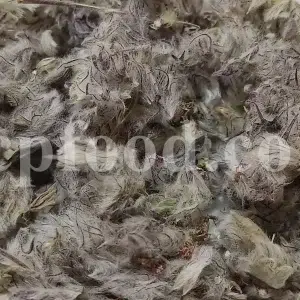
High quality fenugreek leaves prepared for wholesale buyers
🌿 What Is Fenugreek Herb?
Fenugreek herb refers to the fresh or dried green leaves of Trigonella foenum-graecum, also known as methi in South Asia. These leaves are distinct from the seeds and are used for culinary, medicinal, and wellness purposes due to their slightly bitter, aromatic, and earthy flavor.
Fenugreek leaves are rich in vitamins A, C, K, calcium, iron, flavonoids, alkaloids, and antioxidants—offering both nutritional and therapeutic benefits.
1. Culinary & Food Industry
Fenugreek leaves are a staple leafy vegetable and herb in Indian, Middle Eastern, and Mediterranean cuisine.
Applications:
Used fresh or dried (kasuri methi) in curries, stews, lentils, and breads
Enhances flavor in savory dishes, giving a slightly bitter umami note
Added to parathas, soups, and sauces for aroma and taste
Used in fermented doughs and pickles
✅ Dried form (kasuri methi) has stronger aroma and is used as a final flavoring sprinkle ✅ Valued in vegetarian and vegan cuisines for its meaty depth
2. Functional Food & Beverage Industry
Fenugreek leaves are increasingly included in health-forward food products due to their fiber, iron, and antioxidant content.
Products include:
Herbal soups, powdered greens, and nutritional blends
Dehydrated vegetable mixes for instant foods
Green superfood powders for smoothies and shakes
Used in low-calorie and diabetic-friendly meals
✅ Fresh leaves are rich in dietary fiber and phytonutrients
3. Pharmaceutical & Traditional Medicine Industry
In traditional medicine systems (Ayurvedic, Persian, Unani), fenugreek herb is used as a mild anti-inflammatory and digestive tonic.
Medicinal uses:
Blood sugar and cholesterol support (less potent than seeds, but still effective)
Mild laxative and appetite stimulant
Liver stimulant in bitter herbal tonics
Topical paste for skin irritations or eczema
✅ Used as decoction, poultice, or steamed greens in traditional practice
4. Herbal & Nutraceutical Industry
Dried fenugreek leaf extract is occasionally used in nutraceutical products as a mild blood purifier, digestive, and antioxidant.
Mild digestive tonic, skin poultice, blood sugar support
Nutraceuticals
Detox capsules, antioxidant blends, herbal greens
Cosmetic & Skincare
Herbal face packs, anti-acne creams, scalp treatments
Animal Feed
Nutritious green fodder for cattle and poultry
Ethnic & Export
Kasuri methi, frozen greens, powdered herbs
Scientific Research
Antioxidant content, fiber, flavonoids, diabetes support
🌟 Key Features
Rich in flavonoids, chlorophyll, iron, and dietary fiber
Distinct aromatic bitter flavor—used both as herb and leafy vegetable
Versatile across culinary, medicinal, and personal care industries
Exported as dried (kasuri methi), powdered, or frozen chopped
Complements seeds in holistic fenugreek applications
🌿 Comparison Table: Fenugreek Seed vs. Fenugreek Leaves
(Trigonella foenum-graecum L.)
Here is a professional comparison table between Fenugreek Seed and Fenugreek Leaves—highlighting their differences in composition, uses, industry applications, and market forms.
Flavonoid content, antioxidant effects, iron bioavailability
✅ Summary
Feature
Seed
Leaves
Potency
Higher in concentrated bioactives like saponins and alkaloids
Milder, rich in fiber, antioxidants, and micronutrients
Culinary Role
Base spice and flavor enhancer
Green herb and top-note flavor
Preferred In
Pharmaceuticals, nutraceuticals, metabolic support
Culinary, personal care, traditional wellness
Shelf Life
Long (dry seeds stable)
Medium (dried form stable, fresh is perishable)
PRODUCT NAME IN DIFFERENT LANGUAGES
Persian Name: شنبلیله/ Shanbalileh German Name (Deutschland, Austria, Switzerland): Bockshornkleesamen French Name (France, Belgium, Switzerland, Quebec): Graines de Fenugrec, Graine de Foin Grec
Supplying fenugreek leaves in wholesale quantities worldwide
About Trigonella Foenum-Graecum
Trigonella foenum-graecum is an annual plant that reaches a height of forty centimeters and is considered an edible vegetable.
This plant has a relatively thin stem that has a circular cross section. The leaves are small, droplet-shaped, sometimes almond-shaped, and sometimes rhombic in shape, and grow in threes. The outer part of these leaves is serrated. Leaves have an almost bitter taste and a pungent aroma.
The flowers are small, white, and sometimes yellow, and grow singly. Each flower has three petals. One of these petals is larger and looks like a plate with green streaks on it, and the other two petals are smaller and face each other in the middle of the larger petals.
The fruit is a green, elongated, slender, pointed pod that contains several seeds. The yellow Fenugreek seeds are brick orange, crooked, relatively large, and sometimes angular and square. But in general, they do not have a regular shape. These seeds are bitter in taste and aromatic.
Eating Trigonella foenum-graecum seeds with honey before meals expels corrupted humor. Its tea is diuretic, emmenagogue and facilitates childbirth.
Continuing to eat a mixture of its seeds with wheat flour, sugar, or honey, improves kidney condition and fattening.
Drinking a decoction of these seeds with honey is laxative, removes slimy phlegm from the chest, and improves cough, shortness of breath, hemorrhoids, and internal inflammation.
Order your bulk fenugreek seeds for export from a trusted wholesale partner
If you make a decoction contains of Fenugreek seed, Tamarind, Raisins, Figs, and Maidenhair fern, then strain and add honey. Drinking this decoction will improve shortness of breath, hoarseness, sore throat, chest pain, chronic lung pain and treats lung diseases.
These seeds plus 11 grams of Rubia tinctorium tea is laxative and emmenagogue, and is useful for fractures and weak limbs.
Fenugreek seeds drops is useful for epiphora, bloodshot eyes and conjunctivitis.
Due to the nutrients contained in Fenugreek, it is very effective for strengthening and has given good results for patients with tuberculosis.
Some sages have used these seeds in diabetes because it is very effective in preventing people with diabetes from losing weight.
Fenugreek seed poultice removes internal and external harden swellings, dandruff, Melasma, fire burns, cold fissures, nail curvature, splenitis, uterine inflammation, hair loss and skin blemishes.
Trigonella foenum-graecum seed flour poultice with honey is useful for cold swellings, and also this poultice with barley flour, Damask Rose oil and vinegar removes warm swellings. This flour with Figs, opens the abscess. If you mix this flour with borax and poultice it, helps to eliminate the size of the spleen.
Washing hair with brewed Fenugreek make hair smooth and is useful for eczema and moist wounds.
Fenugreek seed oil improves hard swellings, abscess, diarrhea, and dandruff.
Fenugreek Side Effects
Drinking Fenugreek seeds plus Rubia tinctorium tea causes the smell of sweat or urine to stink.
Excessive consumption of Fenugreek seeds is harmful to the testicles and ovaries and causes headaches and nausea.
🌾 Fenugreek seeds (Shanbalileh) are bitter, mucilaginous, and protein-rich. Widely used in Persian, Indian, and Mediterranean herbal medicine for blood sugar balance, digestion, appetite regulation, and female hormonal health.
✅ Rich in fiber, iron, and plant-based protein. Can be consumed raw (after soaking), roasted, ground into powder, or brewed as tea.
⚠️ May cause a maple syrup–like body odor. High doses should be avoided during pregnancy unless professionally advised.
Percent Daily Values are based on a 2,000-calorie diet. Nutrient values may vary by origin and storage.
🌿 Fenugreek leaves are used in both culinary and medicinal traditions to stimulate digestion, reduce inflammation, support lactation, and improve appetite. In Persian cuisine, they’re key in dishes like Ghormeh Sabzi.
✅ Caffeine-free, fiber-rich, and naturally bitter-aromatic. Excellent in teas, spice mixes, and powdered formulas.
⚠️ High doses may affect blood sugar. Should be used with caution in combination with anti-diabetic medication.
Percent Daily Values are based on a 2,000-calorie diet. Nutrient values may vary slightly based on drying conditions and harvest origin.
To order Trigonella foenum graecum seeds, please contact us.
Be the first to review “Bulk Fenugreek Seeds for Export and Dried Fenugreek Leaves” Cancel reply
Videos
Research & Studies
Bulk Fenugreek Seeds for Export – Research, Regulatory Status and Industrial Applications
Bulk Fenugreek Seeds for Export from Trigonella foenum-graecum L. (Iranian origin) are valued globally as a multifunctional raw material for the food, nutraceutical, pharmaceutical and animal-nutrition industries. Recent work on Iranian agro-ecotypic populations of fenugreek has shown wide variability in protein, fibre, saponins and antioxidant capacity, confirming that Iranian genotypes provide competitive, high-value seed quality for international markets (https://www.nature.com/articles/s41598-023-50699-9; https://www.nature.com/articles/s41598-024-71949-4).
Importers who want to buy Fenugreek seeds in bulk, secure premium Iranian Fenugreek seeds wholesale, or work with a specialised Fenugreek seeds raw material supplier from Iran can rely on this research base to position Iranian fenugreek as a consistent, science-backed ingredient in high-value applications.
1. Composition and functional properties of Iranian fenugreek seeds
Comprehensive reviews and regulatory assessments agree that fenugreek seeds are rich in:
Protein (about 22–30%),
Dietary fibre (galactomannan-rich mucilage, often around 45–50% of seed weight),
These data support the use of food grade Fenugreek seeds for export, Bulk Fenugreek seeds for oil extraction (for defatted meal and nutraceutical oils), Bulk Fenugreek seeds for spice blends, and high-quality Fenugreek seeds for export into premium B2B supply chains.
2. Human clinical research: metabolic health and beyond
Fenugreek seed preparations have been extensively studied for glycaemic control and lipid metabolism:
A 2024 double-blind, placebo-controlled trial in Food & Nutrition Research showed that a standardized fenugreek seed extract rich in furostanolic saponins improved fasting glucose, HbA1c and insulin resistance indices in type 2 diabetics (https://foodandnutritionresearch.net/index.php/fnr/article/download/10667/17351/).
An exploratory double-blind randomized trial in Pharmaceutics demonstrated that fenugreek seed extract helped prevent progression from early glucose dysregulation to overt diabetes (https://www.mdpi.com/1999-4923/14/11/2453).
A 2024 systematic review on the antidiabetic potential of fenugreek summarised multiple RCTs, confirming improvements in blood glucose, insulin resistance and lipid profiles (https://onlinelibrary.wiley.com/doi/full/10.1002/fsn3.4440).
Mechanistic work has focused on high soluble fibre, 4-hydroxyisoleucine and saponins, as summarised in “Diosgenin, 4-Hydroxyisoleucine, and Fiber from Fenugreek” (https://pmc.ncbi.nlm.nih.gov/articles/PMC4352177/) and other pharmacology reviews.
For B2B customers interested in wholesale Fenugreek seeds for nutraceuticals or Bulk Fenugreek seeds for pharmaceuticals and herbal formulas, this clinical and regulatory context supports evidence-based product development in the UK, USA, Canada, Australia, New Zealand and South Africa, while highlighting the need for compliant labelling and medical oversight where therapeutic claims are made.
3. Regulatory status in Europe, UK and other regions
These EMA documents, along with ESCOP and other European references compiled in veterinary and phytotherapy databases (for example, the Vetpharm database at University of Zurich, https://www.vetpharm.uzh.ch/phytodb/0083_phy.htm), form the basis for regulatory acceptance in EU member states and the United Kingdom.
Other authorities, including Health Canada, the US FDA (dietary supplement framework) and FSANZ in Australia/New Zealand, generally rely on similar evidence and safety data. This regulatory landscape is favourable for:
food grade Fenugreek seeds for export (as spice, flavouring or functional ingredient),
Bulk Fenugreek seeds for pharmaceuticals and herbal formulas registered as traditional herbal medicinal products, and
compliant marketing of organic Iranian Fenugreek seeds for export under recognised quality and safety standards.
4. Food industry, seasoning and ready-meal applications
Fenugreek seeds are an essential spice in many cuisines and play a central role in curry powders, masala blends and seasoning systems. Reviews on composition and technological properties describe fenugreek seeds as attractive for:
flavouring and colour development in spice mixes,
texturising and stabilising sauces and chutneys via galactomannan-rich mucilage,
For manufacturers and Fenugreek seeds bulk buyers for food industry, this supports:
Bulk Fenugreek seeds for spice blends (ethnic and global seasoning brands),
Bulk Fenugreek seeds for curry and masala production,
Bulk Fenugreek seeds for seasoning and ready-meal industry (soups, sauces, frozen meals, snack coatings), and
premium positioning as premium Iranian Fenugreek seeds wholesale for brands that want a clearly stated origin.
Because Iranian fenugreek is already characterised for proximate composition and antioxidant properties, it fits well into “clean label” and functional-food projects in the UK, EU, North America, Australia, New Zealand and South Africa.
5. Animal feed, pet food and prebiotic potential
Fenugreek seeds and their gums are increasingly researched as feed additives and prebiotic ingredients:
A 2020 study in Animals characterised fenugreek seed gum as a potential prebiotic in growing rabbit nutrition, showing favourable fermentation and tolerance in vitro (https://www.mdpi.com/2076-2615/10/6/1041).
These findings open opportunities for Bulk Fenugreek seeds for animal feed and pet food supplements, where high-fibre, saponin-rich seeds are used in poultry, rabbit, ruminant or pet formulations, always within local feed regulations.
6. Global research landscape and examples from target countries
Fenugreek research is truly global, with contributions from universities and institutes in the target regions you are focusing on:
The University of Reading (UK) and collaborators performed high-density SNP-based association mapping of fenugreek seed traits on 112 genotypes, clarifying genetic diversity and supporting breeding for seed quality and yield (https://www.mdpi.com/2073-4425/11/8/893).
Fenugreek seed extracts have been tested in double-blind clinical trials for early glucose dysregulation published in international journals like Pharmaceutics, involving Australian research teams and contributing to the evidence base used by clinicians in the region (https://www.mdpi.com/1999-4923/14/11/2453).
FSANZ and regional researchers rely heavily on EMA, EFSA and international RCT data when evaluating fenugreek as a food ingredient and herbal supplement.
This global research visibility directly supports Fenugreek seeds wholesale price for importers discussions, as buyers in these regions can easily access peer-reviewed data to justify product development around Bulk Fenugreek Seeds for Export.
7. Commercial summary for B2B buyers
Bringing the evidence together, Iranian fenugreek seeds offer a strong value proposition for multiple sectors:
Food and flavour industry
Bulk Fenugreek seeds for spice blends and Bulk Fenugreek seeds for curry and masala production.
Bulk Fenugreek seeds for seasoning and ready-meal industry (soups, sauces, frozen meals, snack seasonings).
Positioning as food grade Fenugreek seeds for export and high-quality Fenugreek seeds for export for brands needing reliable, origin-specific supply.
Nutraceuticals, pharmaceuticals and herbal products
wholesale Fenugreek seeds for nutraceuticals (capsules, extracts, functional foods) backed by clinical data on glycaemic control and lipid management.
Bulk Fenugreek seeds for pharmaceuticals and herbal formulas, in line with EMA and other monographs.
Added marketing value for organic Iranian Fenugreek seeds for export where certified.
Animal nutrition and pet food
Bulk Fenugreek seeds for animal feed and pet food supplements, supported by prebiotic and performance studies in poultry and rabbits.
Industrial and extraction uses
Bulk Fenugreek seeds for oil extraction, delivering defatted meal for feed or food applications and seed oil for nutraceutical or cosmetic use.
Working with ACPFOOD as a specialised wholesale Fenugreek seeds supplier and Fenugreek seeds raw material supplier from Iran allows international partners to secure premium Iranian Fenugreek seeds wholesale with full analytical documentation (CoA, microbiology, contaminants, active-marker profiling), competitive Fenugreek seeds wholesale price for importers, and consistent quality for Bulk Fenugreek Seeds for Export into the UK, USA, Canada, Australia, New Zealand, South Africa and worldwide.
Research & Studies on Iranian Fenugreek Leaves (Trigonella foenum-graecum L.) – Bulk Fenugreek Leaves for Export
Iranian Fenugreek leaves are now recognised as a science-backed raw material for functional foods, nutraceuticals, herbal infusions and seasonings. Recent work on Iranian populations has shown that fenugreek leaves contain diosgenin, trigonelline, saponins, tannins, vitamins (thiamin, riboflavin, vitamin C) and minerals such as potassium, iron and copper, alongside strong antioxidant potential, making them attractive for Bulk Fenugreek Leaves for Export into high-value applications worldwide (Scientific Reports, https://www.nature.com/articles/s41598-024-71949-4).
A second line of research has evaluated how household or industrial processing (air-drying, soaking, germination, boiling) affects fenugreek leaves and seeds, confirming that properly dried leaves retain high levels of phenolics, flavonoids and isoflavonoids with robust antioxidant, antimicrobial and anti-inflammatory activity (Scientific Reports, https://www.nature.com/articles/s41598-023-31888-y). This supports the use of food grade Fenugreek leaves for export in demanding markets where stability of bioactive compounds is important.
For international buyers who want to buy Fenugreek leaves in bulk from a reliable Fenugreek leaves raw material supplier from Iran, this body of evidence underpins the positioning of premium Iranian Fenugreek leaves wholesale as a consistent, research-backed ingredient. Serious Fenugreek leaves bulk buyers for food industry and Fenugreek leaves wholesale price for importers increasingly look for suppliers who can combine traceable Iranian origin with scientific justification and full documentation (CoA, TDS, pesticide and microbiological reports).
Pharmacological Evidence Focused on Fenugreek Leaves
Human and experimental studies have investigated specifically the leaves of Trigonella foenum-graecum:
A human volunteer trial in the East Mediterranean Health Journal demonstrated that an aqueous extract of fenugreek leaves reduced post-prandial blood glucose in healthy subjects (East Mediterranean Health Journal, https://pubmed.ncbi.nlm.nih.gov/11370345/).
An earlier pharmacological study reported hypoglycaemic and antihyperglycaemic effects of fenugreek leaf extract in animal models, supporting potential use in metabolic-health formulations (Journal of Ethnopharmacology, https://www.sciencedirect.com/science/article/pii/S0378874197001013).
A focused review on “Anti-Diabetic Effects of Leaves of Trigonella foenum-graecum” summarised leaf-based evidence for glycaemic control, insulin sensitivity and lipid modulation, and highlighted opportunities to develop functional foods and nutraceuticals using dried leaves (Journal of Food and Clinical Nutrition, https://foodchemistryjournal.com/jfcn/articles/v3n2/jfcn-039-manjeshwar-shrinath-baliga.pdf).
Leaf extracts have also shown good antioxidant and antibacterial activity in vitro, confirming that dried fenugreek leaves are a meaningful source of phenolics and flavonoids, not just an aroma component (Research Journal of Medical Plant, https://scialert.net/abstract/?doi=rjmp.2011.695.705).
These findings support the use of high-quality Fenugreek leaves for export in teas, functional blends and complex seasonings, and justify premium positioning of organic Iranian Fenugreek leaves for export in markets that emphasise evidence-based botanicals.
Global Reviews – Functional Foods, Bioactive Compounds and Safety
Several international reviews now summarise fenugreek (seeds, leaves and other plant parts) as a functional ingredient:
A 2024 review in the International Journal of Molecular Sciences evaluates fenugreek as a platform for functional foods, covering nutrients, non-nutrient bioactives, clinical evidence and mechanisms of action relevant to glycaemic control, lipid management and inflammation (MDPI, https://pubmed.ncbi.nlm.nih.gov/38407443/).
A 2025 review “Fenugreek and its bioactive compounds” discusses saponins, galactomannans, flavonoids and other components that drive metabolic and cardioprotective benefits and emphasises its potential in nutraceuticals and food applications (Journal of Medicinal Plants Studies, https://www.phytojournal.com/archives/2025/vol14issue3/PartF/14-3-52-180.pdf).
A dedicated toxicological review concludes that fenugreek has a favourable safety profile at common dietary and supplemental intakes, while also summarising antidiabetic, hypocholesterolaemic and antioxidant effects (Food and Chemical Toxicology, https://www.sciencedirect.com/science/article/abs/pii/S0278691516302691).
These reviews are used by R&D and regulatory teams in the UK, USA, Canada, Australia, New Zealand and South Africa to design compliant formulations, particularly when sourcing wholesale Fenugreek leaves for nutraceuticals, bulk Fenugreek leaves for herbal teas and infusions and bulk Fenugreek leaves for spice and herb mixes.
United Kingdom – Clinical Evidence and Functional Food Development
In the United Kingdom, fenugreek has been studied both clinically and nutritionally, feeding directly into product development in the curry, retail, and ready-meal sectors:
An overview of meta-analyses hosted on the Southampton e-Prints platform summarises clinical trial data on fenugreek’s effects on glycaemia and lipid profiles (Frontiers in Pharmacology, open access via https://eprints.soton.ac.uk/452761/1/fphar_12_777561.pdf).
This UK research environment supports strong demand for bulk dried Fenugreek leaves for curry blends, bulk Fenugreek leaves for seasoning and ready-meal industry, and bulk Fenugreek leaves for foodservice and horeca. Manufacturers of chilled and frozen curries, jarred sauces, and private-label spice lines favour food grade Fenugreek leaves for export with clear analytical support and stable sensory characteristics.
United States – Nutraceuticals, Teas and Advanced Functional Foods
In the USA, fenugreek is widely used in dietary supplements, functional foods and herbal infusions:
Recent reviews summarise clinical and mechanistic evidence for fenugreek’s antidiabetic and cardiometabolic benefits, including applications in functional beverages, high-fibre foods and weight-management formulations (for example, “Fenugreek bioactive compounds: a review of applications and extraction based on emerging technologies”, Taylor & Francis / PubMed, https://pubmed.ncbi.nlm.nih.gov/37303155/).
A 2024 systematic review of fenugreek’s role in metabolic health discusses how its fibres, saponins and other phytochemicals can be incorporated into foods and beverages designed to support glycaemic control and lipid management (MDPI, https://pubmed.ncbi.nlm.nih.gov/38407443/).
In this context, US formulators look for wholesale Fenugreek leaves for nutraceuticals to combine with seed extracts, as well as bulk Fenugreek leaves for herbal teas and infusions used in detox, digestion and lactation blends. Food manufacturers also incorporate bulk Fenugreek leaves for flavouring oils and ghee and snack seasonings, making use of the leaf’s aromatic and antioxidant profile while relying on Iranian origin for consistent quality.
Canada – Forage Research, Bioactive Monitoring and Ingredient Development
Canada has invested in agronomic and biochemical research on fenugreek, particularly through the University of Lethbridge and Agriculture and Agri-Food Canada:
A multi-environment study on “Effects of genotype and environment on seed and forage yield in fenugreek grown in western Canada” evaluated numerous genotypes under rain-fed and irrigated conditions and confirmed that fenugreek can deliver competitive forage and seed yields in the Canadian Prairies (Australian Journal of Crop Science, abstract via FAO AGRIS: https://agris.fao.org/search/en/providers/122535/records/65df228b63b8185d9caaed89).
A master’s thesis at the University of Lethbridge, “Genotype × environment impact on selected bioactive compound content of fenugreek (Trigonella foenum-graecum L.)”, monitored key bioactives (such as diosgenin and galactomannan) across genotypes and environments, showing that well-chosen germplasm and growing conditions can maximise functional components (University of Lethbridge, https://opus.uleth.ca/bitstreams/92a040a9-303a-4ec5-9de6-d2ba4fef478e/download).
These data provide a strong scientific basis for Canadian companies to use imported Iranian leaf material as a high-potency alternative to local fenugreek biomass. Spice blenders, soup and sauce manufacturers and ethnic-food brands in Canada typically secure premium Iranian Fenugreek leaves wholesale for curry powders and masalas, while functional-food developers integrate bulk Fenugreek leaves for spice and herb mixes into bakery fillings, grain blends and convenience meals.
Australia – Extraction Technologies, Performance Nutrition and Functional Ingredients
Australia has become an important hub for fenugreek research in extraction technologies and performance nutrition:
At RMIT University (School of Science), researchers have published a detailed review on “Fenugreek bioactive compounds: a review of applications and extraction based on emerging technologies”, highlighting how ultrasound, microwave, high-pressure and other novel processes can improve recovery of bioactives from fenugreek for food and nutraceutical use (PubMed, https://pubmed.ncbi.nlm.nih.gov/37303155/).
Australian food manufacturers and specialised oil/ghee processors use this science to justify natural, plant-based flavour and antioxidant systems. This includes bulk Fenugreek leaves for flavouring oils and ghee, as well as bulk Fenugreek leaves for seasoning and ready-meal industry concepts (Indian-style simmer sauces, meal kits and heat-and-serve dishes). Importers typically seek high-quality Fenugreek leaves for export from Iran to match these advanced formulations.
New Zealand – Glycaemic Response, Bakery Systems and Functional Texture
In New Zealand, fenugreek has been studied as a functional ingredient in cereal and bakery systems:
Researchers associated with Massey University investigated the “Gel and pasting behaviour of fenugreek-wheat starch and fenugreek-wheat flour combinations”, showing that fenugreek can modify texture and gelling properties in starch-based foods (Starch/Stärke, Wiley, https://onlinelibrary.wiley.com/doi/10.1002/star.200600525).
Additional work reported at joint New Zealand/Australian nutrition conferences has explored the potential glycaemic impact of incorporating fenugreek into breads, supporting its positioning in lower-GI bakery formulations (Massey University research profile, https://www.massey.ac.nz/massey/expertise/profile.cfm?stref=127230).
These studies support New Zealand bakeries and health-food manufacturers who wish to integrate bulk Fenugreek leaves for herbal teas and infusions and fenugreek-based bakery blends into their portfolios. Ethnic restaurants and central kitchens also procure bulk Fenugreek leaves for foodservice and horeca for authentic Indian, Pakistani and Middle Eastern menus.
South Africa – Metabolic Research and Animal Nutrition
South Africa contributes important metabolic and animal-nutrition research on fenugreek:
A South African master’s thesis on the use of fenugreek as a natural feed additive in livestock diets has indicated potential benefits for performance and health parameters, encouraging the use of fenugreek in animal feeds.
This research is relevant for South African nutraceutical and feed manufacturers who purchase wholesale Fenugreek leaves for nutraceuticals and consider fenugreek derivatives in functional feed premixes. At the same time, South Africa’s growing spice and curry market continues to demand bulk Fenugreek leaves for spice and herb mixes as part of masala blends and retail seasoning ranges.
Key Industrial Applications Supported by Research
Across the UK, USA, Canada, Australia, New Zealand and South Africa, the scientific literature above supports a number of clear industrial uses for Iranian Bulk Fenugreek Leaves for Export:
Curry, Masala and Savoury Seasonings
Use of bulk dried Fenugreek leaves for curry blends (tikka masala, butter chicken, saag, vindaloo, biryani mixes).
Inclusion of bulk Fenugreek leaves for spice and herb mixes alongside coriander, cumin, chilli and mustard seeds.
Application of bulk Fenugreek leaves for seasoning and ready-meal industry in retort pouches, frozen meals, jarred sauces and instant gravies.
Nutraceuticals and Herbal Infusions
Capsules, tablets, powders and blends where manufacturers procure wholesale Fenugreek leaves for nutraceuticals to complement fenugreek seed extracts and other botanicals.
Wellness, metabolic-support and digestion infusions making use of bulk Fenugreek leaves for herbal teas and infusions, often combined with mint, fennel, hibiscus and green tea.
Oils, Ghee and Fat-Rich Foods
Flavoured ghee, clarified butter and plant-based spreads formulated with bulk Fenugreek leaves for flavouring oils and ghee, benefiting from both aroma and antioxidant capacity.
Snack and coating seasonings that rely on fenugreek’s flavour and phenolic content for differentiated taste profiles.
Foodservice and HORECA
Restaurant chains, ghost kitchens and central production units in Europe, North America, Oceania and Africa who depend on bulk Fenugreek leaves for foodservice and horeca in 10–25 kg cartons or bags.
Catering suppliers who prefer high-quality Fenugreek leaves for export with stable leaf size, colour and aroma for consistent menu performance.
Organic and Clean-Label Product Lines
Retailers and brand owners who position organic Iranian Fenugreek leaves for export as part of a certified, traceable and pesticide-controlled herb portfolio.
Buyers seeking a long-term wholesale Fenugreek leaves supplier who can provide both conventional and organic specifications under clear contracts.
Commercial Positioning – Iranian Fenugreek Leaves as a Research-Backed Raw Material
Taken together, the scientific work from universities and institutes in the United Kingdom, United States, Canada, Australia, New Zealand, South Africa and other regions validates fenugreek leaves as a credible functional ingredient with antioxidant, metabolic and technological benefits. For importers and industrial customers, this translates into a clear commercial message:
Partner with a Fenugreek leaves raw material supplier from Iran capable of delivering consistent food grade Fenugreek leaves for export.
Use the published literature above (linked to high-credibility journals, university repositories and PubMed) to support internal R&D dossiers, marketing claims and regulatory submissions.
Leverage Iranian Bulk Fenugreek Leaves for Export to create premium spice blends, functional teas, nutraceutical products, flavoured oils and high-performance ready meals that meet the expectations of modern consumers and professional buyers worldwide.



Reviews
There are no reviews yet.