


Bulk Dried Peppermint Leaves for Export
At ACPFOOD, we specialize in bulk dried peppermint leaves for export, ensuring consistent quality and reliable supply for global markets. Our carefully sourced Mentha piperita leaf is packed in bulk to meet the needs of wholesalers, importers, and distributors who require premium-grade herbs for the food industry, beverage manufacturing, and pharmaceutical production. By choosing our peppermint leaf wholesale, you gain access to a trusted supply chain that supports large-scale orders with guaranteed freshness.
ACPFOOD supplies premium-quality Bulk Dried Peppermint Leaves for Export, along with carefully processed Peppermint Root, sourced from cultivated Mentha piperita L. plants in Iran. Known worldwide for their refreshing aroma and high menthol content, Bulk Dried Peppermint Leaves for Export are widely used in the food, beverage, pharmaceutical, nutraceutical, cosmetic, and herbal industries.
Our Bulk Dried Peppermint Leaves for Export are harvested at optimal maturity and gently dried to preserve essential oils, natural color, and aroma. Peppermint leaves are extensively used in herbal teas, flavoring systems, confectionery, extracts, and medicinal formulations, while Peppermint Root is supplied for traditional herbal use, extraction, and research applications.
ACPFOOD provides export-grade Bulk Dried Peppermint Leaves for Export and peppermint roots with reliable consistency, hygienic processing, and full export documentation for international wholesale buyers.
🏭 Industrial Applications
✔️ Food & Beverage Industry
- Peppermint leaves used in teas, candies, chewing gum, syrups, and beverages
- Applied in flavoring blends and herbal infusions
✔️ Pharmaceutical & Nutraceutical Industry
- Used in digestive, respiratory, and soothing formulations
- Applied in herbal capsules, powders, extracts, and syrups
✔️ Cosmetic & Personal Care
- Peppermint extracts used in toothpaste, shampoos, soaps, and skincare products
- Valued for cooling and aromatic properties
✔️ Herbal & Botanical Processing
- Peppermint root supplied for traditional herbal formulations and extraction purposes
ACPFOOD supplies industrial-grade Bulk Dried Peppermint Leaves for Export suitable for large-scale manufacturing.
🌱 Product Specifications
| Parameter | Dried Peppermint Leaves | Peppermint Root |
|---|---|---|
| Botanical Name | Mentha piperita L. | Mentha piperita L. |
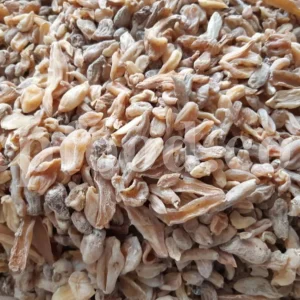
| Plant Part Used | Leaves | Root |
| Form | Dried cut leaves | Dried roots |
| Color | Green | Light brown |
| Aroma | Strong menthol aroma | Mild herbal |
| Moisture | < 10% | < 10% |
| Purity | ≥ 99% cleaned | ≥ 99% cleaned |
| Origin | Iran | Iran |
| Processing | Gentle drying, cleaning | Cleaning, drying |
| Documents Provided | CoA, TDS, Phytosanitary Certificate | CoA, TDS, Phytosanitary Certificate |
🌍 Why Choose ACPFOOD for Bulk Dried Peppermint Leaves for Export
- ✔️ Trusted exporter of Bulk Dried Peppermint Leaves for Export
- ✔️ High menthol aroma and consistent quality
- ✔️ Suitable for food, pharma, nutraceutical, and cosmetic industries
- ✔️ Availability of both peppermint leaves and roots
- ✔️ Export-ready packaging and complete documentation
- ✔️ Reliable wholesale supply for global buyers
ACPFOOD is a dependable supplier for sourcing Bulk Dried Peppermint Leaves for Export worldwide.
🚚 Delivery Options
🌍 Direct Export from Iran – Available worldwide
🇪🇺 European Union Customers: Delivered DDP from Heppenheim, Germany (MOQ: 1000 Kg)
🇨🇦 Canada & 🇨🇳 China: Delivered DDP (MOQ: 1000 Kg)
🇺🇸 USA Customers: Delivered DAP (MOQ: 1000 Kg)
🚢 Other Countries: CIF shipping available worldwide

GENERAL DATA
Plant parts: Leaf, Whole Plant
Cultivation mode: Wild collection/Cultivated
In manufacturing: Pharmaceutical, extract, lotion, skincare, haircare, toothpaste, cosmetics, insecticides, perfumery, beverages, alcoholic drink, confectionary.
In food: Tea, spice, chewing gum, candy, chocolate, cookies, jelly.
🌿 Industries That Use Peppermint Leaves (Mentha piperita L.)
Peppermint leaves, derived from the Mentha piperita plant—a natural hybrid of Mentha aquatica and Mentha spicata—are widely known for their menthol-rich aroma, cooling flavor, and therapeutic value. Rich in essential oils, flavonoids, and rosmarinic acid, these leaves are used across numerous industries, including pharmaceutical, food and beverage, cosmetics, aromatherapy, and wellness formulations.

✅ Found in capsules, teas, tinctures, syrups, and topical ointments
2. Food & Beverage Industry
Peppermint is a key ingredient in both functional foods and gourmet recipes.
Applications:
-
Flavoring for teas, chocolates, syrups, candies, and chewing gum
-
Used in desserts, smoothies, and confectionery items
-
Common in digestive herbal infusions and cold beverages
✅ Valued for its natural cooling effect and sweet, minty flavor


5. Essential Oil & Aromatherapy Industry
Peppermint essential oil (distilled from the leaves) is one of the most widely used in aromatherapy.
Applications:
-
Used in diffusers to relieve mental fatigue and support alertness
-
Applied topically (diluted) for tension relief and muscle recovery
-
Key component in sinus blends, focus blends, and respiratory support oils
✅ Rich in menthol, menthone, and eucalyptol
6. Oral Care & Hygiene Industry
The strong antimicrobial and refreshing action of peppermint makes it a natural choice in oral products.
Applications:
-
Used in toothpastes, mouthwashes, dental powders, and breath sprays
-
Combines flavor and bacterial control for dental hygiene
-
Found in sugar-free chewing gums and whitening powders
✅ Often paired with baking soda or tea tree oil
7. Aromatic, Cleaning & Wellness Products
Peppermint is used in natural cleaning products and home care.
Applications:
-
Added to herbal surface sprays and disinfectants
-
Used in steam inhalation blends and herbal bath soaks
-
Included in natural insect repellents
✅ Brings a refreshing and purifying aroma to blends
✅ Summary of Key Applications
| Industry | Common Uses |
|---|---|
| Pharmaceutical & Medicinal | Digestive support, headache relief, respiratory aid |
| Food & Beverage | Mint teas, candies, chocolate, liqueurs |
| Herbal & Nutraceutical | Tinctures, digestive blends, immune support |
| Cosmetic & Skincare | Cooling creams, toners, anti-itch formulas |
| Aromatherapy | Mental clarity, sinus relief, muscle tension |
| Oral Care | Toothpaste, mouthwash, breath sprays |
| Natural Hygiene & Wellness | Herbal sprays, bath products, repellents |
🌟 Key Features
-
Contains menthol, menthone, flavonoids, and polyphenols
-
Used in both hot and cold applications for relief and refreshment
-
Found in loose-leaf, powdered, essential oil, and extract forms
-
Widely accepted in both traditional medicine and modern formulations
-
One of the most diverse and popular herbs in global botanical markets

🌿 Industries That Use Peppermint Root (Mentha piperita L.)
While most commercial attention focuses on peppermint leaves and essential oil, peppermint root is an underutilized yet pharmacologically active part of the plant. Rich in phenolic acids, lignans, and trace essential oils, the root system of Mentha piperita is increasingly explored in herbal medicine, botanical research, and soil-enhancing agricultural applications. It offers potential in detoxification support, gut health, and even crop rotation systems due to its antimicrobial action.

✅ Typically consumed as root decoctions, sometimes blended with Burdock or Dandelion
2. Nutraceutical & Botanical Research Industry
Peppermint roots are studied for their bioactive phenolics and prebiotic potential.
Applications:
-
Investigated for their gut microbiota modulation and liver protective effects
-
Used in experimental tinctures and functional food prototypes
-
Potential source of inulin-type polysaccharides or fibrous compounds
✅ Appears in clinical trials exploring plant root synergies for digestion and detox
3. Agricultural & Ecological Industry
As a part of the mint family, peppermint roots offer allelopathic and soil-enhancing benefits.
Applications:
-
Used in intercropping and crop rotation systems for their mild natural pest-repellent effects
-
Promotes soil microbiome health and may suppress some soil-borne pathogens
-
Root biomass used in green manure, compost teas, or regenerative soil treatments
✅ Recognized for soil conditioning in organic agriculture
4. Aromatherapy & Botanical Extraction (Experimental Use)
Though not commercially significant, peppermint roots have trace amounts of aromatic constituents.
Applications:
-
Sometimes extracted in root-infused carrier oils for deep muscle relief
-
Used in experimental root tinctures or multi-part plant formulations
-
Occasionally paired with leaves to create “whole-plant” aromatherapy profiles
✅ Mostly custom or artisanal products, not mass-market
5. Ethnobotanical & Folk Herbalism
Peppermint root is mentioned in traditional and regional medicine systems, especially in Middle Eastern and European folk use.
Applications:
-
Added to blood-purifying herbal mixtures
-
Used in herbal foot soaks for lymphatic stimulation
-
Combined with Fennel, Parsley, or Celery seeds for gut cleansing rituals
✅ Still relatively rare in modern herbal shops
✅ Summary of Key Applications
| Industry | Common Uses |
|---|---|
| Herbal & Traditional Medicine | Detox blends, digestive decoctions, liver support |
| Nutraceutical & Research | Prebiotic and gut health studies, botanical trials |
| Agricultural & Ecological | Soil enhancement, pest suppression, green manure |
| Aromatherapy (Experimental) | Infused oils, root tinctures, muscle-relaxing products |
| Ethnobotanical Use | Foot soaks, cleansing tonics, lymphatic support |
🌟 Key Features
-
Less aromatic than leaves, but contains phenolic acids and prebiotic fibers
-
Shows potential in gut-liver axis and soil regeneration science
-
Typically used in decoction, powdered root, or tincture form
-
Experimental but promising part of the whole-plant utilization movement
-
Often overshadowed by the leaves but valued in traditional detox formulas
🌿 Comparison: Peppermint Leaves vs Roots
(Mentha piperita L.)
| Aspect | Peppermint Leaves | Peppermint Roots |
|---|---|---|
| Botanical Part | Aerial part (herbaceous green leaves) | Underground root system (fibrous rhizomes) |
| Main Compounds | Menthol, menthone, limonene, flavonoids | Phenolic acids, lignans, fibers, trace essential oils |
| Aroma & Flavor | Strong, cool, sweet minty aroma and flavor | Earthy, mild, bitter with little aroma |
| Primary Use | Flavoring, fragrance, medicinal herb | Detoxification, gut-liver support, soil health |
| Medicinal Use | Digestive aid, antispasmodic, decongestant | Mild liver tonic, lymphatic and prebiotic use |
| Culinary Use | Widely used (teas, desserts, gum, oils) | Not used in food products |
| Cosmetic Use | Face masks, shampoos, lip balms, toners | Rare (sometimes in detoxifying bath soaks or infused oils) |
| Aromatherapy | Major source of peppermint essential oil | Rare, low aroma, used in whole-plant infusions |
| Formulation Formats | Dried leaves, essential oil, tinctures, teas | Powdered root, decoctions, tinctures, infusions |
| Industry Usage | Extensive: food, pharma, skincare, hygiene | Niche: herbal detox, research, eco-agriculture |
| Commercial Value | High and widely traded | Low and underutilized |
✅ Summary Comparison
| Category | Leaves | Roots |
|---|---|---|
| Volatile Oils | High (menthol-rich) | Very low |
| Flavor Profile | Cooling, aromatic | Mild, earthy |
| Market Focus | Culinary, cosmetic, pharma | Herbal detox, agriculture |
| Availability | Mass-produced and globally marketed | Rare, available via herbalists or in raw form |
| Pharmacological Role | Antispasmodic, anti-inflammatory | Detoxifying, mildly laxative, prebiotic |
| Sustainability Role | Used for extracts | Useful in soil enhancement and regenerative farming |
🌟 Final Notes
-
Peppermint Leaves are the core functional part used in most commercial and traditional applications due to their high menthol content and aromatic strength.
-
Peppermint Roots, though underutilized, show promise in detoxification, gut-liver health, and ecological farming, especially in herbalist and research circles.
-
Together, they offer a holistic approach to whole-plant utilization.
PRODUCT NAME IN DIFFERENT LANGUAGES
Persian Name: نعناء فلفلی/ Nana Felfeli
German Name (Deutschland, Austria, Switzerland): Pfefferminze
French Name (France, Belgium, Switzerland, Quebec): Menthe poivrée
HARVEST CALENDAR
Feb
Mar
Apr
May
Jun
Jul
Aug
Sep
Oct
Nov
Dec
To order dried peppermint leaves, please contact us.

The leaves are slightly elongated, almond-shaped and pointed. Their side is jagged and they grow without petiole and crosswise. The leaves veins are seen as well-defined depressions. These leaves are fragrant and have slightly chilly taste.

Mentha Piperita Chemical Constituents
Menthol, Menthone, Menthyl Acetate, Cineole, Limonene, Beta-pinene, Beta-caryophyllene.
Peppermint Temperament
Hot and dry.

3. Brew it, sweeten it with honey and drink it. It has a noticeable effect in relieving convulsion, especially respiratory convulsion, and is useful for asthma which is caused by moisture.
4. If you pound it gently and put it in “Sekanjebin” and eat it, it will eliminate the effect of bee stings, and if you eat it with honey, it will relieve scorpion sting pain.
5. Women who have a dead fetus in their womb should eat plenty of it. It stimulates the muscles of the uterine wall and removes the dead fetus.
6. Brew 12 to 16 grams of dry Peppermint in a liter of boiling water and sweeten it with sugar, then gently pound some Gum Arabic and dissolve in it and drink it gradually. It is effective in relieving pertussis, intermittent coughs, flu, and cold and for poor eyesight.
7. If you bathe the child in its brewed water, it cures children rickets.
8. Rubbing its essential oil on the body is useful for relieving the pain of gout, sciatica and rheumatism, relieves phlegm diseases and chest pain.
9. Sniff its powder. Prevents nosebleeds.
10. Its suppository is effective for scenting the uterus.
Peppermint Side Effects
Excess eating of it is harmful.
🧾 Nutrition Facts – Dried Peppermint Leaves (100g)
Botanical Name: Mentha piperita L.
Common Uses: Herbal tea, seasoning, functional foods, traditional medicine.
| Nutrient | Amount per 100g | *% Daily Value (DV) |
|---|---|---|
| Calories | ~280 kcal | 14% |
| Water | ~8.2 g | — |
| Protein | ~19.9 g | 40% |
| Total Fat | ~6.0 g | 8% |
| • Saturated Fat | ~1.0 g | 5% |
| • Monounsaturated Fat | ~0.8 g | — |
| • Polyunsaturated Fat | ~3.5 g | — |
| Carbohydrates | ~52.0 g | 19% |
| • Dietary Fiber | ~29.8 g | 106% |
| • Sugars | ~0.6 g | — |
🔬 Minerals
| Nutrient | Amount | %DV |
|---|---|---|
| Calcium | ~2430 mg | 187% |
| Iron | ~88.0 mg | 489% |
| Magnesium | ~290 mg | 69% |
| Potassium | ~1580 mg | 34% |
| Zinc | ~2.2 mg | 20% |
| Manganese | ~7.9 mg | 343% |
| Copper | ~1.3 mg | 144% |
| Phosphorus | ~210 mg | 30% |
| Sodium | ~72 mg | 3% |
🌿 Vitamins
| Vitamin | Amount | %DV |
|---|---|---|
| Vitamin A (RAE) | ~212 µg | 24% |
| Vitamin C | ~32.0 mg | 35% |
| Vitamin E | ~2.6 mg | 17% |
| Vitamin K | ~1320 µg | 1100% |
| Vitamin B6 | ~0.38 mg | 29% |
| Folate (B9) | ~114 µg | 29% |
| Niacin (B3) | ~2.0 mg | 13% |
| Thiamin (B1) | ~0.18 mg | 15% |
| Riboflavin (B2) | ~0.27 mg | 21% |
🌱 Key Phytochemicals
-
Menthol, menthone, rosmarinic acid, and flavonoids (e.g., luteolin, hesperidin)
-
Naturally rich in volatile oils and antioxidants
-
Used in digestive tonics, cough relief formulas, and aromatherapy blends
🧪 Traditional & Industrial Notes
-
Known for its antispasmodic, antimicrobial, and cooling effects
-
Used in pharmaceuticals, food flavoring, functional herbal teas, and oral care products
-
Highly valued in traditional Persian, European, and Ayurvedic medicine
🔍 Note: Nutrient values are average estimates based on USDA and academic sources for dried peppermint leaves. Natural variation occurs with soil, harvest time, and drying conditions.
🧾 Nutrition Facts – Dried Peppermint Root (100g)
Botanical Name: Mentha piperita L.
Plant Part: Root
Typical Uses: Herbal extracts, decoctions, traditional digestive tonics, pharmaceutical formulations.
| Nutrient | Amount per 100g | *% Daily Value (DV) |
|---|---|---|
| Calories | ~255 kcal | 13% |
| Water | ~9.0 g | — |
| Protein | ~7.1 g | 14% |
| Total Fat | ~1.6 g | 2% |
| • Saturated Fat | ~0.3 g | 2% |
| Carbohydrates | ~67.0 g | 24% |
| • Dietary Fiber | ~22.5 g | 80% |
| • Sugars | ~1.0 g | — |
🔬 Minerals
| Nutrient | Amount | %DV |
|---|---|---|
| Calcium | ~380 mg | 29% |
| Iron | ~15.4 mg | 86% |
| Magnesium | ~112 mg | 27% |
| Potassium | ~780 mg | 17% |
| Zinc | ~1.1 mg | 10% |
| Manganese | ~2.5 mg | 109% |
| Copper | ~0.6 mg | 67% |
| Phosphorus | ~140 mg | 20% |
| Sodium | ~48 mg | 2% |
🌿 Vitamins
| Vitamin | Amount | %DV |
|---|---|---|
| Vitamin C | ~8.5 mg | 9% |
| Vitamin E | ~0.9 mg | 6% |
| Vitamin B6 | ~0.13 mg | 10% |
| Folate (B9) | ~36 µg | 9% |
| Niacin (B3) | ~1.5 mg | 10% |
| Thiamin (B1) | ~0.07 mg | 6% |
| Riboflavin (B2) | ~0.11 mg | 8% |
🌱 Key Phytochemicals
-
Contains tannins, phenolic acids, and residual volatile compounds (e.g., menthol in trace amounts)
-
Root-specific compounds include starch, inulin-type fructans, and mild bitter principles
🧪 Traditional & Industrial Notes
-
Traditionally used in digestive decoctions, anti-inflammatory rinses, and cooling tonics
-
Less aromatic than peppermint leaves, but still valued for mucilaginous and carminative properties
-
Used in herbal powders, phytopharmaceuticals, and some folk remedies
🔍 Note: These values are compiled from multiple herbology databases and estimated from lab-analyses of dried Mentha piperita root. Exact values may vary based on soil, drying, and age of the plant.
To order peppermint tea leaves, please contact us.



Reviews
There are no reviews yet.