


Bulk Shirkhesht for Export and Wholesale Buyers
At ACPFOOD, we supply bulk Shirkhesht for export in high-quality grades tailored for international markets. Also called purgative manna, this product is widely demanded by wholesalers, importers, and distributors serving the pharmaceutical, food, and herbal industries. Our role as a reliable wholesale supplier of Shirkhesht ensures consistent quality, competitive pricing, and professional export services to meet the needs of B2B buyers worldwide.
ACPFOOD supplies Bulk Shirkhesht for Export, a rare natural manna exudate produced by the Atraphaxis genus growing in arid, mineral-rich regions of Iran. Known as Shirkhesht, Purgative Manna, or Atraphaxis Manna, this unique botanical product has been traditionally valued for its mild laxative, digestive-support, and detoxifying effects.
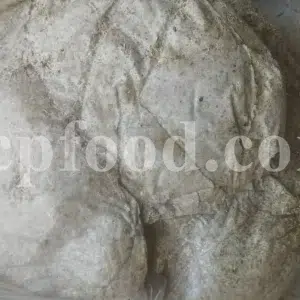
Our Bulk Shirkhesht for Export consists of naturally secreted flakes and crystalline fragments that are carefully hand-collected during the peak season. The product is then gently dried and purified to preserve its natural sweet flavor and therapeutic phytochemicals. Rich in natural sugars, polysaccharides, and gentle laxative compounds, Bulk Shirkhesht for Export is widely used in pharmaceutical formulations, pediatric syrups, nutraceutical blends, and traditional herbal medicine.
ACPFOOD ensures consistent quality, clean processing, and complete documentation (CoA, TDS, MSDS). With reliable supply and international logistics, we support manufacturers across the pharmaceutical, herbal, and natural-product industries with premium Bulk Shirkhesht for Export.
🏭 Industrial Applications
✔️ Pharmaceutical & Pediatric Formulations
-
Mild natural laxative for children and elderly
-
Used in digestive tonics and herbal syrups
-
Supports gentle detox and gastrointestinal comfort
✔️ Nutraceutical Industry
-
Added to natural health supplements
-
Used in detox blends, digestive powders, and functional beverages
✔️ Traditional Herbal Medicine
-
Known for its soothing, cooling, and bowel-regulating effects
-
Applied in classical Middle Eastern and Asian medicinal systems
✔️ Food & Confectionery
-
Used in traditional sweets and natural sweetening systems
🌱 Product Specifications
| Parameter | Description |
|---|---|
| Botanical Source | Atraphaxis spp. |
| Common Names | Shirkhesht, Purgative Manna |
| Form | Natural dried exudate (flakes / crystals) |
| Purity | ≥ 98% |
| Color | White to pale cream |
| Moisture | ≤ 8% |
| Processing | Hand-collected, sun-dried, cleaned |
| Origin | Iran |
| Shelf Life | 24 months |
🌍 Why Choose ACPFOOD for Bulk Shirkhesht for Export
-
✔️ Trusted international supplier of Bulk Shirkhesht for Export
-
✔️ Naturally harvested, chemical-free, non-irradiated
-
✔️ Suitable for pharmaceutical, nutraceutical, and herbal industries
-
✔️ Consistent quality and cleanliness guaranteed
-
✔️ Export-ready packaging and global delivery
-
✔️ Full documentation: CoA, TDS, MSDS available
ACPFOOD is a reliable sourcing partner for companies requiring premium-grade Bulk Shirkhesht for Export for medicinal use, formulation, and large-scale production.
🚚 Delivery Options
🌍 Direct Export from Iran – Available worldwide
🇪🇺 European Union Customers: DDP delivery from Heppenheim, Germany (MOQ: 50 Kg)
🇨🇦 Canada & 🇨🇳 China: DDP delivery (MOQ: 50 Kg or 100 Kg, depending on buyer type)
🇺🇸 USA Customers: DAP delivery (MOQ: 100 Kg)
🚢 Other Countries: CIF shipping available to all international ports

GENERAL DATA
Plant parts: Manna
Cultivation mode: Wild Collection
In manufacturing: Pharmaceutical (Especially to relieve jaundice in infants), it is used as a sweetener in confectionary.
In food: –
🌿 Industries That Use Purgative Manna (Shir Khesht, from Atraphaxis spp.)
Here’s a structured analysis of Purgative Manna, a traditional natural exudate known for its gentle laxative and cooling effects. Collected from Atraphaxis species (a genus of hardy shrubs in the Polygonaceae family), this manna forms from insect-induced excretions on the plant’s stems or leaves—similar to other botanical mannans.
🌿 What Is Purgative Manna?
Purgative Manna, or Shir Khesht, is a white to yellowish granular or crystalline natural exudate, rich in mannitol, glucose, and complex polysaccharides. It is water-soluble and sweet-tasting, with cooling and demulcent effects. Traditionally used for mild constipation, fevers, and digestive cooling, especially in children and the elderly.
✅ Non-toxic, gentle in action, and considered safe across age groups
✅ Classified as a natural purgative and demulcent remedy
1. Pharmaceutical & Herbal Medicine Industry
Purgative Manna is primarily used in natural laxatives and herbal pediatric formulations, especially in traditional systems like Persian medicine, Ayurveda, and Unani.
Applications:
-
Gentle laxatives for infants and elderly
-
Fever and detox support in traditional polyherbal formulations
-
Carrier ingredient in syrup or decoction bases
✅ Featured in pharmacopoeial texts in Iran and the Middle East
✅ Popular alternative to synthetic osmotic laxatives
2. Nutraceutical & Wellness Industry
Used in natural detox blends, cleansing kits, and gut-support products for its mild purgative, cooling, and anti-inflammatory effects.
Applications:
-
Natural colon cleanse powders and syrups
-
Gentle liver support and fever-relief tonics
-
Digestive comfort formulations with Licorice, Borage, or Violet
✅ Often marketed as “natural digestive relief” or “cooling syrup”
✅ Vegan, allergen-free, and sugar-alternative compatible
3. Traditional & Ethnobotanical Remedies
Shir Khesht has a long-standing presence in Persian, Central Asian, and South Asian folk medicine.
Ethnobotanical Uses:
-
Fever-reducing remedies in infants (mixed with Rose Water or Violet)
-
Pediatric constipation syrup (as a standalone or blended with Violet flower)
-
Summer cooling drinks or decoctions
✅ Mild-tasting and easily administered to infants or elderly
✅ Still sold in traditional apothecaries and herbal markets

✅ Typically paired with mucilaginous or demulcent herbs
✅ Sugar-free and natural sweetener-compatible
5. Cosmetic & Dermatological Industry (Minor Use)
Though rare, the demulcent and cooling nature of Purgative Manna has niche use in skin-soothing balms and gels in traditional medicine.
Applications:
-
Anti-itch or burn-relief preparations
-
Hydrating skin emulsions for sensitive or sun-exposed skin
✅ Especially used in traditional herbal compound ointments
✅ Requires stabilization for modern cosmetic formulations
6. Academic & Botanical Research
Research is ongoing into the phytochemistry, mannitol content, and prebiotic effects of botanical mannans, including those from Atraphaxis spp.
Research Topics:
-
Comparative studies of natural mannans (Shir Khesht, Gaz Angabin, etc.)
-
Evaluation of osmotic and laxative effects in clinical trials
-
Prebiotic potential and fermentation in gut microbiota
✅ Appears in ethnobotanical, pharmacognosy, and prebiotic studies
✅ Summary of Key Applications
| Industry | Common Uses |
|---|---|
| Pharmaceutical & Herbal | Laxative syrups, fever remedies, pediatric formulas |
| Nutraceutical & Wellness | Detox drinks, cooling blends, mild digestive cleansers |
| Traditional & Ethnobotanical | Summer tonics, infant fevers, constipation home remedies |
| Functional Beverage | Cooling syrups, herbal drinks with demulcent effects |
| Cosmetic & Dermatology | Skin-soothing gels, anti-itch balms (traditional/prep only) |
| Academic & Research | Mannitol studies, prebiotic potential, phytochemistry |
🌟 Key Features
-
High in mannitol, natural sugars, and hydrating polysaccharides
-
Safe and effective natural laxative, especially for pediatric use
-
Traditionally used in cooling remedies and digestive tonics
-
Soluble in water, naturally sweet, no artificial additives
-
Increasing interest for prebiotic and gut health applications
🌿 Comparison Table: Traditional Persian Mannas
| Aspect | 💧 Purgative Manna(Shir Khesht – Atraphaxis spp.) | 🌳 Willow Manna(Bidkhesht – Salix fragilis L.) | 🌾 Trehala Manna(Echinops pungens Trautv.) | 🍯 Taranjabin(Hedysarum alhagi / Alhagi pseudalhagi) |
|---|---|---|---|---|
| Plant Source | Atraphaxis spinosa, A. billardieri, etc. | Salix fragilis (Brittle Willow) | Echinops pungens (spiny globe thistle) | Hedysarum alhagi or Alhagi pseudalhagi |
| Manna Type | Exudate formed by environmental & insect interactions | Natural exudate from bark of willow in early morning | Insect-induced secretion on Echinops heads | Insect-induced exudate from Alhagi stems |
| Appearance | Transparent to yellowish-brown, granular or crystalline mass | Sticky, milky-white to golden droplets on stems or trunk | Yellowish to brown irregular hard lumps | White to amber threads, fluffy crystals |
| Taste | Sweet to slightly bitter, cooling | Mildly sweet, slightly earthy | Less sweet, bitter and slightly resinous | Mildly sweet, neutral taste |
| Texture | Brittle, dry crystals or powder | Sticky or tacky droplets (collected before dawn) | Harder lumps, sometimes needing grinding | Soft threads, fluffy or granulated |
| Primary Uses | Potent laxative, detoxifier, liver cleanser | Mild laxative, sedative, pediatric applications | Digestive cleanser, tonic for fatigue | Mild laxative for children, cooling & moistening |
| Main Constituents | Mannitol, glucosides, mucilage, trace resins | Sugars (glucose, fructose), mannitol, mucilage | Sugars, mannitol, bitter terpenoids | Mannitol, mucilage, sugars, flavonoids |
| Therapeutic Actions | Strong purgative, cooling, supports liver & gut cleansing | Mild laxative, sedative, thirst quencher, soothing | Mildly stimulating, digestive detox | Gentle laxative, anti-inflammatory, pediatric remedy |
| Traditional Medicine | Common in cleansing protocols and liver herbs | Used in cooling remedies for heat & fevers | Included in compound herbal formulas | Used for constipation in infants and elderly |
| Harvest Season | Late summer, in arid climates | Early morning in summer | Late spring–summer during insect activity | Summer (insect activity dependent) |
| Geographical Focus | Central & southern Iran | Northern Iran, Caspian zone | Arid zones of Iran & Turkey | Widely across Iran, Central Asia |
| Modern Market Form | Powder, granules, syrup blends | Rarely sold; local remedy | Powder or raw lumps | Dried threads, bulk herb, powder |
🧪 Summary by Industry
| Industry | Purgative Manna | Willow Manna | Trehala Manna | Taranjabin |
|---|---|---|---|---|
| Pharmaceutical & Herbal | Purgative, detox, liver & gut formulas | Cooling remedies, sleep and pediatric use | Digestive and energy detox tonics | Children’s herbal medicine, gentle laxative |
| Ethnobotanical & Traditional | Used in medieval detox protocols and Persian medicine | Mentioned in Avicenna’s texts; folk remedy | Used in compound formulas for fatigue and purification | Common in rural herbal practices |
| Modern Herbalism | Limited use due to strength; used by practitioners | Rare, not widely commercialized | Occasionally sold in herbal blends | Sometimes available in bulk herbal markets |
| Culinary Use | ❌ Not used in food | ❌ Not edible | ❌ Not for flavor | ✅ Occasionally used in traditional sweets (combined with Gaz) |
| Availability | Rare outside Iran | Very limited | Limited export | Some international herbal stores stock it |
🌟 Key Highlights
-
✅ Purgative Manna (Shir Khesht) is the strongest laxative of the group—commonly used in detox programs and liver cleansing.
-
✅ Willow Manna (Bidkhesht) is gentle and cooling, suitable for fevers, thirst, and children.
-
✅ Trehala Manna is more stimulating, used in fatigue and digestive detox blends.
-
✅ Taranjabin is the mildest, widely used in infant remedies and as a gentle moistening laxative.
RODUCT NAME IN DIFFERENT LANGUAGES
Persian Name: شیرخشت/ Shir-Khesht
German Name (Deutschland, Austria, Switzerland): –
French Name (France, Belgium, Switzerland, Quebec): –
HARVEST CALENDAR
Feb
Mar
Apr
May
Jun
Jul
Aug
Sep
Oct
Nov
Dec
To order Purgative Manna, please contact us.
About Atraphaxis Spp.
It is a plant of the Polygonaceae family and the genus Atraphaxis. Purgative Manna is a slightly yellowish white, sweet substance with different types that are more or less similar in terms of properties. This substance is secreted from the plant by an insect bite called Cicata Orni, or in the hot summer months (July and August), they create a transverse crack to the depth of the wood on the bark of the lower part of the tree, and every day another crack with a distance they make a few inches above the first slit and collect the manna that comes out of it.
The best type of Manna is the one which is large, white, sweet and pure, and when it is put in the mouth, it dissolves quickly and sweetens and cools the area around the mouth and tongue.
Purgative Manna Temperament
It is slightly hot and mild in terms of moist and dryness, and some consider it generally mild.
To order Purgative Manna, please contact us.
Chemical Constituents
A fatty substance, Hexitol, Glucose, Dextrose, Sucrose.

5. Knead it in a little breast milk of a mother who has a baby girl and rub it inside the ear. Relieve ear pain which its cause is unknown.
6. Dissolve 46 grams of it in four glasses of watermelon juice and drink that amount in four parts during the day. It eliminates fever which cause by heat, relieves constipation which cause by heat and yellow bile, relieve inside of the nose abscess, if it is drunk all in once, it eliminates bladder stones.
Purgative Manna Side Effects
It causes bloating and noise in the abdomen and stomach, dilutes sperm and speeds up ejaculation. In this case, men who have premature ejaculation should avoid using it.
🍯 Nutrition Facts – Purgative Manna (Shir Khesht)
(Exudate of Atraphaxis spp. – dried)
Serving Size: 5 g (~1 small spoon of dried or powdered manna)
Calories: ~16 kcal
| Nutrient | Amount per 5g | Per 100g |
|---|---|---|
| Total Fat | 0 g | 0 g |
| • Saturated Fat | 0 g | 0 g |
| Cholesterol | 0 mg | 0 mg |
| Sodium | 1 mg | 20 mg |
| Total Carbohydrate | 4.0 g | 80.0 g |
| • Sugars (natural mannite, fructose) | ~3.5 g | ~70.0 g |
| • Dietary Fiber | ~0.3 g | ~6.0 g |
| Protein | 0 g | 0 g |
🌿 Phytochemical & Functional Profile (Per 100g):
| Compound / Group | Approx. Content | Functional Role |
|---|---|---|
| Mannitol (mannite) | 45–60% | Osmotic laxative, mild diuretic |
| Fructose & glucose | 10–25% | Natural sugars, energy source |
| Mucilage | Low–moderate | Soothing to the digestive tract |
| Polyols (sugar alcohols) | Moderate | Laxative, low-glycemic impact |
| Tannins | Trace | Slightly astringent |
🧬 Minerals & Trace Elements (Per 100g):
| Micronutrient | Approx. Content | % DV (per 100g) |
|---|---|---|
| Calcium | ~90 mg | 9% |
| Magnesium | ~40 mg | 10% |
| Potassium | ~120 mg | 3% |
| Iron | ~1.2 mg | 7% |
🍯 Shir Khesht is a naturally occurring sweet exudate formed by insects feeding on Atraphaxis species. It crystallizes on stems or is collected from the soil beneath. Traditionally dissolved in water and given to relieve infantile constipation, fever-related irritability, and mild detoxification.
✅ Sugar alcohol-based, low glycemic, gluten-free, and plant-derived. Ideal for traditional herbal formulations and gentle cleansing.
⚠️ Excess consumption may cause bloating or diarrhea. Use in moderation, especially in children or individuals with IBS.
Percent Daily Values are based on a 2,000-calorie diet. Nutritional values are approximate and may vary by source and purity.
To order Purgative Manna, please contact us.



Reviews
There are no reviews yet.