
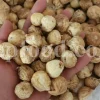
Bulk Dried Figs for Export – Premium Quality for Distributors
ACPFOOD delivers premium sun dried figs to global B2B clients in the food, packaging, and wellness industries. As a trusted wholesale supplier of dried figs, we cater to importers, bulk buyers, and natural food distributors seeking reliable sourcing and efficient logistics. Our figs are naturally dried, carefully graded, and shipped from Germany, Canada, and China, ensuring consistent quality and timely delivery across international markets.
Our Dried Figs (Ficus carica L.) are carefully sun-dried to preserve their natural sweetness, soft texture, and valuable nutrients. Known for their high fiber and mineral content, dried figs are a premium ingredient used in health foods, bakery items, and functional nutrition formulations.
ACPFOOD supplies bulk dried figs for export that meet international quality standards and are suitable for industrial, wholesale, and retail applications.
Product Highlights
-
100% Natural, Sun-Dried Figs
-
Rich in Fiber, Iron, and Calcium
-
Ideal for Food Processing, Confectionery, and Healthy Snacks
-
Premium Export-Grade Selection
-
Available in various grades and sizes upon request
Industrial and Commercial Applications
-
Food Industry: Breakfast cereals, bakery, confectionery, and snack formulations.
-
Nutraceutical Industry: Natural source of antioxidants, dietary fiber, and essential minerals.
-
Beverage Industry: Used in fig-based health drinks, syrups, and energy blends.
-
Cosmetic & Wellness Sector: Ingredient for natural skincare and moisturizing products.
Packaging Options
-
5 kg, 10 kg, and 25 kg food-grade cartons or bulk export boxes
-
Inner polyethylene liner for moisture protection
-
Custom labeling available upon request
Delivery Options
🌍 Direct Export from Iran – Available worldwide
🇪🇺 European Union Customers: Delivered DDP from our warehouse in Heppenheim, Germany (MOQ: 500 Kg)
🇨🇦 Canada & 🇨🇳 China: Delivered DDP (MOQ: 500 Kg)
🇺🇸 USA Customers: Delivered DAP (MOQ: 1000 Kg)
🚢 Other Countries: CIF shipping available worldwide
GENERAL DATA
Industries Which Use Dried Figs
Here’s a well-organized list of industries that commonly use Dried Figs:
1. Food & Beverage Industry
- Bakeries – For fig-filled pastries, cookies, cakes, and bread.
- Confectionery – Used in chocolates, energy bars, and snacks.
- Dairy – As an inclusion in yogurts, ice creams, and cheeses.
- Catering & Restaurants – Featured in salads, sauces, meat pairings, and gourmet dishes.
- Health Food Brands – Used in organic or clean-label products like trail mixes and health bars.
- Juice & Beverage Companies – Sometimes used for fig concentrate or natural sweeteners.
3. Pharmaceutical Industry
- Used in herbal remedies and traditional medicine for:
- Constipation relief
- Respiratory treatments
- Skin health products
4. Cosmetics & Personal Care Industry
- Fig extracts or dried fig powder can be found in:
- Face masks
- Exfoliating scrubs
- Moisturizers with natural fruit ingredients
5. Animal Feed Industry
- Occasionally used in premium pet food or livestock feed blends for added fiber and nutrition.
6. Export & Trade Industry
- Traders and distributors around the world source dried figs for resale to wholesalers, retailers, or industrial clients.
🌿 Industries That Use Fig Tree Leaves (Ficus carica L.)
Fig tree leaves, though overshadowed by the fruit, are rich in phenolic acids, flavonoids (like rutin), furanocoumarins, and organic acids. These compounds contribute to their traditional medicinal use, antioxidant activity, and emerging roles in wellness products.
1. Pharmaceutical & Herbal Medicine Industry
Fig leaves have been used in folk medicine for centuries due to their antidiabetic, anti-inflammatory, antispasmodic, and hypolipidemic properties.
Applications:
-
Diabetes support: Decoctions used to reduce blood glucose levels.
-
Digestive remedies: Used to relieve indigestion, ulcers, and bloating.
-
Skin treatments: Used topically to address skin infections and wounds.
-
Anti-inflammatory use: Relief of arthritis and joint discomfort in herbal medicine.
✅ Forms: Dried leaf powder, decoctions, herbal teas, tinctures, topical compresses
2. Nutraceutical & Functional Food Industry
Due to its high antioxidant content, fig leaf extracts are emerging in the health supplement market.
Applications:
-
Added to functional teas for metabolic support
-
Included in capsules or tablets targeting blood sugar and lipid balance
-
Used in anti-aging blends (due to antioxidant properties)
✅ Forms: Leaf extracts, powders, capsules
3. Cosmetic & Skincare Industry
Fig leaves possess antioxidant and antimicrobial activity, with traditional use for eczema, acne, and minor skin irritation.
Applications:
-
Natural toners and facial waters (leaf decoction)
-
Anti-aging skin serums (flavonoid-rich extracts)
-
Bath additives and soothing compresses for skin inflammation
✅ Forms: Hydrosols, dried leaves, infused oils, extracts
4. Aromatherapy & Wellness Industry
Though not commonly used for essential oil extraction, fig leaves are sometimes infused or used in holistic ritual baths and detox teas.
Applications:
-
Herbal steam therapy (for congestion or detox)
-
Soothing bath blends
-
Natural leaf incense or smoke cleansing (regional/folk practice)
✅ Forms: Dried leaf bundles, bath tea sachets, infused herbal blends
5. Veterinary & Agricultural Applications
In some traditional settings, fig leaves are used in ethnoveterinary practices to treat wounds or digestive issues in animals.
Applications:
-
Poultices or infusions for topical use on livestock
-
Natural feed additive in organic farming (small amounts for digestion)
✅ Forms: Dried leaves, aqueous extract, decoctions
6. Traditional & Ethnobotanical Use
Fig leaves are important in Middle Eastern, Mediterranean, and Ayurvedic traditions, used for folk healing, purification, and protective rituals.
Applications:
-
Used in ritual cleansing (e.g., decoction washes)
-
Symbolic offerings in herbal apothecaries
-
Popular in traditional remedies for hypertension and ulcers
✅ Forms: Dried leaf bundles, decoctions, folk remedies
✅ Summary of Key Applications
| Industry | Common Uses |
|---|---|
| Pharmaceutical & Herbal Medicine | Blood sugar regulation, anti-inflammatory teas, topical wound care |
| Nutraceutical | Antioxidant supplements, metabolic boosters, anti-aging powders |
| Cosmetic & Skincare | Herbal cleansers, anti-aging tonics, acne formulations |
| Aromatherapy & Wellness | Herbal baths, steam therapy, holistic tea blends |
| Veterinary & Agriculture | Traditional livestock care, organic feed use |
| Traditional & Ethnobotanical | Ritual cleansing, symbolic herbalism, digestive and blood pressure remedies |
🌿 Key Features of Fig Tree Leaves
-
Rich in flavonoids, coumarins, phenolic acids, and antioxidants
-
Traditional antidiabetic and anti-inflammatory uses
-
Gentle natural remedy with increasing popularity in herbal and functional food markets
-
Not suitable for essential oil distillation but highly versatile in extract and infusion formats
🌿 Comparison: Fig Fruit vs Fig Leaf (Ficus carica L.)
| Feature | Fig Fruit (Dried or Fresh) | Fig Leaf (Aerial Part) |
|---|---|---|
| Plant Part | Syconium (multiple fruit structure containing seeds) | Leaf (lamina with petiole) |
| Phytochemical Profile | Rich in natural sugars (glucose, fructose), fiber, minerals (K, Mg, Ca), and polyphenols | Rich in flavonoids (rutin, apigenin), coumarins, phenolic acids, and furanocoumarins |
| Flavor & Taste | Sweet, fleshy, honey-like flavor | Bitter, slightly pungent and aromatic |
| Traditional Medicinal Uses | Laxative, digestive tonic, nutrient-rich for anemia and weakness | Antidiabetic, anti-inflammatory, digestive aid, skin conditions |
| Modern Health Applications | Functional food, fiber supplement, energy booster | Herbal tea for blood sugar and lipid control, extract in supplements |
| Cosmetic Use | Used in moisturizing creams and face masks (fruit enzymes, hydration) | Used in toners and anti-aging skincare (antioxidants) |
| Pharmaceutical Applications | Natural laxative, energy/nutrition bar ingredient, gentle remedy for constipation | Blood sugar control, ulcer treatment, herbal remedy for inflammation |
| Culinary Use | Widely eaten fresh, dried, or in jams, desserts, salads, and beverages | Rare culinary use; used in teas and infusions |
| Aromatherapy & Fragrance | Fig scent used in perfumes, candles, and incense (synthetic or extract-based) | Very limited use, mild green scent (non-essential oil) |
| Nutritional Content | High in fiber, natural sugars, potassium, calcium, iron | Low calorie, high in polyphenols and antioxidants |
| Forms Used | Fresh or dried fruit, fig jam, fig powder, fig extract | Dried leaves, leaf extract, decoction, powder |
| Risks / Precautions | May cause GI discomfort in large amounts (due to fiber) | Contains furanocoumarins – potential photosensitization in topical use |
📝 Summary
-
Fig Fruit is more commonly consumed and commercially available. It’s nutritious, energizing, and rich in fiber, with culinary and health food applications.
-
Fig Leaf, though less known, is increasingly valued for its antidiabetic, anti-inflammatory, and antioxidant effects, especially in pharmaceutical, nutraceutical, and cosmetic sectors.
HARVEST CALENDAR
Feb
Mar
Apr
May
Jun
Jul
Aug
Sep
Oct
Nov
Dec
About Ficus Carica
Fig is the fruit of a tree whose height reaches six meters. Fig tree leaves are broad, relatively large, and rough and usually have two or four cuts. The fig tree bears fruit without blossoms or flowers. The fruit of the fig tree is almost drop-shaped and soft, and its skin is initially thick and green. But after fully ripening, it becomes thin and turns black or yellow.
Inside this fruit there are strings and small red seeds. The taste of Fig tree fruits is sweet. If the unripe fruit of the Fig tree is separated from its stem, a white sap comes out.
Ficus Carica Chemical Constituents
Each 100 grams of raw and dried figs contains the following ingredients:
23g Water, 4.3g Protein, 1.3g Fat, 69g Carbohydrates, 126mg Calcium, 77mg Phosphorus, 3mg Iron, 34mg Sodium, 640mg Potassium, 0.1mg Thiamine, 0.1mg Riboflavin, 0.7mg Niacin.
Sugar, Starch, Cellulose, Enzyme, Lime, Nitrogen materials, Manganese, Bromine, Proteose, Protease, Ficin, Ash, Lipase, Cravin, Carotin, Tyrosine, Amino acid, Malic acid, Boric acid, Crotonic acid, Citric acid.
To order dried Anjeer, please contact us.
Fig Temperament
Second degree of hot and first degree of dry.
Health Benefits of Figs
Fresh figs eliminate phlegm, is diuretic, nutritious, laxative, reduce heat and thirst, open liver, and spleen blockages, and strengthen the sexual power. Dried figs are thirst-quenching, laxative, and erectile, and all their properties are weaker than fresh figs. Fig’s latex is a strong laxative. Fresh fig leaf extract is laxative too.
Eating an equal mixture of figs and honey helps heal stomach ulcers. Sipping the decoction of figs, Fenugreek (Trigonella foenum-graecum L.) leaves and honey helps purify the chest and lungs. Drinking decoction of figs and Hyssop (Hyssopus officinalis L.) is beneficial for enemas of chest, old cough, and chronic lung pains.
Forty days eating figs with Anise on an empty stomach is fattening. Soak figs in strong grape vinegar for 9 days and eating 5 of them every day along with that vinegar and a pounded poultice of the same fig is proven to dissolve splenomegaly.
Uterine suppositories made from a uniform combination of figs and honey and tied with a woolen cloth on the entrance of the uterus enemas the rotten moisture of the uterus and improves uterine bleeding and wounds.
Enema with figs and boiled water of Common Rue (Ruta graveolens L.) is useful for stomachache.
Gargling fig decoction helps to relieve swelling of the tongue and lungs. Poultice of figs and barley flour in warm form relieves muscle pain and opens abscess.
Dry fig improves paralysis, cold and moist diseases, back pain and urine intermittency and expels infectious substances from the skin. A decoction of dried figs is useful for inflammation of the respiratory tract, colds, pneumonia, and pleurisy.
Gargling a thick decoction of dried figs helps a lot in treating sore throat.
Poultice of unripe and cooked figs is useful for scrofula.
Fig leaf lowers blood fat and blood sugar and relives cough. The poultice of its fresh leaves is a pain reliever and heals wounds. Poultice of its fresh leaves with vinegar is useful for opening skin pores. A poultice of cooked fig leaves strengthens the damaged bone.
Fig latex poultice with Fenugreek cures gout. Cotton soaked in fig latex on tooth relieves the pain of rotten tooth.
4. People who have bellyache, have severe abdominal pain and constipation, pound some dried fig with 1/5 of that walnut and eat. It will cure them.
5. Eat dried Fig with Anise forty days fasting in the morning. It is a diaphoretic and heat reliever, it is useful for the recovery period of patients and it is fat burner.
6. Boil 40 to 120 grams of it in one liter of water and eat it. Treats suffocation and hemorrhoids.
7. Brew it with Fenugreek in boiling water and drink it. It is useful for throat harshness, chest pain and cough.
8. Slice six Figs every night and soak them in lukewarm water and eat them in the morning before breakfast. Treats constipation and inflammation of the spleen and prostate.
9. Cook dry Figs in milk and taste it in your mouth and gargle it. Eliminates tooth abscess and gingivitis, treats swelling of the throat and chronic sore throats.
10. Burn dry Figs, pound it, mix it with a little oil and poultice on the head. Blacken white hair.
11. Smash it and poultice with a little honey on the skin. Treats blemishes and bruises under the eyes.
12. Burn dry Figs, then rub it softly and mix it with glycerin, then brush your teeth with it. It whitens and strengthens teeth.
|
|
13. Pound fresh Figs and knead it with barley flour, then heat it and poultice it fast until it’s still warm. Relieves muscle pain, opens abscess. 14. Pound it and mix it with Wax or Olive oil and poultice it. Treats skin stretch marks caused by colds. 15. Cook it in vinegar and poultice it. Removes dryness of the wound. |
16. Pound it dry and poultice it with barley and wheat flour. Removes swelling of the parotid and abscess.
17. If soak it in vinegar for 9 days and eat 5 pieces of it with vinegar every day and pound some of it and poultice, it is very good for relieving splenitis.
18. Mix it with Common Rue (Ruta graveolens L.) and boil it and use as enema. It is useful for relieving gripes.
Side Effects of Figs
Weak liver and stomach. Eating too much figs is harmful for teeth. Fig latex is dangerous.
Fig Modifiers
Thyme (Thymus serpyllum L.) and anise for dried figs. Sekanjebin and rhubarb syrup for ripe figs.
🥣 Nutrition Facts – Dried Figs (Ficus carica L.)
Serving Size: 100 g
Calories: 249 kcal
| Nutrient | Amount per 100g | % Daily Value* |
|---|---|---|
| Total Fat | 0.9 g | 1% |
| • Saturated Fat | 0.1 g | 0% |
| • Trans Fat | 0 g | – |
| Cholesterol | 0 mg | 0% |
| Sodium | 10 mg | 0% |
| Total Carbohydrate | 64.0 g | 23% |
| • Dietary Fiber | 9.8 g | 35% |
| • Total Sugars | 48.6 g | – |
| Protein | 3.3 g | 7% |
Micronutrients:
| Vitamin & Mineral | Amount per 100g | % Daily Value* |
|---|---|---|
| Calcium | 162 mg | 12% |
| Iron | 2.0 mg | 11% |
| Potassium | 680 mg | 14% |
| Magnesium | 68 mg | 17% |
| Vitamin K | 15.6 µg | 13% |
Percent Daily Values are based on a 2,000-calorie diet. Your daily values may be higher or lower depending on your energy needs.
To order dry Figs, please contact us.


admin –
hi