Bulk Raisins and Currants for Export – Wholesale Supply

At ACPFOOD, we supply premium-quality bulk raisins and currants for export, trusted by global buyers in the food industry. With global distribution through our partners in Germany, Canada, and China, we ensure consistent quality and reliable logistics for every order. Our dried fruits are processed with care and selected to meet the standards of international importers, packaging companies, and food manufacturers.

Trusted Supplier of Bulk Raisins and Currants for Global Buyers

  • Product Code: FRU-046
  • Minimum Order Quantity (MOQ): 500 kg
  • We supply different types of Raisins

To order or get a quote, please push the below button:
Get A Quote!

Bulk Raisins and Currants for Export with Reliable Supply and Quality

We specialize in supplying bulk raisins and currants for export, offering carefully processed dried fruits in large volumes for global markets. Our raisins and currants are selected for their natural sweetness, color consistency, and extended shelf life. Whether you are sourcing for wholesale dried fruits, bulk dried currants, export-quality raisins, or natural dried fruits in bulk, ACPFOOD ensures a reliable supply chain with professional packing and CIF delivery terms.

ACPFOOD supplies bulk raisins and currants for export, carefully processed from select varieties of Vitis vinifera L. grapes grown under ideal climatic conditions. Our dried fruits are naturally sweet, rich in energy, and packed with antioxidants and dietary fiber — making them a staple ingredient across food, nutraceutical, and confectionery industries.

Each batch of bulk raisins and currants for export is meticulously sorted, cleaned, and sun- or shade-dried to maintain consistent quality, natural flavor, and long shelf life. Available in golden, sultana, green, and black varieties, they are perfectly suited for international markets demanding premium-grade dried fruits.

Product Highlights

  • 100% Natural, No Added Sugar

  • Sun-Dried and Mechanically Cleaned

  • Uniform Size and Color Grading

  • Long Shelf Life and Premium Export Quality

  • Available in Various Grades: Golden, Sultana, Green, and Black

Industrial and Commercial Applications

  • Food Industry: Widely used in bakery, confectionery, breakfast cereals, and snack mixes.

  • Nutraceutical Industry: Natural source of iron, potassium, and antioxidants for energy and wellness products.

  • Beverage Industry: Used in the production of traditional drinks, fermented beverages, and energy tonics.

  • Cosmetic and Health Care Sector: Ingredient in skin care formulations for its polyphenol content and moisturizing properties.

Packaging Options

  • 5 kg, 10 kg, and 12.5 kg food-grade export cartons

  • Inner polyethylene liner to preserve freshness

  • Custom packaging and labeling available upon request

Delivery Options

🌍 Direct Export from Iran – Available worldwide
🇪🇺 European Union Customers: Delivered DDP from our warehouse in Heppenheim, Germany (MOQ: 1000 Kg)
🇨🇦 Canada & 🇨🇳 China: Delivered DDP (MOQ: 1000 Kg)
🇺🇸 USA Customers: Delivered DAP (MOQ: 1000 Kg)
🚢 Other Countries: CIF shipping available worldwide

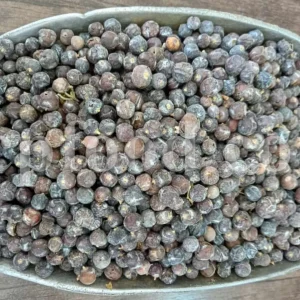
Close-up of premium raisins for export
ACPFOOD supplies bulk dried raisins and currants for export, ensuring consistent quality and professional packing for international buyers.
Scientific Name: Vitis vinifera L.
Synonyms: Vitis sylvestris Gmel.
English Name: Iranian Raisin
Other Names in English (UK, USA, Canada, South Africa, Australia, New Zealand): Currant, Sultana
Family: Vitaceae

GENERAL DATA


Industries Which Use Raisins

Here’s a well-organized list of industries that commonly use Raisins:

1. Food & Beverage Industry

  • Bakeries – Used in breads, cakes, muffins, buns, and cookies.
  • Cereal & Snack Brands – Mixed into granola, muesli, energy bars, and trail mixes.
  • Confectionery – Paired with chocolate, yogurt coatings, or blended into sweets.
  • Dairy – Added to yogurts, cottage cheese, and ice cream products.
  • Prepared Foods & Ready Meals – Found in rice dishes, couscous, and stuffing mixes.
  • Restaurants & Catering – Used in Middle Eastern, Indian, and Mediterranean dishes.

2. Nutraceutical & Health Food Industry

  • High in natural sugars and iron, raisins are used in:
    • Blood health
    • Constipation relief
    • Energy-boosting tonics

Close-up of dried currants on display
Our dried currants are sun-dried with natural sweetness and dark color

4. Beverage Industry

  • Used in specialty products like:
    • Raisin syrup for natural sweetening
    • Homemade or craft vinegar and fermented drinks

5. Animal Feed Industry

  • Incorporated into bird feed and livestock nutrition in limited, premium applications.


Industries Which Use Currants

“Currants” typically refers to Zante currants, which are dried seedless black grapes – not red/black currant berries.

Export packaging for bulk raisins and currants
ACPFOOD supplies bulk raisins and currants for export with professional-grade packing

1. Food & Beverage Industry

  • Bakeries – Popular in scones, hot cross buns, cakes, and fruit bread.
  • Cereal & Snack Manufacturers – Used in granola, porridge, and nut bars.
  • Confectionery – Paired with chocolate or blended into dry fruit mixes.
  • Restaurants – Common in European and Middle Eastern cuisine, including pilafs, couscous, and savory sauces.
  • Sausage and Meat Products – Occasionally added to gourmet sausage mixes or game dishes for a touch of sweetness.

2. Health Food & Organic Markets

  • Sought after as a natural sweetener or clean-label ingredient for:
    • Vegan snacks
    • Paleo diets
    • Gluten-free baked goods

3. Brewing & Fermentation

  • Used in craft brewing or fermentation processes for specialty wines, vinegar, or kombucha flavoring.

4. Export & Trade Industry

  • Exported in bulk to food processors, wholesalers, and retail packers worldwide.

🧾 Comparison: Raisins vs Currants

Feature Raisins Currants
🔍 Botanical Source Dried grapes from several Vitis vinifera cultivars (e.g., Thompson Seedless, Flame, Sultana, etc.) Dried Zante grapes (Black Corinth grape – Vitis vinifera var. Apyrena)
🧬 Plant Family Vitaceae Vitaceae
🌍 Origin Grown and dried in various regions: Iran, Turkey, USA, Greece, etc. Originally from Greece (especially the Ionian islands)
🍇 Appearance Larger, plumper, soft to chewy; golden, brown, or black depending on type Tiny, shriveled, deep black-purple, seedless
🍬 Taste Sweet, fruity, molasses-like flavor Intensely sweet with a tart finish; more concentrated flavor
🏺 Traditional Use Widely used in Middle Eastern, Mediterranean, Indian, and Western baking and cuisine Classic ingredient in European baked goods (scones, currant buns, puddings)
🍽️ Culinary Uses Baking, trail mixes, cereals, pilafs, salads, jams, traditional sweets Pastries, jams, confections, mincemeat, dense fruit cakes
💊 Nutritional Highlights High in natural sugars (glucose, fructose), iron, potassium, and antioxidants (resveratrol, quercetin) Similar nutritional profile but more concentrated due to size
💪 Health Benefits Natural energy booster, supports digestion, mild laxative, antioxidant-rich Similar benefits but more glycemic impact per gram due to density
🧴 Industrial Forms Dried whole, chopped, paste Dried whole, rarely made into paste
🌱 Varieties Golden Raisins, Sultanas, Flame Raisins, Black Raisins Zante Currants (true currants); Note: not to be confused with Ribes berries
⚠️ Common Confusion Often confused with dried black or red currants (Ribes species, like redcurrant or blackcurrant), which are entirely different botanical fruits True currants = dried Zante grapes. Red/black currants from Ribes are fresh berries, not raisins

Key Differences at a Glance

Aspect Raisins Currants (Zante)
Size Larger Smaller
Color Golden, brown, black Deep black/purple
Texture Plumper, softer Drier, firmer
Flavor Mildly sweet Bold, tangy-sweet
Use in Baking More general Often preferred for rich pastries and dense cakes


PRODUCT NAME IN DIFFERENT LANGUAGES

Persian Name: Keshmesh- Maviz/ کِشمِش- مَویز
German Name : Rosine
French Name : Raisin

Natural sun-dried currants in bulk trays
Sun-dried currants ideal for bulk purchase and export


HARVEST CALENDAR


Jan
Feb
Mar
Apr
May
Jun
Jul
Aug
Sep
Oct
Nov
Dec


To order Sultanas, please contact us.


About Grape

Grape is the fruit of a tree whose stems wrap around nearby objects and climb up. The stems of the vine are ivy-like and the main trunk is not very thick. The grape leaf usually has three deep cuts and its edge is jagged, its overall shape is similar to a pentagon, and its taste is slightly sour and astringent.

The fruit of the vine grows in clusters and if it is not ripe, it is green, small, spherical, and very sour. There are many varieties of grapes with different taste, color, and size. Some are green, some are yellowish, some are black, some are purple and some are deep red.

Some grapes are spherical and some are oval. Some are sweet and some are sour. There are usually several small, elongated and almost cone-shaped seeds among the grape fruit. Unripe grapes have a very sour taste. The dried fruit of the vine is called Raisin, and its shape and color depend on the grape from which it is obtained. The best grapes should be yellowish green, ripe, sweet, juicy, large, thin-skinned, with little or no seeds. The best type of Sultana is green.


Vitis Vinifera Chemical Constituents

There is inositol, carotenes, tannins, quercetin, quercitrin, organic acids, tartaric acid, sacarose, and laevulose in Vitis vinifera leaves.

Grape rachis contains 1% to 2% tannins, 1% to 1.5% resin substances, 0.3% to 0.9% tartaric acid and malic acid and 1.7% to 2.8% minerals.

Unripe grape contains 1% sugar, and 3% organic acids such as oxalic acid, malic acid, tartaric acid, and racemic acid.

Grape flesh contains 70% to 80% water, 17% to 24% glucose and laevulose, 0.5% to 0.7% b-tartrate potassium, 0.3% to 0.45% free acids such as tartaric acid, malic acid, a bit of oily substance and etc.


Raisins Temperament

Ripe grape flesh is primarily warm and moist. Grape skin is primarily cold and dry. The grape seed is cold and dry in the second degree. Unripe grape is cold and dry in the second degree. Yellowish-green grape sultana has less warmth than other colors and is closer to moderation. Sweeter sultanas have more heat. Currants are warm in the second degree and moist in the first degree. Grape vinegar is in the second degree of cold and dry. Grape sap is warm in the first degree and cold in the second degree.


To order Kismis, please contact us.


Grape, Sultana and Currant Health Benefits

Grapes are fattening and produce good blood. Sultanas strengthen the brain, heart and liver and strengthen the sexual power in cold temperaments. It is fattening, strengthens the heart and sexual power. Grape sap is fattening and relieves suffocation. Grape vinegar is used to strengthen the spleen and digestive power, and eliminates thick humors.

Ripe grape fruit is tonic, kidney fat producer, blood purifier, stomach and kidney tonic, kidney and gall bladder stone destroyer, diuretic, and laxative. Black grapes are enlivening, nourishing, liver tonic and laxative. Grape seeds reduce sperm. Grape leaves are diuretic and stomach tonic. Unripe grape and verjuice reduce the heat of blood and yellow bile, cut phlegm and are liver tonics. This fruits are nerve tonic, fattening, good blood producer, thick humors remover, laxative, phlegm remover, chest cleanser from mucus, and eyesight tonic.

Sultanas are heart and liver tonic, nerve tonic, stomach tonic, kidney and bladder tonic, fattening, enlivening, good blood producer, food digester, laxative, diuretic, cold temperaments sexual power enhancer and phlegm remover. All the actions and properties of Sultanas and currants are stronger than grapes.

Grape vinegar reduces thick humors, is stomachic, food digestive, opener of spleen and mesenteric vessel blockage. Grape sap is laxative and tonic.

Bulk raisins and currants for export
Carefully selected raisins ready for bulk export to international markets

Grapes are very easy to digest. It removes the weakness of the body, expels the burnt humors of black bile and body toxins, adjusts the temperament, makes the skin clear and soft. It eliminates stomach waste and is used to treat arthritis, rheumatism, gout, cancer, gastric disorders, indigestion, constipation, hemorrhoids, liver diseases, spleen diseases, heart diseases, food poisoning, blood fat, blood pressure, tuberculosis, skin diseases, abscesses, and is very useful for pregnant women, choleric and sanguine temperaments.

Fresh grape juice is very similar to mother’s milk in terms of nutritional composition. Grape juice without skin is useful for chest and lung diseases.

Grape leaves cure gout, jaundice, vomiting, chronic diarrhea, nosebleeds, and urinary retention. Washing eyes with grape leaves decoction dissolves swelling of eyelids.

Eating and compressing the ashes of grape branches helps to treat kidney stones, cold swelling of testicles and hemorrhoids. A thick and warm poultice of grape wood ash is very useful for abscess.

Unripe grape and verjuice improve gout, rheumatism, fever, blockage of blood vessels and tuberculosis.

Grapes help treat chronic fever, blood sugar, blood pressure, blood fat, phlegm cough, stress, muscle cramps, paresis, heart and liver diseases, lung diseases, kidney and bladder diseases, intestinal ulcers, and constipation. It also expels gastric yellow bile. It removes anger. Prevents osteoporosis. It strengthens the gums and teeth, makes the mouth smell good and controls cancer. Red grapes improve liver and spleen diseases.

Eating raisins with Persian Borage (Echium amoenum) and Green Dates is good for palpitation. Eating Sultanas with vinegar helps to treat jaundice. If you open this dried fruit and take out its seeds and replace it with a black pepper and keep eating it for a while, it will improve kidney coldness, kidney, and bladder stones.

Cook Sultanas with anise (Pimpinella anisum), strain it and eat it with sweet almond oil, it is good for phlegm cough. Eating a few Sultanas soaked in grape vinegar daily on an empty stomach and drink some of that vinegar, it will cure splenomegaly.

Sultana’s poultice with cow’s tallow is useful for dissolving swelling, opening the abscess, and removing the hangnail. Its poultice along with broad bean flour and Cumin (Cuminum cyminum L.) improves swelling of the testicles. Its poultice along with Opoponax (Opopanax persicus Boiss.) is beneficial for gout.

Currant helps to treat depression, stress, blood pressure, blood fat, blood sugar, arthritis, chronic fever, muscle cramps and paresis. It is also very useful for liver and spleen diseases and enemas lungs and chest from slimy humors. Sultanas prevent Alzheimer. Eating it with its seeds is very beneficial for stomach, intestine, kidney, and bladder pain.

Grape vinegar improves blood and yellow bile infections, internal bleeding, stomach inflammation, digestive tract obstruction, burns, itching, hives, and old and chronic diseases. Grape vinegar removes stomach waste, is very fast penetrating and carries the medicinal herb quickly to the targeted organs, especially the spleen. Drinking grape vinegar on an empty stomach for several days, kills stomach and intestinal worms. It is beneficial to drink some warm grape vinegar and then eat an emetic to get rid of toxins and frozen blood and milk in the stomach.

Drinking grape vinegar on an empty stomach, in which Figs (Ficus carica L.), currants or Caper root cortex (Capparis spinosa) have been soaked, is beneficial for the dissolution of splenomegaly and polydipsia. Drinking a solution of grape vinegar and grape sap improves jaundice.

Dropping a few drops of grape vinegar in the ear is useful for killing earworms, relieving pain, improving hearing loss and tinnitus. Smelling grape vinegar with sweet almond oil or Damask Rose oil or Rose Water or Cucumber juice helps to treat hot, throbbing headaches and delirium.

Keeping a solution of diluted grape vinegar and salt or Potassium alum in the mouth whitens the teeth and is useful for strengthening the gums and preventing bleeding gums. Keeping grape vinegar, Cumin (Cuminum cyminum L.) and Thyme (Thymus serpyllum L.) in the mouth heals toothache and gum sores. Keeping grape vinegar and salt in the mouth helps to treat bleeding caused by teeth removal.

Poultice of grape vinegar and barley flour is very beneficial for diphtheria, mastitis, and parotid gland. Its poultice with sulfur cures gout. Its poultice with Wild Rue (Peganum harmala L.) is useful for Cutaneous leishmaniasis. Its poultice with Wild Rue (Peganum harmala L.) helps to treat numbness, tetanus and joint pain.


Raisins Dose

Raisin and currant up to 80 grams. Grape vinegar up to 20 grams.


Raisins Side Effects

Grapes are bad for moist stomachs, liver blockages, kidney blockages, or spleen blockages. Grapes make you thirsty. Freshly picked grapes are flatulence. Grape seed and peel are astringent and keep urine in the body. Unripe grape weakens the sexual powers, causes constipation and is harmful to cold stomachs.

Raisins and currants are harmful to the kidneys. Excessive eating of them for warm-tempered people who are living in hot lands burns the blood, thickens the humors, and produces black bile diseases, especially for the spleen and brain.

Grape vinegar is harmful for the patients, elderly, the cold temperaments, those with neurasthenia, those who have recently contracted lung disease, those who have weak bowels, and those who suffer from joint pain. Grape vinegar weakens the immune system and is harmful to the uterus.


To order sum maid Kishmish, please contact us.


Currants Modifiers

Damask Rose jam, Poppy syrup, and Anise for unripe grape. Sekanjebin, sour fruit juice, and Poppy seeds to prevent the harm of this dried fruit from hot temperament people. Jujube (Ziziphus jujuba Mill.) and Armenian cucumber to prevent the damage of it from the kidneys. Sweets, fatty broth, honey, and sweet almond oil for grape vinegar. Basil seeds (Ocimum basilicum L.), Poppy seeds, vinegar, almonds, Sekanjebin, and lemon juice for grape sap.

Cumin (Cuminum cyminum L.) and Lovage seeds (Levisticum officinale) and Fennel (Foeniculum vulgare Mill.) for moist and flatulent stomach. For liver, kidney and spleen blockage, Celery seed. For thirst Sekanjebin. Drinking cold water immediately after eating grapes produces highly putrid humor and causes dropsy and infectious fevers. Grapes should not be eaten immediately after picking, but it is better to wait a day or two.


🍇 Nutrition Facts – Raisins (Vitis vinifera L.)

Serving Size: 100 g
Calories: 299 kcal

Nutrient Amount per 100g % Daily Value*
Total Fat 0.5 g 1%
• Saturated Fat 0.1 g 0%
• Trans Fat 0 g
Cholesterol 0 mg 0%
Sodium 11 mg 0%
Total Carbohydrate 79.0 g 29%
• Dietary Fiber 3.7 g 13%
• Total Sugars 59.2 g
Protein 3.1 g 6%

Micronutrients:

Vitamin & Mineral Amount per 100g % Daily Value*
Calcium 50 mg 4%
Iron 1.9 mg 11%
Potassium 749 mg 16%
Magnesium 32 mg 8%
Vitamin B6 0.2 mg 15%
Antioxidants Polyphenols Present

🍇 Raisins are a natural source of energy, potassium, and antioxidants. Widely used in the food industry, bakery, confectionery, and traditional medicine.

Percent Daily Values are based on a 2,000-calorie diet. Actual values may vary slightly depending on grape variety and drying method.

🍇 Nutrition Facts – Currants (Vitis vinifera L., Zante type)

Serving Size: 100 g
Calories: 283 kcal

Nutrient Amount per 100g % Daily Value*
Total Fat 0.3 g 0%
• Saturated Fat 0.1 g 0%
• Trans Fat 0 g
Cholesterol 0 mg 0%
Sodium 8 mg 0%
Total Carbohydrate 74.1 g 27%
• Dietary Fiber 6.8 g 24%
• Total Sugars 59.5 g
Protein 3.5 g 7%

Micronutrients:

Vitamin & Mineral Amount per 100g % Daily Value*
Calcium 62 mg 5%
Iron 2.4 mg 13%
Potassium 892 mg 19%
Magnesium 36 mg 9%
Vitamin B6 0.2 mg 12%
Copper 0.3 mg 33%
Antioxidants Polyphenols High

🍇 Zante currants are rich in potassium, fiber, and natural antioxidants. Ideal for baking, confectionery, snacking, and energy blends.

Percent Daily Values are based on a 2,000-calorie diet. Nutrient content may vary by grape variety and drying process.

To order Raisins, please contact us.


Medical disclaimer

Reviews

There are no reviews yet.

Be the first to review “Bulk Raisins and Currants for Export – Wholesale Supply”

Your email address will not be published. Required fields are marked *

Videos

Research & Studies

Research & Studies on Raisins and Currants

Raisins and currants, particularly those sun-dried, have garnered significant attention in scientific research due to their rich nutritional profiles and potential health benefits. Studies from renowned institutions across the United Kingdom, United States, and other countries have explored various aspects of these dried fruits, from their impact on cardiovascular health to their role in gut microbiota modulation.

Scientific studies across the UK, USA, Canada, Australia, New Zealand, and South Africa confirm the health benefits of raisins and currants — insights that strengthen the global demand for bulk raisins and currants for export in the food, nutraceutical, and beverage industries

United Kingdom

University of Reading has conducted extensive research on Mediterranean raisins and currants, focusing on their antioxidant properties and bioactive compounds. A comprehensive review elaborates on the significance of these dried fruits, particularly indigenous Greek varieties like Zante currants, highlighting their antioxidant content and potential health benefits.

King’s College London has been involved in studies examining the impact of plant food diversity on health. Researchers received a £1.5 million grant to investigate how increasing the diversity of plant-based foods, including dried fruits like raisins, can optimize health outcomes.

United States

California Raisin Marketing Board has supported numerous studies on the health benefits of raisins. Research indicates that regular consumption of raisins can reduce cardiovascular risk factors, such as postprandial plasma glucose and blood pressure.

University of Connecticut conducted a study involving individuals aged 50–70, which found that daily consumption of raisins improved lipid profiles and reduced blood pressure, contributing to a lower risk of cardiovascular diseases.

Canada

Canadian research has explored the effects of dried fruits, including raisins, on gut health. A study published in the Journal of Nutrition found that incorporating raisins into the diet can positively affect gut microbiota composition, potentially leading to improved digestive health.

Australia & New Zealand

Studies in Australia and New Zealand have examined the role of dried fruits in managing chronic constipation. Research indicates that a diet including dried fruits like raisins can increase stool weight and frequency, providing relief for individuals with chronic constipation.

South Africa

In South Africa, research has focused on the nutritional content of dried fruits, including raisins. Studies have highlighted the high polyphenolic content and antioxidant levels in raisins, suggesting their potential role in reducing the risk of chronic diseases.

Industry Applications and Export Opportunities

The growing body of research underscores the health benefits and nutritional value of raisins and currants, making them attractive products for export. Countries like the United States and Greece are known for producing high-quality sun-dried raisins and currants, which are in demand globally. Exporters can leverage these health benefits in marketing strategies to appeal to health-conscious consumers.

The wide range of studies carried out by institutions such as the University of Reading, King’s College London, and leading universities in the USA, Canada, Australia, and South Africa clearly demonstrate the nutritional strength of raisins and currants. These findings directly support the growing global demand for bulk raisins and currants for export, particularly within food manufacturing, functional beverages, and nutraceutical industries.

Health-conscious consumers are actively seeking products rich in antioxidants, polyphenols, and natural dietary fibers. By leveraging this scientific validation, exporters and wholesale suppliers of currants can position their products as both a premium ingredient and a reliable bulk commodity. This alignment between science and commerce creates opportunities for food processors, natural food distributors, and international buyers to access high-quality sun dried raisins backed by proven research.

Partner with a Trusted Supplier

Backed by international research and growing consumer demand, raisins and currants have become essential ingredients in food, beverage, and nutraceutical markets. At ACPFOOD, we ensure consistency, quality, and documentation that global buyers require. As a dedicated wholesale supplier of dried fruits, we offer premium-grade, sun dried products tailored for distributors and manufacturers worldwide. Whether you are a natural food distributor or a large-scale buyer, our expertise in sourcing and logistics makes us your reliable partner for bulk raisins and currants for export. Connect with us today to discuss supply options that meet your exact business needs.

As a wholesale supplier of dried figs, we also offer a range of other dried fruits, including raisins and currants, suitable for export. Our products are sourced from reputable growers and are processed to maintain their nutritional integrity.

For more information on our dried fruit offerings, visit our Bulk Dried Fruits for Export and Wholesale page.

Explore our Dates Fruit (Phoenix dactylifera L.) and Dried Elderberry (Sambucus nigra L.) products for additional dried fruit options.

Pin It on Pinterest

Share This
×