Bulk Althaea Officinalis for Export – Reliable Supply for Global Buyers
As a trusted supplier of bulk althaea officinalis for export, ACPFOOD delivers high-quality dried marshmallow flowers to international herb wholesalers, tea manufacturers, and natural remedy producers. Also known as common marshmallow, this plant is prized for its mucilaginous properties, making it ideal for use in pharmaceutical formulations, herbal infusions, and cosmetic products. Our dried althaea officinalis is carefully harvested and processed to retain maximum purity and potency, ensuring a reliable choice for bulk botanical sourcing. ACPFOOD is also a dependable dried hollyhocks supplier, offering marshmallow seeds and hollyhocks seeds to clients seeking full-spectrum sourcing of floral and medicinal plant parts.
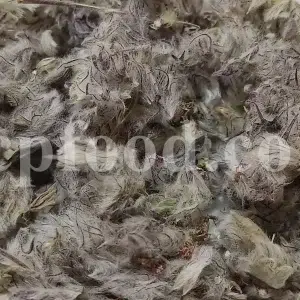
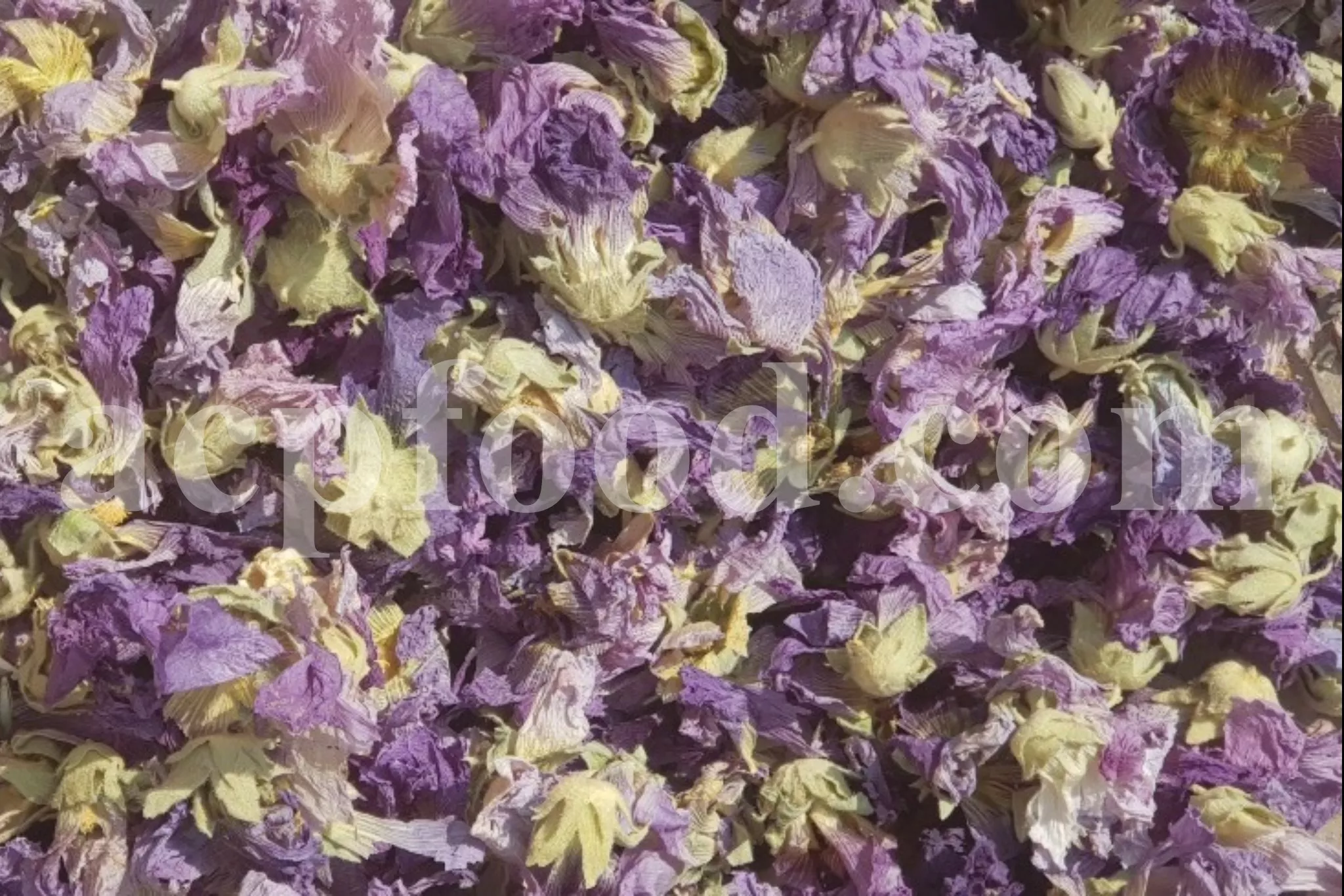
Bulk Althaea Officinalis for Export from ACPFOOD includes two of the most valued herbal flower varieties: Althaea officinalis L. (Marshmallow Flowers) and Althaea rosea L. (Hollyhocks Flowers). These dried blossoms are hand-harvested and naturally dried to preserve their delicate mucilaginous compounds, essential oils, and natural color.
Our bulk Althaea officinalis for export is widely used in pharmaceutical, cosmetic, and herbal tea industries worldwide. The dried marshmallow flowers are prized for their soothing, demulcent, and anti-inflammatory properties, supporting throat and respiratory health, while dried hollyhock flowers are used for skin-soothing formulations, herbal infusions, and natural dyeing.
ACPFOOD supplies bulk Althaea officinalis for export with complete export documentation, purity certifications, and competitive international pricing. Each batch is carefully sorted, tested, and packed to meet the strict standards of the European Union and other international markets.
🚚 Delivery Options
🌍 Direct Export from Iran – Available worldwide
🇪🇺 European Union Customers: Delivered DDP from our warehouse in Heppenheim, Germany (MOQ: 500 Kg)
🇨🇦 Canada & 🇨🇳 China: Delivered DDP (MOQ: 500 Kg)
🇺🇸 USA Customers: Delivered DAP (MOQ: 1,000 Kg)
🚢 Other Countries: CIF shipping available worldwide
Family: Malvaceae
GENERAL DATA
Plant parts: Flowers
Cultivation mode: Wild collection\Cultivated
In manufacturing: Pharmaceutical, beverages, cosmetics, skin lotion, haircare, soaps, shampoo, cream, perfumery, extract, oil.
In food: Herbal tea, food flavors.
🌸 Industries That Use Common Marshmallow Flowers (Althaea officinalis)
Here’s a well-organized list of industries that commonly use Common Marshmallow flower:
1. Pharmaceutical & Herbal Medicine Industry
Key applications:
-
Demulcent action: Soothes mucous membranes in mouth, throat, stomach, and intestines
-
Anti-inflammatory: Treats gastritis, ulcers, sore throat, and respiratory irritation
-
Antitussive: Eases dry or irritating coughs
-
Urinary tract relief: Mild diuretic and anti-inflammatory in bladder conditions
✅ Found in herbal cough syrups, soothing lozenges, throat sprays, gastrointestinal tonics, and tea infusions
2. Nutraceutical & Functional Food Industry
Applications:
-
Used in herbal teas and detox blends for its gentle soothing effects
-
Incorporated in digestive and lung support formulas
-
Added to functional honey blends, syrups, and wellness shots
✅ Blended with licorice root, slippery elm, and linden flowers for mucosal support
3. Cosmetic & Skincare Industry
Marshmallow flowers are gentle and moisturizing, ideal for sensitive or inflamed skin.
Used in:
-
Calming facial creams, serums, and masks
-
Soothing gels for eczema, rashes, and irritation
-
After-sun care and anti-aging serums
-
Formulated in natural shampoos for dry, itchy scalp
✅ Provides hydration, relief, and anti-redness properties
4. Tea & Herbal Beverage Industry
Highly regarded as a calming herbal infusion.
Applications:
-
Loose-leaf herbal teas and flower blends
-
Pre-packaged wellness infusions for throat, digestion, and relaxation
-
Added to bedtime and cold-relief teas
✅ Often paired with chamomile, rose, and lemon balm
✅ Summary Table – Marshmallow Flowers 🌸
| Industry | Common Uses |
|---|---|
| Pharmaceutical & Herbal | Cough syrups, sore throat sprays, GI tract soothers |
| Nutraceutical | Herbal teas, mucosal support blends, wellness syrups |
| Cosmetic & Skincare | Calming creams, eczema relief, anti-inflammatory serums |
| Tea & Herbal Beverage | Relaxing infusions, cold & flu teas, sleep-support teas |
| Veterinary & Animal Care | Respiratory and digestive support, topical wound soothers |
🌸 Key Features:
-
100% wild-harvested or organically grown blossoms
-
Rich in soothing mucilage and protective flavonoids
-
Popular in European, Persian, and holistic herbal medicine
-
Versatile applications in pharma, nutraceutical, cosmetic, and tea industries
🌱 Industries That Use Marshmallow Roots (Althaea officinalis)
Here’s a well-organized list of industries that commonly use Marshmallow root:
🌿 What Are Marshmallow Roots?
Marshmallow root is the thick, fibrous underground portion of Althaea officinalis, rich in mucilage, starch, polysaccharides, and tannins. It’s highly regarded for its soothing, coating, and anti-inflammatory properties.
A traditional herbal remedy for over 2,000 years, marshmallow root is widely used in pharmaceutical, nutraceutical, veterinary, and cosmetic industries for its ability to calm mucous membranes and reduce inflammation.
1. Pharmaceutical & Herbal Medicine Industry
Key applications:
-
Demulcent and emollient: Soothes throat, esophagus, stomach, intestines, and urinary tract
-
Antitussive: Reduces dry cough and throat irritation
-
Anti-inflammatory: Used in treating ulcers, colitis, and irritated mucosa
-
Wound healing: Applied topically to reduce inflammation and encourage skin repair
✅ Found in syrups, tablets, herbal teas, tinctures, and external poultices
2. Nutraceutical & Functional Food Industry
Applications:
-
Added to functional teas for throat, digestion, or urinary support
-
Used in natural lozenges, powdered wellness drinks, and digestive elixirs
-
Incorporated into detox and cleanse programs
✅ Often formulated alongside fennel, licorice root, slippery elm, and peppermint
3. Cosmetic & Skincare Industry
Highly valued for hydrating, anti-redness, and skin-repairing effects.
Used in:
-
Soothing face masks, creams, and eczema balms
-
Aftershave gels and sunburn relief formulations
-
Products for sensitive, irritated, or dry skin
✅ Marshmallow root extract is used in natural cosmetics to provide a calm and supple skin feel
4. Veterinary & Animal Health Industry
Used in holistic animal care for internal and topical use.
Applications:
-
Cough and digestive relief in livestock and pets
-
Herbal soothing washes for wounds or irritated skin
-
Added to natural supplements for GI inflammation
✅ Especially useful for horses, dogs, and poultry
5. Traditional & Herbal Tea Industry
Marshmallow root is a cornerstone in medicinal tea blends.
Applications:
-
Throat and chest teas to soothe irritation
-
Digestive herbal blends
-
Mild urinary tract support infusions
✅ Best steeped slowly to release viscous mucilage
✅ Summary Table – Marshmallow Roots 🌱
| Industry | Common Uses |
|---|---|
| Pharmaceutical & Herbal | Syrups, lozenges, anti-inflammatory teas, wound poultices |
| Nutraceutical | Functional drinks, lozenges, digestive and detox supplements |
| Cosmetic & Skincare | Eczema creams, soothing gels, sensitive skin moisturizers |
| Veterinary & Animal Health | GI and respiratory support, topical wound care |
| Herbal Tea | Sore throat teas, GI and bladder support infusions |
🌱 Key Features:
-
Wild-harvested or organically cultivated, dried marshmallow root pieces or powder
-
Exceptionally high mucilage content—gel-forming and protective
-
Traditional remedy in Persian, Greek, and European medicine
-
Core ingredient in respiratory, digestive, and skincare formulations
🌱 Industries That Use Marshmallow Seeds (Althaea officinalis)
Here’s a well-organized list of industries that commonly use Marshmallow seeds:
1. Agricultural & Cultivation Industry
Key applications:
-
Widely used for medicinal herb farming
-
Grown under organic or biodynamic systems for root and flower harvest
-
Used in wildlife-friendly agriculture and pollinator gardens
✅ Valuable in herb nurseries, permaculture systems, and botanical garden seed banks
2. Pharmaceutical & Herbal Development
While the seed is not as pharmacologically potent as the root or flower, it is sometimes used in:
-
Traditional seed-based decoctions
-
Preparations where whole-plant extracts are utilized
-
Pressed seed oil (less common) for emollient or demulcent bases
✅ Rare but historically referenced in some Persian and Greek texts as mild tonics
4. Nutraceutical & Specialty Oil Industry
Though limited, some cold-pressed marshmallow seed oils are marketed for:
-
Dry or sensitive skin formulas
-
Specialty blends with calendula, rosehip, or evening primrose oils
-
Experimental or artisan wellness products
✅ Still niche and under research, but of interest in functional cosmetics
✅ Summary Table – Marshmallow Seeds (Althaea officinalis) 🌱
| Industry | Common Uses |
|---|---|
| Agricultural & Cultivation | Herbal farming, propagation, permaculture systems |
| Pharmaceutical & Herbal | Whole-plant remedies, rare decoctions, seed-based tonics |
| Cosmetic & Skincare | Emollient creams, facial oils, lip balm bases |
| Nutraceutical | Cold-pressed seed oil blends for skin health |
🌱 Key Features:
-
High-quality, viable seeds suitable for organic cultivation
-
Source of mucilage precursors and mild emollient oil
-
Niche applications in natural cosmetics and herbal formulations
-
Traditionally referenced in early Persian and European medicine
🌸🌱 Comparison of Marshmallow Flower, Root, and Seed
Althaea officinalis L. – A Complete Part-by-Part Breakdown
The Marshmallow plant (Althaea officinalis L.) has been a cornerstone of herbal medicine, cosmetic formulations, and food-grade mucilage since antiquity. Each part of the plant—flowers, roots, and seeds—offers unique benefits and bioactive constituents, serving distinct industries.
✅ Comparison Table: Marshmallow Flower vs Root vs Seed (Althaea officinalis)
| Feature / Plant Part | Marshmallow Flower 🌸 | Marshmallow Root 🌿 | Marshmallow Seed 🌱 |
|---|---|---|---|
| Plant Part Used | Flowers (harvested in bloom) | Roots (collected in fall) | Seeds (harvested when mature) |
| Color & Form | Pale pink or purple, dried petals | Off-white/beige dried root slices | Small brownish, dry oval seeds |
| Taste & Texture | Mild, floral, slightly sweet | Bland, mucilaginous, earthy | Nutty, mildly bitter |
| Main Constituents | Flavonoids, anthocyanins, mucilage | Polysaccharides (mucilage), starch | Oil, mucilage, proteins |
| Medicinal Actions | Demulcent, mild anti-inflammatory | Strong demulcent, emollient, soothing | Mild expectorant, nutritive |
| Key Uses | Cough teas, skin soothers, infusions | Throat lozenges, digestive soothers | Nutritional support, traditional poultices |
| Industries Using It | Herbal teas, cosmetic infusions | Pharmaceutical, food, cosmetics | Nutraceuticals, folk medicine |
| Culinary Uses | Herbal infusions, floral teas | Natural thickener (soups, syrups) | Seed gruels, herbal snacks (rare) |
| Cosmetic Use | Facial steams, bath teas | Skin soothers, creams, hair masks | Mild conditioning agents |
| Typical Product Forms | Loose dried petals, tea blends | Dried slices, powder, extracts | Whole seeds, infused oil, tincture |
| Harvest Season | Summer (full bloom) | Autumn (2nd year best) | Late summer to early fall |
| Special Notes | Aesthetic and therapeutic in blends | Highest mucilage content | Less common but traditional use |
🌿 Summary of Industrial Applications
| Industry | Flower 🌸 | Root 🌿 | Seed 🌱 |
|---|---|---|---|
| Pharmaceutical/Herbal | Cough relief, soothing tea blends | Mucilaginous syrups, gut healing | Internal cooling & nutritive uses |
| Food/Nutraceutical | Natural floral infusion agent | Thickening agent, digestive drinks | Functional snacks or drinks (rare) |
| Cosmetics | Floral water, calming bath products | Skin barrier repair, creams | Mild tonics, infused skin oils |
| Traditional & Ethnic | Herbal ritual teas, European use | Middle Eastern, European herbalism | Used in folk remedies, North African traditions |
🔑 Key Features
-
Root is the most medicinally potent part—rich in mucilage, ideal for soothing inflamed mucous membranes.
-
Flowers are gentle, aromatic, and perfect for herbal teas and skincare.
-
Seeds are lesser-used but provide oily compounds and mucilage, with emerging interest in nutraceuticals.
🌸 Industries That Use Hollyhock Flowers (Althaea rosea)
Here’s a well-organized list of industries that commonly use Hollyhock flowers:
1. Pharmaceutical & Herbal Medicine Industry
Key applications:
-
Used as a mucilage-rich demulcent for dry cough, sore throat, and gastritis
-
Supports the urinary tract and soothes inflamed mucosa
-
Mild expectorant and respiratory remedy in herbal decoctions
-
Topical wound soother in poultices and balms
✅ Found in herbal teas, syrups, lozenges, and healing salves
2. Traditional & Herbal Tea Industry
Hollyhock petals are a common botanical in calming and soothing tea blends.
Applications:
-
Cough and throat teas
-
Gastrointestinal support infusions
-
Mildly diuretic and detox blends
-
Often used in herbal beauty teas for skin and inner cleansing
✅ Delicate floral flavor, often paired with mallow, chamomile, or lemon balm
3. Cosmetic & Personal Care Industry
Hollyhock flower extract is appreciated for its skin-softening and hydrating effects.
Used in:
-
Soothing facial toners and mists
-
Natural eye creams and dry-skin masks
-
Botanical bath soaks and floral-infused oils
✅ Especially valued in natural and sensitive-skin formulations
4. Textile & Natural Dye Industry
Hollyhock petals yield beautiful purple to pink natural dye tones.
Applications:
-
Used in artisanal textile dyeing
-
Botanical inks and soaps for natural colorants
-
Traditionally used in hand-dyed fabrics and crafts
✅ Pigment varies by petal color and pH during dyeing
5. Nutraceutical & Functional Beverage Industry
Although less common than marshmallow, hollyhock flowers are included in:
-
Herbal elixirs for mucous membrane support
-
Functional teas and detox drinks
✅ A mild botanical for integrative wellness formulas
✅ Summary Table – Hollyhock Flowers 🌸
| Industry | Common Uses |
|---|---|
| Pharmaceutical & Herbal | Demulcent teas, respiratory and mucosal support |
| Herbal Tea | Sore throat and detox teas, skin-support infusions |
| Cosmetic & Skincare | Toners, soothing creams, bath blends |
| Textile & Dye | Natural pink/purple dyes for fabrics and soaps |
| Nutraceutical | Wellness drinks, detox blends, functional teas |
🌸 Key Features:
-
Hand-harvested, gently dried hollyhock petals
-
Rich in natural mucilage, anthocyanins, and anti-inflammatory agents
-
Traditionally used in Persian, European, and Ayurvedic medicine
-
Multipurpose botanical for skin, throat, digestion, and herbal dyeing
🌸 Comparison: Marshmallow Flowers (Althaea officinalis) vs Hollyhock Flowers (Althaea rosea)
Both Marshmallow and Hollyhock belong to the Malvaceae (Mallow) family and are often used for their soothing, demulcent, and anti-inflammatory properties. Though they share similarities, their uses, constituents, and applications show important distinctions in herbal and industrial contexts.
✅ Comparison Table: Marshmallow Flowers vs Hollyhock Flowers
| Feature | Marshmallow Flowers (A. officinalis) 🌸 | Hollyhock Flowers (A. rosea) 🌺 |
|---|---|---|
| Plant Family | Malvaceae | Malvaceae |
| Flower Color | Pale pink to light purple | Deep pink, purple, red, or white |
| Taste & Aroma | Mild, slightly sweet | Milder and more neutral |
| Main Constituents | Mucilage, flavonoids, anthocyanins | Mucilage, anthocyanins, phenolics |
| Medicinal Properties | Demulcent, anti-inflammatory, soothing | Soothing, emollient, slightly expectorant |
| Pharmaceutical Use | Cough & sore throat remedies, skin soothers | Mild herbal expectorants, emollients |
| Cosmetic Use | Bath soaks, facial steams, lotions | Hair rinses, gentle face masks |
| Culinary Use | Herbal teas, infusions | Herbal teas (less common) |
| Ethnobotanical Use | European and Middle Eastern traditions | Widespread in Persian & Mediterranean folk medicine |
| Product Forms | Dried petals, tea blends, extracts | Whole dried flowers, powders, decoctions |
| Relative Potency | Higher in mucilage, gentler on mucosa | Slightly stronger colorant, milder demulcent |
| Harvest Season | Summer (blooming stage) | Late spring to early summer |
🌿 Summary of Applications
| Industry | Marshmallow Flowers 🌸 | Hollyhock Flowers 🌺 |
|---|---|---|
| Herbal Medicine | Soothing teas, respiratory support | Mucosal support, mild expectorants |
| Cosmetic & Toiletries | Sensitive-skin products, bath blends | Hair rinses, natural coloring in skincare |
| Food & Beverage | Herbal infusions, calming teas | Coloring teas and blends (visual appeal) |
| Ethnic/Traditional | Used in European pharmacopeia | Traditional Persian and Turkish medicine |
🔑 Key Features
-
Marshmallow Flowers (Althaea officinalis) are richer in mucilage, making them superior for soothing internal mucous membranes (throat, GI).
-
Hollyhock Flowers are valued for their color variety, light emollient action, and use in cosmetic and traditional Persian preparations.
-
Both are gentle, non-toxic, and excellent for herbal blends, but Marshmallow is more medicinal, while Hollyhock is more versatile in color and ritual use.
HARVEST CALENDAR
Feb
Mar
Apr
May
Jun
Jul
Aug
Sep
Oct
Nov
Dec
To order Marsh Mallow, please contact us.
To order dried Althaea officinalis flower, please contact us.
🌸 Nutrition Facts – Marshmallow Flowers (Althaea officinalis L.)
Serving Size: 2 g (typical for infusion or decoction)
Calories: ~6 kcal
| Nutrient | Amount per 2g | Per 100g |
|---|---|---|
| Total Fat | 0.05 g | 2.5 g |
| • Saturated Fat | 0.01 g | 0.5 g |
| Cholesterol | 0 mg | 0 mg |
| Sodium | 1.2 mg | 60 mg |
| Total Carbohydrate | 1.2 g | 60.0 g |
| • Dietary Fiber | 0.4 g | 20.0 g |
| • Natural Sugars | 0.1 g | 5.0 g |
| Protein | 0.1 g | 5.0 g |
Phytochemical & Functional Components (Per 100g):
| Compound / Group | Approx. Content | Functional Role |
|---|---|---|
| Mucilage polysaccharides | 15–25% | Soothing, demulcent for throat & gut |
| Flavonoids | Present | Antioxidant, mild anti-inflammatory |
| Phenolic acids | Present | Antioxidant, antimicrobial |
| Tannins | Low | Astringent |
| Volatile oils | Trace | Fragrance and minor antimicrobial |
🌼 Althaea officinalis flowers are used in traditional European and Middle Eastern medicine for soothing inflamed mucous membranes, dry cough, and irritated skin. Often used as herbal tea or extract ingredient.
⚠️ Not consumed in large quantities. Typically steeped and filtered before use. Safe for traditional herbal preparations.
Percent Daily Values are based on a 2,000-calorie diet. Nutritional values are approximate and for reference only.
🌱 Nutrition Facts – Marshmallow Roots (Althaea officinalis L.)
Serving Size: 2 g (typical amount per infusion or powdered dose)
Calories: ~7 kcal
| Nutrient | Amount per 2g | Per 100g |
|---|---|---|
| Total Fat | 0.06 g | 3.0 g |
| • Saturated Fat | 0.01 g | 0.5 g |
| Cholesterol | 0 mg | 0 mg |
| Sodium | 0.8 mg | 40 mg |
| Total Carbohydrate | 1.4 g | 70.0 g |
| • Dietary Fiber | 0.5 g | 25.0 g |
| • Natural Sugars | 0.1 g | 5.0 g |
| Protein | 0.1 g | 5.0 g |
Phytochemical & Functional Compounds (Per 100g):
| Bioactive Component | Approx. Content | Functional Role |
|---|---|---|
| Mucilage polysaccharides | 20–35% | Demulcent (soothing for throat, GI tract) |
| Starch & Complex carbs | ~30–40% | Mild nutritive effect |
| Flavonoids | Present | Antioxidant, anti-inflammatory |
| Phenolic acids | Trace | Antioxidant |
| Tannins | Low | Astringent |
| Volatile oils | Trace | Aroma, mild antimicrobial |
🌿 Marshmallow root is one of the richest sources of natural mucilage, traditionally used to soothe the throat, stomach, and urinary tract. Also applied in skincare, herbal syrups, and lozenges.
⚠️ Typically used as a tea, cold infusion, or powdered extract—not consumed in large quantities.
Percent Daily Values are based on a 2,000-calorie diet. Values are approximate and depend on root age and drying method.
🌱 Nutrition Facts – Marshmallow Seeds (Althaea officinalis L.)
Serving Size: 10 g (typical portion for decoction or milling)
Calories: ~41 kcal
| Nutrient | Amount per 10g | Per 100g |
|---|---|---|
| Total Fat | 1.6 g | 16.0 g |
| • Saturated Fat | 0.2 g | 2.0 g |
| • Monounsaturated Fat | 0.6 g | 6.0 g |
| • Polyunsaturated Fat | 0.7 g | 7.0 g |
| Cholesterol | 0 mg | 0 mg |
| Sodium | 1 mg | 10 mg |
| Total Carbohydrate | 4.8 g | 48.0 g |
| • Dietary Fiber | 1.2 g | 12.0 g |
| • Sugars | 0.3 g | 3.0 g |
| Protein | 2.1 g | 21.0 g |
Phytochemical & Nutritional Profile (Per 100g):
| Component | Approx. Content | Functional Role |
|---|---|---|
| Essential Fatty Acids | Moderate | Omega-6 & Omega-9 precursor |
| Mucilage (soluble fiber) | Low–moderate | Mild demulcent, digestive support |
| Sterols & Phytochemicals | Trace | Nutritional co-factors |
| Minerals (Ca, Mg, Fe) | Present | Bone health, enzymatic activity |
| Flavonoids | Trace | Antioxidant |
🌿 Marshmallow seeds are lesser-known but nutritious parts of the plant, with a mild nutty flavor and good protein/fat balance. Used in specialty teas, powders, or milled into functional ingredients.
⚠️ Best used in crushed or decocted form. Not typically consumed raw in large quantities.
Percent Daily Values are based on a 2,000-calorie diet. Nutrient values vary depending on harvest time and seed maturity.
🌸 Nutrition Facts – Hollyhock Flowers (Althaea rosea L.)
Serving Size: 2 g (typical for herbal infusion/decoction)
Calories: ~5 kcal
| Nutrient | Amount per 2g | Per 100g |
|---|---|---|
| Total Fat | 0.04 g | 2.0 g |
| • Saturated Fat | 0.01 g | 0.5 g |
| Cholesterol | 0 mg | 0 mg |
| Sodium | 1.5 mg | 75 mg |
| Total Carbohydrate | 1.1 g | 55.0 g |
| • Dietary Fiber | 0.3 g | 15.0 g |
| • Natural Sugars | 0.1 g | 5.0 g |
| Protein | 0.1 g | 5.0 g |
Phytochemical & Functional Profile (Per 100g):
| Compound / Group | Approx. Content | Functional Role |
|---|---|---|
| Mucilage polysaccharides | 10–20% | Soothing, demulcent (especially respiratory & GI) |
| Anthocyanins | Present (esp. in dark flowers) | Antioxidant, anti-inflammatory |
| Flavonoids | Moderate | Antioxidant, capillary protection |
| Tannins | Low–moderate | Astringent, antimicrobial |
| Volatile oils | Trace | Aromatic, calming |
🌺 Hollyhock flowers are traditionally used in herbal teas to relieve sore throats, calm digestive discomfort, and support urinary health. Their mucilage content offers a natural soothing effect similar to marshmallow.
⚠️ Not typically consumed as food—used as herbal infusion or topical/cosmetic ingredient.
Percent Daily Values are based on a 2,000-calorie diet. Nutrient values are approximate and vary by flower color and drying method.


Reviews
There are no reviews yet.