


Bulk Assyrian Plum for Export – Wholesale Supply
ACPFOOD provides bulk assyrian plum for export, including both Cordia myxa fruit and bark, to international wholesalers, importers, and distributors. Also known as sebastian plum, sapistan fruit, or sebestan, this versatile product is widely used in culinary applications, herbal remedies, and medicinal industries. Our high-quality Assyrian plum fruit and bark are carefully sourced, ensuring consistent standards, competitive prices, and timely delivery, making us a trusted wholesale supplier of assyrian plum for global markets.
ACPFOOD supplies premium-quality Bulk Assyrian Plum for Export, sourced from Cordia myxa L. and Cordia crenata Delile, two closely related species valued for their nutritional and medicinal properties. Known internationally as Assyrian Plum and traditionally referred to as Sapistan / Sebestan Plum, this dried fruit is widely used across food, herbal, and pharmaceutical industries.
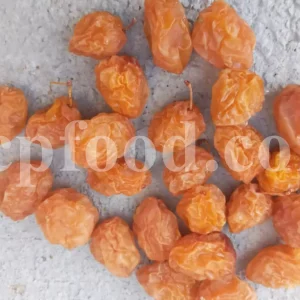
Our Bulk Assyrian Plum for Export is carefully harvested, naturally dried, and hygienically processed to preserve its mucilaginous texture, mild sweetness, and bioactive compounds. Assyrian plum is especially prized in herbal formulations for throat-soothing, respiratory support, and digestive applications, making it a high-demand raw material for manufacturers worldwide.
ACPFOOD offers Bulk Assyrian Plum for Export suitable for herbal teas, syrups, nutraceutical preparations, traditional medicine products, and functional food formulations. Each batch is prepared under strict quality control standards to meet international import requirements.
With reliable sourcing, professional export documentation, and multiple global delivery options, ACPFOOD is a trusted supplier of Bulk Assyrian Plum for Export to wholesalers, processors, and international buyers.
🏭 Industrial Applications
✔️ Herbal & Traditional Medicine Industry
-
Used in cough syrups and throat-soothing formulations
-
Valued for mucilage content and soothing properties
-
Common ingredient in respiratory-support herbal blends
✔️ Nutraceutical & Supplement Manufacturing
-
Incorporated into capsules, powders, and liquid extracts
-
Used in digestive and respiratory wellness products
✔️ Food & Beverage Industry
-
Applied in herbal teas and functional drinks
-
Used in traditional food preparations and natural syrups
✔️ Pharmaceutical & Research Applications
-
Studied for demulcent and anti-inflammatory potential
-
Used as a botanical raw material in research formulations
ACPFOOD supports international manufacturers with consistent-quality Bulk Assyrian Plum for Export.
🌱 Product Specifications
| Parameter | Description |
|---|---|
| Botanical Names | Cordia myxa L., Cordia crenata Delile |
| Common Names | Assyrian Plum, Sapistan, Sebestan |
| Form | Whole dried fruit |
| Moisture | < 12% |
| Color | Light brown to dark brown |
| Taste | Mild, slightly sweet |
| Purity | Cleaned, free from foreign matter |
| Origin | Iran |
| Processing | Natural drying, manual sorting |
| Documents Provided | CoA, Phytosanitary Certificate, TDS |
🌍 Why Choose ACPFOOD for Bulk Assyrian Plum for Export
-
✔️ Direct sourcing from Iran’s natural growing regions
-
✔️ Food-grade and medicinal-grade quality available
-
✔️ Suitable for herbal, nutraceutical, and food industries
-
✔️ Export-ready documentation for international trade
-
✔️ Stable bulk supply and professional logistics support
-
✔️ Trusted exporter of Bulk Assyrian Plum for Export
ACPFOOD delivers consistency, quality, and reliability for global buyers.
🚚 Delivery Options
🌍 Direct Export from Iran – Available worldwide
🇪🇺 European Union Customers: Delivered DDP from Heppenheim, Germany (MOQ: 500 Kg)
🇨🇦 Canada & 🇨🇳 China: Delivered DDP (MOQ: 500 Kg)
🇺🇸 USA Customers: Delivered DAP (MOQ: 1,000 Kg)
🚢 Other Countries: CIF shipping available worldwide

GENERAL DATA
Plant Parts: Bark, Leaves and Fruits
Cultivation mode: Wild Collection\Cultivated
In manufacturing: Pharmaceutical, cosmetics, confectionery, beverages, dyeing, soaps and shampoo, glue making.
The bark is used in Pharmaceutical.
The tree is used in some region to prevent soil erosion and as shade tree. The stems are used as twine, cordage and ship building.
The wood is used to making furniture and fuel.
In food: Herbal Tea and Pickles.
Industries That Use Assyrian Plum (Cordia myxa L.)
Here’s the professional and structured breakdown for Assyrian Plum (fruit of Cordia myxa L.).

The fruit is rich in mucilage, pectins, phenolics, flavonoids, and essential minerals, giving it a wide array of uses in pharmaceuticals, nutraceuticals, and traditional remedies.
1. Pharmaceutical & Traditional Medicine Industry
Used extensively in Unani, Ayurvedic, and Persian medicine as a respiratory demulcent, especially for conditions involving throat and bronchial irritation.
Applications:
-
Cough remedy: coats and soothes the throat in dry, irritated coughs
-
Expectorant: supports mucus clearance
-
Anti-inflammatory: reduces swelling in respiratory and digestive tracts
-
Mild laxative: used in cases of infant or elderly constipation
✅ Forms: decoctions, syrups, herbal lozenges, throat soothers
✅ Commonly combined with Licorice root, Jujube, and Marshmallow
2. Nutraceutical & Herbal Wellness Industry
The fruit’s mucilage, antioxidants, and minerals make it a gentle, natural wellness ingredient, particularly in formulations for throat, digestion, and immune comfort.
Uses:
-
Herbal throat syrups and cold relief teas
-
Digestive tonics with Slippery elm or Fennel
-
Used in immune soothing lozenges and herbal cough drops
✅ Valued in infant and geriatric care due to its mildness
3. Food & Beverage Industry
Though less known as a commercial fruit, Assyrian Plum is used locally and ethnically in:
Culinary uses:
-
Fruit preserves (jams and jellies)
-
Traditional pickles
-
Syrups or pastes used in local confections and tonics
-
Sometimes used in traditional soft drinks or infused water
✅ Rich in natural pectin and mucilage—used for texture and gelling
4. Cosmetic & Skincare Industry
Its high mucilage content has hydrating, anti-inflammatory, and softening properties, used in natural personal care.
Applications:
-
Herbal face masks (hydrating and soothing)
-
Aloe-alternative in natural skin care
-
Used in handmade soaps and gentle cleansers
✅ Traditionally used to soothe dry or inflamed skin
5. Agricultural & Animal Care Industry
Assyrian Plum fruit is sometimes used in veterinary medicine and rural agricultural practices:
-
As a natural laxative for animals
-
Used to treat mild respiratory infections in livestock
-
Sometimes added to traditional feed mixes for health promotion
✅ Known in folk animal medicine in rural areas
6. Ethnic, Herbal, & Export Markets
This fruit holds strong ethnobotanical and diaspora value, especially in South Asian, Middle Eastern, and North African markets.
Exported as:
-
Dried whole fruits
-
Fruit paste or syrup
-
Bulk for apothecaries and syrup makers
✅ Popular in Unani and Ayurvedic supply chains
7. Academic & Botanical Research
The fruit is being studied for its pharmacological effects, especially:
-
Antioxidant and anti-inflammatory action
-
Wound healing potential
-
Mucosal soothing effects
✅ A candidate in research on mucilaginous plant-based therapeutics
✅ Summary of Key Applications
| Industry | Common Uses |
|---|---|
| Pharmaceutical & Traditional | Demulcent for cough, sore throat, mild laxative |
| Nutraceutical & Wellness | Throat soothers, herbal lozenges, immune comfort |
| Food & Beverage | Jams, syrups, traditional drinks, mucilage source |
| Cosmetic & Skincare | Soothing gels, hydrating masks, herbal soaps |
| Animal Care & Agriculture | Digestive and respiratory support for livestock |
| Ethnic & Export Markets | Dried fruit, syrups, herbal cold remedies |
| Academic Research | Mucilage pharmacology, respiratory botanical support |
🌟 Key Features
-
Naturally mucilaginous and demulcent
-
Gentle on the digestive and respiratory systems
-
Rich in flavonoids, polyphenols, and natural pectin
-
Known for respiratory support, hydration, and immunity
-
Culturally significant in Iranian, Indian, and Arabic medicine
🍃 Industries That Use Assyrian Plum Leaves (Cordia myxa L.)
Here is the professional and structured breakdown for Assyrian Plum leaves from Cordia myxa L.
🌿 What Are Assyrian Plum Leaves?
The leaves of the Cordia myxa tree (also known as Lasura, Sapistan, or Sebesten) are large, mucilaginous, and rich in polyphenols, flavonoids, and tannins. Traditionally used in Ayurvedic, Unani, and Persian medicine, these leaves have cooling, soothing, anti-inflammatory, and antimicrobial properties.
They are often employed in topical, respiratory, and gastrointestinal remedies, and are gaining interest in ethnomedicine and green pharmaceutical formulations.
1. Pharmaceutical & Traditional Medicine Industry
Cordia myxa leaves are a staple in traditional medicine for treating respiratory infections, fevers, skin conditions, and inflammatory disorders.
Common medicinal uses:
-
Anti-inflammatory: Used for swelling, wounds, and internal inflammation
-
Febrifuge: Employed in fevers and hot conditions (cooling nature)
-
Respiratory aid: Traditionally applied for asthma and bronchitis
-
Wound healing: Crushed fresh leaves used in poultices
✅ Forms: fresh paste, decoction, poultice, leaf infusion
✅ Widely used in Ayurvedic and Iranian traditional medicine as a topical and systemic remedy
2. Veterinary & Agricultural Industry
The leaves have notable applications in ethnoveterinary medicine and traditional farming.
Applications:
-
Topical treatment for livestock wounds and skin conditions
-
Used as a green fodder with mild medicinal value
-
In rural veterinary practices: leaves are used for soothing animal inflammation or digestive issues
✅ Acts as a cooling, anti-irritant herb for animals
3. Cosmetic & Personal Care Industry
Owing to their antimicrobial and cooling nature, the leaves are used in natural skin and scalp formulations.
Cosmetic applications:
-
Herbal face masks for inflammation, acne, and oily skin
-
Scalp rinses for dandruff and itch relief
-
Used in herbal soaps and cleansers
✅ Traditionally applied for skin cooling, healing, and detoxification
4. Herbal & Organic Household Products
Assyrian plum leaves are sometimes used in ethnobotanical home remedies and products, especially in rural and organic communities.
Household uses:
-
Natural rinses for scalp and skin care
-
Green poultice base for boils and insect bites
-
Used in preparations for children’s skin rashes
✅ Combined with neem, turmeric, or chickpea flour in home skin packs
5. Ethnic & Export Markets
While not as commercially widespread as the fruit, the dried or powdered leaves are sold in ethnic herbal shops, especially in India, Pakistan, Iran, and Afghanistan.
Exported as:
-
Crushed dried leaves for herbalists
-
Green leaf powder for poultices or teas
-
Bulk ingredient in Ayurvedic formulations
✅ Often bundled with fruit and bark products from Cordia myxa
6. Scientific & Phytochemical Research
Ongoing studies investigate the bioactive compounds and antimicrobial actions of Cordia myxa leaves.
Research interests:
-
Antibacterial and antifungal properties
-
Anti-inflammatory and antioxidant effects
-
Potential use in plant-based wound care and dermatology
✅ Recognized for broad-spectrum botanical potential in natural therapeutics
✅ Summary of Key Applications
| Industry | Common Uses |
|---|---|
| Pharmaceutical & Traditional | Respiratory inflammation, wounds, fevers, skin disorders |
| Veterinary & Agriculture | Livestock wounds, cooling agent, anti-inflammatory poultices |
| Cosmetic & Personal Care | Acne control, scalp care, herbal soaps, natural face packs |
| Household Herbal Remedies | Poultices, bath additives, baby skin care |
| Ethnic & Export Markets | Dried or powdered leaves for herbal use |
| Academic Research | Antimicrobial, anti-inflammatory, wound healing studies |
🌟 Key Features
-
Rich in flavonoids, tannins, and mucilage
-
Known for cooling, anti-inflammatory, and soothing actions
-
Traditionally used in poultices and herbal compresses
-
Plays a role in both human and animal herbal care
-
Now researched for natural wound and skin formulations
🪵 Industries That Use Assyrian Plum Bark (Cordia myxa L.)
Here is the professional and structured breakdown for the bark of Assyrian Plum (Cordia myxa L.)

1. Pharmaceutical & Traditional Medicine Industry
The bark is used in decoctions, powders, and poultices in various traditional medicine systems, especially for gastrointestinal disorders, wound healing, and oral health.
Applications:
-
Astringent: controls diarrhea, bleeding gums, and skin wounds
-
Digestive aid: supports gut health and reduces irritation
-
Anti-inflammatory: for oral ulcers, hemorrhoids, and infections
-
Antiseptic: applied topically in skin infections and abscesses
✅ Common forms: powdered bark, decoctions, poultices, or herbal mouthwashes
✅ Sometimes mixed with Catechu, Licorice, or Triphala
2. Veterinary & Agricultural Industry
In ethnoveterinary practices, Cordia myxa bark is known for its cooling and healing effects, particularly in rural animal care.
Uses:
-
Topical antiseptic for cuts and abrasions
-
Added to herbal feed decoctions for treating diarrhea or indigestion
-
Used in poultices to treat hoof infections or swellings
✅ A trusted botanical in livestock folk remedies
3. Cosmetic & Personal Care Industry
Due to its astringency and anti-inflammatory effects, the bark is sometimes included in herbal skincare and oral care formulations.
Cosmetic applications:
-
Mouthwash base for gum and oral hygiene
-
Face packs or skin washes for oily or acne-prone skin
-
Herbal bath additives for detoxifying and cleansing
✅ Traditionally used to tighten and tone the skin
4. Natural Dye, Tanning & Processing Industry
Like many tannin-rich barks, Cordia myxa bark has been used historically for leather tanning and occasionally for dyeing processes.
Applications:
-
Tannin extract for processing hides and skins
-
May be used in natural dyeing as a fixative (mordant)
-
Potential in biodegradable textile processing
✅ Still used locally in rural craft and processing industries
5. Ethnic & Export Markets
While not as prominent as the fruit, the bark is valued in herbal shops and traditional apothecaries.
Exported forms:
-
Dried whole or chipped bark
-
Powdered bark in capsules or sachets
-
Used in traditional herbal formulas across Middle Eastern and South Asian markets
✅ Often bundled with the leaves and fruits for complete herbal regimens
6. Academic & Pharmacological Research
Research on Cordia myxa bark focuses on its astringent and antimicrobial properties, particularly for gastrointestinal and dermatological uses.
Areas of research:
-
Antibacterial and antifungal activity
-
Antiulcer and wound healing efficacy
-
Phytochemical analysis of bark tannins and phenolics
✅ A promising plant-based alternative in natural oral and skin care products
✅ Summary of Key Applications
| Industry | Common Uses |
|---|---|
| Pharmaceutical & Traditional | Anti-diarrheal, astringent, oral ulcers, wound care |
| Veterinary & Agriculture | Poultices for wounds, digestive tonics for animals |
| Cosmetic & Oral Care | Mouthwashes, acne face packs, detox baths |
| Natural Tanning & Dyeing | Leather tanning, dye fixative, textile pre-treatment |
| Ethnic & Herbal Trade | Powdered or chipped bark, bundled in herbal kits |
| Academic Research | Studies on tannins, healing, antibacterial activity |
🌟 Key Features
-
High in tannins and flavonoids
-
Effective astringent and anti-inflammatory botanical
-
Traditionally used for oral, digestive, and skin care
-
Still active in ethnoveterinary medicine and local crafts
-
Being explored for plant-based cosmetic and antimicrobial products
🍃🪵🍑 Comparison Table: Cordia myxa Fruit vs. Leaves vs. Bark
| Aspect | Fruit (Sebesten) | Leaves | Bark |
|---|---|---|---|
| Plant Part | Mucilaginous drupe (fleshy fruit) | Broad, green leaves | Outer bark of trunk/branches |
| Main Constituents | Mucilage, pectin, flavonoids, simple sugars, minerals | Flavonoids, tannins, mucilage, chlorophyll | Tannins, polyphenols, flavonoids, minor alkaloids |
| Taste/Texture | Sticky, sweet, cooling | Slightly bitter, cooling | Astringent, woody, slightly bitter |
| Primary Actions | Demulcent, expectorant, mild laxative | Anti-inflammatory, antimicrobial, soothing | Astringent, anti-ulcer, antiseptic |
| Traditional Use | Sore throat, dry cough, immunity, constipation | Skin rashes, asthma, fever, wounds | Diarrhea, oral ulcers, wounds, skin infections |
| Forms Used | Whole dried fruit, syrup, decoction, lozenge | Poultice, decoction, crushed paste, infusion | Powder, decoction, mouthwash, compress |
| Nutraceutical Uses | Cough teas, throat syrups, immune support | Herbal skin & scalp formulas, gut support | Oral care blends, wound powders |
| Cosmetic Uses | Soothing syrups, antioxidant formulations | Acne masks, scalp rinses, cooling face packs | Herbal mouthwashes, skin detox packs |
| Veterinary Uses | Demulcent for cough and digestion in livestock | Wound poultices, green fodder | Hoof and skin infections, diarrhea |
| Industrial Use | Fruit mucilage as thickener in food | Occasionally in green care formulations | Natural tanning, dye fixative |
| Export Forms | Dried fruits, syrup, paste | Dried leaf powder, frozen or fresh | Chipped or powdered bark |
| Scientific Focus | Mucilage pharmacology, anti-inflammatory, respiratory aid | Antimicrobial, anti-inflammatory, antioxidant | Antibacterial, wound healing, antiulcer potential |
PRODUCT NAME IN DIFFERENT LANGUAGES
Persian Name: سپستان/ Sepestan
German Name (Deutschland, Austria, Switzerland): Assyrian Plum
French Name (France, Belgium, Switzerland, Quebec): Sébeste
HARVEST CALENDAR
Feb
Mar
Apr
May
Jun
Jul
Aug
Sep
Oct
Nov
Dec

Assyrian Plum Temperament
Moderate in heat and coldness, and first degree of moist.
To order Sebastian Plum, please contact us.

Holding Assyrian plum in the mouth and swallowing its glaze or drinking its soaked water or drinking its brewed tea removes sputum of the chest and throat, and is a good modifier for laxative herbs. It is also useful for sore throat, hoarseness, dysuria caused by yellow bile, hot temperament people diarrhea and scratches of the intestines.

Assyrian Plum Dose
30 pieces to 46 grams
Cordia myxa Side Effects
Stomach and liver. Sebesten produce phlegmatic moisture.
Assyrian Plum Modifiers
Damask Rose (Rosa damascena) leave for cold temperament people.
Jujube (Ziziphus jujuba) fruit for hot temperament people.
🍑 Nutrition Facts – Assyrian Plum (Dried Fruit)
(Cordia myxa L.)
Serving Size: 10 g (~3–4 dried fruits)
Calories: ~28 kcal
| Nutrient | Amount per 10g | Per 100g |
|---|---|---|
| Total Fat | 0.1 g | 1.0 g |
| • Saturated Fat | 0.02 g | 0.2 g |
| Cholesterol | 0 mg | 0 mg |
| Sodium | ~3 mg | ~30 mg |
| Total Carbohydrate | 6.6 g | 66.0 g |
| • Dietary Fiber | 1.4 g | 14.0 g |
| • Sugars (natural) | ~3.8 g | ~38.0 g |
| Protein | 0.3 g | 3.0 g |
🌿 Phytochemical & Functional Profile (Per 100g):
| Compound / Group | Approx. Content | Functional Role |
|---|---|---|
| Mucilage | High | Soothing for throat, anti-inflammatory |
| Polyphenols (e.g., gallic acid, ellagic acid) | Moderate | Antioxidant, antibacterial |
| Steroidal compounds | Present | Anti-inflammatory, immune modulating |
| Flavonoids | Moderate | Tissue repair, liver protection |
| Tannins | Low–moderate | Astringent, useful in diarrhea and ulcers |
🧬 Vitamins & Minerals (Per 100g dried):
| Micronutrient | Approx. Content | % DV (per 100g) |
|---|---|---|
| Potassium | ~260 mg | 7% |
| Calcium | ~110 mg | 11% |
| Magnesium | ~45 mg | 11% |
| Iron | ~1.5 mg | 8% |
| Vitamin C | ~18 mg | 20% |
| Vitamin A (beta-carotene) | ~400 IU | ~8% |
🍑 Assyrian Plum (Sapistan) is known for its soothing mucilage that coats and calms irritated mucous membranes. Traditionally used for dry cough, laryngitis, bronchitis, diarrhea, and mild fevers.
✅ Naturally sweet, gluten-free, caffeine-free, and a natural source of pectins, flavonoids, and mucilage. Ideal for syrups, lozenges, or infusion blends.
⚠️ May have mild laxative effects in high doses. Best consumed in moderation or according to traditional dosage forms.
Percent Daily Values are based on a 2,000-calorie diet. Nutritional values may vary by drying method and origin.
🍃 Nutrition Facts – Assyrian Plum Leaves (Dried)
(Cordia myxa L.)
Serving Size: 2 g (~1 tablespoon crumbled dried leaves)
Calories: ~5 kcal
| Nutrient | Amount per 2g | Per 100g |
|---|---|---|
| Total Fat | 0.05 g | 2.5 g |
| • Saturated Fat | 0.01 g | 0.6 g |
| Cholesterol | 0 mg | 0 mg |
| Sodium | ~2 mg | ~100 mg |
| Total Carbohydrate | 0.8 g | 40.0 g |
| • Dietary Fiber | 0.4 g | 20.0 g |
| • Sugars | 0.1 g | 5.0 g |
| Protein | 0.2 g | 10.0 g |
🌿 Phytochemical & Functional Profile (Per 100g):
| Compound / Group | Approx. Content | Functional Role |
|---|---|---|
| Mucilage | Moderate–high | Soothes throat and mucous membranes |
| Flavonoids (quercetin, kaempferol) | Moderate | Anti-inflammatory, antioxidant |
| Phenolic acids (caffeic, gallic) | Moderate | Antimicrobial, tissue protective |
| Alkaloids & terpenoids | Trace–low | Traditionally noted for respiratory and digestive actions |
| Tannins | Trace–moderate | Astringent, supports wound healing |
🧬 Vitamins & Minerals (Per 100g, dried):
| Micronutrient | Approx. Content | % DV (per 100g) |
|---|---|---|
| Iron | ~2.0 mg | 11% |
| Calcium | ~160 mg | 16% |
| Magnesium | ~55 mg | 14% |
| Potassium | ~420 mg | 12% |
| Vitamin C | ~20 mg | 22% |
| Vitamin A (beta-carotene) | ~600 IU | ~12% |
| Vitamin K | ~35 µg | ~29% |
🍃 Dried Cordia myxa leaves are valued in traditional medicine for their cooling, expectorant, and wound-healing qualities. Used in poultices for skin inflammation and decoctions for sore throats, dry coughs, and urinary irritation.
✅ Caffeine-free, naturally low in calories, rich in antioxidants, trace minerals, and plant mucilage. Suitable for herbal teas or topical herbal applications.
⚠️ Not for use in high doses during pregnancy. Always consult traditional dosage guidance.
Percent Daily Values are based on a 2,000-calorie diet. Nutrient content may vary slightly by drying method and harvest origin.
🌳 Nutrition Facts – Assyrian Plum Bark (Dried)
(Cordia myxa L.)
Serving Size: 2 g (~1 tsp coarsely ground bark for decoction)
Calories: ~4 kcal
| Nutrient | Amount per 2g | Per 100g |
|---|---|---|
| Total Fat | 0.02 g | 1.0 g |
| • Saturated Fat | 0.005 g | 0.2 g |
| Cholesterol | 0 mg | 0 mg |
| Sodium | ~1 mg | ~40 mg |
| Total Carbohydrate | 0.8 g | 40.0 g |
| • Dietary Fiber | 0.3 g | 15.0 g |
| • Sugars | 0.05 g | 2.5 g |
| Protein | 0.1 g | 5.0 g |
🌿 Phytochemical & Functional Profile (Per 100g dried):
| Compound / Group | Approx. Content | Functional Role |
|---|---|---|
| Mucilage | Moderate | Soothing to mucous membranes (throat, GI tract, skin) |
| Polyphenols | Moderate | Antioxidant, anti-inflammatory |
| Tannins | Moderate–high | Astringent, useful for diarrhea, sore throat, wounds |
| Flavonoids | Present | Supports capillary strength, antioxidant |
| Lignans & Triterpenoids | Trace–low | Antimicrobial, tissue protective |
🧬 Minerals & Micronutrients (Per 100g dried):
| Micronutrient | Approx. Content | % DV (per 100g) |
|---|---|---|
| Calcium | ~140 mg | 14% |
| Magnesium | ~50 mg | 13% |
| Potassium | ~370 mg | 10% |
| Iron | ~1.8 mg | 10% |
| Zinc | ~0.4 mg | 4% |
| Vitamin C | Trace–low | ~1–2% |
🌳 The dried bark of Cordia myxa is traditionally used for respiratory infections, mouth ulcers, gastrointestinal inflammation, and skin disorders. Its mucilage and tannin content make it a soothing and protective herbal material.
✅ Caffeine-free, naturally fibrous, rich in plant compounds that support tissue integrity, mucosal health, and wound healing.
⚠️ Not typically consumed raw or as food. Best used in decoctions, mouth rinses, or external preparations.
Percent Daily Values are based on a 2,000-calorie diet. Nutrient values are approximate and depend on bark age, drying, and harvest.
To order Cordia myxa, please contact us.


Reviews
There are no reviews yet.