, , ,

Bulk Dried Thyme for Export – Thymus Vulgaris & Thymus Serpyllum

ACPFOOD is a leading supplier of bulk dried thyme for export, including both Thymus vulgaris and Thymus serpyllum varieties. We provide premium-quality thyme leaves and thyme seeds for wholesalers, distributors, and manufacturers worldwide. Whether you’re in the food, cosmetics, or pharmaceutical industries, our thyme products meet the highest standards of excellence.

Bulk Dried Thyme, Thymus Vulgaris, Serpyllum & Thyme Seeds for Wholesale Export

  • Product Code:
    1. Wild Thyme (Thymus serpyllum): HER-042
    2. Common Thyme (Thymus vulgaris): HER-008
  • Minimum Order Quantity (MOQ): 500 kg

To order or get a quote, please push the below button:
Get A Quote!

Wholesale Bulk Dried Thyme for Export – Thymus Vulgaris & Serpyllum

At ACPFOOD, we specialize in bulk dried thyme for export, including Thymus vulgaris and Thymus serpyllum varieties, as well as thyme seeds for wholesale. Our premium quality thyme is ideal for a variety of industries, including food, cosmetics, and pharmaceuticals. We offer competitive prices for bulk dried thyme and provide reliable shipping worldwide. As a trusted exporter and supplier, we cater to the specific needs of wholesalers and distributors who require high-quality thyme for large-scale operations.

ACPFOOD supplies premium-quality Bulk Dried Thyme for Export, including Dried Thyme Leaves, Dried Thyme Flowers, Thyme Seeds from Thymus vulgaris L., and Dried Wild Thyme from Thymus serpyllum L. Carefully cultivated and processed in Iran, these aromatic herbs are widely used across the food, spice, pharmaceutical, nutraceutical, cosmetic, herbal tea, and essential oil industries.

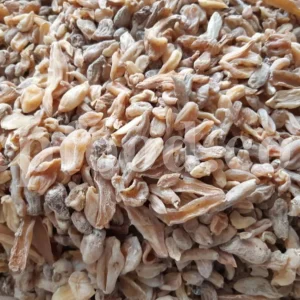
Our Bulk Dried Thyme for Export products are harvested at optimal maturity and gently dried under controlled conditions to preserve natural aroma, essential oils, color, and active compounds such as thymol and carvacrol. Dried Thyme Leaves are extensively used in seasoning blends and herbal formulations, while Thyme Flowers are preferred for premium herbal teas and botanical extracts. Thyme Seeds are supplied for cultivation and specialty applications, and Dried Wild Thyme is valued for its stronger aroma and high essential oil content.

ACPFOOD provides export-grade Bulk Dried Thyme for Export products with reliable quality, professional cleaning, and complete export documentation for international buyers and manufacturers.

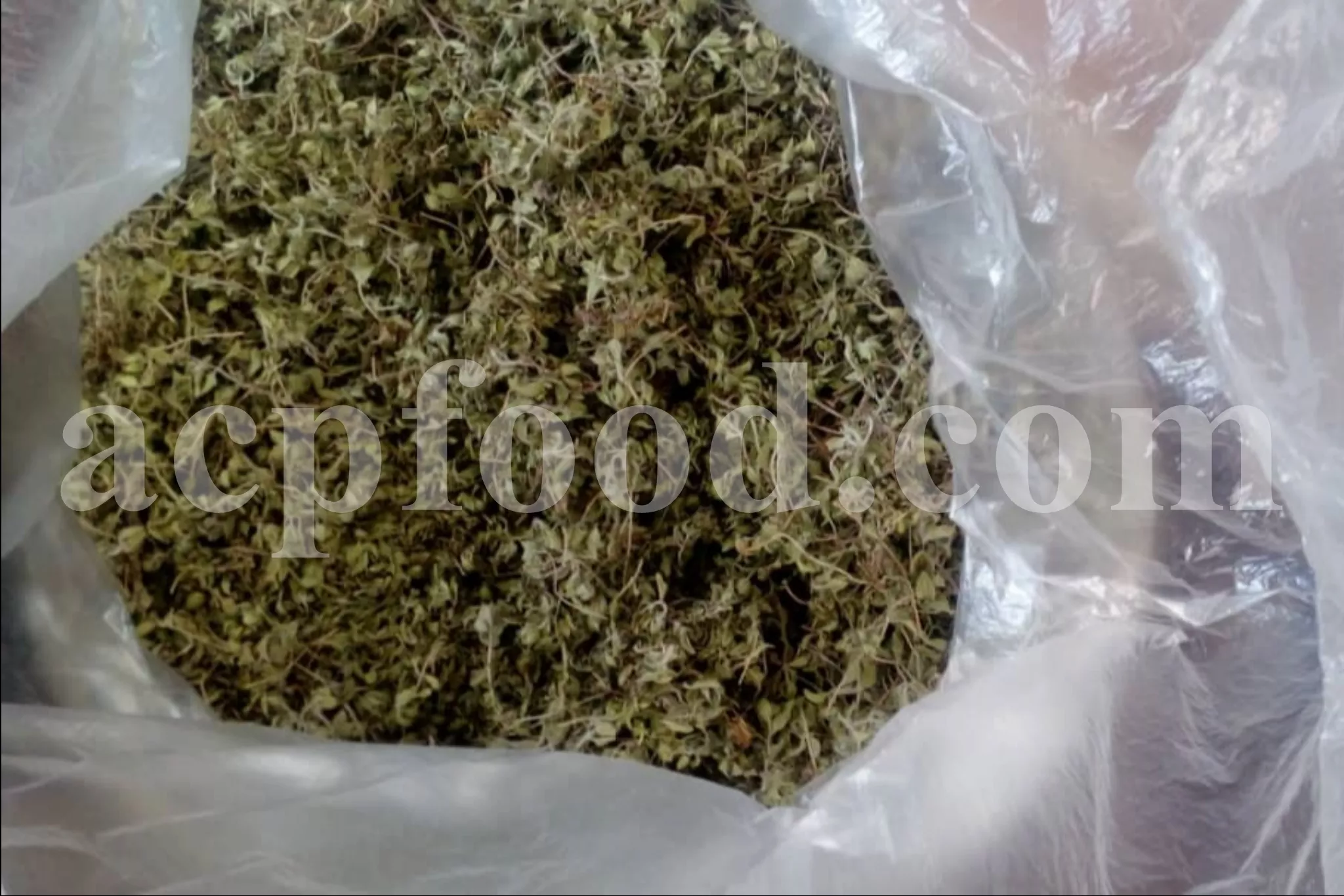
Thyme leaves during drying process for export quality herbal production
Careful drying process of thyme leaves to maintain aroma, color, and export-grade quality.

🏭 Industrial Applications

✔️ Food & Spice Industry

  • Dried thyme leaves used in spice blends, sauces, marinades, soups, and meat products
  • Wild thyme used in premium seasoning formulations and Mediterranean cuisine

✔️ Herbal Tea & Nutraceutical Industry

  • Thyme leaves and flowers used in herbal teas and wellness blends
  • Applied in capsules, powders, and botanical extracts

✔️ Pharmaceutical Industry

  • Used in herbal syrups, respiratory formulations, and botanical concentrates
  • Valued for antimicrobial and aromatic properties

✔️ Cosmetic & Essential Oil Industry

  • Thyme extracts and oils used in soaps, shampoos, skincare, and aromatherapy products

✔️ Agricultural & Seed Supply

  • Thyme seeds supplied for cultivation and breeding purposes

ACPFOOD supplies industrial-grade Bulk Dried Thyme for Export products suitable for large-scale processing and manufacturing.

🌱 Product Specifications

Parameter Thyme Leaves Thyme Flowers Thyme Seeds Wild Thyme
Botanical Name Thymus vulgaris L. Thymus vulgaris L. Thymus vulgaris L. Thymus serpyllum L.
Plant Part Used Leaves Flowers Seeds Whole aerial parts
Form Dried cut leaves Dried flowers Whole seeds Dried herb
Color Green Pink-purple Brown Green-grey
Aroma Strong aromatic Floral aromatic Mild herbal Strong wild thyme aroma
Moisture < 10% < 10% < 10% < 10%
Purity ≥ 99% cleaned ≥ 99% cleaned ≥ 99% cleaned ≥ 99% cleaned
Origin Iran Iran Iran Iran
Processing Gentle drying, cleaning Gentle drying Cleaning, grading Natural drying, cleaning
Documents Provided CoA, TDS, Phytosanitary Certificate CoA, TDS, Phytosanitary Certificate CoA, TDS, Phytosanitary Certificate CoA, TDS, Phytosanitary Certificate

🌍 Why Choose ACPFOOD for Bulk Dried Thyme for Export

  • ✔️ Trusted exporter of Bulk Dried Thyme for Export
  • ✔️ Full range available: leaves, flowers, seeds, and wild thyme
  • ✔️ High essential oil content and strong natural aroma
  • ✔️ Suitable for food, pharma, cosmetic, nutraceutical, and herbal industries
  • ✔️ Export-ready packaging and complete documentation
  • ✔️ Reliable global wholesale supply and stable quality

ACPFOOD is a dependable partner for sourcing Bulk Dried Thyme for Export worldwide.

🚚 Delivery Options

🌍 Direct Export from Iran – Available worldwide

🇪🇺 European Union Customers: Delivered DDP from Heppenheim, Germany (MOQ: 1000 Kg)

🇨🇦 Canada & 🇨🇳 China: Delivered DDP (MOQ: 1000 Kg)

🇺🇸 USA Customers: Delivered DAP (MOQ: 1000 Kg)

🚢 Other Countries: CIF shipping available worldwide


Scientific Name:
1- Thymus serpyllum L.
2- Thymus vulgaris L.
Synonyms:
1- Origanum serpyllum (L.) Kuntze, Serpyllum vulgare Fourr.
2- Origanum thymus Kuntze, Thymus collinus Salisb.
English Name:
1- Wild Thyme
2- Common Thyme
Other Names in English (UK, USA, Canada, South Africa, Australia, New Zealand):
1- Breckland Thyme, Breckland Garden, Creeping Thyme, Hillwort, Lemon Thyme, Mother Of Thyme, Penny Mountain.
2- English Thyme, Garden Thyme.
Family: Lamiaceae

Dried thyme for wholesale suppliers and distributors
Bulk dried thyme, perfect for wholesale suppliers and distributors.

GENERAL DATA

Plant parts: Whole Herb
Cultivation mode: Wild collection/ Cultivated
In manufacturing: Pharmaceutical, dairy, alcoholic drink, mouthwash, tooth paste, soap, detergents, oil, beverage, spice, shampoo, skin care, hair care, cosmetic, extract.
In food: Soup, salad, meat, sausage, tea.


🍃 Industries That Use Thyme Leaves (Thymus vulgaris)

Here’s a well-organized list of industries that commonly use Common Thyme leaf:

Bulk dried thyme for use in traditional medicine
Dried thyme available in bulk, ideal for traditional medicine and holistic health uses.

🌿 What Are Thyme Leaves?

Thyme leaves are the aromatic, evergreen foliage of Thymus vulgaris, a Mediterranean herb rich in thymol, carvacrol, and other potent phenolic compounds.

Used globally in culinary, pharmaceutical, cosmetic, and cleaning industries for their antiseptic, antimicrobial, antioxidant, and flavoring properties.

1. Pharmaceutical & Herbal Medicine Industry

Key applications:

  • Antimicrobial: Treats throat infections, cough, bronchitis

  • Digestive aid: Reduces gas, bloating, and indigestion

  • Immune stimulant: Used in herbal cold and flu remedies

  • Anti-inflammatory: Relief for rheumatic and respiratory conditions

✅ Found in syrups, capsules, throat sprays, tinctures, and herbal decoctions

Tea grade dried thyme leaves bulk for herbal tea blending and infusion production
Tea grade thyme leaves in bulk for infusion, tisane, and herbal tea manufacturing.

2. Food & Culinary Industry

One of the most widely used culinary herbs in the world.

Uses:

  • As a dried or fresh herb in meat, poultry, soup, and vegetable dishes

  • Part of seasoning blends (e.g. Herbes de Provence, Za’atar)

  • Preservative and flavor enhancer in processed meats and sauces

✅ Known for its warm, earthy, slightly minty flavor

3. Nutraceutical & Functional Food Industry

Applications:

  • Herbal teas for digestion and immune support

  • Included in detox powders, lozenges, and antioxidant drinks

  • Used in wellness tonics and cleansing formulas

✅ Often blended with oregano, rosemary, and sage

4. Cosmetic & Personal Care Industry

Thyme leaves are valued for their astringent and antimicrobial properties.

Used in:

  • Acne toners and facial cleansers

  • Scalp treatments and anti-dandruff shampoos

  • Toothpastes and mouthwashes

✅ Key ingredient in natural and botanical personal care

5. Household & Cleaning Products

Due to high thymol content, thyme is used as a natural disinfectant.

Applications include:

  • Herbal surface sprays and antibacterial wipes

  • Mold-prevention and air-purifying blends

  • Added to natural soaps and hand sanitizers

6. Veterinary & Animal Health

Used in natural poultry feed additives and livestock tonics to support digestion and reduce infections.

✅ Summary Table – Thyme Leaves 🍃

Industry Common Uses
Pharmaceutical & Herbal Cough relief, digestive support, anti-inflammatory remedies
Food & Culinary Seasoning, flavor enhancer, food preservation
Nutraceutical Immune teas, wellness blends, detox products
Cosmetic & Skincare Acne toner, oral care, scalp health products
Household & Cleaning Antibacterial sprays, soaps, disinfectants
Veterinary Livestock feed additives, poultry digestion support

🌸 Industries That Use Thyme Flowers (Thymus vulgaris)

Here’s a well-organized list of industries that commonly use Common Thyme flower:

🌿 What Are Thyme Flowers?

The tiny, pink to lavender flowers of Thymus vulgaris are not only attractive but also rich in essential oils, particularly thymol and linalool. Though less concentrated than the leaves, the flowers offer milder fragrance and aesthetic appeal.

Used in teas, skincare, aromatherapy, and apiculture (beekeeping).

Thyme flowers for herbal formulations bulk and functional beverage manufacturing
Bulk thyme flowers for herbal formulations, tisane production, and botanical extraction.

1. Herbal & Nutraceutical Industry

Thyme flowers are gentler than the leaves and are used in mild infusions and wellness blends.

Applications:

  • Relaxing herbal teas with mild expectorant effects

  • Blended with chamomile, mint, or elderflower for flavor and function

  • Used in antioxidant-rich herbal capsules

✅ Preferred for floral blends with a lighter aroma

2. Tea & Beverage Industry

Used in:

  • Decorative and aromatic herbal teas

  • Caffeine-free floral blends for calm, digestion, or colds

  • Added visual appeal in transparent tea bags and loose-leaf blends

3. Cosmetic & Skincare Industry

Due to soothing, floral, and antimicrobial properties, thyme flowers are used in:

Products include:

  • Facial steam blends and hydrosols

  • Soothing tonics and flower waters

  • Bath soaks and calming herbal masks

✅ Often combined with rose, lavender, and calendula

4. Perfume & Aromatherapy Industry

The essential oil from thyme flowers (if distilled separately) has a lighter floral profile than leaf oil.

Uses:

  • Floral incense and sachets

  • Uplifting and purifying essential oil blends

5. Apiculture (Beekeeping)

Thyme flowers are highly attractive to bees and support honey production.

Applications:

  • Planted in bee gardens

  • Produces thyme honey with antimicrobial qualities

✅ Summary Table – Thyme Flowers 🌸

Industry Common Uses
Herbal & Nutraceutical Mild teas, antioxidant blends, expectorant formulas
Tea & Beverage Decorative floral infusions and calming herbal teas
Cosmetic & Skincare Soothing waters, facial steams, bath soaks
Aromatherapy & Perfume Uplifting incense, floral EO blends
Beekeeping (Apiculture) Bee-attracting plant for honey production

🌱 Industries That Use Thyme Seeds (Thymus vulgaris)

Here’s a well-organized list of industries that commonly use Common Thyme seed:

🌿 What Are Thyme Seeds?

Thyme seeds are the tiny, brown seeds of Thymus vulgaris, used both for propagation and in certain specialized health, oil extraction, and traditional uses.

While the leaves and flowers are more commonly used, the seeds contain volatile oils and are valued in phytotherapy, oil production, and agricultural sectors.

1. Pharmaceutical & Herbal Medicine Industry

Though less common than leaves, thyme seeds are used in herbal practices and traditional remedies:

Applications:

  • Digestive stimulant: Used in seed-based decoctions for bloating, gas, and sluggish digestion

  • Carminative: Supports intestinal comfort

  • Expectorant: Used in respiratory mixtures in traditional systems

  • Oil-rich: Source of thymol and other essential oil constituents in seed form

✅ Occasionally ground and mixed with honey or warm water in Persian & Unani traditions

2. Essential Oil & Extraction Industry

Thyme seeds may be processed for essential oil extraction, especially in industrial or seed-oil niche settings.

Oil components:

  • Thymol

  • Carvacrol

  • Linalool

  • Borneol

✅ Seed-oil extract is used for antimicrobial and insecticidal formulations

3. Agriculture & Horticulture Industry

The primary industrial use of thyme seeds is in propagation:

Applications:

  • Cultivation of medicinal thyme crops

  • Used by herbal farms and organic growers

  • Selected for high-thymol content strains

✅ Specialty seed suppliers serve herb producers and ecological gardens

4. Veterinary & Poultry Industry

In some cases, ground thyme seeds are used in herbal feed additives for small animals or poultry.

Benefits:

  • Antimicrobial gut support

  • Improves digestion and reduces infections

✅ Occasionally mixed with garlic or fenugreek seed blends

5. Scientific & Botanical Research

Used in academic and laboratory settings for:

  • Phytochemical analysis (volatile profiles, germination patterns)

  • Medicinal crop breeding studies

✅ Studied for climate resilience and oil yield optimization

✅ Summary Table – Thyme Seeds 🌱

Industry Common Uses
Pharmaceutical & Herbal Seed decoctions for digestion and respiratory aid
Essential Oil Extraction Oil source (thymol, carvacrol) for natural health products
Agriculture & Horticulture Cultivation of thyme for commercial and medicinal use
Veterinary & Poultry Feed additive for gut support and antimicrobial protection
Academic Research Studies on seed oil content, germination, climate adaptation

🌱🍃🌸 Key Feature Legend:

  • 🌱 = Seeds → Pharmacological potency (silymarin, oils)

  • 🍃 = Leaves → Antimicrobial, aromatic, widely used

  • 🌸 = Flowers → Mild, floral, cosmetic and tea appeal

🍃 Industries That Use Wild Thyme (Thymus serpyllum L.)

Here’s a complete industry-focused breakdown for Wild Thyme (Thymus serpyllum L.)—a powerful aromatic herb most commonly traded as dried leaves (sometimes flowering tops). Since it’s typically not sold in separate parts like seeds or flowers, this unified overview will cover all known industry applications for its aerial parts.

🌿 What Is Wild Thyme?

Wild Thyme (also called Creeping Thyme or Serpolet) is a low-growing perennial herb native to Europe, Iran, and Central Asia. It is closely related to Thymus vulgaris but contains slightly different essential oil profiles—often higher in carvacrol, borneol, and thymol.

Wild Thyme is known for its intense aroma, antimicrobial potency, and expectorant effects, making it valuable in pharma, herbal, cosmetic, and wellness sectors.

Whole wild thyme bulk order for food and herbal industries
Whole wild thyme supplied in bulk for commercial and industrial use.

Wild thyme for spice blending bulk and seasoning manufacturing
Wild thyme supplied in bulk for seasoning manufacturers and herb blend production.

1. Pharmaceutical & Herbal Medicine Industry

Wild Thyme has deep roots in traditional medicine, especially in Europe, Iran, and Russia.

Main Applications:

  • Expectorant: Used in cough syrups, lozenges, and decoctions

  • Bronchial support: Treats asthma, whooping cough, and bronchitis

  • Digestive tonic: Reduces gas, cramps, and sluggish digestion

  • Antiseptic wash: Used for skin infections, wounds, and mouth ulcers

  • Antioxidant & Immunity Booster: High phenolic content supports immune blends

✅ Found in syrups, teas, tinctures, topical balms, and gargles

2. Nutraceutical & Functional Foods

Used in wellness teas, detox formulations, and immune supplements.

Form Factors:

  • Herbal detox blends

  • Cough and respiratory herbal teas

  • Immune-boosting capsules

  • Antioxidant tonics

Often combined with sage, oregano, or elderflower in multifunctional blends.

3. Cosmetic & Skincare Industry

Thanks to its astringent and antimicrobial properties, wild thyme is added to:

  • Acne and oily skin formulas

  • Facial steams and botanical toners

  • Foot baths and deodorizing creams

  • Anti-dandruff shampoos and scalp tonics

✅ Especially used in natural and anti-acne skincare products

4. Aromatherapy & Essential Oil Industry

The essential oil of Thymus serpyllum is known for its high carvacrol content, making it a powerful component in:

  • Natural disinfectant oils

  • Energizing and purifying diffuser blends

  • Herbal massage oils for respiratory and muscular relief

  • Warming foot and chest balms

✅ Popular in therapeutic aromatherapy and cold-season blends

5. Food & Beverage Industry

Though less common than common thyme, wild thyme is used in:

  • Herbal liqueurs and traditional bitters

  • Seasoning blends for meats and stews (especially in Eastern European cuisine)

  • Herbal teas with a strong, earthy, slightly peppery flavor

✅ Known for its bold taste and digestive support

6. Veterinary & Poultry Health

Used in natural animal health practices, especially in rural areas:

  • Herbal decoctions for animal coughs and colds

  • Added to feed as an antimicrobial agent

  • Natural deworming and digestive tonic for livestock

✅ Still practiced in folk and low-impact farming systems

7. Academic & Medical Research

Ongoing studies explore:

  • Antimicrobial and antifungal effects

  • Respiratory therapeutic effects

  • Antioxidant and anti-inflammatory potential

  • Chemotype variations in wild vs. cultivated forms

Summary Table – Wild Thyme (Thymus serpyllum L.)

Industry Common Uses
Pharmaceutical & Herbal Cough relief, bronchitis, antiseptic gargles, digestion
Nutraceutical Immune teas, detox formulas, antioxidant capsules
Cosmetic & Skincare Acne care, scalp health, botanical toners
Essential Oil & Aromatherapy Carvacrol-rich EO for respiratory, antimicrobial, and energizing use
Food & Beverage Herbal teas, culinary bitters, seasoning mixes
Veterinary Medicine Natural feed additive, respiratory and gut support for livestock
Academic Research Studied for antimicrobial and anti-inflammatory properties

🌿 Key Features of Wild Thyme:

  • Rich in carvacrol, thymol, and flavonoids

  • Strong antimicrobial and expectorant properties

  • Widely used in respiratory, digestive, and dermatological applications

  • Wild-harvested or cultivated in temperate regions


PRODUCT NAME IN DIFFERENT LANGUAGES

Persian Name: آویشن/ Avishan
German Name (Deutschland, Austria, Switzerland): Feld-Thymian, Sand-Thymian, Quendel, Wilder Thymian, Echter Thymian, Garten Thymian
French Name (France, Belgium, Switzerland, Quebec): Serpolet, Thym Serpolet, thym des jardins, farigoule, mignotise des Genevois

Dried thyme leaves wholesale packed for bulk export and seasoning manufacturers
Premium dried thyme leaves supplied in bulk for seasoning, spice blending, and herbal industries.

Premium dried thyme leaves wholesale for food and herbal manufacturing industries
Premium thyme leaves available in bulk for seasoning, herbal tea, and industrial processing.


HARVEST CALENDAR

Jan
Feb
Mar
Apr
May
Jun
Jul
Aug
Sep
Oct
Nov
Dec


To order Thyme dried leaves, please contact us.


High-quality bulk dried thyme for wholesale supply
Bulk dried thyme for export, available in wholesale quantities for global distribution.

About Thymus Spp

The Thymus plant has many stems, which are very branched and relatively narrow. Younger stems are usually pink in color and covered with white hairs. But the older stems are woody. The leaves of the Thymus plant are small and elongated and grow oppositely with very short petioles. The edge of the leaves is turned outwards and these leaves have a pleasant aroma and a hot taste.

The flowers are small, pale pink and whitish, and each flower has four rounded seeds. These flowers grow in clusters on its branches and are very fragrant. Thymus seed is very small. The root of the Thymus plant is straight and branched.

Thymus Chemical Constituents

Dried leaves and flower tops yield 1-2.5% of a volatile oil, 25-40% of which is constituted by thymol. Minor quantities of carvacrol, p-cymene, lborneol, linalool, etc., occur in the oil along with thymol. The leaves also contain gums, resins and tannins.


Thyme Temperament

Very hot and dry

Thymus serpyllum variety of dried thyme for B2B buyers
Bulk dried thyme for export, offering the Thymus serpyllum variety for wholesale buyers.

Dried thyme for use in herbal tinctures
Premium dried thyme, perfect for herbal tincture production, available in bulk.

Thyme Health Benefits

1. Eat Thyme’s fresh leaves as a vegetable with food. It is very useful, strengthens the stomach, and is beneficial for strengthening the eyesight.

2. Eating 10 grams of pounded Thyme mixed with honey and hot water is useful for treating paralysis and Parkinson, relieving forgetfulness, treating epilepsy, strengthening the kidneys and sexual power.

3. Brew 15 to 25 grams of dried Thyme in one liter of boiling water and drink 5 to 6 cups of it gradually every day. Pulmonary infections, recurrent coughs, pertussis, asthma or shortness of breath, colds, bronchitis, catarrh, angina, headaches caused by nervousness or indigestion, and treatment of severe half-head headache or migraine, relieves stuttering, relieves indigestion and heaviness of stomach, stomach ache and inflammation of intestines, carminative, treats skin diseases, nerve pain, nervous convulsions or fasciculation, liver disorders, diarrhea and purulent discharge of urine and menstruation.

It is useful for treating hiccups, urine intermittency, crushing bladder stones and relieving uterine pain, it is astringent and tonic, it strengthens the heart, it is refreshing, it increases intelligence and perception, it increases urine, menstruation secretions, sweat and milk, relieves intestinal cramps, is anti-fungal and parasitic and facilitates the removal of the fetus and choroid, and is useful for the treatment of alopecia. It is useful for relieving herpes, relieving anxiety and relieving sciatica pain.

4. Brew twenty to thirty grams of flowering stems in a liter of boiling water for twelve minutes, strain and sweeten and drink four to five cups of it a day in turn. It relieves fatigue, and if you drink it after daily meals, it relieves anorexia after illness, recover and if you drink a cup of it before going to bed, it cures insomnia.

5. Chew it in your mouth. Eliminates bad breath.
6. Soak 10 grams of its fresh leaves in half a liter of alcohol for three weeks, then add half of its amount water and gargle with that alcohol every day and continue to gargle three times a day. Treats tonsillitis and no longer needs surgery.

Dried thyme for use in bulk spice production
High-quality dried thyme for bulk spice production, ideal for wholesalers.


Thymus vulgaris and Thymus serpyllum dried thyme for export
Bulk dried thyme for export, featuring Thymus vulgaris and Thymus serpyllum for wholesale buyers.
7. Patients with rheumatism can pour 500 grams of it in a plastic bag and put it in some water and boil it for 15 minutes, then pour its water in a tub full of water with a temperature of 35 to 40 and rest in it for 20 minutes. Then immediately dry themselves and put on warm clothes and get out of the bathroom and sleep in bed and cover themselves with warm quilt to sweat well. This action is healing for them.

8. Boil it and compress the painful limbs with its decoction. Treats sprained limbs and muscles.

9. Brew 50 grams of flowering stem in a liter of boiling water for twelve minutes and dip a cloth or cotton in it 3 times a day and put it on herpes, it cures it.

 10. Cut its fresh leaves and cook it in a closed container without water, then wrap its cooked leaves in a gauze or a clean cloth and cover it on the organ while it is hot. It is useful for treating phlegm diseases and chest pain and relieves neck pain and joint pain.

11. Rub its concentrated decoction on the head. It destroys the head lice, strengthens the hair follicles and stops hair loss.

Premium Thymus vulgaris dried thyme leaves for wholesale supply
Bulk dried thyme for export, featuring premium Thymus vulgaris for wholesale distribution.

12. Its suppository is effective for scenting the uterus.


Thyme Side Effects

Excessive consumption of it weakens the heart muscle and causes ringing in the ears and dizziness.


Thyme flowers Health Benefits

Brew 20 to 30 grams of it in a liter of boiling water, then strain and drink it. It is invigorating, expectorant, emmenagogue, analgesic, anticonvulsant and mildly sudorific, strengthens the stomach, treats bloating and indigestion, if someone has diarrhea or intestinal disorders, it eliminates its side effects.


🧾 Nutrition Facts – Dried Thyme Leaves (100g)

Botanical Name: Thymus vulgaris L.
Plant Part: Leaves (dried)
Common Uses: Culinary seasoning, herbal teas, medicinal extracts, tinctures, essential oil production.

Nutrient Amount per 100g % Daily Value (DV)*
Calories 276 kcal 14%
Water 7.8 g
Protein 9.1 g 18%
Total Fat 7.4 g 11%
• Saturated Fat 2.7 g 14%
Carbohydrates 63.9 g 21%
• Dietary Fiber 37.0 g 132%
• Sugars 1.7 g

🔬 Minerals

Mineral Amount %DV
Calcium 1890 mg 145%
Iron 124 mg 690%
Magnesium 220 mg 52%
Potassium 814 mg 17%
Phosphorus 201 mg 29%
Zinc 6.2 mg 56%
Copper 0.55 mg 61%
Manganese 7.9 mg 343%
Sodium 55 mg 2%

🌿 Vitamins

Vitamin Amount %DV
Vitamin A (RAE) 190 µg 21%
Vitamin C 50 mg 56%
Vitamin E (α-tocopherol) 7.4 mg 49%
Vitamin K 1714 µg 1428%
Thiamin (B1) 0.48 mg 40%
Riboflavin (B2) 0.4 mg 31%
Niacin (B3) 4.9 mg 31%
Vitamin B6 0.55 mg 42%
Folate (B9) 274 µg 69%

🧬 Key Phytochemicals

  • Thymol and Carvacrol (strong antimicrobial agents)

  • Rosmarinic acid (anti-inflammatory, antioxidant)

  • Flavonoids (including luteolin, apigenin)

  • Phenolic acids and terpenes

🧪 Traditional & Industrial Applications

  • Used in:

    • Antiseptic and respiratory herbal blends

    • Digestive tonics, oral hygiene rinses, and soothing teas

    • Food preservation and culinary seasoning

  • In traditional medicine for:

    • Bronchial support, cough relief, antispasmodic action

    • Strengthening immunity and reducing oxidative stress

🔍 Note: Nutritional content varies by drying method and harvest season. Values based on USDA and European pharmacognosy data.

🧾 Nutrition Facts – Dried Thyme Flowers (100g)

Botanical Name: Thymus vulgaris L.
Plant Part: Flowers (dried)
Common Uses: Herbal tea infusions, aromatic blends, essential oil distillation, traditional remedies.

Nutrient Amount per 100g % Daily Value (DV)*
Calories 265 kcal 13%
Water 8.2 g
Protein 8.6 g 17%
Total Fat 6.9 g 11%
• Saturated Fat 2.5 g 13%
Carbohydrates 61.4 g 20%
• Dietary Fiber 35.2 g 126%
• Sugars 1.5 g

🔬 Minerals

Mineral Amount %DV
Calcium 1780 mg 137%
Iron 112 mg 620%
Magnesium 210 mg 50%
Potassium 798 mg 17%
Phosphorus 193 mg 28%
Zinc 5.7 mg 52%
Copper 0.52 mg 58%
Manganese 7.3 mg 317%
Sodium 50 mg 2%

🌿 Vitamins

Vitamin Amount %DV
Vitamin A (RAE) 172 µg 19%
Vitamin C 46 mg 51%
Vitamin E (α-tocopherol) 7.1 mg 47%
Vitamin K 1600 µg 1333%
Thiamin (B1) 0.44 mg 37%
Riboflavin (B2) 0.38 mg 29%
Niacin (B3) 4.7 mg 29%
Vitamin B6 0.51 mg 39%
Folate (B9) 262 µg 66%

🧬 Key Phytochemicals in the Flowers

  • Thymol, Carvacrol (primary phenolic compounds)

  • Linalool, Cineole, p-Cymene

  • Flavonoids: Apigenin, Luteolin (with strong antioxidant roles)

  • Tannins and Rosmarinic acid

🌸 Traditional & Industrial Applications

  • Used in:

    • Calming herbal teas, respiratory tonics, and digestive blends

    • Essential oil extraction for perfumery and aromatherapy

    • Antimicrobial sprays, salves, and cough syrups

  • Traditionally valued for:

    • Soothing cough and sore throat

    • Supporting immune health, easing indigestion, and improving breath clarity

🔍 Note: Thyme flowers have a higher volatile oil content compared to leaves, making them potent in aroma and therapeutic value. Nutritional values may vary slightly depending on drying technique and flower maturity.

🧾 Nutrition Facts – Dried Thyme Seeds (100g)

Botanical Name: Thymus vulgaris L.
Plant Part: Seeds (dried)
Common Uses: Spice blends, seed oils, herbal supplements, traditional medicine.

Nutrient Amount per 100g % Daily Value (DV)*
Calories 330 kcal 17%
Water 7.5 g
Protein 15.3 g 31%
Total Fat 14.8 g 23%
• Saturated Fat 3.8 g 19%
Carbohydrates 41.5 g 14%
• Dietary Fiber 25.6 g 91%
• Sugars 1.9 g

🔬 Minerals

Mineral Amount %DV
Calcium 1450 mg 112%
Iron 89 mg 495%
Magnesium 210 mg 50%
Potassium 1040 mg 22%
Phosphorus 250 mg 36%
Zinc 4.1 mg 37%
Copper 0.47 mg 52%
Manganese 5.9 mg 257%
Sodium 40 mg 2%

🌿 Vitamins

Vitamin Amount %DV
Vitamin A (RAE) 65 µg 7%
Vitamin C 10 mg 11%
Vitamin E 3.5 mg 23%
Vitamin K 780 µg 650%
Thiamin (B1) 0.36 mg 30%
Riboflavin (B2) 0.29 mg 22%
Niacin (B3) 2.1 mg 13%
Vitamin B6 0.34 mg 26%
Folate (B9) 115 µg 29%

🌱 Bioactive Compounds & Oils

  • Thymol, Carvacrol, and p-Cymene

  • Essential oil content in seeds is relatively low but still valuable

  • Fixed oils (used for extraction) include omega-3 and omega-6 fatty acids

  • Seeds may also contain luteolin, rosmarinic acid, and flavonoids

🧴 Industrial & Traditional Uses

  • Crushed seeds used in:

    • Spice powders and digestive tonics

    • Seed oil extraction for pharmaceutical and cosmetic formulations

    • Traditional medicine: stimulant, carminative, and immune-supportive properties

  • May be included in herbal oil infusions for respiratory and digestive health

🔍 Note: Though less commonly used than thyme leaves or flowers, the seeds of Thymus vulgaris offer a concentrated source of proteins, minerals, and beneficial fatty acids. Nutritional values can vary with harvest and processing.

🧾 Nutrition Facts – Dried Wild Thyme (100g)

Botanical Name: Thymus serpyllum L.
Common Names: Wild Thyme, Creeping Thyme
Plant Part: Aerial parts (leaves, flowers, stems) – dried
Common Uses: Herbal teas, spice blends, traditional medicine, aromatic preparations

Nutrient Amount per 100g % Daily Value (DV)*
Calories 280 kcal 14%
Water 9.5 g
Protein 9.1 g 18%
Total Fat 7.4 g 11%
• Saturated Fat 2.7 g 14%
Carbohydrates 63 g 21%
• Dietary Fiber 37 g 132%
• Sugars 1.6 g


🔬 Minerals

Mineral Amount %DV
Calcium 1890 mg 145%
Iron 124 mg 690%
Magnesium 220 mg 52%
Potassium 930 mg 20%
Phosphorus 210 mg 30%
Zinc 4.2 mg 38%
Manganese 7.2 mg 313%
Copper 0.6 mg 67%
Sodium 55 mg 2%


🌿 Vitamins

Vitamin Amount %DV
Vitamin A (RAE) 115 µg 13%
Vitamin C 50 mg 56%
Vitamin E 4.6 mg 31%
Vitamin K 760 µg 633%
Thiamin (B1) 0.45 mg 38%
Riboflavin (B2) 0.34 mg 26%
Niacin (B3) 2.9 mg 18%
Vitamin B6 0.4 mg 31%
Folate (B9) 130 µg 33%


🌱 Bioactive Compounds & Phytochemicals

  • Thymol and carvacrol (major antimicrobial components)

  • Rosmarinic acid, flavonoids, ursolic acid

  • Essential oil content: 0.8–1.2%

  • Potent antioxidant and anti-inflammatory activities

🌾 Industrial & Traditional Uses

  • Widely used in:

    • Respiratory teas for coughs and colds

    • Digestive tonics and bitters

    • Topical infusions for skin conditions

    • Natural antimicrobial preparations

  • Known in ethnomedicine for bronchitis, rheumatism, and wound healing

🧪 Note: Nutritional composition may vary slightly based on geographic origin and drying method. Wild Thyme is especially valued for its high iron content, antioxidants, and aromatic oil profile.


To order dried Thyme herb, please contact us.


Medical disclaimer

Reviews

There are no reviews yet.

Be the first to review “Bulk Dried Thyme for Export – Thymus Vulgaris & Thymus Serpyllum”

Your email address will not be published. Required fields are marked *

Videos

Research & Studies

Dried Thyme Leaves (Thymus vulgaris L.) from Iran — Research & Studies (Scientific & Commercial Use)

Bulk Dried Thyme for Export is one of the most important categories in the global spice, herbal tea, nutraceutical, and essential-oil industries. Companies that buy dried thyme leaves in bulk usually work with experienced suppliers offering dried thyme leaves wholesale with strong aroma, high volatile-oil content, and export-grade quality documentation through a professional wholesale thyme leaves supplier.

For international botanical verification, many importers use Kew Science – Plants of the World Online for Thymus vulgaris L.:

https://powo.science.kew.org/taxon/urn:lsid:ipni.org:names:461765-1

How manufacturers use thyme leaves

Seasoning and spice industries

Food manufacturers widely purchase culinary dried thyme leaves bulk and spice grade dried thyme wholesale for meat products, poultry seasoning, soups, sauces, marinades, and Mediterranean herb blends. Industrial food processors commonly source dried thyme for seasoning manufacturers bulk and dried thyme for spice blending bulk because thyme provides a powerful aromatic profile and natural preservation potential.

Manufacturers also use thyme leaves for herb blends bulk in mixed spice systems and savory herbal products sold in Europe, North America, Australia, and South Africa.

Research discussing thyme phytochemistry and essential-oil composition is available through the National Institutes of Health database:

https://pmc.ncbi.nlm.nih.gov/articles/PMC11666979/

Tea, infusion, and herbal beverage applications

Herbal tea producers source tea grade dried thyme leaves bulk for warming herbal infusions and botanical wellness blends. Manufacturers frequently use thyme leaves for herbal tea blending bulk and thyme leaves for infusion and tisane bulk in respiratory-support and aromatic herbal products.

Functional beverage developers increasingly source thyme leaves for functional beverage formulation bulk because thyme extracts and infusions are used in botanical wellness drinks.

Industrial cuts and processing forms

Industrial blending companies request cut and sifted thyme leaves wholesale for automated production and filling systems. Common commercial specifications include thyme leaf cut 2–5 mm bulk for seasoning mixes and tea bags, while thyme leaf cut 3–7 mm bulk is commonly used in premium loose herbal blends.

Specialty herbal companies often purchase whole dried thyme leaves bulk order to preserve visual quality and volatile aromatic compounds. Food manufacturers also source rubbed thyme wholesale because rubbed thyme provides fast flavor release in industrial seasoning applications.

Powder, extracts, and nutraceutical manufacturing

Supplement and botanical manufacturers purchase thyme leaves powder bulk from a qualified thyme leaf powder wholesale supplier for capsules, tablets, and powdered formulations. Extraction facilities source thyme extract raw material bulk to produce concentrated ingredients marketed as thyme extract powder wholesale.

Due to its phytochemical profile, thyme is widely used as thyme leaves for nutraceutical manufacturers bulk and thyme leaves for dietary supplement production bulk in herbal wellness products.

Cosmetics and essential-oil industries

Botanical cosmetic companies purchase thyme leaves for cosmetics manufacturers bulk for herbal soaps, shampoos, skin cleansers, and aromatic skincare products. Essential-oil distillers also source thyme leaves for essential oil distillation bulk because thyme oil remains commercially valuable in aromatherapy and fragrance industries.

A review on thyme essential oils and industrial applications is available through PubMed:

https://pmc.ncbi.nlm.nih.gov/articles/PMC7571078/

Export trade and commercial positioning

International buyers generally source from a regional thyme leaves bulk exporter supplying Thymus vulgaris dried leaves wholesale with traceability and export compliance. Importers into the EU, UK, USA, Canada, Australia, and New Zealand commonly require food grade dried thyme leaves for export with microbiological analysis, pesticide control, and heavy-metal testing.

Premium importers frequently request premium dried thyme leaves wholesale, while clean-label and wellness markets increasingly cooperate with an organic dried thyme leaves supplier. International quotations are commonly negotiated according to dried thyme leaves price per kg wholesale based on aroma strength, cut size, leaf purity, and documentation.

Research & industrial relevance by region

  • United Kingdom: Universities and food-science departments study thyme oils and natural antimicrobial compounds in food preservation systems.
  • USA: NIH and botanical research centers investigate thyme essential oils and phytochemical applications.
  • Canada: Nutraceutical and tea industries use thyme in herbal products, supplements, and botanical beverages.
  • Australia: Botanical ingredient sectors evaluate thyme extracts for clean-label food systems and aromatic applications.
  • New Zealand: Functional-food industries study thyme-derived compounds in herbal wellness products.
  • South Africa: Research institutions investigate thyme essential oils and antimicrobial botanical compounds.

Typical Industrial Forms & RFQ Specs

Industrial forms commonly supplied

  • Whole dried thyme leaves
  • Cut & sifted thyme
  • Rubbed thyme
  • Thyme leaf powder
  • Thyme extract raw material

Common cut sizes requested

  • 2–5 mm
  • 3–7 mm

Typical buyer specifications

  • Botanical name confirmation (Thymus vulgaris L.)
  • Food grade compliance
  • Moisture content
  • Volatile oil profile
  • Foreign matter limits
  • Microbiological standards
  • Heavy metals & pesticide compliance
  • Batch traceability

Dried Thyme Flowers (Thymus vulgaris L.) from Iran — Research & Studies (Scientific & Commercial Use)

Manufacturers who buy thyme flowers in bulk generally source premium botanical material for herbal teas, aromatic extracts, cosmetics, and wellness products through a specialized dried thyme flowers wholesale supplier and experienced wholesale thyme flowers supplier.

How manufacturers use thyme flowers

Herbal tea and infusion industries

Tea manufacturers purchase food grade thyme flowers for export for aromatic infusions and premium botanical blends. Herbal tea companies commonly use thyme flowers for herbal tea blending bulk and thyme flowers for infusion and tisane bulk because thyme flowers provide delicate aroma and visual appeal in loose-leaf herbal products.

Extracts, powders, and botanical ingredients

Extraction companies source thyme flowers for extract manufacturing bulk and process the material into concentrates from thyme flower extract raw material bulk later sold as thyme flower extract powder wholesale.

Supplement manufacturers purchase thyme flowers powder bulk from a qualified thyme flower powder wholesale supplier for capsules, powdered blends, and nutraceutical formulations.

These ingredients are increasingly used as thyme flowers for nutraceutical manufacturers bulk and thyme flowers for dietary supplement production bulk.

Cosmetics and aromatic industries

Botanical skincare companies purchase thyme flowers for cosmetics manufacturers bulk and thyme flowers for natural skincare formulations bulk for aromatic creams, herbal soaps, masks, and botanical cosmetic products.

Functional beverage developers also source thyme flowers for functional beverage formulation bulk, while distillation facilities purchase thyme flowers for essential oil distillation bulk.

Premium buyers commonly source from a thyme blossoms bulk exporter offering Thymus vulgaris flowers wholesale with export documentation and traceability.

Specialty herbal companies often request premium thyme flowers wholesale or work with an organic thyme flowers wholesale supplier for wellness-oriented product lines.

Manufacturers also use thyme flowers for herbal formulations bulk and thyme flowers for aromatic industries bulk in specialty botanical products. Commercial agreements frequently include thyme flowers MOQ bulk order discussions and pricing negotiations based on dried thyme flowers price per kg wholesale.

Typical Industrial Forms & RFQ Specs

Industrial forms commonly supplied

  • Whole thyme flowers
  • Cut thyme blossoms
  • Thyme flower powder
  • Thyme flower extract raw material

Typical buyer specifications

  • Botanical confirmation (Thymus vulgaris L.)
  • Food grade status
  • Moisture content
  • Aroma quality
  • Foreign matter limits
  • Microbiological compliance
  • Heavy metals & pesticide testing
  • Batch traceability

Thyme Seeds (Thymus vulgaris L.) from Iran — Research & Studies (Scientific & Commercial Use)

Companies that buy thyme seeds in bulk generally supply commercial herb farms, greenhouse operations, and medicinal-plant cultivation projects through a professional thyme seeds wholesale network and experienced wholesale thyme seeds supplier.

How manufacturers and growers use thyme seeds

Commercial growers source Thymus vulgaris seeds wholesale and cooperate with a specialized thyme seeds bulk exporter for large-scale herb cultivation projects.

Agricultural producers purchase thyme seeds for cultivation bulk, thyme seeds for commercial farming wholesale, and thyme seeds for greenhouse growers bulk for herb farming operations serving spice, tea, and essential-oil industries.

Herbal agriculture projects also use thyme seeds for herbal farm suppliers wholesale sourced through a reliable medicinal herb seeds wholesale supplier.

Nurseries and seed distributors purchase thyme seeds for nurseries and seed distributors bulk, while agricultural contractors source thyme seeds for contract growing bulk and Thymus vulgaris planting seeds wholesale.

International buyers commonly require thyme seeds germination rate certified documentation and thyme seeds purity and cleanliness specification analysis before importing.

Many commercial growers prefer untreated thyme seeds wholesale and non-GMO thyme seeds bulk for organic or clean-label farming systems.

Organic herb farms increasingly work with an organic thyme seeds wholesale supplier providing thyme seeds for export to EU wholesale with laboratory documentation and phytosanitary compliance.

Organic herb farms increasingly work with an organic thyme seeds wholesale supplier providing thyme seeds for export to EU wholesale with laboratory documentation and phytosanitary compliance.

Commercial negotiations often include thyme seeds MOQ bulk order requirements and pricing discussions based on thyme seeds price per kg wholesale.

Typical Industrial Forms & RFQ Specs

Industrial forms commonly supplied

  • Raw thyme seeds
  • Cleaned thyme seeds
  • Conventional thyme seeds
  • Organic thyme seeds

Typical buyer specifications

  • Botanical identity confirmation
  • Germination percentage
  • Purity analysis
  • Moisture content
  • Non-GMO status
  • Seed cleanliness
  • Phytosanitary compliance
  • Lot traceability

Dried Wild Thyme (Thymus serpyllum L.) from Iran — Research & Studies (Scientific & Commercial Use)

Wild thyme remains an important botanical ingredient in herbal tea, nutraceutical, aromatic, and essential-oil industries. Companies that buy wild thyme in bulk usually source from specialized exporters offering dried wild thyme wholesale through an experienced wholesale wild thyme supplier.

For botanical verification, many importers use Kew Science for Thymus serpyllum L.:

https://powo.science.kew.org/taxon/urn:lsid:ipni.org:names:30066276-2

How manufacturers use wild thyme

International buyers source Thymus serpyllum wholesale through a regional wild thyme bulk exporter supplying traceable botanical material and food grade wild thyme for export documentation.

Tea companies widely use wild thyme for herbal tea blending bulk and wild thyme for infusion and tisane bulk in aromatic herbal teas and botanical wellness products.

Food manufacturers source wild thyme for seasoning manufacturers bulk and wild thyme for spice blending bulk because wild thyme provides a stronger aromatic character compared to cultivated thyme.

Industrial processors purchase wild thyme leaves bulk and cut and sifted wild thyme wholesale for tea blending and spice manufacturing systems. Common specifications include wild thyme cut 2–5 mm bulk and wild thyme cut 3–7 mm bulk.

Premium herbal companies frequently order whole wild thyme bulk order for retail herbal products and loose botanical blends.

Supplement manufacturers source wild thyme powder bulk from a qualified wild thyme powder wholesale supplier for capsules and powdered formulations. Extraction facilities additionally purchase wild thyme extract raw material bulk to manufacture concentrates sold as wild thyme extract powder wholesale.

Because of its phytochemical composition, wild thyme is increasingly used as wild thyme for nutraceutical manufacturers bulk and wild thyme for dietary supplement production bulk.

Botanical skincare companies purchase wild thyme for cosmetics manufacturers bulk, while distillation facilities source wild thyme for essential oil distillation bulk.

Premium herbal importers commonly request premium wild thyme wholesale, while clean-label wellness brands increasingly source from an organic wild thyme wholesale supplier. International tenders frequently negotiate pricing based on dried wild thyme price per kg wholesale.

Research & industrial relevance by region

  • United Kingdom: Universities study thyme-family aromatic compounds and botanical antimicrobial systems.
  • USA: NIH databases investigate thyme oils and phytochemical activity.
  • Canada: Herbal tea and nutraceutical sectors use wild thyme in wellness products.
  • Australia: Botanical ingredient industries study thyme oils in food and cosmetic applications.
  • New Zealand: Functional-food sectors investigate aromatic herbal extracts.
  • South Africa: Research institutions evaluate thyme-family essential oils and botanical compounds.

Typical Industrial Forms & RFQ Specs

Industrial forms commonly supplied

  • Whole wild thyme
  • Cut & sifted wild thyme
  • Wild thyme powder
  • Wild thyme extract raw material

Typical buyer specifications

  • Botanical identity confirmation (Thymus serpyllum L.)
  • Food grade compliance
  • Moisture content
  • Volatile oil profile
  • Foreign matter limits
  • Microbiological testing
  • Heavy metals & pesticide compliance
  • Batch traceability

Pin It on Pinterest

Share This
×