
Bulk Melilotus officinalis for Export – Premium Quality
ACPFOOD supplies bulk Melilotus officinalis for export, sourced from trusted growers and processed to preserve maximum potency and aroma. Also known as yellow sweet clover and common melilot, this versatile herb is in demand for herbal medicine, natural remedies, and animal nutrition. We serve global wholesalers and herbal manufacturers with consistent, high-quality bulk supply, ensuring reliable shipping.
Premium Yellow Sweet Clover for Wholesale Buyers
Product Code: FRU-002
Minimum Order Quantity (MOQ): 300 kg
To order or get a quote, please push the below button:
Wholesale Solutions for Bulk Melilotus officinalis for Export
Our bulk Melilotus officinalis for export is carefully harvested and processed to meet the high standards of yellow sweet clover wholesalers, common melilot exporters, and global herbal product manufacturers. ACPFOOD partners with trusted growers to ensure consistent supply of premium Melilotus officinalis, delivering competitive pricing and dependable quality. We supply bulk orders to herbal medicine companies, natural remedy producers, and animal feed suppliers, with efficient international shipping available through our partner facilities in Canada, China, and Germany.
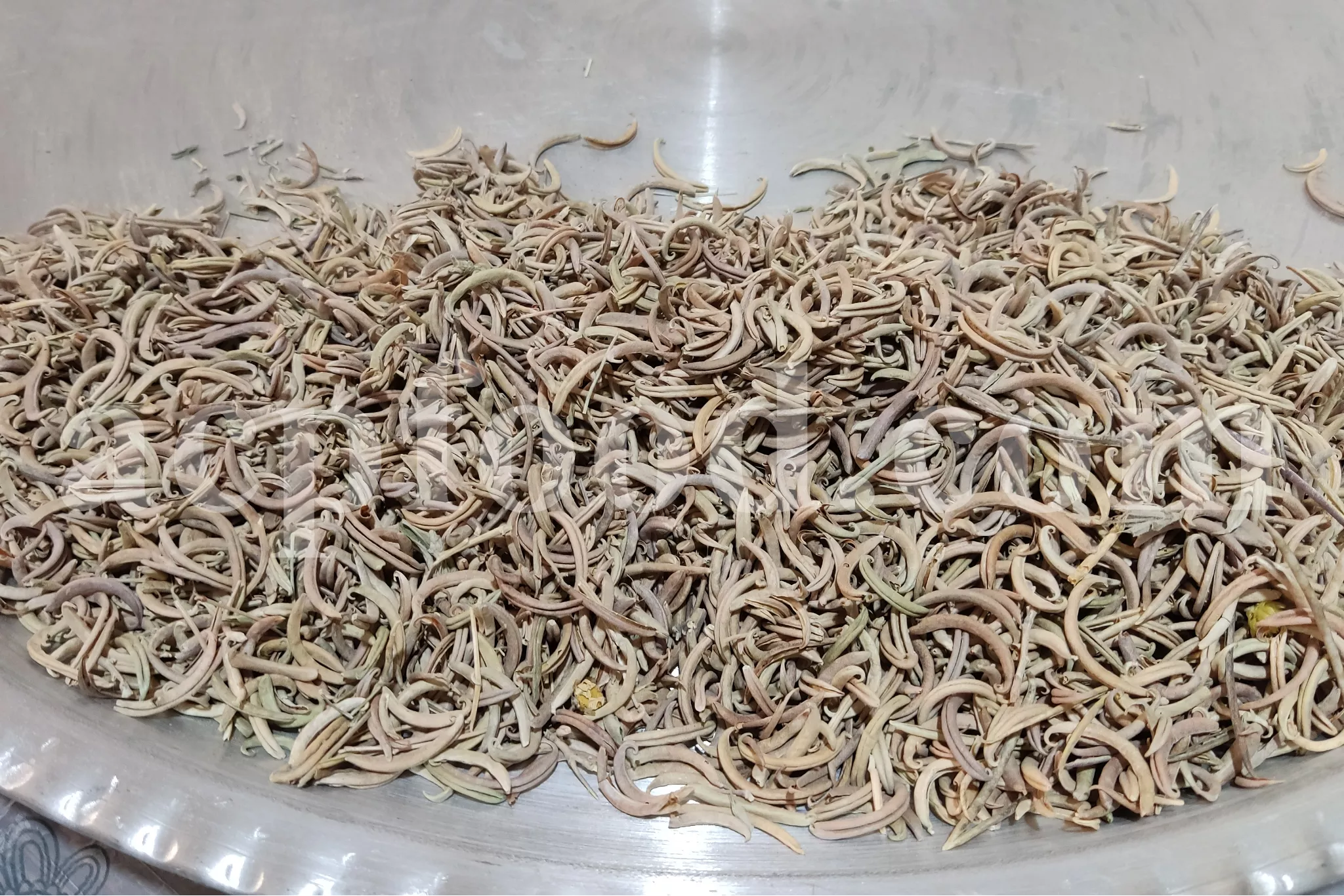
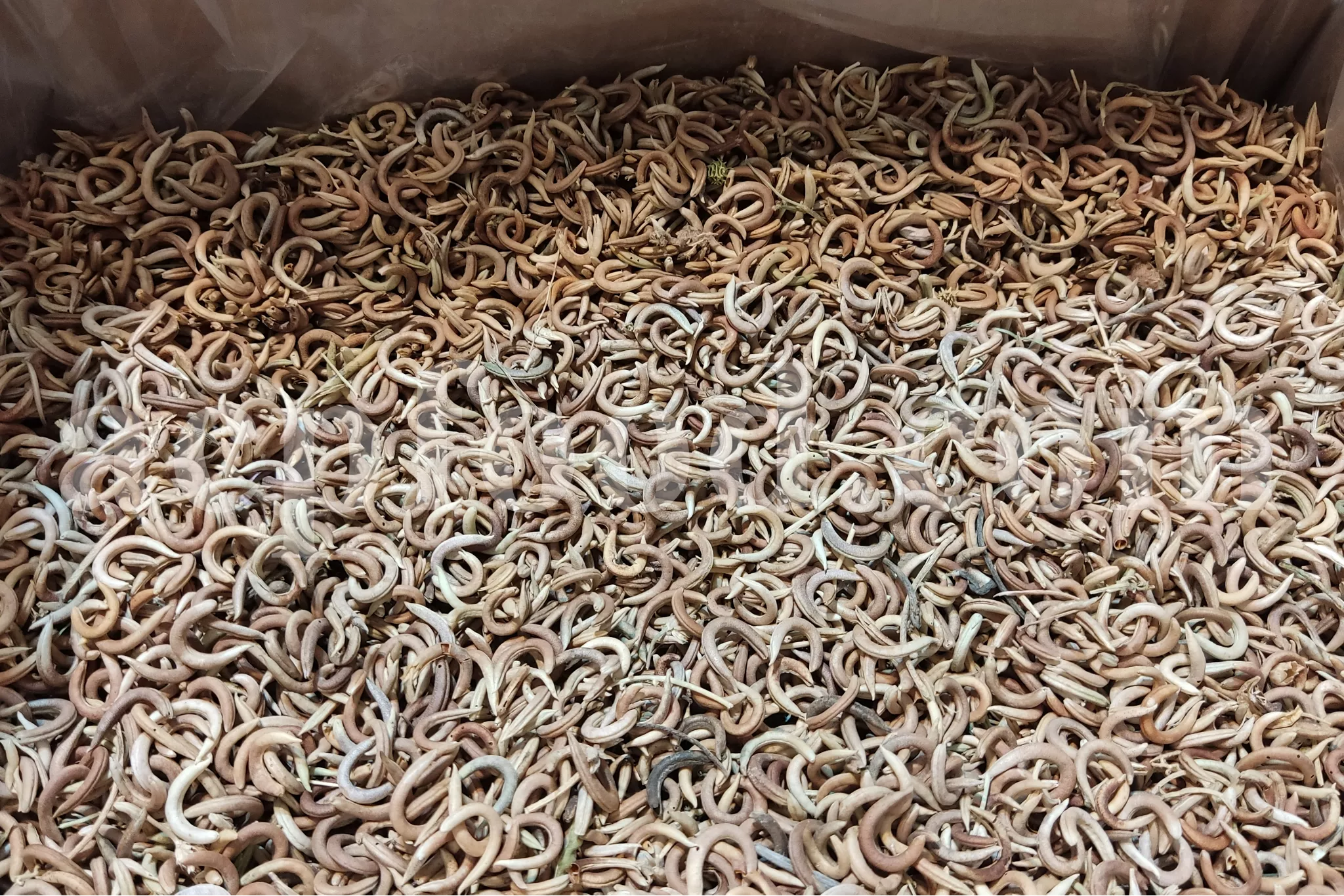
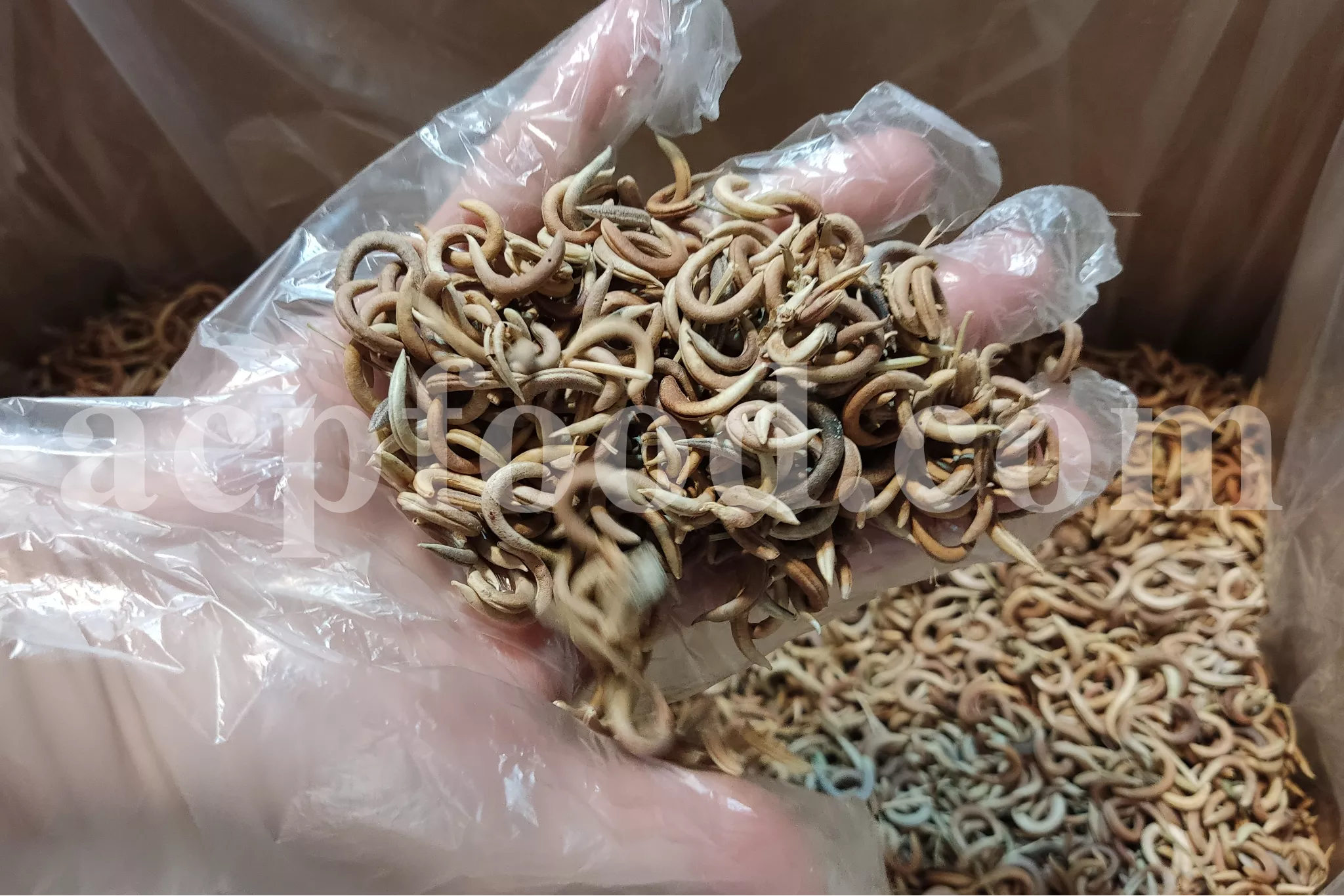
ACPFOOD supplies premium bulk Melilotus officinalis for export, offering high-quality dried fruits of Melilotus officinalis (L.) Lam. – also known as Yellow Sweet Clover. Our bulk Melilotus officinalis for export is carefully collected and naturally dried to preserve its coumarin content, aroma, and purity.
This product is primarily used in the pharmaceutical, food, and fragrance industries for its aromatic compounds and natural antioxidant properties. ACPFOOD ensures that every lot of bulk Melilotus officinalis for export meets European quality standards, supported by full documentation and batch traceability.
Delivery Options:
🌍 Direct Export from Iran – Available worldwide
🇪🇺 European Union Customers: Delivered DDP from our warehouse in Heppenheim, Germany (MOQ: 500 Kg)
🇨🇦 Canada & 🇨🇳 China: Delivered DDP (MOQ: 500 Kg)
🇺🇸 USA Customers: Delivered DAP (MOQ: 1000 Kg)
🚢 Other Countries: CIF shipping available worldwide
Bulk Melilotus officinalis for export to global markets
Scientific Name: Melilotus officinalis (L.) Lam. Synonyms: Trifolium officinale L. English Name: Yellow Sweet Clover Other Names in English (UK, USA, Canada, South Africa, Australia, New Zealand): Common Melilot, Field Melilot, Ribbed Melilot Family: Fabaceae
To feed poultry and raise the level of egg laying.
It can be used as a cover crop to increase the nitrogen content and to improve subsoil water capacity in poor soils.
Yellow Sweet Clover is a major source of nectar for honey bees.
In the chemical industry, dicoumarol is extracted from the plant to produce rodenticides.
The young shoots can be cooked and used like asparagus.
Young leaves are eaten in salads.
Fresh leaves and seedpods can be cooked as a vegetable or used as a flavouring.
Crushed dried leaves can be used as a vanilla flavouring in puddings and pastries.
The flowers also give an aromatic quality to herbal infusions.
🟡 Industries That Use Yellow Sweet Clover Fruits (Melilotus officinalis L.)
This fruits—small legumes from Melilotus officinalis—are less known than the leaves or flowering tops, but still valued in specific phytopharmaceutical, nutraceutical, and veterinary applications.
🟡 What Are Yellow Sweet Clover Fruits?
Melilotus officinalis, commonly known as Yellow Sweet Clover, is a biennial leguminous herb native to Eurasia and used in traditional medicine for circulatory, anti-inflammatory, and lymphatic support.
Its fruits, or seed pods, are small, dry legumes containing bioactive compounds such as coumarins, flavonoids, and trace volatile oils. Although the aerial parts (leaves and flowers) are more commonly used, the fruits retain medicinal potential—especially for specialty formulations and agricultural applications.
1. Pharmaceutical & Herbal Medicine Industry
This fruit fruits may be included in:
Anti-edema and venotonic formulas
Preparations for chronic venous insufficiency (CVI) and hemorrhoids
Lymphatic system cleansers in traditional European herbalism
Diuretic and mild sedative herbal blends
✅ Sometimes used in powdered blends, tinctures, or extractions for venous health
2. Nutraceutical & Functional Food Industry
Though not widely consumed as a food, Sweet Clover fruit extracts are:
Used in detox and circulation-support supplements
Occasionally added to herbal capsules targeting lymphatic flow and fluid retention
Found in traditional Persian and Balkan formulas supporting liver and blood health
✅ Usually used in trace amounts due to natural coumarin content
3. Veterinary & Animal Health Industry
Yellow Sweet Clover fruits can be:
Added (in low doses) to natural animal feed as a tonic herb
Used in digestive and anti-inflammatory blends for ruminants
Valued for antimicrobial properties in herbal veterinary practices
✅ Use with caution, as high levels of coumarin may pose risk in improperly cured material
Bulk Melilotus officinalis for export with reliable delivery
4. Agricultural & Soil Enrichment
As a legume, Melilotus officinalis seeds and fruits play a role in:
Soil regeneration through nitrogen fixation
Green manure and cover crops for organic farming
Research in pollinator-friendly rotational crops
✅ Fruits can be collected for resowing or seed extraction programs
Herbal feed additive, anti-inflammatory, digestive support
Agricultural
Nitrogen fixation, cover crop seed, green manure
🌱 Key Features:
Wild-harvested or organically grown legume fruits
Contains natural coumarins, flavonoids, and aromatic volatiles
Traditionally used in circulatory health, lymphatic detox, and soil enrichment
Niche ingredient for veterinary herbs, natural farming, and herbal formulas
PRODUCT NAME IN DIFFERENT LANGUAGES
Persian Name: ناخُنَک/ Nakhonak German Name (Deutschland, Austria, Switzerland): Echter Honigklee, Gelber Steinklee, Gebräuchlicher Honigklee French Name (France, Belgium, Switzerland, Quebec): Mélilot jaune
It is the fruit of a herbaceous and annual plant whose plant spreads on the ground. The stems of this plant are relatively thick and hairy, and their cross section is circular. Young stems are green and older stems are reddish. The leaves of Melilotus officinalis grow in compound form and consist of a number of very small, hairy, often egg-shaped and sometimes oval-shaped leaflets that grow reciprocally.
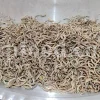
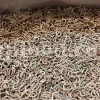
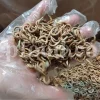
Bulk yellow sweet clover packaged for export orders
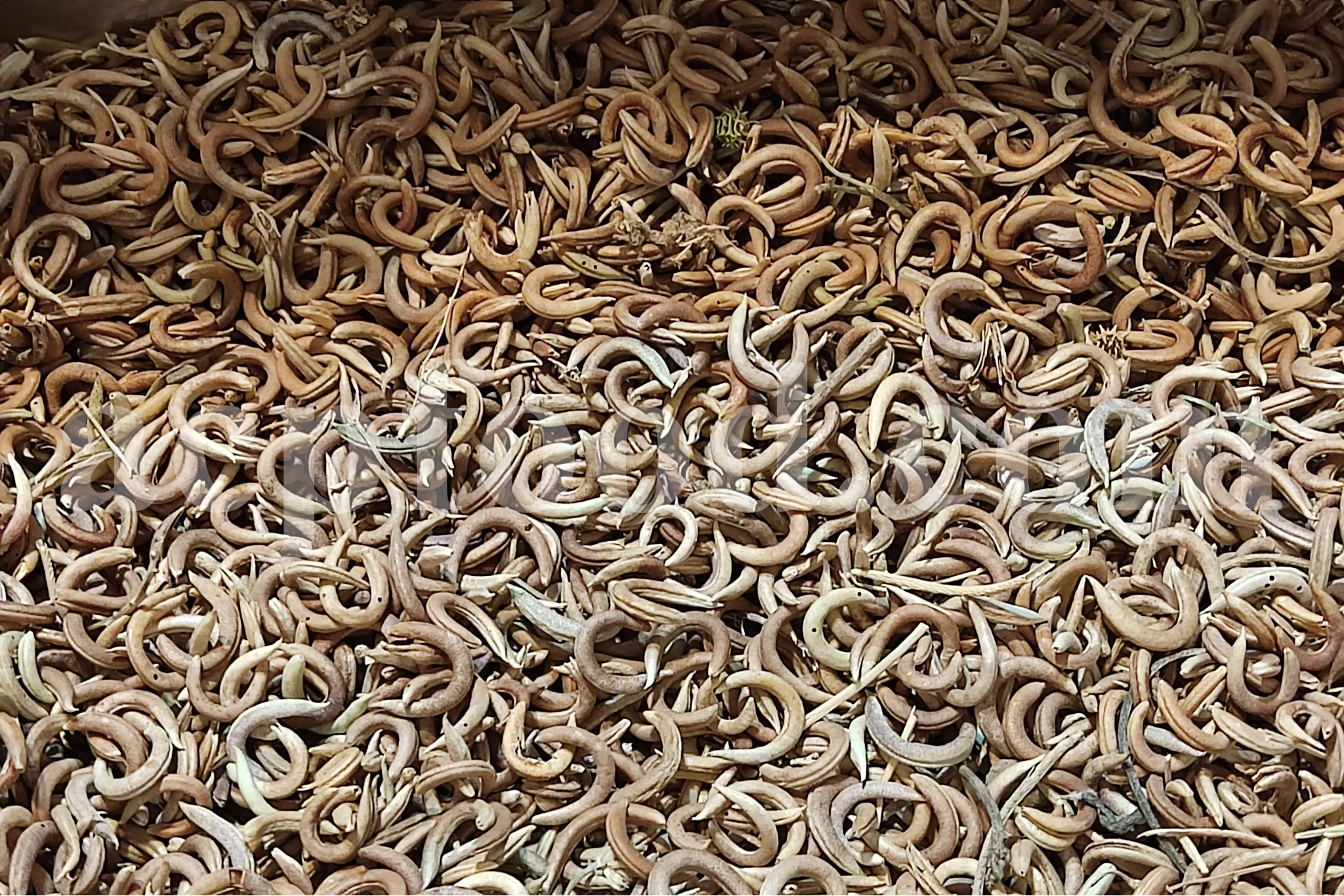
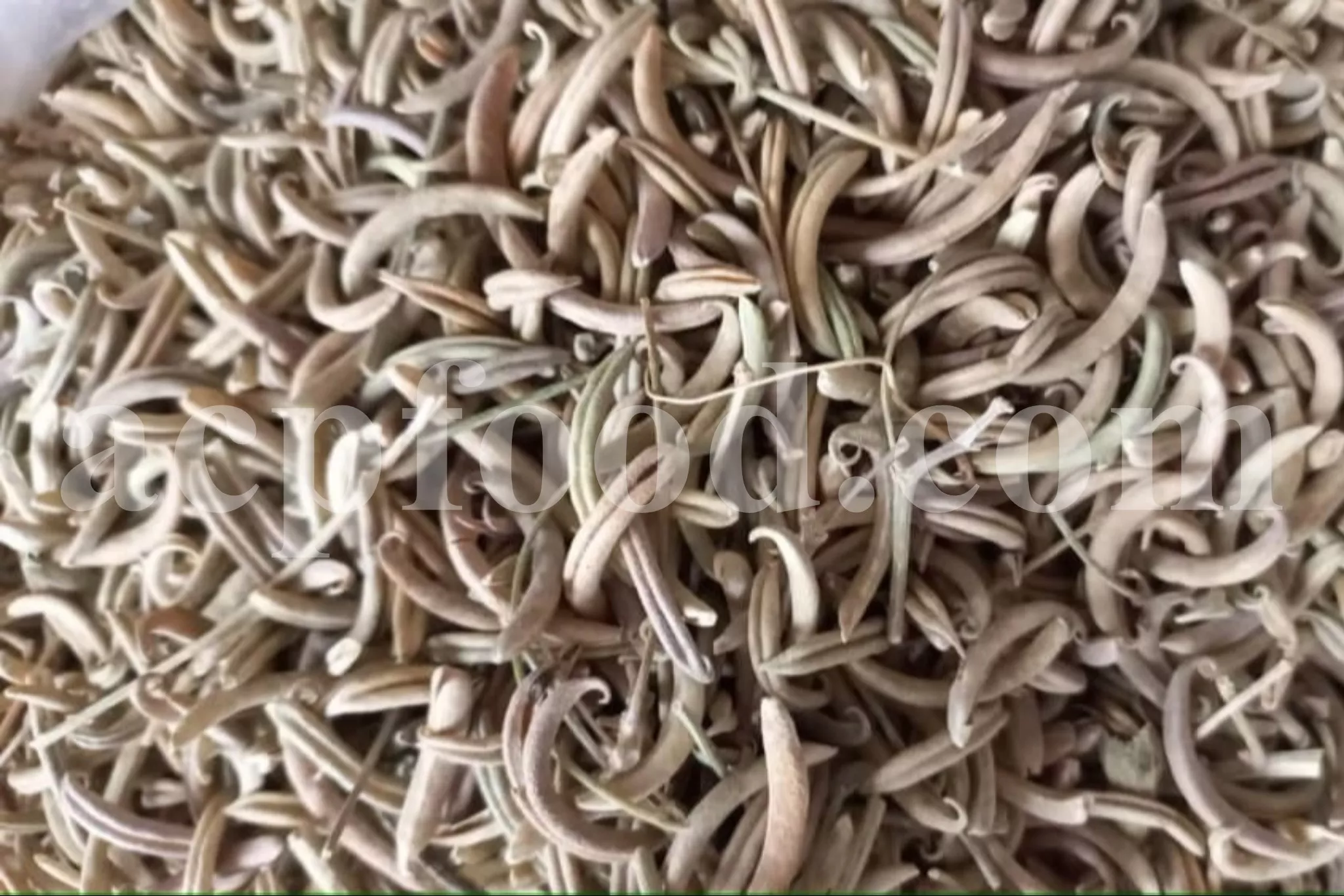
The flowers are white, creamy, very small, and slightly elongated and grow in dense bunches at the end of the flowering stems. Each flower consists of four petals. The sepals of these flowers are also hairy. The fruits appear as small, narrow, pointed, very curved pods, sometimes crescent-shaped, and sometimes horseshoe-shaped. These pods grow at the end of flowering stems and usually in groups of four. The pods are green at first. But after fully ripening, they turn pale brown. Inside each pod are a number of very small, brown seeds.
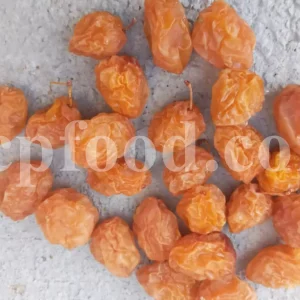
The best Ribbed Melilot should be hard, fresh, yellowish brown, fragrant and the seed inside should be yellow.
To order Melilotus officinalis dried fruits, please contact us.
Melilot officinalis Temperament
Its nature is hot and dry in the first place, but it is considered moderate in heat and cold.
Melilotus officinalis Health Benefits
Brew and drink it. It strengthens the body and moderates humors, treats chronic coughs which is caused by moist, shortness of breath, cold palpitation and ascites that is not accompanied by intense heat and thirst. It is useful for clearing the lungs and treatment of Black Bile jaundice. Removes kidney and bladder inflammation, crushes kidney and bladder stones, treats tremor, neurasthenia, grief, physical and mental fatigue and migraine, relieves pain in stomach, liver, spleen and uterus it is affect.
To relieve the baby’s stomach ache, gently pulverize Common Melilot’s pith, then mix it in warm water and feed it to the baby.
If you gently smash 8 grams of its seeds and mix it with 20 grams of honey and eat it, and vapor with its decoction in the bath every morning and night, and after bathing, apply its oil on the spot, it will treat paralysis and relieve nervous weakness of the body.
Brew it with Figs, then strain and sweeten it with honey and drink it. It is diuretic and emmenagogue and is beneficial for increasing the secretion of milk and sperm.
Eating 12 grams of its extract with its seeds and white grape sap is useful for inflammation of the abdomen organs.
Eating 12 grams of its extract with Saffron is useful for relieving the pulse of all organs.
Rubbing its essential oil has beneficial effects to prevent hair loss.
Massage the head skin with its decoction every day. It’ll remove dandruff.
Boil 100 grams of Field Melilot in a liter of water and massage the body part with this warm decoction. Treats joint pain, relieves hard and chronic swellings.
If the smashed poultice of the seeds is poultice to the head with vinegar and Rose oil, or washing your head with its decoction is useful for relieving headaches, dizziness, stroke, Parkinson, forgetfulness and light melancholy.
Yellow Sweet Clover Side Effects
It’s harmful for hot temperaments and excessive consumption is toxic.
Serving Size: 2 g (dried fruits, typical for infusion or extract) Calories: ~6 kcal
Nutrient
Amount per 2g
Per 100g
Total Fat
0.04 g
2.0 g
• Saturated Fat
0.01 g
0.5 g
Cholesterol
0 mg
0 mg
Sodium
0.8 mg
40 mg
Total Carbohydrate
1.2 g
60.0 g
• Dietary Fiber
0.3 g
15.0 g
• Natural Sugars
0.1 g
5.0 g
Protein
0.2 g
10.0 g
🌿 Phytochemical & Functional Profile (Per 100g):
Compound / Group
Approx. Content
Functional Role
Coumarin glycosides
Present
Mild anticoagulant, vasodilatory, lymphatic tonic
Flavonoids (kaempferol, quercetin)
Moderate
Antioxidant, capillary support
Tannins
Low–moderate
Astringent, digestive regulation
Phenolic acids
Present
Anti-inflammatory, antimicrobial
Saponins
Trace–moderate
Metabolic and circulatory support
Volatile oils (trace)
Variable
Aromatic, calming
🌾 Vitamins & Minerals (Per 100g):
Micronutrient
Approx. Content
% DV (per 100g)
Calcium
~160 mg
16%
Iron
~3.8 mg
21%
Magnesium
~75 mg
18%
Vitamin C
Trace–moderate
—
Potassium
~420 mg
12%
🍀 Yellow Sweet Clover fruits are traditionally used in herbal teas and remedies for supporting venous circulation, reducing inflammation, and assisting lymphatic drainage. Their characteristic aroma comes from naturally occurring coumarins.
⚠️ Due to coumarin content, excessive intake may interfere with blood clotting. Not for use with anticoagulant medications or in pregnancy.
Percent Daily Values are based on a 2,000-calorie diet. Nutrient and phytochemical content may vary based on growing conditions and harvest time.
Be the first to review “Bulk Melilotus officinalis for Export – Premium Quality” Cancel reply
Research & Studies
Research & Studies on Melilotus officinalis (Yellow Sweet Clover Fruits)
Melilotus officinalis (yellow sweet clover) is a leguminous herb widely distributed in Eurasia and introduced to North America, Australia, New Zealand, and parts of Africa. Wikipedia+2 Its flowers, aerial parts, and small fruits have been used in traditional medicine (venous insufficiency, edema, inflammation) and are increasingly the subject of scientific investigation. fitoterapia.net+3
In recent decades, researchers in the UK, USA, Canada, Australia, New Zealand, and South Africa have begun exploring both the pharmacological properties of M. officinalis and its potential industrial / agricultural uses. Below is a survey by country / region of notable research themes (with links), and then a discussion of how these findings support commercial applications and export positioning.
United Kingdom & Europe (context relevant to UK)
While much of the foundational pharmacological work has been done in continental Europe and Asia, some UK-based institutions and reviews also touch on Melilotus and its compounds:
In the UK and Europe, Melilotus officinalis extracts are referenced in herbal-medicine compendia and traditional herbal monographs for use in venous insufficiency and minor edema (oral or topical forms). For example, the European Medicines Agency (EMA) mentions M. officinalis (herba) for “minor venous circulatory disturbances (orally)” and “minor inflammation of the skin; feeling of heaviness in the legs”. mdpi.com+2
A general review of its chemical constituents and pharmacological effects is widely cited and includes UK-based readership; “Chemical constituents and pharmacological effects of Melilotus officinalis – A review” (Al-Snafi) surveys over 80 publications. ResearchGate
Some UK herbalists and botanical supply companies are interested in sourcing bulk Melilotus officinalis for standardized extracts and as an ingredient in nutraceutical/venotonic blends.
While direct UK academic studies focused exclusively on M. officinalis fruits are comparatively rare, the UK market is receptive to botanical extracts with demonstrated safety and efficacy, making rigorous sourcing and documentation an advantage.
United States & Canada
In North America, Melilotus officinalis is both a naturalized species and subject of weed biology studies, as well as pharmacological interest:
The “Biology of Canadian Weeds” series includes Melilotus alba and M. officinalis, summarizing germination, seed longevity, ecology, and weed management insights — knowledge that is relevant for cultivation, seed handling, and supply chain management in Canada and the USA. ResearchGate
In the United States, M. officinalis is used in ecological restoration, cover cropping, and agroforestry research, partly for its nitrogen-fixing and soil-improving traits. sciencedirect.com+2Frontiers+2
In pharmacological and biomedical research, American institutions and publishers have included Melilotus officinalis in compilations of medicinal herbs and inflammation / oxidative stress studies (e.g. via U.S. pharmacology journals and databases) though often not the principal focus. PMC+2PMC+2
A recent in vivo study published in Plants (2025) investigated cardioprotective effects of Melilotus extracts, which may influence interest in North American nutraceutical or supplement applications. mdpi.com
These USA/Canada studies help support the credibility of M. officinalis as a botanical ingredient in North American regulatory / scientific contexts.
Australia & New Zealand
In Australasia, Melilotus species (including M. officinalis) are present in some regions (either naturalized or cultivated), and interest arises around:
Application in soil reclamation, pasture improvement, and ecological restoration in marginal lands. The capacity of M. officinalis to grow under varied conditions makes it an attractive candidate for agroecological systems in Australia / New Zealand. (Though specific journal articles from New Zealand or Australia on M. officinalis fruits are limited in the international literature, the general legume / cover crop literature includes related species.)
Use of Melilotus species in honey production (bee forage) is relevant in Australia / New Zealand’s apiculture industry due to the nectar production of Melilotus species.
Commercially, importers or formulators of botanical extracts in Australia and New Zealand often demand well-documented chain of custody, phytochemical standardization, and safety data — making a well-documented supply of bulk dried Melilotus officinalis fruits and extracts more attractive to those markets.
South Africa
In South Africa, Melilotus officinalis is among leguminous species used in rangeland and pasture settings; botanical research in Africa often includes Melilotus among medicinal flora surveys.
African herbal research catalogs sometimes list M. officinalis in surveys of medicinal plants, recording local uses, phytochemistry, or ethnobotanical knowledge.
Because South Africa has a robust herbal and phytomedicine research community, exporters who can present botanical reference studies and safety/quality documentation may find receptive buyers there.
However, published peer-reviewed studies focusing exclusively on M. officinalis fruits in South Africa remain limited in international databases.
Key Bioactivity, Safety & Mechanistic Findings (Relevant to All Markets)
To support the commercial narrative of bulk dried yellow sweet clover fruits and their value proposition, here is a summary of major findings from the research literature:
Multiple in vitro and in vivo studies confirm antioxidant and anti-inflammatory actions, often attributed to coumarins, flavonoids, and phenolic compounds. PMC+4
The EMA’s herbal monograph and nonclinical assessments recognize antiedematous (reducing swelling) effects of Melilotus extracts, and support its use in venous disorders and minor skin inflammation. fitoterapia.net+2
A controlled experimental study of anxiety in rodents (S. Kaur, 2017) showed M. officinalis extracts had anxiolytic-like effects. core.ac.uk
A mouse model of experimental autoimmune encephalomyelitis (EAE) suggested Melilotus officinalis extract had immunomodulatory and antioxidant effects (reduced pro-inflammatory cytokines, increased antioxidant enzyme gene expression), pointing to potential interest in neuroinflammatory contexts. Brieflands
Recent work (2025) showed cardioprotective effects in vivo, reinforcing its potential in cardiovascular / circulatory health domains. mdpi.com
Cultivation, Soil / Metabolome Studies
A 2023 study (“Cultivation of Melilotus officinalis as a source of bioactive compounds in association with soil recovery”) grown under different fertilizer regimes showed that metabolomic profiles vary with soil amendment and confirmed that M. officinalis cultivation can support soil microbial activity and rehabilitation in degraded soils. Frontiers
The plant’s nitrogen-fixing ability, tolerance to poor soils, and root system adaptability make it suitable as a multipurpose cover / restoration crop. Frontiers+2
Some studies note potential allelopathic / phytotoxic effects at higher concentrations, cautioning about extract concentration and dosage. ResearchGate
Toxicological and Safety Aspects
The toxicity of M. officinalis derives largely from coumarin. The species can exhibit allelopathic (phytotoxic) effects, especially in seed germination assays. ResearchGate
The EMA assessment warns about hepatotoxic risk from coumarin doses above ~90 mg/day; safe daily intake thresholds are considered. fitoterapia.net
Clinical and reproductive toxicity, genotoxicity, and carcinogenicity data are limited; as a precaution, many herbal compendia advise avoiding use in pregnancy or lactation. fitoterapia.net
Overall, prudent dosage, standardization, and quality control (e.g. verifying coumarin levels) are critical for commercial acceptance.
Given the research above, here is how bulk dried Melilotus officinalis fruits can be positioned in a commercial / export context:
1. Botanical Extracts & Nutraceutical / Herb Formulations
Because the fruits (seed pods / seeds) often accompany aerial parts in traditional herbal formulations, they can serve as a source of coumarin-rich raw material for standardized extracts in venotonic, anti-edema, or herbal circulation products.
Buyers of bulk aromatic clover herbs for export or bulk medicinal clover fruits for export will appreciate raw material with phytochemical profiles (e.g. coumarin, flavonoids) matched to reference literature.
Supplying export-quality Melilotus officinalis supplier services (with certificate of analysis, coumarin quantification, safety dossiers) helps bridge buyer confidence in regulated markets (UK, USA, Australia, etc.).
As demand grows for botanical ingredients in functional foods, teas, and herbal supplements, dried Melilotus officinalis fruits for sale become a strategic input for “venous health / circulatory support” blends.
2. Herbal Tea / Infusion Ingredients
The dried fruits (pods/seeds) can be blended with aerial parts in herbal teas / infusions marketed for mild circulatory, anti-inflammatory, or antioxidant support, especially in markets with interest in “botanical wellness teas.”
For bulk yellow sweet clover fruits wholesale buyers, offering calibrations and blending support adds value.
3. Pharmaceutical / Cosmetic Applications
In the cosmetics / topical care market, coumarin-bearing extracts find use in formulations aimed at microcirculation, skin toning, anti-edema serums, particularly in markets like the UK / EU / Australia where botanical actives are prized.
Because M. officinalis has demonstrated anti-inflammatory and antioxidant potential, cosmetic ingredient buyers may request *organic Melilotus officinalis for export or premium yellow sweet clover wholesale grades.
Some pharmaceutical-grade extractors or phytopharm companies may require bulk dried sweet clover fruits for tea and extract supply (especially where fruits contribute to overall extract yield or unique phytochemical fractions).
4. Agricultural / Soil Reclamation / Green Product Applications
Beyond strictly medicinal use, Melilotus officinalis offers value in soil recovery, cover cropping, and ecological restoration. Export markets in Australia, New Zealand or parts of Africa may import seed / fruit stocks as part of rehabilitative agriculture programs.
Thus, bulk Melilotus officinalis for export can include not only botanical raw materials but restoration / agronomic seed lots.
Buyers interested in wholesale yellow sweet clover supplier services may include government or NGO programs for land rehabilitation.
Reviews
There are no reviews yet.