Brain stroke in Traditional Iranian Medicine is considered a serious neurological condition that occurs when the blood flow to a part of the brain is interrupted or severely reduced. In modern medical understanding, there are two main types of brain stroke, each with different causes and mechanisms.
The first type is called ischemic stroke, which occurs when one of the arteries supplying the brain becomes blocked by a blood clot. This blockage prevents oxygen-rich blood from reaching a specific area of the brain, leading to damage in brain tissue.
The second type is hemorrhagic stroke, which is caused by the rupture of a blood vessel in or around the brain. Individuals with long-standing high blood pressure are more at risk for this type of stroke, while those with elevated blood cholesterol levels are more prone to ischemic stroke.
In some cases, blood flow to the brain may be temporarily interrupted and then restored within a short period. This condition is known as a mini-stroke or Transient Ischemic Attack (TIA). Although TIA symptoms are very similar to a full stroke, they typically resolve within 24 hours, and the patient may appear completely recovered afterward. However, a TIA is a serious warning sign, indicating insufficient blood flow to the brain and a high risk of future full brain stroke. Therefore, it should never be ignored and requires immediate medical evaluation and investigation.
People with chronic high blood pressure are especially more vulnerable to brain stroke due to the possible rupture of small arteries deep within the brain. In addition, stroke may also occur due to blockage of larger arteries that supply blood to brain tissues, often leading to paralysis or weakness on one side of the body. These effects may be temporary or permanent and can also impact speech, vision, balance, and other neurological functions.
In some cases, a brain stroke may be the first indication of previously undiagnosed high blood pressure. It is important to note that blood pressure should not be reduced suddenly immediately after a stroke without medical supervision. The type of stroke and underlying contributing factors vary from person to person, and understanding these differences is essential for proper management.
Although high blood pressure is a major risk factor, brain stroke in Traditional Iranian Medicine can also occur in individuals with normal blood pressure due to other underlying causes that may contribute to vascular weakness or blockage.
Table of Contents
ToggleMain Symptoms of Brain Stroke
The symptoms of brain stroke in Traditional Iranian Medicine and modern medicine often appear suddenly and require immediate medical attention. These signs usually reflect a sudden interruption of blood flow to a part of the brain, affecting movement, speech, or vision.

Numbness and Paralysis
A sudden feeling of numbness, tingling, weakness, or paralysis on one side of the body is one of the most common signs. This may include paralysis of an arm or leg, drooping of the eyelid, or drooling from one side of the mouth.
Sudden Speech Problems
Patients may experience slurred or unclear speech, difficulty finding the right words, or trouble understanding what others are saying.
Sudden Vision Changes
Blurred or impaired vision may occur, especially in one eye, leading to partial or sudden loss of visual clarity.
Confusion and Loss of Balance
Brain stroke may also cause dizziness, confusion, tremors, imbalance while walking, or a sudden severe headache. These symptoms can indicate serious neurological involvement and require urgent medical care.
Brain Stroke Causes
Various factors can contribute to brain stroke in Traditional Iranian Medicine and modern medical understanding. These risk factors may affect blood vessels, blood flow, or overall cardiovascular health, increasing the likelihood of stroke.
High Blood Pressure
Uncontrolled high blood pressure is one of the most important causes of brain stroke. Over time, it damages and weakens the walls of arteries, making them more prone to blockage or rupture.
Irregular Heartbeat (Arrhythmia)
Atrial fibrillation, a type of irregular heartbeat, can lead to blood clot formation in the heart. These clots may travel to the brain and block its arteries, resulting in a stroke.

Previous Stroke or Mini-Stroke History
Around 20% of individuals who experience a complete brain stroke have previously had one or more transient ischemic attacks (mini-strokes), which significantly increase future risk.
Diabetes
People with diabetes are more likely to develop high blood pressure and arteriosclerosis, which increases their risk of brain stroke.
Smoking
Smoking damages blood vessels and is strongly associated with high blood pressure and reduced vascular health, increasing stroke risk.
Excessive Alcohol Consumption
Long-term heavy alcohol use can raise blood pressure and weaken cerebral blood vessels, increasing the risk of rupture or blockage.
Contraceptive Pills
Certain combined oral contraceptives may increase blood viscosity (blood thickness) and the likelihood of clot formation, and may also contribute to elevated blood pressure.
Diet
A high-salt diet contributes to hypertension, while excessive consumption of fats and sugars can lead to arterial narrowing and plaque formation.
Age
The risk of brain stroke increases significantly after the age of 55, as arteries naturally become less flexible and atherosclerosis develops over time.
Gender
Men are generally at a higher risk of brain stroke compared to women.
Family History
A family history of stroke, hypertension, or diabetes increases an individual’s risk due to shared genetic and lifestyle factors.
Ethnic Background
Certain populations, including Asians and Africans living in some regions such as the UK, may have a higher risk of brain stroke compared to others.
Overall, brain stroke in Traditional Iranian Medicine is viewed as a condition influenced by both lifestyle factors and underlying bodily imbalances, making prevention through healthy habits and risk management essential.

Diagnosis and Prevention of Stroke
Effective management of brain stroke in Traditional Iranian Medicine depends on correctly identifying the type and severity of the stroke. An accurate diagnosis cannot be made solely through medical history and routine clinical examination; it requires further investigations.
At minimum, blood tests and a brain CT scan are necessary to determine the type of stroke and the extent of brain involvement. In some cases, additional assessments such as carotid artery ultrasound in the neck and echocardiography of the heart may also be required. Although these diagnostic procedures may seem time-consuming or inconvenient, they are essential for selecting the most appropriate and effective treatment approach.
Individuals who experience a brain stroke or a transient ischemic attack (TIA) are at a significantly higher risk of recurrence in the future. Therefore, preventive strategies are extremely important to reduce this risk and protect long-term brain health.
Prevention typically includes lifestyle and dietary modifications, the use of medications that help prevent blood clot formation when prescribed, regular physical activity, and proper management of blood pressure. These measures together play a key role in reducing the likelihood of recurrent stroke and improving overall vascular health.
Is Brain Stroke Hereditary?
If one of your close family members has experienced a brain stroke, your risk of developing the same condition may be slightly higher compared to the general population. This risk becomes more significant when stroke has occurred at a younger age within the family.
Several factors help explain why brain stroke may appear more frequently in certain families. In some cases, genetic tendencies related to high blood pressure, high cholesterol, or cardiovascular conditions play an important role. In addition, shared lifestyle patterns within families—such as unhealthy dietary habits, smoking, or alcohol consumption—can also contribute to this increased risk.
If you have a family history of brain stroke in Traditional Iranian Medicine or modern medical understanding, it is important to discuss this with a healthcare professional. Early evaluation can help identify modifiable risk factors and support preventive strategies to reduce the likelihood of stroke in the future.
Brain Stroke in Children
In children and teenagers, brain stroke in Traditional Iranian Medicine and modern medical understanding may differ in both causes and recovery patterns compared to adults.
Approximately 50% of brain strokes in children are caused by bleeding due to rupture of a blood vessel in the brain (hemorrhagic stroke). This type of stroke can result from several underlying conditions, including abnormal blood vessel formations present from birth that may rupture over time, infections, severe dehydration, long-term low blood pressure, or head trauma.

Another important type is ischemic stroke, which occurs due to blockage of blood flow in a brain artery. In children, this condition may be associated with congenital heart disease, complications following heart surgery, or the presence of a brain tumor. Recent research also suggests that infections such as chickenpox may play a more significant role in triggering ischemic stroke in children than previously thought.
In addition, certain medical conditions in childhood can increase stroke risk, including thalassemia, sickle cell disease, and Takayasu’s disease. Early recognition and timely medical intervention are essential in improving outcomes and reducing long-term complications.
Other Symptoms of Brain Stroke
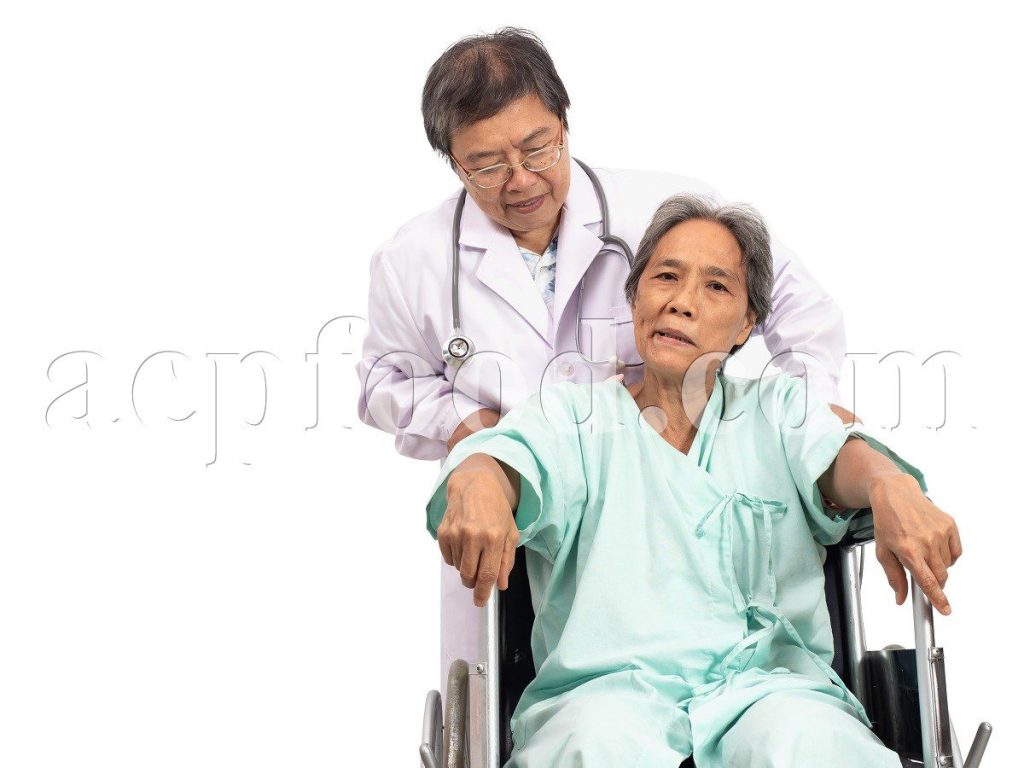
The effects of brain stroke in Traditional Iranian Medicine and modern medical understanding can vary significantly from person to person. The severity and type of complications largely depend on which part of the brain is affected and how extensive the damage is. In some cases, symptoms may be mild and temporary, while in others they can be severe and long-lasting, leading to significant disability.
Weakness or Paralysis on One Side of the Body
Because each side of the brain controls the opposite side of the body, a stroke affecting one hemisphere may result in weakness or paralysis on the opposite side.
Speech and Language Disorders
Many stroke patients experience difficulty speaking, understanding speech, reading, or writing. These problems can range from mild word-finding difficulty to complete loss of communication ability. Damage to the left side of the brain often leads to more severe language impairment, as this region is responsible for language processing, reading, writing, and numerical skills.
Cognitive and Perception Problems
Stroke may affect the ability to recognize objects, understand their use, and process abstract concepts such as time and reasoning.
Cognitive Decline
Patients may experience difficulties with thinking, learning, concentration, memory, decision-making, planning, and logical reasoning.
Fatigue
Persistent fatigue is one of the most common post-stroke symptoms, although its exact cause is not always clearly understood.
Mood and Emotional Changes
Emotional instability is common after a stroke. Patients may experience depression, irritability, anxiety, anger, or loss of confidence. In some cases, emotional control may be affected, leading to inappropriate laughter, crying, or anger outbursts.
Psychological Effects
Stroke can significantly affect mental health, leading to depression, anxiety, and long-term changes in emotional regulation, attention, and cognitive processing.
Sensory Disturbances
Some patients may experience altered or reduced sensation, including changes in the sense of touch. These symptoms may improve gradually over time.
Sleep Disturbances and Fatigue
Sleep problems and tiredness are very common after a stroke, especially in the early recovery period. Hospitalization and unfamiliar environments may also contribute to disrupted sleep patterns.
Pain After Stroke
Pain is a frequent complication and may be directly related to brain injury or secondary to other existing conditions. Not all post-stroke symptoms are necessarily caused by the stroke itself.
Paralysis and Muscle Stiffness
Paralysis of the arm or leg is common and may be accompanied by muscle stiffness (spasticity), which can further limit movement and function. Early rehabilitation plays a crucial role in improving recovery outcomes.
Risk of Death and Long-Term Disability
Stroke is a serious medical condition with a significant risk of mortality, especially in the early stages. A considerable number of deaths occur within the first week. However, the brain also has a degree of natural recovery potential, as some damaged cells regain function and other healthy areas compensate for lost abilities. Recovery time varies widely, but significant improvement often occurs within the first 12 to 18 months, although some individuals may require longer rehabilitation.
How to Prevent a Brain Stroke
Preventing brain stroke in Traditional Iranian Medicine and modern medical understanding is mainly based on improving lifestyle habits and controlling underlying risk factors. Since stroke is closely linked to vascular health, early prevention is the most effective approach to reduce its risk.

Quit Smoking
Stopping smoking as early as possible significantly reduces the risk of stroke, as smoking damages blood vessels and increases clot formation.
Avoid Alcohol Consumption
Alcohol intake can contribute to high blood pressure and increase the likelihood of both ischemic and hemorrhagic stroke.
Maintain a Healthy Body Weight
Excess body weight or obesity increases the risk of stroke by contributing to hypertension, diabetes, and cardiovascular strain.
Eat a Balanced Diet
A diet rich in fruits and vegetables is strongly recommended. At the same time, it is important to reduce foods high in cholesterol, trans fats, and saturated fats.
Stay Physically Active
Regular physical activity helps control body weight, lowers blood pressure, improves circulation, and reduces cholesterol levels.
Regular Medical Check-ups
Routine health monitoring is essential for early detection and prevention. This includes checking blood pressure and cholesterol levels, reviewing ongoing treatments with a healthcare professional, and managing any existing heart conditions.
Control Chronic Diseases
Proper management of conditions such as diabetes is crucial, as it significantly reduces the risk of stroke and related complications.
Overall, brain stroke prevention in Traditional Iranian Medicine emphasizes consistent lifestyle balance, disease control, and long-term care of cardiovascular health.
Brain Stroke Treatment
Treatment of brain stroke in Traditional Iranian Medicine is sometimes considered by patients as a complementary supportive approach alongside modern medical care. Traditional medicine is an ancient system of healing that may be used in certain mild conditions based on the body’s temperament and overall balance. Some commonly mentioned traditional methods include leech therapy, hijama (wet cupping), cupping therapy, massage techniques, and in some cases acupuncture.
However, in the case of serious conditions such as brain stroke, modern medical treatment is essential. Stroke is a medical emergency that requires immediate hospital care, appropriate medications, and in some cases surgical intervention. In these situations, traditional medicine alone is not sufficient and cannot replace evidence-based medical treatment.
Brain stroke is a complex condition that affects multiple aspects of a person’s life, including physical movement, speech, cognition, and emotional health. Effective recovery requires a multidisciplinary medical team, which may include neurologists, physiotherapists, occupational therapists, speech therapists, nutritionists, psychiatrists, and specialized nursing care. Rehabilitation plays a crucial role in improving long-term outcomes.
Traditional Iranian Medicine may have a supportive role in the overall recovery process when used alongside standard medical and rehabilitation treatments. It may help address certain mild secondary symptoms and support general wellbeing, but it should not delay or replace urgent medical intervention.
Unfortunately, some patients rely exclusively on traditional approaches for stroke treatment and delay proper medical care. This can result in the loss of critical treatment time, which is especially important in the early stages of stroke when immediate intervention has the greatest impact on recovery and survival.
Leech Therapy for Brain Stroke Recovery
Leech therapy is sometimes used in Traditional Iranian Medicine as a supportive approach during recovery after brain stroke. It is typically applied in multiple sessions with the aim of improving blood circulation in different areas of the body following a stroke.
In this method, leeches are placed on specific body points, where they release biologically active substances that may help improve local blood flow and reduce blood thickness. Better circulation is believed to support oxygen delivery to tissues, which may contribute to improved organ function and mobility during the recovery process.
It is important to note that leech therapy in brain stroke recovery is considered a complementary method and should only be used under professional supervision, alongside standard medical treatment and rehabilitation programs.

Acupuncture for Brain Stroke Recovery
Acupuncture is a supportive technique used in Traditional Iranian Medicine and other traditional medical systems, in which fine needles are inserted into specific points of the body. The aim of this method is to stimulate motor and sensory nerves and support the body’s natural healing response.
In brain stroke recovery, acupuncture is sometimes used as a complementary approach to help improve nerve stimulation, muscle function, and sensory response. It is believed to assist in activating affected pathways and supporting rehabilitation outcomes when combined with standard medical treatment.
However, acupuncture should be performed only by trained professionals and is considered a complementary therapy. It is not a substitute for urgent medical care or structured stroke rehabilitation programs.
Cupping Therapy for Brain Stroke Recovery
In Traditional Iranian Medicine, cupping therapy is sometimes used as a supportive method during brain stroke recovery. In this approach, a practitioner applies cups to specific areas of the body with the aim of improving local blood circulation and stimulating tissue activity.
It is believed that by enhancing blood flow and supporting circulation, cupping therapy may help improve the functional movement of affected organs after a stroke. This method is generally used as a complementary technique alongside medical treatment and rehabilitation.
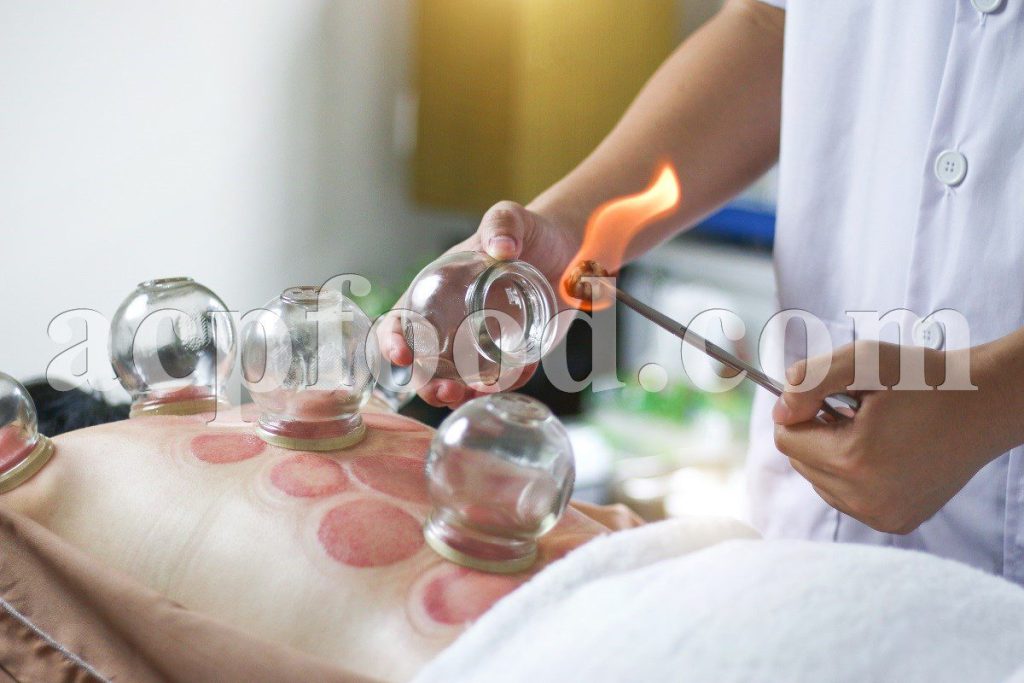
However, cupping therapy should only be performed under the supervision of a qualified practitioner and must not replace essential medical care or structured stroke rehabilitation programs.

Massage Therapy for Brain Stroke Recovery
In Traditional Iranian Medicine, different forms of massage therapy are used as a supportive approach in the recovery process after brain stroke. These techniques are applied to help relax the muscles, reduce stiffness and spasms in the limbs, and improve overall comfort.
Massage is also believed to enhance blood circulation to the affected areas of the body, which may support better oxygen delivery and contribute to improved mobility and functional recovery. By reducing muscle tightness, it can assist patients in regaining smoother and more coordinated movements.
However, massage therapy should be performed carefully and under professional guidance, and it is considered a complementary method that works alongside medical treatment and structured rehabilitation programs, rather than replacing them.
Herbal and Nutritional Treatments in Brain Stroke
In Traditional Iranian Medicine, herbs and dietary measures are often used as supportive approaches in the management and recovery process of brain stroke. Treatment is generally guided by the concept of balancing the patient’s temperament and supporting overall bodily strength and circulation.
For example, some traditional practitioners, including Dr. Hossein Kheirandish, have described supportive protocols such as hot cupping between the shoulders, the use of honey syrup (water mixed with honey), avoidance of cold temperament foods, foot massage, sternutatory practices, oil massage on the fontanelle, and full-body massage over multiple sessions (approximately 14 to 40 sessions).
It is important to understand that brain stroke recovery is a long-term process. Many patients and families may hope for rapid or immediate improvement; however, in reality, stroke rehabilitation requires time, consistent care, and structured medical treatment. Functional and physical impairments resulting from stroke do not resolve quickly and need comprehensive rehabilitation.
Therefore, while Traditional Iranian Medicine may offer supportive nutritional and herbal strategies, brain stroke in Traditional Iranian Medicine must be managed alongside evidence-based medical treatment and rehabilitation, rather than relying on short-term or standalone traditional interventions.
Conclusion
Brain stroke in Traditional Iranian Medicine is understood as a serious condition that requires timely diagnosis, immediate medical intervention, and long-term rehabilitation. While modern medicine remains the primary and essential approach for acute management and recovery, Traditional Iranian Medicine may offer supportive dietary, herbal, and lifestyle strategies that can complement the healing process when used appropriately and under professional supervision. Prevention through healthy habits, control of underlying risk factors, and early recognition of symptoms plays a crucial role in reducing the impact of this condition. At ACPFOOD, we emphasize that true recovery and long-term health after stroke depend on an integrated approach that prioritizes medical care alongside carefully guided traditional support.
References:
-Daeratol Maarif Giah Darmanie Iran (Noskhehaye Shafabakhsh), by Haji Sharifi, Ahmad (Attare Esfahani)
-Traditional Iranian Medicine Doctor’s Prescriptions.