
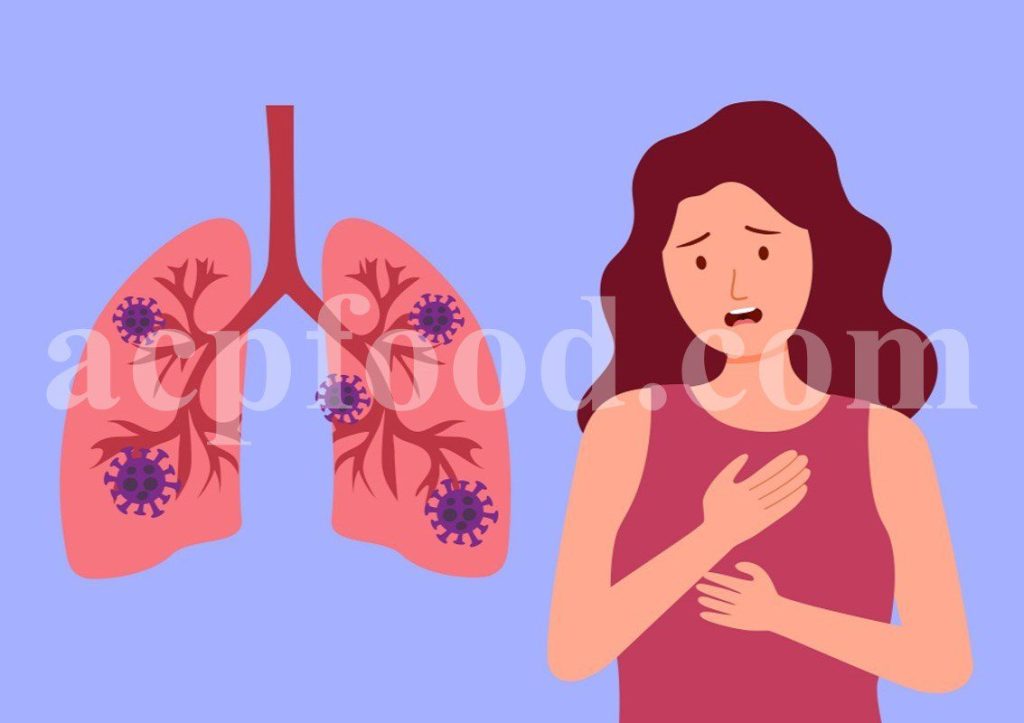
At ACPFOOD, we believe that understanding the causes, symptoms, and treatment approaches of respiratory diseases is essential for maintaining long-term lung health. Pleurisy or pneumonia treatment in traditional Iranian medicine is based on identifying the underlying cause of the condition and supporting the body’s natural healing processes through dietary recommendations, lifestyle adjustments, and traditional herbal remedies. Pneumonia, also known as pleurisy in some traditional texts, is characterized by inflammation of the lung tissues and is often accompanied by excessive respiratory secretions, persistent coughing, abundant sputum production, breathing difficulties, and general weakness. Depending on its cause and severity, pneumonia may develop suddenly or progress gradually over time.
Modern medicine recognizes that pneumonia can result from a wide range of infectious and non-infectious factors. Bacterial infections such as pneumococcal pneumonia, tuberculosis-related infections, and Legionella infections are among the most common causes. Certain fungi, including Histoplasma, as well as opportunistic organisms such as Pneumocystis jirovecii (formerly Pneumocystis carinii), can also lead to pneumonia, particularly in individuals with weakened immune systems, including patients living with HIV/AIDS.
In addition to infectious causes, lung inflammation may develop following exposure to harmful chemicals and environmental irritants. Inhalation of toxic substances such as chlorine gas, mustard gas, industrial pollutants, and smoke can damage lung tissues and trigger a form of chemical pneumonia. Regardless of its origin, pneumonia can significantly affect breathing capacity and overall health if not recognized and treated promptly.
In this article, we will explore Pneumonia in Traditional Iranian Medicine, including its causes, symptoms, risk factors, and traditional herbal approaches that have historically been used to support respiratory health alongside appropriate medical care.
Table of Contents
TogglePneumonia Symptoms
Recognizing the symptoms of pneumonia early is essential for timely diagnosis and proper treatment. While this article focuses on pneumonia treatment in traditional Iranian medicine, it is important to note that pneumonia can become a serious medical condition and may require prompt professional care, especially in infants, older adults, and individuals with weakened immune systems.
In many cases, pneumonia can be diagnosed through a physical examination. By listening to the lungs with a stethoscope and tapping on the chest, a physician may detect areas where normal airflow is reduced. Additional diagnostic methods such as chest X-rays, blood tests, and sputum analysis may be used to confirm the diagnosis and determine the severity of the infection.
Common symptoms of pneumonia include:
- Persistent cough with thick sputum that may be green, yellow, brown, or blood-tinged
- High fever, sometimes exceeding 40°C (104°F), often accompanied by chills
- Chest pain or sharp pain that may worsen during breathing or coughing
- Excessive sweating
- Loss of appetite
- Difficulty breathing and shortness of breath
- Severe fatigue, weakness, and lack of energy
- Muscle aches and body pain
- Confusion, drowsiness, or altered mental status, particularly in older adults

The severity of symptoms may vary depending on the cause of the infection, the age of the patient, and their overall health condition. Early recognition and appropriate management can help reduce complications and support a faster recovery.
Pneumonia Herbal Treatment
In pneumonia treatment in traditional Iranian medicine, dietary recommendations, lifestyle modifications, and herbal remedies have traditionally been used to help support respiratory health and ease symptoms. If you have pneumonia, it is recommended to avoid smoking, shouting, taking laxatives, excessive physical activity, strenuous movements, cold weather, drinking iced water or cold beverages, fried foods, all kinds of peppers and spicy foods, and confectionery products.
Pneumonia patients should also avoid foods and substances considered to have a cold temperament, such as veal, egg whites, yogurt, ice cream, exposure to cold weather, strong perfumes, detergents, and all kinds of smoke.
It is recommended to consume the following foods and beverages: sweet lemon juice, cucumber juice or the seed cavity of cucumber, raw turnip juice mixed with sweet lemon juice, carrot juice mixed with sweet lemon juice, celery juice mixed with sweet lemon juice, fresh onion juice, non-alcoholic beer, almond oil, fresh coriander, spinach, figs, barley soup with lentils, soup prepared with wheat and spinach, coriander and curd, cooked wheat with curd, zucchini juice with a small amount of sekanjebin, jujube, Assyrian Plum (Cordia myxa), Sweet Violet (Viola odorata L.) syrup, and Water Lily (Nymphaea alba L.) syrup.
Turmeric is believed to play an effective role in the treatment of pleurisy. Mix one teaspoon of turmeric with a glass of warm milk or warm water and add a small amount of salt. Drink this mixture every night before going to bed. If milk is used, avoid drinking water for at least half an hour afterward.
Roast dried figs, grind them into a fine powder, and eat them. Alternatively, mix Blond Psyllium (Plantago ovata) mucilage, Willow (Salix) hydrosol, and sugar together and drink the mixture.
Boil 800 grams of fresh Water Lily (Nymphaea alba L.) flowers with three kilograms of sugar. Consume small amounts several times daily for a few days.
Brew 20 grams of Hyssop (Hyssopus officinalis L.) flowers in one liter of boiling water and drink a small amount three times daily.
Mix and grind Water Lily (Nymphaea alba L.) flowers, Sweet Violet (Viola odorata L.) flowers, White Marshmallow flowers (Althaea officinalis L.), and Black Nightshade (Solanum nigrum). Mix the powder with warm water, add some brown sugar and a small amount of cow’s butter, and consume gradually.
Take 30 Assyrian Plums (Cordia myxa), 30 half-pounded Jujubes (Ziziphus jujuba Mill.), 10 currants, and 20 dried figs. Add 10 grams each of Maidenhair Fern (Adiantum capillus-veneris L.), Marshmallow seeds (Althaea officinalis L.), Sweet Violet flowers (Viola odorata L.), Blue Mallow flowers (Malva sylvestris L.), and Thyme (Zataria multiflora Boiss.). Boil all ingredients together and drink the filtered decoction gradually throughout the day.
Boil Sweet Violet flowers (Viola odorata L.) and Water Lily flowers (Nymphaea alba L.) in equal proportions. Filter the decoction and thicken it with sugar. Consume one spoonful every two hours.
Boil one teaspoon of lettuce seeds in a cup of water three times daily. Strain the decoction and drink it.
Boil 50 grams of hazelnut leaves or bark in one liter of water. Strain the decoction, sweeten it with honey, and drink one cup every morning, noon, and night.
Boil 500 grams of Sweet Violet flowers (Viola odorata L.) in four liters of water. Strain the decoction and prepare a syrup using one and a half kilograms of sugar. Drink one cup three times daily.
Grind Black Nightshade (Solanum nigrum), Caltrops (Tribulus terrestris L.), White Marshmallow flowers (Althaea officinalis L.), Water Lily flowers (Nymphaea alba L.), Chamomile flowers (Matricaria chamomilla L.), barley flour, Tragacanth (Astragalus gummifer Labill.), Marjoram (Origanum majorana L.), and Salvia macrosiphon Boiss. Mix the powder with a small amount of sesame oil, yellow beeswax, and rose water. Spread the mixture on a cloth and apply it to the chest.
Every day, brew 40 grams of Caltrops (Tribulus terrestris L.) in one liter of boiling water and drink the strained decoction gradually throughout the day.
Grind White Sandalwood, barley flour, and beet leaves together. Mix with a small amount of Sweet Violet oil and apply as a poultice to the chest, back, and sides. After several days from the onset of the disease, gently pound Chamomile flowers, Yellow Sweet Clover kernels (Melilotus officinalis), Sweet Violet flowers (Viola odorata L.), and Marshmallow flowers (Althaea officinalis L.). Prepare a paste using barley flour and a small amount of chamomile oil, then apply it as a poultice to the chest and back.
Take 5 grams each of Persian Borage flowers (Echium amoenum), White Sandalwood (Santalum), Peony root (Paeonia officinalis), and Maidenhair Fern (Adiantum capillus-veneris L.). Add 10 grams each of Anise (Pimpinella anisum) and Damask Rose (Rosa damascena Mill.), 30 grams of Marshmallow seeds (Althaea officinalis L.), and 5 grams of licorice powder (Glycyrrhiza glabra L.). Pound and mix all ingredients thoroughly, then divide the mixture into 10 equal portions. Cut 100 grams of currants into small pieces and add them equally to the 10 portions.
Soak one portion in one and a half glasses of boiling water overnight. In the morning, boil it in the same water, strain the decoction, sweeten it with honey, and drink it before breakfast. Soak the remaining pulp again in one and a half glasses of boiling water, boil it in the evening, and drink the second decoction at night.
Pneumonia Caused by Moisture and Phlegm
According to traditional Iranian medicine, when pneumonia is associated with excessive moisture, coldness, and phlegm, one of its characteristic symptoms is a severe cough during the daytime that becomes milder or improves at night.
For treatment, mix licorice powder, Elderberry flowers (Sambucus nigra), Garden Nasturtium flowers (Tropaeolum majus), Lemon Verbena flowers (Aloysia citrodora Paláu), Great Mullein leaves and flowers (Verbascum thapsus), Shirazi Thyme (Zataria multiflora Boiss.), Persian Ziziphora (Ziziphora tenuior L.),
Watercress leaves (Nasturtium officinale), dried Peppermint leaves (Mentha piperita), Bay leaves (Laurus nobilis L.), Primrose root (Primula vulgaris), and Iris root (Iris persica L.) in equal proportions.
If it is not possible to obtain all of these ingredients, some of them may be combined and boiled together. Prepare a decoction from the mixture, sweeten it if desired, and drink a portion of the decoction every morning, noon, and night.
Pneumonia Caused by Blood, Yellow Bile, or Black Bile Domination
According to traditional Iranian medicine, if pneumonia is caused by an excess of blood, heat, yellow bile, or black bile, the patient may experience severe coughing during the night while coughing less frequently during the daytime.
In such cases, it is first recommended to determine which humor is predominant—whether it is excess blood and heat, yellow bile, or black bile—and then take measures to address the dominant humor.
Afterward, mix equal amounts of Persian Borage leaves, flowers, and stems (Echium amoenum), Blue Mallow flowers (Malva sylvestris L.), Sweet Violet flowers (Viola odorata L.), Cherry Stalks, Opium Poppy (Papaver somniferum), pounded Jujube, and Germander (Teucrium polium). Boil the mixture, strain the decoction, sweeten it, and drink it. This preparation should be taken three times daily.
Pneumonia in Hot Temperaments
According to traditional Iranian medicine, individuals with a hot temperament who develop pneumonia should first focus on reducing excess heat within the body.
After addressing the excess heat, the following remedies may be used:
Sweet Violet flower syrup (Viola odorata L.)
Water Lily syrup (Nymphaea alba L.)
Non-alcoholic beer
Blond Psyllium (Plantago ovata) mucilage
Sweet almond oil
These remedies have traditionally been used to provide soothing and cooling support during recovery.
Pneumonia in Choleric Temperaments
According to traditional Iranian medicine, if a person with a choleric temperament develops pneumonia, the first step is to reduce and eliminate the excess yellow bile that is believed to be contributing to the condition.
After addressing the excess yellow bile, the following traditional remedies may be used:
- Tamarind
- Dried plums
- Rose water
- Purgative Manna
These remedies have traditionally been used to help cool the body, reduce excess heat, and support recovery in individuals with a predominance of yellow bile.

Pneumonia Due to Heat and Yellow Bile
According to traditional Iranian medicine, when a patient experiences severe coughing at night that becomes milder during the day, the condition may be associated with excessive heat in the body and the predominance of yellow bile and black bile.
In such cases, it is important to avoid fried foods, spicy foods, and other heating dietary factors, as the respiratory system is considered more vulnerable to disease and irritation.
Special caution is also recommended for people who have just-
come out of a hot bath, are sweating heavily, or have an elevated body temperature. Drinking ice-cold water immediately afterward or consuming cold beverages and ice cream is traditionally discouraged. Athletes, in particular, are advised to avoid cold drinks immediately after exercise when the chest and body are still warm.
Individuals who are physically weak or debilitated should be especially careful. If they experience chest discomfort, chest pain, respiratory tightness, or persistent coughing, they should follow the recommended precautions and supportive measures.
Foods such as milk, porridge, rice pudding, soups, and pottages are traditionally recommended during recovery.
For coughs associated with heat and excess yellow bile, the following traditional remedies have been recommended:
- Mix finely powdered Salep (Dactylorhiza maculata or Orchis mascula) with thoroughly boiled cow’s milk and drink it in the morning on an empty stomach. Repeat this process each morning for 5 days.
- Mix and boil 3 grams each of Salvia macrosiphon seed, Lallemantia royleana seed, Plantago major seed, Sisymbrium officinale seed, and mountain Ocimum basilicum seeds. Consume the mucilage together with the seeds.
- Boil equal amounts of Opium Poppy (Papaver somniferum), Sweet Violet flowers (Viola odorata L.), Jujube (Ziziphus jujuba Mill.), and Trehala Manna. Strain the decoction and drink one spoonful every hour throughout a 24-hour period.
- Grind Solomon’s Seal Root (Polygonatum Mill.) and rock candy in equal proportions and consume.
- Boil and strain 7 grams each of Sweet Violet flowers (Viola odorata L.), Blue Mallow flowers (Malva sylvestris L.), and Hyssop flowers (Hyssopus officinalis L.). Dissolve 20 grams of Manna of Hedysarum in the decoction and drink.
- Swallow a raw egg yolk before bedtime. Traditionally, this has been used to support recovery when chest discomfort is associated with weakness.
- Apply warm cupping to the chest using a glass cup and alcohol-soaked cotton.
- Keep Assyrian Plum (Cordia myxa L.) under the tongue regularly and swallow its mucilage gradually until the chest becomes softer and more comfortable.
References:
- Daeratol Maarif Giah Darmanie Iran (Noskhehaye Shafabakhsh), by Haji Sharifi, Ahmad (Attare Esfahani)
- Dr. Mohamadreza Razani drrazani.com