
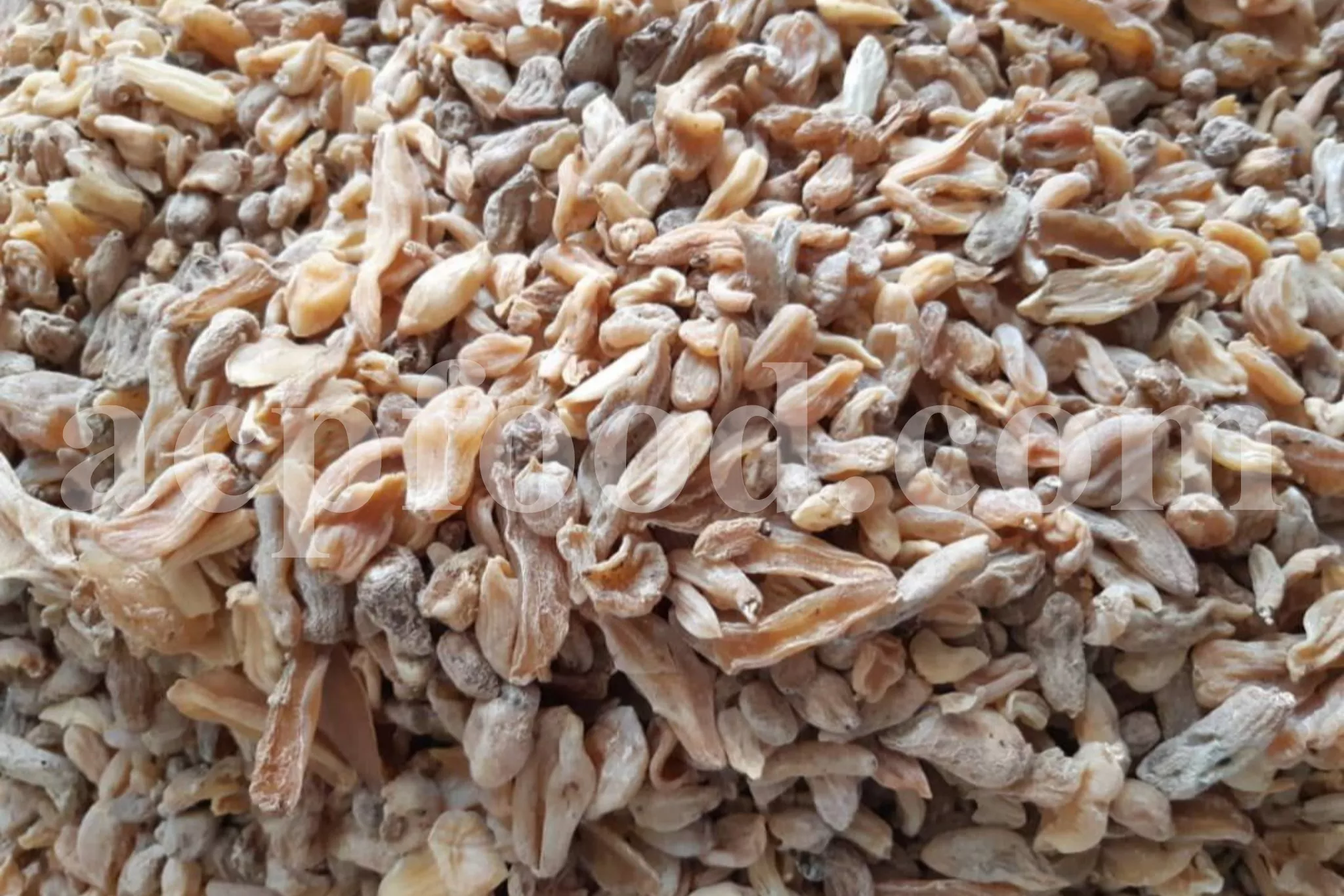
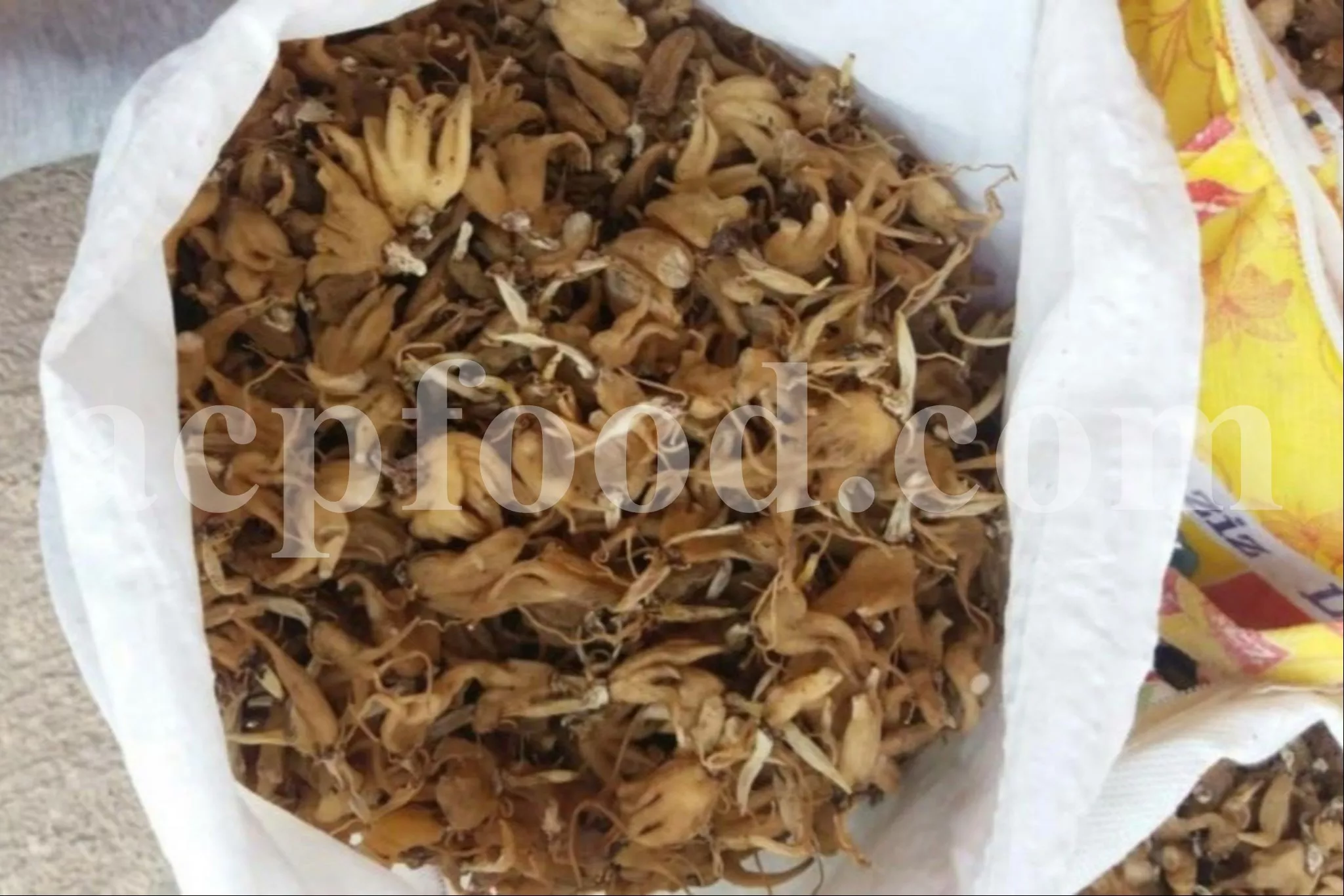
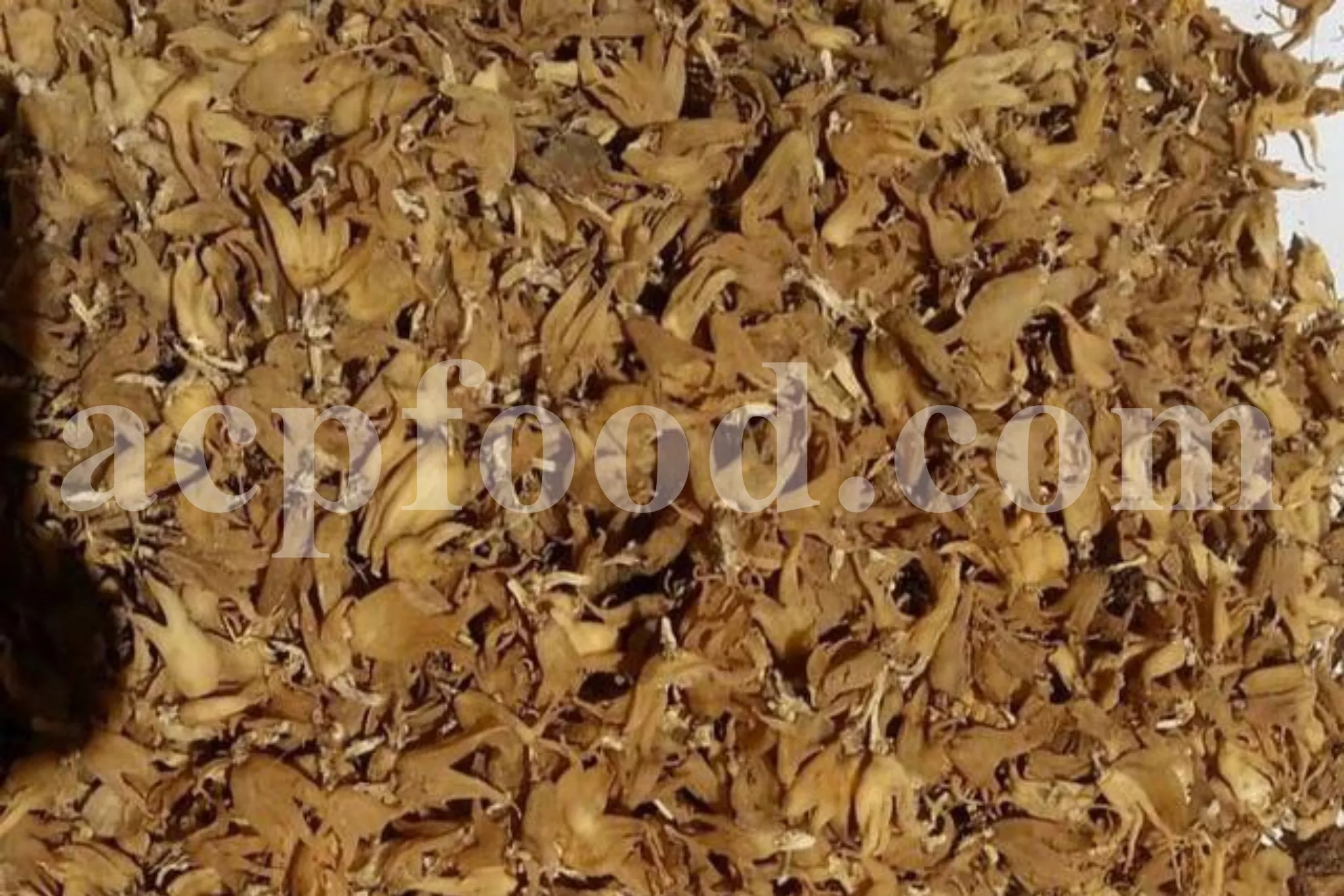
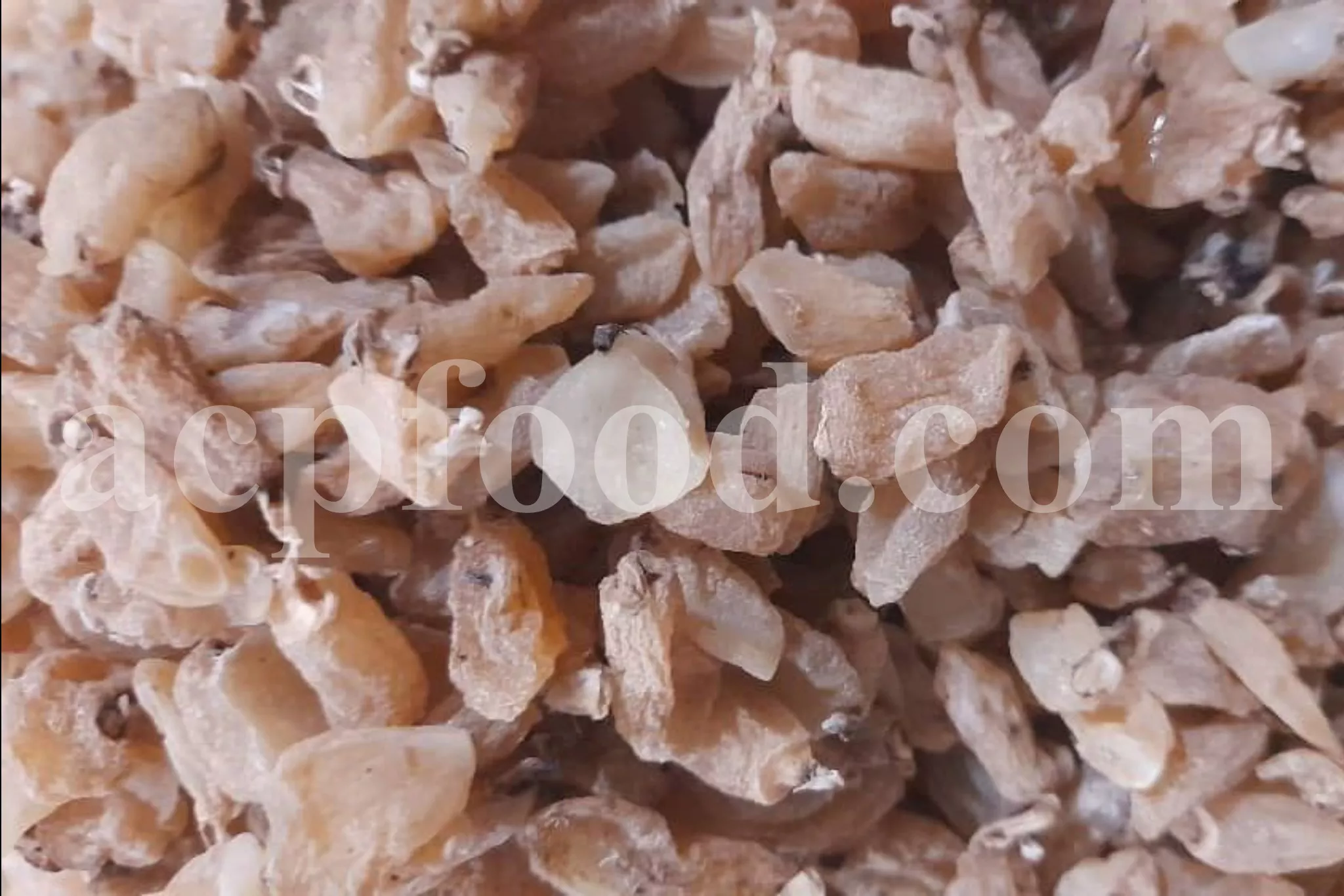
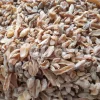
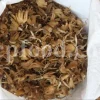
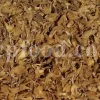
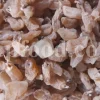
ACPFOOD supplies bulk salep roots for export to global B2B buyers, wholesalers, and distributors. Also known as sahlep, sahlab, Orchis mascula, and Orchis maculata, our salep bulbs are carefully sourced, cleaned, and prepared for the food, beverage, and pharmaceutical industries. We ensure consistent quality and reliable supply for large-scale orders.
High Quality Sahlep or Sahlab Roots for Wholesale Buyers
Product Code:
Orchis mascula: ROO-040
Orchis maculata: ROO-041
Minimum Order Quantity (MOQ): 20kg
To order or get a quote, please push the below button:
Why Choose ACPFOOD for Bulk Salep Roots for Export?
At ACPFOOD, we specialize in bulk salep roots for export, supplying premium sahlep wholesale and sahlab wholesale to B2B buyers, importers, and distributors worldwide. Our carefully sourced Orchis mascula bulbs and Orchis maculata roots are processed to meet international food, beverage, and pharmaceutical standards. We cater to wholesale salep suppliers, natural ingredient distributors, and large-scale manufacturers seeking reliable quality and consistent supply.
Delivery Options for Bulk Salep Roots for Export
We supply bulk salep roots for export to customers worldwide through our established global distribution network. 🌍 Direct Export from Iran – Available for international buyers seeking authentic Dactylorhiza maculata (L.) Soó and Orchis mascula (L.) L. roots in bulk quantities. 🇪🇺 European Union Customers: Delivered DDP from our warehouse in Heppenheim, Germany (MOQ: 50 kg). 🇨🇦 Canada & 🇨🇳 China: Delivered DDP (MOQ: 50 kg). 🇺🇸 USA Customers: Delivered DAP (MOQ: 100 kg). 🚢 Other Countries:CIF shipping available worldwide.
Our bulk salep roots for export are handled under strict quality and documentation control. When shipments are re-exported from Germany, Canada, or China, all official export documents, certificates, and labels reflect the country of dispatch, ensuring smooth and compliant import procedures for our clients.
With reliable logistics and flexible shipping terms (DDP, DAP, CIF), we make global sourcing of bulk salep roots for export straightforward, transparent, and efficient for food, pharmaceutical, and nutraceutical industries.
Freshly processed sahlab bulbs for industrial use
Scientific Name:
1- Dactylorhiza maculata (L.) Soó
2- Orchis mascula (L.) L. Synonyms:
1- Orchis maculata L.
2- Orchis morio var. mascula L. English Name:
1- Heath Spotted Orchid
2- Early Purple Orchid Other Names in English (UK, USA, Canada, South Africa, Australia, New Zealand): Salep
Family: Orchidaceae
GENERAL DATA
🟣 Industries That Use Salep Bulbs
(Dactylorhiza maculata & Orchis mascula) Salep bulbs, the dried tubers of wild orchids such as Dactylorhiza maculata and Orchis mascula, are prized for their thickening properties, mucilage content, and soothing herbal effects. Though both species share similar bioactive compounds, they are traditionally used across different regions for food, health, and specialty herbal applications.
🟣 What Is Salep (Orchid Tuber Flour)?
Salep is a starchy, mucilaginous powder made by drying and grinding the underground tubers (bulbs) of orchids—primarily species in the Orchis and Dactylorhiza genera. Rich in glucomannan, starches, and trace aromatic resins, it has been used for centuries in traditional food products and medicinal preparations.
These bulbs—especially from Orchis mascula—are valued for their high viscosity when boiled, which makes them ideal in desserts like Turkish dondurma (stretchy ice cream) and hot milk-based drinks like “salep.” Medicinally, they are employed as demulcents, respiratory aids, and digestive tonics.
ACPFOOD’s bulk salep roots for export for B2B buyers
1. Food & Beverage Industry 🍨
Salep is a traditional, natural thickener used in:
Mastic-based ice cream (e.g., Turkish dondurma)
Hot winter drinks and herbal milk tonics
Custards, puddings, and creamy confections
Specialty baked goods in traditional cuisines
✅ The high mucilage content of Orchis mascula makes it the preferred source for dense, chewy textures.
2. Pharmaceutical & Herbal Medicine Industry 💊
This bulbs are included in:
Herbal demulcent preparations for cough and sore throat
Derived from wild or cultivated orchid species like Dactylorhiza maculata and Orchis mascula
Contains glucomannan, starches, and natural resins
Used as a natural thickener, mucilage, and herbal tonic
Plays roles in traditional foods, natural medicine, and cultural rituals
Highly regulated in some countries due to overharvesting of wild orchids
🌱 Comparison: Salep Tubers from Dactylorhiza maculata vs Orchis mascula
Salep is a traditional starchy powder derived from the dried tubers of various wild orchids in the Orchidaceae family. Two of the most renowned sources of authentic wild salep are:
Dactylorhiza maculata(Spotted Orchid)
Orchis mascula(Early Purple Orchid)
While both serve similar functions in industry, they differ in morphology, habitat, starch content, and regional usage.
✅ Comparison Table: Dactylorhiza maculata vs Orchis mascula Tubers
Feature
Dactylorhiza maculata 🌿 (Spotted Orchid)
Orchis mascula 🌿 (Early Purple Orchid)
Common Name
Spotted Orchid
Early Purple Orchid
Tuber Shape
Narrower, finger-like tubers
Larger, ovoid or testicle-shaped tubers
Tuber Size
Medium (3–5 cm)
Larger (5–8 cm)
Starch Content
Moderate to high
Very high (preferred for thick salep)
Salep Quality
Softer texture, aromatic
Denser, more mucilaginous, richer
Mucilage Yield
Moderate
High
Taste Profile
Mild, slightly floral
Rich, creamy, earthy
Habitat
Moist meadows, acidic soils
Woodlands, calcareous soils
Altitude Preference
Higher altitudes (mountain slopes)
Low to mid-elevations
Regional Harvest Use
Northern & Central Europe, Turkey (limited)
Middle East, Anatolia, Balkans
Conservation Status
Locally protected in parts of Europe
Vulnerable in many regions
Product Form
Dried tuber slices or ground salep powder
Whole dried tubers, premium salep powder
Industrial Preference
Used when O. mascula unavailable
Highly prized; traditional premium source
🔬 Key Differences
Aspect
Dactylorhiza maculata
Orchis mascula
Salep Strength
Good (especially in blends)
Excellent (used alone for thick, elastic salep)
Powder Color
Pale beige to cream
Creamy to light tan
Harvest Timing
Early to mid-summer
Spring to early summer
Market Value
Moderate
Higher, especially in Middle Eastern markets
🌿 Summary of Industry Use
Industry
Dactylorhiza maculata
Orchis mascula
Herbal Nutrition
Used in salep blends, mucilage drinks
Preferred for thick, healing salep
Functional Foods
Herbal hot drinks, light porridges
Traditional salep beverages, desserts
Cosmetics
Mucilage base in facial masks
Used in premium skincare (hydrating)
Traditional Medicine
Mild demulcent, digestive tonic
Strong mucilage for cough & gut healing
Cultural Significance
Regional (Northern Europe)
Deeply rooted in Persian, Turkish & Levant traditions
⚠️ Conservation Note
Due to overharvesting, wild salep-producing orchids—especially Orchis mascula—are under severe threat in many regions. Cultivation-based alternatives and ethical sourcing are strongly recommended.
PRODUCT NAME IN DIFFERENT LANGUAGES
Persian Name: ثَعلَب/ Salab German Name (Deutschland, Austria, Switzerland): Geflecktes Knabenkraut, Maennliche Orchis, Männliches Knabenkraut, Stattliches Knabenkraut French Name (France, Belgium, Switzerland, Quebec): Orchis tacheté
Wild orchis mascula flowers used in traditional salep production
About Salep
The Orchis is a perennial plant that reaches fifty centimeters in height and has many species. It has only one relatively thick stem, the upper part of which turns red, and its cross section is circular. The leaves are elongated, oval, and soft. They have long veins. They grow without petioles and are similar to the leaves of the lily plant. There are several red and dark spots on the surface of the leaves of this plant. These leaves grow from the bottom of the plant near the ground.
The flowers grow in clusters at the top of the stem. These flowers are purple-pink and have tongues, and there is a long and narrow appendage behind them. These flowers have tongue-shaped petals, relatively large, and several oval and small petals. The tongue-shaped petals have two relatively deep grooves on which some bright pink dots can be seen.
This plant has two oval and pale brown underground bulbs, which are white and slightly transparent inside. These bulbs are placed next to each other, one is full and the other is hollow. Its taste is sweet, sticky and slightly spicy. The underground bulb of some Orchis species has four to six branches and resembles a very small hand.
Orchis Mascula Chemical Constituents
The preliminary phytochemical screening showed that the crude extract of Orchis mascula contained alkaloids, saponins, tannins, phenolics, terpenes, sterols and flavonoids(9). The tuber of Orchis mascula contained glucoside, bitter substance, saponins 4%, starch 2.7- 21.92%, mucilage 48%, moisture 10.62%, sugar 1%, nitrogenous compounds 5 %, albumen, a trace of volatile oil and ash 2% containing chiefly phosphates and chlorides of potassium and lime.
Naturally growing orchis maculata orchid with spotted petals
Sahlep Health Benefits
If pounded Sahlep eaten up to 8 grams, it is expectorant and soften the chest, astringent, tonic and nutritious, it is haemapoietic, strengthens the nerves, it is useful for treating tetanus, dry seizures, paralysis and Parkinson. It is good for children and people with sensitive stomachs.
If you brew and drink it, it is laxative and is good for ear congestion.
Mix it with boiled milk and drink it before breakfast for 5 days. Treats a cough which is caused by blood and yellow bile.
Mix Salep’s pulverized powder with a little Cocoa powder and some milk. Eating it is beneficial for children who are weak.
If you eat it with dilute vinegar, it increase the sexual power.
Hold this root in your mouth and suck. Relieves dry coughs and hoarseness.
Knead its powder with Rose oil and Olive oil and rub it on the head. It is effective for hair growth and preventing hair loss.
Side Effects of Salep
It is harmful for the aperture of stomach and for hot temperaments, eating too much of Orchis causes weakness of the gastrointestinal tract and nervous system.
Orchis leaves
If a woman pound it with Saffron and some musk and puts it in the uterus as a suppository and sleeps with her husband, if there is no specific physiological defect, she will most likely get pregnant the first time.
🥄 Nutrition Facts – Salep Powder
From Dactylorhiza maculata tubers (dried & ground)
Serving Size: 2 g (typical for one serving of salep drink or decoction) Calories: ~7 kcal
Nutrient
Amount per 2g
Per 100g
Total Fat
0.02 g
1.0 g
• Saturated Fat
0.003 g
0.15 g
Cholesterol
0 mg
0 mg
Sodium
1.0 mg
50 mg
Total Carbohydrate
1.6 g
80.0 g
• Dietary Fiber
0.2 g
10.0 g
• Natural Sugars
0.1 g
5.0 g
Protein
0.1 g
5.0 g
🌿 Functional & Phytochemical Profile (Per 100g):
Compound / Group
Approx. Content
Functional Role
Glucomannan-type mucilage
30–45%
Prebiotic, digestive soother, thickener
Starch (mainly amylopectin)
~35–50%
Energy source, texture enhancer
Polysaccharides
Rich
Immunomodulating, gastrointestinal support
Mannose & Galactose
Present
Cell-supporting saccharides
Volatile oils
Trace
Aroma and flavor
🧬 Vitamins & Minerals (Per 100g):
Micronutrient
Approx. Content
% DV (per 100g)
Calcium
~120 mg
12%
Iron
~2.5 mg
14%
Potassium
~400 mg
11%
Magnesium
~65 mg
16%
Phosphorus
~90 mg
13%
🌸 Salep is a starchy, mucilaginous powder made from dried tubers of certain wild orchids, including Dactylorhiza maculata. Used traditionally in Middle Eastern and Anatolian hot beverages, desserts, and medicinal tonics.
⚠️ Highly valued and often wild-harvested, salep is subject to conservation concerns. Ethical sourcing is strongly recommended. Best used in small, traditional quantities.
Percent Daily Values are based on a 2,000-calorie diet. Nutritional composition varies based on species and origin.
🥄 Nutrition Facts – Salep Powder (Orchis mascula L.)
Serving Size: 2 g (typical for one salep-based drink or infusion) Calories: ~8 kcal
Nutrient
Amount per 2g
Per 100g
Total Fat
0.03 g
1.5 g
• Saturated Fat
0.005 g
0.25 g
Cholesterol
0 mg
0 mg
Sodium
1.2 mg
60 mg
Total Carbohydrate
1.7 g
85.0 g
• Dietary Fiber
0.25 g
12.0 g
• Natural Sugars
0.1 g
5.0 g
Protein
0.12 g
6.0 g
🌿 Functional & Phytochemical Profile (Per 100g):
Compound / Group
Approx. Content
Functional Role
Mucilage (glucomannan-like)
40–50%
Soothing to GI tract, thickening agent
Starch (primarily amylopectin)
35–45%
Texture enhancer, mild energy source
Polysaccharides (mannose, galactose)
Present
Prebiotic, immune-modulating
Glycoproteins & amino sugars
Trace–moderate
Mucosal support, restorative tonic
Volatile oils & aromatic acids
Trace
Mild flavoring, digestive benefits
🧬 Vitamins & Minerals (Per 100g):
Micronutrient
Approx. Content
% DV (per 100g)
Calcium
~130 mg
13%
Iron
~3.2 mg
18%
Magnesium
~70 mg
17%
Potassium
~420 mg
12%
Phosphorus
~100 mg
14%
🌿 Salep made from Orchis mascula is a traditional mucilaginous powder used for preparing warm beverages, desserts, and functional tonics. Its soothing, prebiotic-rich character supports digestion and general vitality.
⚠️ Wild orchid tubers are under ecological pressure due to overharvesting. Responsible sourcing or cultivated alternatives are strongly recommended.
Percent Daily Values are based on a 2,000-calorie diet. Nutritional content varies slightly by plant age, soil type, and processing.
Be the first to review “Bulk Salep Roots for Export – Premium Quality” Cancel reply
Videos
Research & Studies
Research & Studies — Salep Roots (Sahlep / Sahlab)
Salep (also spelled sahlep, sahlab) is the traditional flour or powder obtained from the dried tubers / root nodules of terrestrial orchids — in Europe these are commonly Orchis mascula and Dactylorhiza spp. Salep is rich in glucomannan (a high-molecular-weight mucilaginous polysaccharide), starch and other polysaccharides that give hot infusions a viscous, stabilizing texture; for centuries it has been used in traditional drinks, desserts (e.g., salep ice creams), and folk medicine for demulcent, nutritive and mild prebiotic effects. Modern research has characterized its phytochemistry, mucilage properties, and some bioactivities. For a systematic view of salep species and conservation implications see Charitonidou et al., “Implications of salep collection for the conservation of the European orchid flora” (2019). Full text: https://www.ncbi.nlm.nih.gov/pmc/articles/PMC6936056/.
Research & studies by region
United Kingdom (and UK universities / research centers)
Taxonomy, ecology, conservation and botanical biology: UK botanists and ecologists have published detailed species accounts for Orchis mascula and for the Dactylorhiza maculata complex that are widely referenced by conservation bodies and botanical gardens. See the Biological Flora of the British Isles: Orchis mascula (Jacquemyn et al., 2009) and species treatments hosted by UK university research portals (e.g., University of Hertfordshire research pages). Example: https://besjournals.onlinelibrary.wiley.com/doi/full/10.1111/j.1365-2745.2008.01473.x
Conservation & sustainable harvest concerns: UK and European research emphasizes that wild harvest for salep can threaten orchid populations; this is crucial for buyers and exporters to understand, because wild-harvested sahlep roots for export must be balanced against conservation and CITES / national protections in some countries. See Charitonidou et al., 2019: https://www.ncbi.nlm.nih.gov/pmc/articles/PMC6936056/.
Commercial implication (UK market): British herbal formulators, botanical suppliers and specialty dessert makers prefer guaranteed sustainable sourcing, traceability, and often require documentation on provenance and conservation status. Positioning as an export-quality salep root supplier with traceability and conservation-friendly practices increases acceptance in the UK.
United States & Canada
Pharmacology & nutraceutical interest: North American researchers and reviewers discuss the pharmacology of Orchis species and related terrestrial orchids (antioxidant, demulcent, nutritive properties). Reviews such as those compiled for Orchis mascula summarize traditional uses and phytochemical profiles (alkaloids, mucilage, saponins, phenolics). Representative review: “Pharmacological potential of Orchis mascula — A review” (Al-Snafi). Example PDF: https://iosrphr.org/papers/vol10-issue3/A1003010106.pdf.
Functional food & food-scientific applications: Food science research has examined salep’s mucilage as a natural stabilizer and texture modifier — useful in beverages, creams and ice-cream formulations. Georgiadis et al. (food science research) explored salep’s ability to stabilize emulsions and produce desirable textures: https://www.sciencedirect.com/science/article/abs/pii/S0268005X11003146.
Preclinical biomedical studies: Recent laboratory and animal studies on Dactylorhiza extracts have explored antioxidant, anti-inflammatory and metabolic effects (for example, studies of hydroalcoholic extracts show modulation of oxidative stress markers and metabolic hormones). An example of a recent study on Dactylorhiza maculata hydroalcoholic extracts and obesity-related markers: https://www.ncbi.nlm.nih.gov/pmc/articles/PMC11512169/ (Haghshenas et al., 2024).
Commercial implication (North America): Buyers in the USA and Canada (nutraceutical formulators, specialty beverage and dessert producers, research labs) may request bulk salep roots for export that come with phytochemical profiles (glucomannan content, microbial testing) and supply documentation. Being a wholesale salep root supplier prepared to support extract standardization is a commercial advantage.
Australia & New Zealand
Agricultural / food-science interest: While native orchid salep species differ regionally, Australasian food and specialty beverage markets show interest in natural stabilizers and traditional gums; research into plant mucilages and their functional uses is relevant. Tissue culture and propagation research (for conservation and potential sustainable cultivation) has also been performed for salep species in several academic centers — in vitro propagation research (e.g., protocorm and tuber propagation) can help supply sustainable seed/tuber stocks. See examples of plant tissue culture work (e.g., in vitro organogenesis studies): https://flowerjournal.ir/article-1-178-en.html.
Commercial implication (ANZ): Suppliers positioning organic sahlep powder for export or premium orchid root powder wholesale for food manufacturers in Australia / New Zealand should highlight sustainable propagation methods and certifications (organic, non-wild-harvest where requested).
South Africa (and Southern African interest)
Ethnobotany & medicinal survey inclusion: South African botanical and ethnobotanical surveys sometimes include terrestrial European and Eurasian orchids when discussing imported or cultivated ornamental / medicinal species. Although Dactylorhiza maculata and Orchis mascula are not native to most of Africa, South African herbal industries and phytopharmaceutical buyers import botanical ingredients and look for rigorous safety documentation. See general phytochemical surveys and reviews like “Traditional, Therapeutic Uses and Phytochemistry of Terrestrial European Orchids” (ResearchGate overview): https://www.researchgate.net/publication/366894820_Traditional_Therapeutic_Uses_and_Phytoch emistry_of_Terrestrial_European_Orchids_and_Implications_for_Conservation.
Commercial implication (South Africa): Exporters who offer submit-ready documentation (CoA, heavy metals, pesticide screen, glucomannan assay) and can demonstrate sustainable sourcing or propagation will be preferred by salep root exporters and wholesalers dealing with the South African market.
Key scientific findings (summary & why they matter to buyers)
High glucomannan & mucilage content — salep’s primary commercial value for the food, beverage and nutraceutical industries lies in its mucilage (glucomannan) which functions as a natural thickener, stabilizer and prebiotic-like polysaccharide. (Multiple food science and phytochemical sources; see Georgiadis et al.: https://www.sciencedirect.com/science/article/abs/pii/S0268005X11003146 and review sources above.)
Functional properties for products: salep adds desirable mouthfeel and stabilizes emulsions — useful for bulk salep flour for ice cream and desserts, hot beverages, lattes and premium artisan products. Food scientists have documented its emulsion-stabilising properties.
Potential bioactivities: experimental studies report antioxidant, anti-inflammatory, nutritive and digestive (demulcent) effects of salep extracts and related orchid tuber preparations. These are of interest to nutraceutical and herbal medicine product developers in the UK, USA, Canada and Australia. (Representative studies: pharmacological reviews and recent in vivo/ex vivo studies such as the hydroalcoholic extract research: https://www.ncbi.nlm.nih.gov/pmc/articles/PMC11512169/.)
Conservation & sustainable sourcing is non-negotiable: repeated academic warnings stress that wild harvesting threatens orchid populations — buyers increasingly require evidence of sustainable sourcing, propagation programs, or trade in cultivated / propagated tubers rather than wild-harvested roots. See Charitonidou et al.: https://www.ncbi.nlm.nih.gov/pmc/articles/PMC6936056/.
Standardization & safety: for pharmaceutical, cosmetic and nutraceutical applications, glucomannan content, microbial load, heavy metals, pesticide residues, and adulteration checks are essential. Research and regulatory reviews highlight the need for quality control. (See review literature above.)
Applications & commercial opportunities (how buyers use salep)
Food & Beverage — salep flour for artisan ice-cream (salep-based texture), specialty hot drinks, vegan/clean-label thickeners, and stabilizers for premium desserts.
Nutraceuticals & Herbal Supplements — demulcent / prebiotic formulations, traditional digestive support products and traditional tonics.
Cosmetics & Topicals — mucilage from salep can be used as a soothing, hydrating excipient in natural formulations.
Pharmaceutical raw material — pharma processors may request bulk orchid tubers for pharmaceutical use with strict CoA and standardized assays (glucomannan, microbial counts, heavy metals).
Specialty food ingredient trade — wholesalers, exporters and distributors seeking buy salep roots in bulk and premium orchid root powder wholesale rely on suppliers who can demonstrate sustainable sourcing and lab testing.
To compete as a trusted bulk salep roots for export supplier, prepare to provide:
Species ID & botanical voucher (herbarium voucher or authenticated botanical ID) — clearly identify Dactylorhiza maculata or Orchis mascula.
Certificate of Analysis (CoA) — glucomannan % (or proximate polysaccharide assay), moisture, ash, microbial (TAMC/TYMC), heavy metals (Pb/Cd/Hg/As), pesticide residues.
Sustainability documentation — statement on wild-harvest vs cultivated; evidence of sustainable harvest permits or propagation programs. See conservation literature: https://www.ncbi.nlm.nih.gov/pmc/articles/PMC6936056/. PMC
Processing & packaging details — drying method, sieve size for buy pure salep powder in bulk, vacuum / food-grade packaging for export.
Third-party testing where required — especially for pharmaceutical or cosmetic grade buyers (bulk orchid tubers for pharmaceutical use, organic sahlep powder for export).
Traceability & chain of custody — lot numbers, origin, and phytosanitary certificates for cross-border trade.
Conservation note & ethical sourcing — a market differentiator
Because many European orchids are protected and vulnerable to overharvest, responsible suppliers invest in sustainable propagation (in vitro propagation / tissue culture) and refrain from indiscriminate wild-harvest. Research into propagation and the conservation impact of salep collection is available (e.g., in vitro organogenesis and conservation reviews). Example in vitro propagation work: https://flowerjournal.ir/article-1-178-en.html and broader conservation analysis: https://www.ncbi.nlm.nih.gov/pmc/articles/PMC6936056/.
Commercial advantage: labeling product lines as “wild-harvested — certified sustainable” or “propagated / cultivated salep — conservation-friendly” will broaden access to premium markets and institutional buyers.
Buy premium salep roots in bulk — export ready
ACP Food supplies bulk salep roots for export (from authenticated Dactylorhiza maculata and Orchis mascula stocks). We offer: sustainable sourcing options (cultivated or responsibly wild-harvested where permitted), CoA with glucomannan assay, full lab testing (microbial, heavy metals, pesticides), organic lots on request, and export-grade packaging. Whether you are a food manufacturer seeking bulk salep flour for ice cream and desserts, a nutraceutical company requiring bulk medicinal orchid tubers for export, or a cosmetic formulator in need of wholesale sahlep root for cosmetic formulations, we can supply traceable, certified lots to meet your specification.
Key offers: export-quality lots, scalable supply, documentation & testing support, sustainable sourcing programs. Contact us to buy salep roots in bulk or to request a sample and CoA. (Call to action link: [Request a Quote — bulk salep roots for export])
Reviews
There are no reviews yet.