


Wholesale Bulk Basil Seeds for Export
ACPFOOD is a trusted supplier of bulk basil seeds and basil leaves, offering premium-quality holy basil seeds, sweet basil seeds, and Ocimum basilicum seeds for wholesalers, distributors, and importers worldwide. Our carefully sourced bulk basil seeds are perfect for the food, beverage, and health industries, and are available in customizable packaging ready for export. With consistent quality and reliable delivery, we ensure that businesses receive top-grade Ocimum basilicum seeds in every order.
ACPFOOD supplies Bulk Basil Seeds, also known as Tokhm Sharbati, along with premium-grade basil leaves sourced from both Ocimum basilicum L. and Ocimum album L.. As one of the most versatile botanical products in global markets, Bulk Basil Seeds are widely demanded by the beverage, nutraceutical, functional food, cosmetic, and herbal medicine industries.
Our Bulk Basil Seeds are carefully cleaned, machine-sorted, and lab-tested to ensure high swelling capacity, purity, and microbiological safety. Sourced from Iran’s top basil-growing regions, these seeds are known for their superior gel-forming properties, natural detox capability, cooling effects, and nutritional benefits.
ACPFOOD also exports dried basil leaves from both species, used extensively in herbal teas, seasonings, extracts, aromatherapy, and phytopharmaceuticals.
We maintain consistent global supply with complete export documentation (CoA, TDS, MSDS) to support industrial production and international formulations requiring the highest-quality Bulk Basil Seeds.
🏭 Industrial Applications
Basil Seeds (Tokhm Sharbati)
-
Beverage Industry: Hydrated basil seeds used in functional drinks, fruit beverages, herbal refreshers.
-
Nutraceuticals: Used in digestive health supplements, detox formulas, omega-rich blends, and weight-management products.
-
Food Industry: Applied in puddings, bakery fillings, health bars, and natural thickeners.
-
Cosmetics & Skincare: Hydrated basil seeds utilized in natural gels, soothing masks, and hydrating formulas.
Basil Leaves
-
Herbal Tea Industry: Used for aromatic, calming infusions.
-
Food Seasoning: Popular in blends, sauces, herbal mixes, and natural flavoring.
-
Pharmaceuticals: Extracts used for respiratory, digestive, and anti-inflammatory formulations.
-
Aromatherapy: Essential oil extraction for wellness applications.
🌱 Product Specifications
| Parameter | Description |
|---|---|
| Botanical Names | Ocimum basilicum L., Ocimum album L. |
| Common Names | Basil Seeds (Tokhm Sharbati), Sweet Basil Leaves, White Basil Leaves |
| Parts Offered | Dried Seeds & Dried Leaves |
| Purity | Seeds: ≥ 99% • Leaves: ≥ 98% |
| Color | Seeds: Black to dark brown • Leaves: Green |
| Moisture | ≤ 10% |
| Swelling Index (Seeds) | High-grade, suitable for beverage industry |
| Cleaning Standard | Stone-free, dust-free, micro-cleaned |
| Origin | Iran |
| Shelf Life | 24 months |
🌍 Why Choose ACPFOOD for Bulk Basil Seeds
-
✔️ Trusted global supplier of Bulk Basil Seeds with consistent industrial quality
-
✔️ Dual-species sourcing: Ocimum basilicum L. & Ocimum album L.
-
✔️ Laboratory-verified purity, swelling index, microbiology & pesticide limits
-
✔️ Export-ready documentation and EU-compliant processing
-
✔️ Flexible packaging (10 kg, 15 kg, 25 kg multilayer bags)
-
✔️ Reliable supply for beverage factories, herbal companies & nutraceutical brands
ACPFOOD is a preferred choice for companies seeking pure, clean, and export-grade Bulk Basil Seeds for large-scale production.
🚚 Delivery Options
🌍 Direct Export from Iran – Available worldwide
🇪🇺 European Union Customers: Delivered DDP from Heppenheim, Germany (MOQ: 1000 Kg)
🇨🇦 Canada & 🇨🇳 China: Delivered DDP (MOQ: 1000 Kg)
🇺🇸 USA Customers: Delivered DAP (MOQ: 5000 Kg)
🚢 Other Countries: CIF shipping available worldwide

GENERAL DATA
Plant parts: Seed, Leaf
Cultivation mode: Wild Collection\Cultivated
In manufacturing: Beverages, pharmaceutical.
In food: It can stabilize ice cream. It can also be used to stabilize salad dressing, jellies, low-fat whipped cream, and serve as a fat replacement in yogurt and mayonnaise. You can also use basil seeds at home to thicken soups, sauces, and desserts. It is used in making bread.
🌱 Industries That Use Basil Seeds (Ocimum basilicum L.)
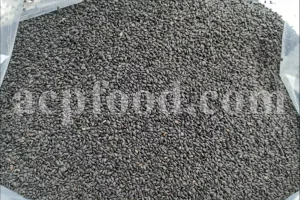
Basil Seeds, also known as Sabja Seeds, Tukmaria, or Falooda Seeds, are the black, tear-shaped seeds of Ocimum basilicum L.—a well-known aromatic plant widely cultivated in Asia, Africa, and Europe. Though commonly confused with chia seeds, basil seeds have unique hydrogel-forming, cooling, and mucilaginous properties, making them valuable across food, health, cosmetic, and pharmaceutical industries.
🌿 What Are Basil Seeds?
Basil seeds are the dried seeds of the sweet basil plant, containing a high amount of soluble fiber, mucilage, polyphenols, and essential fatty acids. When soaked in water, they form a gelatinous outer layer, making them ideal for cooling drinks, textural modifiers, and natural gut health products.
They are caffeine-free, gluten-free, and considered functional superfoods, especially in Asian, Ayurvedic, and Middle Eastern markets.
1. Food & Beverage Industry
Basil seeds are increasingly used in functional beverages, desserts, and health-oriented foods due to their high fiber content and appealing texture when soaked.
Applications:
-
Soaked seeds in drinks like falooda, milkshakes, lemonade, and herbal tonics
-
Added to yogurt, smoothies, and chia-style puddings
-
Used in dessert gels, ice creams, and fruit cups
-
Gluten-free and fiber-enriched baked goods
✅ Popular in vegan, detox, plant-based, and low-calorie product lines
✅ Label-friendly: “natural fiber,” “no added sugar,” “hydrocolloid source”

✅ Suitable for keto, intermittent fasting, and Ayurvedic detox regimes
✅ Emerging ingredient in gut biome research
3. Pharmaceutical & Medical Nutrition
Basil seeds are used in traditional and integrative medicine for their anti-inflammatory, antioxidant, cooling, and laxative effects.
Medical Uses:
-
Herbal laxatives for constipation and IBS
-
Cooling formulations for heatstroke or acidity
-
Cough syrups (mucilage soothes throat)
-
Diuretic and anti-ulcer herbal blends
✅ Safe for long-term use; no major contraindications
✅ Recognized in Ayurveda, Unani, and Persian medicine
4. Cosmetic & Skincare Industry
The hydrating and antioxidant properties of basil seed mucilage make it useful in natural cosmetics, especially for soothing, cooling, and hydrating formulations.
Applications:
-
Hydrating facial masks and gels
-
Soothing skin creams for sunburns or irritation
-
Natural exfoliating scrubs using hydrated seeds
-
Scalp-soothing shampoos with anti-inflammatory extracts
✅ Often used in Ayurvedic and herbal skincare
✅ High in flavonoids and polyphenols beneficial for skin
5. Weight Management & Slimming Products
The swelling capacity of basil seeds (up to 20–30x their dry volume) provides natural satiety, making them widely used in slimming drinks, detox plans, and meal replacements.
Applications:
-
Appetite-control beverages and satiety shakes
-
Added to meal replacement formulas
-
Gut-cleansing detox kits
✅ Combines with lemon, apple cider vinegar, and herbal teas
✅ Natural alternative to synthetic appetite suppressants
✅ Popular during hot seasons for natural cooling effects
✅ Increasingly available in ready-to-drink global markets
7. Academic & Botanical Research
Basil seeds are being studied for their gel-forming polysaccharides, antioxidant potential, and blood sugar regulation effects.
Research Focus:
-
Glycemic index and blood glucose moderation
-
Antioxidant and anti-ulcer activities
-
Mucilage composition and hydrogel behavior
-
Use in pharmaceutical-grade emulsions and suspensions
✅ Used in drug delivery systems and food rheology research
✅ Studied for applications in biodegradable packaging
✅ Summary of Key Applications
| Industry | Common Uses |
|---|---|
| Food & Beverage | Falooda, smoothies, detox drinks, puddings |
| Nutraceutical & Health | Digestive support, omega-3 supplements, detox blends |
| Pharmaceutical | Laxatives, cooling tonics, mucilage syrups |
| Cosmetic & Personal Care | Hydrating gels, soothing creams, antioxidant skincare |
| Weight Management | Appetite control drinks, satiety boosters, meal replacers |
| Ethnic & Traditional | Ramadan drinks, Persian sharbat, Indian sweets |
| Academic & Research | Mucilage studies, glycemic control, antioxidant compounds |
🌟 Key Features
-
Rich in soluble fiber, ALA (omega-3), and polyphenols
-
Forms a natural hydrogel when soaked, ideal for hydration and gut health
-
Caffeine-free, gluten-free, and vegan-friendly
-
Used in traditional medicine for cooling, digestive, and laxative purposes
-
Growing presence in functional beverages, detox plans, and superfood markets
🌱 Industries That Use Ocimum album Basil Seeds (Tokhme Sharbati)
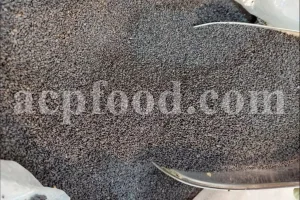
Tokhme Sharbati refers to the tiny black seeds of Ocimum album L., a close relative of Ocimum basilicum but botanically distinct. These seeds are smaller, milder in aroma, and gel more quickly than common basil seeds. Traditionally consumed in Iran, Afghanistan, India, and Arab countries, Tokhme Sharbati is a staple in herbal tonics, summer drinks, and traditional cooling remedies.
1. Food & Beverage Industry
Tokhme Sharbati is a key ingredient in cooling summer drinks, herbal tonics, and functional food recipes, especially across the Middle East and Asia.
Applications:
-
Main ingredient in Persian Sharbat-e Tokhme Sharbati (with lemon and rosewater)
-
Added to herbal drinks, smoothies, and detox shots
-
Thickening and gelling agent in health desserts
-
Functional ingredient in flavored waters and RTD beverages
✅ Used in halal, vegan, and plant-based product lines
✅ Adds visual appeal and fiber content to beverages
2. Nutraceutical & Wellness Supplement Industry
Due to its high soluble fiber and mucilage, Tokhme Sharbati supports gut health, detox, and blood sugar balance.
Applications:
-
Digestive fiber in gut microbiome products
-
Vegan omega-rich detox blends (contains alpha-linolenic acid)
-
Appetite-reducing shakes and satiety supplements
-
Herbal support for sugar control and mild constipation
✅ Traditional cleansing agent in Persian medicine
✅ Ideal for weight management, fasting, and intermittent detox diets
3. Pharmaceutical & Herbal Medicine
In Unani, Persian, and Ayurvedic traditions, Tokhme Sharbati is used to relieve internal heat, soothe inflammation, and balance digestion.
Medical Uses:
-
Herbal laxatives and cooling syrups
-
Mucilage-based soothers for coughs and sore throat
-
Mild diuretics and detox aids
-
Used for heartburn, bloating, and intestinal cleansing
✅ Classified as safe, non-irritating, and gentle on the stomach
✅ Frequently combined with lemon, mint, or rosewater extracts
4. Cosmetic & Personal Care Industry
Hydrated basil seeds from Ocimum album are high in hydrating gel mucilage, making them suitable for natural skincare and cooling treatments.
Applications:
-
Cooling face masks and gels for sunburn or irritation
-
Natural scalp soothers and hair conditioners
-
Herbal foot soaks and moisturizing masks
-
Skin-nourishing emulsions (DIY and organic skincare lines)
✅ Popular in traditional Persian and Ayurvedic beauty rituals
✅ Used for anti-itch and inflammation-relief topicals
5. Ethnic, Cultural & Traditional Use Markets
Tokhme Sharbati is a cultural staple in Iran, Afghanistan, and neighboring regions, especially during Ramadan, Nowruz, and hot months.
Uses:
-
Sharbat with lemon, sugar, Rosewater, and Saffron
-
Sold as a key ingredient in herbal cooling powders
-
Common in religious fast-breaking (Iftar) and traditional ceremonies
✅ Natural and caffeine-free energy refresher
✅ Long shelf life; easy to hydrate and serve
6. Academic, Nutritional & Food Science Research
Ocimum album seeds are under study for their mucilage properties, blood sugar modulation, and potential as a natural food hydrocolloid.
Research Areas:
-
Glycemic index studies (slows glucose absorption)
-
Use in diabetic-friendly food formulations
-
Emulsification and viscosity-control in food tech
-
Phytochemical analysis (flavonoids, ALA, mucilage)
✅ Studied for food texture applications and natural emulsifiers
✅ Potential in functional packaging and slow-release drugs
✅ Summary of Key Applications
| Industry | Common Uses |
|---|---|
| Food & Beverage | Sharbat, detox drinks, smoothies, vegan desserts |
| Nutraceutical & Health | Fiber supplements, detox blends, appetite control |
| Pharmaceutical | Cooling tonics, mucilage syrups, digestive aids |
| Cosmetic & Personal Care | Soothing masks, scalp creams, hydrating gels |
| Ethnic & Traditional | Ramadan and Nowruz beverages, Persian Sharbat |
| Academic & Research | Glycemic studies, mucilage analysis, emulsification research |
🌟 Key Features
-
Smaller and faster-gelling than common basil seeds (O. basilicum)
-
High in mucilage, fiber, and ALA (omega-3)
-
Caffeine-free, non-allergenic, and suitable for children and elders
-
Rich tradition in Persian medicine, Ramadan fasting, and cooling tonics
-
Used across functional beverages, natural laxatives, and herbal skincare
🍃 Industries That Use Basil Leaves (Ocimum basilicum L.)
Ocimum basilicum L., commonly known as Sweet Basil, is a culinary and medicinal herb prized for its aromatic essential oils, bioactive flavonoids, and antibacterial properties. Native to tropical Asia and widely cultivated across the world, Basil is integral to food, herbal, pharmaceutical, and cosmetic industries.
Basil leaves are harvested fresh or dried and are used in the form of whole leaves, powders, extracts, and essential oils.

1. Food & Culinary Industry
Basil is a staple in global cuisine, especially Italian, Mediterranean, Persian, Thai, and Indian dishes.
Applications:
-
Fresh or dried herb in pasta, pizza, soups, sauces, and curries
-
Ingredient in pesto, spice blends, and flavored oils
-
Basil-infused vinegars and salad dressings
-
Used in herbal teas and refreshing beverages
✅ Widely used in clean-label, vegan, and organic products
✅ Valued for both aroma and digestive aid in foods
2. Nutraceutical & Wellness Supplement Industry
Due to its polyphenols and essential oils, basil leaves support detox, immune health, and mental clarity.
Applications:
-
Basil leaf powders in green supplements and capsules
-
Detox teas and liver support blends
-
Antioxidant shots and stress-reducing tonics
-
Herbal tablets for blood sugar support
✅ Used in traditional Persian, Ayurvedic, and Siddha systems
✅ Marketed for calming, cleansing, and adaptogenic properties
3. Pharmaceutical & Herbal Medicine
Basil leaves are employed in natural medicine for their digestive, antimicrobial, and anti-inflammatory properties.
Medical Uses:
-
Used to treat gas, bloating, and indigestion
-
Antimicrobial agent in throat sprays and lozenges
-
Adjunct in herbal formulas for respiratory and liver conditions
-
Natural remedy for headaches and mild fevers
✅ Considered safe and gentle for daily use
✅ Recognized in multiple pharmacopeias and herbal codices
4. Cosmetic & Personal Care Industry
Basil extracts and essential oils are valued in skincare and haircare for their cleansing, refreshing, and antioxidant properties.
Applications:
-
Purifying facial toners and anti-acne formulas
-
Scalp serums and dandruff shampoos
-
Basil leaf water in body sprays and facial mists
-
Used in aromatherapy for mental clarity and alertness
✅ Antibacterial and sebum-regulating in oily skin care
✅ Supports scalp balance and hair strengthening
5. Essential Oil & Aromatherapy Industry
Sweet basil essential oil is high in linalool and eugenol, giving it a sweet, herbaceous, slightly spicy aroma.
Applications:
-
Used in diffusers for mood elevation and stress relief
-
Inhalation blends for respiratory clarity and focus
-
Natural mosquito repellents and air fresheners
-
Ingredient in massage oils for muscle relaxation
✅ Popular in perfumery and therapeutic blends
✅ Used in traditional medicine for mental clarity and uplift
6. Ethnic, Organic & Traditional Medicine Markets
Basil holds sacred and therapeutic status in many cultures, especially in Persian, Indian (Tulsi’s cousin), and Thai traditions.
Applications:
-
Featured in Nowruz and Ramadan dishes
-
Used in folk teas and healing soups
-
Associated with protective and purifying rituals
-
Incorporated in natural remedies for anxiety and digestion
✅ Widely accepted in traditional medical systems
✅ Easily dried, extracted, and exported
7. Academic & Phytochemical Research
Research focuses on basil’s essential oils, phenolic content, and bioactive mechanisms in immunity and inflammation.
Research Areas:
-
Antimicrobial and anti-inflammatory compound isolation
-
Blood sugar modulation and liver protective effects
-
Basil oil as a natural food preservative
-
Studies on cognitive and neuroprotective potential
✅ Botanically versatile: fresh leaves, extracts, oils
✅ Ongoing studies on standardization for pharmaceutical use
✅ Summary of Key Applications
| Industry | Common Uses |
|---|---|
| Food & Culinary | Pesto, sauces, spice blends, teas, flavor oils |
| Nutraceutical & Wellness | Detox teas, antioxidant shots, capsules |
| Pharmaceutical | Digestive tonics, antimicrobial lozenges, adaptogen blends |
| Cosmetic & Personal Care | Acne toners, scalp serums, facial sprays |
| Essential Oil & Aroma | Diffusers, stress-relief blends, air fresheners |
| Ethnic & Traditional Use | Folk remedies, sacred use, celebratory cuisine |
| Academic & Research | Antimicrobial, anti-inflammatory, neuroprotective studies |
🌟 Key Features
-
Rich in linalool, eugenol, and rosmarinic acid
-
Antimicrobial, digestive, and stress-relieving effects
-
Used fresh, dried, or as essential oil
-
Integral to culinary, herbal, and therapeutic traditions
-
Widely researched and exported for functional food, skincare, and wellness markets
🌿 Comparison Table: Basil Plant Derivatives
| Feature / Aspect | 🌱 Basil Seed (Ocimum basilicum L.) | 🌱 Basil Seed (Ocimum album L.) (Tokhme Sharbati) | 🍃 Basil Leaf (Ocimum basilicum L.) |
|---|---|---|---|
| Botanical Source | Ocimum basilicum L. (Sweet Basil) | Ocimum album L. (White Basil / Persian Sharbati Basil) | Ocimum basilicum L. (Sweet Basil) |
| Part Used | Seed | Seed | Leaf (fresh or dried) |
| Seed Size & Appearance | Slightly larger, oval, black to dark brown | Smaller, fine, jet black, rounder | N/A |
| Persian Name | تخم ریحان (Tokhme Reyhan) | تخم شربتی (Tokhme Sharbati) | برگ ریحان (Barg-e Reyhan) |
| Primary Industry Uses | Food, Beverage, Nutraceutical, Cosmetic | Food, Beverage, Nutraceutical, Hydration blends | Culinary, Nutraceutical, Cosmetic, Essential Oils |
| Main Functional Uses | Cooling drink thickener, digestive aid | Cooling drinks (Sharbat), blood sugar control, satiety | Culinary herb, antioxidant, antimicrobial |
| Hydration Property | High water absorption, forms gel layer | Very fast hydration, smooth texture when soaked | N/A |
| Rich in | Mucilage (soluble fiber), polyphenols | Mucilage, flavonoids, omega-3s (ALA) | Essential oils (linalool, eugenol), polyphenols |
| Health Benefits | Digestive support, blood sugar control | Cooling, digestion, hydration, minor laxative effect | Anti-inflammatory, antimicrobial, stress relief |
| Culinary Applications | Beverages, smoothies, puddings, desserts | Persian drinks (Sharbat), detox mixes, satiety drinks | Pesto, soups, salads, sauces, herbal teas |
| Cosmetic Uses | Gel masks, soothing serums | Cooling skin treatments, masks | Facial toners, anti-acne products, scalp tonics |
| Common Market Form | Whole dry seeds | Whole dry seeds | Fresh, dried, powdered, or essential oil |
| Export Popularity | Popular in Asia, Middle East, wellness sector | Very popular in Iran, India, health & detox drink markets | Globally used herb (culinary and natural health) |
| Cultural Importance | Ayurvedic and Unani medicine, used in Ramadan | Highly favored in Persian summer drinks and rituals | Sacred and culinary herb in many traditions |
🧠 Summary Highlights
-
Basil Seeds (O. basilicum) → Larger seeds, used in functional drinks and digestion support.
-
Sharbati Seeds (O. album) → Smaller, faster-absorbing, essential in Persian “Sharbat”, known for cooling effects.
-
Basil Leaves (O. basilicum) → Aromatic herb used in cuisine, herbal medicine, and cosmetics.
PRODUCT NAME IN DIFFERENT LANGUAGES
Persian Name: تخم ریحان، تخم شربتی/ Tokhme Reyhan, Tokhme Sharbati
German Name (Deutschland, Austria, Switzerland): Basilikum samen
French Name (France, Belgium, Switzerland, Quebec): graine de Basilic
HARVEST CALENDAR
Feb
Mar
Apr
May
Jun
Jul
Aug
Sep
Oct
Nov
Dec


🌱 Nutrition Facts – Basil Seeds (Ocimum basilicum L.)
Serving Size: 5 g (~1 teaspoon dry seeds before soaking)
Calories: ~21 kcal
| Nutrient | Amount per 5g | Per 100g |
|---|---|---|
| Total Fat | 1.0 g | 20.0 g |
| • Saturated Fat | 0.1 g | 2.0 g |
| • Omega-3 (ALA) | ~0.5 g | 10.0 g |
| Cholesterol | 0 mg | 0 mg |
| Sodium | 1 mg | 20 mg |
| Total Carbohydrate | 2.0 g | 40.0 g |
| • Dietary Fiber | 1.8 g | 36.0 g |
| • Natural Sugars | 0 g | 0 g |
| Protein | 0.9 g | 18.0 g |
🌿 Functional & Phytochemical Profile (Per 100g):
| Compound / Group | Approx. Content | Functional Role |
|---|---|---|
| Mucilage (gel-forming polysaccharides) | High | Laxative, soothing for digestive tract |
| Alpha-linolenic acid (ALA) | ~50% of oil | Anti-inflammatory, heart & brain health |
| Flavonoids (orientin, vicenin) | Present | Antioxidant, metabolic regulation |
| Phenolic acids (rosmarinic acid) | Trace–moderate | Antiviral, antioxidant |
| Minerals (Ca, Mg, Fe) | High | Bone, nerve, and blood support |
🧬 Vitamins & Minerals (Per 100g):
| Micronutrient | Approx. Content | % DV (per 100g) |
|---|---|---|
| Calcium | ~620 mg | 62% |
| Magnesium | ~300 mg | 75% |
| Iron | ~3.7 mg | 20% |
| Potassium | ~930 mg | 27% |
| Zinc | ~1.3 mg | 12% |
| Vitamin A | Trace–low | – |
| B-complex | Trace | – |
🌱 Basil seeds are hydrophilic and swell into a gelatinous texture when soaked in water. They are traditionally used for cooling the body, aiding digestion, relieving constipation, and managing appetite.
✅ Rich in soluble fiber, plant-based omega-3s, and minerals. Naturally gluten-free and vegan. Used in beverages, desserts, and medicinal preparations.
⚠️ Should always be soaked before consumption to prevent choking. Not recommended for very young children in dry form.
Percent Daily Values are based on a 2,000-calorie diet. Nutritional values may vary based on origin and seed processing.
🌿 Nutrition Facts – Ocimum album Seeds
(Tokhme Sharbati – تخم شربتی)
Serving Size: 5 g (~1 teaspoon dry seeds before soaking)
Calories: ~20 kcal
| Nutrient | Amount per 5g | Per 100g |
|---|---|---|
| Total Fat | 0.9 g | 18.0 g |
| • Saturated Fat | 0.1 g | 2.0 g |
| • Omega-3 (ALA) | ~0.4 g | 8.0 g |
| Cholesterol | 0 mg | 0 mg |
| Sodium | 1 mg | 20 mg |
| Total Carbohydrate | 2.1 g | 42.0 g |
| • Dietary Fiber | 1.9 g | 38.0 g |
| • Natural Sugars | 0 g | 0 g |
| Protein | 0.8 g | 16.0 g |
🧬 Functional & Phytochemical Profile (Per 100g):
| Compound / Group | Approx. Content | Functional Role |
|---|---|---|
| Mucilage (soluble polysaccharides) | Very high | Cooling, laxative, soothing for GI tract |
| Omega-3 (ALA) | ~8% of weight | Anti-inflammatory, cardiovascular support |
| Flavonoids (orientin, vicenin) | Present | Antioxidant, metabolic protection |
| Phenolic acids (rosmarinic acid) | Trace–moderate | Antiviral, antioxidant |
| Tannins | Trace | Astringent, gut health |
🌿 Vitamins & Minerals (Per 100g):
| Micronutrient | Approx. Content | % DV (per 100g) |
|---|---|---|
| Calcium | ~600 mg | 60% |
| Magnesium | ~290 mg | 73% |
| Iron | ~3.5 mg | 19% |
| Potassium | ~900 mg | 26% |
| Zinc | ~1.2 mg | 11% |
🌿 Tokhme Sharbati (تخم شربتی), derived from Ocimum album, is traditionally used in Persian summer drinks and herbal medicine. When soaked, the seeds form a gelatinous coat, supporting digestion, hydration, appetite regulation, and body cooling.
✅ Naturally caffeine-free, gluten-free, high in fiber and plant-based omega-3s. Suitable for use in detox drinks, herbal tonics, and functional foods.
⚠️ Seeds must be soaked thoroughly before use to prevent choking.
Percent Daily Values are based on a 2,000-calorie diet. Nutritional content may vary slightly based on seed variety, soil, and processing.
🍃 Nutrition Facts – Ocimum album Basil Leaves
(Ocimum basilicum L.)
Serving Size: 1 g (~1 teaspoon dried leaves)
Calories: ~3 kcal
| Nutrient | Amount per 1g | Per 100g |
|---|---|---|
| Total Fat | 0.04 g | 4.0 g |
| • Saturated Fat | 0.01 g | 1.0 g |
| Cholesterol | 0 mg | 0 mg |
| Sodium | 0.8 mg | 80 mg |
| Total Carbohydrate | 0.6 g | 60.0 g |
| • Dietary Fiber | 0.4 g | 40.0 g |
| • Natural Sugars | 0.03 g | 3.0 g |
| Protein | 0.2 g | 20.0 g |
🌿 Functional & Phytochemical Profile (Per 100g):
| Compound / Group | Approx. Content | Functional Role |
|---|---|---|
| Essential oils (linalool, eugenol) | 1–2% | Antispasmodic, antimicrobial, aromatic tonic |
| Rosmarinic acid | High | Anti-inflammatory, antioxidant |
| Flavonoids (orientin, vicenin) | Present | Cellular protection, immune modulation |
| Tannins | Low–moderate | Astringent, antimicrobial |
| Mucilage | Trace | Soothing, digestive aid |
🧬 Vitamins & Minerals (Per 100g, dried leaves):
| Micronutrient | Approx. Content | % DV (per 100g) |
|---|---|---|
| Calcium | ~2,200 mg | 220% |
| Iron | ~42 mg | 233% |
| Magnesium | ~710 mg | 177% |
| Potassium | ~2,630 mg | 75% |
| Vitamin A | ~7,400 IU | 150% |
| Vitamin K | ~1,720 µg | 1,433% |
🍃 Ocimum album (white basil) leaves are aromatic and rich in phenolic compounds. Used traditionally in Persian herbalism to ease bloating, cough, stomach discomfort, and mild infections. Their essential oils contribute to both culinary and therapeutic uses.
✅ Naturally caffeine-free, low-calorie, and rich in essential oils, minerals, and antioxidants. Ideal for teas, herbal mixtures, and digestive preparations.
⚠️ High vitamin K content may interact with blood thinners. Use cautiously in large quantities in such cases.
Percent Daily Values are based on a 2,000-calorie diet. Nutritional values refer to dried leaves and may vary slightly depending on growing conditions.
To order Tukmaria seeds, please contact us.


Reviews
There are no reviews yet.