

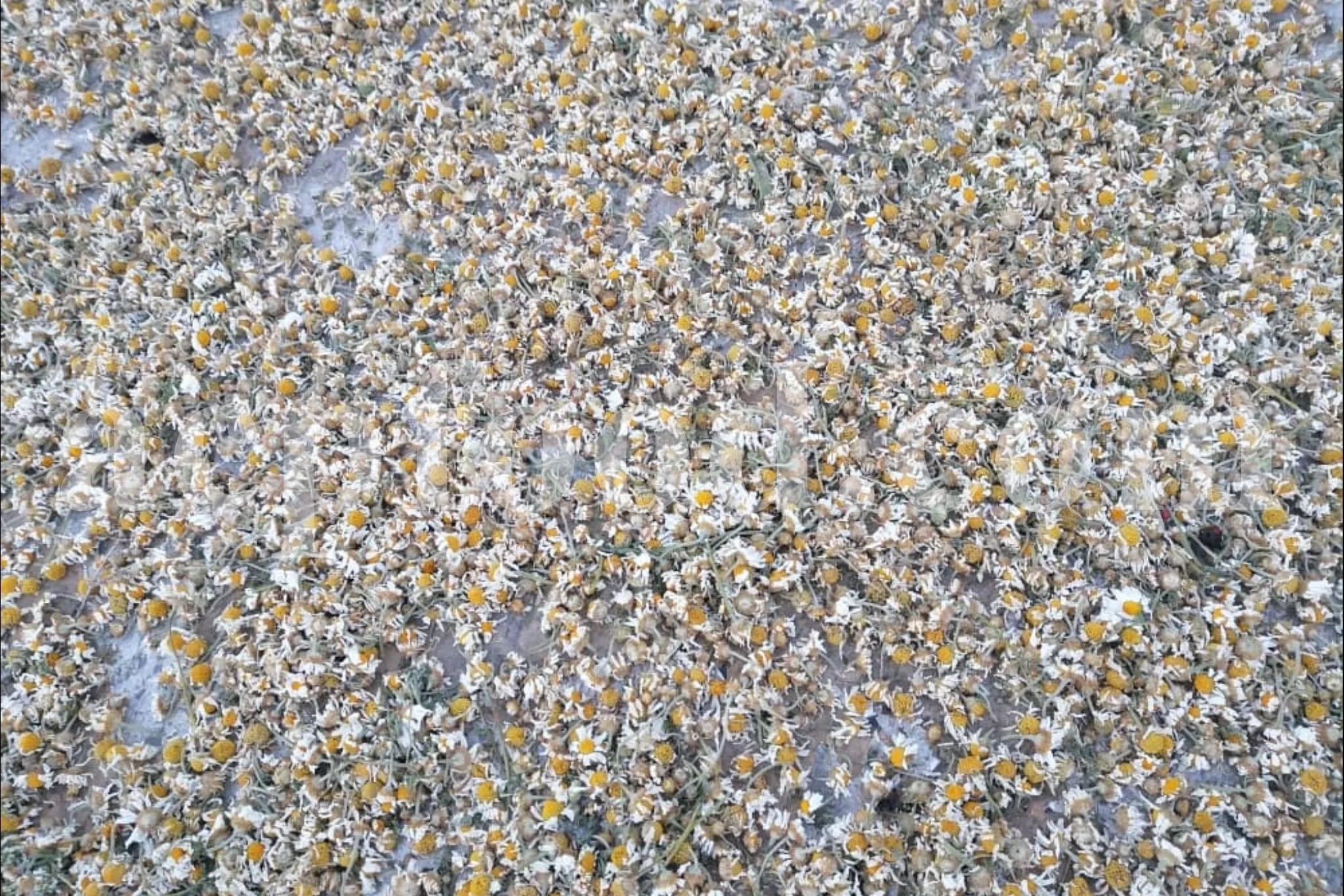


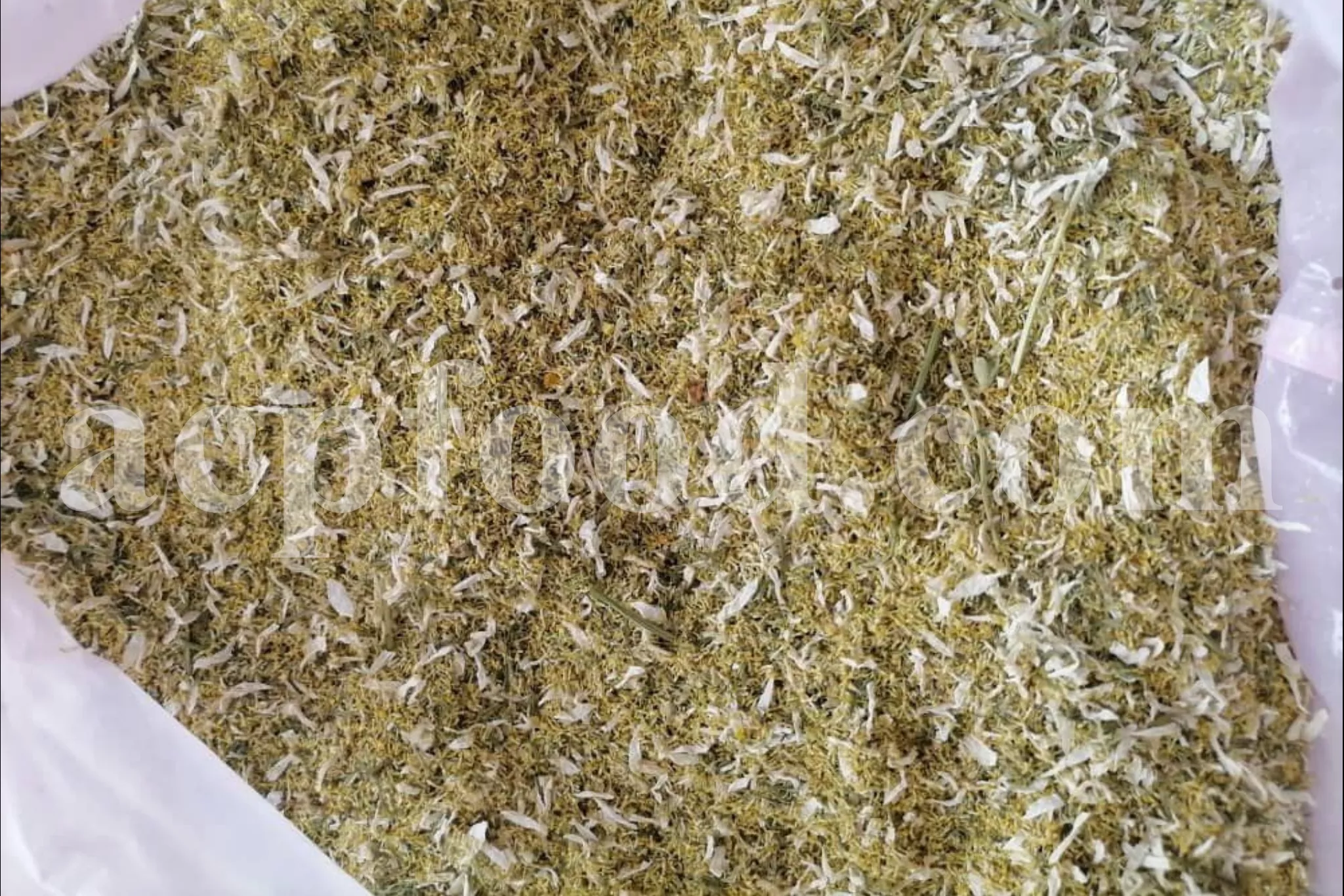






Bulk Dried Chamomile Flowers for Export
ACPFOOD is a trusted exporter and supplier of bulk dried chamomile flowers for export, delivering consistent quality to international buyers. We provide wholesale quantities of Roman chamomile, yellow chamomile, and premium chamomile tea ingredients to importers, distributors, and herbal product manufacturers worldwide. Our reliable sourcing ensures that industries in food, beverage, cosmetics, and pharmaceuticals receive the finest chamomile supply for large-scale production.
ACPFOOD supplies premium-quality Bulk Dried Chamomile Flowers for Export, including several valuable species widely used in the herbal tea, pharmaceutical, nutraceutical, cosmetic, aromatherapy, and botanical industries. Our export range includes:
- Dried Feverfew Flower (Tanacetum parthenium (L.) Sch.Bip.)
- Dried Yellow Chamomile / Golden Chamomile (Cota tinctoria (L.) J.Gay)
- Dried Chamomile (Matricaria chamomilla L.)
- Dried Corn Chamomile (Anthemis arvensis L.)
- Dried Roman Chamomile (Chamaemelum nobile (L.) All.)
Our Bulk Dried Chamomile Flowers for Export are harvested carefully and gently dried to preserve natural color, aroma, essential oils, and delicate floral structure. These flowers are extensively used in herbal teas, extracts, essential oils, skincare products, herbal remedies, wellness blends, and cosmetic formulations.
ACPFOOD provides export-grade Bulk Dried Chamomile Flowers for Export with professional sorting, hygienic processing, and full export documentation suitable for wholesalers, herbal manufacturers, tea companies, and pharmaceutical processors worldwide.
🌼 Available Chamomile & Related Flower Types
✔️ Dried Chamomile (Matricaria chamomilla L.)
Widely used in herbal teas, extracts, cosmetics, and pharmaceutical formulations due to its mild aroma and soothing botanical profile.
✔️ Dried Roman Chamomile (Chamaemelum nobile (L.) All.)
Highly valued for premium herbal teas, aromatherapy, essential oils, and cosmetic applications.
✔️ Dried Feverfew Flower (Tanacetum parthenium (L.) Sch.Bip.)
Used in herbal preparations, nutraceutical products, and botanical extracts.
✔️ Dried Yellow Chamomile / Golden Chamomile (Cota tinctoria (L.) J.Gay)
Known for its vibrant yellow flowers and application in herbal blends, decorative tea mixtures, and botanical processing.
✔️ Dried Corn Chamomile (Anthemis arvensis L.)
Used in herbal tea formulations, natural products, and traditional botanical preparations.
🏭 Industrial Applications
✔️ Herbal Tea Industry
- Chamomile flowers widely used in calming and wellness tea blends
- Roman chamomile and golden chamomile preferred for premium tea products
✔️ Pharmaceutical & Nutraceutical Industry
- Used in herbal extracts, capsules, powders, syrups, and nutraceutical formulations
✔️ Cosmetic & Personal Care
- Chamomile extracts used in skincare, soaps, shampoos, creams, and baby care products
✔️ Essential Oil & Aromatherapy Industry
- Roman chamomile and German chamomile used for essential oil extraction and aromatherapy products
✔️ Botanical & Herbal Processing
- Feverfew and chamomile flowers supplied for botanical extraction and research applications
ACPFOOD supplies industrial-grade Bulk Dried Chamomile Flowers for Export suitable for large-scale manufacturing and processing.
🌱 Product Specifications
| Parameter | Description |
|---|---|
| Product Types | Chamomile, Roman Chamomile, Feverfew, Golden Chamomile, Corn Chamomile |
| Plant Part Used | Flowers |
| Form | Whole dried flowers |
| Color | White-yellow / Golden yellow depending on species |
| Aroma | Floral, aromatic |
| Moisture | < 10% |
| Purity | ≥ 99% cleaned |
| Origin | Iran |
| Processing | Gentle drying and professional cleaning |
| Applications | Herbal tea, pharma, cosmetic, essential oil, nutraceutical |
| Documents Provided | CoA, TDS, Phytosanitary Certificate |
🌍 Why Choose ACPFOOD for Bulk Dried Chamomile Flowers for Export
- ✔️ Trusted supplier of Bulk Dried Chamomile Flowers for Export
- ✔️ Multiple chamomile species and flower varieties available
- ✔️ Suitable for tea, pharmaceutical, nutraceutical, and cosmetic industries
- ✔️ High aromatic quality and natural appearance
- ✔️ Export-ready packaging and complete export documents
- ✔️ Reliable wholesale supply for international buyers
ACPFOOD is a dependable partner for sourcing Bulk Dried Chamomile Flowers for Export worldwide.
🚚 Delivery Options
🌍 Direct Export from Iran – Available worldwide
🇪🇺 European Union Customers: Delivered DDP from Heppenheim, Germany (MOQ: 500 Kg)
🇨🇦 Canada & 🇨🇳 China: Delivered DDP (MOQ: 500 Kg)
🇺🇸 USA Customers: Delivered DAP (MOQ: 500 Kg)
🚢 Other Countries: CIF shipping available worldwide

1- Feverfew
2- Yellow Chamomile
3- Chamomile
4- Corn Chamomile
5- Roman chamomile
1- Common Feverfew, Feather-Leaved Tansy, Featherfew.
2- Dyer’S Chamomile, Golden Chamomile, Golden Marguerite.
3- Blue Chamomile, Common Chamomile, Crown Mayweed, German Chamomile, Hungarian Chamomile, Matricaria, Scented Chamomile, Scented Mayweed, Sweet False Chamomile.
4- Field Chamomile.
5- English chamomile, Russian chamomile, Noble chamomile.
Family: Asteraceae
GENERAL DATA
Plant parts: Flowers
Cultivation mode: Wild collection/Cultivated
In manufacturing: Pharmaceutical, beverages, cosmetics, soap, skincare, haircare, shampoo, perfumery, extract, oil, mouthwash, dyeing, hair color.
In food: Herbal Tea.
🌼 Industries That Use Feverfew Flower (Tanacetum parthenium)
Feverfew, a flowering plant in the daisy family (Asteraceae), has been traditionally used across European herbalism and modern phytotherapy for its remarkable anti-inflammatory, antimigraine, and neuroprotective effects. Its active compounds, particularly parthenolide, make it valuable in pharmaceutical, nutraceutical, and cosmetic industries.

✅ Common forms: standardized extracts, tablets, capsules, and teas
2. Herbal & Nutraceutical Industry
Feverfew is featured in nervous system and pain-modulation formulas.
Applications:
-
Included in anti-inflammatory blends for neuralgia and arthritis
-
Used in stress-related headache support and menstrual tension blends
-
Sometimes combined with Valerian, Passionflower, or Skullcap
✅ Often standardized to parthenolide content (0.2–0.7%)
3. Women’s Health & Hormonal Support
Traditionally used for menstrual-related migraines and hormonal discomfort.
Applications:
-
Used in PMS formulations to relieve tension and cramping
-
Helps reduce menstrual-related headaches
-
Combined with Chasteberry (vitex) or Black Cohosh
✅ Provided in low-dose capsules or infusions
4. Cosmetic & Anti-Inflammatory Skincare Industry
Due to its anti-inflammatory and antioxidant profile, feverfew flower extract is incorporated into skincare.
Applications:
-
Used in anti-redness creams, sensitive-skin serums, and after-sun care
-
Known to calm irritated or reactive skin
-
Sometimes found in eczema or rosacea blends
✅ Applied as water-soluble extract in topical formulations
5. Aromatherapy & Botanical Fragrance
While not a traditional essential oil source, feverfew flowers are sometimes used in botanical infusions.
Applications:
-
Appears in herbal pillow blends or scented bath sachets
-
Used in mood-calming potpourri or dream blends
-
Sometimes infused into carrier oils for topical use
✅ Valued more for its therapeutic benefits than fragrance alone
6. Functional Tea & Ethnobotanical Use
Feverfew has long been prepared as a bitter herbal infusion.
Applications:
-
Used in bitter tea blends for headache and body tension
-
Part of folk medicine rituals in Europe for fevers and inflammation
-
Combined with German Chamomile, Lemon Balm, or Meadowsweet
✅ Must be used with caution—only small amounts recommended
✅ Summary of Key Applications
| Industry | Common Uses |
|---|---|
| Pharmaceutical & Migraine | Preventative for migraines, tension headaches |
| Herbal & Nutraceutical | Anti-inflammatory, nerve pain, stress tension |
| Women’s Health | PMS-related headache, menstrual cramping |
| Cosmetic & Skincare | Anti-redness creams, reactive skin soothers |
| Aromatherapy & Fragrance | Relaxing infusions, pillow sachets, bath blends |
| Ethnobotanical & Tea | Traditional tea for pain and fever, bitters |
🌟 Key Features
-
Contains parthenolide, flavonoids, and sesquiterpene lactones
-
Well-documented anti-inflammatory and vasomodulating activity
-
Caution advised in pregnancy and with blood-thinning medications
-
Offered in standardized capsules, dried flower, extract, and topicals
-
Widely used in migraines, menstrual support, and natural skincare
🌼 Industries That Use Yellow Chamomile (Cota tinctoria)
Yellow Chamomile, or Golden Chamomile, is a bright yellow flowering herb native to Eurasia and widely cultivated for its anti-inflammatory, antimicrobial, and colorant properties. Although it differs from true chamomile (Matricaria chamomilla or Chamaemelum nobile), Cota tinctoria is valued in phytotherapy, natural dye production, and cosmetics. It contains flavonoids, sesquiterpenes, and volatile oils, making it useful across several industries.

-
Used for digestive upset, mild cramps, and headaches
-
Sometimes prepared as a calming tea in local herbal traditions
-
Applied externally as a mild anti-inflammatory poultice
✅ Found as dried flowers, infusions, and home-brewed tonics
2. Natural Dye & Textile Industry
Cota tinctoria is historically prized as a natural yellow dye plant.
Applications:
-
Used to dye wool, silk, and cotton in yellow and golden hues
-
Popular in organic textile dyeing and botanical art projects
-
Employed in traditional crafts, especially in Central Asia and the Middle East
✅ Produces durable yellow pigments from flowers
3. Cosmetic & Personal Care Industry
Golden chamomile extracts are used for soothing and brightening skin and hair.
Applications:
-
Found in gentle cleansers, eye creams, and sensitive-skin products
-
Added to natural shampoos and blond hair lightening formulas
-
Occasionally used in herbal facial steams and bath soaks
✅ Valued for its anti-irritant and skin-brightening qualities
4. Tea & Beverage Industry (Niche)
While not as widespread as Matricaria, it is used in herbal infusions for its mild bitterness and aromatic nature.
Applications:
-
Used in floral tea blends with Lemon Balm, Mint, or Lemon Verbena
-
Sometimes labeled as golden chamomile tea for specialty markets
-
Has a slightly bitter, earthy flavor—less sweet than true chamomile
✅ Sold as dried flower or blended in calming teas
5. Ornamental & Landscaping Industry
Widely cultivated for pollinator gardens and aesthetic landscaping.
Applications:
-
Planted in flower beds, rock gardens, and low borders
-
Used in pollinator-friendly designs for bees and butterflies
-
Grown in drought-tolerant landscaping projects
✅ Hardy and aesthetically appealing with long flowering period
✅ Summary of Key Applications
| Industry | Common Uses |
|---|---|
| Herbal & Traditional Medicine | Calming tea, digestive aid, anti-inflammatory poultice |
| Textile & Natural Dye | Yellow dye for fabrics, botanical art |
| Cosmetic & Skincare | Sensitive skin formulas, eye care, hair brightening |
| Tea & Beverage | Floral tea blends, calming herbal infusions |
| Landscaping & Ornamental | Pollinator plant, garden aesthetics, eco-designs |
🌟 Key Features
-
Rich in flavonoids, terpenes, and natural pigments
-
Milder effects than German/Roman chamomile but still beneficial
-
Offers bright golden flowers—used both medicinally and decoratively
-
Excellent for natural dyeing, mild skincare, and garden use
-
Not interchangeable with Matricaria or Chamaemelum, but complementary
🌼 Industries That Use Chamomile (Matricaria chamomilla L.)
German Chamomile is a powerful medicinal flower revered for its anti-inflammatory, antispasmodic, mild sedative, and digestive-soothing effects. Rich in chamazulene, apigenin, and bisabolol, it is a cornerstone herb in pharmaceutical, nutraceutical, cosmetic, and tea industries. It has also been widely adopted in baby care, dermatology, and oral hygiene formulations.

✅ Available in tinctures, capsules, syrups, extracts, and suppositories
2. Herbal & Nutraceutical Industry
Chamomile is foundational in natural wellness and relaxation products.
Applications:
-
Found in sleep and relaxation formulas
-
Used in gut-brain axis blends for digestion and mood
-
Common in adaptogenic and stress-support supplements
✅ Often paired with Lemon Balm, Valerian, or Lavender

4. Cosmetic & Personal Care Industry
Chamomile is highly regarded in dermocosmetics and gentle skincare.
Applications:
-
Used in soothing creams, lotions, and balms
-
Key ingredient in baby care, eczema, and sunburn relief products
-
Common in shampoos and conditioners for sensitive scalp
✅ Rich in bisabolol and azulene, known for anti-inflammatory and healing effects
5. Oral Care & Baby Products
Chamomile’s gentle and safe nature makes it ideal for oral hygiene and infant formulas.
Applications:
-
Found in teething gels, gripe water, and calming drops
-
Used in natural toothpastes, mouthwashes, and throat sprays
✅ Safe for infants and elderly when properly formulated
6. Aromatherapy & Essential Oil Industry
Chamomile essential oil is one of the most therapeutically active oils available.
Applications:
-
Used in aromatherapy for relaxation, stress, and sleep
-
Applied topically in pain relief oils and massage blends
-
Valuable in diffuser oils, inhalers, and skincare serums
✅ German Chamomile oil is deep blue due to chamazulene content
7. Veterinary & Animal Care
Used in calming supplements and grooming products for pets.
Applications:
-
Found in dog shampoos, calming treats, and digestive blends
-
Applied in equine care for stress and skin irritations
✅ Especially valued in natural pet wellness
✅ Summary of Key Applications
| Industry | Common Uses |
|---|---|
| Pharmaceutical | Digestive aid, anti-inflammatory, sedative |
| Herbal & Nutraceutical | Sleep support, gut health, calming formulas |
| Tea & Beverage | Sleep teas, digestive infusions, functional drinks |
| Cosmetic & Skincare | Baby care, eczema creams, soothing serums |
| Oral & Baby Care | Teething gels, gripe water, mouth sprays |
| Aromatherapy | Stress relief, massage oil, sleep blends |
| Veterinary Health | Calming pet products, anti-itch shampoos |
🌟 Key Features
-
Rich in apigenin, chamazulene, bisabolol, and flavonoids
-
One of the most studied medicinal flowers in the world
-
Known for its gentle action and wide safety margin
-
Available in dried flower, essential oil, extract, and tincture forms
-
Approved by the European Medicines Agency (EMA) for multiple indications
🌼 Industries That Use Corn Chamomile (Anthemis arvensis L.)
Corn Chamomile (Anthemis arvensis), also known as Field Chamomile or Mayweed, is a wildflower species in the Asteraceae family that shares visual similarities with German and Roman chamomile but differs chemically and therapeutically. Traditionally used in folk medicine, it offers mild anti-inflammatory, digestive, and skin-soothing properties, though less potent than Matricaria chamomilla. It is valued in herbal teas, cosmetics, ethnobotany, and pollinator-friendly agriculture.
1. Herbal & Traditional Medicine
Historically used in rural and folk remedies as a digestive and calming herb.
Applications:
-
Mild aid for digestive discomfort and cramping
-
Used in infusions for relaxation and skin conditions
-
Applied externally for minor wounds and eye compresses
✅ Found as dried flower, herbal poultices, or infused oils
2. Cosmetic & Personal Care Industry
Although milder than Matricaria, Anthemis arvensis is used in natural skincare for sensitive skin.
Applications:
-
Used in gentle cleansers and baby lotions
-
Sometimes included in after-sun care, eczema relief, or mild anti-itch products
-
Appears in herbal facial steams and botanical soaps
✅ Delivered as flower water, extract, or whole inflorescence powder
3. Herbal Tea & Beverage Industry
Field chamomile is used in folk-style herbal teas, especially in rural European and Mediterranean traditions.
Applications:
-
Consumed as a relaxing evening tea
-
Blended with mint, linden, lemon balm, or fennel
-
Sometimes mislabeled as common chamomile in local markets
✅ Less sweet and more earthy or bitter than true chamomile
4. Ethnobotanical & Organic Farming
Corn chamomile is relevant in ethnobotanical research and as a pollinator plant in biodynamic agriculture.
Applications:
-
Grown to support bee populations in organic farming
-
Used in eco-landscaping and wildflower seed mixes
-
Sometimes studied for sustainable herbal applications
✅ Also functions as a soil cover crop and weed competitor
5. Animal & Veterinary Use (Folk)
In traditional settings, field chamomile has been used as a natural herb for livestock.
Applications:
-
Mixed in poultry and goat feed for digestion and stress
-
Used in herbal rinses for animal skin irritation
-
Offered to animals in herbal forage systems
✅ Rare in modern veterinary products but retained in local practice
✅ Summary of Key Applications
| Industry | Common Uses |
|---|---|
| Herbal & Folk Medicine | Calming infusions, poultices, digestive tonic |
| Cosmetic & Skincare | Sensitive skin washes, baby lotions, botanical soaks |
| Tea & Beverage | Traditional herbal teas, blends with other calming herbs |
| Ethnobotanical & Agriculture | Bee-friendly plant, wildflower mixes, study of traditional use |
| Animal Health (Folk) | Herbal feed for poultry/goats, rinses for skin support |
🌟 Key Features
-
Contains low levels of apigenin, sesquiterpene lactones, and volatile oils
-
Milder action than German or Roman chamomile
-
Recognized for gentle, supportive effects, especially in folk systems
-
Often found growing wild in grain fields, hence the name “corn” chamomile
-
Suitable for basic teas, botanical extracts, and topical calming preparations
🌼 Industries That Use Roman Chamomile (Chamaemelum nobile)
Roman Chamomile is a fragrant, low-growing perennial herb from the Asteraceae family, known for its calming, antispasmodic, and anti-inflammatory properties. Though chemically distinct from German Chamomile (Matricaria chamomilla), it shares many therapeutic uses and is highly valued in pharmaceutical, aromatherapy, cosmetic, and baby care industries. Its key constituents include esters (like angelates), chamazulene, and flavonoids, making it gentler and more relaxing in its action.
1. Pharmaceutical & Medicinal Industry
Roman chamomile is used as a mild sedative, digestive relaxant, and anti-inflammatory.
Applications:
-
Helps with nervous system tension, insomnia, and restlessness
-
Eases digestive upset, nausea, and intestinal cramping
-
Used in topical products for inflammatory skin conditions
✅ Found in capsules, herbal drops, syrups, and topical gels
2. Aromatherapy & Essential Oil Industry
Roman Chamomile essential oil is highly valued for its calming, sweet aroma and emotional balancing effects.
Applications:
-
Used in stress-relief, sleep blends, and mood-lifting oils
-
Common in massage oils, baby care blends, and diffuser formulas
-
Known to reduce irritability and mental fatigue
✅ Contains up to 80% esters (e.g., isobutyl angelate), giving it a soft, soothing profile

4. Baby Care & Pediatric Products
Roman Chamomile is considered exceptionally safe for infants and children, making it a go-to herb in natural pediatric care.
Applications:
-
Added to teething gels, diaper creams, and gripe water
-
Used in baby massage oils, bedtime sprays, and bath blends
-
Helps ease colic, fussiness, and minor skin irritation
✅ Preferred over German chamomile for sensitivity-prone skin
5. Herbal Tea & Beverage Industry
Though less common than German Chamomile, Chamaemelum nobile is used in calming herbal teas.
Applications:
-
Used as a sleep aid and digestive relaxant
-
Combined with Rose petals, Lavender, or Lemon Balm
-
Offers a milder, apple-like flavor compared to Matricaria
✅ Available in loose-leaf, sachets, and botanical blends
6. Ornamental & Landscape Use
As a low-growing, fragrant groundcover, Roman Chamomile is popular in natural landscaping.
Applications:
-
Used in chamomile lawns, walkways, and scented gardens
-
Attracts bees and pollinators
-
Ideal for medicinal or sensory gardens
✅ Sometimes called “Lawn Chamomile” for its carpeting growth habit
✅ Summary of Key Applications
| Industry | Common Uses |
|---|---|
| Pharmaceutical | Mild sedative, digestive relaxant, skin anti-inflammatory |
| Aromatherapy | Emotional calming, sleep support, stress relief |
| Cosmetic & Skincare | Sensitive skin care, eczema, baby products |
| Baby Care | Gripe water, diaper rash cream, teething support |
| Tea & Beverage | Calming teas, sleep aids, herbal blends |
| Ornamental Landscaping | Fragrant groundcover, bee-friendly gardens |
🌟 Key Features
-
High in esters (e.g., isobutyl angelate), flavonoids, and chamazulene
-
Gentler and sweeter in aroma than Matricaria chamomilla
-
Excellent for children, sensitive individuals, and emotional wellness
-
Delivered in essential oil, hydrosol, dried flower, and extract formats
-
Prominent in calming, pediatric, and gentle skincare formulas
🌼 Comparison of Chamomile & Related Species
| Aspect | Feverfew(Tanacetum parthenium) | Yellow Chamomile(Cota tinctoria) | German Chamomile(Matricaria chamomilla) | Corn Chamomile(Anthemis arvensis) | Roman Chamomile(Chamaemelum nobile) |
|---|---|---|---|---|---|
| Family | Asteraceae | Asteraceae | Asteraceae | Asteraceae | Asteraceae |
| Botanical Group | Tanacetum genus | Cota (Anthemideae) | Matricaria genus | Anthemis genus | Chamaemelum genus |
| Growth Habit | Perennial, bushy | Annual or biennial | Annual, upright | Annual, wildflower | Perennial, low-growing |
| Main Constituents | Parthenolide, sesquiterpene lactones | Flavonoids, apigenin derivatives | Chamazulene, apigenin, bisabolol | Sesquiterpene lactones (low), flavonoids | Isobutyl angelate, bisabolol, chamazulene |
| Aroma Profile | Sharp, slightly bitter | Bitter, earthy | Sweet, apple-like | Earthy, grassy | Sweet, apple-like, milder than German |
| Traditional Uses | Migraine prevention, inflammation | Dye plant, mild calming tea | Sleep, digestion, skin health | Digestive aid, skin wash | Mild sedative, child-safe remedy |
| Medicinal Strength | High (especially for migraines) | Mild | Strong (pharmacologically studied) | Mild | Moderate, gentle and safe |
| Tea Use | Rarely used (bitter) | Occasionally used | Widely used | Limited/local use | Common in calming blends |
| Skincare Use | Rare | Yes (natural coloring & mild calming) | Strong anti-inflammatory | Yes (mild) | Excellent for sensitive skin |
| Essential Oil | Not typically extracted | Rare | Yes (blue oil with chamazulene) | Rare | Yes (sweet, calming, pale yellow oil) |
| Primary Industries | Pharmaceutical, nutraceutical | Natural dye, cosmetics, folk tea | Pharmaceutical, tea, cosmetic, aromatherapy | Herbal tea, cosmetic, rural tradition | Baby care, aromatherapy, cosmetics |
| Color of Flowers | White petals, yellow disc | Bright yellow | White petals, yellow disc | White petals, yellow disc | White petals, yellow disc |
✅ Summary Notes
1. Feverfew (Tanacetum parthenium)
-
Best known for migraine prevention and vascular inflammation relief
-
Not traditionally consumed as tea due to bitterness
-
Used in pharmaceutical and nutraceutical formulas for the nervous system
2. Yellow Chamomile (Cota tinctoria)
-
Traditionally used more as a natural yellow dye than medicine
-
Offers mild calming properties, suitable for folk teas and skincare
-
Often found in organic textiles and eco-friendly personal care
3. German Chamomile (Matricaria chamomilla)
-
The most pharmacologically studied chamomile
-
Rich in chamazulene, effective for digestion, sleep, and inflammation
-
Widely used in tea, essential oils, skincare, and supplements
4. Corn Chamomile (Anthemis arvensis)
-
A wild European species, sometimes confused with true chamomile
-
Milder and less pharmacologically active
-
Used in folk remedies, teas, and calming rinses
5. Roman Chamomile (Chamaemelum nobile / Anthemis nobilis)
-
Known for its sweet scent, calming properties, and child-safe action
-
Common in baby care, aromatherapy, and gentle skincare
-
Its essential oil is rich in esters, excellent for stress and skin sensitivity
🌟 Final Insights
-
Not all “chamomiles” are created equal—true medicinal potency lies in German and Roman chamomile.
-
Feverfew stands out as a neurological herb, not a calming tea.
-
Corn and Yellow chamomiles are more folkloric or cosmetic, often added for visual or aromatic enhancement.
-
Each species has unique applications, and clear labeling is key for consumer trust and SEO clarity.
PRODUCT NAME IN DIFFERENT LANGUAGES
Persian Name: بابونه/ Babooneh
German Name (Deutschland, Austria, Switzerland): 1- Mutterkraut | 2- Färberkamille | 3- Echtkamille | 4- Acker-Hundskamille | 5- Römische Kamille
French Name (France, Belgium, Switzerland, Quebec): 1- Grande Camomille, Partenelle | 2- Anthémis des teinturiers | 3- Camomille allemande, Matricaire camomille | 4- Fausse Camomille | 5- Camomille noble
HARVEST CALENDAR
Feb
Mar
Apr
May
Jun
Jul
Aug
Sep
Oct
Nov
Dec
To order Chamomile dried flowers, please contact us.

This plant is native to Europe and is cultivated in other parts of the world, it is planted in most parts of China, Java and Japan, and in Europe and Asia it is grown wildly and planted sometimes, in Iran in some northern regions and it is also seen in the south wildly and is planted in the garden.
About Chamaemelum Nobile
It is a plant of the Asteraceae family, perennial, short, which is about 20cm tall and very fragrant. The flowers of this complex are in a cap that appears singly at the end of the flowering stem in summer, in each cap the white flowers are around the circle and the yellow flowers are in a circular and prominent part in the middle of the cap. This plant is spread and planted in Europe and Asia. In Iran, it is not grown wild, but it is cultivated.

About Anthemis Arvensis
It is a plant of the Asteraceae family, annual, small and about 20cm tall. On the head of this flower, there are two types of flowers, one yellow and the other tabular and white. This plant has a weak aroma and its taste is very bitter. It is seen in the northwest and southwest of Iran.
About Tanacetum Parthenium
It is a plant of the Asteraceae family, biennial and perennial. Its stems can grow up to 70cm in height. It is usually planted in gardens because of its beautiful flowers. Its flowers are in a group in a complex head, which is composed of white flowers around the head and in the middle of it in a circle of beautiful golden yellow flowers. This plant is native to Asia Minor and Europe, but it has also been imported to other parts of the world. In Iran, it is grown wildly in the northern regions. The strong aroma of chamomile is inhaled from all its aerial parts.
To order dried Chamomile, please contact us.
Matricaria Chamomilla Chemical Constituents
The highest content of β-farnesene (29.8 %), α-farnesene (9.3 %), α-bisabolol and its oxide (15.7 %), chamazulene (6.4 %), germacrene D (6.2 %) and spiroether (5.6 %) is determined.
The antioxidant activity was investigated by DPPH assay.
Chamaemelum Nobile Chemical Constituents
Chamazulene (27.80%), β-pinene (7.93%), 1,8- cineole (7.51%), α-pinene (5.94%), α-bisabolol (5.76%) were found major compounds in Chamaemelum nobile.

Chamomile Temperament
Hot and dry.
Chamomile Health Benefits
German Chamomile Medicinal Properties
1. Brew 20-30 grams of it in 300 grams of boiling water and strain and divide it into three parts and drink one part of it every morning, noon and night before meal. It is a stimulant and diluent, is used in indigestion and hysteria and is used to relieve ague, increases yellow bile secretion, is antispasmodic, prevents plague, relieves fever, relieves bladder pain. It is beneficial for relieving sound and stomach pain, it crushes bladder stones.
2. If you brew it with tea and drink it, it is carminative and sudorific.
3. Cooked German Chamomile poultice is used to soften hard swellings.
4. Boil 1kg of it in a liter of water for 20 minutes and put on the head. It is effective for shining and making golden and brown hair blonde.
5. Its concentrated decoction is very effective for washing, disinfecting and healing wounds.
Roman Chamomile Medicinal Properties
1. Brew 10 to 15 grams of it in a liter of boiling water for half an hour, strain and sweeten it with a little honey and drink a cup before each meal. It is an emollient, a tonic for the brain, nerves and sexual power, it is useful for relieving ague, it is diuretic and emmenagogue, and it is used in urine intermittency and urinary retention and low menstrual secretions, restraint and low menstrual secretions. Increases milk secretion, relieves headaches, is beneficial for relieving nerve pain and spasms, and crushes bladder stones.
2. Its brewed tea in vinegar incense reduce eye pain and strengthen it.
3. Chewing it in the mouth is useful for healing mouth ulcers.
Roman Chamomile Side Effects
Roman Chamomile is incompatible with walnuts, quinine, tannins, silver salts, mercury salts, lead and iron sulfate and should not be eaten together.

Feverfew Flower Medicinal Properties
1. Brew 15 grams of dry flower in a liter of boiling water, strain and drink it before each meal. It is antispasmodic, stops fever, prevents plague, is a powerful warmer and opens clogs and blockages of the liver and arteries, relieves bladder pain and resolves rectal inflammation, crushes bladder stones, to relieve splenitis, ascites and stomach pain are beneficial.
2. Sweeten its brewed tea with honey and drink it. It is a strong diuretic, dilutes frozen blood in the bladder and stomach and relieves its pain, kills worms and lowers blood pressure.
3. If its fresh flower juice is taken and rubbed on the testicles, groins and penis, it is effective for sexual power.
4. Rubbing it is useful to strengthen the eye layers, prevent vision loss, remove white water in the eyes and heal scars.
5. Boil it in water with peeled barley and mix it with Iris oil every night and rub it on head. It makes you sleeps well.
6. Pound its fresh flowers and poultice it on the forehead. It is useful for relieving headaches and migraines.
7. Brew 50 to 60 grams of it in a liter of boiling water and soak a cloth in its water and put it on the body. It is useful for relieving the twisted nerves and venom of poisonous animals.
8. Its suppository in the vagina is a strong emmenagogue and cleanses the uterus.
9. Smelling it is soporific.
Feverfew Side Effects
It is harmful to the stomach and extravagance in eating it causes headaches and head heaviness.
Feverfew Leaves Medicinal Properties
1. Pound 12 grams of its dry leaves and mix it with “Sekanjebin”, add salt and eat. It is a black bile expellant.
2. If you eat 5 grams of its pounded leaves with “Sekanjebin”, it is very useful to increase appetite.
🧾 Nutrition Facts – Dried Feverfew Flowers (100g)
Botanical Name: Tanacetum parthenium
Common Names: Feverfew, Bachelor’s Buttons, Featherfew
Plant Part: Flowering tops – dried
Common Uses: Herbal teas, extracts, capsules, traditional remedies (especially for migraines and inflammation)
| Nutrient | Amount per 100g | % Daily Value (DV)* |
|---|---|---|
| Calories | 275 kcal | 14% |
| Water | 8.3 g | — |
| Protein | 6.4 g | 13% |
| Total Fat | 4.2 g | 6% |
| • Saturated Fat | 1.2 g | 6% |
| Carbohydrates | 65 g | 22% |
| • Dietary Fiber | 37 g | 132% |
| • Sugars | 2.1 g | — |
🔬 Minerals
| Mineral | Amount | %DV |
|---|---|---|
| Calcium | 670 mg | 52% |
| Iron | 21 mg | 117% |
| Magnesium | 210 mg | 50% |
| Potassium | 820 mg | 17% |
| Phosphorus | 190 mg | 27% |
| Zinc | 2.9 mg | 26% |
| Manganese | 4.5 mg | 196% |
| Copper | 0.42 mg | 47% |
| Sodium | 35 mg | 1% |
🌿 Vitamins
| Vitamin | Amount | %DV |
|---|---|---|
| Vitamin A (RAE) | 82 µg | 9% |
| Vitamin C | 42 mg | 47% |
| Vitamin E | 3.9 mg | 26% |
| Vitamin K | 620 µg | 517% |
| Thiamin (B1) | 0.19 mg | 16% |
| Riboflavin (B2) | 0.28 mg | 22% |
| Niacin (B3) | 2.1 mg | 13% |
| Vitamin B6 | 0.29 mg | 22% |
| Folate (B9) | 98 µg | 25% |
🌼 Bioactive Compounds & Phytochemicals
-
Parthenolide (a sesquiterpene lactone with anti-inflammatory and anti-migraine properties)
-
Flavonoids: Apigenin, luteolin, and quercetin
-
Volatile oils: Camphor, borneol, and pinene
-
Tannins and bitter principles
🌾 Industrial & Traditional Uses
-
Extensively used in:
-
Migraine prevention formulas
-
Anti-inflammatory herbal teas
-
Topical salves for arthritis and swelling
-
Menstrual and uterine health support
-
-
Traditionally used for fevers, headaches, nervousness, and arthritis
⚠️ Caution: Feverfew may cause allergic reactions in people sensitive to the Asteraceae family. It is not recommended during pregnancy.
🧪 Note: Nutrient values can vary depending on climate, drying method, and harvest stage. Dried Feverfew retains significant bioactivity, especially due to its parthenolide content.
🧾 Nutrition Facts – Dried Yellow Chamomile Flowers (100g)
Botanical Name: Cota tinctoria
Synonym: Anthemis tinctoria
Common Names: Yellow Chamomile, Golden Marguerite, Dyer’s Chamomile
Plant Part Used: Flowering tops – dried
Traditional Uses: Herbal dyeing, calming teas, liver and skin support in traditional systems
| Nutrient | Amount per 100g | % Daily Value (DV)* |
|---|---|---|
| Calories | 285 kcal | 14% |
| Water | 7.5 g | — |
| Protein | 5.8 g | 12% |
| Total Fat | 4.0 g | 5% |
| • Saturated Fat | 1.1 g | 6% |
| Carbohydrates | 68 g | 23% |
| • Dietary Fiber | 34 g | 121% |
| • Sugars | 1.6 g | — |
🔬 Minerals
| Mineral | Amount | %DV |
|---|---|---|
| Calcium | 640 mg | 49% |
| Iron | 17.2 mg | 96% |
| Magnesium | 185 mg | 44% |
| Potassium | 740 mg | 16% |
| Phosphorus | 160 mg | 23% |
| Zinc | 2.5 mg | 23% |
| Manganese | 4.2 mg | 183% |
| Copper | 0.38 mg | 42% |
| Sodium | 32 mg | 1% |
🌿 Vitamins
| Vitamin | Amount | %DV |
|---|---|---|
| Vitamin A (RAE) | 88 µg | 10% |
| Vitamin C | 39 mg | 43% |
| Vitamin E | 3.2 mg | 21% |
| Vitamin K | 480 µg | 400% |
| Thiamin (B1) | 0.17 mg | 14% |
| Riboflavin (B2) | 0.22 mg | 17% |
| Niacin (B3) | 2.4 mg | 15% |
| Vitamin B6 | 0.26 mg | 20% |
| Folate (B9) | 94 µg | 24% |
🌼 Key Phytochemicals & Pigments
-
Flavonoids: Apigenin, luteolin, quercetin
-
Sesquiterpene lactones: Similar to other chamomile types, possibly including anthecotulide
-
Volatile oils: Borneol, camphor, and pinenes (milder aroma than Matricaria chamomilla)
-
Tannins and bitters
-
Yellow pigments: Used historically for natural dyeing
🌾 Industrial & Traditional Uses
-
Traditional Medicine:
-
Mild sedative and digestive aid
-
Used for skin soothing, eczema, and menstrual discomfort
-
-
Herbal teas & tinctures
-
Natural dyeing (yellow pigments for wool & fabrics)
-
Cosmetic uses: Calmative lotions and herbal baths
⚠️ Caution: Individuals with allergies to other Asteraceae family plants should use with care.
🧪 Note: Nutritional content may vary slightly based on region, soil, and drying method. Yellow chamomile is primarily valued for phytochemical and traditional therapeutic effects, not caloric intake.
🧾 Nutrition Facts – Dried Chamomile Flowers (100g)
Botanical Name: Matricaria chamomilla L.
Synonyms: Matricaria recutita, German Chamomile
Plant Part Used: Flower heads – dried
Common Uses: Herbal teas, traditional remedies, cosmetics, and essential oil extraction
| Nutrient | Amount per 100g | % Daily Value (DV)* |
|---|---|---|
| Calories | 275 kcal | 14% |
| Water | 7.2 g | — |
| Protein | 3.9 g | 8% |
| Total Fat | 4.5 g | 6% |
| • Saturated Fat | 1.1 g | 6% |
| Carbohydrates | 63 g | 21% |
| • Dietary Fiber | 31 g | 111% |
| • Sugars | 1.3 g | — |
🔬 Minerals
| Mineral | Amount | %DV |
|---|---|---|
| Calcium | 660 mg | 51% |
| Iron | 18.4 mg | 102% |
| Magnesium | 190 mg | 45% |
| Potassium | 720 mg | 15% |
| Phosphorus | 155 mg | 22% |
| Zinc | 2.2 mg | 20% |
| Manganese | 4.5 mg | 196% |
| Copper | 0.35 mg | 39% |
| Sodium | 28 mg | 1% |
🌿 Vitamins
| Vitamin | Amount | %DV |
|---|---|---|
| Vitamin A (RAE) | 90 µg | 10% |
| Vitamin C | 38 mg | 42% |
| Vitamin E | 3.0 mg | 20% |
| Vitamin K | 470 µg | 392% |
| Thiamin (B1) | 0.16 mg | 13% |
| Riboflavin (B2) | 0.21 mg | 16% |
| Niacin (B3) | 2.1 mg | 13% |
| Vitamin B6 | 0.25 mg | 19% |
| Folate (B9) | 92 µg | 23% |
🌼 Key Phytochemicals
-
Flavonoids: Apigenin, luteolin, quercetin
-
Sesquiterpene lactones: Matricin, chamazulene (precursor in dried form)
-
Coumarins: Herniarin, umbelliferone
-
Volatile oils: Bisabolol, farnesene, chamazulene (formed upon distillation)
🌾 Industrial & Traditional Uses
-
Herbal teas: Mild sedative, digestive tonic
-
Topical applications: Soothing inflamed skin, eczema, diaper rash
-
Aromatherapy & essential oil production
-
Cosmetic industry: Facial toners, lotions, shampoos
-
Pharmaceutical formulations: Calming capsules, lozenges, and compresses
⚠️ Caution: May cause allergic reactions in individuals sensitive to Asteraceae family (e.g., ragweed, daisies).
🧪 Note: Nutritional values may vary slightly depending on drying methods, climate, and harvest time. Chamomile’s benefits are mostly attributed to its volatile oils and flavonoids rather than macronutrients.
🧾 Nutrition Facts – Dried Corn Chamomile (100g)
Botanical Name: Anthemis arvensis L.
Common Names: Field Chamomile, Corn Chamomile
Plant Part Used: Dried flower heads
Traditional Uses: Mild sedative, anti-inflammatory, digestive aid
| Nutrient | Amount per 100g | % Daily Value (DV)* |
|---|---|---|
| Calories | 255 kcal | 13% |
| Water | 8.4 g | — |
| Protein | 3.1 g | 6% |
| Total Fat | 3.9 g | 5% |
| • Saturated Fat | 0.9 g | 5% |
| Carbohydrates | 58 g | 19% |
| • Dietary Fiber | 28 g | 100% |
| • Sugars | 1.1 g | — |
🔬 Minerals
| Mineral | Amount | %DV |
|---|---|---|
| Calcium | 610 mg | 47% |
| Iron | 16.2 mg | 90% |
| Magnesium | 175 mg | 42% |
| Potassium | 690 mg | 15% |
| Phosphorus | 142 mg | 20% |
| Zinc | 1.9 mg | 17% |
| Manganese | 3.8 mg | 165% |
| Copper | 0.32 mg | 36% |
| Sodium | 22 mg | 1% |
🌿 Vitamins
| Vitamin | Amount | %DV |
|---|---|---|
| Vitamin A (RAE) | 75 µg | 8% |
| Vitamin C | 32 mg | 36% |
| Vitamin E | 2.6 mg | 17% |
| Vitamin K | 410 µg | 342% |
| Thiamin (B1) | 0.13 mg | 11% |
| Riboflavin (B2) | 0.18 mg | 14% |
| Niacin (B3) | 1.8 mg | 11% |
| Vitamin B6 | 0.21 mg | 16% |
| Folate (B9) | 82 µg | 21% |
🌼 Key Phytochemicals
-
Flavonoids: Apigenin, rutin, luteolin
-
Volatile oils: α-bisabolol, camphor, farnesene
-
Sesquiterpene lactones: Anthemolides, matricin
-
Phenolic acids: Caffeic acid, chlorogenic acid
🏭 Industrial & Herbal Applications
-
Tea industry: Digestive and anti-inflammatory herbal blends
-
Cosmetics: Calming ingredients in creams, toners, and shampoos
-
Pharmaceuticals: Sedative, stomachic, and antispasmodic products
-
Traditional medicine: Used for skin inflammation, anxiety, colds
⚠️ Note: May cause allergic reactions in individuals sensitive to Asteraceae family.
🧪 Disclaimer: Nutritional and phytochemical content may vary based on growing region, harvest time, and drying technique. Benefits are mostly linked to volatile oils and flavonoids rather than macronutrients.
🧾 Nutrition Facts – Dried Roman Chamomile (100g)
Botanical Name: Chamaemelum nobile (L.) All.
Common Names: Roman Chamomile, English Chamomile
Plant Part Used: Dried flower heads
Traditional Uses: Calming tea, digestive aid, anti-inflammatory and antispasmodic
| Nutrient | Amount per 100g | % Daily Value (DV)* |
|---|---|---|
| Calories | 256 kcal | 13% |
| Water | 7.9 g | — |
| Protein | 3.3 g | 7% |
| Total Fat | 4.2 g | 5% |
| • Saturated Fat | 1.1 g | 6% |
| Carbohydrates | 56.2 g | 19% |
| • Dietary Fiber | 27 g | 96% |
| • Sugars | 1.4 g | — |
🔬 Minerals
| Mineral | Amount | %DV |
|---|---|---|
| Calcium | 620 mg | 48% |
| Iron | 14.7 mg | 82% |
| Magnesium | 160 mg | 38% |
| Potassium | 685 mg | 15% |
| Phosphorus | 135 mg | 19% |
| Zinc | 1.7 mg | 15% |
| Manganese | 3.6 mg | 156% |
| Copper | 0.30 mg | 33% |
| Sodium | 25 mg | 1% |
🌿 Vitamins
| Vitamin | Amount | %DV |
|---|---|---|
| Vitamin A (RAE) | 72 µg | 8% |
| Vitamin C | 29 mg | 32% |
| Vitamin E | 2.4 mg | 16% |
| Vitamin K | 390 µg | 325% |
| Thiamin (B1) | 0.12 mg | 10% |
| Riboflavin (B2) | 0.17 mg | 13% |
| Niacin (B3) | 1.6 mg | 10% |
| Vitamin B6 | 0.18 mg | 14% |
| Folate (B9) | 78 µg | 20% |
🌸 Key Phytochemicals
-
Flavonoids: Apigenin, luteolin, quercetin
-
Essential oils: α-Bisabolol, chamazulene, angelic acid esters
-
Phenolic acids: Caffeic acid, ferulic acid
-
Coumarins: Umbelliferone, herniarin
-
Terpenoids: Farnesene, spiroethers
🏭 Industrial & Herbal Applications
-
Phytopharma: Sedative and digestive formulations
-
Tea Industry: Classic sleep-inducing herbal blends
-
Skincare: Anti-inflammatory and calming topical uses
-
Aromatherapy: Calming essential oils and massage blends
-
Traditional medicine: Used for anxiety, cramps, insomnia, and inflammation
⚠️ Allergy Caution: Part of the Asteraceae family—may trigger allergic responses in sensitive individuals.
🧪 Note: Nutrition values are approximate and focus on herbal/functional properties more than calorie content. Most therapeutic effects come from volatile oils and polyphenols.
To order dried Feverfew, please contact us.



Reviews
There are no reviews yet.