

Gastric ulcer in Traditional Iranian Medicine is considered one of the most common digestive disorders affecting the stomach and gastrointestinal tract. This condition may cause persistent discomfort, burning pain, digestive irritation, and difficulty enjoying meals normally. The severity of symptoms can vary from mild occasional pain to intense and recurring discomfort that affects daily life and overall well-being.
Gastric ulcers are wounds or erosions that develop in the lining of the gastrointestinal tract, including the esophagus, stomach, duodenum (the beginning of the small intestine), small intestine, or colon. However, most gastrointestinal ulcers commonly occur in the duodenum and stomach lining. These ulcers may develop gradually due to digestive imbalance, excessive stomach acidity, improper nutrition, stress, medications, or weakening of the stomach’s protective lining.
In Traditional Iranian Medicine, gastric ulcer is often associated with imbalance in the stomach temperament, digestive weakness, and irritation caused by inappropriate foods and lifestyle habits. At ACPFOOD, we aim to provide useful and reliable information about natural health approaches and traditional nutritional knowledge. In this article, we will discuss gastric ulcer in Traditional Iranian Medicine, including its causes, symptoms, dietary recommendations, and traditional remedies that may help support stomach health and digestive comfort naturally.
Table of Contents
ToggleCauses of Gastric Ulcers
According to both modern medicine and Traditional Iranian Medicine, gastric ulcers may develop due to a combination of digestive imbalance, infection, unhealthy lifestyle habits, and irritation of the stomach lining. One of the most common modern medical causes of digestive ulcers is infection with a bacterium called Helicobacter pylori, which can damage the protective lining of the stomach and duodenum over time.
In Traditional Iranian Medicine, gastric ulcer in Traditional Iranian Medicine is also associated with imbalance of the body humors, digestive weakness, emotional stress, and the accumulation of harmful substances in the stomach.
Common causes and contributing factors of gastric ulcer include:

- Infection caused by Helicobacter pylori bacteria
- Excessive hunger or prolonged fasting
- Emotional stress, anger, and psychological tension
- Irregular eating habits and not eating meals on time
- Insomnia and poor sleep quality
- Drinking carbonated beverages and alcoholic drinks
- Smoking and tobacco use
- Accumulation and imbalance of the four humors in the stomach
- “Dirty blood” or blood impurity caused by unhealthy foods, smoking, polluted air, and poor lifestyle habits
- Accumulation of harmful microbes in the stomach
- Long-term use of certain medications such as aspirin, naproxen, arthritis medications, contraceptive drugs, and other anti inflammatory medicines
- Prolonged periods without food during hot seasons, especially in summer and particularly in individuals with hot and dry temperament
- Unhealthy dietary habits, including excessive consumption of fast foods, acidic foods, spicy meals, salty foods, and fatty foods
- Dysfunction or weakness of the liver, kidneys, or lungs, which may indirectly affect digestive health
Traditional Persian Medicine emphasizes that maintaining balanced nutrition, emotional stability, proper meal timing, and healthy digestion are important factors in preventing gastric ulcer in Traditional Iranian Medicine and supporting long-term gastrointestinal health.
What Does Helicobacter pylori Do to the Body?
After Helicobacter pylori enters the body, it attacks the protective lining of the stomach known as the gastric mucosa. This mucosal layer normally protects the stomach tissues from the damaging effects of stomach acid. When the bacteria weaken or damage this protective barrier, stomach acid can directly irritate and injure the stomach lining, leading to inflammation, irritation, and eventually gastric ulcers.

As the damage progresses, ulcers may become painful and may sometimes bleed, become infected, or interfere with the normal movement of food through the digestive system.
Helicobacter pylori infection occurs when this bacterium colonizes the stomach. The bacteria are commonly transmitted from person to person through direct contact with saliva, vomit, or fecal contamination. Contaminated food and water may also play a role in transmission.
The exact reason why H. pylori causes gastritis or gastric ulcer in some individuals but not in others is still not completely understood. In many cases, the bacteria may remain in the body for years without causing symptoms. Most people become infected during childhood, although adults can also acquire the infection later in life.
Helicobacter pylori infection is generally more common in regions where access to clean water and proper sanitation systems is limited.
Although many individuals carry H. pylori bacteria without developing ulcers, some people may experience digestive inflammation and stomach damage due to factors such as stress, poor diet, smoking, medication use, or digestive weakness.
To diagnose Helicobacter pylori infection, doctors may use laboratory tests such as blood tests, stool tests, breath tests, or other medical examinations to determine whether the bacteria are present in the body.

Gastric Ulcer Symptoms
The symptoms of gastric ulcer in Traditional Iranian Medicine and modern medicine may vary from person to person. Some individuals experience severe digestive discomfort, while others may have very mild symptoms or no symptoms at all. In many cases, stomach irritation becomes worse after consuming foods that increase stomach acidity or irritate the digestive lining.
Common symptoms of gastric ulcer include:
- Discomfort or worsening symptoms after eating spicy, sour, fried, or acidic foods
- Sensitivity to raw fruits and vegetables, thin soups, or broth-based meals
- Severe or burning stomach pain
- Early satiety and reduced appetite
- Severe bloating and abdominal discomfort
- Difficulty tolerating fatty foods
- Heartburn and acid reflux
- Nausea
- Vomiting
- Unexplained weight loss
- Dark or black stools, which may indicate bleeding
- Dizziness or weakness
- Difficulty breathing in severe cases
- Persistent fatigue without obvious reason
- Pale skin caused by blood loss or anemia
- Vomit containing blood particles or dark material
- Frequent belching and digestive discomfort
It is important to note that nearly three quarters of people with gastric ulcers may not experience noticeable symptoms during the early stages.
When gastric ulcers become severe, they may lead to bleeding in the stomach or intestines, which requires immediate medical attention. If gastric ulcer is not properly treated and managed over time, it may increase the risk of serious complications, including chronic digestive damage and, in some cases, stomach cancer.
In Traditional Iranian Medicine, many of these symptoms are associated with digestive irritation, stomach weakness, imbalance of humors, and improper dietary habits, which are considered important factors in the development of gastric ulcer in Traditional Iranian Medicine.
Symptoms of Nervous Gastric Ulcers
In Traditional Iranian Medicine, emotional stress, anxiety, anger, and psychological pressure are believed to have a direct effect on digestive health and stomach function. Nervous gastric ulcers may develop or worsen when emotional imbalance and stress weaken the stomach and increase digestive irritation.

Common symptoms of nervous gastric ulcer include:
Abdominal Pain
Abdominal pain is one of the primary symptoms of nervous gastric ulcers. The pain is usually felt in the upper abdomen and sometimes extends toward the chest or back. In many cases, the discomfort becomes worse after eating.
Pyrosis and Gastroesophageal Reflux
Burning sensation in the stomach or chest (heartburn) and acid reflux are common symptoms associated with gastric ulcers. These symptoms may also cause bloating, early satiety, nausea, and vomiting.
Fatigue and Weakness
Persistent fatigue may occur due to anemia and lowered blood pressure caused by digestive bleeding or poor nutrient absorption.
Unexplained Weight Loss
Sudden or gradual weight loss may occur because of reduced appetite, digestive discomfort, and poor food intake.
Behavioral and Emotional Changes
Stress-related gastric ulcers may also be accompanied by emotional symptoms such as anxiety, irritability, depression, tension, excessive sleepiness, and mood changes.
Gastrointestinal Bleeding
Bleeding within the digestive tract may occur in severe cases and requires immediate medical attention.
Skin Color Changes and Anemia
Pale skin, weakness, anemia, and low blood pressure may result from chronic digestive bleeding and nutritional deficiencies.
Abdominal Stiffness and Swelling
Inflammation and irritation in the digestive tract may lead to abdominal tightness, stiffness, or swelling.
In Traditional Iranian Medicine, emotional balance and mental well-being are considered essential for digestive health. Therefore, managing stress, improving sleep quality, and maintaining balanced nutrition are regarded as important supportive measures in the management of gastric ulcer in Traditional Iranian Medicine.
General Recommendations for the Treatment of Gastric Ulcer
In Traditional Iranian Medicine, proper eating habits, balanced nutrition, and protecting the stomach from irritation are considered essential parts of managing gastric ulcer in Traditional Iranian Medicine. The following recommendations may help reduce stomach irritation, support digestion, and promote healing of the stomach lining.

- Eat meals on time and avoid having dinner late at night
- Do not lie down immediately after eating
- Stop eating before becoming completely full
- Eat slowly, spend enough time on meals, and chew food thoroughly
- Take a short walk after meals to support digestion
- Reduce the size of each meal while increasing meal frequency so the stomach does not remain empty for long periods
- Avoid consuming raw garlic, raw onion, and foods that cause excessive bloating or gas
- Reduce the intake of heavy animal products and excessive red meat, as they may increase stomach acidity
- Avoid coffee, cocoa, and carbonated beverages
- Avoid excessive consumption of salty, sour, spicy, and fatty foods because they may increase stomach acid and irritation
- Alcohol, pepper, mustard seeds, and nutmeg may worsen stomach burning and pain and should be avoided
- Limit or avoid black tea and caffeinated substances
- Avoid smoking cigarettes and hookah
Traditional dietary recommendations for gastric ulcer include:
- Barley soup and light rice porridge may help soothe the stomach, especially when prepared with goat’s milk for individuals with hot stomach temperament
- Rice is traditionally considered supportive for stomach and intestinal ulcers
- Goat’s milk is traditionally believed to help reduce irritation and support ulcer recovery
- Olive oil is considered one of the best oils for individuals with gastric ulcers
- Beneficial drinks may include honey water, rose water with honey, fresh apple juice, and almond milk
- Useful fruits include plums, pears, raisins, and especially cooked apples
- Cooked fruits, dried fruits, and fruit compotes are often better tolerated than raw fruits
- Consumption of probiotic foods such as probiotic yogurt and kefir may help support digestive balance
- Soft and well-cooked foods are generally preferred over dry, hard, or heavily processed foods
People with gastric ulcer should also avoid:
- Vinegar
- Excessive butter and salt
- Strong spices
- Lettuce in sensitive individuals
- Chewing gum
- Leftover or stale foods
- Canned foods
- Sausages and processed meats
- Fast foods such as sandwiches and pizza
- Industrial sauces and heavily processed condiments
Traditional Persian Medicine emphasizes that consistency in dietary habits and avoiding stomach irritants are important supportive measures for improving gastric ulcer in Traditional Iranian Medicine and maintaining long-term digestive health.
Prescriptions for Treatment of Gastric Ulcer in Traditional Iranian Medicine
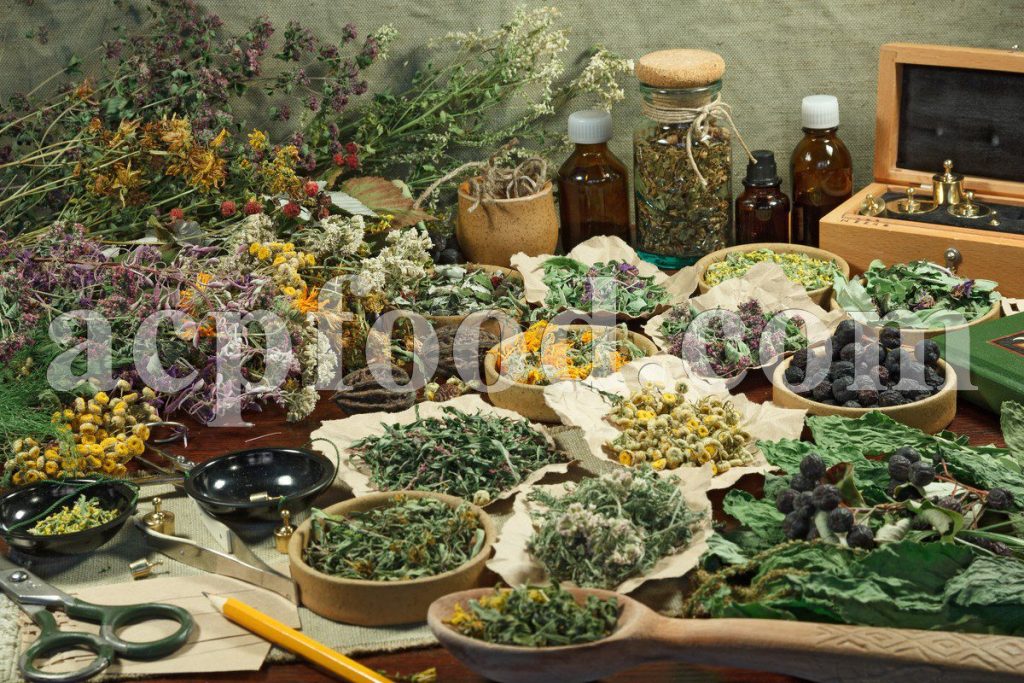
In Traditional Iranian Medicine, gastric ulcer in Traditional Iranian Medicine is often managed through a combination of soothing, anti inflammatory, and mucosa-protective foods, herbs, and natural remedies. The aim of these prescriptions is to reduce stomach irritation, support healing of the gastric lining, and help restore digestive balance.
Honey Therapy
Honey is considered a powerful anti inflammatory and antibacterial food. Consuming 1–2 dessert spoons of honey daily on an empty stomach may help reduce stomach inflammation and ulcer pain. It is often recommended to slowly dissolve honey in the mouth for better absorption and soothing effect.
– Peppermint is known as a green option for treating gastric ulcers. This herb has anti-inflammatory, anti-spasmodic, and antibacterial properties. You can put some mint leaves in a cup of boiling water, and after a few minutes, strain it and drink it.
– Cumin is known as a natural sedative. Daily consumption of 1–2 teaspoons of cumin powder with honey or water may help reduce inflammation and stomach ulcer pain.
– Lemon peel contains flavonoid compounds, keratin, and alpha-hydroxy acids, which are known to relieve pain and inflammation. Daily consumption of 1–2 teaspoons of lemon peel powder with honey or water may help reduce inflammation and stomach ulcer pain.
– Mix and boil 10 grams of Damask Rose buds (Rosa damascena Mill.) and Bambusa bambos, then sweeten the decoction with honey and drink it three times. Repeat this process for 10 days.
– Black seed, Roman chamomile (Chamaemelum nobile), Wild Thyme (Thymus serpyllum L.), ajwain seed (Trachyspermum ammi), fennel seed (Foeniculum vulgare Mill.), cumin seed (Cuminum cyminum L.), yarrow (Achillea millefolium L.), celery seed, and Dysphania botrys 20 grams each, mix them all and divide into 20 equal parts. Brew one part in the morning, one part at noon, and another part at night, then strain and sweeten with honey and drink it.
– Roman chamomile (Chamaemelum nobile), cumin, wormwood (Artemisia absinthium L.), fumitory (Fumaria officinalis L.), valerian root (Valeriana officinalis L.), and Sweet Flag (Acorus calamus) 5 grams each; Wild Thyme (Thymus serpyllum L.), fennel seed (Foeniculum vulgare Mill.), and marjoram (Origanum majorana L.) 10 grams each. Mix 50 grams of licorice powder with it and divide it into 15 parts. Every day boil one part of it, strain and sweeten with honey, and drink it in the morning and evening.
– Dissolve 12 grams of Oak manna (Quercus mannifera Lindl.) in boiling water and drink it every day.
– Brew 5 grams of Yarrow flower (Achillea millefolium L.) every day in the morning on an empty stomach for 40 days and drink it.
– If you don’t have high blood pressure, take one licorice tablet before breakfast and one tablet at 5 pm.
– Dissolve 12 grams of each of Astragalus manna, red sugar, Manna of Hedysarum, and Oak Manna in boiling water and drink two cups 3 times a day.
– Brew 40 grams of Marshmallow root (Althaea officinalis L.) in a liter of boiling water and drink it (this prescription is harmful for pregnant women).
– Eat a tablespoon of honey every morning on an empty stomach and don’t eat anything else for an hour.
– Sweeten raw potato juice with honey and drink it.
– Fumitory (Fumaria officinalis L.), wormwood (Artemisia absinthium L.), yarrow flower, chamomile flower, Lemon Balm (Melissa officinalis L.), Water Lily (Nymphaea alba L.), Milk Vetch fruit kernel (Astragalus hamosus L.), Wild Thyme (Thymus serpyllum L.), fennel seed (Foeniculum vulgare Mill.), Yellow Myrobalan peel (Terminalia chebula Retz.), Chinese rhubarb root (Rheum officinale), senna, Damask Rose buds, and Coriander seed, 6 grams of each, half grind them, and divide it into 10 parts, then boil each part in the morning on an empty stomach, filter and sweeten with honey and drink it.
– Aristolochia dried fruit, Myrrh resin (Commiphora myrrha), Commiphora mukul resin, Yellow Myrobalan peel (Terminalia chebula Retz.), Black Myrobalan (Terminalia chebula Retz.), Amla (Phyllanthus emblica), Chinese rhubarb (Rheum officinale), Senna, Damask Rose buds, Gentiana lutea, Water Lily seed, Turpeth root (Operculina turpethum), anise, carrot seed, and celery seed, grind 3 grams of each, make a thick paste with honey, and eat it every morning, noon, and night as much as 2 chickpeas.
Treatment of Old and Chronic Gastric Ulcer
In Traditional Iranian Medicine, chronic or long-standing gastric ulcer in Traditional Iranian Medicine is often considered more complex, as it is associated with deeper digestive imbalance, long-term irritation of the stomach lining, and disturbance of natural healing processes. Treatment in such cases focuses on strengthening the stomach, reducing inflammation, and supporting gradual tissue repair using carefully selected natural substances.
For old and chronic gastric ulcers, a traditional formulation is prepared by mixing equal amounts of the following ingredients: grinded Armenian Bole, Damask Rose buds, Dragon Blood resin (Dracaena cinnabari), Pomegranate flower (Punica granatum L.), and edible frankincense. A small amount (about one tablespoon) of this mixture is taken orally and consumed slowly with a blend of rose water and water, typically three times a day (morning, noon, and night). This preparation is traditionally believed to help soothe irritation and support gradual healing of the stomach lining
Gastric Ulcer in Hot Temperaments
In individuals with a hot temperament, gastric ulcer in Traditional Iranian Medicine is often associated with excess heat and increased irritation in the stomach. In such cases, treatment aims to cool and balance the digestive system while also supporting mucosal protection and inflammation control.
A traditional herbal mixture is prepared using wormwood (Artemisia absinthium L.), chicory root (Cichorium intybus L.), chicory seeds, fumitory (Fumaria officinalis L.), licorice root, chamomile, anise, yarrow, and Chinese rhubarb, each in equal amounts (approximately 15 grams). The herbs are finely ground and divided into 15 equal portions.
Each day, one portion is boiled in water to prepare a decoction. After straining, it is sweetened with sugar and consumed before breakfast. This preparation is traditionally used to reduce excessive heat in the stomach, support digestion, and help relieve symptoms associated with hot-type gastric ulcers.
Conclusion
Gastric ulcer in Traditional Iranian Medicine is understood as a condition that arises from digestive imbalance, temperament disturbances, and long-term irritation of the stomach lining. From this perspective, effective management requires a comprehensive approach that includes appropriate dietary choices, lifestyle correction, emotional balance, and the use of carefully selected traditional herbal remedies. Attention to eating habits, avoidance of irritating foods, and consistent support of digestive strength are considered essential for both symptom relief and long-term recovery.
While traditional formulations may offer supportive benefits, it is important to remember that gastric ulcers can vary in severity and underlying cause. Therefore, combining medical diagnosis with responsible lifestyle changes provides the most reliable approach to healing and prevention. Overall, a balanced and consistent care plan is key to managing gastric ulcer in Traditional Iranian Medicine and maintaining long-term gastrointestinal health.
References:
-Daeratol Maarif Giah Darmanie Iran (Noskhehaye Shafabakhsh), by Haji Sharifi, Ahmad (Attare Esfahani)
-Traditional Iranian Medicine Doctor’s Prescriptions.