
The liver is considered one of the most vital organs in the body, playing a central role in maintaining overall health and internal balance. In Traditional Iranian Medicine, many health problems are believed to originate from improper functioning or imbalance of the liver. For this reason, adopting a healthy lifestyle and following a diet that supports liver health is essential in preventing liver disorders in Traditional Iranian Medicine and maintaining the proper function of this important organ.
At ACPFOOD, we aim to provide reliable information about natural health and traditional nutrition to support better understanding of liver health and overall well being. In this article, we will explore the role of the liver, identify common liver disorders, and discuss traditional approaches to supporting liver health through food and herbal remedies.
Table of Contents
ToggleLiver Description
The liver is a vital organ often described as a blood producing factory, a blood refinery, and a distributor of blood derivatives within the body. It plays a central role in processing nutrients and maintaining internal balance, making it essential for overall health.
Located in the upper right part of the abdomen, protected by the ribs, the liver is the largest internal organ in the human body. In Traditional Iranian Medicine, it holds a special status as one of the five main organs and is considered fundamental to life and well being.
This important organ is responsible for storing nutrients from food and compensating for bodily deficiencies when needed. In traditional understanding, the liver acts like a commander, coordinating bodily functions and regulating the smooth flow of energy through the digestive system.
Metabolism, weight balance, and overall physical health are closely connected to proper liver function. Without a healthy liver, toxins and improperly digested substances may enter the bloodstream, potentially affecting other organs and weakening the immune system.
A well functioning liver is associated with clear eyes, healthy skin, strong and shiny hair, stable energy levels, mental clarity, and a general sense of vitality and well being.
Liver Function and Blood Processing
The liver produces a wide variety of enzymes, estimated to be more than a thousand types, in order to maintain balance within the body’s systems and support the detoxification process. In Traditional Iranian Medicine, it is believed that inappropriate or heavy foods may generate harmful substances during digestion. The liver plays a crucial role in transforming these potentially dangerous materials into usable compounds, converting them into forms that the body can absorb or safely eliminate. Waste materials are eventually processed into urea and excreted through the kidneys and urinary tract, helping protect the body from internal toxicity. In the context of liver disorders in Traditional Iranian Medicine, maintaining this detoxification function is considered essential for overall health and balance.
The liver is a unique organ because it receives blood from two different sources. The first is the hepatic artery, which delivers oxygen-rich, purified blood from the heart. The second is the portal vein, which carries nutrient-rich blood from the stomach and intestines to the liver after digestion. These two blood supplies enter the liver and branch into smaller vessels, distributing nutrients efficiently to both the left and right lobes of the organ.
In traditional understanding, the mesentery is responsible for converting digested food into a form of blood and transporting it to the liver through the portal vein. Once received, the liver processes this material, refines it, and transforms it into substances that sustain the body. It is often described as “nourishing itself” from this processed material, gradually converting it into a form similar to its own structure and color.
Because of its dense and reddish appearance, the liver is traditionally compared to clotted blood. It draws in processed nutrients from the digestive system through the portal circulation and further refines them through a process described as “cooking” and purification.
After this processing stage, the liver distributes the refined substances into four main components:
Pure and smooth blood (blood humor)
Watery residue from purification (phlegm humor)
Yellow foam-like residue (yellow bile humor)
Sedimentary material (black bile humor)
After the blood and nutrients are processed, cooked, and refined in the liver, the liver is responsible for distributing and separating the resulting blood derivatives to different parts of the body according to Traditional Iranian Medicine:
The smooth and pure portion of the blood (blood humor) is sent throughout the body via the hollow vein (vena cava) to nourish tissues and organs.
The watery component produced during the refinement process (phlegm humor) is directed toward the kidneys through specific vessels originating from the liver.
The yellow foamy substance (yellow bile) is transferred to the gallbladder through a branch of veins extending from the lower part of the liver.
The sedimentary substance (black bile) is sent to the spleen for further regulation and balance within the body.
This distribution process is considered essential in maintaining internal harmony and is closely related to the understanding of liver disorders in Traditional Iranian Medicine, where any imbalance in this system may affect overall health and bodily function.
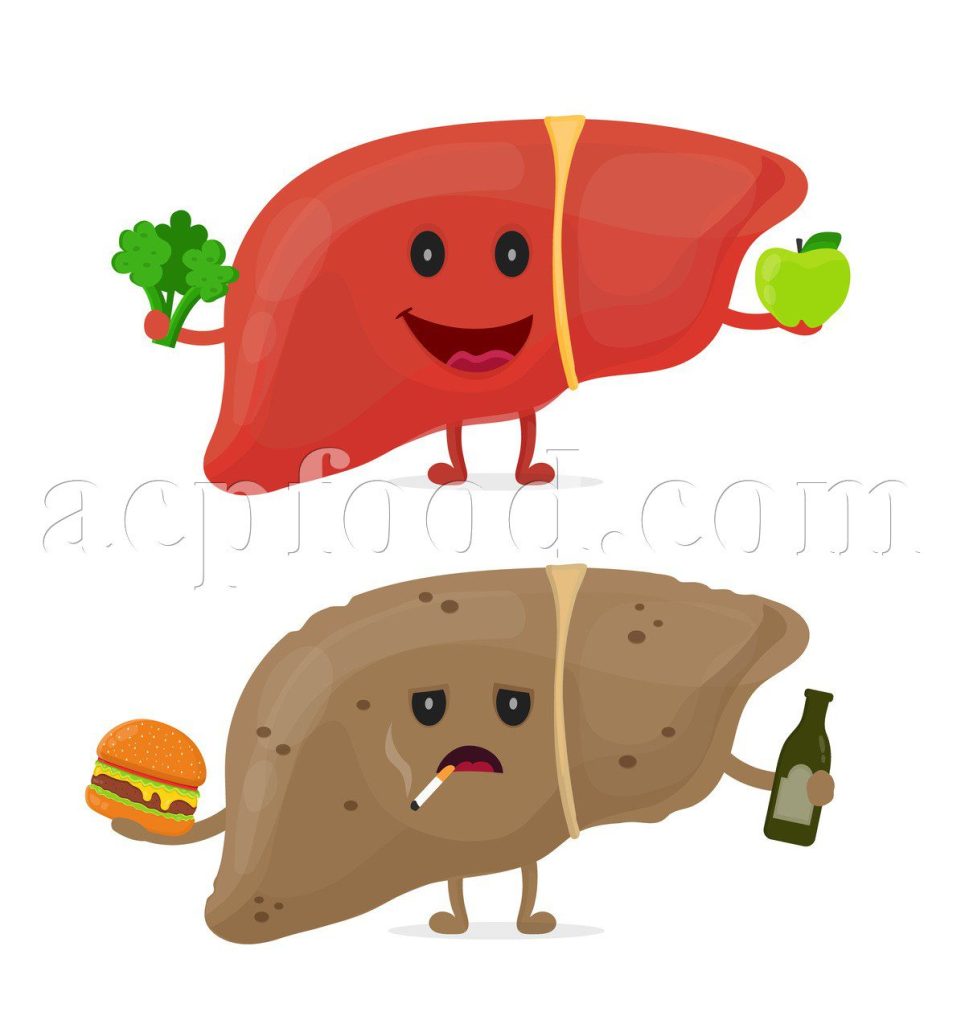
Liver Disorders Symptoms in General
According to Traditional Iranian Medicine, the liver plays a major role in detoxification, metabolism, digestion, and maintaining the body’s internal balance. When the liver becomes weakened or overloaded, its ability to perform these essential functions may gradually decrease, potentially leading to various physical symptoms and health problems.
In younger individuals, intense hormonal activity may place additional pressure on the liver and affect its natural balance and detoxification capacity. In traditional understanding, the liver may struggle to keep up with the body’s demands related to digestion, nutrient absorption, fat metabolism, and the neutralization of harmful substances. At older ages, weakening or insufficiency of liver cells may also contribute to imbalance and reduced liver function.
In discussions of liver disorders in Traditional Iranian Medicine, improper liver function is believed to contribute to a variety of general symptoms and discomforts. These symptoms may include:
Persistent tiredness and low energy
Difficulty waking up in the morning
Bitter taste in the mouth, especially after waking
Pimples and other skin problems
Recurrent feelings of toxicity or body heaviness
Puffiness around the eyes
Weight gain and obesity, especially during adolescence
Pain or discomfort under the right rib area where the liver is located
Itchy skin or scalp
Skin itching after bathing
Dry mouth
Occasional runny nose
Bad breath
Poor eyesight or vision problems
Increased uric acid levels
Traditional Persian Medicine considers these signs important indicators of imbalance in liver function and emphasizes proper nutrition, lifestyle management, and natural remedies to support liver health and restore balance.
Additional symptoms associated with liver imbalance in Traditional Iranian Medicine may affect different parts of the body and appear gradually over time. These symptoms are traditionally considered signs that the liver is unable to properly process nutrients, regulate humors, or eliminate waste materials effectively.
Common symptoms may include:
Incomplete bowel evacuation
Dizziness and lightheadedness
Moving or shifting body pains
Anemia and weakness
Darkening of the skin tone
Sunken eyes or dark circles under the eyes
Visual disturbances, such as seeing floating spots before the eyes
Frequent nausea and vomiting
Blood sugar imbalance
Excessive sweating or unpleasant body odor
Skin inflammation, redness, or flushing
White spots, dark spots, bruises, freckles, moles, or warts on the skin
Heat and inflammation inside the mouth
Yellowing of the sclera (the white part of the eyes)
Yellow discoloration of the skin
Other symptoms related to liver disorders in Traditional Iranian Medicine may include:
Intermittent fever
Coated or furred tongue
Constipation
Oily skin, scalp, or hair
Pain, burning, or bleeding in the anal area
Sleepiness after eating
Sadness, mood imbalance, or depression
Abdominal enlargement or bloating
Elevated blood fat levels
Stomach pain after consuming fatty foods
Flatulence and heaviness after meals
Acne and persistent skin eruptions
Chronic headaches, migraines, or pain in the back of the head
Loss of appetite
Stomach bleeding in severe cases
Morning nausea or vomiting of bitter yellow substances associated with yellow bile
Swelling in the legs or varicose veins
Excessive thirst
Gallstone formation
In Traditional Persian Medicine, the presence of multiple symptoms together may indicate imbalance or weakness in liver function, emphasizing the importance of dietary balance, proper digestion, and lifestyle management to support liver health naturally.
Liver Observation in General
According to Traditional Iranian Medicine, protecting and strengthening the liver is essential for maintaining overall health and preventing many chronic health problems. The liver is highly sensitive to lifestyle habits, diet, environmental toxins, and excessive exposure to chemical substances.
In traditional perspectives, frequent use of chemical medications and processed substances may place additional pressure on the liver. Medicines ranging from common pain relievers to stronger pharmaceutical drugs are believed to increase the liver’s workload because the organ is responsible for processing and detoxifying these compounds. For this reason, traditional practitioners often recommend supporting the liver through a balanced diet and the use of liver-strengthening foods and herbs, especially during periods of medication use.
Liver diseases can appear in many different forms and may develop from a variety of causes, including improper diet, excessive consumption of processed foods, environmental toxins, and unhealthy lifestyle habits. In discussions of liver disorders in Traditional Iranian Medicine, artificial additives, chemical food colorings, highly processed foods, and unnatural substances are generally considered harmful to the body and potentially disruptive to liver function and internal balance.
Traditional Persian Medicine emphasizes moderation, natural nutrition, and proper digestive health as important principles for protecting the liver and supporting the body’s natural detoxification processes.
One of the remarkable characteristics of the liver is its strong ability to repair and regenerate itself. In many cases, the liver can gradually recover and restore its normal function when supported through proper nutrition and healthy lifestyle habits, although severe or advanced conditions may require more intensive medical attention.
According to Traditional Iranian Medicine, individuals experiencing liver disorders are advised to avoid foods and substances that may place additional stress on the liver or contribute to imbalance within the body. These may include excessive fats, heavily processed foods, artificial colorings, very spicy sauces, fried foods, sweets, cookies, chips, fried potatoes, and foods traditionally believed to increase black bile, such as excessive consumption of fried eggplant. Traditional sources also recommend limiting unhealthy preserved meats and avoiding narcotic substances that may negatively affect liver health.
At the same time, greater emphasis is placed on consuming fresh and natural foods that are traditionally considered supportive for liver function. Foods such as lettuce, cabbage salad, tomatoes, celery, apples, turmeric, and grapes are commonly recommended in Traditional Persian Medicine as part of a liver-supportive diet.
As a traditional remedy, drinking a glass of sweet lemon juice in the morning, at noon, and at night has also been recommended to help support the liver and promote internal balance naturally.
Liver Mal Temperament Symptoms and Treatments
According to Traditional Iranian Medicine, the liver may become weakened or imbalanced due to different types of mal-temperament. Each liver mal-temperament has its own specific symptoms, causes, and traditional treatment approach. Correct identification of the liver’s condition is considered an important step before beginning any treatment or dietary adjustment.
In discussions of liver disorders in Traditional Iranian Medicine, traditional practitioners emphasize that diagnosis should be based on the patient’s overall temperament, physical signs, lifestyle, digestion, and accompanying symptoms. After identifying the specific type of imbalance, appropriate foods, herbs, and lifestyle recommendations may be used to help restore balance and support healthy liver function.
Below are the common symptoms and traditional treatments associated with different types of liver mal-temperaments.
Hot Liver Mal Temperament Symptoms
In Traditional Iranian Medicine, a hot liver mal-temperament occurs when excessive heat accumulates in the liver and disturbs its natural balance. This condition is considered one of the common forms of liver disorders in Traditional Iranian Medicine and may produce various physical symptoms related to increased body heat and inflammation.
Common symptoms of hot liver mal-temperament may include:
Severe thirst that is not relieved even after drinking large amounts of water
Loss of appetite
Excessive body heat and inflammation
Dark yellow or reddish urine
Rapid or strong pulse rate
Persistent or recurring fever
Intense heat in the blood and body tissues
Sensitivity to hot weather or warm environments
Constipation
Excessive warmth when touching the liver area
Painful or difficult urination (dysuria)
Extreme tiredness and physical weakness
According to Traditional Persian Medicine, these symptoms may indicate excessive heat within the liver and should be addressed through appropriate dietary changes, cooling foods, lifestyle balance, and traditional herbal support under professional guidance.
Hot Liver Mal Temperament Treatment
According to Traditional Iranian Medicine, treatment of hot liver mal-temperament should be gradual, allowing the liver to cool and regain balance slowly rather than suddenly. Excessive or rapid cooling is traditionally believed to weaken the liver further, therefore moderation in food, herbal remedies, and treatments is strongly recommended.
Several cooling herbs and foods are traditionally used to support this condition and reduce excessive liver heat associated with liver disorders in Traditional Iranian Medicine.
Traditional recommendations may include:
Eating boiled chicory leaves (Cichorium intybus) alone or together with coriander leaves (Coriandrum sativum) or vinegar
Consuming barberry and tamarind, which are traditionally regarded as highly beneficial for reducing liver heat
Applying a poultice made from beaten purslane mixed with Damask rose oil (Rosa damascena) externally over the liver area
Drinking non alcoholic beer in moderation according to traditional recommendations
Consuming cold temperament vegetables cooked in water or prepared in soups
Eating lettuce salad and sour yogurt
Consuming oysters in moderate amounts
Including cooling fruits and foods such as quince, pear, apple, sweet pomegranate, sour grapes, blackberry, rhubarb, vinegar, olive oil mixed with water, watermelon that is not overly sweet, Persian melon, mung bean pottage, courgette pottage, and lentil pottage
Eating pomegranate before and after meals as traditionally recommended
Choosing lighter protein sources such as small fish and veal fillet
Traditional sources also advise avoiding excessive consumption even of beneficial foods, as moderation is considered essential for restoring balance.
Patients with hot liver mal-temperament are traditionally advised to avoid:
Hard boiled eggs
Fried foods
Hot and spicy seasonings
Alcoholic drinks, especially strong wine
Hot baths or very hot showers
Excessive physical activity and intense exercise
Traditional Persian Medicine emphasizes that balancing liver heat requires a combination of proper nutrition, moderate lifestyle habits, adequate rest, and careful use of cooling herbs and foods.
Cold Liver Mal Temperament Symptoms
In Traditional Iranian Medicine, cold liver mal-temperament occurs when excessive coldness dominates the liver, leading to reduced metabolic activity, weaker digestion, and impaired circulation. This condition is also considered one of the forms of liver disorders in Traditional Iranian Medicine, affecting both physical energy and overall vitality.
Common symptoms of cold liver mal-temperament may include:
Discoloration of the lips
Discoloration or pale appearance of the tongue
Anemia, weakness, and sluggish blood circulation
Excessive accumulation of phlegm in the body
Lack of thirst
Dull skin tone, with a greenish-yellow or pistachio-like appearance
White, thick, and phlegmatic urine
Weak and irregular pulse
Severe hunger due to weak digestion, although in more severe stages appetite may decrease significantly or disappear
Stool with weak or minimal odor
Cold liver condition potentially triggered by drinking cold substances on an empty stomach, or after bathing or sexual activity
Puffy or swollen face
Persistent diarrhea
General feeling of coldness in the body
Traditional Persian Medicine associates these symptoms with reduced warmth and metabolic strength in the liver, and emphasizes restoring balance through warming foods, proper digestion support, and lifestyle regulation.
Cold Liver Mal Temperament Treatment
In Traditional Iranian Medicine, treatment of cold liver mal-temperament focuses on gradually restoring warmth, improving digestion, and strengthening liver function. This condition is considered a type of liver disorders, where the primary goal is to reduce excessive coldness and support metabolic balance through warming foods, herbs, and lifestyle adjustments.
Traditional recommendations may include:
Drinking a decoction of common wormwood (Artemisia absinthium) together with Sekanjebin made from honey
Consuming ginger jam combined with celery juice at night
Eating cooked cabbage seasoned with cinnamon, black pepper, terebinth (Pistacia terebinthus), and Persian Black Cumin seeds (Bunium persicum)
Including soups prepared with fenugreek
Eating fruits with a hot temperament to help restore internal warmth
Consuming chicory leaves alongside meals in moderate amounts
Eating foods such as chestnuts, large currants, and pistachios
Dietary recommendations also include moderation and proper food selection:
Patients should avoid excessive intake of fats, milk and dairy products, and moist-producing fruits
Avoid heavy meats such as beef
Meat may be consumed if cooked with warming spices such as cinnamon, cumin, dill, and chickpeas
Additional traditional recommendations:
External massage with warming oils such as sesame oil and black seed oil
Regular physical exercise to improve circulation and strengthen metabolism
Traditional Persian Medicine emphasizes that restoring liver warmth should be done gradually and consistently through balanced nutrition, lifestyle correction, and appropriate herbal support.
Dry Liver Mal Temperament Symptoms
In Traditional Iranian Medicine, dry liver mal-temperament occurs when excessive dryness affects the liver’s natural function, leading to reduced nourishment, weakened tissue quality, and impaired body balance. This condition is also considered a form of liver disorders in Traditional Iranian Medicine, where dryness disrupts normal metabolic and digestive processes.
Common symptoms of dry liver mal-temperament may include:
Dry mouth and dry tongue
Increased thirst
Dark or bluish urine
Hard or tense pulse
In some cases, the tongue may become dark or blackish
Emaciation and weight loss
Anemia and weakness
Reduced stool volume compared to food intake
Constipation
Dark, dull, or lifeless skin appearance
Emotional changes such as fear, sadness, and negative thoughts
Traditional Persian Medicine associates these symptoms with a lack of natural moisture and nourishment in the liver, which may affect both physical and emotional well being. Balancing this condition typically focuses on restoring moisture, improving nutrition, and supporting liver function through appropriate dietary and lifestyle adjustments.
Dry Liver Mal Temperament Treatment
In Traditional Iranian Medicine, the treatment of dry liver mal-temperament focuses on restoring moisture to the body, improving nourishment, and supporting liver function through hydrating foods, herbs, and gentle lifestyle practices. This condition is also recognized within liver disorders in Traditional Iranian Medicine, where excessive dryness is believed to weaken the liver’s natural balance and overall vitality.
Treatment should be carried out gradually, as excessive use of moistening remedies may also disturb the body’s balance.
Traditional recommendations may include:
Consuming herbal and seed mixtures that provide moisture and support digestion. A traditional blend includes equal amounts of purslane seed (Portulaca oleracea), plantain seed (Plantago major), basil seed (Ocimum basilicum), and alyssum seed (Alyssum alyssoides).
One tablespoon of the mixture is washed and soaked, then combined with one-third cup of rose water and one-third cup of pussy willow hydrosol, with a small amount of sugar.
This mixture is traditionally consumed in the morning on an empty stomach, with no food intake for about one hour afterward.
Soaking dried fruits overnight and consuming them in the morning, such as:
5 dried figs
10 dried prunes or 5 dried apricots
5 dried peaches
Following a diet rich in mild laxative and moistening foods, including pumpkin, courgette, and similar vegetables
Additional traditional dietary and herbal recommendations:
Sweet almond oil and olive oil
Peeled barley
Spinach
Yogurt
Lettuce leaves
Non alcoholic beer
Traditional Persian Medicine emphasizes that treatment of dry liver mal-temperament should be balanced and consistent, focusing on gradual restoration of moisture while supporting digestion and overall liver health.
Moist Liver Mal Temperament Symptoms
In Traditional Iranian Medicine, moist liver mal-temperament occurs when excessive moisture accumulates in the liver, weakening its natural function and disturbing the body’s balance. This condition is also considered one of the patterns within liver disorders in Traditional Iranian Medicine, where increased humidity affects digestion, energy levels, and overall metabolic activity.
Common symptoms of moist liver mal-temperament may include:
Inflamed or puffy face and eyes
Muscle weakness and reduced physical strength
Absence of thirst
Moist or excessively wet tongue
Pale facial complexion
In more severe cases, especially when combined with coldness, the skin tone may turn greenish
Puffiness of the face and eyelids
Excessive sleepiness and lethargy
Poor digestion (dyspepsia)
White-colored urine
Excessive salivation
Feeling better or more comfortable after eating dry foods
Traditional Persian Medicine associates these symptoms with an imbalance of moisture in the liver, which may slow down digestion and reduce overall vitality. Treatment is typically focused on restoring balance through dietary regulation, lifestyle correction, and appropriate herbal support.
Moist Liver Mal Temperament Treatment
In Traditional Iranian Medicine, the treatment of moist liver mal-temperament focuses on reducing excess moisture in the body while strengthening liver function and restoring balance. This condition is also considered within liver disorders in Traditional Iranian Medicine, where increased humidity is believed to weaken digestion, lower energy levels, and slow overall metabolism.
Management of this condition is based on gradual correction rather than excessive drying, as overcorrection may lead to dryness and other imbalances.
Traditional recommendations may include:
Engaging in regular physical exercise to improve circulation and support metabolism
Reducing overall food intake to avoid further accumulation of moisture
Consuming foods and herbal remedies with a hot and dry temperament to help counter excess moisture
Drinking less water, especially during meals, to avoid weakening digestion
Avoiding milk and dairy products, which are traditionally considered to increase moisture in the body
Including warming spices with meals to support digestion and reduce dampness
Traditional Persian Medicine also emphasizes moderation, as excessive dryness may lead to weakness, emotional imbalance, or depletion of body fluids. Therefore, treatment should aim for a balanced approach that gradually restores harmony in liver function and overall temperament.
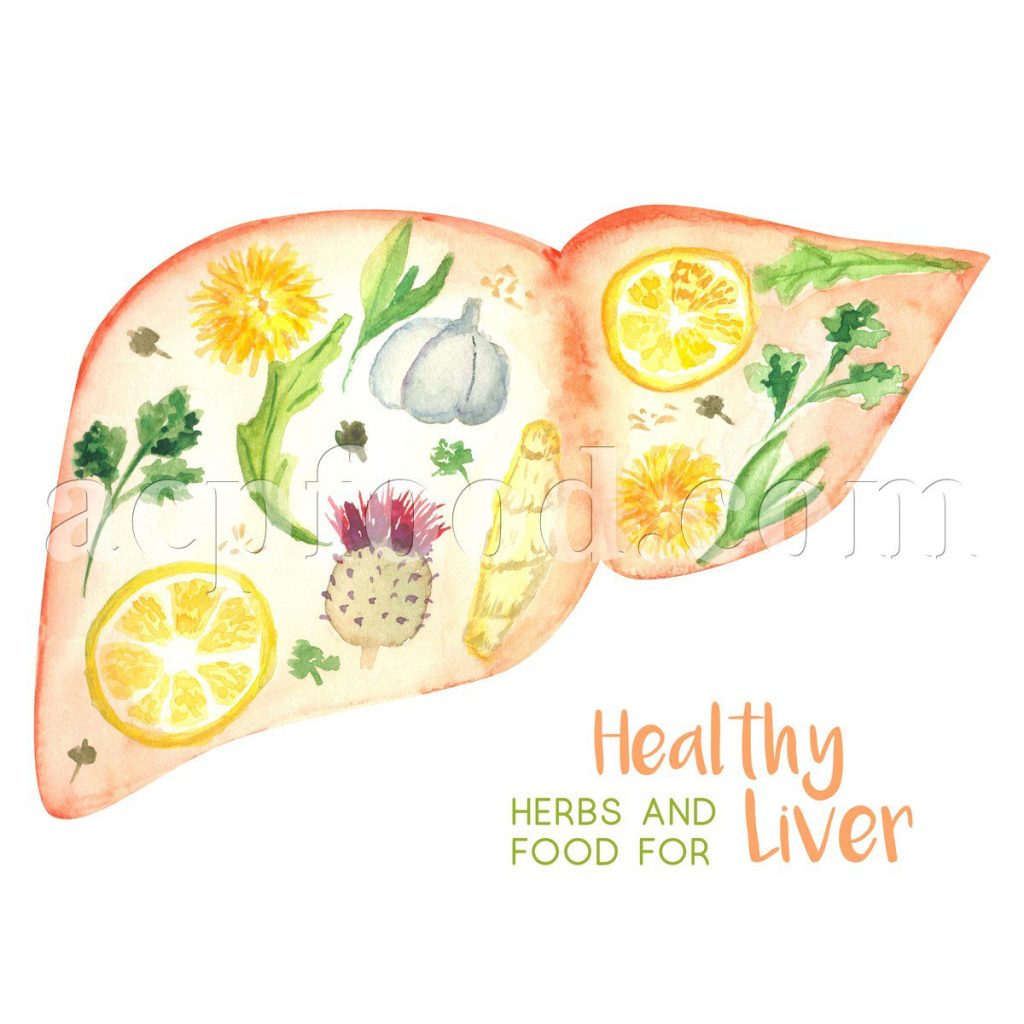
Treatment of the Liver in General
According to Traditional Iranian Medicine, treatment of liver disorders should be based on correcting the specific mal-temperament affecting the liver. In other words, the treatment approach is generally chosen according to the dominant humor or imbalance present in the body. For example, when excessive heat affects the liver, cooling foods and herbs are traditionally recommended, while warming remedies are used for cold liver conditions.
In the management of liver disorders in Traditional Iranian Medicine, timing of herbal remedies and foods is also considered important. Traditional practitioners believe that liver medicine is most effective when food has already been digested in the stomach and has reached the liver for further processing. For this reason, remedies are often recommended early in the morning after waking up or after bathing.
Traditional sources also emphasize moderation in treatment. Excessive cooling of the liver through foods or herbs is discouraged, as it may weaken liver function further and increase the possibility of excessive thirst and imbalance within the body.
Traditional Persian Medicine considers the liver to be deeply connected with the entire body. Therefore, improper treatment of liver conditions may not only affect the liver itself, but may also influence blood vessels, digestion, circulation, and overall health.
Additional traditional recommendations include:
Patients with cold liver mal-temperament are often advised to take herbal remedies together with water and honey syrup to support warmth and digestion.
Patients with hot liver disorders are traditionally recommended to consume their remedies with Sekanjebin, a traditional vinegar-based drink used to help balance excessive heat.
Incompatible and Harmful Things for the Liver
According to Traditional Iranian Medicine, certain dietary habits and lifestyle practices may weaken liver function and contribute to imbalance within the body. Avoiding these habits is considered important in preventing liver disorders in Traditional Iranian Medicine and maintaining healthy digestion and metabolism.
Traditional sources identify several practices that may negatively affect the liver:
Eating meals too frequently or before true hunger develops may weaken digestion and place unnecessary stress on the liver.
Consuming heavy and difficult-to-digest foods, such as meat, before lighter foods like fruits and vegetables is traditionally regarded as especially harmful for the liver and digestive system.
Traditional Persian Medicine also advises caution regarding drinking very cold water during certain physical conditions. Drinking cold water on an empty stomach or immediately after bathing, exercise, or sexual activity is believed to disturb the liver’s balance because the liver is considered more sensitive and heated during these times. According to traditional understanding, sudden exposure to cold may weaken liver function and increase susceptibility to imbalance and excessive thirst.
If water is consumed during these conditions, traditional recommendations emphasize moderation, avoiding extremely cold temperatures, and drinking slowly in small amounts.
Other traditional observations include:
Excessive consumption of slimy or overly heavy foods may contribute to blockages and sluggishness in the liver according to traditional theory. Foods such as thick wheat porridge are traditionally mentioned in this category.
Sweet wine was historically believed to benefit the chest in some traditional sources, although it was not considered beneficial for the liver.
Traditional Iranian Medicine emphasizes balanced eating habits, proper digestion, moderation, and natural nutrition as important principles for protecting liver health and supporting the body’s overall well being.

Compatible Things for the Liver
According to Traditional Iranian Medicine, certain foods, herbs, and natural substances are considered beneficial for strengthening the liver, improving digestion, and supporting the body’s natural balance. Choosing appropriate foods is regarded as an important part of preventing and managing liver disorders in Traditional Iranian Medicine.
Traditional recommendations for supporting liver health include:
Bitter herbs that are traditionally believed to help open blockages and support liver function, such as chicory root
Aromatic liver-supportive herbs and spices with pleasant natural scents, including cinnamon and myrrh (Commiphora myrrha)
Natural sweet foods such as honey, dates, and figs, which are traditionally considered nourishing and strengthening for the liver
However, traditional sources also note that patients suffering from inflammatory liver conditions such as hepatitis may need to avoid excessive consumption of sweet foods.
Additional traditional recommendations include:
Pistachios, which are considered beneficial for strengthening the liver, although they are traditionally regarded as very hot in temperament and may not be suitable for individuals with hot liver conditions
Hazelnuts, which are viewed as highly compatible with the liver in many conditions because they are believed to support digestion, improve nutrient quality, and provide balanced nourishment without generating excessive heat
Traditional Persian Medicine emphasizes moderation and balance in the use of foods and herbs, aiming to strengthen liver function while maintaining harmony within the body.
How to Strengthen the Liver
According to Traditional Iranian Medicine, strengthening the liver requires a balanced diet, proper digestion, and the use of foods and herbs that support the liver’s natural detoxification and metabolic functions. Supporting liver health is considered an important step in preventing liver disorders in Traditional Iranian Medicine and maintaining overall well being.
Traditional recommendations suggest avoiding foods that may burden or weaken the liver, including excessive fats and, in some traditional views, large amounts of spinach.
Instead, emphasis is placed on consuming natural foods and herbal remedies traditionally believed to strengthen and support liver function.
Foods and herbs commonly recommended for liver support include:
Zucchini and cucumber
Purslane
Pomegranate juice
Chicory tea or chicory hydrosol
Psyllium (Plantago ovata)
Lemonade and Sekanjebin
Olive oil
Apple juice
Figs
Sweet and fresh quince
Dill
Lemon balm (Melissa officinalis) decoction
Valerian root (Valeriana officinalis) decoction
Non alcoholic beer
Sour grapes
Traditional Persian Medicine emphasizes that strengthening the liver should be approached gradually through proper nutrition, balanced lifestyle habits, adequate rest, and moderate use of supportive herbs and natural foods.
In conclusion, the liver plays a fundamental role in maintaining the body’s balance, digestion, metabolism, and overall vitality according to Traditional Iranian Medicine. Understanding the causes, symptoms, and different types of liver disorders in Traditional Iranian Medicine can help individuals make more informed decisions about their diet, lifestyle, and daily habits. Traditional Persian Medicine emphasizes that proper nutrition, moderation, balanced temperament, and the use of natural herbs and foods may support healthy liver function and improve overall well being. By paying attention to liver health and avoiding harmful habits, it is possible to support the body’s natural balance and maintain long term vitality.
References:
1- The Canon of Medicine- by Avicenna- 1025
2- Daeratol Maarif Giah Darmanie Iran (Noskhehaye Shafabakhsh), by Haji Sharifi, Ahmad (Attare Esfahani)