

Constipation in Traditional Iranian Medicine is considered an important digestive disorder that is closely related to the imbalance of body temperament and improper diet or lifestyle habits. In Traditional Iranian Medicine, healthy bowel function is essential for maintaining overall health, proper detoxification, and internal balance. When this process is disrupted, it may lead to discomfort and various health issues. At ACPFOOD, we focus on providing reliable information about natural nutrition and traditional approaches to health in order to help better understand digestive problems such as constipation in Traditional Iranian Medicine and support healthier lifestyle choices.
Table of Contents
ToggleDefinition of Constipation
Constipation refers to the slow passage of waste and undigested food residues (remaining material from consumed food) through the colon. In a normal physiological state, approximately 80% of the colon contents consist of food residues. When these residues remain in the colon for more than 24 to 36 hours due to excessive water loss or slowed movement, constipation may occur.
Constipation can develop due to various factors, including drug dependency, psychological stress, emotional disturbances, intestinal or colon dysfunction, and other underlying health conditions. It is one of the most common digestive disorders in modern industrialized societies. Studies and observations suggest that a large percentage of the population in Western countries experience some degree of constipation, with higher prevalence reported among women than men.
In Traditional Iranian Medicine (TIM), constipation is often referred to as the “mother of diseases,” as it is believed to contribute to or trigger many other health problems. For this reason, timely attention and proper management of constipation is considered essential for maintaining overall health and preventing further complications.
In other words, regular intestinal activity and the timely elimination of food residues are essential for maintaining digestive health. The human colon is not merely a passive storage organ, but a living part of the body that continuously absorbs fluids and certain substances from the stool.
When waste remains in the colon or rectum for too long, especially when it becomes stagnant and foul-smelling, it may increase the risk of various health problems. In Traditional Iranian Medicine, prolonged constipation in Traditional Iranian Medicine is believed to contribute to a higher likelihood of chronic diseases, including metabolic disorders and other systemic imbalances.
Retention and hardening of fecal matter may also lead to prolonged contact between toxic components of the stool and the intestinal walls. Over time, this condition is traditionally considered a contributing factor to a wide range of health disturbances, some of which will be discussed in the following sections.

Causes of Constipation
Constipation can develop due to a variety of lifestyle, dietary, psychological, and medical factors. In many cases, it results from a combination of habits and underlying conditions that slow down normal bowel movement and affect proper elimination of waste.
Common causes include:
Delaying or postponing the urge to defecate
Use of certain medications, including antidepressants, narcotics, pain relievers such as codeine, antacids containing aluminum hydroxide or calcium carbonate, and some blood pressure medications
- Overuse or abuse of laxatives, which may lead to reduced natural bowel activity over time
- Dehydration and insufficient fluid intake
- Emotional stress and psychological factors
- Lack of physical movement or sedentary lifestyle
- Improper dietary habits
- Sudden changes in exercise or daily routine
- Low fiber intake in the diet
Diet plays a particularly important role. Fiber helps absorb water and increases stool volume, making bowel movements easier. A diet rich in refined grains, high amounts of fat and protein, and processed foods can dry out stool, reduce its volume, and make elimination more difficult.
Certain medical conditions, such as irritable bowel syndrome (IBS) and hypothyroidism, may also contribute to constipation.
In some traditional explanations, constipation in Traditional Iranian Medicine is also associated with heaviness of food, reduced liver secretion, or weakness of the digestive system. In such cases, individuals may experience symptoms such as lethargy, drowsiness, frequent yawning, bad taste in the mouth, heaviness in the eyes, and loss of appetite.
What Diseases Can Constipation Be a Sign Of?
Constipation may not only be a standalone digestive issue, but in some cases it can also be a symptom or associated sign of underlying health conditions. Identifying persistent constipation is important, as it may reflect deeper imbalances within the digestive system or other organs.
Conditions that may be associated with constipation include:
- Splenomegaly (enlargement of the spleen)
- Anal fissures and hemorrhoids
- Intestinal colitis
- Irritable bowel syndrome (IBS)
- Certain stomach and colon disorders, including in some cases colon cancer
- Liver imbalances, particularly hot or dry liver conditions in Traditional Iranian Medicine
In the context of constipation in Traditional Iranian Medicine, prolonged bowel irregularity is often viewed as an indicator of systemic imbalance. Therefore, persistent constipation is considered an important sign that may require further evaluation of digestive health, diet, and overall body temperament.

Treatments of Constipation in Traditional Iranian Medicine
In Traditional Iranian Medicine, treatment of constipation focuses on improving digestion, increasing bowel movement, softening stool naturally, and restoring balance within the digestive system. Proper nutrition, adequate hydration, and healthy lifestyle habits are considered essential in managing constipation in Traditional Iranian Medicine.
Below are some traditional recommendations involving herbs, vegetables, fruits, and natural foods that may help relieve constipation naturally:
- Avoid excessive use of strong stimulant laxatives, such as harsh plant bark preparations, bisacodyl, castor oil, and similar substances that may irritate the intestines and weaken natural bowel function over time.
- Consume wheat bran regularly, as it is traditionally considered one of the most effective, affordable, and accessible natural remedies for constipation.

- Engage in regular physical activity and exercise. Walking for at least 30 minutes daily may help stimulate healthy bowel movement.
- Do not delay going to the toilet when feeling the urge to defecate. Prolonged retention of stool in the intestines causes excessive water absorption, making the stool harder and more difficult to pass.
- Increase intake of fiber-rich foods such as fresh vegetables, fruits, potatoes, bran, grains, walnuts, and other natural foods containing beneficial fiber.
- Reduce consumption of excessive fats and heavy processed foods that may weaken digestion.
- Drink adequate amounts of fluids throughout the day. Traditional and modern recommendations commonly emphasize drinking approximately 8 to 10 glasses of water daily to help soften stool and support intestinal function.
Natural Foods and Traditional Remedies for Constipation
Plums are traditionally considered one of the most beneficial natural remedies for constipation. Soaking plums in water overnight and eating them in the morning before breakfast is commonly recommended in Traditional Iranian Medicine to help improve bowel movement naturally.
Many foods with natural fiber and mild laxative properties are also traditionally recommended for relieving constipation in Traditional Iranian Medicine, including:
Grapes
Grapes combined with oranges, strawberries, or cherries
Dried figs, soaked figs, fig jam, and fig compote
Apples with peel
Carrot juice on an empty stomach
Persian melon
Soaked dried apricots
Prunes
Corn
Pears
Oranges combined with plums, apricots, melons, or pears
Lettuce
Blackberries consumed on an empty stomach
Celery
Cabbage and red cabbage
Tomatoes
Leeks
Dill
Flixweed (Descurainia sophia) seeds prepared with boiling water
Spinach
Tarragon
Tamarind infusion
Quince seed glaze
Honey
Olive oil
Traditional Persian Medicine also recommends avoiding foods that may worsen constipation or slow digestion. These may include:
Beans in excessive amounts
White rice
Biscuits and refined baked goods
Mustard
White bread
Alcohol
Excessive spices
Fried potatoes and chips
Pasta
Pastries and sweets
Chocolate
Roasted chestnuts
Excessive dates
Eggs
Aged or leftover cheese
Canned foods
Processed fast foods such as sandwiches and pizza
Boiled milk
Improper chewing of food is also traditionally believed to contribute to constipation by weakening digestion.
Gentle abdominal massage with olive oil may help stimulate bowel movement. Traditional practice recommends massaging the abdomen softly in circular motions to support intestinal activity.
Traditional Iranian Medicine also emphasizes identifying the underlying temperament causing constipation. In some individuals, constipation may result from excessive dryness and heat, while in others it may be related to coldness and moisture.
For example:
Constipation that worsens after consuming hot and dry foods such as thyme may indicate a hot and dry mal-temperament.
Constipation that develops after consuming cold and moist foods such as cucumber may suggest a cold and moist mal-temperament.
Recognizing these patterns is considered important for selecting the most appropriate dietary and herbal remedies according to individual temperament.
Traditional Iranian Medicine Prescriptions to Treat Constipation
Traditional Iranian Medicine offers a variety of herbal remedies and natural prescriptions to help improve bowel movement, soften stool, and strengthen digestive function. These traditional remedies for constipation in Traditional Iranian Medicine are generally based on balancing body temperament, increasing moisture in the intestines, and supporting healthy digestion.
Some commonly recommended traditional prescriptions include:
- Brew 3 grams of Persian borage (Echium amoenum) flowers every morning and evening, sweeten with honey, and drink.
- Soak one dessert spoon of purgative manna and one dessert spoon of manna of hedysarum in a cup of boiling water. After straining, mix with one teaspoon of sweet almond oil and drink before bedtime.
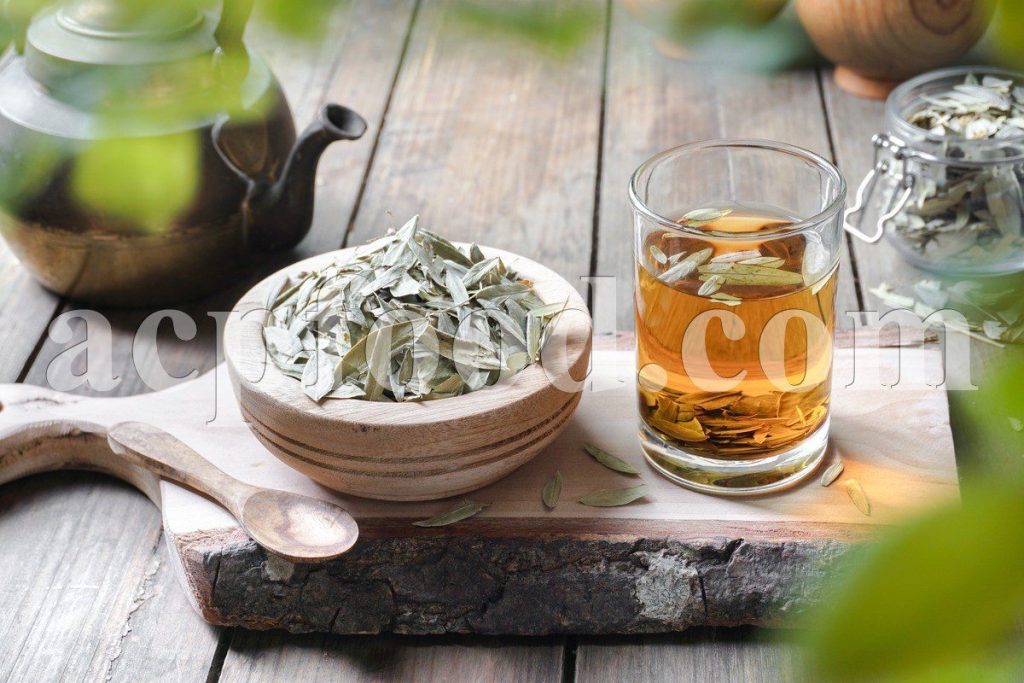
- Boil 20 grams of licorice extract powder (Glycyrrhiza glabra), 15 grams of sweet violet (Viola odorata), 100 grams of currants, and 200 grams of dried figs in three cups of water for 30 minutes. Drink one cup of the decoction every night before sleep.
- Boil one kilogram of grated carrots in one liter of water for 30 minutes, strain, and drink the liquid.
- Eat plenty of grapes in the morning on an empty stomach.
- Prepare a traditional herbal mixture using Damask rose buds (Rosa damascena), Persian borage, marshmallow (Althaea officinalis), violet flowers, currants, tamarind, dried figs, goleghand, manna of hedysarum, and purgative manna. After boiling and thickening the mixture, consume three tablespoons daily.
- Mix licorice powder (Glycyrrhiza glabra), sweet violet (Viola odorata), fenugreek seeds (Trigonella foenum-graecum), and Blue mallow (Malva sylvestris). Boil one tablespoon of the mixture in water for 30 minutes, strain, sweeten with honey, and drink every night.
- Boil 30 grams of tarragon in one liter of water for 30 minutes and drink the decoction.
- Brew 10 grams of spinach seeds in one cup of water for 20 minutes and drink.
- Chop 50 grams of licorice root and boil in one liter of water for five minutes. Let it infuse for 12 minutes and drink one cup at night and another in the morning on an empty stomach.
- Boil 60 grams of lettuce in one liter of water for 20 minutes, strain, and drink the liquid.
- Infuse 20 grams of fresh pot marigold (Calendula officinalis) leaves or flowers in one liter of water for 20 minutes. Strain, sweeten with honey, and drink one cup after meals.
- Boil the peel of one orange or bitter orange for 20 minutes and discard the first water. Then boil the peels again with sugar and fresh water, allow it to cool, and drink before breakfast.
- Cook 50 grams of beetroot in one liter of water and drink the water.
- Boil 15 grams of fennel seeds in one liter of water for 20 minutes and drink one cup with meals.
- Prepare a fresh salad of lettuce, celery, carrots, and cauliflower mixed with raw tomato juice and consume with meals.
- Boil three dried figs and twelve raisins in a glass of milk and eat in the morning.
- Mix one glass of watermelon juice with 50 grams of purgative manna and drink.
- Prepare a pottage using spinach, beet leaves, lentils, and rice, then add sour grape juice before consumption.
- Boil 10 grams of corn tassel in water, strain, sweeten with honey, and drink.
- Brew chicory leaves and roots in one glass of water and drink in the morning on an empty stomach.
Treatment of Chronic and Severe Constipation
In cases of chronic or severe constipation, Traditional Iranian Medicine recommends a combination of dietary correction, natural laxative foods, herbal remedies, and lifestyle adjustments to restore proper bowel function and improve digestion.

Individuals suffering from severe constipation are traditionally advised to avoid foods that may worsen dryness or slow digestion, including:
- Excessive starchy foods
- Heavy oils and greasy meals
- Strong spices
- Large amounts of meat
- Carbonated beverages
- Alcoholic drinks
- Pastries and refined sweets
- Mustard
Instead, greater emphasis is placed on consuming foods traditionally believed to relieve constipation in Traditional Iranian Medicine, such as:
- Corn and spinach
- Daily consumption of dates
- Soaked dried figs along with their soaking water every morning on an empty stomach
- One tablespoon of olive oil before meals
- Orange juice after meals
- Soaked dried plums in the morning on an empty stomach
Traditional herbal remedies may also include:
- Infusing 10 grams of powdered Chinese rhubarb (Rheum officinale) in one liter of water for 20 minutes and drinking one cup of the strained infusion daily before meals
- Mixing grated red apple with olive oil and consuming it at night. Another traditional method is eating grated apple first and then consuming olive oil mixed with a small amount of lemon juice afterward
- Eating radish leaves with meals if there is no stomach ulcer or digestive irritation
A stronger traditional herbal formulation for severe constipation may include ingredients such as:
- Turpeth root (Operculina turpethum)
- Waterlily seed (Nymphaea alba)
- Commiphora mukul
- Aloe resin (Aloe littoralis)
- Yellow myrobalan peel (Terminalia chebula)
- Chinese rhubarb (Rheum officinale)
- Senna (Senna alexandrina)
- Damask rose buds (Rosa damascena)
- Gentiana
These herbs are traditionally ground into a very fine powder, mixed with a small amount of water to form a firm dough, and shaped into pea-sized tablets. After drying, two tablets may traditionally be taken in the morning, noon, and night.
Traditional Persian Medicine emphasizes that severe or persistent constipation should be approached carefully and treated according to the individual’s temperament and digestive condition, preferably under professional supervision.
Constipation Caused by Coldness or Moisture
In Traditional Iranian Medicine, some cases of constipation are believed to result from excessive coldness or moisture within the digestive system. In these conditions, digestion and intestinal movement become weakened, leading to slow bowel activity and difficulty in eliminating waste.
When constipation in Traditional Iranian Medicine is associated with cold mal-temperament, treatment is generally focused on warming and strengthening the digestive system while avoiding foods that increase coldness and moisture in the body.
Traditional recommendations may include avoiding foods such as:
Rice
White bread
Pastries and refined baked foods
Cucumber
Watermelon
Alcoholic beverages
To help improve this type of constipation, traditional sources often recommend consuming approximately 15 grams of Goleghand in the morning on an empty stomach. Goleghand, a traditional preparation made from Damask rose and honey or sugar, is traditionally believed to support digestion, improve bowel movement, and help balance cold digestive conditions.
Traditional Persian Medicine emphasizes that identifying the underlying temperament is important for selecting the most effective treatment approach for constipation and digestive imbalance.
Traditional Remedies for Constipation Caused by Coldness
In Traditional Iranian Medicine, constipation caused by excessive coldness is commonly treated with warming herbs, digestive stimulants, and natural laxative remedies that help strengthen intestinal activity and improve digestion.
Some traditional prescriptions for this type of constipation in Traditional Iranian Medicine include:
Mixing 20 grams of senna (Senna alexandrina) powder with a small amount of rock candy in hot water and drinking it in the morning
Consuming yogurt mixed with a small amount of sugar to support digestion and bowel movement
Additional traditional remedies include:
Mixing 300 grams of yogurt with 12 grams of Damask rose buds powder (Rosa damascena) and consuming it regularly
Preparing a mixture of:
10 grams fennel seed (Foeniculum vulgare)
10 grams ajwain seed (Trachyspermum ammi)
10 grams Damask rose buds
1 gram black pepper
After grinding these ingredients, they are traditionally mixed with 60 grams of raisins and 300 grams of yogurt and consumed as part of lunch.
Brewing 20 grams of senna (Senna alexandrina), allowing the decoction to cool, straining it, and mixing it with plum juice before drinking it in the morning on an empty stomach
Boiling together:
20 grams senna (Senna alexandrina)
30 grams dried lime with seeds removed
The strained decoction is traditionally consumed in the morning before breakfast.
Consuming 10 grams of black myrobalan (Terminalia chebula) every night for 40 nights, either directly or mixed in yogurt after grinding
Filling empty capsules with aloe resin powder and taking one capsule at bedtime
Traditional Persian Medicine recommends using these remedies carefully and in moderation, while also correcting dietary habits and underlying cold digestive temperament to achieve long term improvement.
Constipation Caused by Heat and Dryness
In Traditional Iranian Medicine, some types of constipation are believed to result from excessive heat and dryness in the body, particularly when yellow bile becomes dominant. This condition may lead to dryness of the intestines, heaviness in the stomach and bowels, thirst, irritability, and difficult bowel movement.
When constipation in Traditional Iranian Medicine is associated with heat and dryness, treatment generally focuses on cooling the body, increasing moisture, and reducing excessive yellow bile.
Traditional remedies for this condition may include:
- Mixing 2 tablespoons of washed flixweed seeds (Descurainia sophia) with 2 tablespoons of Sekanjebin and one glass of cool water, then drinking the mixture twice daily about 30 minutes before meals

- Mixing 50 grams of purgative manna with one liter of watermelon juice and drinking it gradually
Boiling together:
- 20 grams powdered licorice root (Glycyrrhiza glabra)
- 20 grams oak manna
- 20 grams brown sugar
The strained decoction is traditionally consumed in the morning on an empty stomach.
Another traditional prescription includes:
- 30 grams canafistula (Cassia fistula) flakes
- 30 half crushed jujubes
- 10 grams sweet violet flowers (Viola odorata)
- 10 grams marshmallow flowers (Althaea officinalis)
- 10 grams blue mallow flowers (Malva sylvestris)
These ingredients are traditionally brewed for about 20 minutes, then sweetened with one teaspoon of honey before consumption.
Traditional Persian Medicine emphasizes that treatment should match the patient’s temperament and the underlying cause of constipation. Cooling and moistening remedies are generally preferred when heat and dryness are dominant.
In conclusion, constipation is considered an important digestive disorder that can significantly affect overall health and body balance if left untreated. According to Traditional Iranian Medicine, identifying the underlying cause and temperament behind constipation is essential for choosing the most effective dietary, herbal, and lifestyle treatments. Proper nutrition, regular physical activity, adequate hydration, and the use of natural remedies may help improve digestion and support healthy bowel function. By understanding the principles of constipation in Traditional Iranian Medicine, individuals can better manage digestive health naturally and reduce the risk of related complications.
References:
Daeratol Maarif Giah Darmanie Iran (Noskhehaye Shafabakhsh), by Haji Sharifi, Ahmad (Attare Esfahani)