
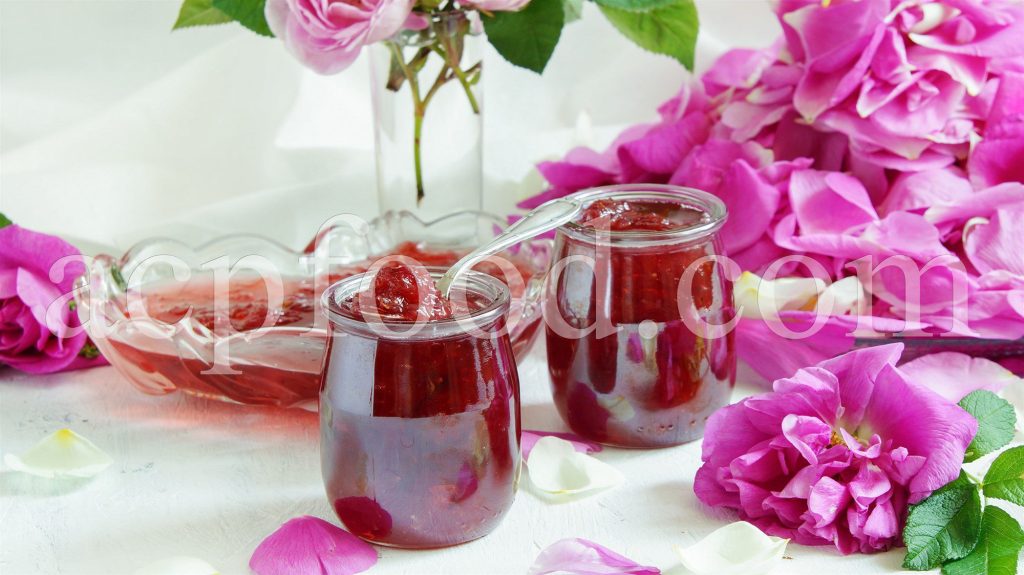
Damask Rose Jam is one of the most fragrant and delightful traditional preparations in Iranian cuisine and Traditional Iranian Medicine. Known as Goleghand in Persian, this aromatic preserve is made by combining the delicate petals of Damask Rose (Rosa damascena) with honey or sugar, creating a unique product with a beautiful aroma, pleasant taste, and long history of traditional use.
Damask Rose is one of the most valued and admired flowers in the world, appreciated not only for its beauty and fragrance but also for its traditional applications. For centuries, rose petals have been used in Persian culture in various preparations, including jams, herbal mixtures, and natural remedies. This traditional rose preparation is valued for its nourishing properties and its role in supporting overall well-being according to the principles of Traditional Iranian Medicine.
In this article, you will learn more about Goleghand and Golangebin, their preparation methods, traditional uses, and the unique characteristics that have made Damask Rose one of the most cherished flowers in Persian heritage.
Table of Contents
ToggleDamask Rose Jam Preparation
Preparing Damask Rose Jam is a traditional process that has been practiced in Iran for centuries. The recipe is simple, but patience is essential to achieve the rich aroma, pleasant flavor, and natural qualities of this unique preparation. According to Traditional Iranian Medicine, careful preparation allows the petals and sweetener to blend gradually, producing a balanced and flavorful preserve.
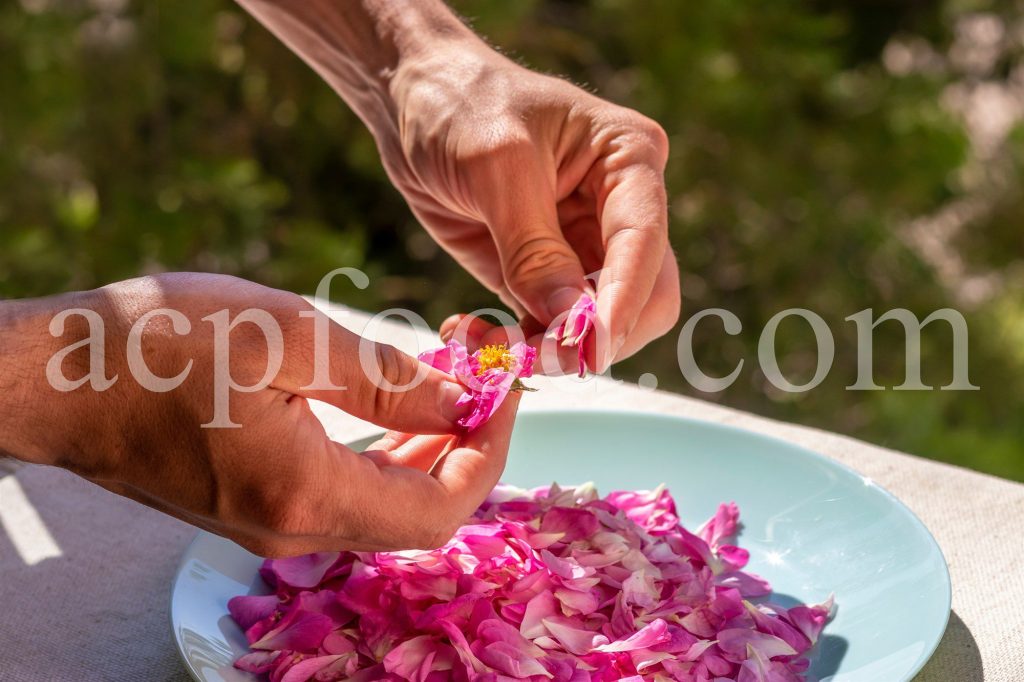
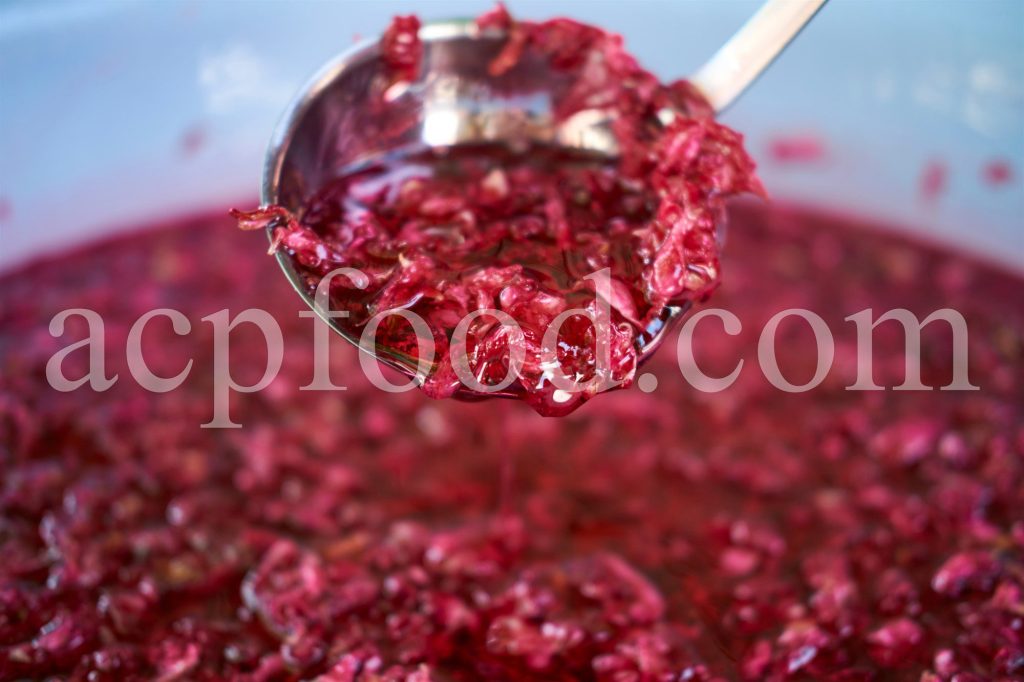
To prepare this traditional product, fresh Damask Rose petals are first separated from the sepals and all other green parts of the flower. The petals are then layered with an equal weight of pure honey in a clean glass or ceramic container. Begin with a layer of rose petals, followed by a layer of honey, and continue alternating the layers until all the ingredients have been used. The honey gradually draws out the natural aroma, color, and flavor of the petals while helping to preserve them.
The container should be covered and placed in a sunny location for about 40 days. During this period, the mixture should be stirred gently every three to four days to ensure the petals and honey are evenly combined. Over time, the petals soften and release their natural fragrance, resulting in a smooth, aromatic preserve with a rich floral taste.
In classical Persian medical texts, the preparation made with honey is known as Golangebin and is traditionally described as having a warm and dry temperament. If honey is replaced with an equal amount of brown sugar or white sugar, the preparation is called Goleghand. According to Traditional Iranian Medicine, Goleghand offers many of the same traditional uses as Golangebin, although it is considered to have a slightly milder warming nature and a little more moisture.
If fresh Damask Rose petals are not available, dried petals can also be used. Before mixing them with honey or sugar, lightly moisten the dried petals with a small amount of pure rose water. This helps restore their softness, making them easier to blend while enhancing the natural fragrance and flavor of the finished preparation.
Damask Rose Jam Benefits
According to Traditional Iranian Medicine (TIM), Damask Rose Jam has long been valued not only for its pleasant aroma and delicate flavor but also for its traditional role in supporting digestive health and overall well-being. Classical Persian physicians described both Goleghand and Golangebin as nourishing preparations that help balance the body’s temperament while promoting healthy digestion and vitality.
Traditional Iranian Medicine recommends Goleghand for people experiencing digestive discomfort, especially those associated with a cold gastrointestinal temperament. It has traditionally been used to support the stomach and improve digestion while helping to reduce bloating and constipation. Persian medical texts also describe it as beneficial for preventing the upward movement of undesirable gastric vapors toward the brain, which was traditionally believed to contribute to headaches, neuralgia, and certain types of migraine.
For this reason, Goleghand has traditionally been recommended for individuals suffering from constipation, digestive weakness, stomach discomfort, and headaches that are believed to originate from gastrointestinal imbalances. According to Traditional Iranian Medicine, improving digestive function plays an important role in supporting the health of many other organs throughout the body.
Traditional Iranian physicians also considered Goleghand a valuable food during pregnancy. It has traditionally been used to help relieve pregnancy-related nausea, improve bowel regularity, and support maternal comfort. In classical Iranian medical literature, it is also described as a preparation traditionally used to help support a healthy pregnancy. However, pregnant women should always consult a qualified healthcare professional before using herbal or traditional preparations.
In addition, Goleghand has traditionally been described as having mild calming properties that may promote relaxation and restful sleep. Persian medical texts also attribute to it traditional benefits for supporting uterine health, gently relieving constipation, and helping the body eliminate excess moisture. It is commonly recommended after meals, as it is traditionally believed to support digestion and help prevent undesirable gastric vapors from rising toward the head.
Golangebin, which is prepared with honey instead of sugar, is traditionally considered more suitable for individuals with a cold temperament, older adults, and those believed to have excessive brain moisture according to Traditional Iranian Medicine. It has historically been used to help reduce bloating, support healthy digestion, and promote digestive comfort after meals.
Goleghand, which is prepared with sugar, is traditionally regarded as more appropriate for younger individuals and people with a hot temperament. Classical Persian texts also mention its traditional use as part of dietary recommendations for certain conditions associated with excess internal heat, including obsessive thoughts, always within the framework of Traditional Iranian Medicine.
During the colder months of the year, Traditional Iranian Medicine often recommends moderate daily consumption of Golangebin as part of a balanced diet. It is traditionally believed to help maintain the body’s equilibrium, support digestive function, and contribute to overall seasonal wellness.
According to Traditional Iranian Medicine, individuals who experience headaches, migraine-like headaches, constipation, or digestive discomfort—especially problems associated with a cold gastrointestinal temperament—are traditionally considered among those who may benefit most from Goleghand. In Persian medical texts, improving digestion and balancing the body’s temperament have always been regarded as important factors in supporting overall health.
Goleghand has also been traditionally used by some practitioners as a supportive preparation during pregnancy, particularly for helping relieve pregnancy-related nausea and constipation. Classical Iranian medical sources have mentioned rose-based preparations in relation to supporting uterine health and maintaining pregnancy. However, pregnant women should always seek advice from a healthcare professional before consuming herbal preparations.
Traditional descriptions also attribute calming and relaxing properties to Goleghand, and it has historically been used as a gentle laxative and a preparation for supporting digestive regularity. It is traditionally believed to help reduce excess moisture in the body and, when consumed after meals, support digestion and prevent the upward movement of unwanted gastric vapors according to the principles of Traditional Iranian Medicine.
The traditional use of Golangebin, which is prepared with honey, is generally associated with people who have a cold temperament, older adults, and individuals believed to have higher levels of brain moisture in Persian medical theory. It has traditionally been used to support digestion, reduce bloating, and improve digestive comfort.
On the other hand, Goleghand, which is prepared with sugar, is traditionally considered more suitable for younger people and those with a warmer temperament. Persian medical texts have also mentioned its use in dietary recommendations related to conditions associated with excess heat, including certain mental and emotional imbalances such as obsessive thoughts.
During colder seasons, Traditional Iranian Medicine commonly recommends moderate consumption of Golangebin as part of a balanced lifestyle. It is traditionally believed to help maintain the body’s balance, support digestion, and harmonize the body’s temperament with seasonal changes.
Damask Rose Jam Consumption Instructions
According to traditional recommendations, Damask Rose Jam can be consumed as part of a balanced diet to enjoy its pleasant flavor and traditional benefits. The amount of consumption may vary depending on individual needs, age, and personal health conditions.
Adults: Traditionally, adults may consume 2 teaspoons of Damask Rose Jam, 3 times daily, preferably about 30 minutes after meals.
Children over 2 years: Traditionally, children over the age of 2 may consume 1 teaspoon of Damask Rose Jam, 3 times daily, preferably about 30 minutes after meals.
As with other traditional preparations, moderate consumption is recommended. People with specific health conditions, allergies, or those who are pregnant should consult a qualified healthcare professional before adding herbal preparations to their daily routine.
Contraindications of Damask Rose Jam
Although Damask Rose Jam is a traditional preparation with a long history of use, it may not be suitable for everyone. According to traditional recommendations, certain individuals should avoid consuming Goleghand and Golangebin or should consult a healthcare professional before use.
The following groups should avoid consuming this preparation:
- People with intestinal stenosis or intestinal obstruction
- Individuals experiencing unexplained abdominal pain
- People who have recently undergone abdominal surgery
- Children under 2 years of age
As with any traditional food or herbal preparation, individual conditions and health status should be considered before regular consumption.
Conclusion
Damask Rose Jam is much more than a sweet and fragrant preparation; it represents centuries of Persian culinary heritage and Traditional Iranian Medicine. Made from the delicate petals of Rosa damascena, Goleghand and Golangebin continue to be appreciated for their unique aroma, traditional uses, and cultural importance. Whether enjoyed as a traditional preserve or explored as part of Persian wellness traditions, this rose-based preparation reflects the deep connection between nature, food, and traditional knowledge. At ACPFOOD, we are proud to provide high-quality natural products, including medicinal herbs, dried flowers, seeds, and plant-based ingredients, helping customers around the world discover the authentic flavors and natural treasures of Persian heritage.
Explore our wide range of natural products and learn more about their traditional uses in Persian Traditional Medicine by clicking here.