
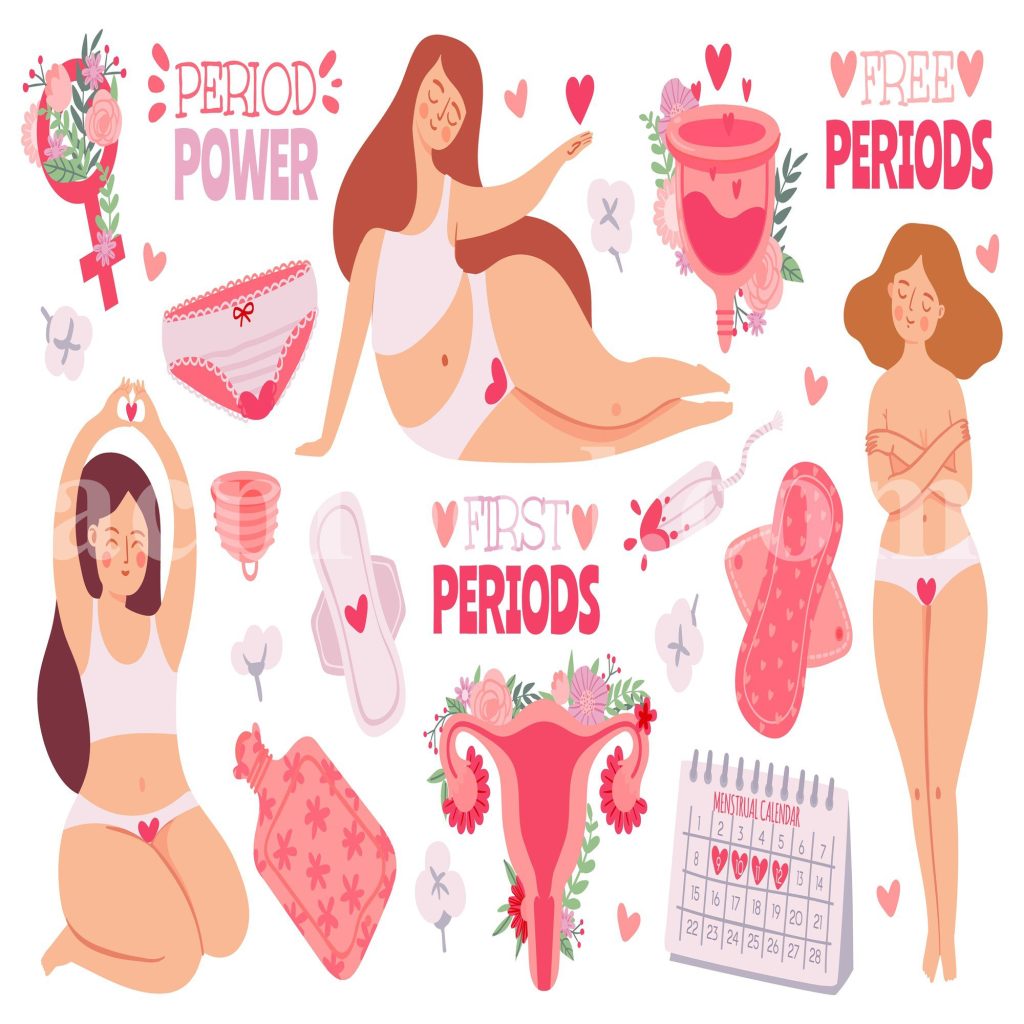
Menstruation is one of the primary signs of puberty and reproductive maturity in girls. The age at which menstruation begins can vary significantly from one individual to another and is influenced by several factors, including heredity, nutrition, environmental conditions, race, and climate. In general, girls living in warmer and tropical regions tend to reach physical maturity and begin menstruation earlier than those living in colder climates.
Although menstruation is a natural biological process, some women may experience irregularities and health concerns related to their menstrual cycle. These conditions can affect physical comfort, emotional well-being, and overall quality of life. Understanding the causes, symptoms, and available approaches to menstruation disorders herbal treatment can help women better manage these conditions and support reproductive health. In this article, ACPFOOD explores menstruation disorders from the perspective of traditional Iranian medicine and reviews a variety of herbal remedies, dietary recommendations, and traditional therapeutic approaches that have been used to support menstrual health.
Table of Contents
ToggleMenstruation
In girls, the process of puberty begins when the hypothalamus in the brain starts stimulating the ovaries, typically from around the age of 8 years. As a result, the production of estrogen gradually increases. Between the ages of 11 and 12, the levels of estrogen and other reproductive hormones usually become sufficient to promote breast development and initiate menstruation.
Research suggests that hormonal fluctuations throughout the menstrual cycle may influence certain aspects of cognition and behavior. Some studies have reported that before ovulation, women may respond more quickly to cognitive tasks but with a higher likelihood of errors, while during the week following menstruation they may respond more slowly but with greater accuracy. Hormonal changes can also affect concentration, attention, mood, and emotional responses during different phases of the menstrual cycle.
The effects of reproductive hormones are not limited to menstruation alone. After childbirth, levels of progesterone and other sex hormones decline rapidly. During this period, some women may become more vulnerable to emotional and psychological challenges, including mood disturbances and postpartum depression. These hormonal changes highlight the important role that reproductive hormones play in both physical and mental well-being throughout a woman’s life.
The Cause of Menstruation
Throughout different stages of a woman’s life, the ovaries perform several important functions. Their two primary roles are the production of reproductive cells (ovulation) and the secretion of female reproductive hormones, mainly estrogen and progesterone.
During puberty, these hormones stimulate the growth and development of the reproductive system.

As hormone levels increase, the physical signs of puberty gradually appear, including breast development and the onset of menstruation.
Ovulation normally occurs during each menstrual cycle after the menstrual bleeding phase has ended. During this process, one of the small follicles located on the surface of the ovary begins to grow rapidly and becomes enlarged. Each follicle contains an ovum (egg cell), which serves as the female reproductive cell.
Around the 14th day of a typical menstrual cycle, counting from the first day of menstruation, the mature follicle ruptures due to the pressure of the fluid inside it and releases the ovum. The released ovum is then guided into the fallopian tube through the natural movements of the tube.
The ovum, which can only be observed under magnification, remains inside the fallopian tube for approximately 24 hours. If it does not encounter a male reproductive cell (sperm) during this period, it gradually degenerates and is absorbed by the body.
However, if sexual intercourse takes place shortly before or during ovulation, millions of sperm cells are deposited in the female reproductive tract. These sperm cells actively move through the reproductive system in an attempt to reach the ovum.
Although a large number of sperm cells enter the vagina, only a relatively small number successfully pass through the cervix and enter the uterus. Many are unable to continue their journey and are naturally destroyed within the female reproductive tract.
The sperm cells that reach the uterus continue their movement into the fallopian tube, where they surround the ovum. Numerous sperm attempt to penetrate the egg, but under normal circumstances only one sperm successfully enters and fertilizes it.
Once fertilization occurs, a protective membrane forms around the ovum, preventing additional sperm from entering. The union of the female reproductive cell and the male reproductive cell creates a fertilized egg (zygote), which gradually develops into an embryo and eventually a fetus.
When pregnancy begins, the normal menstrual cycle is interrupted, and menstruation ceases until after childbirth. If fertilization does not occur, hormone levels decline, the uterine lining sheds, and a new menstrual period begins, starting the cycle once again.
Why Does Menstruation Occur in Women?
In females, menstruation begins at puberty and continues in a regular cyclical pattern for many years. A typical menstrual cycle lasts around 28 days, although this can vary among individuals. Each cycle includes approximately 3 to 5 days of menstrual bleeding, and in some cases, it may extend up to 7 days.
The first day of bleeding from the genital tract is conventionally considered day one of the menstrual cycle. This cycle repeats monthly and is a natural physiological process of the female reproductive system.
During menstruation, the inner lining of the uterus (endometrium) is shed. This shedding of the uterine lining results in bleeding and the release of menstrual fluid from the body.
After menstruation, the body enters a repair and rebuilding phase. From approximately day 7 to day 14 of the cycle, the uterine lining begins to regenerate and thicken as cells multiply and restore the tissue. Following this, from around day 15 to day 28, the uterine glands become more active and the lining continues to thicken in preparation for possible pregnancy.
If fertilization and implantation of a fertilized egg occur, the uterine lining is maintained to support early pregnancy. However, if pregnancy does not occur, hormonal levels decline, and the thickened uterine lining is shed, leading to the next menstrual period.
Unlike blood from other parts of the body, menstrual blood generally does not clot, although small clots may occasionally be present. In cases of very heavy menstrual bleeding, larger clots may also occur.
As women age, hormonal changes gradually affect the menstrual cycle. Around the age of 30 to 40, estrogen levels begin to slowly decline. In the early 40s, many women experience changes in cycle regularity and may enter perimenopause, during which symptoms such as drier skin and thinner hair may appear. Eventually, around the age of 50 to 51, menopause occurs, marking the permanent cessation of menstruation.
Premenstrual Syndromes (PMS)
Premenstrual syndrome (PMS) has received significant attention from researchers and healthcare professionals worldwide. Despite extensive studies, clinical observations, and the availability of various treatment approaches, there are currently no definitive laboratory, hormonal, or psychological tests that can objectively diagnose PMS in regions such as the USA, Europe, and other parts of the world. In most cases, diagnosis is based primarily on the individual woman’s personal experience and symptom reporting.
PMS can present with a wide range of physical, emotional, and behavioral symptoms.
In total, more than 50 different symptoms have been associated with this condition. Common manifestations include mood changes such as depression, irritability, impatience, and mood swings, as well as cognitive and physical symptoms such as fatigue, confusion, weakness, and difficulty concentrating. Additional symptoms may include food cravings, headaches, weight gain, body swelling, constipation, acne, joint pain, and breast tenderness.
Menstrual Disorders
Irregular menstruation refers to menstrual cycles that vary significantly in timing, where the interval between periods is inconsistent and unpredictable. This type of menstrual disorder is relatively common during two key stages of a woman’s life: first, during adolescence when menstruation has recently begun, and second, during middle age when women are approaching menopause and menstrual cycles gradually become irregular before eventually stopping.
Although the average menstrual cycle is approximately 28 days, normal cycle length can vary among women. In some cases, cycles may occur every 24 days, while in others they may naturally extend up to 35 days, as long as they remain relatively consistent for that individual.

Causes of Menstrual Irregularities
Irregular menstruation and changes in the timing or duration of menstrual cycles are most often the result of temporary hormonal imbalance.
During puberty, fluctuations in hormone levels commonly lead to irregular menstrual cycles in the first months or even years after menstruation begins. Similarly, hormonal changes after childbirth and during the perimenopausal period can also result in irregular or unpredictable menstrual patterns.
In addition to natural life stages, hormonal imbalance may be influenced by psychological and lifestyle factors such as stress, anxiety, and depression. Severe or chronic illnesses, excessive physical activity, and significant weight loss can also disrupt hormonal regulation and contribute to menstrual irregularities.
In some cases, irregular menstruation may indicate underlying reproductive system disorders. Conditions such as polycystic ovary syndrome (PCOS), where multiple ovarian cysts disrupt normal hormone balance, or endometriosis, where tissue similar to the uterine lining grows outside the uterus, can significantly affect menstrual regularity.
It is also important to note that in some situations, what appears to be irregular menstruation may actually be pregnancy-related bleeding. Occasionally, a delayed or abnormal period may be associated with miscarriage. In cases where a missed period is accompanied by severe abdominal pain, urgent medical evaluation is necessary, as this may indicate an ectopic pregnancy requiring immediate attention.

Stomachache and Backache Before Menstruation in Girls
Many girls experience abdominal pain and backache at the beginning of menstruation. The intensity of these symptoms can vary widely from one individual to another and may differ across ethnic groups, families, and populations. In some cases, the pain can be quite severe, while in others it may be mild or even absent.
In certain individuals, menstrual discomfort may be accompanied by increased uterine secretions and the production of thick or sticky mucus throughout the reproductive cycle. This can contribute to a greater perception of pelvic discomfort during menstruation.
On the other hand, some girls and women experience menstruation with little to no discomfort. In these cases, menstrual bleeding occurs without noticeable pain or accompanying symptoms, and the onset of menstruation may only be recognized by the presence of bleeding itself.
Painful Menstruation
Painful menstruation, also known as menstrual cramps, is one of the most common menstrual disorders affecting women of different ages. The severity of pain can vary from mild discomfort to intense cramps that interfere with daily activities. In many cases, menstrual pain is associated with uterine contractions triggered by hormone-like substances called prostaglandins.
Certain nutrients may help support normal muscle function and reduce discomfort during menstruation. B vitamins, particularly vitamin B6 and niacin, play a role in regulating prostaglandin activity and may help relax the muscles of the uterus. In addition, calcium and manganese are important minerals that contribute to normal muscular function. Insufficient intake of these nutrients may be associated with increased menstrual discomfort in some women.
Traditional Iranian medicine also places significant emphasis on dietary support for women experiencing painful menstruation. Garlic is often recommended as a beneficial food and has traditionally been used to support overall health during the menstrual cycle.
As a traditional remedy, the following preparation has been used for menstrual pain:
Mix and boil 5 grams each of Shirazi Thyme (Zataria multiflora Boiss.), Oak Manna, Germander (Teucrium polium), Yarrow (Achillea millefolium L.), Yellow Sweet Clover kernel (Melilotus officinalis), and Chinese Lantern (Physalis alkekengi). After boiling, strain the mixture and drink the filtered decoction three times daily.
Heavy Menstruation
Heavy menstrual bleeding, medically known as menorrhagia, can affect a woman’s daily activities, energy levels, and overall quality of life. While occasional variations in menstrual flow are common, persistently heavy periods may indicate an underlying hormonal imbalance or another health condition that should be evaluated by a healthcare professional. As part of a menstruation disorders herbal treatment approach in traditional Iranian medicine, several herbal remedies have historically been used to help support menstrual balance and reduce excessive bleeding.
The following traditional remedies have been recommended for heavy menstruation:
- Brew 20 grams of fennel seed (Foeniculum vulgare Mill.) in one liter of boiling water and drink one cup of the filtered decoction after each meal.
- Boil 100 grams of parsley seeds in one liter of water daily, then drink the strained decoction gradually throughout the day.
- Boil 30 grams of dried white nettle flowers (Lamium album) in one liter of water and consume the filtered decoction in divided portions during the day.
- Boil one tablespoon of carrot seeds in water every morning, noon, and night, then drink the filtered decoction after preparation.
While these traditional approaches have been used historically, women who experience persistent heavy bleeding, severe pain, dizziness, fatigue, or symptoms of anemia should seek medical evaluation to identify and address any underlying causes. A comprehensive menstruation disorders herbal treatment plan should always be combined with proper medical assessment to ensure safe and effective management of menstrual health.
Spotting at Menstrual Intervals
Spotting or abnormal bleeding between menstrual periods is one of the conditions often discussed in menstruation disorders herbal treatment. Under normal circumstances, bleeding from the female reproductive system should occur only during the menstrual cycle. Therefore, any bleeding that happens outside the expected menstrual period is considered abnormal and may require medical evaluation.
In women under the age of 35, irregular spotting or breakthrough bleeding is commonly associated with hormonal fluctuations, particularly during the first months of taking oral contraceptive pills. In many cases, this type of bleeding is temporary and resolves as the body adjusts to hormonal changes.
In older women, however, abnormal bleeding between periods is more likely to be associated with underlying gynecological conditions, such as uterine fibroids, endometrial polyps, hormonal imbalances, endometriosis, or other disorders affecting the reproductive system. Because the causes can vary significantly, persistent or recurrent spotting should not be ignored.
While traditional remedies may be used as a menstruation disorders herbal treatment approach to support hormonal balance, any unexplained bleeding between periods should be properly assessed by a healthcare professional to identify the underlying cause and determine the most appropriate treatment.
Regulate Menstruation Cycle
Irregular menstrual cycles are among the most common concerns addressed in menstruation disorders herbal treatment. Menstrual irregularities may occur due to hormonal fluctuations, stress, nutritional deficiencies, changes in body weight, or underlying reproductive health conditions. In traditional Iranian medicine, certain dietary and herbal approaches have been used to help support hormonal balance and promote a more regular menstrual cycle.
Women experiencing irregular periods are traditionally advised to avoid excessive consumption of fresh coriander and coriander seeds, while incorporating foods believed to support menstrual regularity. These include carrots and carrot juice, beans, garlic, fresh parsley, parsley seeds, and healthy vegetable oils.
Traditional remedies that have been recommended for regulating the menstrual cycle include:
- Crushed peach kernels soaked in grape juice, with the infused grape juice consumed as directed.
- Brewing 25 to 40 grams of tarragon (Artemisia dracunculus L.) in one liter of boiling water and drinking the filtered decoction gradually throughout the day.
- Brewing 30 grams of pot marigold leaves and flowers (Calendula officinalis L.) in one liter of boiling water and drinking one cup after each meal, beginning approximately eight days before the expected start of menstruation.
- Boiling 20 grams of dried Indian lavender flowers (Bursera linanoe) in one liter of water and consuming one cup of the filtered decoction before each meal.
Although these traditional remedies have been used historically as part of a menstruation disorders herbal treatment approach, persistent menstrual irregularities, missed periods, excessive bleeding, or severe symptoms should be evaluated by a healthcare professional to identify and address any underlying medical causes.
Delayed Menstruation
Delayed menstruation refers to the condition in which a woman does not experience her menstrual cycle at the expected monthly time. In menstruation disorders herbal treatment, this condition is often associated with hormonal imbalance, emotional stress, changes in body condition, or underlying reproductive system disturbances. Pregnancy should always be ruled out in sexually active women before considering other causes.

In traditional Iranian medicine, several herbal formulations have been used to support the regulation and stimulation of the menstrual cycle in cases of delayed menstruation.
If menstruation does not occur on the expected date and pregnancy is not suspected, one traditional recommendation is to fill an empty capsule with Quina (Cinchona)—approximately the size of two chickpeas—and take it at night for three consecutive nights before bedtime.
Another traditional herbal preparation includes the following:
- Rhubarb flower (Rheum rhabarbarum), Persian borage flower (Echium amoenum), chamomile flower (Matricaria chamomilla L.), valerian root (Valeriana officinalis L.), iris root (Iris persica L.), yarrow flower (Achillea millefolium L.), germander (Teucrium polium), and blackberry root — 15 grams of each.
- Wash all herbs in cold water after grinding.
- Boil in 5 liters of water until the volume reduces to 2 liters.
- Strain and sweeten with rock candy, then drink the decoction four times daily for four days.
Additional traditional formulations include:
- Mix and boil 3 grams of each of Chinese Lantern (Physalis alkekengi), half-ground Yellow Sweet Clover kernel (Melilotus officinalis), and lemon balm (Melissa officinalis L.), then drink the decoction on an empty stomach for three days.
- Boil 10 grams of each of Chinese Lantern (Physalis alkekengi), germander (Teucrium polium), and yarrow (Achillea millefolium L.). Mix the decoction with red sugar and consume half a cup three times daily.
- A complex herbal blend containing Persian ziziphora (Ziziphora tenuior L.), marshmallow root and flower (Althaea officinalis L.), lemon balm (Melissa officinalis L.), yellow myrobalan (Terminalia chebula), dill seed, celery seed, carrot seed, fumitory (Fumaria officinalis L.), wormwood (Artemisia absinthium L.), Shirazi thyme (Zataria multiflora Boiss.), feverfew (Tanacetum parthenium), senna leaves (Cassia senna L.), damask rose (Rosa damascena Mill.), fennel seed (Foeniculum vulgare Mill.), black seed (Nigella sativa L.), and yellow sweet clover (Melilotus officinalis) — 10 grams of each. Grind the mixture, divide into 20 parts, boil each portion, and drink the decoction on an empty stomach each morning.
- Grind 10 grams of saffron, brew in one liter of boiling water, and drink one cup three times daily (morning, noon, and night).
Induce Your Period
Inducing menstruation naturally is a topic commonly discussed within menstruation disorders herbal treatment in traditional Iranian medicine. In such approaches, certain foods and herbs are traditionally believed to support blood circulation, hormonal balance, and menstrual flow regulation. It is also commonly advised to avoid excessive consumption of coriander during this period.
A variety of foods and herbal remedies have traditionally been used to help stimulate menstrual cycles, including saffron, savory, celery, black seeds (Nigella sativa), alfalfa seeds (Medicago sativa), Persian Black Cumin seeds (Bunium persicum), anise (Pimpinella anisum), cooked radish,

roasted sesame, wild pistachio (Pistacia atlantica Desf.), Chinese lantern (Physalis alkekengi), germander decoction (Teucrium polium), wormwood decoction (Artemisia absinthium L.), maidenhair fern decoction (Adiantum capillus-veneris L.), fenugreek tea, Persian ziziphora decoction (Ziziphora tenuior L.), and thyme tea (Thymus serpyllum L.).
Traditional preparations include the following:
- Brew 1 tablespoon of carrot seed in a cup of boiling water and drink it three times daily.
- Brew 15 grams of fennel seeds in one liter of boiling water and drink one cup of the decoction with each meal.
- Boil 100 grams of fresh parsley root in one liter of water and consume the filtered decoction.
- Eat 6 grams of pounded savory flowers with vinegar and salt.
- Boil chickpeas with sesame and consume as food.
- Boil 22 grams of nettle leaves in two glasses of water, or 12 grams of nettle roots in two glasses of water, then drink the filtered decoction.
- Drink half a cup of fresh sunflower leaf juice.
- Boil celery seeds and stalks after crushing them, then drink the decoction.
Additional traditional formulations include:
- A herbal blend of Persian ziziphora (Ziziphora tenuior L.), wormwood (Artemisia absinthium L.), Shirazi thyme (Zataria multiflora Boiss.), chamomile (Matricaria chamomilla L.), lemon balm (Melissa officinalis L.), maidenhair fern (Adiantum capillus-veneris L.), marshmallow root (Althaea officinalis L.), celery seed, dill seed, senna, damask rose (Rosa damascena Mill.), fennel seed (Foeniculum vulgare Mill.), and Chinese rhubarb (Rheum officinale). Divide 5 grams of each into ten portions, brew one portion daily, and drink on an empty stomach.
- A second formulation includes anise (Pimpinella anisum) and licorice powder (5 grams each), marshmallow seed (Althaea officinalis L.), valerian root (Valeriana officinalis L.), and Persian borage flower (Echium amoenum) (10 grams each), Persian melon seed kernels, safflower seed kernels (Carthamus tinctorius L.), and sweet violet flower (Viola odorata L.) (15 grams each), and chicory root (Cichorium intybus L.) (25 grams). Grind all ingredients, mix with 200 grams of chopped currants, divide into 15 equal parts, boil one portion daily, strain, sweeten, and drink.
Over Bleeding During Periods
Excessive menstrual bleeding is a condition often addressed in menstruation disorders herbal treatment approaches in traditional Iranian medicine. In this context, over bleeding is associated with imbalance in bodily temperament, weakness of uterine vessels, or hormonal irregularities. Diet and herbal support are traditionally used to help reduce excessive menstrual flow and support overall balance.
Foods traditionally recommended to help reduce over bleeding during periods include commiphora mukul, Dragon’s Blood resin (Dracaena cinnabari), clover (Trifolium), fresh coriander leaves, coriander seeds, spinach, green and unripe dates, rice, beans, potato flour, yellow and ripe grapes, polypody tea (Polypodium vulgare L.), savin juniper tea (Juniperus sabina L.), nettle tea (Urtica dioica L.), and pomegranate flower tea (Punica granatum L.).
Traditional preparations include the following:
Pour 1 tablespoon of Plantago ovata with a small amount of rock candy into a cup of boiling water and drink it three times daily.
Brew 6 grams of fenugreek daily for seven days and consume it in the morning on an empty stomach.
Mix 3 grams of whey with a raw egg yolk and eat it in the morning on an empty stomach.
Roast potatoes in olive oil and consume them three times daily for three days, ensuring food is taken separately.
Boil 30 grams of nettle leaves and stems (Urtica dioica L.) in half a liter of water for 10 minutes, then steep for 20 minutes and drink 3–4 cups daily.
Consume 25 grams of apple or quince paste with bread each morning for seven days.
As part of menstruation disorders herbal treatment, these traditional approaches are intended to support menstrual balance; however, persistent heavy or abnormal bleeding should always be medically evaluated to rule out underlying gynecological conditions such as hormonal disorders, fibroids, or other reproductive system issues.
Frequent Periods Along with Over Bleeding
Frequent menstrual cycles accompanied by heavy bleeding are among the conditions discussed in menstruation disorders herbal treatment. This condition occurs when menstruation happens at shorter intervals than normal and is accompanied by excessive blood loss. Recurrent heavy bleeding may lead to fatigue, weakness, and iron deficiency, and therefore should not be ignored.
In traditional Iranian medicine, certain herbal remedies have been used to help support menstrual balance and reduce excessive bleeding. One traditional preparation recommended for this condition is as follows:
Soak 5 grams of musk willow leaves (Salix aegyptiaca) together with 25 grams of its bark and branches in one cup of water.
After soaking, brew the mixture for 10 minutes.
Strain the decoction, sweeten it if desired, and drink half a cup three times daily—morning, noon, and night.
While such remedies are traditionally included in menstruation disorders herbal treatment, women who experience frequent periods accompanied by heavy bleeding should seek medical evaluation, especially if the condition persists, worsens, or causes symptoms such as dizziness, weakness, or anemia. Identifying the underlying cause is essential for appropriate treatment and long-term menstrual health.
Getting Weak Due to Heavy and Frequent Periods
Heavy and frequent menstrual bleeding can gradually lead to weakness, fatigue, reduced energy levels, and in some cases, iron deficiency or anemia. In menstruation disorders herbal treatment, nutritional support is often recommended alongside other traditional remedies to help restore strength and improve overall well-being.
One traditional recommendation for women who experience weakness due to excessive menstrual bleeding is:
Consume 1 tablespoon of roasted and ground lentils after each meal.
Lentils are traditionally valued for their nourishing properties and are considered a beneficial food for supporting recovery after significant blood loss. However, women who experience persistent weakness, dizziness, shortness of breath, pale skin, or severe fatigue should consult a healthcare professional, as these symptoms may indicate anemia or another underlying condition requiring medical attention.
Factors That May Cause Abnormal Changes or Cessation of Menstruation
The interruption, delay, or irregularity of menstruation can occur for many reasons. In menstruation disorders herbal treatment, understanding the underlying cause is considered an important step before choosing any dietary, herbal, or medical approach. In women who are not pregnant, several physical, environmental, and emotional factors may contribute to menstrual irregularities or temporary cessation of menstruation.
Some of the common factors include:
Changes in Environment and Climate
Changes in weather conditions, relocation to a new city or country, or significant changes in living conditions can affect the menstrual cycle. These effects may be more noticeable in women who are highly sensitive to environmental changes or who experience emotional stress during relocation. In some cases, menstruation may become delayed, irregular, or temporarily stop.
Reproductive System Disorders
Diseases and infections affecting the female reproductive system can interfere with normal menstrual function. Infections involving the internal or external reproductive organs, particularly the fallopian tubes and ovaries, may contribute to menstrual irregularities, delayed periods, or temporary cessation of menstruation.
Poor Health and Nutritional Deficiencies
Anemia, inadequate nutrition, poor living conditions, reduced immune function, and certain chronic illnesses may also affect the menstrual cycle. Historically, conditions such as tuberculosis, malaria, and other debilitating diseases have been associated with menstrual disturbances due to their impact on overall health and hormonal balance.
Emotional Stress and Psychological Factors
Emotional and psychological stress can have a significant influence on menstrual regularity. Fear, anxiety, grief, emotional shock, traumatic experiences, and ongoing worry may disrupt the hormonal signals that regulate the menstrual cycle. In young women and adolescents, intense anxiety—particularly concerns related to pregnancy or major life events—may contribute to delayed, irregular, or absent menstruation.
Because menstrual changes can sometimes indicate an underlying medical condition, persistent irregularities, prolonged absence of menstruation, or sudden changes in the menstrual cycle should be evaluated by a healthcare professional. As part of a comprehensive menstruation disorders herbal treatment approach, identifying and addressing the root cause is essential for supporting long-term menstrual health.
Several Years of Menstruation Cessation
Long-term absence of menstruation, known medically as amenorrhea, may occur due to various factors, including hormonal imbalances, premature ovarian insufficiency, thyroid disorders, polycystic ovary syndrome (PCOS), significant weight changes, chronic illnesses, stress, or other underlying medical conditions.
In traditional Iranian medicine, various herbal remedies have historically been used to support menstrual health and promote the return of menstrual cycles. One traditional preparation recommends grinding 10 grams of chamomile flower (Matricaria chamomilla L.), 20 grams of tree of heaven leaves (Ailanthus altissima), and 25 grams of common rue (Ruta graveolens L.), then mixing them with 20 grams of ground currants to form a paste.
Important: Internal herbal preparations, vaginal or uterine suppositories, and remedies containing common rue should only be used under the supervision of a qualified healthcare professional, as they may carry significant risks and may not be appropriate for all individuals. Persistent or prolonged absence of menstruation requires proper medical assessment to identify and address the underlying cause safely.

Missing Menstruation Due to Aging
As women approach menopause, hormonal changes gradually reduce ovarian activity, causing menstrual periods to become irregular before eventually stopping completely. Menopause is a natural stage of life and typically occurs between the ages of 45 and 55. In traditional Iranian medicine, various herbal preparations have historically been used to support women’s reproductive health and hormonal balance during this transition.
The following traditional remedies have been mentioned for women experiencing the cessation of menstruation associated with aging:
- Grind 20 grams each of Persian ziziphora (Ziziphora tenuior), dill seed (Anethum graveolens), celery seed, chicory seed (Cichorium intybus), chicory root, fumitory (Fumaria officinalis), wormwood (Artemisia absinthium), chamomile flowers (Matricaria chamomilla), Chinese rhubarb (Rheum palmatum), and yellow myrobalan peel (Terminalia chebula), together with 50 grams of fennel seed (Foeniculum vulgare). Mix thoroughly and divide into 20 equal portions. Boil one portion each morning for approximately 20 minutes and drink the filtered decoction before breakfast. The remaining herbs may be boiled again in the evening and consumed after filtering.
- Another traditional formulation includes germander (Teucrium polium), yellow myrobalan peel (Terminalia chebula), rhubarb flower (Rheum rhabarbarum), raw chickpea, dill seed, Chinese lantern (Physalis alkekengi), Chinese rhubarb, common madder (Rubia tinctorum), ajwain seed (Trachyspermum ammi), black seed (Nigella sativa), fennel seed, maidenhair fern (Adiantum capillus-veneris), black nightshade (Solanum nigrum), wormwood, amla (Phyllanthus emblica), Shirazi thyme (Zataria multiflora), anise (Pimpinella anisum), yarrow (Achillea millefolium), lemon balm (Melissa officinalis), chamomile, marshmallow seed, marshmallow flower, marshmallow root (Althaea officinalis), sesame seed, senna leaves (Cassia senna), licorice powder (Glycyrrhiza glabra), fumitory, carrot seed, celery seed, Damask rose (Rosa damascena), Persian ziziphora, water lily flower (Nymphaea alba), yellow sweet clover (Melilotus officinalis), and mulberry root. Use 15 grams of each ingredient, grind and mix them, divide into 20 equal portions, soak one portion overnight in boiling water, then boil it again the following morning, strain, and drink the decoction.
Additionally, while using one of the above traditional preparations, fennel seed has historically been recommended as supportive nutrition. It may be consumed as fennel powder, fennel tea, or mixed with water, yogurt, or other foods according to individual preference.
To Increase Menstrual Bleeding
In some cases, reduced menstrual flow may occur due to hormonal fluctuations, nutritional deficiencies, stress, or other underlying factors. Within the context of menstruation disorders herbal treatment in traditional Iranian medicine, certain herbs have traditionally been used to help support healthy menstrual circulation and encourage normal menstrual flow.
One traditional recommendation is the use of rosemary (Rosmarinus officinalis L.). To prepare this remedy, grind the dried rosemary, boil it in water, and drink one cup of the filtered decoction three times daily—morning, noon, and night.
Women experiencing persistent changes in menstrual flow, missed periods, severe pain, or other unusual symptoms should seek medical evaluation to determine the underlying cause and receive appropriate treatment.
References:
-Daeratol Maarif Giah Darmanie Iran (Noskhehaye Shafabakhsh), by Haji Sharifi, Ahmad (Attare Esfahani)