

Bulk Dried Rue Herb for Export
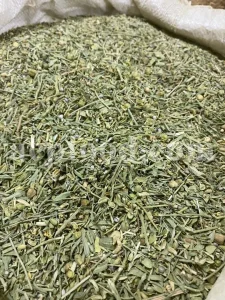
ACPFOOD provides bulk dried rue herb for export of the highest quality, strictly for research and industrial use. Known as ruta graveolens or herb of grace, this herb is not edible and should be handled by licensed professionals. Our premium dried rue herb is ideal for wholesalers, distributors, and bulk buyers in herbal industries, pharmaceutical production, and laboratory applications. Partner with a trusted Ruta graveolens distributor, dried rue herb supplier, or bulk herb of grace exporter to meet large-scale demand efficiently and safely.
Scientific Name: Ruta graveolens L.
Synonyms: Ruta altera Mill.
English Name: Common Rue
Other Names in English (UK, USA, Canada, South Africa, Australia, New Zealand): Rue, Garden Rue, Herb of Grace
Family: Rutaceae
GENERAL DATA
Plant Parts: Stem, leaf, flower, seed, resin, and oil.
Cultivation Mode: Wild collection/ Cultivated
In Processing: Industrial extraction, botanical reference, non-ingestible fragrance use (where permitted).

1. Pharmaceutical & Traditional Medicine Industry
Applications:
-
Antispasmodic & Digestive Support
Utilized in research and traditional systems for relieving cramps, bloating, and indigestion. -
Menstrual Health Applications
Historically referenced in regulating menstrual cycles and easing associated discomfort. -
Anti-inflammatory & Analgesic Potential
Studied and traditionally applied for supporting joint comfort, arthritis, and neuralgia. -
Antimicrobial & Antifungal Properties
Explored for its antiseptic effects in traditional poultices and topical formulations.
❗ Warning: High doses can be toxic. Use is often limited to professional herbalists.
2. Cosmetic & Perfumery Industry
Applications:
-
Fragrance Component
Rue essential oil, known for its sharp, distinctive aroma, has historically been used in traditional perfume blends, ritual scents, and ethnic fragrances. -
Specialized Skin Care Formulations
Rare in modern cosmetics due to photosensitivity risks (caused by furanocoumarins), but occasionally referenced in traditional body oils and colognes. -
Traditional & Cultural Uses
In some Mediterranean and Latin American practices, rue is included in ritual body oils and aromatic preparations.
3. Ethnobotanical & Ritual Industry
Cultural Uses:
-
Protective Herb in folk traditions (e.g., against the evil eye or negative energy)
-
Used in smoke cleansing, amulets, or ritual waters
-
Employed by Mediterranean, Latin American, and Persian healers in spiritual ceremonies
✅ Forms: Dried herb bundles, oils, bath blends, smudging sticks
4. Agricultural & Insecticidal Applications
-
Natural Pest Repellent
Rue is strongly aromatic, repelling insects, flies, mosquitoes, and even cats in gardens. -
Used as a natural insecticide or planted in companion gardens
✅ Often included in:
-
Organic pest control products
-
Botanical repellents for pets or outdoor spaces
5. Dye & Tannin Industry
-
Contains tannins used in leather processing in some traditional settings
-
Yellow-green dye extracted from leaves used in folk textile dyeing
✅ Summary of Key Applications
| Industry | Common Uses |
|---|---|
| Pharmaceutical & Herbal | Antispasmodic, menstrual aid, anti-inflammatory, digestive tonic |
| Cosmetic & Perfumery | Fragrance component in ritual or heritage perfumes |
| Ritual & Spiritual | Folk medicine, cleansing rites, protective amulets |
| Agriculture | Natural repellent for insects and animals |
| Traditional Dye & Tannin | Used in yellow-green dyes and tanning processes |
🌱 Key Features:
-
Strong bitter taste and penetrating odor
-
Contains rutin, methyl-nonyl-ketone, and furanocoumarins
-
Photosensitizing compounds—avoid sun exposure after topical use
-
Toxic at high doses; restricted in food-grade applications in some regions
🌱 Industries That Use Common Rue Seeds (Ruta graveolens L.)
The seeds of Common Rue (Ruta graveolens L.), although not as widely used as the aerial parts, carry significant medicinal, agricultural, and ethnobotanical value. They are small, angular, and highly potent—containing many of the plant’s active compounds in concentrated form, especially essential oils, alkaloids, and furanocoumarins.
1. Pharmaceutical & Traditional Medicine Industry
Applications:
-
Emmenagogue
Used traditionally to stimulate menstruation, especially in cases of delay or amenorrhea. -
Abortifacient & Antifertility Use (Traditional)
Historically known for inducing abortions or reducing fertility—extreme caution required. -
Digestive Stimulant
Occasionally used in folk medicine for indigestion, gas, and as a vermifuge (parasite remover). -
Antispasmodic & Analgesic
Small doses used in herbalism to relieve pain, menstrual cramps, and muscle spasms.
✅ Forms: Dried whole seeds, powdered seed in capsules or tinctures
❗ Note: High toxicity risk—should only be used under professional supervision
2. Agriculture & Botanical Pest Management
Applications:
-
Natural Pesticide Source
Rue seeds are rich in pungent oils and toxic alkaloids, making them effective against insects and soil pests. -
Bio-repellent in Seed Storage
Crushed rue seeds are sometimes used in traditional granaries to repel grain-eating insects.
3. Ethnobotanical & Ritual Use
Applications:
-
Protective Ritual Items
Rue seeds are used in Middle Eastern, Latin, and South Asian traditions as part of protective charms, especially for fertility, spiritual cleansing, or hex breaking. -
Smudging & Burn Rituals
Added to incense blends or burned with other herbs for cleansing rituals.
4. Botanical Research & Breeding
-
Propagation: Rue seeds are used for the cultivation and selective breeding of medicinal rue varieties.
-
Plant Hardiness Studies: Since rue tolerates poor soils, its seeds are researched for use in resilient herbal crops.
✅ Summary of Key Applications
| Industry | Use of Rue Seeds |
|---|---|
| Traditional Medicine | Emmenagogue, antifertility, digestive, antispasmodic |
| Agricultural | Natural pesticide and insect repellent |
| Ethnobotanical & Ritual | Amulets, cleansing rituals, anti-hex blends |
| Botanical R&D | Plant propagation, breeding, stress-resistant cultivars |
🌿 Key Features:
-
Highly potent: Requires cautious use; small doses only
-
Main compounds: Alkaloids, methyl-nonyl-ketone, rutin, furanocoumarins
-
Toxic in large amounts
-
Not approved for internal use in many modern herbal pharmacopeias
-
Still widely respected in folk and ritual herbalism
🌿 Comparison: Rue Herb (Aerial Parts) vs Rue Seeds
| Feature | Rue Herb (Aerial Parts) | Rue Seeds |
|---|---|---|
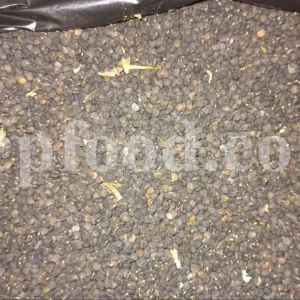
| Plant Part | Leaves, stems, and flowering tops | Seeds (small, angular, dark-colored) |
| Primary Compounds | Rutin, methyl-nonyl-ketone, furanocoumarins, essential oils | Concentrated alkaloids, essential oils, furanocoumarins |
| Traditional Uses | Digestive aid, anti-inflammatory, menstrual stimulant, topical pain relief | Emmenagogue, antifertility (abortifacient), digestive stimulant, antiparasitic |
| Potency | Mild to moderate | Very high – use in small, controlled amounts only |
| Toxicity Risk | Moderate – caution with high doses or topical sun exposure | High – toxic if misused; may cause severe side effects |
| Forms Available | Dried herb, teas, tinctures, poultices, essential oil | Whole seeds, powdered seeds, capsules, tinctures |
| Ethnobotanical Use | Protective herb, smudging, ritual baths, folk medicine | Protective charms, incense blends, ritual powders |
| Cosmetic Use | Limited due to phototoxicity risk | Rare – mostly used in spiritual rather than cosmetic formulas |
| Agricultural Use | Pest-repellent companion plant | Natural pesticide; repellent when crushed |
| Propagation Use | Not applicable | Used for growing and breeding Rue plants |
| Approval in Herbal Medicine | Accepted with limitations in some traditional systems | Often discouraged in modern herbal pharmacopeias |
| Main Cautions | May cause skin irritation or photosensitivity; not for pregnancy | Toxic in high doses; abortifacient; not for self-medication |
🔍 Summary:
-
Rue Herb is more commonly used and accessible in folk medicine, rituals, and gardening with moderate caution.
-
Rue Seeds are more potent and toxic, used traditionally in small doses for specific remedies and rituals, but generally not recommended for casual or unsupervised use.
🌿 Comparison: Common Rue (Ruta graveolens L.) vs Wild Rue (Peganum harmala L.)
| Feature | Common Rue (Ruta graveolens L.) | Wild Rue (Espand) (Peganum harmala L.) |
|---|---|---|
| Common Names | Garden Rue, Herb-of-Grace, Rue | Wild Rue, Syrian Rue, Espand, Harmal |
| Family | Rutaceae (Citrus family) | Nitrariaceae |
| Plant Type | Aromatic perennial herb | Drought-tolerant herbaceous plant/sub-shrub |
| Parts Used | Leaves, aerial parts, seeds | Seeds (primarily), roots, whole plant occasionally |
| Geographic Origin | Southern Europe, Middle East | Central Asia, Middle East, North Africa |
| Main Active Compounds | Furanocoumarins (e.g., bergapten), rutin, alkaloids | Harmala alkaloids: harmine, harmaline, harmalol |
| Traditional Uses | Digestive aid, menstrual stimulant, anti-inflammatory, insect repellent | Psychoactive, spiritual purging, antiparasitic, antispasmodic |
| Cultural/Ritual Significance | Used in Mediterranean folk rituals, protective charms | Highly significant in Persian, Afghan, and Central Asian rituals for protection, evil eye, purification |
| Common Administration | Teas, tinctures, poultices, smudging | Incense (seed burning), smoke purification, decoctions |
| Psychoactive Properties | Mild to none | Yes – Contains MAO inhibitors; psychoactive when combined with other substances |
| Toxicity Risk | Moderate – may cause photosensitivity, uterine stimulation | High – Toxic in large doses; especially the alkaloids in seeds |
| Medicinal Roles (Traditional) | Emmenagogue, vermifuge, antispasmodic | Sedative, antiparasitic, aphrodisiac, antidepressant (in folk use) |
| Modern Pharmacological Interest | Limited (mostly topical and digestive aid studies) | Active research on MAOIs, neurological impact, and antiviral properties |
| Contraindications | Pregnancy, sun exposure, large doses | Pregnancy, MAOI interactions, large doses—serious risk |
🧪 Summary of Key Differences
-
Botanically unrelated: Despite similar common names, these are entirely different plants from separate families.
-
Rue (Ruta graveolens) is an herbal and aromatic plant, used mostly in culinary, medicinal, and folk rituals.
-
Wild Rue (Peganum harmala) is known for its powerful psychoactive seeds and holds deep cultural and ritual significance, particularly in Persian and Central Asian traditions.
-
Toxicity of Peganum harmala is much higher, and it should be used with extreme caution due to its MAOI effects.
PRODUCT NAME IN DIFFERENT LANGUAGES
Persian Name: سداب، پیم / Sodab- Pim
German Name (Deutschland, Austria, Switzerland): Duftende Raute, Wein-Raute, Weinraute
French Name (France, Belgium, Switzerland, Quebec): Rue des jardins, Rue fétide, Rue officinale
HARVEST CALENDAR
Feb
Mar
Apr
May
Jun
Jul
Aug
Sep
Oct
Nov
Dec
To order dried Rue, please contact us.
About Ruta Graveolens
It is a perennial shrub whose height reaches seventy centimeters.
It has a straight and relatively thick stem whose cross-section is polygonal and almost circular.
Common Rue Temperament
Dried Rue is at the third degree of hot and dry. Fresh one is at the second degree of hot and dry. Its resin is very hot and dry.
Ruta Graveolens Chemical Constituents
Rutin, rotozoid, graveolens, methyl nonane, bergapten, kokusaginine, skimmianine, bergaptene, methyl nonyl ketone.
Common Rue Traditional Medicinal Uses (Historical / Ethnobotanical Reference)
Garden Rue is a brain and memory tonic, a stomach and digestion tonic, stomachic, removes excrement from the body, chest tonic and a stone breaker.
Its extract has properties similar to its dried herb.
This plant is useful for jaundice, enlarged spleen, hemorrhoids, anal diseases, uterine diseases, flatulence, brain diseases, nervous diseases, paralysis, tremors, convulsions, joint pains, and sciatica.
Eating a small amount of this herb along with Figs and Walnuts will prevent the harm of poisonous food and animal poisons and harmful insects.
Consistency in eating 2 grams of it daily is proven for paralysis, tremors, and convulsions. Eating Rue cooked in olive oil expels stomach worms. Drinking 2 grams of its extract daily helps to get rid of hiccups.
Dripping Garden Rue decoction with vinegar in the nose of children will improve nosebleeds and epilepsy. Its extract with honey is also useful for epilepsy. Its drops in the ear improve tinnitus and hard of hearing. If you pour its extract into the Pomegranate peel and heat it, its drop in the ear will relieve earache.
Drops of Herb of Grace extract, Fennel decoction and honey in the eyes strengthen the eyes and improves eyesight.
Its poultice with Dill (Anethum graveolens L.) and honey is useful for psoriasis. Its poultice with beeswax and Myrtle oil removes macules and skin marks. Its poultice with bay leaf helps to treat swelling of the testicles and ovaries.
Saute Common Rue in olive oil, and apply a poultice on the bladder, it is useful for urinary retention.
Drinking 50 to 70 grams of Rue leaves decoction with honey is effective for stopping hiccups. Drinking its leaves decoction with dry Dill (Anethum graveolens L.) improves side pain, chest pain, shortness of breath, chronic cough, colic, pneumonia, joint pain, sciatica, and fever and shivering.
Chewing its leaves removes the bad smell of onion and garlic from the mouth.
Common Rue resin heal eye sores, scrofula, armpit swelling, groin swelling and leprosy. A suppository of 0.4 gram of its resin in vagina is emmenagogue and expels fetus.
Its oil relieves kidney and bladder coldness and is useful for paresis, fever and shivering, side pain, back pain and uterine pain caused by uterine asphyxia.
⚠️ Important Safety Notice:
While Rue has been used for centuries in traditional medicine, modern science recognizes its potential toxicity. Overuse can cause serious side effects, including nausea, vomiting, liver and kidney damage, severe skin photosensitivity, and in high doses, miscarriage.
👉 This herb should not be self-administered as a home remedy. Any use must be under the strict supervision of qualified healthcare professionals.
Common Rue Dose Traditional Medicinal Uses (Historical / Ethnobotanical Reference)
For adults, from 6 to 10 grams. For weak people from 0.2 to 0.9 grams.
Common Rue Side Effects
All components of Garden Rue are harmful for pregnant women. Herb of Grace dries up semen and weakens the sexual power. Consistency in eating its leaves causes poor eyesight, headache, temples pain and burning of the humors. Persistence in smelling it causes headache, temple pain, burning of the humors and is harmful for the heart and the senses.
Common Rue Modifier
Sekanjebin and anise for poor eyesight, headache, temple pain, burning of the humors and dry semen.
🧾 Nutritional Composition of Dried Common Rue (Ruta graveolens L.) – Aerial Parts (per 100 g)
Botanical Name: Ruta graveolens L.
Synonyms: Garden Rue, Herb-of-Grace
Common Names: Rue, Common Rue, Herb-of-Grace
Part Used: Dried aerial parts (leaves, tender stems, and flowers)
Culinary and Traditional Use: Historically used in Mediterranean and Middle Eastern cooking in very small amounts for flavoring; widely used in folk medicine for digestive, menstrual, and insect-repelling purposes.
🔹 General Composition (Per 100 g, dried herb)
(approximate values from herbal compositional studies)
| Nutrient | Amount | % Daily Value (DV) |
|---|---|---|
| Calories | ~295 kcal | 15% |
| Water (residual) | ~8 g | — |
| Protein | ~14 g | 28% |
| Total Fat | ~2.2 g | 3% |
| • Saturated Fat | ~0.6 g | 3% |
| • Monounsaturated | ~0.3 g | — |
| • Polyunsaturated | ~0.7 g | — |
| Carbohydrates | ~54 g | 20% |
| • Dietary Fiber | ~25 g | 89% |
| • Natural Sugars | ~5.4 g | — |
🔬 Mineral Content
| Mineral | Amount | %DV |
|---|---|---|
| Potassium | 1650 mg | 35% |
| Calcium | 520 mg | 40% |
| Magnesium | 95 mg | 23% |
| Iron | 18 mg | 100% |
| Phosphorus | 125 mg | 10% |
| Zinc | 2.1 mg | 19% |
| Manganese | 1.9 mg | 83% |
| Copper | 0.5 mg | 56% |
| Selenium | 2.5 µg | 5% |
🌿 Vitamin Content
| Vitamin | Amount | %DV |
|---|---|---|
| Vitamin C | 160 mg | 178% |
| Vitamin E (α-tocopherol) | 1.9 mg | 13% |
| Vitamin K1 | 540 µg | 450% |
| Folate (B9) | 55 µg | 14% |
| Riboflavin (B2) | 0.3 mg | 23% |
| Niacin (B3) | 3.4 mg | 21% |
| Thiamine (B1) | 0.09 mg | 8% |
| Pyridoxine (B6) | 0.43 mg | 25% |
| Vitamin A (RAE) | 1100 µg | 122% |
🧪 Phytochemical & Bioactive Compounds
-
Alkaloids: arborinine, skimmianine
-
Coumarins: xanthotoxin, bergapten, rutamarin
-
Flavonoids: rutin (notably high), quercetin, kaempferol
-
Essential oils: 2-undecanone, methyl-n-nonyl ketone, limonene
-
Phenolic acids: caffeic, ferulic
🩺 Health Benefits (Traditional Context)
| System | Potential Effects |
|---|---|
| Digestive | Traditionally used for digestive stimulation |
| Menstrual | Folk use as an emmenagogue |
| Insect-repellent | Aroma and oils repel certain pests |
⚖️ Note: Rue contains potent phytochemicals; excessive use can be toxic.
⚠️ Usage & Safety Notes
-
Contains phototoxic furanocoumarins; may cause skin sensitivity to sunlight
-
Avoid during pregnancy (uterotonic effects)
-
Toxic in high doses; symptoms may include gastrointestinal distress, dizziness, liver/kidney effects
-
Always use under professional supervision and only in very small amounts in food or herbal preparations
📦 Storage Guidelines
-
Store in airtight container, away from light and moisture
-
Shelf life: up to 24 months if properly stored
📌 Disclaimer
Nutrient and phytochemical values are approximate and may vary by plant source, growth conditions, and processing.
For educational and product description purposes only; not intended as medical advice.
🧾Nutritional Composition of Common Rue Seeds (Ruta graveolens L.) (per 100 g)
Botanical Name: Ruta graveolens L.
Common Names: Common Rue, Herb-of-Grace
Part Used: Mature dried seeds
Culinary and Traditional Use: Seeds are rarely used culinarily due to strong bitterness and toxicity in large doses; traditionally employed in herbal medicine for their antispasmodic, anti-inflammatory, and insecticidal properties.
🔹 General Composition (Per 100 g, dried seeds)
(estimated based on Rutaceae family seed data and limited studies)
| Nutrient | Amount | % Daily Value (DV) |
|---|---|---|
| Calories | ~430 kcal | 22% |
| Water (residual) | ~5.0 g | — |
| Protein | ~18 g | 36% |
| Total Fat | ~21 g | 27% |
| • Saturated Fat | ~2.5 g | 13% |
| • Monounsaturated | ~10 g | — |
| • Polyunsaturated | ~6.5 g | — |
| Carbohydrates | ~45 g | 16% |
| • Dietary Fiber | ~18 g | 64% |
| • Natural Sugars | ~2.0 g | — |
✅ Protein- and fat-rich seed with significant fiber content
🔬 Mineral Content
| Mineral | Amount | %DV |
|---|---|---|
| Potassium | 980 mg | 21% |
| Calcium | 350 mg | 27% |
| Magnesium | 230 mg | 55% |
| Iron | 9.2 mg | 51% |
| Phosphorus | 620 mg | 50% |
| Zinc | 4.0 mg | 36% |
| Manganese | 1.7 mg | 74% |
| Copper | 1.1 mg | 122% |
| Selenium | 5.2 µg | 9% |
💎 Notable for magnesium, phosphorus, and iron content
🌿 Vitamin Content
| Vitamin | Amount | %DV |
|---|---|---|
| Vitamin E (α-tocopherol) | 9.3 mg | 62% |
| Vitamin K1 | 10.5 µg | 9% |
| Folate (B9) | 54 µg | 14% |
| Riboflavin (B2) | 0.45 mg | 35% |
| Niacin (B3) | 2.7 mg | 17% |
| Thiamine (B1) | 0.34 mg | 28% |
| Pyridoxine (B6) | 0.38 mg | 22% |
🧪 Phytochemical & Bioactive Compounds
-
Furanocoumarins: psoralen, bergapten, xanthotoxin (phototoxic compounds)
-
Alkaloids: graveoline, graveolinine
-
Flavonoids: rutin, quercetin
-
Essential oils: methyl-nonyl ketone, 2-undecanone
-
Phenolic acids: caffeic, ferulic
🩺 Health Benefits (Traditional Context)
| System | Potential Effects |
|---|---|
| Anti-inflammatory | Used traditionally to reduce muscle spasms and inflammation |
| Antimicrobial | Folk remedy for infections and skin conditions |
| Insecticidal | Used externally for insect repellence |
⚖️ Rue seeds contain potent bioactives and must be used cautiously.
⚠️ Usage & Safety Notes
-
Contains phototoxic and potentially toxic compounds; avoid excessive ingestion
-
Contraindicated during pregnancy and breastfeeding
-
May cause skin irritation and photosensitivity
-
Use only under expert supervision; not recommended for casual culinary use
📦 Storage Guidelines
-
Store in airtight, opaque containers away from heat and moisture
-
Shelf life: up to 24 months if properly stored
📌 Disclaimer
Nutritional and phytochemical data are approximate and may vary by plant origin and processing.
Provided for educational and product information purposes only; not intended as medical advice.


Reviews
There are no reviews yet.