, ,

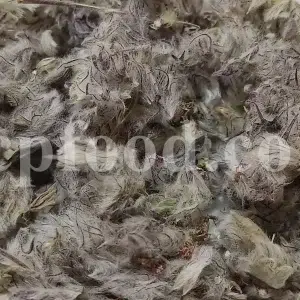
Bulk Rosmarinus officinalis Leaves for Export

ACPFOOD supplies bulk Rosmarinus officinalis leaves for export to B2B buyers worldwide. We provide high-quality dried rosemary leaves to wholesalers, herbal product distributors, and bulk herb importers seeking reliable and consistent sourcing.

Premium Quality Dried Rosemary Leaves Wholesale

  • Product Code: HER-023
  • Minimum Order Quantity (MOQ): 500 kg

To order or get a quote, please push the below button:

Get A Quote!

High Quality Bulk Rosmarinus officinalis Leaves for Export

Our bulk Rosmarinus officinalis leaves for export are carefully sourced and processed to meet the needs of wholesale rosemary leaf suppliers, dried rosemary exporters, and bulk herb distributors. ACPFOOD provides premium dried rosemary leaves in large quantities for herbal product manufacturers, spice wholesalers, and international herb importers seeking consistent quality and competitive pricing.

Bulk Rosmarinus officinalis leaves for export are one of the most valued aromatic herbs supplied by ACPFOOD for the food, pharmaceutical, nutraceutical, and cosmetic industries. Our carefully dried rosemary leaves (Rosmarinus officinalis L.) are sourced from trusted growers and processed under strict quality standards to preserve their natural essential oils and phenolic compounds.

As a globally recognized supplier, ACPFOOD provides bulk Rosmarinus officinalis leaves for export in large quantities suitable for herbal tea production, spice blends, natural preservatives, and botanical extracts. The product is rich in antioxidants, especially carnosic acid and rosmarinic acid, making it ideal for use in functional foods, phytomedicine, and cosmeceutical formulations.

With competitive pricing and dependable logistics, ACPFOOD ensures prompt worldwide delivery and full documentation for every shipment.

🚚 Delivery Options

🌍 Direct Export from Iran – Available worldwide
🇪🇺 European Union Customers: Delivered DDP from our warehouse in Heppenheim, Germany (MOQ: 1,000 Kg)
🇨🇦 Canada & 🇨🇳 China: Delivered DDP (MOQ: 1,000 Kg)
🇺🇸 USA Customers: Delivered DAP (MOQ: 10,000 Kg)
🚢 Other Countries: CIF shipping available worldwide


Rosemary leaves used in natural remedies
Medicinal-grade Rosmarinus officinalis for herbal use
Scientific Name: Rosmarinus officinalis L.
Synonyms: Salvia rosmarinus Spenn.
English Name: Rosemary
Other Names in English (UK, USA, Canada, South Africa, Australia, New Zealand): Romero
Family: Lamiaceae

GENERAL DATA

Plant parts: Leaves, Flowers
Cultivation mode: Wild collection\Cultivated
In manufacturing: Pharmaceutical, perfumery, hair care, skin care, cosmetic, spice, extract.
In food: Meat, soup, pizza, jam, dessert, tea, sauce.


🌿 Industries That Use Rosemary (Rosmarinus officinalis L.)

It is a highly versatile herb widely used in culinary, pharmaceutical, cosmetic, and industrial sectors. Below is an industry-focused breakdown of its major applications.

🌿 What Is Rosemary (Rosmarinus officinalis)?

It is a woody, evergreen herb native to the Mediterranean region, prized for its needle-like leaves and potent essential oils. It contains bioactive compounds such as rosmarinic acid, cineole, camphor, carnosol, and ursolic acid.

Traditionally used as a natural preservative, cognitive enhancer, and anti-inflammatory, this herb has a strong piney, slightly bitter flavor and a fresh, camphorous scent.

dried rosemary leaves for wholesale herbal trade
Bulk Rosmarinus officinalis leaves for export to international markets

1. Pharmaceutical & Herbal Medicine Industry

These leaves are widely used in phytotherapy and traditional medicine for:

  • Anti-inflammatory and analgesic properties

  • Cognitive support – memory, focus, and neuroprotection

  • Digestive aid – relieves bloating, cramps, and poor appetite

  • Antimicrobial – helps treat respiratory and skin infections

✅ Found in capsules, herbal teas, tinctures, extracts, and essential oils

2. Food & Culinary Industry

A classic culinary herb with ancient roots:

  • Used fresh or dried in meat, poultry, roasted vegetables, and sauces

  • Common in Mediterranean seasoning blends (e.g., Herbes de Provence)

  • Acts as a natural antioxidant and preservative in oils and cured meats

  • Infused into olive oils, vinegars, and baking ingredients

✅ Known for its woody, peppery, and slightly minty taste

3. Nutraceutical & Functional Food Industry

This herb is used for health-enhancing food formulations:

  • Incorporated into detox teas, antioxidant blends, and cognitive tonics

  • Used in nootropic supplements for focus and mental clarity

  • Added to functional beverages, immune shots, and nutrient powders

✅ Key in formulations for brain health, longevity, and cellular protection

wholesale dried rosemary leaves ready for global delivery
Bulk Rosmarinus officinalis leaves for export in large-scale supply

4. Cosmetic & Personal Care Industry

Valued for its astringent, antioxidant, and antimicrobial actions:

  • Used in scalp tonics, anti-hair loss shampoos, and growth serums

  • Added to facial cleansers, acne treatments, and anti-aging creams

  • Common ingredient in herbal soaps, deodorants, and mouthwashes

  • Infused into aromatic bath oils and skincare mists

✅ Popular in natural, botanical, and clean beauty lines

5. Fragrance & Aromatherapy Industry

Its essential oil is prized for its stimulating, clarifying scent:

  • Used in focus-enhancing diffuser blends and meditation oils

  • Found in perfumes, colognes, and herbal room sprays

  • Popular in massage oils for muscle relief and circulation

✅ Emotionally associated with mental energy, clarity, and memory

6. Household & Cleaning Products

Thanks to its strong antimicrobial profile, this leaf is used in:

  • Herbal surface cleaners, disinfecting sprays, and laundry products

  • Natural air fresheners, insect repellents, and candle oils

✅ Contains cineole and camphor—natural antiseptics and deodorizers

7. Animal Care & Veterinary Use

It is used in:

  • Natural pet shampoos and anti-flea sprays

  • Livestock care products for inflammation and skin health

  • Feed additives as a natural antioxidant and preservative

Summary Table – Rosemary (Rosmarinus officinalis) 🌿

Industry Common Uses
Pharmaceutical & Herbal Cognitive tonic, anti-inflammatory, antimicrobial remedies
Culinary & Food Seasoning, flavoring, preservative in oils/meats
Nutraceutical Brain-boosting teas, detox supplements, antioxidant drinks
Cosmetic & Skincare Hair growth serums, acne treatments, tonics
Fragrance & Aromatherapy Diffuser oils, perfumes, focus blends
Cleaning & Household Disinfectants, soaps, deodorizing sprays
Veterinary Pet shampoos, herbal feed additives, anti-parasitic care
🌱 Key Features:
  • Sun-dried or shade-dried rosemary leaves with strong aromatic profile

  • High in carnosic acid, rosmarinic acid, and volatile oils

  • Used across culinary, wellness, cosmetic, and fragrance industries

  • Renowned for its neuroprotective, antimicrobial, and preservative qualities


PRODUCT NAME IN DIFFERENT LANGUAGES

Persian Name: رزماری، اکلیل کوهی/ Rosemary, Aklil Kouhi
German Name (Deutschland, Austria, Switzerland): Rosmarin, Echter Rosmarin
French Name (France, Belgium, Switzerland, Quebec): Romarin, Encensier, Herbe aux couronnes, Romarin des troubadours

premium dried rosemary leaves in bulk packaging
Bulk Rosmarinus officinalis leaves for export in B2B supply

HARVEST CALENDAR

Jan
Feb
Mar
Apr
May
Jun
Jul
Aug
Sep
Oct
Nov
Dec


To order dried rosmarinus officinalis leaves, please contact us.


About Rosmarinus Officinalis

It is a perennial and fragrant shrub with many branches that reaches two meters in height. The young stems of this plant are green and the older stems are woody, hard and grayish. The leaves of this plant are small, elongated, narrow, pointed, and fleshy, growing alternately. In the middle of each leaf, there is a distinct longitudinal groove, and it is darker on the surface of the leaves than below them. Leaves have a bitter and spicy taste and a pleasant aroma.

The flowers of this plant are small, tabular, white with purple spots, sometimes pale blue, and sometimes purple, and they grow on top of its leaves. These flowers are fragrant and slightly bitter and spicy. After the flowers dry and fall, the reservoirs at the end of them remain, which contain four small, brown seeds. The shape of these seeds is almost like an incomplete oval with a quarter of it separated.


To order dried Rosemary, please contact us.


Rosmarinus Officinalis Chemical Constituents

Leaves and flower tops yield 1-2% volatile oil consisting of bornyl acetate, borneol (the chief constituents), cineole and minor quantities of camphene and a-pinene. Also present in the leaves are rosemarinic acid and triterpene alcohols like a-, and b-amyrins, betulins and b-sitosterol.


Rosmarinus officinalis Temperament

Very hot and dry.


Rosmarinus officinalis Health Benefits

Rosmarinus Officinalis leaves

 1. Drink leaves decoction. It is tonic, carminative, stimulant, diaphoretic and emmenagogue. It cures asthma, it is useful for relieving heartache caused by bloating, it is effective for treating cancer, paralysis, pertussis, insomnia and general and nervous weakness, it is used for rejuvenation, for relieving chronic moist cough, shortness of breath, cold suffocation and ascites are useful, to relieve cramps and blockage of the liver and spleen, It is also used to treat black bile jaundice, crushing kidney and bladder stones, and increasing urination and menstruation.

Rosmarinus officinalis leaves used in seasoning
Natural flavor enhancer used in meat and vegetable dishes

 2. If you rinse your eyes with its soaked water, it will cure conjunctivitis and catarrh.
3. Bathe with its soaked water. Treats rheumatism and paralysis.
4. Its poultice is used in cold eye pain and is very effective.
5. Rubbing its essential oil is effective to prevent hair loss.


Rosmarinus officinalis Side Effects

It is harmful to hot temperaments, it is abortive, pregnant women should avoid it and excessive consumption is toxic.


Rosmarinus Officinalis flower

  1. Brew 40 to 50 grams of it in a liter of boiling water and drink 3 cups of it a day. It is astringent, analgesic and anticonvulsants and disinfectant of the urinary tract, is a solver for the chest and relieves nervous coughs and nervous irritations, treats intestinal gas, intestinal inflammation and dysentery, if drink it before sleep at night, it eliminates insomnia.
  2. Drinking 20 to 30 grams of its brewed tea is useful for treating bronchitis and swelling of the back of the throat.
  3. Its poultice with vinegar and rose oil on the head and eating 27 grams of it with 67 grams of honey is useful for headaches.


🌿 Nutrition Facts – Rosemary Leaves (Rosmarinus officinalis L.)

Serving Size: 1 g (dried leaves, typical for spice or infusion use)
Calories: ~3 kcal

Nutrient Amount per 1g Per 100g
Total Fat 0.15 g 15.0 g
• Saturated Fat 0.01 g 1.0 g
Cholesterol 0 mg 0 mg
Sodium 1.0 mg 50 mg
Total Carbohydrate 0.7 g 70.0 g
• Dietary Fiber 0.5 g 50.0 g
• Natural Sugars 0.04 g 4.0 g
Protein 0.04 g 4.0 g

Vitamins & Minerals (Per 100g):

Micronutrient Approx. Content % DV (per 100g)
Vitamin A (RAE) ~1460 IU ~29%
Vitamin C ~21.8 mg ~36%
Calcium ~1280 mg 128%
Iron ~29.2 mg 162%
Magnesium ~220 mg 55%
Potassium ~950 mg 27%

Phytochemical & Functional Profile (Per 100g):

Compound / Group Approx. Content Functional Role
Rosmarinic acid Present Anti-inflammatory, cognitive & skin support
Carnosol & carnosic acid Present Antioxidant, neuroprotective
Essential Oils (cineole, camphor, pinene) ~1.5–2.5% Aromatic, antimicrobial, memory-enhancing
Flavonoids Moderate Antioxidant, cardiovascular support
Tannins Trace–moderate Astringent, digestive

🌿 Rosemary leaves are highly aromatic and valued for both culinary use and traditional herbal medicine. They support memory, digestion, and circulation, and are often used in teas, extracts, tinctures, and bath infusions.

⚠️ Due to its potency, rosemary is used in small amounts. Avoid excessive intake during pregnancy or in individuals with epilepsy.

Percent Daily Values are based on a 2,000-calorie diet. Nutrient composition may vary slightly depending on drying and origin.

To order Rosmarinus officinalis leaves, please contact us.


Reviews

There are no reviews yet.

Be the first to review “Bulk Rosmarinus officinalis Leaves for Export”

Your email address will not be published. Required fields are marked *

Videos

Research & Studies

Research & Studies — Rosemary (Rosmarinus officinalis L.)

Rosemary (Rosmarinus officinalis) is a high-value aromatic herb used worldwide in food, nutraceuticals, cosmetics and preservation systems. Backed by extensive phytochemical and clinical research, Bulk Rosmarinus officinalis Leaves for Export are sought by food manufacturers, natural-ingredient brands and B2B herbal suppliers. If you’re a wholesale rosemary leaves supplier or a buyer looking to buy dried rosemary leaves in bulk, this summary highlights the science, the market applications and the buying checklist for international trade. PMC+1

What the science shows (key findings & sources)

How research and industry use rosemary in your target markets

Below are practical, market-facing notes for buyers in the United Kingdom, USA, Canada, Australia, New Zealand and South Africa — with institutional examples and how those markets apply rosemary research to commercial products.

United Kingdom

  • Research & institutions: UK groups (e.g., University of Reading) study cultivation, essential-oil yield and leaf chemistry to help growers produce consistent export lots. See the Reading thesis on fertilizer and oil composition.

  • Industry use: British food manufacturers and artisan producers source wholesale dried rosemary for the food industry for flavouring and as a clean-label antioxidant.

United States

  • Research & institutions: US universities and food-science centres examine rosemary extracts for preservation, nutraceutical activity and cognitive effects — findings used by supplement and food companies to formulate rosemary-enriched products. See therapeutic and preservation studies cited above.

  • Industry use: Major food processors and natural-ingredient distributors buy Rosmarinus officinalis wholesale for seasoning blends, antioxidant mixes and extract supply.

Canada

  • Research & institutions: Canadian food-science programmes (e.g., university food research groups) evaluate antioxidant applications and product stability; Canadian formulators request export-quality rosemary herb supplier documentation when importing for functional foods and beverages.

Australia & New Zealand

  • Research & institutions: Australian and NZ applied-science groups investigate local cultivation, essential-oil profiling and nano-encapsulation for food/packaging uses (research into nanoencapsulation and meat preservation is ongoing).

  • Industry use: Boutique food brands and cosmetic formulators in Oceania work with bulk Mediterranean herbs for export suppliers to secure consistent, aromatic leaf stocks.

South Africa

  • Research & institutions: South African botanical gardens and agricultural faculties research Mediterranean herbs’ adaptation and local nursery production (Stellenbosch University botanical resources).

  • Industry use: Local spice distributors and cosmetic houses source premium rosemary leaves wholesale for export and domestic manufacture.

Commercial applications & product opportunities

  • Food & beverage: Use dried leaves or standardized extracts as flavouring, antioxidant additives and natural preservatives in oils, sauces and ready meals. Companies frequently buy dried rosemary leaves in bulk for ingredient blending.

  • Nutraceuticals & supplements: Standardized rosemary extracts are used for cognitive support, antioxidant formulations and metabolic-health blends. Many buyers buy Rosmarinus officinalis wholesale for bulk extraction or capsule production.
  • Cosmetics & personal care: Rosemary infusions, hydrosols and extracts are used in anti-aging serums, scalp and hair products, and aromatic formulations; suitable for bulk aromatic herbs for export channels.
  • Food packaging & meat preservation: Nanoencapsulated rosemary oil and essential-oil blends can extend shelf life in meat products and reduce synthetic additives — a clear route for food-industry adoption.

Quality & export checklist — what buyers should request

When sourcing Bulk Rosmarinus officinalis Leaves for Export, insist on:

  1. Botanical ID & cultivar (e.g., typical Mediterranean cultivars).

  2. Certificate of Analysis (CoA): moisture, microbial (TPC, yeast & mould), pesticide screening, heavy metals.

  3. Phytochemical profile / assay: total phenolics, carnosic acid/carnosol content, essential-oil % and GC-MS fingerprint.

  4. Processing & grade: whole leaf vs. cut, dried method (sun/oven/freeze), particle size for culinary vs. extraction lots.

  5. Traceability & sustainability: origin, cultivation vs. wild, harvest date and phytosanitary documentation.

  6. Application notes & samples: small lab-tested sample to trial in your formulation (food, cosmetic or nutraceutical).

These items are essential whether you’re a bulk dried rosemary wholesaler, a bulk culinary rosemary leaves exporter or an export-quality rosemary herb supplier.

ACPFOOD — how we support buyers

ACPFOOD supplies export-grade rosemary leaf lots (organic and conventional) with CoAs, GC-MS reports, flexible packing and pilot samples. Whether you’re a dried rosemary herb bulk distributor or a large-scale manufacturer looking to buy dried rosemary leaves in bulk, we provide technical support for application testing and regulatory documentation.

Explore related categories:

Selected references / further reading (full URLs)

Pin It on Pinterest

Share This
×