

In traditional Persian medicine, kidney and bladder stones are believed to form when excessive heat affects thick and viscous phlegmatic substances that remain in the kidneys or bladder. Over time, the moisture within these substances decreases, causing them to harden and gradually form stone-like masses. In some cases, these hardened materials may also produce an unpleasant odor.
According to traditional medical theory, factors such as drinking muddy or contaminated water, consuming thick, slimy, dusty, or highly coagulating foods, and excessive intake of certain mineral substances may contribute to the formation of stones. Overconsumption of laxative foods is also traditionally considered a factor that may aggravate the condition. At ACPFOOD, we are committed to preserving and sharing authentic knowledge of traditional herbal medicine and natural wellness practices, including historical perspectives on urinary health and traditional botanical remedies.
The formation of kidney and bladder stone in traditional Persian medicine is considered more common in elderly and overweight individuals, especially when kidney function and excretion become weaker. In these cases, concentrated and viscous waste materials may accumulate more easily due to narrowing of the urinary pathways. By contrast, kidney stones are believed to occur less frequently in children and young individuals with lean body types.
Traditional sources also describe a higher risk of stone formation in middle-aged or young individuals with dense body structure and narrow veins who regularly consume heavy foods together with strong diuretics. In colder climates, combining slimy foods with diuretic substances is also thought to increase the likelihood of stone development. Conversely, in warmer regions where people consume larger amounts of foods with cooling properties, such as melons and cucumbers, this condition is traditionally believed to occur less frequently.
In some individuals, kidney or bladder stones may recur repeatedly every few months or annually. Traditional medicine also recognizes that susceptibility to this condition may sometimes run in families and appear in children as an inherited tendency.
Table of Contents
ToggleSymptoms of Kidney Stone Formation
The symptoms of kidney stone formation may vary depending on the size, location, and movement of the stones within the urinary system. In traditional Persian medicine, several signs are associated with the presence of stones in the kidneys or urinary tract.
Small red or yellow pebble-like particles may sometimes appear in the urine. Individuals may also experience repeated pain in the lower back or kidney area, often accompanied by a sharp or piercing sensation similar to needle pricks.
When the pain radiates downward toward the thigh or groin area, it may indicate that the stone has moved into the urinary tract. Relief of pain in the kidney region may sometimes suggest that the stone has passed into the bladder.

In some cases, consuming large amounts of food may worsen lower back pain, and as digestion progresses and food enters the intestines, kidney pain may intensify further. Traditional sources also note that bowel evacuation may temporarily reduce discomfort.
Additional symptoms may include pain in the testicle on the same side as the affected kidney, weakness in the corresponding thigh, thick or cloudy urine that may suddenly become clear, and alternating periods of severe pain followed by temporary relief or absence of pain.
These symptoms are traditionally associated with kidney and bladder stone in traditional Persian medicine, although persistent or severe urinary symptoms should always be evaluated by a qualified healthcare professional.
Symptoms of Bladder Stone Formation
The symptoms of bladder stone formation may differ from those associated with kidney stones and often depend on the size and movement of the stone within the bladder or urinary tract.
In some cases, small white or gray pebble-like particles may appear in the urine. Pain, irritation, or itching may also be felt around the root of the penis and the pubic region, causing the individual to frequently touch or scratch the affected area.
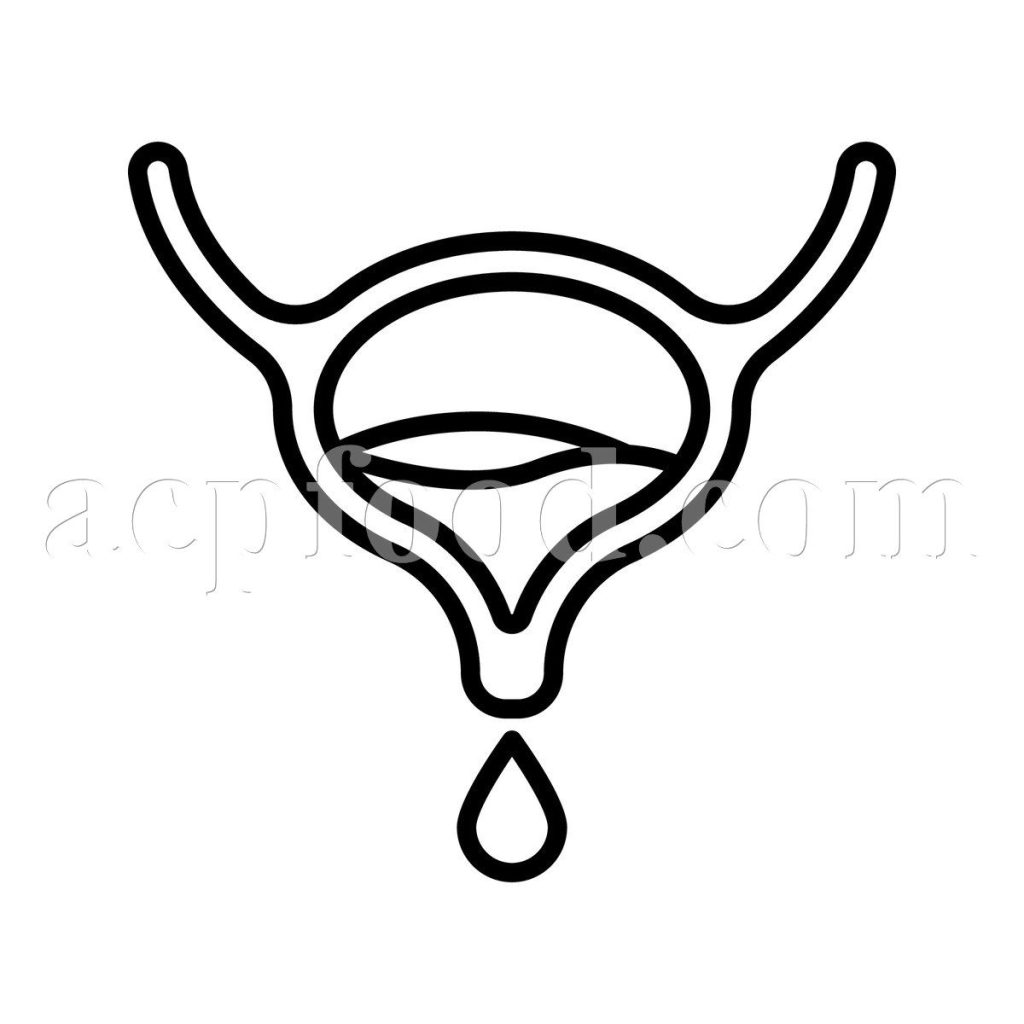
Difficulty during urination is another common symptom. Traditional sources describe bladder stones as generally being larger than kidney stones because the bladder provides more space for their growth and accumulation.
Unlike kidney stones, bladder stones may not always cause pain unless they move out of the bladder and partially block the urinary tract. Painful urination may indicate that a smaller stone has entered the urethra.
The appearance of pebble-like particles in the urine is traditionally considered a sign that the bladder stone is fragile and breaking apart, whereas the absence of such particles may indicate a harder and more solid stone structure.
Some individuals may also experience pain at the root of the penis while walking or during physical movement.
Treatment for Kidney and Bladder Stones
In traditional medicine, the treatment of kidney and bladder stones begins with avoiding foods that are believed to contribute to stone formation. Traditional practitioners also emphasize reducing the accumulation of thick phlegmatic substances within the body through methods intended to support elimination and improve digestion.
According to traditional practice, strengthening the kidneys and helping the body remove concentrated waste materials through the use of natural diuretic herbs and remedies may help reduce the tendency toward stone formation. In later stages, herbal preparations traditionally described as stone-breaking, softening, and lubricating for the urinary tract may be used to help facilitate the passage of stones.
Dietary recommendations may vary depending on the patient’s physical condition. For weaker individuals, light and easily digestible foods such as small organic chicken with moderate fat, goat meat, semi-roasted chicken, and dry bread are traditionally advised. For stronger individuals, lighter foods with lower caloric density may be recommended, including peeled mung beans (Vigna radiata), spinach (Spinacia oleracea), non-alcoholic beer, zucchini stew, cucumber stew, chickpea stew, and simple meals containing almond kernels or almond oil.
Avoiding overeating is considered important. Traditional medicine also places emphasis on strengthening the stomach and improving digestion so that undigested food residues do not remain in the body.
Gentle physical activity, mild massage, bathing, and sitting in decoctions prepared from suitable herbs are also traditionally considered beneficial. These practices are believed to support circulation, relax the urinary passages, and help the body eliminate accumulated substances. However, excessive use of these practices is traditionally discouraged because it may weaken the body and kidney function.
Traditional sources also mention that drinking water during meals or consuming large amounts of water on an empty stomach early in the morning may contribute to stone formation in susceptible individuals. In addition, patients are traditionally advised to avoid sleeping on carpets made from animal skin or wool and instead use linen materials, as excessive warmth around the kidney area is believed to promote stone formation.
Singular Drugs to Cleanse the Kidney and Bladder
Vegetables
Traditional medicine sources describe several vegetables and herbs that have historically been used to support kidney and bladder cleansing, including celery (Apium graveolens), chicory (Cichorium intybus), dill (Anethum graveolens), fennel (Foeniculum vulgare), caltrops (Tribulus terrestris), radish (Raphanus sativus) leaves and roots, and Inula helenium.

Fruits
Various fruits are also traditionally recommended for supporting urinary tract health, such as melon (Cucumis melo), cucumber (Cucumis sativus), Armenian cucumber (Cucumis melo var. flexuosus), white grapes, fresh and dried figs, bitter almond (Amygdalus communis var. amara), hawthorn (Crataegus), pistachio (Pistacia vera), and Asparagus officinalis consumed together with vinegar and olives.
Traditional texts especially describe hawthorn (Crataegus) as having properties believed to help cleanse the urinary tract and support the expulsion of stones.
Drinks
Among traditional drinks, Sekanjebin prepared with caper vinegar (Capparis spinosa) or sea squill vinegar (Drimia maritima), as well as horseradish juice and white wine, have historically been used in traditional practices related to urinary health.
Other Traditional Remedies
Additional traditional substances and botanicals mentioned in classical sources include Commiphora mukul gum, hawthorn (Crataegus), wormwood (Artemisia absinthium), Cinnamomum cassia, squirting cucumber root (Ecballium elaterium), Commiphora opobalsamum wood and seeds, maidenhair fern (Adiantum capillus-veneris), Phyllitis scolopendrium, Cinnamomum tamala seed, Ajuga chamaepitys, Teucrium polium, Asparagus officinalis root, Cyperus longus, bay laurel (Laurus nobilis) root bark, field garlic (Teucrium scordium), and Armenian borax.
These remedies belong to traditional herbal practices and historical medical literature. Persistent urinary symptoms or suspected kidney and bladder stones should always be evaluated by a qualified healthcare professional.
Medicinal Herbs Traditionally Used for Kidney and Bladder Stones
Traditional medical texts describe certain natural substances and medicinal herbs as having stronger effects on the kidneys or bladder in relation to stone formation and urinary tract support.

Traditional Remedies Believed to Affect the Kidneys
Among the substances historically described as having a strong effect on the kidneys are Jewish stone (Lapis Judaicus), Cretan dittany (Origanum dictamnus), and Ajuga chamaepitys.
Traditional Remedies Believed to Affect the Bladder
Traditional sources also mention substances believed to have stronger effects on the bladder, including ash prepared from eggshells from which chicks have hatched, pigeon dung, and rabbit dung. These remedies are historically discussed in relation to kidney and bladder stone in traditional Persian medicine.
According to traditional formulations, warming herbs such as pepper and cinnamon were sometimes combined with these substances in order to help stimulate movement and support the passage of stones toward the bladder.
Various diuretic herbs and botanicals were also traditionally used to help increase urine flow and assist in expelling stones from the urinary tract. These include Acorus calamus, carrot seeds (Daucus carota), grapevine (Vitis vinifera), Asarum europaeum, Trachyspermum ammi (formerly known as Carum copticum), lovage (Levisticum officinale), Cymbopogon, Lagoecia cuminoides, and chaste tree seeds (Vitex agnus-castus).
When bladder pain was present, soothing and softening ingredients were traditionally added to formulations. These included flaxseed and flaxseed mucilage, chilgoza pine kernel (Pinus gerardiana), hazelnut kernel (Corylus avellana), marshmallow seed (Althaea officinalis), Aloe barbadensis, Polypodium vulgare, and nutmeg gum (Myristica fragrans).
These remedies are part of historical traditional medicine practices and should not replace professional medical diagnosis or treatment for urinary tract conditions or kidney stones.
Kidney and Bladder Strengthening Remedies
According to traditional medicine, weakness of the kidneys and bladder may reduce the body’s ability to properly eliminate waste materials, thereby increasing the likelihood of stone formation. For this reason, strengthening these organs has traditionally been considered an important part of prevention and supportive care.
Traditional remedies believed to help strengthen the kidneys, bladder, and other internal organs include Wavyleaf sea lavender (Statice limonium), Bitter ginger (Zingiber zerumbet), Lemon Balm seeds (Melissa officinalis), Damask rose flowers (Rosa damascena), sandalwood (Santalum), pomegranate flowers (Punica granatum), and fruit pastes prepared from apples and pears.
Traditional practitioners also emphasized that individuals with a “hot temperament” affecting the kidneys or bladder should use remedies considered milder and less heating in nature.
Combined Traditional Remedy for Expelling Stones
The following traditional preparation has historically been recommended for individuals with hot temperaments:
- Armenian cucumber seed kernels (Cucumis melo var. flexuosus), melon seed kernels (Cucumis melo), and pumpkin seed kernels (Cucurbita pepo) — one part each
- Fennel seed (Foeniculum vulgare) — half part
All ingredients are mixed and finely ground. Traditionally, approximately 6 grams of the mixture may be consumed together with chilled Sekanjebin combined with rose water.
Another Traditional Remedy for Kidney Stones
Another traditional preparation historically used for kidney stones includes cucumber seeds (Cucumis sativus), Armenian cucumber seed kernels (Cucumis melo var. flexuosus), melon seed kernels (Cucumis melo), and pumpkin seed kernels (Cucurbita pepo), 16 grams each. Celery seeds (Apium graveolens) are added at 6 grams, along with fennel seeds (Foeniculum vulgare) at 9 grams.
All ingredients are mixed and finely ground. Traditionally, approximately 6 grams of the mixture may be consumed together with cinnamon.
Traditional Herbal Bath for Kidney Stones
Traditional medicine also describes herbal baths as supportive remedies for relieving discomfort associated with kidney stones. Equal amounts of Calotrops (Tribulus terrestris), Chamomile dried flower (Matricaria chamomilla), Yellow Sweet Clover kernel (Melilotus officinalis, Marjoram dried leaves (Origanum majorana), celery, cabbage (Brassica oleracea), dill (Anethum graveolens), marshmallow leaves (Althaea officinalis), and Maidenhair fern leaves (Adiantum capillus-veneris) are cooked in water and then allowed to cool to a tolerable temperature. The individual may then sit in the prepared herbal bath.
Afterward, cucumber seeds (Cucumis sativus) and Armenian cucumber seeds (Cucumis melo var. flexuosus) may traditionally be consumed together with approximately 2 grams of Hajar al-Yahood (Lapis Judaicus).
Traditional texts also describe the following syrup preparation:
- Licorice root (Glycyrrhiza glabra) and maidenhair fern (Adiantum capillus-veneris) — 16 grams each
- Marshmallow seeds (Althaea officinalis) and mallow seeds (Malva sylvestris) — 9 grams each
- Celery seeds (Apium graveolens), fennel seeds (Foeniculum vulgare), and Tribulus terrestris — 6 grams each
- 10 dried figs
- 30 fruits of Assyrian Plum (Cordia myxa)
All ingredients are cooked together and strained. Traditionally, about 100 grams of the prepared liquid may be consumed with 25 grams of Sekanjebin.
Decoctions and Traditional Remedies for Stone Removal
Traditional medicine describes several herbal preparations intended to help soften, lubricate, and support the passage of stones through the urinary tract. These traditional remedies are historically associated with kidney and bladder stone in traditional Persian medicine.
One traditional remedy involves boiling the leaves of Blue Mallow (Malva sylvestris) in water and mixing the preparation with honey and tallow before consumption.
Another traditional preparation consists of dissolving Canafistula (Cassia fistula) in fennel juice (Foeniculum vulgare) and consuming it together with almond oil.
Traditional sources also suggest that physical movement and activity, such as exercise, horseback riding, and climbing up and down stairs, may help encourage the movement of stones from the kidneys into the urinary tract and bladder.
For discomfort associated with bladder stones, traditional remedies include boiling Chamomile dried flower (Matricaria chamomilla), Yellow Sweet Clover kernel (Melilotus officinalis), Marshmallow dried flower (Althaea officinalis), and bran in water, then mixing the preparation with warming oils such as rue oil (Ruta graveolens). The mixture may then be applied externally below the abdomen to help reduce pain and discomfort.
Thick Phlegm Purgative for Kidney Stones
Traditional medicine describes the use of strong purgative formulations to help eliminate thick phlegmatic substances that are believed to contribute to kidney stone formation.
One such preparation is a traditional pill intended to expel thick phlegm, made by combining Turpeth Root (Operculina turpethum) (4 grams), Ivy-leaved morning-glory seeds (Ipomoea hederacea) (1.5 gram), Aloe vera resin (1.5 grams), and Colocynth dried fruit (Citrullus colocynthis) (0.6 grams). The ingredients are mixed together and taken at once according to traditional usage descriptions.
Traditional Medicine for Removing Kidney Stones
Traditional medicine describes several herbal combinations believed to support the removal of kidney stones by helping to cleanse the urinary tract.
One such formulation includes equal amounts of melon seeds (Cucumis melo), Cumin seed (Cuminum cyminum), Ajwain seed (Trachyspermum ammi), Sweet Cyperus (Cyperus longus), celery seeds (Apium graveolens), horseradish seeds, and bitter almonds (Amygdalus communis var. amara).
Approximately 3.2 grams of this mixture is traditionally taken with a decoction of Adiantum capillus-veneris as part of classical herbal practice for supporting kidney stone removal.
Traditional Medicine for Breaking and Expelling Kidney and Bladder Stones
Traditional medicine describes certain formulations that are believed to help break kidney and bladder stones and support their expulsion from the urinary tract.
One such preparation includes equal amounts of Wild cabbage ash (Brassica oleracea var. capitata), and ash of eggshells from which chicks have hatched. These ingredients are mixed together thoroughly.
A traditional dose of approximately one scoop (4.2 grams) is then taken with juice of Calotrops (Tribulus terrestris) and aged wine, as described in classical medical texts.
Traditional Medicine for Kidney Stone Removal
Traditional medicine describes certain compound herbal preparations that are believed to help support the removal of kidney stones by promoting urinary cleansing and stone expulsion.
One such formulation includes equal amounts of Arabian balsam seeds (Commiphora opobalsamum), Moringa arabica seeds, Lithospermum officinale seeds, and melon seed kernels (Cucumis melo). All ingredients are finely ground and mixed thoroughly.
A traditional dose of approximately 4.2 grams is then consumed according to classical usage descriptions.
Traditional Medicine for Removing Kidney Stones
Traditional medicine describes herbal combinations that are believed to support the removal of kidney stones by promoting urinary flow and helping cleanse the urinary tract.
One such preparation involves mixing and grinding equal amounts of melon seeds (Cucumis melo), Cumin seed (Cuminum cyminum), Ajwain seed (Trachyspermum ammi), Cyperus longus, celery seeds (Apium graveolens), horseradish seeds, and bitter almonds (Amygdalus communis var. amara).
A traditional dose of approximately 3.2 grams of this mixture is taken with a decoction of maidenhair fern (Adiantum capillus-veneris) according to classical herbal practice.
Sofof (Crushed Herb) for Kidney and Bladder Stones in Hot Temperaments
Traditional medicine describes a crushed herbal preparation (Sofof) used for kidney and bladder stones, especially in individuals with hot temperaments.
This formulation includes cucumber seeds (Cucumis sativus), Armenian cucumber seeds (Cucumis melo var. flexuosus), watermelon seeds, and pumpkin seed kernels, 16.8 grams each. Fennel (Foeniculum vulgare) is added at 6.4 grams, along with ginger.
All ingredients are mixed and finely ground. A traditional dose of approximately 8 grams is then consumed according to classical usage descriptions.
Sofof for Cleansing Kidney and Bladder Stones in Children
Traditional medicine describes a mild powdered preparation (Sofof) that is used to support the cleansing of kidney and bladder stones in children.
This formulation includes melon seeds (Cucumis melo), gum arabic, and Persian Gum. All ingredients are dried, finely ground, and sieved in equal amounts to obtain a smooth powder.
A traditional dosage of approximately 1.6 to 3.2 grams is used according to classical guidance.
Majun-e Hajr-al-Yahud for Kidney Stone Removal
Traditional medicine describes a preparation known as Majun-e Hajr-al-Yahud, which is used to support the removal of kidney stones and promote urinary tract cleansing.
This formulation includes cucumber seeds (Cucumis sativus), pumpkin seeds (Cucurbita pepo), Persian melon seed kernels (Cucumis melo), and Chinese Lantern dried fruit (Physalis alkekengi), each in 16 grams. It is combined with 160 grams of Hajr-al-Yahud and mixed thoroughly with honey to form a paste-like preparation.
A traditional dose of approximately 6.4 to 9.6 grams is consumed according to classical usage guidelines.
Sofof-e Hajr-al-Yahud for Breaking Kidney and Bladder Stones
Traditional medicine describes a powdered preparation (Sofof-e Hajr-al-Yahud) that is believed to help break down kidney and bladder stones and support their elimination through the urinary tract.
This formulation includes cucumber seeds (Cucumis sativus), Armenian cucumber seed kernels (Cucumis melo var. flexuosus), pumpkin seed kernels (Cucurbita pepo), and Persian melon seed kernels (Cucumis melo), each 16 grams. It also contains Sitao seeds (Dolichos biflorus) and Hajr-al-Yahud, each 6.4 grams, as well as Sisalius (Tordylium officinale) 4.8 grams.
Additional ingredients include Gum Tragacanth (Astragalus gummifer), Arabic gum, starch, and licorice paste, each 3.2 grams. All components are mixed, finely ground, and prepared as a uniform powder.
A traditional dose of approximately 6.4 grams is consumed with juice of Calotrops (Tribulus terrestris) according to classical descriptions.
Another Sofof for Kidney and Bladder Stones
Traditional medicine describes another powdered preparation (Sofof) used to support the management of kidney and bladder stones and promote urinary tract cleansing.
This formulation includes cucumber seeds (Cucumis sativus), Armenian cucumber seed kernels (Cucumis melo var. flexuosus), pumpkin seed kernels (Cucurbita pepo), marshmallow seeds (Althaea officinalis), and fennel seed (Foeniculum vulgare), each 3.2 grams.
It also contains Sitao seeds (Dolichos biflorus) and Persian Gum, each 6.4 grams, along with Hajr-al-Yahud at 1.6 grams. All ingredients are finely powdered and thoroughly mixed to form a uniform preparation.
A traditional dose is consumed with a decoction of Tribulus terrestris according to classical usage descriptions.
Habb (Tablet) for Breaking Kidney and Bladder Stones
Traditional medicine describes a tablet preparation (Habb) used to support the breaking and elimination of kidney and bladder stones and to assist urinary tract cleansing.
This formulation includes Hajr-al-Yahud, Persian Gum, cucumber seeds (Cucumis sativus), Armenian cucumber seed kernels (Cucumis melo var. flexuosus), dill seeds (Anethum graveolens), Abnus (Diospyros ebenum), licorice paste, saffron, and goat bladder, all mixed in equal proportions and finely powdered.
The mixture is then formed into tablets using celery seed juice (Apium graveolens) and rose water.
A traditional dose of approximately 9.6 grams is consumed with about 125 grams of Tribulus terrestris hydrosol according to classical descriptions.
Traditional Medicine for Removing Kidney Stones
Traditional medicine describes herbal combinations that are believed to support the removal of kidney stones by promoting urinary flow and cleansing the urinary tract.
One such preparation involves mixing and grinding equal amounts of melon seeds (Cucumis melo), Cumin seed (Cuminum cyminum), Ajwain seed (Trachyspermum ammi) (formerly Carum copticum), Cyperus longus, celery seeds (Apium graveolens), horseradish seeds, and bitter almonds (Amygdalus communis var. amara).
A traditional dose of approximately 3.2 grams of this powdered mixture is taken with a decoction of maidenhair fern (Adiantum capillus-veneris) according to classical herbal practice.
Conclusion
In traditional healing systems, the management of urinary stones involves a combination of dietary regulation, lifestyle adjustments, herbal preparations, and remedies intended to support kidney and bladder function. Classical texts describe numerous natural substances that were traditionally used to help cleanse the urinary tract, reduce discomfort, and support the breaking and expulsion of stones. Although these remedies reflect centuries of historical knowledge, persistent urinary pain, difficulty urinating, blood in the urine, or severe symptoms should always be evaluated by a qualified healthcare professional. At ACPFOOD, we are dedicated to preserving and sharing authentic herbal knowledge and traditional wellness practices, including historical approaches related to kidney and bladder stone in traditional Persian medicine.
Refferences:
- Zakhire Kharazemshahi, vol. 6, pp. 839-847.
- Kholasat al- Tajareb, text, page: 470-479.
- Tohfat-al-Momenin, Hakim Mohammad Momen Tonekaboni, in Persian, 16th century, Vol. II, page 199, Par-e- Siavashan.
- Qarabadin Shafa’i, p. 124