


Bulk Dried Myrtle Leaves and Berries for Export
ACPFOOD supplies bulk dried myrtle leaves and berries for export to global buyers who demand authenticity and quality. Our carefully sourced leaf myrtle and Myrtus communis leaf are delivered in wholesale quantities to importers, distributors, and retailers. With strong expertise in bulk herb exports, we ensure consistent quality for the food, beverage, and pharmaceutical industries. Partner with us for reliable supply and competitive pricing on wholesale dried myrtle.
ACPFOOD supplies premium-quality Bulk Dried Myrtle Leaves and Berries for Export, sourced from carefully harvested Myrtus communis L. plants growing in suitable regions of Iran. Myrtle is widely recognized for its aromatic leaves and oil-rich berries, making Bulk Dried Myrtle Leaves and Berries for Export highly demanded across the pharmaceutical, nutraceutical, cosmetic, food, and fragrance industries.
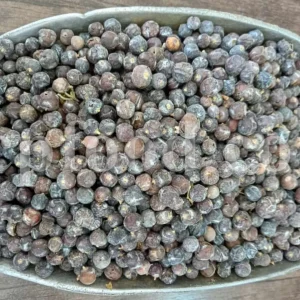
Our Bulk Dried Myrtle Leaves and Berries for Export are naturally dried and professionally cleaned to preserve essential oils, color, and bioactive compounds. Dried Myrtle Leaves are commonly used for herbal teas, extracts, and medicinal preparations, while Myrtle Berries are valued for essential oil extraction, flavoring, cosmetic formulations, and traditional herbal uses.
ACPFOOD ensures consistent quality, traceability, and export readiness for Bulk Dried Myrtle Leaves and Berries for Export, supported by full documentation and reliable international logistics.
🏭 Industrial Applications
✔️ Pharmaceutical & Herbal Industry
-
Myrtle leaves used in respiratory, antiseptic, and digestive formulations
-
Myrtle berries applied in traditional herbal preparations and extracts
✔️ Cosmetic & Personal Care
-
Myrtle essential oil used in skincare, soaps, and hair products
-
Berries used for oil extraction and aromatic formulations
✔️ Food & Beverage Industry
-
Leaves used in herbal teas and flavor infusions
-
Berries used in specialty flavoring and traditional food products
✔️ Fragrance & Aromatherapy
-
Myrtle leaves and berries used in essential oil distillation
-
Applied in natural fragrances and aromatherapy blends
ACPFOOD supplies Bulk Dried Myrtle Leaves and Berries for Export suitable for industrial-scale processing.
🌱 Product Specifications
| Parameter | Dried Myrtle Leaves | Myrtle Berries |
|---|---|---|
| Botanical Name | Myrtus communis L. | Myrtus communis L. |
| Plant Part Used | Leaves | Berries (fruit) |
| Form | Whole or cut dried leaves | Whole dried berries |
| Color | Green to dark green | Dark blue to black |
| Aroma | Strong, aromatic | Warm, aromatic |
| Moisture | < 10% | < 10% |
| Purity | ≥ 99% cleaned | ≥ 99% cleaned |
| Origin | Iran | Iran |
| Processing | Natural drying, cleaning | Natural drying, cleaning |
| Documents Provided | CoA, TDS, Phytosanitary Certificate | CoA, TDS, Phytosanitary Certificate |
🌍 Why Choose ACPFOOD for Bulk Dried Myrtle Leaves and Berries for Export
-
✔️ Trusted exporter of Bulk Dried Myrtle Leaves and Berries for Export
-
✔️ High essential oil content and strong aroma
-
✔️ Suitable for pharmaceutical, cosmetic, food, and fragrance industries
-
✔️ Consistent quality and botanical authentication
-
✔️ Export-ready packaging and complete documentation
-
✔️ Reliable bulk supply for global buyers
ACPFOOD is a dependable partner for sourcing Bulk Dried Myrtle Leaves and Berries for Export worldwide.
🚚 Delivery Options
🌍 Direct Export from Iran – Available worldwide
🇪🇺 European Union Customers: Delivered DDP from Heppenheim, Germany (MOQ: 500 Kg)
🇨🇦 Canada & 🇨🇳 China: Delivered DDP (MOQ: 500 Kg)
🇺🇸 USA Customers: Delivered DAP (MOQ: 1,000 Kg)
🚢 Other Countries: CIF shipping available worldwide

GENERAL DATA
Plant parts: Leaf, Fruit
Cultivation mode: Wild collection/Cultivated
In manufacturing: Pharmaceutical, oil, shampoo, soap, skin care, hair care, extract, perfumery.
In food: Herbal Tea.
🌿 Industries That Use Myrtle Leaves (Myrtus communis L.)
Myrtle leaves come from the evergreen shrub Myrtus communis L., native to the Mediterranean region. Rich in essential oils, tannins, and flavonoids, these glossy, aromatic leaves are used traditionally and industrially in pharmaceutical, cosmetic, culinary, and aromatic products. Their antiseptic, anti-inflammatory, and astringent properties make them valuable across multiple sectors.
1. Pharmaceutical & Traditional Medicine Industry
Myrtle leaves have been used for centuries in Greek, Roman, Persian, and Islamic medicine.

2. Herbal & Nutraceutical Industry
Used in wellness and botanical formulas due to their antioxidant and immune-supportive compounds.
Applications:
-
Liver support and detoxification formulas
-
Immune-boosting and anti-inflammatory blends
-
Found in traditional digestive teas and herbal syrups
✅ Combined with herbs like Fennel, Thyme, or Rosemary
3. Cosmetic & Personal Care Industry
The essential oils and tannins in myrtle leaves make them a prized ingredient in natural skincare.
Applications:
-
Included in cleansing toners, acne treatments, and antiseptic lotions
-
Used in anti-aging products, especially those targeting oily or inflamed skin
-
Added to herbal facial steams, bath infusions, and hair rinses
✅ Known for toning, purifying, and calming effects
4. Essential Oil & Aromatherapy Industry
Myrtle leaf oil, extracted via steam distillation, is a fresh, clean-scented essential oil used in therapeutic and perfumery products.
Applications:
-
Diffused to relieve stress, enhance breathing, and promote focus
-
Included in natural deodorants and aromatherapy sprays
-
Often part of respiratory support and relaxation oil blends
✅ Contains 1,8-cineole, myrtenol, and linalool
5. Food & Beverage Industry
Although not as commonly used as the berries, myrtle leaves are employed in culinary and flavoring contexts.
Applications:
-
Used to flavor meats, especially game and fish, in Mediterranean cuisine
-
Infused into liquors and herbal tonics
-
Occasionally added to teas and functional beverages
✅ Traditionally used in folk recipes and regional distillations (e.g., myrtle liqueur in Sardinia)
6. Perfumery & Natural Fragrance Industry
Myrtle leaves offer a clean, green, and lightly spicy aroma used in botanical perfumery.
Applications:
-
Used in cologne bases, especially in chypre and herbal fragrance accords
-
Found in natural soaps, candles, and air fresheners
✅ Valued for freshness and light antiseptic character
7. Ethnobotanical & Cultural Use
Historically considered a sacred and symbolic plant in Mediterranean and Middle Eastern traditions.
Applications:
-
Used in ritual baths, incense, and purification ceremonies
-
Symbol of purity, love, and protection
-
Appears in historical perfumery recipes and ethnobotanical records
✅ Common in Greek, Roman, Islamic, and Sephardic herbal traditions
✅ Summary of Key Applications
| Industry | Common Uses |
|---|---|
| Pharmaceutical & Traditional | Respiratory support, antiseptic, digestive relief |
| Herbal & Nutraceutical | Liver tonics, immune support, anti-inflammatory blends |
| Cosmetic & Personal Care | Astringent skincare, acne care, bath and hair treatments |
| Aromatherapy & Essential Oils | Relaxation, focus, decongestion, perfumery |
| Food & Beverage | Meat flavoring, herbal teas, liqueur infusions |
| Fragrance & Perfumery | Fresh green scents in botanical perfumes and soaps |
| Ethnobotanical & Cultural | Rituals, cleansing ceremonies, symbolic uses |
🌟 Key Features
-
Rich in essential oils (cineole, myrtenol) and polyphenols
-
Known for fresh, green, and slightly spicy scent
-
Used for respiratory, skin, and digestive support
-
Available as dried whole leaves, powders, tinctures, or extracts
-
A prized herb in Mediterranean and Persian botanical traditions
🌿 Industries That Use Myrtle Berries (Myrtus communis L.)
Myrtle berries are the small, dark blue to purple fruits of the Myrtus communis shrub, native to the Mediterranean basin. These berries are rich in tannins, anthocyanins, essential oils, and other bioactive compounds. They are traditionally used in liqueur production, natural medicine, functional foods, and cosmetic formulations.
1. Food & Beverage Industry
Myrtle berries are best known for their role in traditional beverages and as a culinary flavoring agent.

2. Nutraceutical & Functional Food Industry
Due to their antioxidant and antimicrobial properties, myrtle berries are included in functional foods and botanical dietary supplements.
Applications:
-
Capsules and extracts for immune support
-
Used in antioxidant formulas and herbal tonics
-
May support cardiovascular and metabolic health
✅ Rich in flavonoids, tannins, and anthocyanins
3. Pharmaceutical & Herbal Medicine Industry
Traditionally valued for digestive, respiratory, and urinary support.
Applications:
-
Used in herbal tinctures for gastrointestinal discomfort
-
Formulated in syrups and decoctions for colds and coughs
-
Considered a mild astringent and antiseptic
-
Sometimes used for bladder and kidney health
✅ Found in folk medicine systems of the Mediterranean and Middle East
4. Cosmetic & Skincare Industry
The antioxidant and astringent effects of myrtle berries lend them to use in natural beauty products.
Applications:
-
Included in anti-aging creams and toners for oily skin
-
Used in cleansing masks, bath soaks, and firming serums
-
Formulated in herbal shampoos and hair tonics for scalp health
✅ Often combined with Pomegranate, Grape seed, or Rosemary extracts
5. Natural Colorant & Extract Industry
The deep purple hue of myrtle berries provides a natural pigment for clean-label product lines.
Applications:
-
Extracted for use in cosmetics, functional beverages, and botanical dyes
-
Used in natural colorant formulations for clean beauty and food brands
✅ A source of stable plant-based anthocyanins
6. Perfumery & Aromatic Product Industry
Although not as volatile as the leaves, berry extracts are used for their deep, fruity, slightly spicy scent.
Applications:
-
Added to botanical perfumes, natural incense, and artisanal soaps
-
Occasionally used in scented candles and room sprays
✅ Enhances the base note complexity of botanical blends
7. Ethnobotanical & Cultural Use
Myrtle berries have historical value in ritual, culinary, and symbolic traditions.
Applications:
-
Used in ceremonial wines or sacred libations
-
Featured in folk healing recipes
-
Associated with purity and vitality in Mediterranean cultures
✅ Revered in Greek, Roman, Persian, and Jewish traditions
✅ Summary of Key Applications
| Industry | Common Uses |
|---|---|
| Food & Beverage | Myrtle liqueur, sauces, infusions, gourmet condiments |
| Nutraceutical | Antioxidant capsules, immune support extracts |
| Pharmaceutical & Herbal | Decoctions for colds, digestion, urinary health |
| Cosmetic & Skincare | Anti-aging creams, toners, hair products |
| Colorant Industry | Natural anthocyanin pigment for cosmetics/foods |
| Fragrance & Aroma | Deep, fruity base note in herbal perfumes |
| Cultural & Ethnobotanical | Ritual uses, folk medicine, symbolic ceremonies |
🌟 Key Features
-
Rich in anthocyanins, tannins, and polyphenols
-
Used in Mirto liqueur and other traditional beverages
-
Known for astringent, antioxidant, and mild antiseptic effects
-
Valued in functional foods, natural cosmetics, and ritual applications
-
Available as whole dried berries, powders, tinctures, or extracts
🌿 Comparison: Myrtle Leaves vs Myrtle Berries
(Myrtus communis L.)
| Aspect | Myrtle Leaves | Myrtle Berries |
|---|---|---|
| Botanical Part | Evergreen, aromatic foliage | Small, purple-black fruits |
| Main Compounds | Essential oils (cineole, myrtenol), tannins, flavonoids | Anthocyanins, tannins, flavonoids, essential oil (lower than leaves) |
| Primary Use | Medicinal, aromatic, cosmetic | Culinary, nutraceutical, cosmetic |
| Flavor Profile | Herbaceous, mildly spicy, astringent | Fruity, slightly spicy, bitter-sweet |
| Aroma Profile | Fresh, green, camphoraceous | Deep, fruity, earthy with spice |
| Medicinal Use | Respiratory, digestive, antiseptic | Immune support, antioxidant, urinary health |
| Culinary Use | Rare (used as meat wrap or flavoring) | Common (liqueur, sauces, condiments) |
| Cosmetic Use | Toners, acne creams, bath soaks | Anti-aging serums, hair tonics |
| Aromatherapy/Perfumery | Essential oil widely used | Used in extracts or base notes |
| Traditional Use | Ritual baths, incense, purification | Ceremonial drinks, folk tonics |
| Industrial Forms | Dried leaves, powders, essential oil | Dried berries, tinctures, extracts |
| Market Channels | Herbal medicine, aromatherapy, skincare | Beverage industry, functional foods, skincare |
✅ Summary Comparison
-
Myrtle Leaves are valued for their volatile oils and astringent properties, making them ideal for respiratory remedies, skincare, and aromatherapy.
-
Myrtle Berries are prized for their rich polyphenol content and fruity aroma, playing a key role in liquor production, antioxidant supplements, and botanical extracts.
Both parts of the plant are complementary, with the leaves offering aromatic and topical benefits, while the berries contribute more to internal health and gourmet uses.
PRODUCT NAME IN DIFFERENT LANGUAGES
Persian Name: مورد/ Moord
German Name (Deutschland, Austria, Switzerland): Brautmyrte
French Name (France, Belgium, Switzerland, Quebec): Myrte
HARVEST CALENDAR
Feb
Mar
Apr
May
Jun
Jul
Aug
Sep
Oct
Nov
Dec
To order Myrtle, please contact us.

The buds of this shrub are spherical and very pale green. Its flowers are white and relatively large and grow with long stems at the junction of leaves and stems. Each flower usually has five to seven oval petals, sometimes pointed and completely separate from each other. The flowers have many stamens and are fragrant.

The taste of the seed is vague, slightly bitter and slightly sweet. Galls develop on some parts of the stems of the shrub.
Myrtus Communis Chemical Constituents
Myrtenyl acetate (20.75%), 1, 8-cineol (16.55%), α-pinene (15.59%), linalool (13.30%), limonene (8.94%), linalyl acetate (3.67%), geranyl acetate (2.99%), and α-terpineol (2.88%) are the major components.
Myrtle Temperament
Cold and dry.
Myrtle Health Benefits
1. Brew 25 grams of dried myrtle in a liter of boiling water and strain the water and drink it 2 or 3 times a day, one cup each time. It is astringent, it is effective for relieving indigestion and stomach and liver diseases, and it is useful for relieving brain disorders, especially epilepsy.
2. Every day, sprinkle 2 grams of its powder on the liver and half-bake the liver on the fire and eat it. Cures Nyctalopia.
3. Eating its essential oil is refreshing and strengthens the heart, has a beneficial effect on healing internal ulcer.
4. Mix 100 grams of fresh Myrtle extract with Sesame oil and drink it, it is a strong laxative for phlegm.
5. Smelling fresh Myrtle strengthens the brain.
6. Sitting in Myrtle brewed water is useful for removing anal protrusion.
7. Inhale its decoction half-warm in the nose. Opens nasal congestion.
8. If draw it in your eyes like kohl, it increases the vision of the eye, relieves suffocation, headache, dizziness, eye and ear pain and toothache, is useful for healing mouth ulcers.
9. Strain its fresh juice and drop it in the eyes. It is beneficial for relieving and strengthening eye pain and prevents pus secretion from the eyes and heals eye ulcers.
10. Gargle its decoction. Relieves mouth thrush, relieves hot toothaches, and relieves sagging gums and mouth ulcers.
11. Rubbing its essential oil is antiseptic and also treats rheumatism.
12. If you pound its fresh leaves and rub its juice on the protruding anus, it will get back to its place.
13. Its fresh poultice with vinegar on the forehead is useful for stopping bleeding from the nose, if poultice it on the head, it is useful for drying head wounds.
14. Its fresh poultice with Rose oil and egg yolk on the head, relieves dizziness caused by severe trauma.
15. The compress of its brewed water is very beneficial for relieving joint pain and broken bone pain, accelerating its repair and healing, and also for preventing hair loss.
16. Rub its dry powder on the body. It is useful for relieving underarm and groin bad smell.
17. Cook it, then pound it and mix it with pulverized Lovage seeds, then mix those two with egg yolk and half-warm Rose oil and put it on a cotton cloth and stick it to the waist. It is very useful for relieving cramps, trauma, pain and weakness of the limbs.
18. Its poultice is useful for the treatment of hemorrhoids and testicular inflammation. It is analgesic for hot swellings, scarlet fever, injuries, paronychia and wounds on the palms of the hands and feet, it is useful for relieving heel pain.
Myrtle Side Effects
It is harmful for hot headaches and catarrh, lavish in smelling it causes insomnia.
Myrtle Modifier
Sweet Violet (Viola odorata) flower.
🧾 Nutrition Facts – Dried Myrtle Leaves (100g)
Botanical Name: Myrtus communis L.
Common Use: Culinary spice, traditional medicine, tea, cosmetics, and essential oil extraction.
| Nutrient | Amount per 100g | *% Daily Value (DV) |
|---|---|---|
| Calories | ~285 kcal | 14% |
| Water | ~8.0 g | — |
| Protein | ~6.4 g | 13% |
| Total Fat | ~8.7 g | 11% |
| • Saturated Fat | ~1.2 g | 6% |
| • Monounsaturated Fat | ~1.6 g | — |
| • Polyunsaturated Fat | ~4.5 g | — |
| Carbohydrates | ~55.5 g | 20% |
| • Fiber | ~35.0 g | 125% |
| • Sugars | ~3.2 g | — |
🔬 Minerals
| Nutrient | Amount | %DV |
|---|---|---|
| Calcium | ~1025 mg | 79% |
| Iron | ~42.0 mg | 233% |
| Magnesium | ~210 mg | 50% |
| Potassium | ~960 mg | 20% |
| Zinc | ~2.1 mg | 19% |
| Manganese | ~4.1 mg | 178% |
| Copper | ~0.85 mg | 94% |
| Phosphorus | ~195 mg | 28% |
| Sodium | ~58 mg | 2% |
🌿 Vitamins
| Vitamin | Amount | %DV |
|---|---|---|
| Vitamin A (RAE) | ~560 µg | 62% |
| Vitamin C | ~29.0 mg | 32% |
| Vitamin K | ~400 µg | 333% |
| Vitamin E | ~1.4 mg | 9% |
| Vitamin B6 | ~0.72 mg | 55% |
| Folate (B9) | ~145 µg | 36% |
| Niacin (B3) | ~2.4 mg | 15% |
| Thiamin (B1) | ~0.19 mg | 16% |
| Riboflavin (B2) | ~0.26 mg | 20% |
🌸 Highlights & Traditional Insights
-
Extremely rich in dietary fiber and bioactive polyphenols (especially myricetin, quercetin, and ellagitannins)
-
Traditionally used for digestive issues, respiratory infections, urinary tract health, and oral care
-
Acts as an antioxidant, astringent, and natural antiseptic
-
Popular in Mediterranean and Middle Eastern herbal infusions and essential oil production
🔍 Note: Nutrient content may vary depending on drying method and harvest location. Values are based on best available dried leaf analyses and approximations from related Lamiaceae/Myrtaceae species.
🧾 Nutrition Facts – Dried Myrtle Berries (100g)
Botanical Name: Myrtus communis L.
Common Use: Herbal tea, traditional medicine, spice, flavoring, and natural colorant.
| Nutrient | Amount per 100g | *% Daily Value (DV) |
|---|---|---|
| Calories | ~310 kcal | 16% |
| Water | ~9.2 g | — |
| Protein | ~4.8 g | 10% |
| Total Fat | ~4.1 g | 5% |
| • Saturated Fat | ~0.5 g | 3% |
| • Monounsaturated Fat | ~0.9 g | — |
| • Polyunsaturated Fat | ~2.4 g | — |
| Carbohydrates | ~65.3 g | 24% |
| • Fiber | ~35.2 g | 126% |
| • Sugars | ~20.0 g | — |
🔬 Minerals
| Nutrient | Amount | %DV |
|---|---|---|
| Calcium | ~580 mg | 45% |
| Iron | ~22.5 mg | 125% |
| Magnesium | ~130 mg | 31% |
| Potassium | ~820 mg | 17% |
| Zinc | ~1.6 mg | 15% |
| Manganese | ~3.2 mg | 139% |
| Copper | ~0.48 mg | 53% |
| Phosphorus | ~120 mg | 17% |
| Sodium | ~32 mg | 1% |
🌿 Vitamins
| Vitamin | Amount | %DV |
|---|---|---|
| Vitamin A (RAE) | ~150 µg | 17% |
| Vitamin C | ~18.0 mg | 20% |
| Vitamin K | ~45 µg | 38% |
| Vitamin E | ~1.1 mg | 7% |
| Vitamin B6 | ~0.38 mg | 29% |
| Folate (B9) | ~72 µg | 18% |
| Niacin (B3) | ~1.6 mg | 10% |
| Thiamin (B1) | ~0.12 mg | 10% |
| Riboflavin (B2) | ~0.15 mg | 12% |
🍇 Highlights & Traditional Insights
-
Dried Myrtle berries are rich in tannins, flavonoids (like myricetin and quercetin), and natural anthocyanins, contributing to their dark color and antioxidant effects
-
Traditionally used for digestive disorders, respiratory health, hemorrhoids, and as a natural antiseptic
-
Serve as a natural flavoring agent in liqueurs, preserves, teas, and spice blends
🔍 Note: These values are based on compiled estimates and phytochemical data from Mediterranean varieties of dried myrtle berries. Exact content may vary by cultivar and drying process.
To order Mirto leaves, please contact us.



Reviews
There are no reviews yet.