


Bulk Sumac for Export

GENERAL DATA
Plant parts: Stems, Leaves, Fruits, Fruit kernel, and Tree resin
Cultivation mode: Cultivated
In manufacturing: Pharmaceutical, Dyeing, Leather manufacturing, Tobacco and Cigarette production, etc.
In food: Spice.
✅ Are Red Sumac and Brown Sumac Different?
Short answer: They’re not botanically different species, but the color variation reflects:
-
Processing methods
-
Maturity and harvest time
-
Presence or absence of salt or additives


📌 Conclusion:
They both come from Rhus coriaria L. and serve similar roles in cuisine and traditional medicine.
🌿 Industries That Use Sumac (Rhus coriaria L.)
Sumac is a vibrant, sour spice derived from the dried fruits of Rhus coriaria L., a shrub native to the Mediterranean, Middle East, and Iran. Used traditionally as a culinary souring agent and natural remedy, sumac also finds applications across food, health, cosmetic, and nutraceutical sectors.
1. Food & Culinary Industry
Sumac is one of the oldest known spices in the Middle East, widely used in:

🔴 Red vs 🟤 Brown Sumac (Culinary Differences)
| Feature | 🔴 Red Sumac | 🟤 Brown Sumac |
|---|---|---|
| Processing | Sun-dried, ground directly | Often includes salt or undergoes slow drying |
| Color | Bright red to deep crimson | Dull brown or dark burgundy |
| Flavor | Sour, lemony, clean tang | Earthy, mildly sour, slightly salty |
| Preferred For | Gourmet dishes, za’atar, salad use | Bulk blends, kebab rubs, traditional spice use |
| Salt Content | Usually unsalted | Often salted during drying |
✅ Both forms are from the same plant (Rhus coriaria L.), but processing and drying techniques create the difference.
2. Nutraceutical & Herbal Supplement Industry
Sumac is rich in:
-
Antioxidants (especially polyphenols and flavonoids)
-
Anthocyanins (responsible for the red pigment)
-
Vitamin C and tannins
Applications include:
-
Antioxidant supplements
-
Anti-inflammatory and anti-aging blends
-
Blood sugar control formulations
✅ Studies suggest potential for glucose regulation, immune support, and anti-cancer properties
3. Cosmetic & Personal Care Industry
Thanks to its antioxidant and astringent properties, sumac is used in:
-
Facial scrubs and masks (especially for oily skin)
-
Natural astringents for toning and tightening pores
-
Anti-aging serums for UV protection and skin elasticity
✅ Often used in traditional Persian beauty regimens
4. Traditional & Ethnobotanical Medicine
Sumac has a long history in Persian, Islamic, and Mediterranean medicine, used for:
-
Stomach and digestion disorders
-
Diarrhea and dysentery relief
-
Tonic for blood purification and liver health
Also chewed or steeped as anti-inflammatory tea or mouth rinse.
✅ Traditionally prescribed with honey or vinegar in Persian medicine
5. Dye & Natural Pigments Industry
Sumac is rich in natural tannins and pigments, used for:
-
Natural textile dyes in red-brown hues
-
Leather tanning in historical crafts
-
Herbal inks and natural colorants for cosmetics
✅ Useful in eco-friendly, artisanal, and heritage industries
6. Export & Ethnic Foods Market
Sumac is in high demand for:
-
Gourmet Middle Eastern and Mediterranean food lines
-
Halal and ethnic food retailers
-
Organic spice companies and e-commerce platforms
✅ Exported as whole dried berries, powdered spice, or salted paste
✅ Summary of Key Applications
| Industry | Common Uses |
|---|---|
| Food & Culinary | Sour spice in za’atar, salad, grilled meats, rice dishes |
| Nutraceutical & Herbal | Antioxidant capsules, blood sugar control, immune support |
| Cosmetic & Personal Care | Astringent face masks, anti-aging serums, natural toners |
| Traditional Medicine | Digestive aid, anti-inflammatory tea, liver and gut tonic |
| Natural Pigment & Dye | Natural dye for textiles, herbal leather tanning |
| Export & Ethnic Foods | Powdered spice, whole berry, salted sumac for traditional and gourmet markets |
🌱 Key Features
-
🍒 Harvested from Rhus coriaria L. shrubs native to Iran and the Mediterranean
-
🧪 Contains polyphenols, flavonoids, gallic acid, malic acid, and anthocyanins
-
🌍 Used in Middle Eastern, Iranian, Turkish, and Balkan cuisines
-
🌿 Non-citrus souring agent with low pH and excellent preservative qualities
-
⚖️ Available in red (unsalted) or brown (salted/fermented) forms

HARVEST CALENDAR
Feb
Mar
Apr
May
Jun
Jul
Aug
Sep
Oct
Nov
Dec
To order Red Sumac, please contact us.

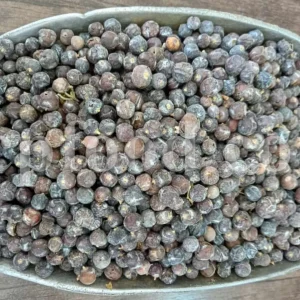
The fruits are fluffy and dark red and grow in clusters. The core of this fruits is brown, small, relatively wide, circular and almost similar to lentils. Rhus coriaria fruit is astringent at first. But after fully ripening, it turns sour. The best sumac is red, sour, and tasty.
Sumac Temperament
Second degree of cold and third degree of dry.
Rhus coriaria Health Benefits
Strengthening the stomach, eliminates all types of diarrhea, vomiting and bleeding.
Rhus coriaria fruit core prevents yellow bile from spilling into the stomach and intestines and improves blood mucus and excessive urination.

If you soak the cortex of the fruit in water with a small amount of Gum Tragacanth, the drop in the eye will improve inflammation and redness.
Rubbing the crushed cortex on the gums or keeping its decoction in the mouth strengthens the gums and is also useful for toothache caused by tooth decay.
The poultice of its fruit cortex with water improves bruises, carbuncle, swelling, especially swelling of the skull.
The fruit cortex poultice with Oak tree charcoal is useful for hemorrhoids.
If you put the bruised and damaged limbs in a thick decoction of its fruit cortex, it will prevent it from swelling.
If you boil these fruits with its leaves and stems in water until it reaches the consistency of honey, it is useful for eyelid diseases, eye swelling, body swelling, pimples and skin spots, moist wounds, chronic wounds, gum decay, nails pain, and uterine bleeding.
The enema of its leaves decoction cures intestinal ulcers and dysentery.
Poultice of its leaves on children’s stomach strengthens their intestines and is useful for diarrhea.
The resin of the this tree is effective for strengthening eyesight and healing wounds, and cures the pain of teeth decay and eyelid diseases.
Sumac Dose
12 g.
Side Effects of Rhus coriaria
It is harmful for people who have cold stomach and liver.
Sumac Modifiers
Mastic and Anise.
🧾 Nutrition Facts – Sumac (Rhus coriaria L.) (Per 100g, dried spice)
Botanical Name: Rhus coriaria L.
Common Names: Sumac, Sumach, Somagh (سماق), Sicilian Sumac
Plant Part Used: Dried and ground fruit (drupes)
Primary Uses: Culinary spice, antioxidant support, digestive health, metabolic regulation
🔹 General Composition (Per 100g of dried sumac)
| Nutrient | Amount | % Daily Value (DV)* |
|---|---|---|
| Calories | ~340 kcal | 17% |
| Water | ~6–10 g | — |
| Protein | ~6 g | 12% |
| Total Fat | ~4 g | 5% |
| • Saturated Fat | ~0.3 g | 2% |
| Carbohydrates | ~70 g | 25% |
| • Dietary Fiber | ~33 g | 118% |
| • Sugars | ~7 g | — |
| Ash (minerals) | ~6–7 g | — |
🔬 Mineral Content
| Mineral | Amount | % DV |
|---|---|---|
| Calcium | ~1100 mg | 85% |
| Iron | ~10 mg | 55% |
| Magnesium | ~120 mg | 30% |
| Potassium | ~550 mg | 12% |
| Phosphorus | ~60 mg | 5% |
| Zinc | ~1.3 mg | 12% |
| Manganese | ~2.5 mg | 110% |
🌿 Vitamins (Trace to Moderate Amounts)
| Vitamin | Amount | % DV |
|---|---|---|
| Vitamin C | ~60 mg | 67% |
| Vitamin E (α-tocopherol) | ~1.8 mg | 12% |
| Vitamin B6 | ~0.3 mg | 18% |
| Niacin (B3) | ~2 mg | 13% |
| Thiamine (B1) | ~0.1 mg | 8% |
| Riboflavin (B2) | ~0.12 mg | 9% |
🧪 Phytochemical Profile
Sumac is considered a super-spice due to its rich antioxidant content:
-
Anthocyanins – potent antioxidant and anti-inflammatory agents
-
Tannins – natural astringents, antimicrobial
-
Gallic acid – antioxidant, neuroprotective
-
Malic acid & citric acid – gives the tangy flavor, supports digestion
-
Flavonoids (e.g., quercetin, kaempferol) – anti-inflammatory & cardioprotective
🩺 Health Benefits (Traditional & Supported by Research)
-
Antioxidant Powerhouse: Protects against oxidative stress
-
Blood Sugar Regulation: Supports glycemic control
-
Anti-inflammatory: For joint and respiratory health
-
Digestive Aid: Traditionally used for indigestion, diarrhea
-
Cardiovascular Support: Helps manage cholesterol and blood pressure
⚠️ Usage & Safety
-
Daily Culinary Intake: ~1–2 tsp (2–5g) as a spice
-
Storage: Store in a cool, dark place; sensitive to humidity
-
Allergens: Rare, but possible in individuals sensitive to cashew/mango (same family: Anacardiaceae)
-
Note: Raw unprocessed sumac berries should not be confused with toxic varieties (e.g., poison sumac in North America)
📦 Industrial Applications
-
Food Industry: Spice blends (e.g., za’atar), sauces, marinades, acidic flavor enhancer
-
Nutraceuticals: Antioxidant supplements, herbal capsules
-
Traditional Medicine: Persian, Arab, Turkish, and Mediterranean systems
-
Natural Preservative: Thanks to high phenolic content
🧪 Disclaimer
This nutritional profile is based on best available scientific data and traditional use reports. Values may vary depending on harvest time, origin, and drying technique. Not intended as a substitute for medical advice.
To order Brown Sumac, please contact us.



Reviews
There are no reviews yet.