
In Persian Traditional Medicine, temperament, or Mizaj, is considered an important concept for understanding individual differences and is traditionally taken into account when making decisions related to diet, lifestyle, and health. Among the different types of temperament described in this traditional medical system, Phlegmatic Temperament is associated with the qualities of coldness and moisture and is traditionally linked to the predominance of phlegm.
In this article, we will explore the concept of temperament and take a closer look at Phlegmatic Temperament, including its traditional characteristics, common signs, and the qualities associated with this type of constitution. By learning about these traditional descriptions, you may gain a general understanding of whether some of the characteristics associated with a phlegmatic constitution apply to you. However, identifying an individual’s temperament accurately requires a comprehensive assessment by a qualified practitioner of Persian Traditional Medicine rather than relying solely on general descriptions.
At ACPFOOD, we are committed to sharing knowledge about Persian Traditional Medicine and the traditional uses of medicinal herbs, spices, seeds, resins, and other natural products. Understanding concepts such as temperament can provide valuable context for appreciating the traditional principles behind these natural resources and their place in Persian medical heritage.
Table of Contents
ToggleWhat Is the Meaning of Temperament?
Temperament literally means to blend or combine. According to Persian Traditional Medicine, every compound body is traditionally understood to consist of four fundamental elements: fire, air, water, and earth. The differences in the quantity, proportion, and combination of these elements are believed to give each body its particular qualities and temperament. Therefore, the amount and ratio of the four elements are traditionally considered important factors in determining the temperament of a compound body. For example, in Phlegmatic Temperament, water is traditionally considered to be predominant over the other elements, resulting in the qualities of coldness and moisture that characterize this temperament.
Types of Temperaments
Human temperament is generally divided into two main categories:
Intrinsic (Congenital) Temperament: This refers to the temperament with which a person is traditionally believed to be born. It represents the individual’s natural constitution and is considered the primary temperament when assessing their overall Mizaj.
Adventitious (Acquired or Prevailing) Temperament: This refers to changes that may occur in a person’s prevailing temperament after birth. According to Persian Traditional Medicine, factors such as the season, age, gender, geographical location, diet, lifestyle, and mental or psychological state may influence these changes.
Important Note: In Persian Traditional Medicine, a person’s intrinsic (congenital) temperament is traditionally considered the primary criterion for determining their fundamental temperament. Therefore, the characteristics described in the following sections primarily refer to this congenital temperament rather than temporary changes that may occur throughout life.
What Are Humors?
According to the traditional humoral framework of Persian Traditional Medicine, the human body is described as containing four fundamental humors, or fluids, which are traditionally believed to be produced and distributed within the body. Each humor is associated with a particular temperament, two fundamental qualities, and one of the four classical elements. The four humors are:
Choler or Yellow Bile — associated with Choleric Temperament (hot and dry). Element: Fire
Blood — associated with Sanguine Temperament (hot and moist). Element: Air
Phlegm — associated with Phlegmatic Temperament (cold and moist). Element: Water
Black Bile — associated with Melancholic Temperament (cold and dry). Element: Earth
In this traditional system, the relative proportion and qualities of these four humors are believed to contribute to a person’s temperament. In particular, Phlegmatic Temperament is traditionally associated with the predominance of phlegm and the qualities of coldness and moisture.
According to the traditional humoral framework of Persian Traditional Medicine, humors are believed to influence health, disease, temperament, and certain aspects of a person’s physical and psychological characteristics. For example, in Phlegmatic Temperament, phlegm is traditionally considered to be more predominant than in a person with Choleric Temperament. Similarly, in Melancholic Temperament, black bile is traditionally considered more predominant than in a person with Sanguine Temperament.
In this traditional system, maintaining an appropriate balance among the four humors, including their quantity and qualities, is considered essential for maintaining health. A disturbance in this balance is traditionally believed to result in the excessive predominance of one humor over the others and may contribute to illness or other health disturbances. Traditional practitioners therefore sought to restore the humoral balance through approaches such as dietary and lifestyle adjustments and, when appropriate, traditional therapeutic practices.
Phlegmatic Temperament
In Persian Traditional Medicine, phlegm is one of the four traditional humors and is associated with the qualities of coldness and moisture. It should not be confused with modern physiological substances such as lymph or mucus, as the traditional concept of phlegm belongs to a historical humoral framework. According to this framework, people with Phlegmatic Temperament are traditionally considered to have a greater predominance of phlegm. What are the characteristics of phlegmatic people? Traditionally, practitioners have considered a person’s overall appearance, physical characteristics, and other constitutional signs when assessing temperament.
People traditionally described as having a phlegmatic temperament are often characterized as having a relatively light complexion and light-colored or blond hair, along with cool, smooth, and moist skin. Traditional descriptions may also associate increased skin moisture with a tendency toward fine lines or wrinkles, particularly around areas such as the eyes and throat. Other characteristics traditionally attributed to Phlegmatic Temperament include increased salivation, a soft or less firm body texture, and a tendency toward digestive complaints such as heartburn or acid reflux. A tendency toward greater accumulation of body fat, particularly around the abdomen and sides, is also included in some traditional descriptions of this temperament.
It is important to note that these characteristics are traditional descriptions rather than scientifically validated diagnostic criteria. A person’s temperament cannot be reliably determined from a single physical feature, and an accurate assessment within Persian Traditional Medicine traditionally requires consideration of multiple characteristics together by a qualified practitioner.
People traditionally described as having Phlegmatic Temperament are often said to have a relatively large or bulky body, with a greater proportion of body fat compared with muscle tissue. According to traditional descriptions, they may gain weight relatively easily and may feel colder to the touch than people with warmer temperaments. Other characteristics traditionally associated with this temperament include bloating, a sensation of coldness in the stomach, and digestive discomfort. Some traditional sources also associate cold and moist temperament with certain visual complaints, although these associations should not be considered a modern medical explanation for impaired vision.
Other traditional descriptions of Phlegmatic Temperament include excessive sweating, feeling uncomfortable in cold weather, or experiencing cold sweating in warmer conditions. People with this temperament are also traditionally described as tending to sleep for longer periods and sometimes experiencing sluggishness or reduced alertness. Certain foods, particularly foods traditionally considered cold and moist such as yogurt, are believed within Persian Traditional Medicine to aggravate these characteristics in some individuals. Other traditional signs may include pale urine in the morning and a tongue with a whitish coating or changes in its surface appearance.
According to Persian Traditional Medicine, symptoms and health complaints associated with a phlegmatic constitution may become more noticeable during winter, when the environment is traditionally considered colder and wetter. Traditional descriptions may include physical fatigue, moist or sweaty hands and feet, and discomfort or pain in areas such as the lower back, legs, and knees. These descriptions belong to the traditional framework and should not be interpreted as diagnostic criteria for any specific medical condition.
In the traditional understanding of Phlegmatic Temperament, the accumulation or predominance of cold and moisture may be described as occurring in different parts of the body. For example, traditional sources may associate the accumulation of cold in the back with certain types of musculoskeletal discomfort. When phlegm is considered predominant in the digestive system, traditional descriptions may include abdominal enlargement, increased appetite, delayed digestion, bloating, and frequent belching. Bad breath is also traditionally associated with impaired digestion or what Persian Traditional Medicine describes as excessive coldness in the stomach. These are traditional interpretations and are not substitutes for modern medical diagnosis or treatment.
The Characteristics of Phlegmatic People
According to traditional descriptions in Persian Traditional Medicine, people with Phlegmatic Temperament may display a combination of physical, behavioral, and constitutional characteristics. These descriptions are part of the traditional concept of temperament and should not be considered modern medical or psychological diagnostic criteria.

Physical and constitutional characteristics traditionally associated with Phlegmatic Temperament include:
- They tend to have a relatively large or bulky body and may be prone to gaining excess weight.
- Their skin is traditionally described as pale or light-colored, soft, cool, and moist to the touch.
- They may have relatively sparse and fine hair.
- They may have a moist mouth and tend not to experience thirst frequently.
- They tend to sleep for long periods and may be described as heavy sleepers.
- They may experience a tendency toward sluggishness, lethargy, or low physical energy.
- They may prefer sweets, spices, and foods traditionally considered warm in temperament.
- They may feel more uncomfortable during cold weather, particularly in winter.
- Traditional sources associate this temperament with a tendency toward certain digestive complaints and rheumatic or musculoskeletal problems.
- They may find foods traditionally considered cold and moist more difficult to tolerate.
- Their pulse is traditionally described as relatively weak, and they may be characterized as less energetic and slower in their physical activities.
Behavioral and personality characteristics traditionally associated with Phlegmatic Temperament include:
- They are generally described as calm and not easily angered.
- They may be forgetful or slower in processing information and making decisions.
- They are often characterized as relaxed, easygoing, and patient.
- They may tend to take things calmly and avoid becoming excessively involved in conflicts or stressful situations.
- They are traditionally described as cautious and thoughtful before taking action.
- They may be less inclined toward risk-taking and adventurous behavior.
- Some traditional descriptions characterize them as more easily influenced by the opinions or decisions of others.
- They may be described as gentle, submissive, peaceful, and tolerant in their interactions with others.
- They may speak relatively slowly and deliberately.
- Traditional sources may describe them as having lower sexual desire or physical sexual energy compared with people of warmer temperaments.
- They may be characterized as physically less vigorous or less powerful than people with warmer temperaments.
- Their social interactions may traditionally be described as more limited or reserved.
- Some traditional descriptions associate this temperament with weaker memory and lower concentration.
- They may prefer careful consideration before acting rather than immediately demonstrating courage or taking risks.

The Symptoms of Phlegm Humor Domination
According to the traditional humoral framework of Persian Traditional Medicine, an excessive predominance of phlegm is believed to be associated with qualities of coldness and moisture. Traditional descriptions may include a whitish coating on the tongue, a general sensation of coldness, and a variety of physical and digestive complaints. Some or several of the following characteristics may traditionally be associated with phlegm predominance:
- A tasteless or diminished sense of taste in the mouth
- Pale or whitish-looking skin
- Soft, loose, or sagging skin
- Premature graying of the hair
- Cold hands and feet
- Slow digestion, a feeling of food remaining in the stomach, and frequent acidic or sour belching
- Drowsiness and a tendency to sleep for long periods
- Excessive salivation or drooling during sleep
- Thin or watery nasal discharge and excessive nasal secretions
- Forgetfulness and a feeling of mental sluggishness
- Difficulty maintaining attention and concentration
- Frequent or excessive urination
- General physical weakness or low energy
- Difficulty initiating urination or the need to urinate with increased effort
- Stomach discomfort or abdominal pain
- Colic and discomfort in the back, neck, or shoulders
- Muscle tightness or spasms in the back and neck
- Knee and leg discomfort
- Shortness of breath
- Heart palpitations, particularly when changing position or standing up
- A persistent or productive cough accompanied by phlegm
- A feeling of weakness or reduced bladder function
Traditional Approaches to Phlegm Domination
According to Persian Traditional Medicine, managing an excessive predominance of phlegm traditionally involves dietary, lifestyle, and therapeutic practices intended to reduce qualities associated with coldness and moisture. The following recommendations reflect traditional Persian medical approaches and should not be considered substitutes for diagnosis or treatment by a qualified healthcare professional.
- In the traditional management of phlegm predominance, foods considered cold and moist, such as yogurt and some types of fish, are traditionally limited or avoided. Some traditional sources also recommend preparing food in copper cookware. However, dietary restrictions should be individualized, and people should ensure that their diet remains nutritionally balanced.
- Peppermint, traditionally considered a warm medicinal herb, has an important place in Persian herbal medicine. It is traditionally used to support digestion and is associated with balancing qualities considered opposite to excessive coldness and moisture.
- Warm cupping is another traditional practice that has historically been recommended for people considered to have a phlegmatic constitution or excessive phlegm. Some traditional practitioners may recommend a course of several sessions, but the appropriate number and frequency should be determined by a qualified practitioner.
- Traditional Persian medicine also recommends the topical application and massage of warm oils in areas believed to have an accumulation of phlegm. Oils traditionally used for this purpose include sweet almond, bitter almond, hazelnut, dill, turpentine, mastic, ginger, coconut, rosemary, sesame, olive, black seed, and walnut oils. Traditional practitioners may recommend repeating such applications over a period of time, depending on the individual’s constitution and condition.
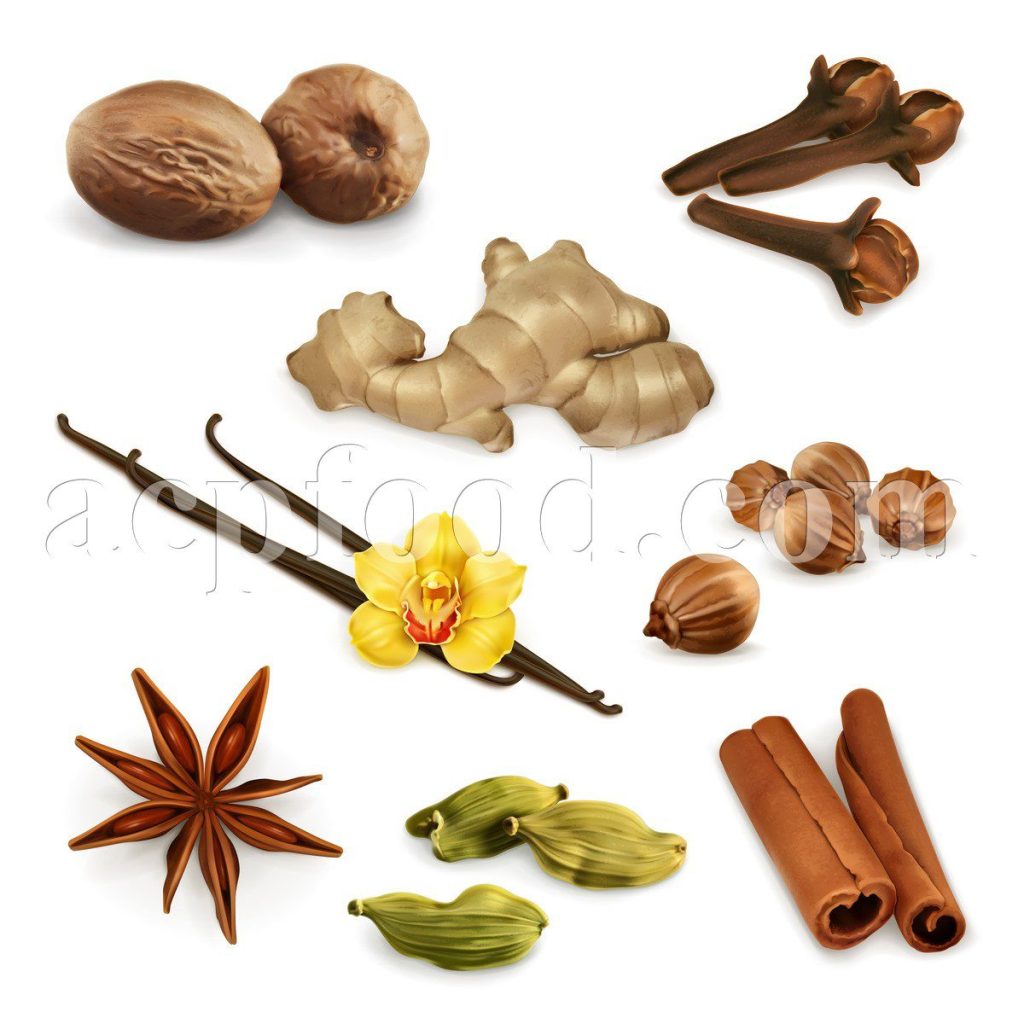
- Spices traditionally considered warm in temperament are commonly included in dietary recommendations for people with phlegmatic characteristics. These include cardamom, cinnamon, ginger, cumin, saffron, ajwain seed, garlic, shallot, and mustard.
- A number of vegetables and herbs are also traditionally incorporated into diets intended to counter qualities associated with excessive coldness and moisture. These include celery, mint, basil, parsley, tarragon, savory, cabbage, asparagus, chickpeas, Indian walnut, Alyssum seed, pumpkin, lemon, and wheat. Their traditional use varies according to the individual’s temperament and overall condition.
- Excessive consumption of black tea is traditionally discouraged in some dietary approaches for people with phlegmatic characteristics. Instead, various herbal infusions may be used according to traditional preferences, including cinnamon, cardamom, orange blossom, lavender, sage, rosemary, saffron, quince, lemon verbena, and Echium amoenum. These herbs have a long history of traditional use, although their effects should not be confused with clinically established treatments for phlegm-related disorders.
- Natural laxative plants have also been used traditionally when constipation is associated with a phlegmatic constitution. Seeds such as basil seeds, Alyssum seed, flixweed, and broadleaf plantain seed are traditionally used for their laxative properties. Their use should be appropriate to the individual, as excessive laxative consumption can cause unwanted effects.
- Eating habits are also considered important in Persian Traditional Medicine. Traditional sources advise people to eat slowly and chew their food thoroughly rather than eating very quickly. Rapid eating is traditionally believed to contribute to digestive disturbances and may be considered unfavorable for people with phlegmatic characteristics.
- Traditional dietary advice also recommends avoiding sleep immediately after eating, particularly after lunch. Allowing sufficient time for digestion before lying down is traditionally considered helpful for preventing an increase in qualities associated with phlegm and supporting healthy digestion.
- People traditionally described as having a phlegmatic temperament may be advised to consume a small amount of honey before bedtime. Some traditional recommendations also mention consuming approximately 14 pistachios daily for 14 days. These recommendations are part of traditional dietary practices and should be adapted to individual dietary needs and health conditions.
- Spending a moderate amount of time in sunlight is another traditional lifestyle recommendation. A short period of daily sun exposure, such as approximately 15 minutes, may traditionally be recommended depending on the season, climate, skin type, and individual circumstances. However, excessive sun exposure can damage the skin, so appropriate sun-safety measures should always be considered.
Conclusion
Understanding Phlegmatic Temperament provides an important insight into the traditional concept of Mizaj and the holistic approach of Persian Traditional Medicine. According to this traditional framework, phlegmatic temperament is associated with the qualities of coldness and moisture and is traditionally described through a combination of physical, digestive, behavioral, and constitutional characteristics.
Persian Traditional Medicine emphasizes that maintaining balance is essential for health, and traditionally recommends paying attention to diet, lifestyle, seasonal changes, and individual constitution when managing an imbalance associated with phlegm. Although these concepts belong to a historical medical tradition and should not replace modern medical diagnosis or treatment, they provide valuable insight into the rich heritage of Persian medicine and its approach to individualized health. ACPFOOD is committed to preserving and sharing this traditional knowledge while providing high-quality medicinal herbs, spices, seeds, flowers, and other natural products that have long been valued in traditional practices.