

At ACPFOOD, we believe that understanding an individual’s temperament is one of the fundamental principles of maintaining health and preventing disease. In Traditional Iranian Medicine, every person has a unique natural temperament that influences physical characteristics, emotional tendencies, dietary needs, and susceptibility to various illnesses. For this reason, temperament diagnosis in traditional Iranian medicine plays a crucial role in selecting appropriate foods, lifestyle habits, and treatment methods. By accurately identifying a person’s temperament, practitioners can provide personalized recommendations that help restore balance, improve well-being, and support long-term health. In this article, we will explore the importance of temperament diagnosis, its role in disease prevention and treatment, and why it is considered the foundation of Traditional Iranian Medicine.
Table of Contents
ToggleExamples of Families Who Do Not Fully Understand the Importance of Temperament Diagnosis
Understanding temperament is one of the most important principles in Traditional Iranian Medicine. The following examples illustrate how a lack of knowledge about temperament diagnosis can affect a child’s physical and mental well-being.
The First Family
This family has never performed a temperament assessment for their child and is unfamiliar with the concept of food temperaments. As a result, they consistently provide foods that are considered cold in temperament.
For breakfast, the child is given a bowl of milk with cornflakes. Both milk and corn are regarded as cold-tempered foods. For a school snack, he receives a ham and cheese sandwich, which are also considered cold in temperament. After returning home, he eats lettuce salad with chicken for lunch, followed by ice cream in the evening. For dinner, he is served steak with mashed potatoes and green peas, all of which are believed to have a cold temperament.
Throughout the week, approximately 90% of the foods consumed by this child are cold in temperament.
Although the parents prepare these meals with love and care, the long-term result for a child with a cold temperament may be lethargy, slow mental performance, frequent illness, increased sensitivity to cold weather, prolonged recovery from infections, constipation, OCD, and other health concerns according to traditional theories.
The main issue is that the parents are unaware of both their child’s temperament and the temperaments attributed to different foods.
The Second Family
Another family has learned about food temperaments and has heard that excessive consumption of cold-tempered foods may contribute to health problems. However, they do not know that their child naturally has a hot temperament, because they have not properly applied temperament diagnosis in traditional Iranian medicine.
Interested in traditional medicine, they listen to podcasts and read articles discussing temperament. After learning that many disorders are traditionally associated with excessive coldness, they begin feeding their child predominantly hot-tempered foods.
For breakfast, the child drinks oregano tea and eats peanut butter, banana, and honey. At noon, he consumes spicy foods rich in pepper. In the evening, roasted turkey completes the hot-tempered dietary pattern.
Over time, the child may develop hot liver and other symptoms traditionally associated with excessive heat, such as irritability, skin problems, itching, eczema, pimples, flushing, and a constant sensation of warmth.
The problem is not that hot-tempered foods are inherently harmful. Rather, the family incorrectly assumes that all cold foods are bad and all hot foods are good, without considering their child’s individual temperament.

The Third Family
A third family understands both the temperament of foods and the temperament of their child. Knowing that their child has a cold temperament, they carefully provide a diet consisting of approximately 70% hot-tempered foods and 30% cold-tempered foods.
However, despite their efforts, they do not observe the expected improvements.
Why?
According to Traditional Iranian Medicine, they have focused only on edible influences and overlooked non-edible factors. Through temperament diagnosis in traditional Iranian medicine, it is believed that sounds, behaviors, smells, colors, metals, clothing, homes, environments, and even different times of the day may also influence temperament.
For example:
- The child is exposed daily to heavy traffic and loud noises, which are traditionally considered cold and dry in temperament.
- The parents frequently argue and criticize the child, creating emotional stress that may negatively affect well-being.
- Exposure to inappropriate media content and violent entertainment is believed to influence emotional and mental balance.
- The family lives in a cold and dry climate.
- On the other hand, the stench of his infant brother’s diaper, which is changed hardly ever, adds to the black bile of his brain and body (the stench causes coldness and dryness (black bile) in the body).
- The clothes that the child wears are usually white or black, which white color is cold and moist and black color is cold and dry.
- Household odors, poor ventilation, and frequent exposure to chemical cleaning products may affect comfort and health.
- Clothing colors, household materials, and other environmental factors are also considered relevant within traditional temperament theory.
As a result, although the child’s diet has been adjusted, many other influences continue to affect his overall condition.
This example demonstrates that, according to traditional teachings, temperament is influenced by much more than food alone.
The Fourth Family
The fourth family has a comprehensive understanding of temperament principles. They are familiar with the temperaments of foods, environmental factors, behaviors, colors, and lifestyle influences. They also understand their child’s individual temperament and strive to maintain balance in daily life.
Rather than viewing foods as universally good or bad, they select foods according to the needs of each family member. They also pay attention to emotional well-being, living conditions, environmental influences, and healthy habits.
According to Traditional Iranian Medicine, such families are more likely to maintain balance and may experience fewer physical and emotional disturbances. When illness occurs, recovery may be easier because they have already established a lifestyle that supports overall well-being.
The Key Lesson
These examples highlight why temperament diagnosis in traditional Iranian medicine is considered so important. Traditional practitioners believe that successful dietary and lifestyle recommendations should be based on the unique temperament of each individual rather than applying the same approach to everyone. Understanding temperament through temperament diagnosis in traditional Iranian medicine is therefore regarded as a foundation for achieving balance, promoting health, and preventing disease.
Benefits of Temperament Diagnosis
Understanding temperament diagnosis in traditional Iranian medicine provides valuable insights into health, nutrition, behavior, and many branches of traditional medical practice. According to traditional teachings, recognizing a person’s temperament is an essential step toward making informed decisions about diet, lifestyle, and therapeutic approaches.
1. Introduction to Medical Sciences
Basic temperament diagnosis serves as the foundation and introduction to many branches of traditional medical sciences, including herbal medicine, cupping therapy, hijama, and other traditional healing methods.
To properly learn and practice many traditional medical sciences, it is first necessary to understand temperament diagnosis. Using medicinal herbs without knowing both the temperament of the herb and the temperament of the individual may lead to unwanted side effects and adverse reactions.
Likewise, when performing cupping therapy or hijama, temperament plays an important role. Some individuals should undergo these procedures only in limited amounts, some may require them more frequently, and in certain situations they may not be suitable at all. According to traditional medicine principles, understanding these differences depends on accurately diagnosing the person’s temperament through temperament diagnosis in traditional Iranian medicine.
2. Healthy and Appropriate Nutrition for Each Temperament
The compatibility or incompatibility of certain foods with different individuals is believed to be related to differences in temperament.
For example, a person whose digestive system has become predominantly phlegmatic may experience stomach coldness, bloating, constipation, indigestion, and stomach pain after consuming excessive amounts of cold and moist foods. Similarly, a person who knows that he or she has a hot temperament should be cautious about consuming large quantities of highly hot-tempered foods in order to avoid the unwanted effects traditionally associated with excess heat.
For this reason, temperament diagnosis is considered an important tool for selecting foods that are more suitable for each individual’s constitution and health condition.
3. Understanding People Through Temperament Diagnosis
According to Traditional Iranian Medicine, different temperaments can influence facial characteristics, personality traits, behavior patterns, and physical development.
By accurately recognizing a person’s temperament, many of their behaviors may become easier to understand and interpret. Traditional practitioners believe that temperament can even provide clues about how a person may react or behave in certain situations in the future.
For example, the fact that some children crawl earlier, begin speaking sooner, or experience faster hair growth than others is traditionally attributed to differences in the degree of heat and coldness within their temperaments. Likewise, traditional medicine associates variations in fertility, pregnancy outcomes, and susceptibility to certain health conditions with differences in temperament among individuals.
For these reasons, temperament diagnosis has traditionally been viewed as a valuable method for understanding both the physical and behavioral characteristics of human beings.
4. Adjustment of Body Humors After Temperament Diagnosis
The adjustment of body humors is also carried out through temperament diagnosis. As long as we are unable to properly recognize the temperaments governing our bodies, we naturally will not be able to take appropriate measures to balance the humors.
According to Traditional Iranian Medicine, the human body is influenced by four substances: yellow bile, black bile, phlegm, and blood, which originate from the four elements of fire, earth, water, and air.

When these four substances remain in relative balance, the body stays healthy. However, when one or more of these humors become excessive, deficient, or imbalanced in one or more organs, disease develops.
Therefore, maintaining the health and balance of the four humors is considered an essential part of treatment.
An imbalance of the humors is regarded as the cause of many diseases. According to the principles of temperament diagnosis in traditional Iranian medicine, if any of the body’s humors become excessive, deficient, or corrupted, specific physical and mental disorders may occur. For example, when yellow bile decreases, the feet and hands may become cold and weak. If the coldness continues to increase, trembling of the hands may develop.
If excessive yellow bile accumulates in the head, it may cause headaches. In the mouth, it may lead to dryness, and in the liver, it may contribute to biliary obstruction. An increase of yellow bile in the skin may cause itching and the appearance of pimples on the body’s surface.
Likewise, an increase in blood is traditionally associated with facial redness, irritability, anger, and aggressive behavior.

5. Accurate Disease Diagnosis and Treatment
Before any treatment or prescription is given, temperament diagnosis should be performed as the first step.
According to Traditional Iranian Medicine, some practitioners may overlook the importance of temperament and prescribe the same remedy for individuals with completely different temperaments. Instead of identifying the patient’s temperament and restoring balance, a fixed treatment approach may be used.
However, even when herbal medicine is prescribed, temperament should be assessed first. A single prescription does not affect everyone in the same way and may even produce undesirable side effects in certain temperaments.
If temperament diagnosis is ignored, even the simplest substance, such as water, may become harmful. For example, excessive water consumption may be detrimental for a person with a phlegmatic temperament because it may contribute to hypersomnia, enuresis, frequent colds, leg pain, rheumatism, and joint discomfort.
On the other hand, a person with a choleric temperament may benefit from increased water intake because body heat and excessive sweating can lead to greater fluid loss.
In Traditional Iranian Medicine, diseases are commonly treated through the correction and modification of temperament.
Temperament correction is primarily achieved through proper lifestyle regimens, healthy nutrition, herbal medicines, medicinal oils and inunctions, hijama, venesection, leech therapy, hot cupping, therapeutic vomiting, the use of traditional depilatory powders containing orpiment, enemas (suppositories), and the application of medicines through the eyes and nose.
Supporters of temperament theory believe that if the concepts of hotness and coldness were removed from the medical system, many diseases would become difficult to diagnose correctly. For example, ginger is often said to relieve headaches. Some studies have reported improvement in a portion of patients, while others experienced worsening symptoms or developed reactions such as itching and eczema.
From the perspective of temperament diagnosis, ginger is considered a hot-natured remedy. Therefore, it may be beneficial for headaches caused by coldness, while potentially aggravating headaches associated with excessive heat. Likewise, individuals with hot and dry temperaments may be more susceptible to itching and eczema when consuming it excessively.
According to this view, the same principle applies to foods, medicines, and even behaviors.
6. Diagnosis and Treatment of New Diseases
According to traditional medical teachings, studying classical traditional medicine texts may provide knowledge about approximately 120 disease categories. In contrast, modern medicine describes hundreds of diseases and many additional conditions within specialized fields.
Supporters of Traditional Iranian Medicine believe that many of these modern disease classifications are not entirely separate diseases, but rather different manifestations and subdivisions of the same fundamental disorders.
They compare this concept to a tree. The main branches represent the primary disease categories, while the smaller branches represent variations and extensions of those original conditions.
Through temperament diagnosis, diseases can be analyzed and understood from an inferential and analytical perspective. In Traditional Iranian Medicine, disease is generally viewed as a disturbance or imbalance of temperament. When temperament remains balanced, health is maintained; when imbalance develops, disease appears.
Within this framework, traditional medicine describes approximately 120 major disease states. Other conditions are considered variations derived from the same foundational principles, although they may not have been individually described in classical texts.
It is also argued that the development and continuation of traditional medical sciences were interrupted during the twentieth century, limiting opportunities to define and classify newly recognized diseases, even though they are believed to arise from the same temperament-related mechanisms.
For example, a condition known as frozen shoulder causes stiffness and restricted movement of the shoulder. Traditional practitioners attribute this condition to excessive coldness and note that symptoms often worsen during colder seasons. They believe that warming therapies may improve the patient’s condition.
Another example is restless leg syndrome, in which a person repeatedly moves or shakes their legs while sitting. According to temperament theory, individuals with a predominance of black bile may experience restlessness and difficulty remaining still. In some cases, black bile is also believed to affect body posture during sleep, causing the arms, legs, or body to curl inward.
Traditional texts also describe certain forms of phlegm that, when dominant in the skin, are believed to contribute to severe skin disorders. While some of these conditions may be considered difficult to treat in modern medicine, traditional practitioners attribute them to phlegmatic imbalance and seek treatment by correcting that imbalance. One traditional remedy mentioned for such conditions is sekanjebin.
Another example is multiple sclerosis (MS), which is regarded as a modern disease. Traditional interpretations may attribute the condition to the accumulation of a cold-tempered substance within the nerves or spinal cord. If this accumulation affects the optic nerve, visual impairment may occur, while involvement of motor nerves may lead to movement difficulties.
According to this theory, the condition is associated with phlegm, which is considered a watery substance. As phlegm hardens, its volume is believed to increase, similar to how water expands when it freezes.
In this interpretation, what modern medicine identifies as plaques is viewed as a manifestation of hardened phlegm resulting from excessive consumption of cold-tempered foods. Traditional practitioners believe that gradually warming the body through appropriate foods and other warming measures may help address this condition.
It is emphasized that warmth should be introduced gradually rather than excessively. Excessive heat is believed to place strain on the liver and may create additional imbalances. Therefore, treatment is traditionally approached through steady and moderate warming over time rather than aggressive heating.
According to Traditional Iranian Medicine, a successful understanding of temperament and its symptoms through temperament diagnosis in traditional Iranian medicine can assist practitioners in recognizing newly described diseases and determining appropriate treatment approaches.
For this reason, temperament diagnosis is considered a highly important and valuable field of knowledge within Traditional Iranian Medicine.
7. Short and Radical Treatment of Diseases
One of the importance of temperament diagnosis is its role in identifying the root causes of many diseases and helping practitioners choose more effective treatment approaches.
According to Traditional Iranian Medicine, many diseases are caused by the predominance, corruption, or improper mixing of the body’s humors.
When a person’s temperament is accurately identified, it becomes possible to understand the underlying causes of many health conditions. As a result, numerous diseases associated with humoral imbalance can be treated by correcting the underlying temperament disorder rather than focusing solely on the symptoms.
For example, amblyopia is considered a cold disease. According to traditional teachings, it occurs when phlegm accumulates in the eyes. It is believed that children with cold temperaments do not see clearly during the first week after birth, whereas children with hot temperaments develop visual awareness sooner. Likewise, children with cold temperaments are said to experience delayed teething, while children with hot temperaments tend to develop teeth much earlier.
A medicine that reduces phlegmatic disorders is believed to affect phlegm wherever it has accumulated in the body, whether in the legs, chest, eyes, or other organs. In this sense, it is considered like a key that can open many different locks.
Another example concerns a patient diagnosed with DCM (Dilated Cardiomyopathy). According to temperament theory, consuming excessive amounts of cold-tempered foods may increase coldness in the body. One of the signs of excessive coldness is increased salivation and difficulty speaking properly. As the coldness becomes more severe, the mouth may remain partially open due to muscle weakness.
Traditional practitioners believe that the same type of muscular relaxation can occur in the heart. As the heart muscles lose strength, the heart becomes less able to contract efficiently, and the heart chambers and valves may dilate. Therefore, according to this view, the same remedies used to reduce excessive coldness, drooling, and mouth weakness may also help address DCM.
Without treatment based on temperament diagnosis, diseases are often treated according to their symptoms alone. For example, one medicine may be prescribed for dry eyes and another for cataracts. However, traditional medicine emphasizes first determining which humor is dominant and causing the condition, and then correcting that imbalance.
In other words, the same treatment should not necessarily be given to every patient with cataracts. One person’s cataracts may be associated with an excess of phlegm, while another person’s may be related to black bile predominance.
Similarly, when phlegm becomes excessive, it may manifest differently depending on where it accumulates. In the brain, it may contribute to mental sluggishness; in the bladder, urinary incontinence; in the muscles and limbs, weakness and slow movement; and in the intestines, fecal incontinence. Although the symptoms appear different, traditional medicine considers them to be connected to the same underlying humoral imbalance.
For this reason, the importance of temperament diagnosis extends beyond simply identifying a person’s constitution. It is regarded as a valuable tool for discovering the root causes of disease and helping physicians achieve treatment outcomes that are faster, more comprehensive, and more fundamental in nature.
8. Choosing the Right Career Based on Temperament Diagnosis
Another important aspect of the importance of temperament diagnosis is its application in better job placement and more accurate division of roles and responsibilities in society.

For example, suppose you want to start a company. This company includes different job positions. A good manager is considered to be a person with a hot temperament. Such an individual is believed to have high self-confidence, high energy, strong creativity, strong decision-making ability, and effective management skills.
For the security and protection department, a sensitive, meticulous, and somewhat inflexible person with a melancholic temperament is considered more suitable.
If we want to strengthen a person’s physical structure so that he or she can become a champion in competitions, this is also approached through temperament modification.
Likewise, if we aim to develop a strong and skilled engineer, jurist, manager, coach, poet, and other professionals, it is necessary to refer to the science of temperament diagnosis.
9. The Effects of Temperament on Ethics and Behavior
We believe that all members of society should learn the science of temperament, as the importance of temperament diagnosis extends far beyond physical health and plays a significant role in all aspects of human life, including health, social relationships, partner selection, and interpersonal interactions.
Moderation of temperament leads to inner peace, which is an essential factor in improving morality and ethical behavior. Mental and emotional balance is closely connected to the stability of the soul, and this stability is considered a key condition for moral development.
Through temperament diagnosis, it becomes possible to better understand a potential partner’s nature and prevent future problems. For example, if a woman has a cold temperament (and it is believed that many women naturally tend to be colder, or at least colder than men), this coldness may lead to reduced emotional or sexual warmth between partners. In traditional approaches, addressing this coldness through foods such as fennel seeds (Foeniculum vulgare Mill.) is considered a way to help restore balance and potentially reduce relationship difficulties and separation.
Similarly, temperament diagnosis in traditional Iranian medicine can help parents better understand their children. Instead of labeling a child as “bad” or engaging in conflict, the child’s behavior can be interpreted as a reflection of temperament imbalance or health condition. This perspective encourages understanding and seeking appropriate correction rather than punishment or misunderstanding.
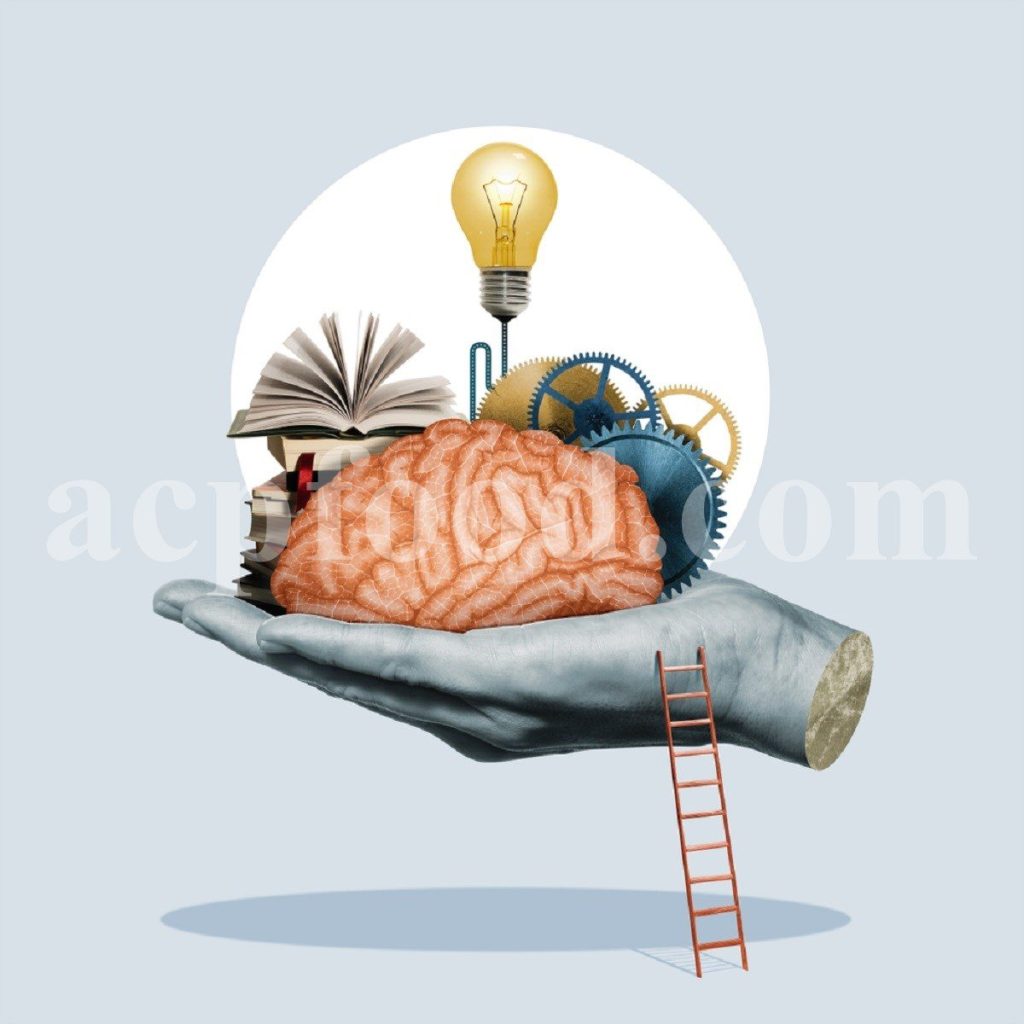
10. The Effects of Temperament on Thinking and Creativity
Creativity is believed to arise from flashes of subconscious thought. When human nature and the psyche tend toward laziness and inactivity, the subconscious mind is thought to unconsciously choose the easiest and most immediate path, which often results in imitation and copying rather than original invention and thought.
It is suggested that modern society is becoming colder in temperament, which is associated with increased laziness and reduced efficiency. In this view, the overall performance of the brain is also reduced, and creativity and innovation decline. A lack of “warmth” in the brain is considered to reduce initiative and originality. The fact that among billions of people only a few individuals, such as Edison, demonstrate exceptional inventive ability is presented as an example of this imbalance in others.
From this perspective, to increase national courage and creativity, it is necessary to use hot temperament foods. In literature, the emergence of modern poetry without rhythm and rhyme is also attributed to a colder and drier brain temperament. Likewise, mental weakness and poor memory in both children and adults are considered consequences of coldness in the body, especially in the brain.
It is often said that when a child does not understand or learn quickly, it is similar to asking a dry stick why it does not bend. For the stick to bend, it must become moist; similarly, for understanding to improve, the brain must be brought into a warmer temperament state. In this view, such individuals should consume warm temperament foods that generate yellow bile and restore warmth to the brain.
In some traditional explanations, it is also suggested that rapid strengthening of yellow bile in the brain can be supported by smelling hot temperament substances or smoke. For example, Wild Rue (Peganum harmala L.) is sometimes used as incense every two hours to “warm” the brain, reduce drowsiness, and increase learning ability.
Conclusion
In conclusion, temperament diagnosis in traditional Iranian medicine is presented as a fundamental framework for understanding human health, behavior, and lifestyle. By identifying individual temperaments and the qualities of foods, environment, emotions, and daily habits, it becomes possible to interpret the root causes of imbalance rather than only addressing symptoms.
From prevention to treatment, and from physical health to emotional and cognitive performance, temperament diagnosis offers a holistic approach that aims to restore balance within the body and mind. It also emphasizes that health is not limited to medication alone, but is deeply influenced by nutrition, behavior, environment, and even social interactions.
At ACPFOOD, we highlight the importance of this traditional perspective as a way to better understand individualized health and support more conscious lifestyle choices based on temperament awareness.
References: Darsnameh Mezajshenasi book, By Mohammad-Ali Abedi, from Dr. Hossein Kheirandish point of view.