

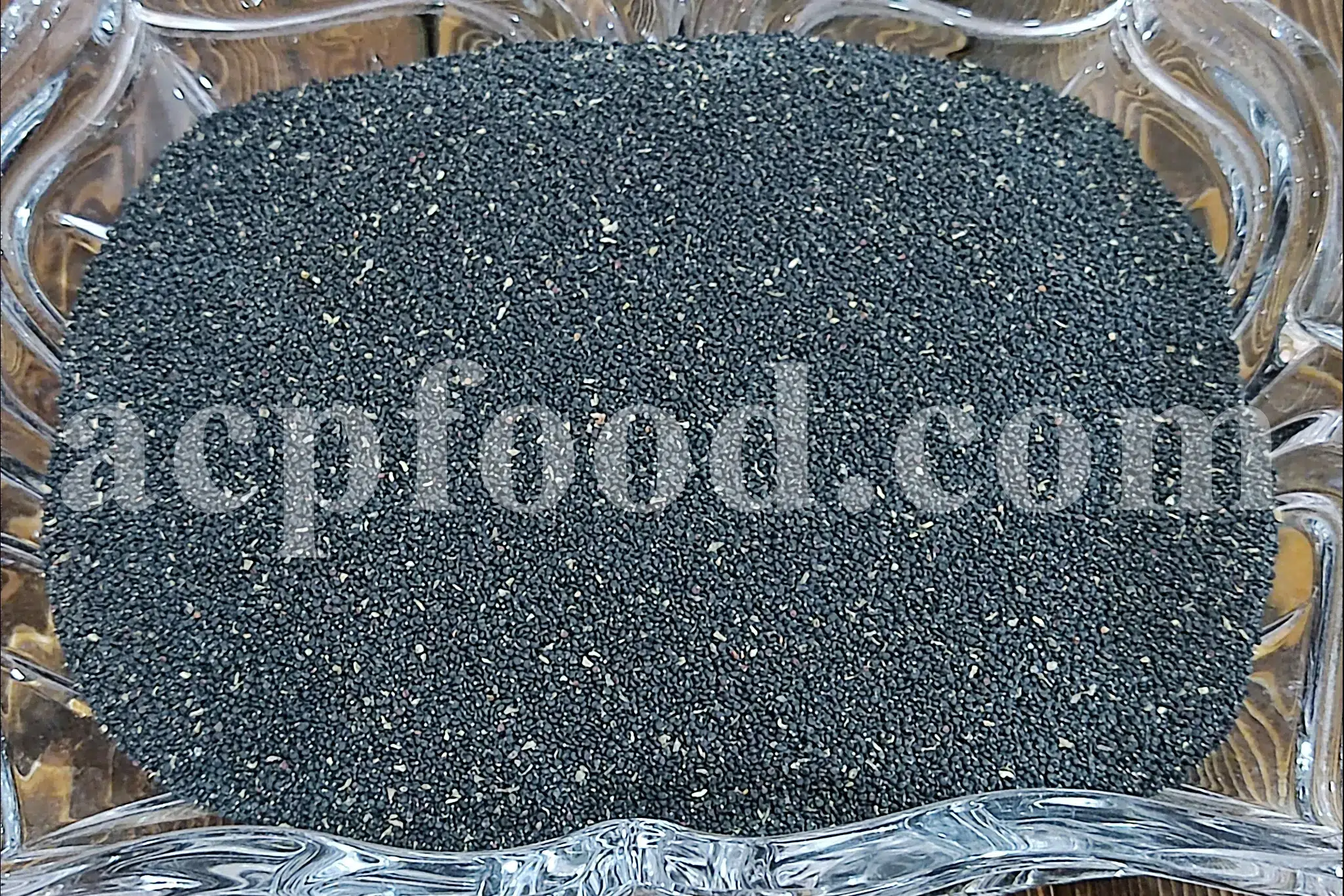
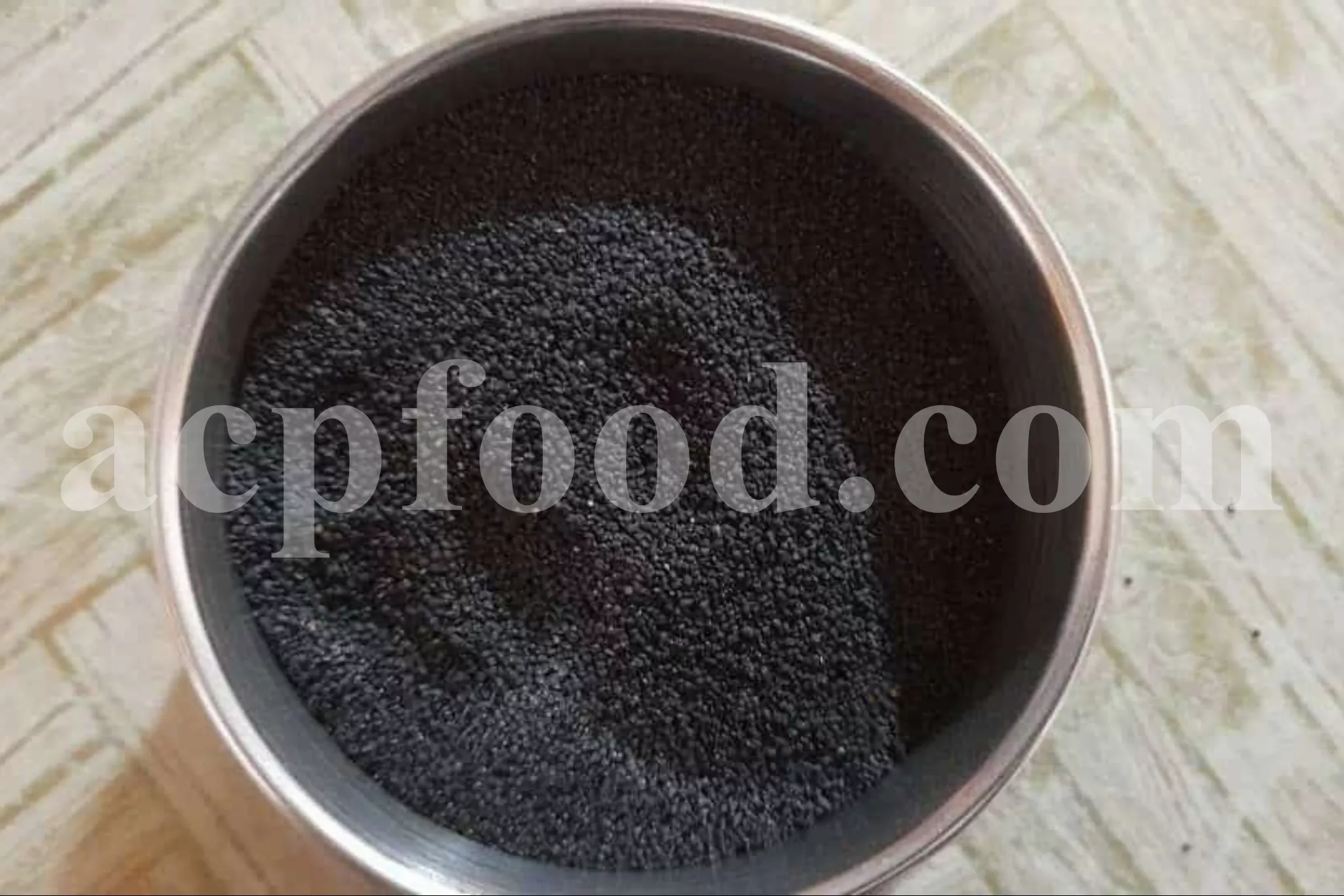
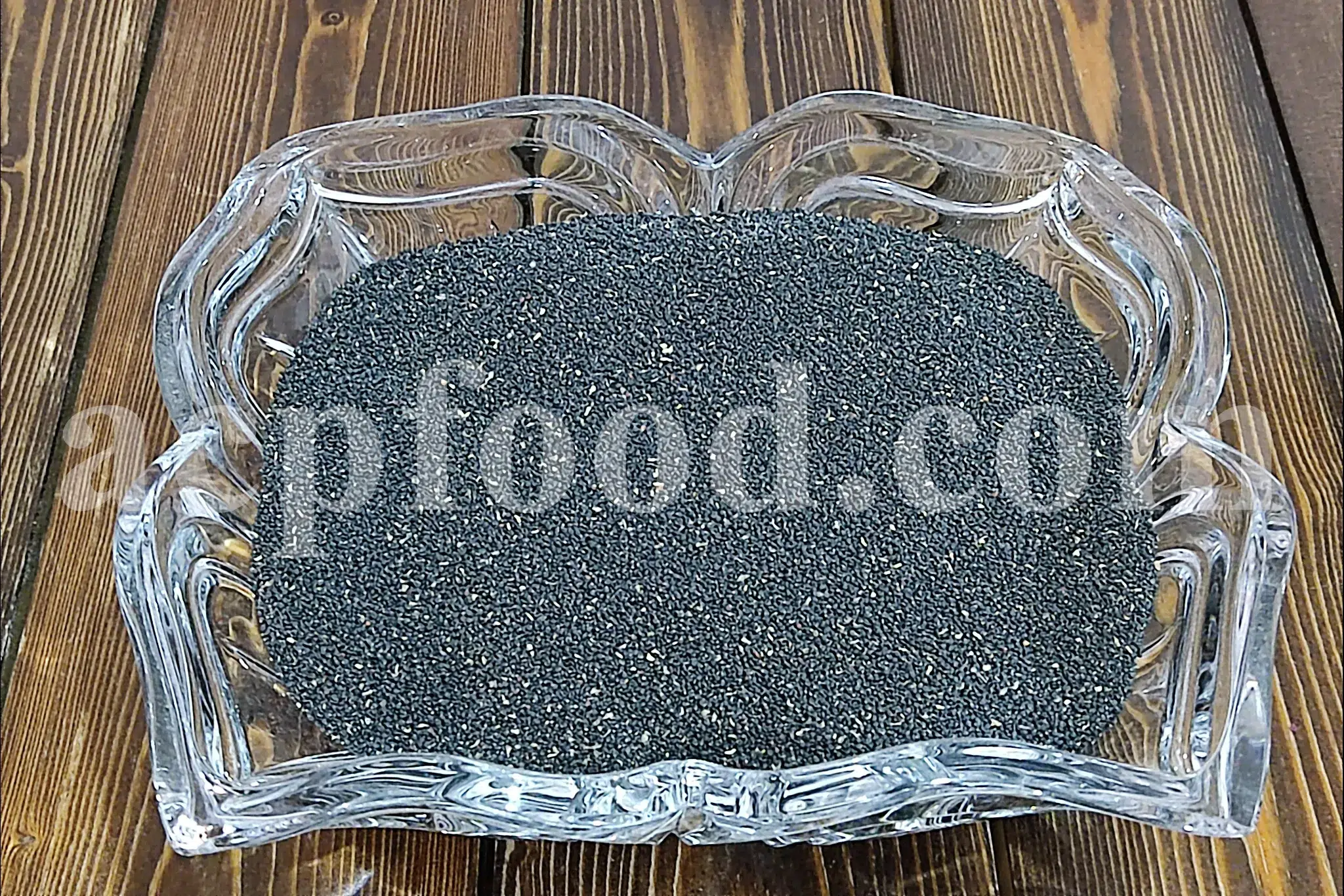
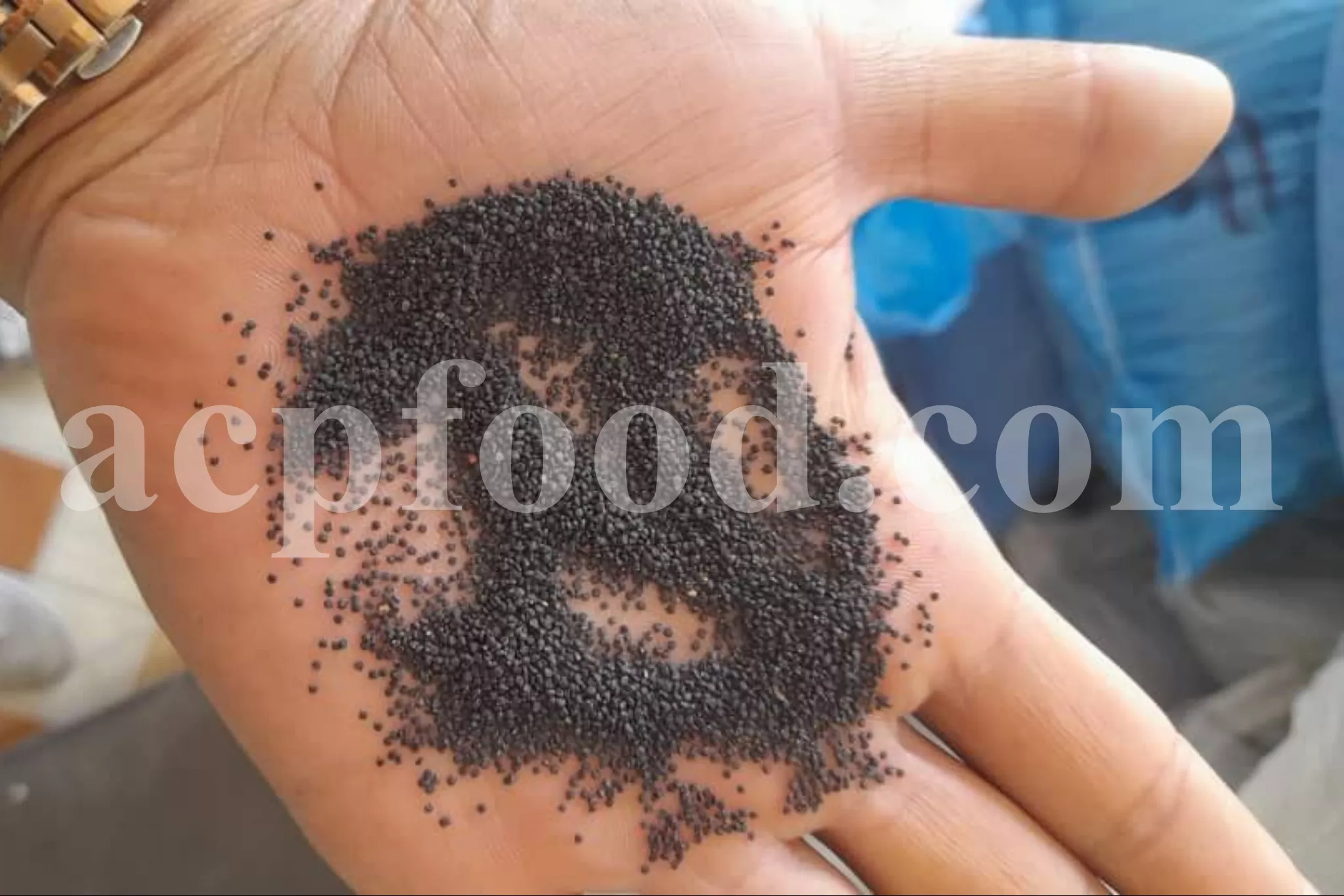

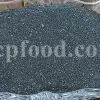
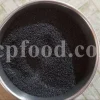
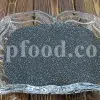
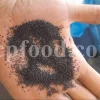
Bulk Purslane Seed for Export
ACPFOOD offers premium bulk purslane seed for export to wholesalers, importers, and distributors worldwide. Our carefully selected Portulaca oleracea seeds, also known as duckweed seeds, portulaca seeds, or khurfa seeds, are cleaned and packed to maintain optimal quality and purity. As a trusted purslane seed supplier and Portulaca seeds exporter, ACPFOOD ensures reliable supply for herbal product manufacturers, health food industries, and agricultural seed distributors. Partner with us for consistent bulk purslane seed wholesale at competitive pricing for international buyers.
Scientific Names: Portulaca oleracea L.
Synonym: Portulaca aurea hort.
English Name: Purslane seed
Other Names in English (UK, USA, Canada, South Africa, Australia, New Zealand): Akulikuli-Kula, Duckweed, Common Purslane, Little Hogweed, Portulaca-Weed, Pursley, Wild Portulaca, Gangavalli Kura seeds, Khurfa seeds, Kulfa seed, Paruppu Keerai seeds
Family: Portulacaceae

🌿 Industries That Use Purslane Seed (Portulaca oleracea L.)
Purslane seeds, derived from the succulent Portulaca oleracea plant, are rich in omega-3 fatty acids, antioxidants, and nutritional fiber. While Purslane is more commonly known for its edible leaves, the tiny black seeds are gaining attention in nutraceutical, cosmetic, agricultural, and functional food sectors.
1. Nutraceutical & Dietary Supplement Industry
Purslane seeds are being used in the formulation of plant-based supplements due to their omega-3 content (especially alpha-linolenic acid – ALA) and rich antioxidant profile.

2. Functional Food & Superfood Industry
Used in smoothie mixes, powdered nutrition blends, and health bars as a plant-based superfood ingredient.
Key Benefits:
-
High in essential fatty acids
-
Contains vitamins A, C, E, and minerals like magnesium and iron
-
Antioxidant-rich (with melatonin and glutathione precursors)
✅ Sometimes sold as purslane seed flour for gluten-free baking or added to granola and snack bars
3. Traditional & Herbal Medicine
In traditional Persian, Chinese, and Ayurvedic systems, Purslane seeds are used to cool the body, support urinary health, and balance digestion.
Medicinal applications:
-
Mild diuretic and anti-inflammatory properties
-
Used in decoctions or seed pastes for internal heat, bladder, and skin issues
-
Occasionally combined with Fennel seeds or Flax seeds in folk digestive remedies
✅ Considered safe and cooling in nature in humoral medicine systems
4. Cosmetic & Skincare Industry
Though more research is focused on the leaves, the oil extracted from seeds may be used in natural anti-aging and hydrating formulations.
Potential uses:
-
Omega-3-rich facial oils
-
Nourishing serums or balms for dry or mature skin
-
Natural anti-inflammatory creams
✅ High in tocopherols (Vitamin E) and linolenic acids
5. Agricultural & Animal Feed Industry
Purslane seeds are valuable in soil conservation and organic animal feed sectors.
Applications:
-
Used as a cover crop seed for drought-prone lands
-
Added to organic poultry and livestock feeds for omega-3 enrichment
-
Natural weed suppressant when grown densely
✅ Regarded as a climate-resilient crop and a low-input feed supplement
6. Ethnic, Organic & Export Markets
Purslane seeds are part of Middle Eastern, Indian, and African traditional food and medicine systems.
Common forms:
-
Sold in bulk seed form for herbal shops
-
Exported as superfood raw material
-
Included in traditional seed-based health tonics
✅ Appealing to ethnic, Ayurvedic, and vegan export markets
✅ Summary of Key Applications
| Industry | Common Uses |
|---|---|
| Nutraceutical & Supplements | Omega-3 capsules, metabolic support blends, seed powders |
| Functional Foods | Smoothie powders, granola, gluten-free flours, bars |
| Herbal & Traditional Medicine | Cooling digestive tonic, bladder and skin support |
| Cosmetics & Skincare | Anti-aging oils, omega-3 serums, seed-based balms |
| Agriculture & Feed | Drought-resilient planting, omega-3 livestock nutrition |
| Ethnic & Organic Markets | Herbal tonic seeds, traditional medicine, superfood exports |
🌱 Key Features:
-
Rich in ALA (alpha-linolenic acid) — a plant-based omega-3 fatty acid
-
High in antioxidants, vitamins, and minerals
-
Used in ethnomedicine and vegan wellness products
-
Tiny black seeds — resembles poppy seeds
-
A climate-adapted crop with soil enrichment properties
🌿 Industries That Use Purslane Leaves (Portulaca oleracea L.)
Purslane leaves, the thick, succulent foliage of Portulaca oleracea, are a highly nutritious, omega-3-rich, and antioxidant-packed edible green. Used globally in traditional diets, natural medicine, and cosmetic and nutraceutical industries, they are considered one of the richest plant-based sources of alpha-linolenic acid (ALA).
1. Food & Culinary Industry
Purslane leaves are an important ingredient in ethnic cuisines, gourmet salads, and functional culinary formulations.
Culinary uses:
-
Fresh or lightly cooked in soups, stews, omelets, and sautéed greens
-
Added to fermented foods like pickles or mixed vegetable jars
-
Used in Middle Eastern, South Asian, Mediterranean, and Mexican dishes
✅ Mildly tangy, lemony taste with a slightly mucilaginous texture
2. Nutraceutical & Functional Food Industry
Used in green powders, fresh-pressed juices, and nutrient-dense superfood blends.
Key benefits:
-
Exceptionally rich in ALA omega-3s
-
Contains glutathione precursors, vitamin C, E, beta-carotene, and magnesium
-
Mucilage provides gut-soothing and hydration support
✅ Included in anti-inflammatory diets and alkaline meal plans
3. Traditional & Herbal Medicine
Widely used in Persian, Ayurvedic, Chinese, and Greek medicine systems for cooling and detoxifying the body.
Therapeutic uses:
-
Treating inflammatory conditions such as gastritis and colitis
-
Used externally as a soothing poultice for burns, eczema, and ulcers
-
Internally to ease diarrhea, soothe urinary tract, and cool excess internal heat
✅ Known as a cooling, moistening herb in Unani and humoral medicine
4. Cosmetic & Skincare Industry
Purslane leaves contain compounds such as portulacerebroside A, kaempferol, and ferulic acid, which contribute to skin protection, soothing, and anti-aging effects.
Formulations include:
-
Hydrating face masks and creams
-
Anti-aging and anti-pollution serums
-
Skin-repair gels (especially in Korean and natural cosmetics)
✅ Extract often included in luxury skincare brands
5. Agriculture, Permaculture & Green Nutrition
An excellent drought-tolerant edible green used in regenerative agriculture and urban farming systems.
Uses:
-
Planted as a soil stabilizer in degraded or dry lands
-
Used in microgreen cultivation for salads
-
Suitable for container gardening, hydroponics, and school gardens
✅ Regrows easily and thrives in poor soils with minimal input
6. Ethnic & Organic Produce Markets
Sold as fresh herb, dried greens, or fermented leaves in traditional and health-focused markets.
Commonly exported as:
-
Fresh bundles for ethnic supermarkets
-
Frozen or dried for health food stores
-
Pickled purslane (torshi) in Middle Eastern grocers
✅ Gaining popularity among vegan, raw food, and medicinal cuisine audiences
✅ Summary of Key Applications
| Industry | Common Uses |
|---|---|
| Food & Culinary | Fresh greens, pickles, sautéed side dishes, traditional meals |
| Nutraceutical & Functional | Superfood green powders, detox juices, omega-3 blends |
| Herbal & Traditional Medicine | Internal cooling, gut-soothing, wound care poultice |
| Cosmetics & Skincare | Hydrating serums, anti-aging creams, antioxidant lotions |
| Agriculture & Permaculture | Soil stabilizer, edible landscaping, microgreens |
| Ethnic & Organic Markets | Fresh bundles, dried leaves, pickled greens |
🌱 Key Features:
-
Extremely high in ALA omega-3s (more than any other leafy green)
-
Rich in mucilage, supporting gut and skin health
-
Traditional “cooling” herb in hot climates and fevers
-
Mild lemony flavor and crisp texture when raw
-
Often referred to as one of the most nutritious wild greens in the world
🌿 Purslane Leaves vs. Seeds – Industrial Comparison Table
| Aspect | Purslane Leaves | Purslane Seeds |
|---|---|---|
| Botanical Part | Fleshy, succulent aerial green leaves | Small, black dry seeds |
| Nutritional Content | Rich in vitamins A, C, E, omega-3 (ALA), magnesium | High in omega-3 (ALA), fiber, protein, minerals |
| Fatty Acids | Moderate omega-3 content from fresh greens | Concentrated omega-3s in oil form |
| Other Compounds | Contains mucilage, melatonin, glutathione precursors | Rich in polyunsaturated fats, antioxidants, and tocopherols |
| Texture/Taste | Lemony, slightly sour, juicy and mucilaginous | Neutral, slightly nutty (when ground) |
| Culinary Use | Fresh salads, stews, pickles, sautéed dishes | Baked goods, smoothies, gluten-free flour blends |
| Traditional Medicine Use | Used to cool the body, ease inflammation, digestive issues, and skin irritations | Used to support urinary health, diuretic, and as a general tonic |
| Cosmetic Use | Extracted for soothing, anti-aging serums, face masks | Oil used in nourishing balms, rich in essential fatty acids |
| Supplement Use | Green powder, detox juice blends, smoothies | Used in vegan omega-3 capsules, metabolic blends |
| Agricultural Use | Planted as soil cover, erosion control, urban farming | Used for sowing, and livestock feed enhancement |
| Preservation | Perishable; used fresh or dried | Long shelf-life; used whole or ground |
| Industrial Value | High in functional food, natural skincare, and ethnic produce markets | Key in nutraceutical, supplement, and functional feed industries |
✅ Summary
-
Leaves are more popular in culinary and skincare markets due to their texture and nutrient profile.
-
Seeds are highly valued in nutraceuticals and supplements for their omega-3 content and shelf stability.
-
Both parts are utilized in traditional medicine, but in slightly different ways.
PRODUCT NAME IN DIFFERENT LANGUAGES
Persian Name: خرفه/ Khorfeh
German Name (Deutschland, Austria, Switzerland): Portulak Samen, Gemüsesamen
French Name (France, Belgium, Switzerland, Quebec): Graines de Pourpier
HARVEST CALENDAR
Feb
Mar
Apr
May
Jun
Jul
Aug
Sep
Oct
Nov
Dec
To order Purslane seed, please contact us.
About Portulaca Oleracea
Portulaca oleracea is an annual and low height plant. There are two types of purslanes: garden purslane and wild purslane.

The best Akulikuli-Kula has large, fleshy leaves and a red stem.
Its flowers are small and yellow, and each has five heart-shaped petals that are completely separated from each other.
Purslane seeds are black, very small, circular, and slightly wide, and are in small green chambers. These chambers consist of two conical parts and are separated after they are fully ripened.
Purslane Temperament
Third degree of cold and second degree of moist.
Portulaca Oleracea Chemical Constituents
Pectin, tannin, phosphate, magnesium, iron, aluminum, manganese, calcium, potassium, and sodium urea.
Purslane Health Benefits
Pursley leaves and stems reduce the intensity of yellow bile, remove heat from the liver, fatten people with hot and dry temperaments, cleanse the body, reduce stomach heat, quench thirst, cool the brain, break stones, diuretic, reduce uterine heat and strengthens sexual power in hot temperaments.

Eating Wild Portulaca with vinegar relieves kidney pain. If you dissolve 5 grams of rock candy or sugar in 30 grams of purslane leaves juice, or fry cooked purslane leaves with a little oil and onion, eating it strengthens the intestines and is very useful for bilious diarrhea and hot fevers. Chewing purslane leaves relieves toothache.
Its leaf poultice relieves the heat of the organs, especially the stomach and liver. It is also useful for fire burns. Purslane leaf poultice with Damask Rose oil improves hot pulsating headache, fire burns and hot swellings.
The poultice of this leaf with barley flour helps in the treatment of hot headache, hot eye swelling, the beginning of gangrene, cerebral edema, scabies, pruritus, testicular swelling, and scarlet fever. Applying purslane leaves with Henna on the palms of the hands and feet relieves their heat, and repeating this procedure is beneficial for vitiligo. Pouring a solution of purslane leaf juice and Damask Rose oil on the head improves a hot, pulsating headache.
Purslane root poultice helps to remove warts.
Eating a mixture of 12 grams of Purslane seed powder with sugar or Jallab syrup (a syrup made by rock candy, rose water and saffron) is a laxative and is beneficial for hot fevers, hot coughs, inflammation of the liver, heartburn, and intestinal burning. Spreading Purslane seed powder in the mouth helps to treat aphthous ulcer and oral pox in children.
Purslane Dose
Leaf or stem juice up to 60 grams. Its seeds up to 12 grams.
Purslane Side Effects
Purslane causes anorexia. It also causes weakness of sexual power in cold temperament people. Eating too much of it causes dark eyesight. Excessive chewing of this leaf causes toothache. Purslane seeds are harmful for cold spleen and stomach.
Purslane Seed Modifiers
Terebinth gum, Celery, and Peppermint for Purslane leaves. Sugar cube for Purslane seeds.
🧾 Nutrition Facts – Dried Purslane Seed (Portulaca oleracea L.) (Per 100g)
Botanical Name: Portulaca oleracea L.
Common Names: Purslane Seed, Portulaca Seed
Part Used: Seed (dried)
Culinary and Traditional Use: Used in traditional medicine and folk cuisine across the Middle East and Asia; consumed in porridges, breads, and herbal tonics for strength, digestion, and general vitality
🔹 General Composition (Per 100g, dried)
| Nutrient | Amount | % Daily Value (DV) |
|---|---|---|
| Calories | ~410 kcal | 21% |
| Water (residual) | ~6 g | — |
| Protein | ~23.8 g | 48% |
| Total Fat | ~31.2 g | 40% |
| • Saturated Fat | ~3.1 g | 16% |
| • Omega-3 Fatty Acids (ALA) | ~3.7 g | — |
| Carbohydrates | ~27.4 g | 10% |
| • Dietary Fiber | ~19.6 g | 70% |
| • Natural Sugars | ~0.9 g | — |
✅ A dense source of protein, fiber, and beneficial fats—including plant-based omega-3s
🔬 Mineral Content
| Mineral | Amount | %DV |
|---|---|---|
| Potassium | 814 mg | 17% |
| Calcium | 164 mg | 13% |
| Magnesium | 142 mg | 34% |
| Iron | 8.6 mg | 48% |
| Zinc | 3.2 mg | 29% |
| Manganese | 2.1 mg | 91% |
| Copper | 0.39 mg | 43% |
| Phosphorus | 412 mg | 33% |
| Selenium | 3.4 mcg | 6% |
💎 Rich in iron, magnesium, manganese, and phosphorus—ideal for energy and metabolic support
🌿 Vitamin Content
| Vitamin | Amount | %DV |
|---|---|---|
| Vitamin E (Tocopherols) | 4.8 mg | 32% |
| Niacin (Vitamin B3) | 3.9 mg | 24% |
| Thiamine (B1) | 0.22 mg | 18% |
| Riboflavin (B2) | 0.17 mg | 13% |
| Folate (B9) | 54 mcg | 14% |
| Vitamin A (Carotenes) | Trace | — |
| Vitamin C | ~0.6 mg | <1% |
🌱 A solid source of B-complex vitamins and vitamin E, supporting energy production and antioxidant defense
🧪 Phytochemical & Bioactive Compounds
-
Alpha-Linolenic Acid (ALA) – Omega-3 fatty acid with anti-inflammatory effects
-
Flavonoids (Kaempferol, Apigenin) – Antioxidant, antimicrobial, and vascular-protective agents
-
Polysaccharides – Immunomodulatory and gut-supportive properties
-
Tocopherols – Contribute to cellular protection from oxidative stress
-
Lignans & Phenolic Acids – Potential cholesterol-lowering and hormone-modulating effects
🩺 Health Benefits
| System | Potential Effects |
|---|---|
| Cardiovascular | Omega-3 and potassium support heart rhythm and blood pressure |
| Digestive | High fiber promotes regularity and microbiome health |
| Metabolic | Protein and magnesium aid in energy metabolism |
| Immune System | Antioxidants and fatty acids offer anti-inflammatory support |
| Women’s Health | Traditional use in hormonal balance and lactation tonics |
⚖️ Traditionally consumed as a fortifying food in Persian and Central Asian diets
⚠️ Usage & Safety Notes
-
Typical Use: 1–2 tablespoons per day in porridge, herbal drinks, or baked goods
-
Allergen Info: Rarely allergenic; should be ground or soaked before use for optimal digestion
-
Caution: Not recommended in large raw amounts due to mucilage buildup in sensitive individuals
📦 Storage Guidelines
-
Store in an airtight container, away from light and humidity
-
Cool, dry storage recommended (ideally under 20°C)
-
Shelf life: 12–18 months when properly stored
📌 Disclaimer
This data is intended for educational, nutritional, and cataloguing purposes. Nutrient content may vary depending on harvest origin, seed cleaning, and drying methods. Purslane seed is not a regulated food supplement and is traditionally classified as a functional ingredient.
🧾 Nutrition Facts – Dried Purslane Leaves (Portulaca oleracea L.) (Per 100g)
Botanical Name: Portulaca oleracea L.
Common Names: Purslane, Verdolaga, Little Hogweed
Part Used: Leaf (dried)
Culinary and Traditional Use: Widely used in traditional Iranian, Mediterranean, and Asian diets; valued in herbal infusions and dried as a leafy green for soups and wellness tonics
🔹 General Composition (Per 100g, dried)
| Nutrient | Amount | % Daily Value (DV) |
|---|---|---|
| Calories | ~270 kcal | 14% |
| Water (residual) | ~8 g | — |
| Protein | ~18.2 g | 36% |
| Total Fat | ~4.8 g | 6% |
| • Saturated Fat | ~0.9 g | 5% |
| • Omega-3 Fatty Acids (ALA) | ~2.2 g | — |
| Carbohydrates | ~44 g | 16% |
| • Dietary Fiber | ~21.4 g | 76% |
| • Natural Sugars | ~2.1 g | — |
✅ Excellent plant-based source of fiber, protein, and ALA (omega-3)
🔬 Mineral Content
| Mineral | Amount | %DV |
|---|---|---|
| Potassium | 1120 mg | 24% |
| Magnesium | 168 mg | 40% |
| Calcium | 276 mg | 21% |
| Iron | 11.6 mg | 64% |
| Zinc | 2.9 mg | 26% |
| Manganese | 1.7 mg | 74% |
| Phosphorus | 142 mg | 11% |
| Copper | 0.38 mg | 42% |
| Selenium | 2.3 mcg | 4% |
💎 Especially rich in iron, magnesium, and potassium—ideal for circulation, muscle, and bone support
🌿 Vitamin Content
| Vitamin | Amount | %DV |
|---|---|---|
| Vitamin A (RAE) | 469 mcg | 52% |
| Vitamin C | 34 mg | 38% |
| Vitamin E (Tocopherols) | 3.4 mg | 23% |
| Niacin (Vitamin B3) | 2.1 mg | 13% |
| Thiamine (B1) | 0.11 mg | 9% |
| Riboflavin (B2) | 0.22 mg | 17% |
| Folate (B9) | 78 mcg | 20% |
| Vitamin K1 | 366 mcg | 305% |
🌱 Highly antioxidant and anti-inflammatory; excellent source of vitamin K and provitamin A
🧪 Phytochemical & Bioactive Compounds
-
Alpha-Linolenic Acid (ALA) – Plant-based omega-3 with cardioprotective and anti-inflammatory activity
-
Betalains – Potent antioxidants responsible for red-yellow pigments
-
Flavonoids (Kaempferol, Apigenin) – Anti-inflammatory and vascular-supportive
-
Glutathione & Melatonin – Natural antioxidants found in fresh and dried purslane
-
Pectin & Mucilage – Soothing effects for the digestive tract
🩺 Health Benefits
| System | Potential Effects |
|---|---|
| Cardiovascular | Omega-3 and potassium help regulate blood pressure and heart rhythm |
| Bone Health | Rich in calcium, vitamin K, and magnesium |
| Immune Function | Flavonoids, vitamin C, and ALA support immunity |
| Digestive Health | Mucilage and fiber aid gut health and regularity |
| Metabolic Health | Antioxidants and fiber may assist in glycemic control |
⚖️ A nutritionally dense leafy green with exceptional anti-inflammatory and antioxidant value
⚠️ Usage & Safety Notes
-
Typical Herbal Use: 1–2 teaspoons per cup of hot water for tea; can be powdered and added to soups or stews
-
Oxalate Content: Contains moderate oxalates—use in moderation in individuals with kidney issues
-
Allergen Info: Generally well tolerated; no known allergic risk in typical culinary amounts
📦 Storage Guidelines
-
Store in sealed containers away from light and moisture
-
Keep in a cool, dry environment
-
Shelf life: 12–18 months when properly stored
📌 Disclaimer
This information is intended for educational and cataloguing use in a professional herbal or nutritional context. Values may vary by growing region, soil, and drying conditions. Purslane is widely regarded as one of the richest green leafy plants in omega-3 fatty acids and plant antioxidants.
To order Purslane seed, please contact us.


Reviews
There are no reviews yet.