


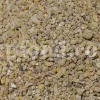


Bulk Cypress Resin for Export and Wholesale Supply

GENERAL DATA
Plant Parts: Leaves, Fruits, Bark, Resin
Cultivation Mode: Wild collection/ Cultivated
In Manufacturing: Pharmaceutical, Incense, Perfumery, Cosmetics, Aromatherapy
🌲 Industries That Use Cypress Resin (Cupressus sempervirens L.)
What Is Cypress Resin?

It is often collected from older trees in Mediterranean regions, especially Iran, Italy, Turkey, and Cyprus.
1. Perfumery & Fragrance Industry
Cypress resin has a deep woody-balsamic scent used in crafting natural perfumes and incense blends.
Applications:
-
Base note in masculine and forest-inspired perfumes
-
Resinous blends with Frankincense, Cedarwood, and Myrrh
-
Incense sticks, cones, and ambient fragrance resins
✅ Works as a natural fixative to anchor volatile essential oils.
2. Traditional & Herbal Medicine
Used in Unani, Persian, and Mediterranean medicine systems for its astringent, anti-inflammatory, and tonic properties.
Common uses:
-
Wound healing ointments and salves
-
Respiratory support (combined with honey or steam inhalation)
-
Topical use for varicose veins and rheumatic pain
✅ Often blended with other resins like Mastic or Myrrh.
3. Cosmetic & Skincare Industry
Cypress resin is incorporated into natural skincare products for its antiseptic and toning actions.
Used in:
-
Clay masks for oily or acne-prone skin
-
Anti-aging creams and toners
-
Botanical balms for cracked skin or stretch marks
✅ Particularly valued for improving skin texture and firmness.
4. Aromatherapy & Wellness Products
Its grounding and purifying aroma makes Cypress resin useful in relaxation, purification, and respiratory blends.
Applications:
-
Aromatic pouches or smudge resins
-
Resin diffusers or herbal baths
-
Steaming blends for sinus relief
✅ Blends well with Lavender, Pine resin, Sage leaves, and Eucalyptus.
5. Cultural & Religious Use
Used in ritualistic incense and ceremonial fumigation in ancient Greek, Roman, and Zoroastrian traditions.
Cypress symbolism: Eternal life, purification, and grief healing.
✅ Still used in funeral rites and temple incense in some cultures.
6. Natural Craft & Botanical Resin Industry
Used in resin art, preservation, and organic varnishes.
Applications:
-
Resin casting with herbs and woods
-
Eco-friendly wood finishes and waterproofing
-
Traditional incense tablets and botanical talismans
✅ Sometimes combined with waxes or turpentines in old recipes.
✅ Summary of Key Applications
| Industry | Common Uses |
|---|---|
| Perfumery & Fragrance | Fixative base notes, incense blends, resin perfumes |
| Traditional Medicine | Wound healing, anti-inflammatory salves, respiratory support |
| Cosmetic & Skincare | Facial masks, toners, herbal balms |
| Aromatherapy & Wellness | Sinus relief blends, calming smudges, cleansing diffusers |
| Religious & Cultural | Ritual incense, purification smoke, sacred oils |
| Craft & Resin Art | Resin capsules, wood varnish, botanical preservation |
🌿 Key Features of Cypress Resin
-
Aroma: Woody, resinous, slightly spicy and smoky
-
Texture: Semi-soft, golden-brown to amber granules
-
Solubility: Partially soluble in alcohol and essential oils
-
Harvest Method: Wild tapping or bark injury
-
Shelf Life: Long-lasting when stored dry and cool
🌲 Comparison Table: Cypress Resin vs. Pine Resin vs. Black Fasoukh
| Aspect | Cypress Resin(Cupressus sempervirens L.) | Pine Resin (Colophony)(Pinus spp. – e.g. P. sylvestris) | Black Fasoukh(Picea orientalis (L.) Peterm.) |
|---|---|---|---|
| Botanical family / source | Cupressaceae – Mediterranean/Persian cypress | Pinaceae – temperate pines worldwide | Pinaceae – Oriental spruce (Caucasus, N‑E Anatolia) |
| Typical colour & texture | Golden‑amber to reddish‑brown; semi‑soft granules or “tears” | Pale yellow to deep amber; hard, brittle chunks or flakes | Very dark brown‑black; viscous tar when warm, hard sticky lumps when cold |
| Dominant aroma | Dry‑woody, balsamic, slightly smoky & spicy | Sweet‑woody, fresh “piney” turpentine note | Sharp, smoky‑tar, resinous, intense |
| Key constituents | α‑Pinene, δ‑3‑Carene, cedrol, resin acids | Abietic, pimaric & levopimaric acids; α/β‑pinene | Resin acids + high fraction of guaiacol‑type phenolics giving tarry odour |
| Traditional medicinal use | Astringent wound balms, respiratory steam, venous tonic | Expectorant plasters, anti‑rheumatic liniments, naval stores | Ritual fumigation to “extract” evil, very limited medicinal use |
| Modern industries | • Natural perfumery (fixative) • Niche skincare & balsamic salves • Artisan incense | • Paper sizing & adhesives• Varnishes, soaps, rosin for strings• Turpentine solvent | • Occult / Maghrebi ritual incense• Black protective or banishing blends |
| Spiritual / ritual roles | Purification smoke in Greek, Persian & Christian rites | Folk protection incense; church resin blends | Central in North‑African “removal” magic (paired with white Fasoukh) |
| Hardness / stability | Moderately soft → hardens with age | Hard & brittle; melts ≈ 100 °C | Sticky‑tar; softens in hand warmth |
| Solubility / processing | Alcohol‑soluble; partly in fixed oils | Alcohol‑ & turpentine‑soluble; water‑insoluble | Softens with ethanol; best burned directly |
| Availability & price | Limited wild harvest ⇒ artisanal pricing | Very abundant ⇒ lowest price/kilo | Scarcer, regional specialty ⇒ moderate price |
| Typical safety notes | Low irritation; avoid on broken skin for sensitive users | Skin‑sensitiser in some individuals; flammable fumes | Strong smoke; ventilate well, not for internal use |
🔎 Key take‑aways
-
Cypress resin offers a refined woody‑balsamic profile prized in natural fragrance, wound balms and gentle cleansing incenses.
-
Pine resin (colophony) is the industrial work‑horse: huge volumes for rosin, turpentine, varnish and economical incense blends.
-
Black Fasoukh is ritual‑specific: its tarry spruce resin is burned almost exclusively in Maghrebi spiritual practice for potent banishing and protective rites, rather than for perfumery or medicine.
PRODUCT NAME IN DIFFERENT LANGUAGES
Persian Name: صمغ سرو/ Samgh-e-Sarv
German Name (Deutschland, Austria, Switzerland): Zypresse harz
French Name (France, Belgium, Switzerland, Quebec): Résine Cyprès
HARVEST CALENDAR
Feb
Mar
Apr
May
Jun
Jul
Aug
Sep
Oct
Nov
Dec

Cypress fruits are almost spherical, small, and dried plum-sized, with several pointed ridges on their surface. These fruits are green at first, but after fully ripening, they become dark and woody. Then they are split into several parts. Its taste is spicy, bitter, and very astringent. Inside these fruits, small, brown, and angular seeds with irregular shapes can be seen.
Cypress Temperament
All parts of Italian Cypress tree are at the first degree of hot and third degree of dry. But the fruit is hotter than other parts.
Cypress Chemical Constituent
Quercitrin, thujin, pinene, caryophyllene
Cypress Health Benefits
Cypress leaves eliminate infection and are useful for bleeding and vitiligo. Eating 7 grams of Cypress leaf powder with 2 grams of Myrrh strengthens the bladder and helps treat urinary retention and dysuria.
Drinking its decoction removes bladder waste and is useful for dysuria and ulcer. Gargling its decoction improves toothache, wound and gum loosening.

It also removes bleeding, forgetfulness, diarrhea, chronic cough, and dysuria. Fresh fruit extract of this tree is useful for hemorrhoids and nasal polyps.
If you grind its fruit with Fig and dip a wick in it and put it in the nose, it will remove the extra meat inside the nose.
The poultice of its grated fruit is used to treat hernia. A poultice made from a mixture of fruits and crushed leaves of Cypress with vinegar and Henna strengthens the hair and makes it black.
The poultice of its crushed leaves and fruits with beeswax and olive oil on the head, strengthens the stomach.
The powder of rusty wood of Cypress tree is a tonic for the bladder and prevents the increase of excrement and improves enuresis.
Chewing Cypress resin is useful to relieve excessive salivation.
Sniffing Cypress resin helps to enema the excess moisture in the brain.
The poultice of Cypress resin with Pomegranate (Punica granatum L.) flower heals wet head wounds and infected wounds.
Sniffing Cypress resin powder is useful for eliminating nasal polyps.
Cypress Doses
The fruit up to 1.2 gram.
Cypress Side Effects
Lung. Its fruit makes the complexion yellow.
Cypress Modifiers
Gum Tragacanth. Honey and sweet almond oil for its fruit.
🧾 Nutrition Facts – Cypress Resin
Product: Cypress Resin
Botanical Name: Cupressus sempervirens L.
Plant Part Used: Natural Exudate / Oleoresin
Form: Raw resin (dried drops, tears, or chunks)
Typical Use: Incense, perfumery, traditional medicine, fumigation
⚖️ Serving Size: 1g (for reference in formulation, not ingestion)
| Nutrient | Amount per 1g | % Daily Value* |
|---|---|---|
| Calories | 2 kcal | — |
| Total Fat | 0.02 g | 0% |
| • Saturated Fat | 0 g | 0% |
| Total Carbohydrates | 0.45 g | <1% |
| • Sugars (natural gums) | 0.3 g | — |
| Protein | 0.01 g | 0% |
| Dietary Fiber | 0.1 g (approximate) | <1% |
| Sodium | 0 mg | 0% |
| Ash / Minerals | trace | — |
*Percent Daily Values are based on a 2,000-calorie diet. This product is not intended for food use.
🧪 Phytochemical Composition (Typical Profile)
| Constituent | Function / Properties |
|---|---|
| α-Pinene | Anti-inflammatory, antimicrobial |
| δ-3-Carene | Expectorant, used in respiratory applications |
| Cedrol | Sedative, insect repellent |
| Resin acids | Protective, aromatic base |
| Polyphenols | Natural antioxidants (trace amounts) |
🌿 Traditional & Industrial Uses
| Field | Applications |
|---|---|
| Pharmaceutical | Respiratory remedies, traditional wound care |
| Perfumery | Fixative and woody scent base |
| Incense Industry | Burned for cleansing, purification |
| Cosmetic | Added in balms, salves, and resinoid preparations |
| Cultural/Spiritual | Used in ritualistic incense and embalming |
⚠️ Usage Notice
-
Not a food product – Cypress resin is non-edible and should never be consumed.
-
Use only in external, industrial, or aromatic formulations.
-
Avoid during pregnancy or for those with sensitive respiratory conditions without professional guidance.
To order Cupressus sempervirens resin, please contact us.


Reviews
There are no reviews yet.