, , ,

Bulk Picea Orientalis Resin for Export

ACPFOOD offers bulk picea orientalis resin for export, commonly known as Black Fasoukh or Oriental spruce resin. This natural resin is highly valued in the pharmaceutical, food, and cosmetic industries, and we provide reliable wholesale quantities with consistent quality for international buyers.

Wholesale Supply of Black Fasoukh for Global Markets

  • Product Code: GUM-013
  • Minimum Order Quantity (MOQ): 50kg

To order or get a quote, please push the below button:

Get A Quote!

Bulk Picea Orientalis Resin for Export and Wholesale

ACPFOOD supplies bulk picea orientalis resin for export in premium quality, catering to wholesalers, importers, and distributors worldwide. Also known as Black Fasoukh or Oriental spruce resin, this natural resin is highly demanded by the pharmaceutical, food, and cosmetic industries. As a trusted wholesale supplier of picea orientalis resin, we ensure consistent quality, competitive pricing, and professional export services for B2B buyers seeking bulk quantities.

ACPFOOD supplies Bulk Picea Orientalis Resin for Export, a rare and highly aromatic natural resin exudate collected from the Oriental Spruce (Picea orientalis) growing in the mountainous forests of northern Iran. Traditionally known as Black Fasoukh, this resin is prized for its strong balsamic aroma, antiseptic properties, and therapeutic applications in both traditional and modern industries.

Our Bulk Picea Orientalis Resin for Export is harvested by tapping mature spruce trees during peak resin flow. The resin is then naturally sun-dried, hand-cleaned, and carefully packed to preserve its potent essential oils and therapeutic compounds. Rich in terpenes, spruce oleoresins, and aromatic acids, Bulk Picea Orientalis Resin for Export is widely used in incense production, natural medicine, perfumery, fumigation, and antimicrobial formulations.

ACPFOOD ensures that every batch of Bulk Picea Orientalis Resin for Export is of consistent purity and suitable for industrial processing, extraction, and global supply chains. All shipments are accompanied by CoA, TDS, and export documentation.

🏭 Industrial Applications

✔️ Incense & Aromatic Industry

  • Key ingredient in traditional incense blends, church incense, and ceremonial resins

  • Used for its deep, smoky, balsamic aroma

✔️ Traditional & Natural Medicine

  • Applied in treatments for respiratory cleansing and antimicrobial herbal remedies

  • Used in poultices, vaporizers, and smoke therapies

✔️ Pharmaceutical & Topical Formulations

  • Incorporated into balms, salves, ointments, and natural antiseptic preparations

✔️ Perfumery & Fragrance Extraction

  • Used as a natural fixative and aromatic base component

✔️ Cultural & Ritual Use

  • Burned for purification, fumigation, and spiritual ceremonies

ACPFOOD guarantees that all Bulk Picea Orientalis Resin for Export shipments adhere to international safety and quality standards.

🌱 Product Specifications

Parameter Description
Botanical Name Picea orientalis (L.) Peterm.
Common Names Black Fasoukh, Oriental Spruce Resin
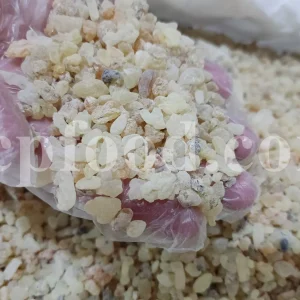
Appearance Dark brown to black resin chunks / tears
Aroma Strong balsamic, woody, smoky
Purity ≥ 95–98%
Moisture ≤ 10%
Processing Natural tapping, sun-dried, hand-cleaned
Origin Northern Iran
Shelf Life 24–36 months


🌍 Why Choose ACPFOOD for Bulk Picea Orientalis Resin for Export

  • ✔️ Reliable global supplier of Bulk Picea Orientalis Resin for Export

  • ✔️ Natural, hand-harvested, and non-irradiated

  • ✔️ High terpene content suitable for incense, fragrance, and extraction

  • ✔️ Export-ready packaging for long-distance transport

  • ✔️ Full documentation: CoA, TDS, MSDS

  • ✔️ Competitive pricing and stable annual availability

ACPFOOD is a trusted source for manufacturers, incense producers, herbal formulators, and aromatic product companies seeking top-grade Bulk Picea Orientalis Resin for Export.

🚚 Delivery Options

🌍 Direct Export from Iran – Available worldwide
🇪🇺 European Union Customers: Delivered DDP from Heppenheim, Germany (MOQ: 500 Kg)

🇨🇦 Canada & 🇨🇳 China: Delivered DDP (MOQ: 500 Kg)

🇺🇸 USA Customers: Delivered DAP (MOQ: 500 Kg)

🚢 Other Countries: CIF shipping available to all destinations

Dark natural resin from Picea orientalis trees
ACPFOOD offers bulk Picea orientalis resin for export in premium grades
Scientific Name: Picea orientalis (L.) Peterm.
Synonyms: Pinus orientalis L., Picea orientalis (L.) Link
English Name: Black Fasoukh
Other Names in English (UK, USA, Canada, South Africa, Australia, New Zealand): Fasoukh, Fassoukh, Caucasian Spruce, Oriental Spruce
Family: Pinaceae


GENERAL DATA

Plant parts: Gum/Resin
Cultivation mode: Wild Collection
In manufacturing: Incense, aroma, perfumery.
In food:


🌲 Industries That Use Black Fasoukh (Picea orientalis Resin)

Here’s a structured analysis of Picea orientalis resin, a natural gum-resin exudate from the Oriental Spruce tree (Picea orientalis L.), known for its strong aroma, resinous properties, and therapeutic applications in traditional medicine and incense practices.

🌿 What Is Black Fasoukh?

This resin is a dark, aromatic resin or hardened exudate obtained from the bark of Picea orientalis (Oriental Spruce), native to the Caucasus region and parts of the Middle East. It is typically blackish-brown, sticky to brittle when dry, and has a strong balsamic, woody scent.

🔹 Also known in some regions as Oriental Spruce Resin, Fasukh Siah, or Black Fesoukh
🔹 Traditionally used in ritual cleansing, respiratory relief, and protective incense

Wholesale resin supply of Black Fasoukh
Black Fasoukh in wholesale packaging

1. Traditional Medicine & Ethnobotanical Use

This gum has long-standing medicinal use, particularly in traditional Middle Eastern and North African healing systems.

Applications:

  • Smoked or burned for respiratory congestion and sinus clearing

  • Applied externally (sometimes mixed with oils) for muscle aches, joint stiffness, or infections

  • Sometimes chewed or infused for digestive aid

✅ Considered an antimicrobial and warming agent in folk remedies
✅ Not typically consumed in high quantities—used topically or via inhalation

2. Aromatherapy & Incense Industry

Highly valued for its smoky, spiritual aroma, Black Fasoukh is used in spiritual practices, ritual cleansing, and incense crafting.

Applications:

  • Burned as protective incense in spiritual traditions

  • Blended with other resins (e.g., Myrrh, Frankincense, Mastic)

  • Used in fumigation rituals, purification ceremonies, or meditation

✅ Popular in Moroccan, Levantine, and esoteric European incense traditions
✅ Sometimes used in banishing or “energetic clearing” rituals in folk magic

3. Perfumery & Natural Fragrance Industry (Niche)

Although not mainstream, Oriental spruce resins like Black Fasoukh are occasionally explored in artisan perfumery and natural fragrance compositions.

Applications:

  • Added to resin-based solid perfumes or incense-inspired perfumes

  • Base notes in balsamic or forest-like fragrance profiles

  • Experimental use in oil infusions or tinctures

✅ Requires purification and blending due to its raw, resinous nature
✅ Appeals to niche, natural perfumery markets

4. Cosmetic & Skincare (Experimental/Traditional)

In traditional settings, it may be used in antimicrobial pastes or ointments for skin infections, though this is not yet widely commercialized.

Applications:

  • Blended into natural ointments for wounds or abscesses

  • Occasionally used in poultices or warming plasters

  • Added to resin soaps or deodorants in traditional herbal practices

✅ Potential antimicrobial and anti-inflammatory effects
✅ Not common in mainstream skincare due to scent and stickiness

Black Fasoukh resin pieces for industrial use
High-quality bulk Picea orientalis resin for export ready for international buyers

5. Cultural & Spiritual Practices

It is commonly associated with folk magic, protective rites, and energy clearing rituals in parts of North Africa, Iran, and the Levant.

Applications:

  • Burned with charcoal to ward off the evil eye, negative energy

  • Used in combination with white fasoukh or other botanical incenses

  • Incorporated in spiritual baths, talismans, or ritual pouches

✅ Important in spiritual healing, especially in Moroccan and Sufi traditions
✅ Sometimes used symbolically as a spiritual “shield” or “seal”

6. Academic & Botanical Research

Studies are limited but may focus on the chemical constituents of Picea orientalis resin and its bioactivity (e.g., antibacterial, antifungal).

Research Topics:

  • Resin chemistry: terpenes, resin acids, volatiles

  • Antimicrobial or wound-healing potential

  • Ethnobotanical significance of this gum in spiritual medicine

✅ Resins of coniferous trees are of growing interest in natural product pharmacology

✅ Summary of Key Applications

Industry Common Uses
Traditional Medicine Decongestant smoke, muscle salves, skin infection remedies
Aromatherapy & Incense Ritual incense, purification blends, spiritual practices
Artisan Perfumery Base notes in balsamic perfumes, natural fragrance tinctures
Skincare (Traditional) Poultices, wound salves, deodorant resins
Cultural & Spiritual Use Protective rituals, energy clearing, incense ceremonies
Academic Research Resin chemistry, antimicrobial testing, ethnobotanical use

🌟 Key Features

  • Dark, balsamic gum with strong aromatic scent

  • Used mainly via burning, fumigation, or topical application

  • Traditional use in protective, respiratory, and antimicrobial contexts

  • Associated with spiritual cleansing rituals in North African cultures

  • Natural coniferous resin with terpenoid-rich composition


🌿 Comparison Table of Traditional Resins

Aspect 🌲 Black Fasoukh(Picea orientalis Resin) 🧄 White Fasoukh(Ferula communis L.) 🌿 Cypress Resin(Cupressus sempervirens L.) 🌸 Opoponax (Sweet Myrrh)(Commiphora erythraea or C. guidottii)
Botanical Origin Picea orientalis (Oriental spruce) Ferula communis (Giant Fennel) Cupressus sempervirens (Mediterranean Cypress) Commiphora erythraea / C. guidottii (Horn of Africa)
Common Color Dark brown to black, sticky when fresh Pale yellow to white, semi-soft Amber to yellowish, glossy Golden yellow to reddish-brown
Aroma Profile Strong, sharp pine scent with smoky resinous notes Sulfurous, pungent, garlicky, camphoraceous Woody, balsamic, dry-coniferous Sweet, warm, balsamic, floral-musk
Texture & Form Semi-hard resin, tacky when warm Soft to semi-hard, sticky gum-resin Brittle when dry, soft when fresh Granular, crumbly or semi-hard resin chunks
Extraction Method Tapping bark or collecting resinous exudates Natural exudation or incision of stems Collected from bark fissures or tapped Incisions in bark/trunk of Commiphora tree
Traditional Use Ritual incense, spiritual cleansing, protection Used in rituals to expel negative energies Used in incense and anointing blends Spiritual incense, perfumes, traditional medicine
Therapeutic Properties Antiseptic, purifying, grounding Pungent purgative, believed to expel spirits Astringent, anti-inflammatory, respiratory Antiseptic, expectorant, cicatrizing, relaxing
Spiritual & Ritual Uses Strong protection against evil spirits (North Africa, Levant) Cleansing and protection in North African magico-religious practices Sacred incense for funerary or calming rituals Highly revered in East African and Arabian traditions for purification
Modern Uses Ritual incense, folk medicine Ethnomedicine, incense, spiritual baths Aromatherapy blends, botanical perfumes Niche perfumery, aromatherapy, natural skincare
Toxicity / Safety Generally safe in incense use Toxic if ingested; use only externally Mild and safe; avoid ingestion Safe topically and as incense; not for internal use
Cultural Regions Levant, Turkey, Caucasus Morocco, Algeria, Tunisia, Southern Italy Greece, Iran, Levant, Mediterranean Somalia, Yemen, Oman, Ethiopia


🧪 Summary by Industry

Industry Black Fasoukh White Fasoukh Cypress Resin Opoponax (Sweet Myrrh)
Ritual & Spiritual Powerful for exorcisms and cleansing Used in banishing and protective rites Used in calming, spiritual incense blends Purification, sacred offerings
Perfumery & Aromatics Smoky piney base in spiritual blends Not commonly used due to pungency Fixative in botanical colognes Highly valued in natural perfumery
Traditional Medicine Folk antiseptic and chest rub Rarely used due to toxic alkaloids Respiratory remedies, skin salves Anti-inflammatory, wound healing
Aromatherapy Rarely used Not recommended Used in blends for clarity and mood Emotional balance, skin support
Cultural Use Common in Islamic & Jewish rituals North African spiritual traditions Mediterranean cultural heritage Arabian & Horn of Africa healing systems

🌟 Key Features Overview

  • 🌲 Black Fasoukh (Picea orientalis):

    • Powerful protective resin

    • Smoky pine scent

    • Ritual incense use in the Middle East

  • 🧄 White Fasoukh (Ferula communis):

    • Sharp, garlicky resin

    • Protective and banishing uses in North Africa

    • Not edible due to toxic compounds

  • 🌿 Cypress Resin (Cupressus sempervirens):

    • Mild, balsamic scent

    • Used in spiritual calm, anointing oils

    • Historical use in funerary rites

  • 🌸 Opoponax (Sweet Myrrh):

    • Highly aromatic, sweet & balsamic

    • Revered in perfumery & incense

    • Used in both spiritual and therapeutic settings


PRODUCT NAME IN DIFFERENT LANGUAGES

Persian Name: فاسوخ سیاه/ Fasoukh-e-Siah
German Name (Deutschland, Austria, Switzerland):
French Name (France, Belgium, Switzerland, Quebec):


HARVEST CALENDAR

Jan
Feb
Mar
Apr
May
Jun
Jul
Aug
Sep
Oct
Nov
Dec


To order Picea orientalis resin, please contact us.


Picea orientalis resin harvested for export
Hand-collected resin for traditional markets

About Picea Orientalis Tree Resin

This is a plant gum from Pinaceae family. Upright perennial. Large, cow-parsley like umbels of yellow flowers are borne from late spring to summer on the tops of stems that arise from a mound of finely cut, mid-green foliage. H 6–7ft (2–2.3m), S 3–4ft (1–1.2m).

Picea Orientalis Chemical Constituents

Camphor (18.3 %), a-pinene(15.3 %), and b-eudesmol (9.3 %) as the main constituents. Twenty-nine compounds were identified in the oil of stemswith b-eudesmol (28.1 %), d-eudesmol (11.1 %), and a-eudesmol (9.6 %) as the main compounds. Twenty com-pounds were characterized in the oil of roots with dillapiole (7.9 %), guaiol (7.3 %), and spathulenol (6.8 %). In the oil of leaves, a-eudesmol (25.2 %), b-eudesmol (20.7 %), d-eudesmol (10.1 %), and caryophyllene oxide (7.2 %) werefound as the main constituents.

Dried Black Fasoukh pieces on display
Black Fasoukh resin prepared for wholesale markets


Fassoukh Health Benefits

This resin is used for incense and air freshening as well as meditation.


🌲 Nutrition Facts – Black Fasoukh

(Resin of Picea orientalis – Oriental Spruce)

Serving Size: 1 g (~a small pea-sized piece of resin)
Calories: ~3 kcal

Nutrient Amount per 1g Per 100g
Total Fat 0.03 g 3.0 g
• Saturated Fat 0.01 g 1.0 g
Cholesterol 0 mg 0 mg
Sodium 0 mg 5 mg
Total Carbohydrate 0.5 g 50.0 g
• Sugars 0 g 0 g
• Polyols / Resin acids 0.3 g 30.0 g
• Dietary Fiber Trace ~2.0 g
Protein 0.02 g 2.0 g

🧪 Phytochemical & Functional Profile (Per 100g resin):

Compound / Group Approx. Content Functional Role
Resin acids (abietic, pimaric, isopimaric) 30–40% Antimicrobial, antiparasitic, expectorant
Volatile terpenes (α-pinene, β-pinene) ~5–8% Aromatic, bronchodilator, respiratory support
Phenolic compounds Trace–moderate Antioxidant, tissue repair
Balsams & waxes ~10–15% Protective, soothing for mucosa and skin
Essential oils (volatile fraction) 3–5% Decongestant, antiseptic aroma

🧬 Minerals & Trace Elements (Per 100g):

Micronutrient Approx. Content % DV (per 100g)
Calcium ~40 mg 4%
Magnesium ~25 mg 6%
Potassium ~60 mg 2%
Iron ~0.5 mg 3%
Zinc Trace

🌲 Black Fasoukh is a traditional aromatic resin collected from the bark of the Oriental Spruce (Picea orientalis). In regional herbalism, it is used in fumigation, topical ointments, and digestive cleanses—especially against intestinal worms and chronic congestion.

Naturally sugar-free, non-caffeinated, and rich in volatile and resinous compounds. Suitable for incense, fumigant, or traditional decoction use.

⚠️ Should not be consumed in large doses. May cause irritation if inhaled in high concentration or used internally without preparation. Always consult traditional use guidelines.

Percent Daily Values are based on a 2,000-calorie diet. This profile is for dried crude resin, not alcohol extracts or distillates.

To order bulk Black Fasouk, please contact us.


Reviews

There are no reviews yet.

Be the first to review “Bulk Picea Orientalis Resin for Export”

Your email address will not be published. Required fields are marked *

Videos

Research & Studies

Bulk Picea Orientalis Resin for Export – Research & Industrial Applications

Bulk Picea Orientalis Resin for Export (Black Fasoukh) is the oleo-gum resin obtained from the Caucasian spruce Picea orientalis (L.) Link, a Pinaceae species native to the Eastern Black Sea and Caucasus regions and traditionally valued for both medicinal and industrial uses. ResearchGate For importers seeking to buy Picea orientalis resin in bulk, this raw material offers a scientifically documented profile that supports its positioning as a high-value ingredient for wound-care, pharmaceutical, nutraceutical, incense, perfumery and aromatherapy applications.

1. Phytochemistry of Picea orientalis Resin – Basis for High-Value Uses

Recent work on essential oils obtained from Picea orientalis resin collected in Turkey has clarified its volatile profile and yield. Hydrodistillation of fresh oleoresin gives an essential-oil yield of around 8.3% (w/w). GC-MS analysis identified 74 components representing ~99.9% of the oil; the main constituents are limonene (53.40%), β-pinene (20.74%) and α-pinene (14.51%), with monoterpene hydrocarbons as the dominant class. ResearchGate Complementary GC-MS work on needles and wood shows δ-3-carene, limonene and bornyl acetate as characteristic monoterpenes, and a high content of labdadienol isomers and other diterpenoids in wood extracts. Avesis

At the broader family level, a 2024 narrative review on Pinaceae essential oils notes that species of Picea, Pinus and Abies are rich producers of terpenoids (monoterpenes and diterpenoids) with documented antioxidant, antimicrobial and preservative activities, supporting applications in pharmaceuticals, cosmetics, and food and feed preservation. MDPI These data provide a strong scientific basis for positioning premium Black Fasoukh resin wholesale as an attractive option for formulators seeking terpenoid-rich plant raw materials.

For industrial buyers, this chemistry supports:

  • Bulk Picea orientalis resin for incense and perfumery, where its limonene- and pinene-rich volatiles give fresh coniferous, resinous and citrus nuances.

  • Bulk Picea orientalis resin for aromatherapy products, where monoterpenes and resin acids can be incorporated into balms, inhalation products and diffuser blends.

  • Picea orientalis resin raw material supplier from Iran offerings that can be standardized via GC-MS to guarantee minimum levels of key monoterpenes for global buyers.

2. Traditional and Ethnopharmacological Use – From Folk Medicine to R&D

Ethnobotanical surveys in the Eastern Black Sea region (Turkey) describe extensive traditional use of Picea orientalis resin. In provinces such as Gümüşhane, Trabzon, Rize, Giresun and Artvin, the resin is chewed for stomach complaints and consumed as decoctions for gastric ulcers; topically it is applied to skin diseases, wounds, bruises, abscesses, inflammatory lesions and muscle pain. ResearchGate These practices align with long-standing uses of spruce resins across the northern hemisphere as protective, antiseptic and wound-healing agents.

This deep tradition underpins the positioning of:

  • pharmaceutical grade Picea orientalis resin for formulators working on topical gels, ointments and plasters.

  • Bulk Picea orientalis resin for traditional medicine manufacturers who standardize conifer resins for cough rubs, poultices and multi-herb balms.

  • Bulk Picea orientalis resin for topical formulations in both modern phytopharmaceutical and complementary-medicine product lines.

For buyers and R&D teams, these ethnomedic records provide a valuable starting point for pharmacological screening and product development using Bulk Picea Orientalis Resin for Export as a well-documented traditional raw material.

3. Antimicrobial Profile – Direct Data on Picea orientalis Resin and Evidence from Spruce Resins

In vitro data on Picea orientalis resin essential oil show clear antimicrobial potential:

  • Essential oil distilled from fresh resin inhibited 25 test microorganisms (13 Gram-negative and 7 Gram-positive bacteria plus 5 yeasts/moulds) in agar-well diffusion assays.

  • The strongest antibacterial effects were reported against Salmonella typhimurium and Staphylococcus aureus, and the highest antifungal activity against Candida albicans, with inhibition zones in the 6–14 mm range depending on organism and concentration. ResearchGate

These results position Bulk Picea orientalis resin for pharmaceutical industries and wholesale Black Fasoukh resin for nutraceuticals as credible options when formulators are seeking natural antimicrobial components for:

  • Preservative systems in topical products and sprays.

  • Active ingredients in balms for minor skin infections and fungal-prone areas (to be used in line with local regulations and clinical evidence).

Although clinical trials to date have focused mainly on Norway spruce (Picea abies), these provide important translational evidence for the wider spruce-resin model. Refined spruce-resin salves containing 10% P. abies resin have shown:

  • Enhanced healing of severe pressure ulcers and complicated surgical wounds in randomized and controlled clinical settings. PubMed+2

  • Confirmed antimicrobial activity in vitro against Gram-positive pathogens, including MRSA and VRE, and antifungal effects against common dermatophytes. ResearchGate+1

  • Commercial translation into CE-marked medical devices (e.g. Abilar® resin salve) used in European wound-care practice. abilar.co.uk+1

Recent safety work, including repeat insult patch tests and analyses of irritation and sensitisation potential, indicates that medical-grade spruce-resin salves are generally well tolerated, with allergic contact dermatitis observed only in a small minority of patients.Biomedres+2Europe

Given the compositional similarity across spruce resins (monoterpenes plus resin acids) and the strong antimicrobial profile of Picea orientalis resin essential oil, ResearchGate+1 Picea orientalis resin bulk buyers in the wound-care, dermatology and veterinary sectors can use these data to justify pilot studies and R&D programmes, while recognizing that dedicated clinical trials on P. orientalis itself remain an important future step.

4. Regional Research and Market Relevance

United Kingdom and European Union

In Europe, spruce-resin salves are already integrated into clinical wound-care pathways. Reviews in Advances in Wound Care describe refined spruce resin as a “rebirth” of an old folkloristic therapy, highlighting faster healing of chronic ulcers and practical use in primary care settings. PubMed+1 CE-marked resin-salve products are marketed to hospitals, wound clinics and pharmacies across EU countries, including the UK and Ireland. abilar.co.uk+1

For UK and EU importers, wholesale Picea orientalis resin supplier and Black Fasoukh resin wholesale price for importers are commercially relevant phrases when positioning Iranian or Caucasian origin raw material as:

  • An alternative or complementary spruce-resin feedstock for European manufacturers already familiar with conifer-resin wound salves.

  • A distinctive, origin-specific ingredient for premium organic Black Fasoukh resin for export lines targeting natural pharmacies and herbal brands.

USA and Canada

North American researchers and clinicians are increasingly exploring natural products for wound management. A 2023 review of natural products as alternative wound-care systems discusses coniferous resins, including spruce-resin salves, as examples of evidence-supported botanical interventions for chronic wounds. PMC

This scientific visibility supports the use of Bulk Picea orientalis resin for pharmaceutical industries and pharmaceutical grade Picea orientalis resin as R&D ingredients for:

  • Advanced topical formulations targeting diabetic foot ulcers, pressure ulcers and hard-to-heal wounds.

  • Veterinary wound-care products for companion animals and livestock, mirroring existing veterinary uses of spruce-resin salves in Europe. UEFin sites-palvelin

Australia and New Zealand

In Australia and New Zealand, medical-grade honey dressings (especially Manuka-based) are well established in wound care. Clinical comparisons between spruce-resin salve and Manuka-honey-based dressings show resin salve as a credible alternative for surgical wounds and chronic ulcers. pelpharma.at+1

For formulators and importers in these markets, high-quality Black Fasoukh resin for export and Bulk Picea orientalis resin for topical formulations can be positioned as:

  • A complementary natural antiseptic phase for products in the same therapeutic category as honey dressings.

  • A differentiating botanical active in new herbal wound balms and dermatology ranges.

South Africa and Other Emerging Markets

Global wound-care and dermatology reviews increasingly reference spruce-resin-based products alongside other botanical actives. PMC This literature is accessible to formulators in South Africa and other emerging markets, where demand is growing for plant-based wound-care, anti-infective and anti-inflammatory ingredients.

In this context, Black Fasoukh resin bulk sourcing from Iran and Bulk Picea Orientalis Resin for Export offer:

  • A consistent, traceable raw material for regional manufacturers developing phytomedicine lines.

  • A bridge between documented European clinical experience with spruce-resin salves and local product innovation.

5. Incense, Perfumery, Nutraceutical and Aroma-Wellness Applications

Beyond wound care, Picea orientalis resin is an attractive material for fragrance, incense and nutraceutical markets:

  • Its limonene-, β-pinene- and α-pinene-rich profile ResearchGate+1 supports Bulk Picea orientalis resin for incense and perfumery, where Black Fasoukh can be used in bakhoor blends, incense sticks, cones and church-style resins, as well as in perfumery bases and accord-building for coniferous or “forest” notes.

  • The combination of monoterpenes and resin acids aligns with broader use of Pinaceae oils and resins as aromatherapeutic agents with refreshing, respiratory and mood-modulating properties. MDPI This underpins Bulk Picea orientalis resin for aromatherapy products, including balms, chest rubs, roll-ons and massage blends.

  • For nutraceuticals, the antimicrobial and antioxidant profile of spruce-derived essential oils has encouraged exploration of resin-based actives as components of oral and topical formulas, within the constraints of food and supplement regulations. MDPI+1 Here, wholesale Black Fasoukh resin for nutraceuticals can be framed as a specialized raw material for companies working with conifer terpenoids, always subject to appropriate safety and regulatory evaluation.

6. Quality, Safety and Regulatory Considerations

To integrate Bulk Picea Orientalis Resin for Export into regulated markets (UK, USA, Canada, Australia, New Zealand, South Africa and the EU), buyers typically expect:

  • Full traceability (forest region, harvest conditions, and processing in Iran and/or the Caucasus).

  • GC-MS fingerprints confirming limonene-, β-pinene- and α-pinene-dominant profiles and the absence of unwanted contaminants. ResearchGate+1

  • Microbiological and heavy-metal limits aligned with local pharmacopoeial or cosmetic standards.

  • Toxicological and sensitisation data, informed by the spruce-resin salve safety studies mentioned above (including patch tests showing generally low sensitisation rates). Biomedres+2Europe

When marketed as organic Black Fasoukh resin for export, certification under recognized organic schemes adds additional value for cosmetics and nutraceutical brands.

From a commercial perspective, transparent specifications and consistent Black Fasoukh resin wholesale price for importers help long-term planning for:

  • Picea orientalis resin bulk buyers in wound-care, dermatology, veterinary and aromatherapy sectors.

  • Distributors positioning themselves as a Picea orientalis resin raw material supplier from Iran for regional processors.

  • Brands seeking to buy Picea orientalis resin in bulk as a signature ingredient for high-end incense, perfumery and functional cosmetic ranges.

7. Commercial Summary

Thanks to its well-characterised essential-oil composition, strong in vitro antimicrobial activity and long-standing ethnomedic use, Bulk Picea Orientalis Resin for Export (Black Fasoukh) is a compelling option for:

  • Pharmaceutical developers requiring Bulk Picea orientalis resin for pharmaceutical industries and pharmaceutical grade Picea orientalis resin as natural actives in advanced topical and veterinary formulations.

  • Herbal manufacturers and nutraceutical brands needing Bulk Picea orientalis resin for traditional medicine manufacturers and wholesale Black Fasoukh resin for nutraceuticals.

  • Aroma, incense and wellness companies focusing on Bulk Picea orientalis resin for incense and perfumery, Bulk Picea orientalis resin for aromatherapy products, and high-quality Black Fasoukh resin for export.

With reliable Black Fasoukh resin bulk sourcing from Iran, importers can secure a stable supply line of this specialized conifer resin, supported by modern analytical data and a rapidly growing body of international research on spruce-resin-based wound-care and dermatology products.

Pin It on Pinterest

Share This
×