


Wholesale Bulk Bay Laurel Berries for Export
ACPFOOD is a trusted exporter and supplier of bulk bay laurel berries for export, delivering consistent quality to wholesalers, importers, and distributors worldwide. Our aromatic bay fruit and bay leaf fruit are carefully sourced to meet the needs of the food industry, cosmetic manufacturers, and pharmaceutical companies. With reliable shipping and bulk supply, we ensure that your business receives top-grade bay berries for international trade.
ACPFOOD supplies premium-quality Bulk Bay Laurel Berries for Export, harvested from mature Laurus nobilis trees grown in suitable regions of Iran. Bay laurel berries are valued for their high essential oil content, warm aromatic profile, and wide applicability across pharmaceutical, cosmetic, nutraceutical, and industrial sectors.
Our Bulk Bay Laurel Berries for Export are carefully collected, naturally dried, and cleaned to preserve their oil-rich composition, which includes cineole, eugenol, and other aromatic compounds. These berries are traditionally used for oil extraction, herbal preparations, and specialized formulations where bay leaf oil or bay berry oil is required.
ACPFOOD provides consistent, export-grade Bulk Bay Laurel Berries for Export, suitable for industrial processing and international wholesale trade. Each unit is prepared under strict quality control and supported by complete export documentation.
🏭 Industrial Applications
✔️ Essential Oil & Extraction Industry
-
Used for extraction of bay laurel berry oil
-
Applied in aromatherapy and fragrance formulations
✔️ Pharmaceutical & Herbal Industry
-
Used in traditional herbal preparations
-
Incorporated into topical formulations and massage oils
✔️ Cosmetic & Personal Care
-
Bay laurel berry oil used in soaps, ointments, and hair products
-
Valued for antimicrobial and aromatic properties
✔️ Nutraceutical & Wellness Products
-
Used in botanical blends and oil-based supplements
ACPFOOD supports manufacturers and processors with reliable Bulk Bay Laurel Berries for Export for large-scale industrial use.
🌱 Product Specifications
| Parameter | Description |
|---|---|
| Botanical Name | Laurus nobilis L. |
| Common Name | Bay Laurel Berries |
| Plant Part Used | Fruit (berries) |
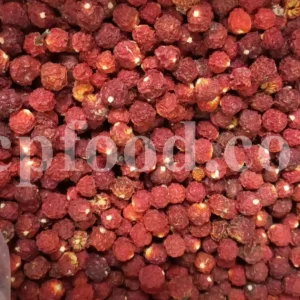
| Form | Whole dried berries |
| Color | Dark brown to black |
| Aroma | Warm, aromatic |
| Oil Content | High |
| Moisture | < 10% |
| Purity | ≥ 99% cleaned |
| Origin | Iran |
| Processing | Natural drying, mechanical cleaning |
| Documents Provided | CoA, TDS, Phytosanitary Certificate |
🌍 Why Choose ACPFOOD for Bulk Bay Laurel Berries for Export
-
✔️ Trusted exporter of Bulk Bay Laurel Berries for Export
-
✔️ High oil yield suitable for extraction industries
-
✔️ Consistent quality and botanical authentication
-
✔️ Export-ready packaging and global logistics support
-
✔️ Full regulatory documentation
-
✔️ Reliable bulk supply for international buyers
🚚 Delivery Options
🌍 Direct Export from Iran – Available worldwide
🇪🇺 European Union Customers: Delivered DDP from Heppenheim, Germany (MOQ: 500 Kg)
🇨🇦 Canada & 🇨🇳 China: Delivered DDP (MOQ: 500 Kg)
🇺🇸 USA Customers: Delivered DAP (MOQ: 1,000 Kg)
🚢 Other Countries: CIF shipping available worldwide
ACPFOOD is a dependable supplier for companies sourcing Bulk Bay Laurel Berries for Export worldwide.
Scientific Names: Laurus nobilis L.
Synonyms: Laurus angusta Raf., Laurus tenuifolia Mill., Laurus undulata Mill., Laurus vulgaris Duhamel
English Name: Bay Laurel Berries
Other Names in English (UK, USA, Canada, South Africa, Australia, New Zealand): Bay Laurel, Grecian Laurel, Sweet Bay, Bay-leaf Laurel, Laurel
Family: Lauraceae
GENERAL DATA
Plant Parts: Fruit kernel, fruit kernel oil
Cultivation mode: Wild collection/ Cultivated
In manufacturing: Pharmaceutical, confectionary, spices, perfumery, soap making, toothpaste, pesticide, oil, beverages.
🫐 Industries That Use Laurel Berry (Laurus nobilis L. – Fruit)
The fruit of Laurus nobilis L.—commonly used in traditional and artisanal products.

1. Cosmetic & Personal Care Industry
The primary commercial use of Laurel Berries is in natural skincare, especially through Laurel Berry Oil, known for its cleansing, antibacterial, and soothing properties.
Applications:
-
Laurel Berry Oil used in Aleppo soap, an ancient, cold-processed olive oil soap from Syria
-
Found in anti-acne creams, eczema balms, and skin-soothing salves
-
Used in natural deodorants, hair oils, and herbal ointments
-
Known to help with psoriasis, fungal skin infections, and dermatitis
✅ Highly emollient and restorative; suitable for dry, sensitive, or problem skin
2. Traditional & Herbal Medicine Industry
In folk systems—particularly Syrian, Anatolian, Greek, and Persian—the berries are used for detoxification, wound care, and respiratory health.
Medicinal Uses:
-
Applied externally for skin healing and infection prevention
-
Used in massage oils for muscle stiffness, joint pain, and rheumatism
-
Occasionally infused for internal use as digestive or deworming aid (under professional supervision)
✅ Considered warming, antimicrobial, and cleansing in traditional uses
3. Soap & Artisan Body Care Industry
The most iconic and historical use of Laurel Berries is in Aleppo Soap, which blends olive oil and laurel berry oil.
Product Features:
-
Natural, fragrance-free soap ideal for eczema, acne, baby skin, and hypersensitive users
-
Varying concentrations (5%–40%) of laurel berry oil offer different skincare benefits
-
Often handcrafted and aged for over 6 months
✅ Gaining popularity in eco-conscious and sustainable beauty markets
4. Aromatherapy & Traditional Oil Crafting
Though not commonly distilled, Laurel Berry Oil (cold-pressed) has an earthy, slightly medicinal aroma and is used in aromatherapeutic skin rituals.
Uses:
-
Added to bath oils, foot soaks, and deep-cleansing face oils
-
Used in traditional hammam (bath) products
-
Blended with olive, black cumin, or castor oil for restorative care
✅ Non-volatile but deeply nourishing and mildly aromatic
5. Ethnic, Organic & Export Markets
Laurel Berries and their oil are exported mainly for traditional skincare, soapmaking, and bulk oil pressing.
Export Forms:
-
Whole dried berries for oil pressing or herbal extraction
-
Laurel Berry Oil (pure or blended)
-
Included in traditional soap bars, ointments, and salves
✅ Strong markets in Middle East, Europe, North Africa, and eco-cosmetic brands
6. Scientific & Botanical Research
Research supports the berry’s use in topical antimicrobial care, with studies noting its content of lauric acid, cineole, and unsaturated fatty acids.
Research Areas:
-
Antibacterial and antifungal effects
-
Anti-inflammatory and skin barrier repair
-
Fatty acid profiling for soapmaking and dermatological applications
✅ Compared favorably with tea tree and black cumin oils in some skin formulations
✅ Summary of Key Applications
| Industry | Common Uses |
|---|---|
| Cosmetic & Skincare | Laurel berry oil creams, Aleppo soap, acne and eczema products |
| Traditional & Herbal Medicine | Topical wound healing, rheumatic oils, skin infections |
| Soap & Artisan Body Care | Aleppo soap base, cleansing blocks, handcrafted body bars |
| Aromatherapy & Ritual Care | Bath blends, massage oils, skin purification oils |
| Ethnic & Organic Export | Bulk berries, pure oils, traditional herbal skincare |
| Scientific Research | Anti-inflammatory skincare, dermal fatty acid studies |
| studies |
🌟 Key Features
-
Pressed for Laurel Berry Oil, rich in lauric, oleic, and linoleic acids
-
Naturally antibacterial, antifungal, and moisturizing
-
Iconic ingredient in Aleppo soap—one of the world’s oldest natural soaps
-
Used in eczema, acne, dermatitis, fungal skin care, and deep-cleansing routines
-
Relevant to both ethnobotanical heritage and modern green beauty
🍃🫐 Comparison Table: Bay Leaf vs. Laurel Berry
| Aspect | Bay Leaf (Leaf) | Laurel Berry (Fruit) |
|---|---|---|
| Plant Part | Dried aromatic leaf | Small fleshy drupe (fruit) |
| Appearance | Lance-shaped, dark green, leathery | Round, dark purple to black when ripe |
| Main Use Category | Culinary, medicinal, aromatic | Skincare, soapmaking, medicinal |
| Traditional Uses | Flavoring food, digestion aid, respiratory relief | Skin healing, pain relief, antifungal care |
| Primary Constituents | Cineole, eugenol, linalool, flavonoids, tannins | Lauric acid, oleic acid, linoleic acid, traces of cineole |
| Culinary Use | Widely used in soups, stews, rice, pickles | Not used in cuisine |
| Pharmaceutical Use | Carminative, anti-inflammatory, expectorant | Topical antiseptic, analgesic, emollient |
| Cosmetic/Skincare Use | Tonics, deodorants, dandruff care, acne control | Emollient creams, Aleppo soap, eczema & fungal treatments |
| Aromatherapy Use | Essential oil in massage, chest rubs, vapors | Cold-pressed oil in bath and massage blends |
| Essential Oil Extraction | Steam-distilled from leaves (Bay Oil) | Cold-pressed oil from berries (Laurel Berry Oil) |
| Soap Industry | Used for fragrance in natural soap blends | Base ingredient in Aleppo soap (5–40% oil concentration) |
| Form of Export | Whole dried leaves, ground leaf, essential oil | Whole dried berries, pressed oil, skincare formulations |
| Shelf Stability | Very stable when dried properly | Oil can oxidize over time if not stored properly |
| Scientific Interest | Studied for antimicrobial, antioxidant, glucose-lowering | Studied for anti-inflammatory, antifungal, and dermal benefits |
| Symbolic Use | Crown of honor in Greco-Roman culture | None culturally symbolic, but deeply valued in folk skincare |
✅ Summary Snapshot
| Feature | Bay Leaf | Laurel Berry |
|---|---|---|
| Primary Market | Culinary & therapeutic | Skincare & soapmaking |
| Form Used | Dried leaves, essential oil | Whole berry, cold-pressed oil |
| Function | Digestive, aromatic, respiratory | Skin healing, anti-inflammatory, emollient |
| Products | Soups, teas, balms, hair products | Aleppo soap, healing salves, face oils |
🌟 Key Takeaways
-
Bay Leaf dominates culinary, herbal medicine, and aromatherapy industries.
-
Laurel Berry plays a leading role in traditional skincare, Aleppo soap, and therapeutic oils.
-
Though both come from the same plant, their chemical composition, industry role, and applications differ greatly—offering a complementary range of natural solutions.
PRODUCT NAME IN DIFFERENT LANGUAGES
Persian Name: حب الغار/ Habbol Ghar
German Name (Deutschland, Austria, Switzerland): Lorbeer Früchte
French Name (France, Belgium, Switzerland, Quebec): Laurier cerise
HARVEST CALENDAR
Feb
Mar
Apr
May
Jun
Jul
Aug
Sep
Oct
Nov
Dec
To order Laurel berries, please contact us.
About Laurus Nobilis
Laurus Nobilis is an evergreen tree that has a very long life and its height reaches eight meters. The leaves of this tree are oval, slightly pointed, dark green and a little softer than the leaves of the Salix Alba tree. Its leaves are aromatic and bitter. The flowers are yellow and very small and grow in clusters. Each flower of this tree has four tender and oval petals.
The Laurel berries are oval and black, and each one is almost the size of a grape. These fruits have a very thin skin and a bilobed kernel. They are fragrant, oily and almost cream color. But if it gets old, it turns red.
Laurel Berries Temperament
Third degree of hot and dry
Laurel Berries Health Benefits
Eating Bay Laurel berries is beneficial for liver and spleen diseases, stomach ache and colic. Eating 9 grams of it is laxative and relieves heartburn.
Eating Laurel berries with honey is useful for intestinal ulcers. Sniffing the powder of it, is useful for temples pain and Parkinson.
The poultice which is made by this fruit with soft barley flour is useful for heart palpitations and warm swellings.
Dripping Laurel berries oil along with Damask Rose oil and vinegar strengthens the ear and is useful for cold earaches, tinnitus, and hearing loss. Inunction with Bay Laurel berries oil helps to treat nerve pain, fatigue, and vascular blockage.
Laurel Berries Dose
Up to 2.5 grams
Sweet Bay Berry Side Effects
Laurus Nobilis berries are harmful to the chest and it is nauseating. This fruit and its oil loosen the stomach and are harmful for pregnant women.
Laurus Nobilis Berry Modifiers
Tragacanth for the chest.
✅ Nutrition Facts – Laurel Berries (Laurus nobilis L.)
Common Names: Bay Laurel Fruit, Bay Berries
Scientific Name: Laurus nobilis L.
Form: Dried ripe berries (whole)
Serving Size: 10 g (approx. 8–10 dried berries)
Reference Values: Per 100 g dried berries
| Nutrient | Per 100g (Dried) |
|---|---|
| Energy | 375 kcal |
| Protein | 5.5 g |
| Total Fat | 30.2 g |
| – Saturated Fat | 10.5 g |
| – Monounsaturated Fat | 11.7 g |
| – Polyunsaturated Fat | 6.2 g |
| Carbohydrates | 28.0 g |
| – Sugars | 2.5 g |
| – Dietary Fiber | 16.8 g |
| Moisture | 4–6% |
🧂 Minerals
| Mineral | Per 100g | % DV (approx.) |
|---|---|---|
| Calcium | 410 mg | 41% |
| Iron | 9.2 mg | 51% |
| Magnesium | 150 mg | 37% |
| Potassium | 740 mg | 21% |
| Phosphorus | 95 mg | 13% |
| Zinc | 1.2 mg | 11% |
| Copper | 0.8 mg | 89% |
| Manganese | 1.6 mg | 70% |
🍃 Vitamins
| Vitamin | Per 100g | % DV (approx.) |
|---|---|---|
| Vitamin E (Tocopherol) | 5.7 mg | 38% |
| Vitamin C | 12.0 mg | 13% |
| Vitamin B6 | 0.9 mg | 70% |
| Folate (B9) | 52 µg | 13% |
| Niacin (B3) | 2.6 mg | 16% |
🧪 Key Compounds in Laurel Berries
| Compound | Function |
|---|---|
| Lauric Acid (12:0) | Antimicrobial, emulsifying |
| Oleic Acid (18:1) | Cardioprotective, anti-inflammatory |
| Linoleic Acid (18:2) | Skin conditioning, essential fatty acid |
| Eugenol | Antiseptic, aromatic |
| Terpinen-4-ol, Sabinene | Antifungal, aromatic |
🧴 Industrial & Traditional Uses
| Use | Application |
|---|---|
| Laurel Berry Oil (Cold-pressed) | Skin and hair care, natural soaps |
| Traditional ointments | Used in treating rheumatic pain, wounds |
| Culinary (rare use) | In spice blends and traditional flavorings |
| Cosmetics | Creams, balms, and aromatic body products |
| Aleppo Soap ingredient | Blended with olive oil for medicinal soaps |
⚠️ Safety & Storage
-
The berries are not typically eaten raw due to strong bitterness and high essential oil content.
-
Store in a cool, dark place if using whole; the oil should be kept in airtight containers to prevent rancidity.
-
Allergic reactions may occur in sensitive individuals — patch testing is recommended for cosmetics.
To order Bay berries, please contact us.



Reviews
There are no reviews yet.