, , ,

Bulk Persian Turpentine Resin for Export – Premium Quality

ACPFOOD supplies bulk Persian turpentine resin for export to global clients in the food, pharmaceutical, and fragrance industries. Also known as Pistacia atlantica resin or turpentine tree sap, this aromatic natural resin is prized for its purity and traditional use. With global distribution through our partners in Germany, Canada, and China, we ensure consistent quality and reliable logistics for every order.

Buy Bulk Persian Turpentine Resin for Export from Trusted Supplier

  • Product Name: RES-024
  • Minimum Order Quantity (MOQ): 50 kg

To order or get a quote, please push the below button:
Get A Quote!

Why Choose Bulk Persian Turpentine Resin for Export from ACPFOOD

ACPFOOD is a trusted global supplier of bulk Persian turpentine resin for export, offering high-grade Pistacia atlantica resin for use in pharmaceutical, cosmetic, and natural remedies industries. This aromatic turpentine tree sap is sustainably harvested and rigorously cleaned to meet export standards. Whether you’re sourcing turpentine resin wholesale for herbal formulations, traditional medicine, or essential oil extraction, we provide consistent quality, competitive pricing, and reliable logistics. Partner with ACPFOOD for dependable supply of Persian turpentine resin tailored to your B2B needs.

ACPFOOD proudly supplies Bulk Persian Turpentine Resin for Export, sourced from naturally exuding resins of Pistacia atlantica trees native to Iran’s highland forests. Known as “Baneh Resin” or “Persian Mastic,” this natural oleoresin is treasured for its medicinal, cosmetic, pharmaceutical, and aromatic properties.

Our Persian Turpentine Resin is collected from wild-grown Pistacia atlantica trees under sustainable and controlled harvesting conditions. The resin is naturally sun-dried, carefully cleaned, and graded to meet international export standards—ideal for industries requiring premium-quality, natural plant-based raw materials.

🏭 Applications and Industrial Uses

Persian Turpentine Resin is a versatile natural material used across multiple industries:

  • Pharmaceutical Industry: Used in formulations for respiratory relief, gastrointestinal support, antimicrobial agents, and anti-inflammatory preparations.

  • Cosmetic and Skincare Industry: Serves as a base for natural balms, ointments, and aromatherapy oils due to its antioxidant and healing properties.

  • Food Industry: Traditionally used as a natural flavoring, chewing resin, and stabilizer in confectionery and beverages.

  • Aromatherapy and Perfumery: Distilled to produce Persian Turpentine essential oil, valued for its warm, woody aroma.

  • Industrial and Chemical Applications: Utilized as a natural resin for varnishes, adhesives, and eco-friendly coatings.

🌱 Product Specifications

Parameter Description
Botanical Name Pistacia atlantica Desf.
Common Name Persian Turpentine / Baneh Resin
Form Available Natural lumps / Graded dried resin / Powder
Color Pale yellow to amber
Aroma Woody, resinous, slightly balsamic
Purity ≥ 98% natural resin content
Origin Iran
Shelf Life 24 months (cool, dry conditions)

🌍 Why Choose ACPFOOD for Bulk Persian Turpentine Resin for Export

  • 100% Natural and Wild-Collected Resin

  • No Chemical Additives or Preservatives

  • Laboratory Tested for Purity and Authenticity

  • Sustainably Harvested from Pistacia atlantica Forests

  • Custom Packaging and Documentation for B2B Export

As a trusted wholesale Persian Turpentine Resin supplier, ACPFOOD ensures consistent quality and global logistics support for industrial buyers and importers seeking authentic Pistacia atlantica resin in bulk quantities.

We serve cosmetic manufacturers, pharmaceutical formulators, and natural product producers who demand reliability, sustainability, and export-grade quality in their raw materials.

🚚 Delivery Options

🇪🇺 European Union Customers: Delivered DDP from our warehouse in Heppenheim, Germany (MOQ: 500 Kg)
🇨🇦 Canada & 🇨🇳 China: Delivered DDP (MOQ: 500 Kg)
🇺🇸 USA Customers: Delivered DAP (MOQ: 1000 Kg)
🚢 Other Countries: CIF shipping available worldwide


Iranian resin in export-ready condition
Quality, consistency, and global trust
Scientific Name: Pistacia atlantica Desf.
Synonyms: Pistacia mutica F.M., Lentiscus atlantica (Desf.) Kuntze
English Name: Persian Turpentine
Other Names in English (UK, USA, Canada, South Africa, Australia, New Zealand): Atlantic mastic tree, Atlantic Pistachio, Mount Atlas Mastic, Turpentine tree, Wild pistachio
Family: Anacardiaceae


GENERAL DATA


Industries That Use Persian Turpentine Resin

Here’s a well-organized list of industries that commonly use Pistacia atlantica resin.

🌿 What Is It?

Persian Turpentine Resin is a natural aromatic gum exuded from the Pistacia atlantica tree. It solidifies into a pale yellow resin and has been used for centuries in traditional medicine, natural products, and artisan industries.

1. Pharmaceutical & Traditional Medicine Industry

This is the primary industry for Persian Turpentine Resin.

  • Digestive Aid – Traditionally used to relieve:

    • Stomach ulcers, indigestion, bloating

    • Intestinal infections and gastritis

  • Liver and Gallbladder Support – Used in Persian and Kurdish medicine to promote bile flow

  • Antiseptic & Anti-inflammatory – Used externally and internally for:

    • Wounds, skin infections

    • Arthritis and joint pain (as a balm or rub)

  • Antiparasitic & Antimicrobial – Chewed like mastic gum for oral and gut health

✅ Often formulated as capsules, tinctures, chewing gum, or powdered supplements.

2. Nutraceutical & Herbal Supplement Industry

  • Used in modern digestive health and detox products

  • Incorporated into:

    • Herbal capsules for gut repair

    • Resin powders for parasite cleansing programs

    • Natural chewing gums

✅ Sometimes blended with Wild Pistachio oil or Fig extract for synergy.

3. Cosmetic & Personal Care Industry

Resin extract or oil infusion is used in:

  • Natural skincare: acne treatments, healing balms

  • Anti-aging products: improves elasticity and reduces inflammation

  • Oral care products: mouthwashes and natural chewing gums

Persian Turpentine resin
Preserving freshness during international shipment

Its antimicrobial, tightening, and healing properties make it ideal for organic cosmetic brands.

4. Aromatherapy & Wellness Industry

  • Burned or infused for its balsamic, grounding aroma

  • Used in:

    • Relaxing incense blends

    • Massage oils and salves for pain relief and muscle tension

    • Traditional air purification and spiritual rituals

Often marketed similarly to mastic gum or frankincense.

5. Artisan Soap, Varnish & Natural Product Industry

  • Used in:
    • Traditional soap making for its antiseptic and aromatic qualities

    • Natural varnishes and paints (due to its resinous texture)

    • Incense sticks and cones in cultural or religious product

Especially popular in handmade, organic, or heritage product lines.

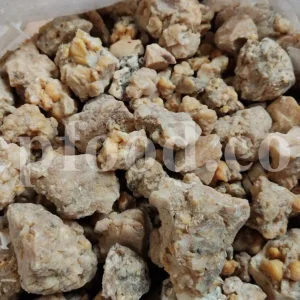
Close-up of wild Pistacia atlantica resin
Handpicked bulk Persian turpentine resin for export from sustainable forest sources

6. Chewing Gum Industry (Traditional & Medicinal)

  • Chewed like natural gum for:
    • Fresh breath

    • Oral hygiene

    • Digestive stimulation

Comparable to Chios Mastic, but with a unique regional flavor.

7. Academic & Biomedical Research

  • Actively studied for:
    • Antioxidant, antimicrobial, and anti-inflammatory properties

    • Gut microbiome balancing

    • Anti-cancer potential in early-stage studies

    • Role in traditional hepatoprotective (liver-protective) therapies

Summary of Key Applications:

Industry Applications & Product Types
Pharmaceutical & Herbal Capsules, tinctures, digestive remedies
Nutraceutical Detox blends, gut health support, parasite cleanses
Cosmetic & Personal Care Skin creams, balms, oral care, anti-aging treatments
Aromatherapy & Wellness Incense, massage oils, therapeutic balms
Artisan/Industrial Soap, varnish, incense, chewing gum
Academic Research Digestive health, anti-inflammatory, cancer studies

🌿 Comparison of Pistacia Resins

Feature Persian Turpentine(Pistacia atlantica Desf.) Terebinth Gum(Pistacia terebinthus L.) Khinjuk Resin(Pistacia khinjuk Stocks)
Common Names Baneh gum, Persian Turpentine, Saghez Terebinth, Chian turpentine Khinjuk gum
Botanical Family Anacardiaceae Anacardiaceae Anacardiaceae
Resin Type Clear to yellow-green aromatic oleoresin Sticky, soft yellowish resin Sticky, greenish-brown resin
Tree Size & Resin Yield Medium to large tree; high resin yield Small tree/shrub; moderate resin yield Shrubby tree; lower resin yield
Taste/Smell Bitter, aromatic, slightly pine-like Strong balsamic, turpentine-like Mildly aromatic, less pungent
Main Constituents α-pinene, β-pinene, limonene, terpenoids Terpinenes, pinenes, sesquiterpenes Terpenes, resins, trace flavonoids
Edibility Yes (chewed like mastic), used in sweets Limited—used in traditional recipes Rarely used in foods; more medicinal
Traditional Uses – Chewing gum substitute- Anti-ulcer & digestive remedy- Wound healing salve – Antiseptic gum- Expectoration aid- Traditional incense – Demulcent and mild antiseptic- Folk cough remedy
Medicinal Uses Anti-inflammatory, antimicrobial, expectorant Wound healer, digestive tonic, respiratory support Soothing, anti-inflammatory, used in Ayurvedic-like practice
Other Applications Natural chewing gum, varnish base, perfumes Soap and perfume base, incense, spiritual use Minor resin used locally for poultices or oil extractions
Cultural/Religious Use Used in Zoroastrian and Persian folk rituals Used in Mediterranean and Anatolian traditions Rarely used ritually
Commercial Availability Widely collected in Iran (esp. Zagros region) Available in Turkey, Greece, Middle East Mostly regional/local use in Iran-Afghanistan border areas

✅ Summary:

  • Persian Turpentine (P. atlantica) is the most commercially important, with high resin yield, strong medicinal value, and wide use as a natural chewing gum and digestive aid.

  • Terebinth Gum (P. terebinthus) is known for its strong turpentine scent and is more commonly used in ritual incense, soaps, and respiratory formulations.

  • Khinjuk Resin (P. khinjuk) is milder and less pungent, used locally in folk medicine and for small-scale oil extractions, with limited industrial trade.

PRODUCT NAME IN DIFFERENT LANGUAGES

Persian Name: Saghez- Saqez- Saqqez- Sakiz/ سَقِز
German Name (Deutschland, Austria, Switzerland): Atlantische Pistazie harz/ gummi
French Name (France, Belgium, Switzerland, Quebec): Pistachier de l’atlas- Térébinthe résine/ gommier

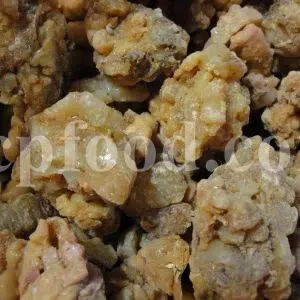
Natural Saqqez chewing gum pieces close up
High-grade chewing gum with aromatic and pure qualities

HARVEST CALENDAR

Jan
Feb
Mar
Apr
May
Jun
Jul
Aug
Sep
Oct
Nov
Dec


To order Pistacia atlantica sap, please contact us.


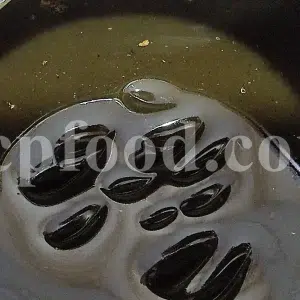
Transparent Persian turpentine resin on white background
Translucent resin with minimal impurities

About Pistacia Atlantica

It is a tree up to 15 meters high with a relatively thick, uneven, dark colored trunk. Its leaves are in the form of leaflets, each is oval and pointed. On the bright blue-green leaf and the back of it is dull green and the sides are slightly ciliated. The flowers are grouped in an open cluster.

Its small fruit is the size of a pea, slightly larger, with a long tail and a green skin that contains a hard seed. Its green skin is fragrant and its seeds are oily. Gum is extracted from the stem of the Pistacia atlantica tree, which is used in painting, dyeing, perfumery, and incense and joss stick making. This tree and its varieties are used as a base for transplanting common pistachios.

This tree also has swellings called galls as a result of an insect bite, which has a lot of tannin and is used in tannery to shave wools.

Varieties of the above species are grown in Iran under the name of Chatlanqosh, their names are as below:

1. Pistacia atlantica subsp. cabulica (Stocks) Rech.fil.
2. Pistacia atlantica f. oxycarpa Zohary
3. Pistacia atlantica subsp. mutica (Fisch. & C.A.Mey.) Rech.fil.

Persian turpentine resin (Pistacia atlantica)

Traditional wound-healing and aromatic resin supported by modern antioxidant and formulation research — see Research & Studies tab for commercial uses and export documentation.


To order Mt Atlas Mastic tree sap, please contact us.


Persian Turpentine Chemical Constituents

Pistacia atlantica gum contained about 57.06% α-pinene with retention time (11.15), 1.02% of Camphene (11.49), 1.18% of Dehydrosabinene (11.74), β-pinene (12.79) 9.83%, 1,3,8-p-Menthatriene (13.43) 0.75%, Delta-3-Carene (14.29) 0.54%, p-Cymene (14.98)1.31%. Also, Limonene (15.19) 0.91%, Eucalyptol (15.27) 0.31%, γ-Terpinene (16.62) 0.18%, Pulegone (18.12) 0.57%

Linalool (18.65) 0.2%, α-campholene aldehyde (19.85) 1.96%, trans-Pinocarveol (20.48) 2.95%. In addition, (S)-cis-Verbenol (20.6) 1.01%, trans-Verbenol (20.83) 3.79%, trans-p-Menth-2-en-1,8-diol (20.97) 1.25%, Pinocamphone (21.45) 0.26%. α-Phellandren-8-ol (21.88) 3.81%, Terpinen-4-ol (22.29) 0.35%, para-Cymen-8-ol (22.73) 0.99%, α-Terpineol (22.99) 0.44%, Myrtenal (23.21) 1.74%, Verbenone (23.89) 1.51%, Carveol (24.4) 0.68% and Bornyl Acetate (27.39) 0.62%.

Hand-collected Persian turpentine gum
Artisanally collected Pistacia Atlantica sap in raw form

To order Mt Atlas Mastic tree sap, please contact us.


Persian Turpentine Temperament

The wood, leaves and fresh stems of Persian Turpentine tree are hot and dry in the second degree and its dry stems are hot and dry in the third degree.
Its fresh fruit is primarily warm and dry. Its dried fruit is hot and dry in the third degree.
Persian Turpentine resin is hot and dry at the end of the second degree.


Persian Turpentine Health Benefits

Chew it like a gum in your mouth and swallow its juice. Strengthens the stomach, is beneficial for clearing the throat from slimy sputum.

If you poultice pistacia atlantica resin on the body skin, it will remove the bone, thorn, acicula or a stick that is sunk into the skin.

Boil 20 grams of Persian Turpentine resin in a glass of water and poultice it. It is useful for removing skin excess oil.

The fruit of the Pistacia atlantica tree is very similar to the fruit of other Wild Pistachio trees in terms of temperament and properties. Fresh wild pistachio’s temperament is slightly hot and dry, and its dry one is very hot and dry.

The fruit of this tree is diuretic and stimulant. It is useful for strengthening sexual power and opens the blood of hemorrhoids that have been cut off, warms the stomach and kidneys, and removes bloating, and is useful for cough, paralysis, facial nerve paralysis and dropsy.

The fruit of this tree strengthens the stomach and relieves cough. It is also enlivening, tonic for the senses, tonic for the liver, spleen, kidney, fattening, internal pain reliever, kidney block opener, removes excess moisture from the chest and lungs, stone crusher, and removes all types of stomach worms.

The wood, leaves and branches of this tree are tonic for the body.

Persian Turpentine resin is laxative, digestive, diuretic and sexual enhancer.

Persian Turpentine fruit softens the stiffness caused by injury and impact, removes phlegm excrements from the body, and improves palpitation, back pain, colic, and fainting. Eating the fruit of this tree with vinegar cleans the liver and is useful for headaches and snake and tarantula bites.

Natural Pistacia atlantica resin pieces
Bulk Persian turpentine resin for export, ideal for pharmaceutical and industrial use

Eating the fruit with almonds and sugar is fattening and relieves urine intermittency.

The poultice of the combination of dried Persian Turpentine leaf powder with vinegar and oil makes the hair grow back, makes it long and healthy and removes its roughness.

Constantly washing the body with Persian Turpentine tree leaves in the bathroom removes bad body odor and is good for catarrh. Poultice of the wood ash of this tree with oil improves alopecia areata.

The decoction of the bark of this tree sprinkled on the swellings helps to dissolve the swelling.

Persian Turpentine resin takes out ear pus. It causes the flesh to grow back on the wounds and is beneficial for lung ulcers, chronic cough and snake bites. Eating this resin with honey helps to heal internal wounds. Also, eating it with Sandarac gum (Tetraclinis articulata) and half-boiled egg yolk is beneficial for healing the wounds and relieving fatigue and pain.

Chewing Persian Turpentine resin absorbs phlegm moisture from the brain and expels the slimy sputum from the pharynx, removes excess moisture from the stomach and strengthens it. If you melt this gum in olive oil, the poultice strengthens the nerves and is beneficial for swelling, muscle rupture and chronic pruritus.

Eating its fruit with vinegar is beneficial to cleanse the liver and relieve headaches.

Its burnt fruit poultice is useful for hair growth for people who have hair loss.

Pistacia Atlantica fruit kernel oil is also warm and dry and is a sexual enhancer, beneficial for strengthening the nerves. Eating it is useful for hoarseness and treat vascular occlusive, and also treat jaundice, urine intermittency, and pain in the back, knees, paralysis, and facial nerve paralysis. If it is eaten with vinegar, it is useful for getting rid of all kinds of poisons and coldness of the organs, and rubbing its oil on the desired areas is also beneficial. Because it makes you thirsty, you should eat it with Bambusa bambos resin.


Persian Turpentine Dose

The resin up to 3 grams.


Persian Turpentine Side Effects

The fruit of Pistacia atlantica tree is slow digesting. It produces a bad chyme, causes headaches and is harmful to the brain of hot temperaments and those who have hot stomachs. Excessive consumption of its fruit causes aphthous ulcer and loss of appetite.

The resin of this tree is harmful for hot temperament people.


Persian Turpentine Modifiers

Rose water, Rhubarb paste, sour fruit pastes and sekanjebin for Pistacia atlantica fruit. If you cook its fruit in bread, it will be digested easier. Sekanjebin for its gum.

Pistacia atlantica fruit is difficult to digest and is harmful for hot-temperaments. For this reason, hot-tempered people should eat it with vinegar, Gum Tragacanth or sakanjabin.


🧴 Nutrition Facts – Persian Turpentine Gum (Pistacia atlantica Desf.)

Serving Size: 100 g (for reference only – not consumed in large quantities)
Calories: ~380 kcal (approximate, varies by composition)

Nutrient Amount per 100g % Daily Value*
Total Fat 2.5 g 3%
• Saturated Fat 0.6 g 3%
• Monounsaturated Fat 1.5 g
• Polyunsaturated Fat 0.4 g
Cholesterol 0 mg 0%
Sodium 5 mg 0%
Total Carbohydrate 85.0 g 31%
• Dietary Fiber 4.5 g 16%
• Sugars (natural gums) 2.2 g
Protein 1.8 g 4%

Phytochemicals & Functional Compounds:

Compound Presence Functional Role
α-Pinene High Antimicrobial, expectorant
Triterpenoids Present Anti-inflammatory, wound healing
Polyphenols Moderate Antioxidant
Natural Resin Acids Present Digestive and topical uses
Volatile Oils 1–2% Aromatic and therapeutic effects

🌿 Persian Turpentine Gum (Saqqez) is not a typical food item but is traditionally used in herbal remedies, oral hygiene products, and natural chewing gum. Its active compounds have antioxidant, antimicrobial, and gastrointestinal benefits.

⚠️ Intended for limited consumption. Always follow regional food and safety regulations when using as an ingredient.

Percent Daily Values are based on a 2,000-calorie diet. Values are approximate and for informational use only.

🍬 Nutrition Facts – Saqqez Chewing Gum (Pistacia atlantica Desf.)

Serving Size: 5 g (approx. 1–2 small pieces)
Calories: ~19 kcal

Nutrient Amount per 5g Per 100g
Total Fat 0.1 g 2.5 g
• Saturated Fat 0.02 g 0.6 g
Cholesterol 0 mg 0 mg
Sodium 0.3 mg 5 mg
Total Carbohydrate 4.2 g 85.0 g
• Dietary Fiber 0.2 g 4.5 g
• Sugars (natural gums) ~0.1 g 2.2 g
Protein 0.1 g 1.8 g

Functional Compounds (Per 100g):

Bioactive Component Approximate Content Role
α-Pinene 0.5–2% Antiseptic, expectorant
Triterpenoids Present Anti-inflammatory, wound repair
Volatile Oils Trace Aroma, antimicrobial
Natural Resin Acids Present Gastrointestinal support
Polyphenols Moderate Antioxidant activity

🍃 Saqqez gum is a traditional, plant-based chewing gum used for oral health, fresh breath, and digestive support. It is naturally sugar-free and free from artificial additives.

⚠️ This product is not intended for excessive consumption. Not suitable as a primary food source.

Percent Daily Values based on a 2,000-calorie diet. Values are approximate and depend on resin purity and preparation.

To order Turpentine tree sap, please contact us.


Reviews

There are no reviews yet.

Be the first to review “Bulk Persian Turpentine Resin for Export – Premium Quality”

Your email address will not be published. Required fields are marked *

Videos

Research & Studies

Research & Studies — Persian Turpentine Resin (Pistacia atlantica Desf.)

Persian turpentine resin (oleo-gum-resin from Pistacia atlantica Desf.) — historically used in traditional medicine, perfumery and food flavoring — is now supported by modern phytochemical and pharmacological research. Laboratory and clinical studies demonstrate wound-healing, antioxidant, anti-inflammatory and antimicrobial effects for P. atlantica resin and its oils, making it a promising natural ingredient for cosmetics, topical therapeutics, functional foods, and specialty aromatics. These properties support commercial demand for bulk Persian turpentine resin for export to international markets.

Key scientific findings (summary)

United Kingdom — research & industry relevance

  • Research: UK food-science and pharmacognosy groups (e.g., King’s College London, University of Reading) frequently review global phytochemical studies and explore botanical actives for cosmetic and nutraceutical product development. While P. atlantica field trials are more common in native regions, UK formulators reference international phytochemical evidence when sourcing natural actives. Example review articles and phytochemistry overviews are widely used in UK R&D pipelines.

  • Industry: UK cosmetic and natural-ingredient companies use well-documented botanical resins (e.g., mastic, frankincense) as premium actives; Persian turpentine resin can be positioned similarly for topical formulations, balms, and aromatherapy given proper safety and CoA documentation.

United States — research & industry relevance

  • Research: US institutions and journals publish phytochemical analyses and biological assays on Pistacia resins. Studies on antioxidant/antimicrobial effects inform ingredient selection for topical therapeutics and cosmeceuticals. See antioxidant and antimicrobial studies above.

  • Industry: In the US, interest is strong from natural remedy brands, cosmetic formulators, and niche nutraceutical companies that look for scientifically characterized plant resins. Regulatory compliance (FDA/GRAS considerations for ingestible uses) must be reviewed before food/ingestible applications.

Canada — research & industry relevance

  • Research: Canadian food science and pharmacology groups (e.g., University of Toronto, McGill) incorporate global evidence on botanicals into product research; clinical/nutraceutical interest in plant resins is rising. See clinical and phytochemical reviews for support.

  • Industry: Canadian natural health product companies source botanical resins for topical therapeutics and supplements—buyers request CoAs, heavy-metal testing and evidence of active markers.

Australia & New Zealand — research & industry relevance

  • Research: Australian and NZ universities working on natural products, cosmetic actives, and plant stress biology review Pistacia species for phytochemistry and antioxidant capacity; formulation R&D often references international studies. Example phytochemical reviews and essential oil research are relevant to local formulators.

  • Industry: Demand exists for niche, high-value botanical resins in artisan cosmetics, aromatherapy products, and traditional/herbal medicine stores. Sustainable harvesting and traceability are key requirements.

South Africa — research & industry relevance

  • Research: South African institutions with ethnobotany and natural product groups (e.g., University of Pretoria, Stellenbosch University) use global resin research to evaluate potential local applications in cosmetics and topical therapeutics. Review literature on wound-healing and antimicrobial activity is used to support product development.

  • Industry: There’s interest in botanicals for premium skincare and natural remedies in South Africa; importers will seek verified quality, CoA, and evidence-based efficacy for marketing.

Commercial & industrial applications

  • Cosmetics & skincare: Antioxidant and antimicrobial properties make Persian turpentine resin suitable for balms, healing salves, anti-aging serums and protective formulations. (See wound-healing and antioxidant studies above.)

  • Topical therapeutics & natural remedies: Traditional uses (wound healing, musculoskeletal pain) are supported by preclinical and formulation studies — can be positioned for topical OTC-style products when regulations permit.

  • Aromatics & perfumery: Resinous, stable aromatics for niche perfumery and incense — used in blends with frankincense, myrrh, and other oleoresins.

  • Functional ingredient & nutraceutical potential: Early clinical data show metabolic benefits (lipid/glucose modulation) — a promising route for functional ingredients but requires rigorous regulatory review before ingestible marketing. (See clinical trial: https://www.ncbi.nlm.nih.gov/pmc/articles/PMC11180711/)

Sourcing, quality & export considerations (for buyers)

To purchase bulk Persian turpentine resin for export, request the following from suppliers:

  1. Certificate of Analysis (CoA): moisture, ash, microbial, heavy metals, residual solvents (if processed).

  2. Phytochemical markers: assay for key phenolics, total polyphenol content, antioxidant assays (DPPH/FRAP). Examples: https://www.ncbi.nlm.nih.gov/pmc/articles/PMC6290311/

  3. Processing details: raw oleo-gum-resin vs. purified fractions; drying method and storage. Nanofiber/formulation studies show applications for topical products — confirm extract type used in studies: https://www.frontiersin.org/articles/10.3389/fphar.2024.1474981/full

  4. Traceability & sustainability: source location, harvest method (non-destructive tapping vs destructive harvesting), and sustainable yield practices (see USDA forest research on wild pistachio sustainability): https://www.fs.usda.gov/treesearch/31524

  5. Regulatory & labeling: ensure destination country requirements (cosmetic ingredient lists, NHP/NHPID in Canada, FDA in USA) are met for the intended use.

ACPFOOD — Commercial offering

ACPFOOD supplies export-grade Pistacia atlantica resin with laboratory documentation and flexible packing suited for cosmetic, topical therapeutic, and specialty aromatic customers. If you require turpentine resin wholesale quantities, we provide CoA, traceability reports, and sample analytics tailored for buyer technical teams.

Explore related product categories:

Looking for bulk Persian turpentine resin for export? Contact ACPFOOD for CoAs, sample analyses, and export packaging options tailored for cosmetics, natural remedies and specialty aromatics.

Pin It on Pinterest

Share This
×