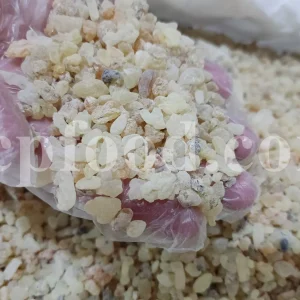
Bulk Asafoetida for Export – Trusted Wholesale Supplier
ACPFOOD is a leading asafoetida supplier and exporter, offering premium-quality bulk asafoetida for export, including hing—also known as asafetida and ferula assa foetida—in both gum and powder forms. We serve wholesale buyers, spice distributors, and natural product importers who require consistent quality and reliable supply. Our asafoetida is ideal for use in the food, flavoring, and pharmaceutical industries, making it a top choice for bulk purchasing and international sourcing.
Bulk Asafoetida for Export from ACPFOOD represents one of the most valuable natural resins in the spice and pharmaceutical industries. Extracted from the roots of Ferula assa-foetida L., this pungent gum-resin—commonly known as Asafoetida or “Hing”—is wild-harvested in its purest form and carefully processed to maintain its strong aroma and medicinal potency.
Our bulk Asafoetida for export is supplied in both gum and powder forms, suitable for culinary, nutraceutical, and pharmaceutical applications. In food industries, Asafoetida is prized as a natural flavor enhancer and digestive aid used in sauces, spice blends, and condiments. In medicine and herbal remedies, it is known for its antimicrobial, antispasmodic, and digestive properties.
ACPFOOD ensures all bulk Asafoetida for export batches meet international purity standards, supported by complete export documentation and third-party lab testing. Each shipment is securely packed for long-term storage and safe global delivery.
🚚 Delivery Options
🌍 Direct Export from Iran – Available worldwide
🇪🇺 European Union Customers: Delivered DDP from our warehouse in Heppenheim, Germany (MOQ: 500 Kg)
🇨🇦 Canada & 🇨🇳 China: Delivered DDP (MOQ: 500 Kg)
🇺🇸 USA Customers: Delivered DAP (MOQ: 1,000 Kg)
🚢 Other Countries: CIF shipping available worldwide
GENERAL DATA
🧄 Industries That Use Asafoetida Resin (Ferula assa-foetida)
Here’s a well-organized list of industries that commonly use Asafoetida resin, also known as Hing, a strongly aromatic gum-resin prized across culinary, pharmaceutical, and industrial sectors.
1. Culinary & Food Industry
Key applications:
-
Essential in Indian, Persian, and Middle Eastern cuisines
-
Acts as a flavor enhancer in spice blends (e.g., chutneys, curries, pickles)
-
Used in vegan and gluten-free recipes as an alternative to onion/garlic
-
Often included in Ayurvedic food preparations
✅ Known for delivering a savory, garlicky flavor when sautéed in oil or ghee
2. Pharmaceutical & Herbal Medicine Industry
Traditional and modern medicine value Hing for its carminative, anti-flatulent, and antimicrobial properties.
Used in:
-
Digestive tonics, to relieve gas, bloating, and stomach cramps
-
Expectorant and antispasmodic remedies for cough and bronchitis
-
Herbal formulations for irritable bowel syndrome (IBS)
-
Topically used for nerve pain relief in traditional ointments
✅ Found in capsules, tablets, tinctures, and herbal powders
3. Nutraceutical & Functional Food Industry
Asafoetida is also gaining popularity in:
-
Prebiotic and digestive support supplements
-
Gut-healing blends and botanical detox powders
-
Functional spice drinks and teas in Ayurvedic nutrition
✅ Recognized for its anti-inflammatory and microbiome-supportive effects
5. Veterinary & Folk Uses
Historically used in:
-
Livestock digestive tonics
-
Pest repellent in barns and animal feed storage
-
Folk amulets and rituals for protective use in some regions
✅ Still seen in ethnobotanical and traditional veterinary practices
✅ Summary Table – Asafoetida Resin (Hing) 🧄
| Industry | Common Uses |
|---|---|
| Culinary & Food | Flavor enhancer, spice blends, vegan substitute for garlic/onion |
| Pharmaceutical & Herbal | Gas relief, cough treatment, IBS remedies |
| Nutraceutical | Gut-health support, detox blends, digestive powders |
| Fragrance & Industrial | Incense fixative, animal lure, dye base |
| Veterinary & Folk | Animal tonics, pest repellents, traditional use |
🌱 Key Features:
-
Wild-harvested oleo-gum-resin from Ferula assa-foetida roots
-
Contains resins, volatile oils (up to 16%), and natural sulfur compounds
-
Powerful digestive, antimicrobial, and culinary applications
-
Used in Ayurvedic, Unani, and Persian medicine for centuries
🌿 Sweet Asafoetida vs Bitter Asafoetida – What’s the Difference?
Asafoetida, also known as Hing, is a powerful resin obtained from the roots of Ferula species, especially Ferula assa-foetida. It is widely used in cooking, herbal medicine, and traditional remedies, particularly in Iran, India, and Central Asia. But not all Asafoetida is the same — the two primary grades are Sweet Asafoetida and Bitter Asafoetida.
✅ What is Sweet Asafoetida?
Sweet Asafoetida refers to the high-quality, milder-smelling variety of the resin. It contains lower sulfur compounds and is usually yellowish to reddish-brown in color. This type is preferred in culinary applications, especially in Indian, Persian, and Middle Eastern dishes.
-
Flavor Profile: Pungent at first, but becomes pleasantly savory, with garlicky-onion notes when cooked.
-
Common Use: Spice blends, dal, lentils, rice dishes, pickles.
-
Preferred by: Chefs, home cooks, Ayurvedic practitioners.
✅ What is Bitter Asafoetida?
Bitter Asafoetida is a more resinous, sulfur-rich, and intensely pungent variety. It contains higher concentrations of ferulic acid and volatile oils, making it more suitable for pharmaceutical and therapeutic use rather than cooking.
-
Flavor Profile: Extremely pungent, bitter, sharp sulfuric notes; not suitable for most food recipes.
-
Common Use: Traditional medicine (as an antispasmodic, expectorant, digestive stimulant).
-
Preferred by: Herbalists, pharmaceutical manufacturers, traditional healers.
🔬 Key Differences Between Sweet & Bitter Asafoetida
| Feature | Sweet Asafoetida | Bitter Asafoetida |
|---|---|---|
| Taste & Aroma | Milder, savory, garlic-like when cooked | Strongly pungent, bitter, sulfuric |
| Color | Pale yellow to reddish-brown | Darker brown, sometimes resinous black |
| Use in Cooking | Widely used in cuisine | Not used in food due to bitterness |
| Medicinal Applications | Mild digestive, carminative | Strong antispasmodic, expectorant, vermifuge |
| Processing | Often powdered and diluted with edible starch | Often sold as resin chunks or pharmaceutical grade |
| Preferred Form | Granules, powder, spice blend | Raw gum/resin, extract, tincture |
🏆 Which One Should You Use?
-
For cooking and daily dietary use, always choose Sweet Asafoetida – it’s flavorful, aromatic, and safe in small amounts.
-
For pharmaceutical or herbal formulations, Bitter Asafoetida is more potent and traditionally used under professional guidance.
🌱 Final Thoughts
Whether you’re sourcing for culinary use or medicinal manufacturing, knowing the difference between Sweet and Bitter Asafoetida is essential for ensuring proper application and quality. At ACPFOOD, we offer both types, carefully selected and ethically sourced from traditional Ferula-growing regions of Iran and Central Asia.
🌿 Comparison of Asafoetida Resin, Sagapenum Gum, Galbanum, Gum Ammoniac, and White Fasoukh
Resins & Gums from Ferula Species – Industrial Comparison by ACPFOOD
The Ferula genus produces several valuable aromatic exudates used across pharmaceutical, perfumery, food, and ritual industries. Below is a detailed comparison of five major Ferula-derived gums/resins, including the rarer White Fasoukh, to help our clients and partners select the ideal material for their needs.
✅ Comparison Table
| Feature / Product | Asafoetida Resin (Ferula assa-foetida) | Sagapenum Gum (Ferula persica) | Galbanum (Ferula gummosa) | Gum Ammoniac (Ferula ammoniacum) | White Fasoukh (Ferula communis) |
|---|---|---|---|---|---|
| Botanical Source | Ferula assa-foetida L. | Ferula persica Willd. | Ferula gummosa Boiss. | Ferula ammoniacum D.Don | Ferula communis L. |
| Color | Brown to dark reddish | Yellowish-brown | Greenish-yellow to brown | Yellow-brown | Pale yellow to beige |
| Odor | Strong, sulfuric, garlic-like | Musky, pungent | Balsamic, green, pine-like | Sharp, ammoniacal, acrid | Mild, woody, slightly camphoraceous |
| Taste | Bitter, acrid, sulfurous | Acrid, warm | Bitter, resinous | Bitter, pungent | Mildly bitter, less acrid |
| Major Constituents | Sulfur compounds (disulfides), ferulic acid | Sesquiterpenes, sulfur compounds | β-pinene, α-pinene, resin acids | Ammoniacal resins, volatile oils | Coumarins, flavonoids, essential oil traces |
| Main Industrial Uses | Spice, herbal medicine, carminative agent | Herbal extracts, respiratory support | Perfumery, incense, wound-healing agents | Antispasmodic, respiratory and digestive uses | Ethnobotany, traditional healing, pest repellent |
| Culinary Use | Yes (in Sweet Asafoetida form) | Rare | Rare (more medicinal/perfumery use) | No | No |
| Perfumery Use | Occasionally, pungent blends | Rare | Yes – niche & luxury natural fragrances | Occasionally in ritual or folk perfumery | Rare – traditional spiritual blends only |
| Pharmaceutical & Traditional Uses | Antispasmodic, expectorant, vermifuge | Antiviral, antispasmodic, CNS stimulant | Antiseptic, wound-healing, respiratory aid | Digestive tonic, antitussive, emmenagogue | Folk detox, insect bites, poultices |
| Regions of Origin (Traditional Sourcing) | Iran, Afghanistan, Turkmenistan | Iran (Persia) | Iran, Armenia, Turkey | Iran, Central Asia | North Africa, Iran, Mediterranean |
| Texture/Form | Brittle resin or gum, sometimes powdered | Sticky to granular gum | Soft resin or tears, can be sticky | Brittle or soft resin lumps | Loose gum, occasionally crystallized |
| Rarity / Market Status | Widely available | Rare, niche market | Moderately available | Less common | Rare, ethnobotanical markets |
🏷️ Summary by ACPFOOD
-
Asafoetida: The most widely known, culinary and medicinal. Used in small amounts for digestive and respiratory support, especially in Ayurvedic and Persian medicine.
-
Sagapenum: Rare but potent, used in ancient texts for nervous disorders, epilepsy, and as an aphrodisiac. Mostly historical or specialty herbal use today.
-
Galbanum: Valued in natural perfumery and ceremonial incense, known for its strong green-balsamic profile.
-
Gum Ammoniac: Traditionally used for respiratory issues, catarrh, and muscle pain. Gaining attention in herbal medicine again.
-
White Fasoukh: An ethnobotanical and ritual gum, especially in North African and Levantine spiritual practices.
🔑 Key Takeaways
-
Each gum/resin offers unique therapeutic and aromatic properties, depending on your application — from culinary spice to incense, from respiratory relief to perfume formulations.
-
At ACPFOOD, we supply these resins with full traceability, bulk availability, and custom packaging options.
HARVEST CALENDAR
Feb
Mar
Apr
May
Jun
Jul
Aug
Sep
Oct
Nov
Dec
To order Hing, please contact us.
Two types of bitter and sweet Asafoetida are harvested from it. Despite the apparent differences in the plants and gums harvested, both species belong to the species Ferula assa-foetida.
Hing wholesale price, please contact us.
Research Conclusions on Asafoetida
After research conducted in Iran, the conclusion was as follows:
- The percentage of essential oil in bitter Asafoetida was more than the percentage of essential oil in sweet Asafoetida.
- The main constituents in Tabas Sweet Asafetida and Bitter Asafetida were Propenyl sec-butyl disulfide.
- Bitter Asafoetida contained a large amount epi-γ-eudesmol.
Sweet Asafoetida is used for food and Bitter Asafoetida is mostly used for industrial purposes.
Ferula kurdica species is abundant in Savojbolagh and Hamedan mountains and in West Azerbaijan. Its gum is the size of a broad bean and has a strong lemon smell.
The species of Ferula kuma, which is abundant in Sershiv and Saqqez pastures of Kurdistan and in Bibarsan and Poukideh mountains of Kurdistan, as well as in Kohgiluyeh and Lorestan, is a high-priced fodder and is a good fodder for fattening horses and cows.
In terms of the shape of the plant, the above species are very similar, but their heights are different, and in addition, in some species, the color of the flower is white and the color of the fruit when ripe is white and round and wide like a coin, and it is fragrant. This latter type is called “Anjadan Tayyab” or “White Anjadan” in traditional Iranian medicine books.
The resin is composed of coumarins such as umbelliferone, 5- hydroxyumbelliprenin, 8-hydroxyumbelliprenin, 9-hydroxyumbelliprenin, 8- acetoxy, 5-hydroxy umbelliprenin, asafoetidin, ferocolicin and asacoumarins A&B; phenols such as asaresinol ferulate and free ferulic acid and a group of sesquiterpenes, farnesiferol A, B, & C characteristically containing coumarin groups.
To order Asafetida, please contact us.
Asafoetida Temperament
Extremely hot and slightly dry.
Asafoetida Health Benefits
Asafetida plant produces mother’s milk, is emmenagogue, warms kidney, bladder and intestine, is memory enhancer, libido enhancer, stomach tonic, stomachic, food digester, spleen tonic, antiseptic, phlegm remover, diuretic, expels the fetus from the womb, is a dewormer, blood absorbent to the surface of the skin, repels toxins and dries stomach moisture.
This plant improves forgetfulness, mental retardation, paralysis, facial nerve paralysis, paresis, phlegmatic fever, dropsy, jaundice, dysuria, internal pains, and cold joint pains, it also eliminates the harms of heavy foods and poisonous herbs. Eating a mixture of this herb and pounded rock candy in equal proportions helps to treat cough caused by the predominance of blood and yellow bile.
Eating this gum together with black pepper and Common Rue(Ruta graveolens L.) helps to treat tetanus. Continuation of its consumption along with Sagapenum(Ferula persica Willd.) is useful for paralysis and paresthesia. Swallowing 0.6 grams of Asafetida along with beeswax helps to cure paralysis. Eating Asafetida with Sekanjebin is useful to stimulate breast milk. Eating Asafetida with Figs is useful for jaundice. Eating it with food improves the complexion.
Vaginal suppository or incense of Asafetida helps to expel the dead fetus. Its drops which are made by boiling this resin in olive oil is useful for ear pain and to cure deafness. Gargling Asafetida with honey improves tonsillitis. Gargling it with egg yolk is useful for dry cough, side pain, hoarseness, and rough throat. Keeping a decoction of Asafetida with Figs and Hyssop (Hyssopus officinalis L.) in the mouth relieves the pain of a rotten tooth.
Its poultice improves alopecia areata. Splitting the infected swellings and putting Asafoetida on them will remove the infection. Asafetida poultice with Broadleaf Plantain (Plantago major L.) juice removes the pus from the abscess. Its poultice with dried Figs and vinegar is useful for psoriasis.
If it is mixed with honey and applied to the eyes, it is useful to strengthen the eye sight, stop the watery discharge (Cataracts) and get rid of pterygium.
Its poultice is useful to prevent hair loss, and rubbing it on the body is useful to repel insects and mosquitoes (and of course your partner!).
If mixed with milk and Gentiana, it is an effective antidote for rabid dog bites, and if mixed with olive oil, it is an effective antidote for scorpion stings.
To order red Asafoetida, please contact us.
How to serve Asafoetida
Due to its unpleasant smell, Asafetida is often used as a pill or enema. To cover its pungent smell when eating, it can be mixed with Cherry Laurel hydrosol (Prunus laurocerasus L.) or with bitter almond extract.
4. Dissolve it in vinegar and drink it. It is very useful for the nerves.
5. If you dissolve Asafoetida in water and drink it slowly, it is useful for relieving throat gruffness and relieving bloating.
6. Mix it with egg yolk and eat. It is beneficial for relieving dry cough and side pain.
7. If you put about one pea in baked bread every day for several consecutive days and eat it, it is useful for relieving cold ascites of any kind.
8. Mix Asafoetida with Pepper and Myrrh and eat. It is beneficial for increasing urination and emmenagogue.
9. Mix Asafetida with pounded Figs and eat. Treats jaundice.
10. Mix it with honey and dilute it with distilled water a little and gargle it in your mouth. Reduces oral inflammation.
11. Asafoetida’s gargling with vinegar is effective for expelling remained leeches in the throat.
12. If you have blurred vision, pulverize it dry like soft dust and draw like a kohl in the eye, its blur will be removed.
13. If you dissolve it and poultice on the head at night, it will prevent hair loss.
14. Dissolve Asafetida in olive oil and leave it in the sun for a while until it gets old and rub it on the penis and around it. It is effective for strengthening sexual power.
Instruction for Making Purifier Asafoetida
Pour desired amount of Asafoetida into 60-degree alcohol, and dissolved it with gentle heat, then strain it, and distill it in water bath heater until the alcohol is removed, and if some of it is poured in cold water it won’t stick to the fingers. Usually, from 100 units of Asafetida, about 70 units of purifier Asafetida are obtained with the above method.
Purifier Asafetida is anti-hysterical, anti-seizure, anti- epilepsy, diuretic, emmenagogue and stimulant of the stomach and intestines. Its dosage is 0.5-2 grams as pills.
Instruction for Making AsafetidaPowder
Dry Asafetida to the desired amount in a 25-degree hothouse, then grind it completely smooth and passed through 80 grade silk sieves. 0.5 to 2 grams of this powder can be use orally, which is consumed as a pill. In cases of enema, 1 to 4 grams of it is used.
Instruction for Making AsafetidaPills
Mix 10 grams of Asafoetida and 3 grams of lettuce extract, make 50 pills and eat one pill every two hours.
Instruction for Making AsafoetidaMilk
One unit of Asafetida and 30 units of clear water. Grind these two thoroughly in a Chinese pharmaceutical mortar until it becomes like milk and eat 50 to 100 grams to eliminate convulsion and hysteria.
To order white Asafoetida, please contact us.
Enema with Asafetida
2 to 4 grams of Asafoetida, 1 egg yolk and 250 grams of Marsh mallow (Althaea officinalis L.) root decoction. First, grind the Asafetida with the egg yolk and mix it well. Gradually add the brewed Marsh Mallow. Usually, 2 to 4 grams of grinded Valerian root(Valeriana officinalis L.) will be added to it. It can be used as uterine enema for uterine colic, menstrual irregularity and hysterical neurology.
Instruction for Making AsafetidaTincture
1 unit of half-pounded Asafetida and 5 units of 80-degree alcohol. Mix these two in a closed container and left to soak for ten days. Stir them time to time. After 10 days filter it through a cloth. This tincture is anticonvulsant and anti-hysteria. Its dosage is 1 to 10 grams of a potion, and in cases of enemas, 2 to 16 grams of it can be used.
Asafoetida Modifiers
Modifier of its whole plant is Persian melon seeds which prevents harm from the bladder. Gum Arabic for stomachache, Pomegranate syrup and Sekanjebin for hot temperaments. It is better not to use the plant itself and it’s better to make pickle of its components or use its vinegar.
Modifier of its resin is Anise (Pimpinella anisum L.) and Pomegranate which prevent harms to the brain and liver. Gum Tragacanth for the anus. Sweet Violet (Viola odorata L.), Water Lily(Nymphaea alba L.), apple juice and white Sandalwood syrup for hot temperaments.
🧄 Nutrition Facts – Asafoetida Resin (Ferula assa-foetida L.)
Serving Size: 1 g (typical amount used as seasoning or supplement)
Calories: ~3 kcal
| Nutrient | Amount per 1g | Per 100g |
|---|---|---|
| Total Fat | 0.02 g | 2.0 g |
| • Saturated Fat | 0.005 g | 0.5 g |
| Cholesterol | 0 mg | 0 mg |
| Sodium | 1.2 mg | 120 mg |
| Total Carbohydrate | 0.6 g | 60.0 g |
| • Dietary Fiber | 0.2 g | 20.0 g |
| • Natural Sugars | 0.03 g | 3.0 g |
| Protein | 0.1 g | 10.0 g |
Phytochemical Profile (Per 100g):
| Bioactive Component | Approx. Content | Functional Role |
|---|---|---|
| Ferulic acid esters | Present | Antioxidant, anti-inflammatory |
| Sulfur compounds | High | Digestive stimulant, antimicrobial |
| Sesquiterpene coumarins | Present | Antispasmodic, expectorant |
| Resins & Gum | 40–60% | Binding and emulsifying properties |
| Volatile Oils | ~4–10% | Aroma, carminative effect |
🌿 Asafoetida resin (hing) is a powerful seasoning and traditional medicinal gum-resin used in culinary, digestive, and respiratory applications. Known for its intense aroma, it is often used in minute amounts.
⚠️ This product is extremely potent—only a small pinch is used in food or herbal formulas. Not a conventional food source.
Percent Daily Values are based on a 2,000-calorie diet. Actual content varies with resin quality and drying conditions.
To order Assa foetida gum, please contact us.


Reviews
There are no reviews yet.