


Wholesale Bulk Nux Vomica Seeds for Export
Synonym: Strychnos colubrina A. DC.
English Name: Nux Vomica
Other Names in English (UK, USA, Canada, South Africa, Australia, New Zealand): Strychnine tree, Kuchla
Family: Loganiaceae
GENERAL DATA
Plant Parts: Fruit kernel (seed), root
Cultivation mode: Wild collection
In manufacturing: Pharmaceutical
In food: –
🟤 Industries That Use Nux Vomica (Kuchla Seeds) from Strychnos nux-vomica L.

⚠️ Important Note: Nux Vomica seeds must be detoxified (processed through traditional or pharmacopeial methods) before any medicinal or industrial use.
1. Pharmaceutical & Ayurvedic Medicine Industry
Nux Vomica has been used sparingly and carefully in traditional Indian, Chinese, and Unani systems for its stimulating and nervine properties.
Traditional & Homeopathic Uses:
-
Nervous system stimulant in cases of fatigue or paralysis
-
Enhances digestion and appetite
-
Used in Ayurvedic formulations after Shodhana (purification)
-
In small doses, it promotes alertness and counteracts lethargy
✅ Used in: processed powder, bhasma, and homeopathic tinctures (e.g., Nux vomica 30C)
2. Homeopathic Medicine Industry
One of the most widely used remedies in homeopathy worldwide.
Applications:
-
For gastrointestinal disorders, nausea, bloating, or indigestion
-
Stress-related tension and irritability
-
Insomnia and nervous exhaustion
-
Hangover, stimulant overuse (e.g., caffeine, alcohol) symptoms
✅ Commonly sold as: dilutions (6C, 30C, 200C), pellets, tinctures
3. Veterinary & Traditional Animal Medicine
In some traditional practices, especially in rural India and Tibet:
-
Used in extremely diluted or detoxified forms to stimulate livestock metabolism or improve reproductive vitality
-
Also occasionally employed in traditional falconry medicine in Central Asia
⚠️ Always under controlled supervision, as the plant is toxic if improperly handled.
4. Academic & Pharmaceutical Research
Due to its toxic yet pharmacologically active alkaloids, Nux Vomica is a subject of intensive research.
Key Areas of Interest:
-
Alkaloid extraction and detoxification methods
-
Effects of brucine vs. strychnine
-
Drug synthesis & neurostimulant models
-
Use in microdoses for neurological stimulation
✅ Studied in pharmacognosy, toxicology, and ethnomedicine departments
5. Traditional Detoxification & Formulation Industry
Several Indian Ayurvedic pharmacies specialize in detoxified (Shodhit) Nux Vomica for regulated medicinal use.
Purification Methods (Shodhana):
-
Boiling in milk, cow urine, or herbal decoctions
-
Roasting in sand or baking in earthenware
-
Soaking in lime water or Kanji (fermented rice water)
✅ After detoxification, it’s blended into formulations like Agni Tundi Vati, Vishatinduka Vati, or Nux Bhasma
✅ Summary of Key Applications
| Industry | Common Uses |
|---|---|
| Ayurvedic & Unani Medicine | Stimulating tonic (post-purification), neuro and digestive support |
| Homeopathy | Gastrointestinal issues, fatigue, overwork, irritability |
| Academic Research | Alkaloid study, toxicology, neuropharmacology |
| Veterinary Traditions | Rare use in livestock health (processed form only) |
| Herbal Formulation Industry | Detoxified bhasmas and tonic blends for licensed medicinal use |
🔎 Key Features of Nux Vomica (Kuchla Seeds)
-
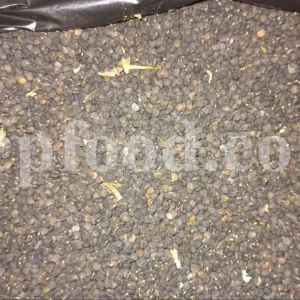
Appearance: Flat, round, silky gray seeds with a central ridge
-
Main Compounds: Strychnine (up to 2%), Brucine (up to 1.5%)
-
Toxicity: Extremely potent in raw form — always used after detoxification
-
Therapeutic Category: Nervine tonic, appetite stimulant, brain function supporter
-
Legality: Restricted in raw form in most countries; regulated use in homeopathy and Ayurvedic medicine
🟤 Is Nux Vomica Root (from Strychnos nux-vomica L.) Used Medicinally?
✅ Short Answer:
No, the root of Strychnos nux-vomica is not commonly used in traditional medicine or modern pharmacopoeias — and is generally considered too toxic for medicinal or therapeutic use.
🔬 Scientific & Traditional Understanding:
| Plant Part | Primary Use | Toxic Compounds |
|---|---|---|
| Seeds | Used (after detoxification) | High in strychnine and brucine |
| Bark & Root | Rarely or not used medicinally | Also contain strychnine, brucine, and loganin |
-
The root and bark of Strychnos nux-vomica do contain the same alkaloids as the seeds but in lower concentrations.
-
However, even low levels of strychnine are lethal or neurotoxic, and these parts are not recommended for any medicinal use — neither in Ayurveda, Unani, Traditional Chinese Medicine (TCM), nor in homeopathy.
-
You won’t find root extracts in any pharmacopeial-grade medicines, tinctures, or regulated herbal formulations.
📚 Research Insight:
-
Scientific studies primarily focus on seeds for strychnine extraction or homeopathic use.
-
Some ethnobotanical records in tribal or fringe systems may mention decoctions or root pastes, but these are not endorsed or documented in validated traditional medical texts.
⚠️ Conclusion:
Nux Vomica root is not used commercially or medicinally due to its toxic nature.
Only the seeds are used — and even then, only after strict detoxification.
PRODUCT NAME IN DIFFERENT LANGUAGES
Persian Name: کَچوله/ Kachooleh
German Name (Deutschland, Austria, Switzerland): Gewöhnliche Brechnuss Samen
French Name (France, Belgium, Switzerland, Quebec): Noix vomique, graines de Vomiquier, Kuchala
HARVEST CALENDAR
Feb
Mar
Apr
May
Jun
Jul
Aug
Sep
Oct
Nov
Dec
To order Kuchla, please contact us.
About Strychnos Nux-Vomica
Kuchla is the fruit kernel of an evergreen tree that reaches eight meters in height. The leaves of this tree are relatively broad, oval-shaped, pointed, shiny, and slightly wavy, and they grow reciprocally. There are three distinct veins on these leaves. Its flowers are very small, elongated, narrow, tubular, green, and yellowish and grow in clusters. Each flower has five long pointed petals.
The fruits are spherical and almost the size of a small orange. Wear protective gloves and eyewear when handling. Avoid inhalation of dust or contact with skin. These fruits are green at first, but after fully ripening, they turn orange and sometimes red. The peel of this fruit is thin and there are many small black spots on its surface. Inside each fruit, there is a white and slimy substance, and in this substance, several large, wide, circular, pale brown kernels can be seen. The shell of these kernels is very hard and the kernel taste is very bitter. This tree has a very strong root, the taste of its root cortex is very bitter.
Keep out of reach of children and pets.
Nux Vomica Temperament
Third degree of hot and third degree of dry.
Nux Vomica Chemical Constituent
Alkaloids such as strychnine, brucine, α-colubrine, β- colubrine, pseudostrychnine, glucoside loganin, loganoside, chlorogenic acid, mannan, galactan, struxin and copper.
Health Benefits / Traditional Claims
The seeds of Strychnos nux-vomica contain potent alkaloids such as strychnine and brucine, which are highly toxic. ACPFOOD does not endorse or support any internal use of these seeds. All information provided is for historical and academic reference only.
Kuchla transforms a very cold and bad and corrupted temperament into a warm and good one and is useful for treating paralysis, mental illnesses, back and joint pain. Its poultice improves melasma, scabies, psoriasis, sciatica, joint diseases, cold diseases, and skin spots.
Heals small wounds and stomach fever.
In Mongolia, it is used to kill parasites. In China, it is prescribed to treat fever and throat discomfort, swelling of the spine vertebras, eye diseases, typhoid fever, and headache.
Its powdered is used externally as an ointment to heal wounds and relieve skin ailments.
In some cases, it is used for abortion. It is used to treat neurasthenia or a mental disease characterized by abnormal fatigue and is also prescribed for sexual enhancement.
In Taiwan, it is used as a stomach tonic. In India and China, a very small amount of its brewed tea is used internally to treat epilepsy.
Nux Vomica Dose
0.4 to 0.8 gram.
Nux Vomica Side Effects
These seeds are very poisonous.
A short time after digesting its poison, the person feels dizzy and cannot walk easily, and a little later, mild pain and lack of control appear in the muscles of the neck and back, and the person feels a tightness in the throat.
Abdominal and chest muscles are not flexible as in the normal state and immobility is felt in them. These discomforts gradually intensify and little by little the patient feels an involuntary shaking that is not painful and after a short period of time it resolves and reappears again.
This on and off continues. But each time it get worse and finally it becomes severe and convulsions occur in the heart, and disturbances in the pulse and heart lead to weakness and numbness and death.
It doesn’t have very effective antidote. In such cases, while you should immediately seek medical attention, you should try to make the patient vomit.
Kuchla leads to wackiness and distress of the mind. Eating 3.4 grams of it causes death.
Nux Vomica Modifiers
Sugar. If someone gets poisoned by eating the Kuchla, he/she should eat enough freshly milked milk, sweet almond oil, and glazed stuff until he/she vomits.
It should not be used without caution and can only be used in very necessary situations.
🧾 Nutrition Facts – Nux Vomica (Kuchla Seeds)
Botanical Name: Strychnos nux-vomica L.
Common Names: Nux Vomica, Poison Nut, Kuchla, Azraqi
Plant Part: Dried Seeds
Use: Raw seeds are highly toxic and must undergo detoxification (Shodhana) before use in traditional medicine (especially in Unani and Ayurveda).
⚠️ Important Safety Note
Warning: Raw Strychnos nux-vomica seeds are highly toxic due to the presence of strychnine and brucine alkaloids.
All nutritional and medicinal uses refer to processed (detoxified) seeds only, as used in traditional systems under expert supervision.
Not for general dietary consumption.The seeds of Strychnos nux-vomica contain toxic alkaloids. Handling and use require appropriate safety precautions. Always consult with a qualified professional before use. Importation and sale of these seeds may be regulated or prohibited in certain jurisdictions. Verify local laws before purchasing.
🔬 Estimated Nutritional Composition per 100g
(Based on detoxified seeds – values vary based on processing method)
| Nutrient | Approximate Value |
|---|---|
| Energy | 320–360 kcal |
| Protein | 15–18 g |
| Total Fat | 6–10 g |
| Carbohydrates | 50–55 g |
| Dietary Fiber | 8–12 g |
| Ash (Total Minerals) | 4–6 g |
| Moisture | 5–8% |
🌱 Mineral Content (approx.)
| Mineral | Per 100g (detoxified) |
|---|---|
| Calcium (Ca) | 200–250 mg |
| Iron (Fe) | 5–8 mg |
| Magnesium (Mg) | 100–150 mg |
| Phosphorus (P) | 200–250 mg |
| Potassium (K) | 300–400 mg |
| Zinc (Zn) | 1.0–1.2 mg |
🍊 Vitamin Content (approx.)
| Vitamin | Estimated per 100g |
|---|---|
| Vitamin C (Ascorbic Acid) | Trace |
| B-complex Vitamins | Present in small amounts (esp. B1, B6) |
🧪 Phytochemical Profile (Key Bioactives)
| Group | Compounds |
|---|---|
| Alkaloids | Strychnine (~1–1.5%) & Brucine (~1.5–2.5%) |
| Glycosides | Loganin, iridoids (in trace) |
| Other | Fixed oils, flavonoids, minor sterols |
✅ After detoxification, the concentration of toxic alkaloids is reduced substantially to allow for medicinal usage under supervision.
⚕️ Traditional Applications (only after detoxification)
| System | Applications |
|---|---|
| Unani | Nervine tonic, sexual health, aphrodisiac, paralysis, neuralgia |
| Ayurveda | Used after Shodhana for treating nervous debility, hemorrhoids, digestive disorders |
| Homeopathy | Used in very dilute forms (Nux vomica 30C, 200C etc.) |
🧴 Traditional Detoxification (Shodhana) Methods
-
Boiling in milk
-
Soaking in lime water, followed by drying
-
Roasting in cow dung cakes (Unani)
-
Final product is used as powder, tablet (Qurs-e-Azraqi), or capsule.
📦 Storage & Shelf Life
-
Store in airtight, clearly labeled containers, out of reach of children
-
Shelf Life: Up to 3 years (processed form)
⚠️ Toxicity and Legal Status
-
Toxic Compounds: Strychnine and Brucine affect the central nervous system
-
Legal Notice: Raw seeds are restricted or controlled in many countries; permitted only for research or traditional medicine under regulated use
-
Always labeled “For External Use or Traditional Processing Only” unless stated otherwise
To order Nux Vomica seeds, please contact us.


Reviews
There are no reviews yet.