
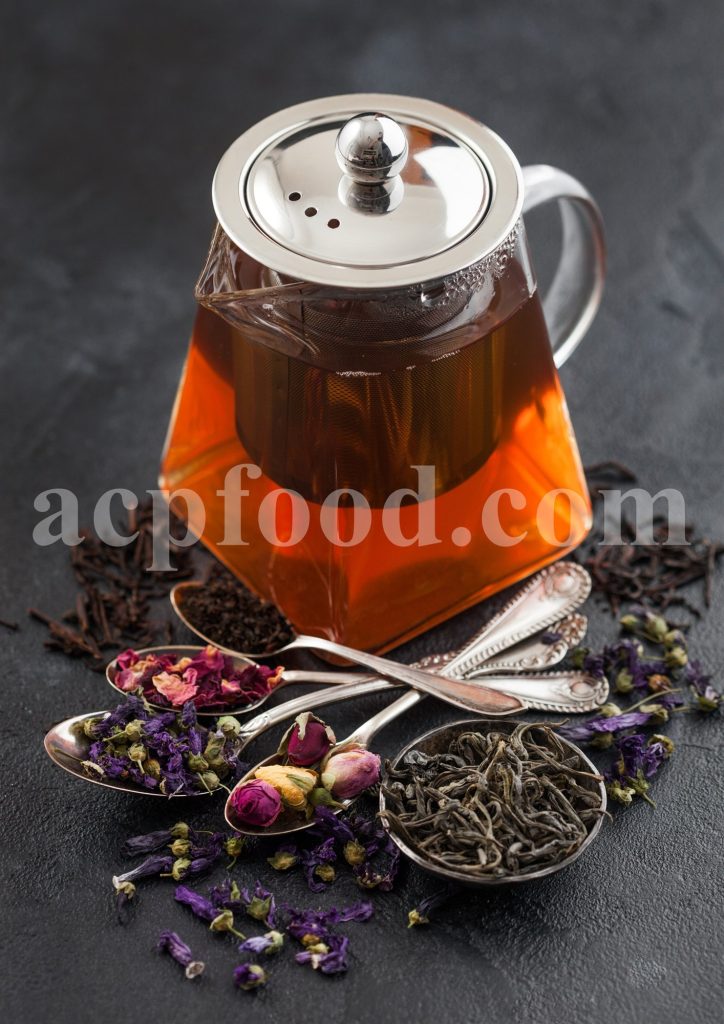
Herbal Preparations in Traditional Iranian Medicine are an essential part of natural healing and have been used for centuries to maximize the therapeutic benefits of medicinal herbs. At ACPFOOD, we share educational resources on Traditional Iranian Medicine to help readers understand the proper preparation and use of herbal remedies. Medicinal herbs can be transformed into a variety of pharmaceutical formulations, including herbal infusions, decoctions, macerations, syrups, elixirs, tinctures, and other traditional preparations. The choice of preparation depends on several factors, such as the type of herb, the nature of its active compounds, their resistance to heat, their solubility, stability over time, and the desired therapeutic effect.
Different preparation methods can produce different medicinal properties from the same herb. For one therapeutic purpose, an herbal infusion may be the preferred method, while for another, a decoction may be more effective. This is because certain active compounds are extracted during infusion, whereas prolonged heating and boiling release additional constituents, resulting in different chemical compositions and therapeutic effects.
For example, consider the difference between green tea infusion and green tea decoction. Green tea infusion has a mild, pleasant taste, whereas its decoction is bitter, astringent, and contains a much higher concentration of tannins. Brewed green tea has a pleasant aroma and flavor and is known for helping relieve fatigue, while its decoction has a dark green color, an unpleasant smell and taste, and is costive. This occurs because boiling releases a greater amount of astringent compounds (tannins) into the preparation, altering both its characteristics and its medicinal properties. Therefore, when using medicinal herbs, it is important to prepare and use the appropriate pharmaceutical form to achieve the intended therapeutic effect.
Table of Contents
ToggleHerbal Infusions
An herbal infusion is one of the simplest and most commonly used herbal preparations in Traditional Iranian Medicine. It is primarily prepared using the delicate parts of medicinal plants, such as the flowers, petals, and leaves. Since these plant parts are thin and fragile, their active compounds are easily extracted with hot water. When preparing an infusion from harder plant parts, such as stems, roots, or seeds, they should first be crushed or coarsely ground to improve the extraction of their active ingredients.
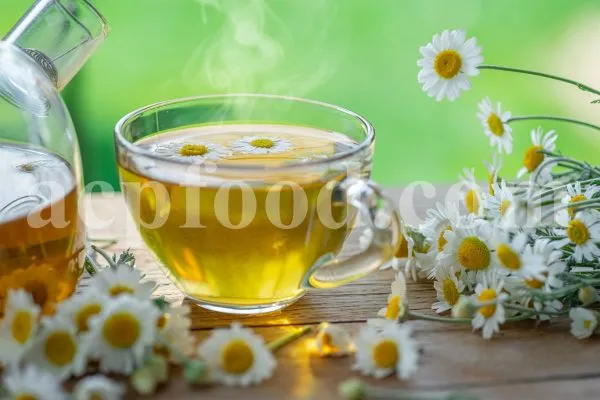
To prepare an herbal infusion, pour boiling water over the desired herb and stir gently. Then cover the teapot with its lid or a clean cloth and allow the mixture to steep for approximately 30 minutes to prevent it from cooling too quickly.
During this time, some of the herb’s active compounds dissolve into the hot water. After steeping, strain the infusion using a fine metal strainer or a clean cotton cloth. Gently squeeze the remaining plant material to extract the remaining liquid, then discard the residue. The infusion may be consumed with a small amount of honey or rock candy. Do not add honey while the infusion is hot. Allow it to cool until it is lukewarm before adding honey.
The usual preparation ratio is 30 grams of dried herb or 75 grams of fresh herb for 500 ml (half a liter) of boiling water. This quantity yields approximately 2 to 3 glasses of herbal infusion.
Herbal infusions can be stored in the refrigerator for a short period. However, because some active compounds may precipitate over time, it is generally recommended to consume the infusion fresh or keep any remaining portion in a cool place and use it on the same day. If the infusion has an unpleasant taste, it may be sweetened with honey or rock candy.
The usual dosage is two to three cups of herbal infusion per day. Infusions should be consumed hot or lukewarm rather than cold. Since many active compounds are sensitive to prolonged boiling, brewing is preferred over boiling for delicate plant materials. For example, if Echium amoenum is boiled for an extended period, it loses its characteristic purple color due to the breakdown of its anthocyanin compounds. Therefore, the flowers and leaves of medicinal plants should generally be prepared by gentle brewing rather than prolonged boiling.
Herbal Decoctions
Another common method of preparing herbal preparations in Traditional Iranian Medicine is by boiling. The liquid obtained through this method is called a decoction. Compared with an infusion, a decoction extracts a greater amount of the herb’s active compounds. Decoctions are primarily used for tougher plant parts, such as roots, bark, twigs, and certain seeds. To prepare a decoction, place the herb in water and bring it to a boil over medium heat. Then allow it to simmer gently for about 30 minutes.
During this process, part of the water evaporates, reducing the volume of the liquid to approximately two-thirds of its original amount. Decoction is suitable for hard plant materials, heat-stable compounds, and substances that do not dissolve readily in water.
The recommended proportion for preparing a decoction is 30 grams of dried herb or 75 grams of fresh herb with 750 ml of water, which is reduced to approximately 500 ml (half a liter) after boiling.
A decoction is best consumed fresh, although it may be stored in a cool place for up to one day. It can be consumed either hot or cold and, if desired, may be sweetened with honey or rock candy. The usual dosage is one to two cups of decoction per day.
Essential Tips for Preparing Herbal Infusions and Decoctions
- Before using a medicinal herb or its seeds, clean them thoroughly by removing any stems, dust, or other impurities, then wash them with clean water.
- Prepare herbal infusions and decoctions in a pot or teapot with a tightly closed lid to prevent steam from escaping. This helps preserve the plant’s essential oils and active compounds.
- Always use glass, porcelain, or enamel containers when preparing herbal infusions, and avoid using metal containers, especially those made of aluminum.
- Measure the amount of water carefully to ensure the proper concentration of the herbal preparation.
- Herbs that contain large amounts of essential oils should not be boiled, as many of their active compounds begin to degrade at temperatures above 60°C. Examples include chamomile and peppermint.
- Whenever possible, sweeten herbal preparations with natural sweeteners such as honey, dates, dried white mulberries, or currants. Honey contains natural antibacterial compounds and is a source of minerals including calcium, sulfur, iron, zinc, potassium, and magnesium, as well as vitamins A, B1, B2, B5, and C. Dates are rich in natural dietary fiber and contain unsaturated fats, along with abundant calcium, sulfur, iron, potassium, phosphorus, manganese, copper, and magnesium.
Herbal Macerations
Maceration is another method of preparing herbal preparations in Traditional Iranian Medicine. In this method, medicinal herbs are soaked in water or another suitable solvent at room temperature for a specified period and then strained. The amount of herb, the type and quantity of solvent, and the soaking time vary depending on the herb being used and should be determined according to the recommended instructions. If the plant parts are hard or woody, they should be crushed or ground before soaking. Delicate parts of the plant, such as petals and leaves, can be used without grinding.
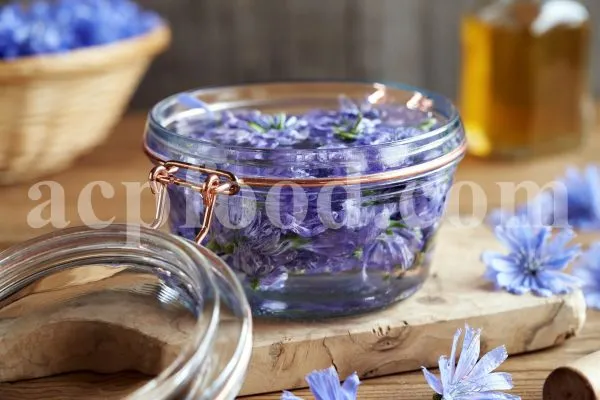
The soaking period may range from one day to several days, depending on the type of herb and the desired preparation. During this time, the container should be gently shaken or stirred every few hours to promote better extraction of the herb’s active compounds.
Herbal Syrups
A herbal syrup is prepared by adding honey, rock candy, or brown sugar to a herbal infusion or decoction. Herbal syrups are commonly used to help soothe the chest and relieve coughs. Because of their pleasant sweetness, they are often more suitable for children. When prepared with honey instead of sugar, herbal syrup has better soothing and emollient properties. Refined industrial sugars that have been chemically bleached are generally not recommended.
How to Prepare Herbal Syrup
Pour 500 ml (half a liter) of the herbal infusion or decoction into an enamel container. Add 100 g of brown sugar and stir over low heat until it is completely dissolved. Allow the solution to cool, then pour it into a dark-colored glass bottle and seal it with a cork. Since herbal syrup may occasionally ferment and produce gas, using a cork is recommended because it can be pushed out safely if pressure builds up. If a screw cap is used instead, the bottle may burst due to the accumulated gas.
The recommended dosage of herbal syrup is 5–10 ml per dose, up to three times daily, with a maximum total daily intake of 30 ml (approximately three tablespoons).
Herbal Elixirs and Tinctures
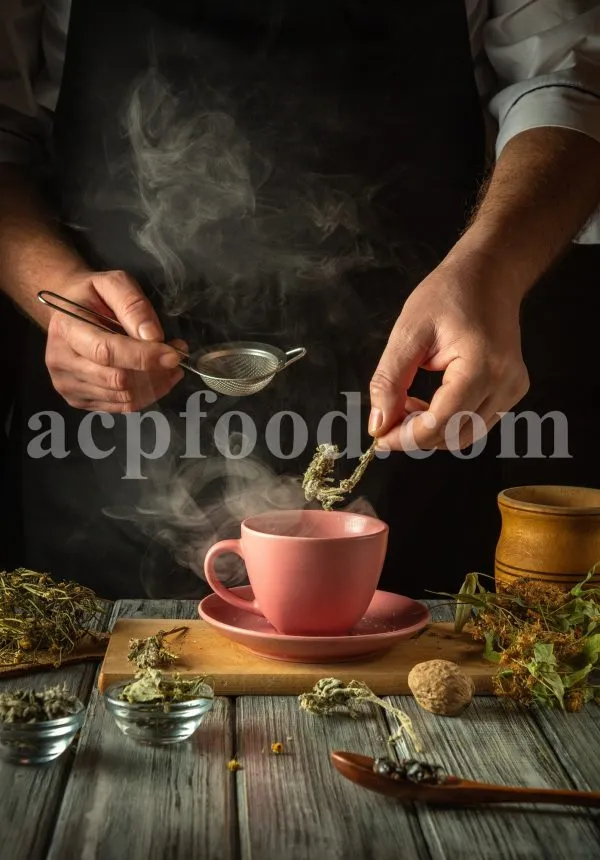
Among the traditional herbal preparations in Traditional Iranian Medicine, hydroalcoholic extracts have been used for centuries and are considered one of the most effective pharmaceutical forms of medicinal herbs. These preparations are made by extracting herbs in a mixture of water and alcohol. If the alcohol content is approximately 25% (25 parts alcohol and 75 parts water), the preparation is called a tincture. If the alcohol content is about 60% or higher, it is called an elixir. In this method, either fresh or dried herbs may be used, and all parts of the plant can be included. In addition to extracting the active compounds, alcohol also acts as a natural preservative and antimicrobial agent.
Tinctures can usually be stored for up to two years under appropriate conditions. Commercial tinctures are typically prepared with ethyl alcohol and may be diluted before use.
How to Prepare Herbal Tincture
Place the herb in a suitable container, such as a glass jar with a tight-fitting lid. Add a mixture containing 52% alcohol and the remaining amount of water, ensuring that the herb is completely covered by the solvent. Close the jar securely and store it in a cool place for two weeks, shaking it every few hours.
After two weeks, strain the mixture using a fine metal mesh or a clean cloth strainer. Squeeze the remaining plant material thoroughly to extract as much liquid as possible. The leftover plant residue can be used as a natural fertilizer. Pour the strained tincture into a brown glass bottle or another light-resistant glass container for storage.
The standard proportion for preparing a tincture is 200 grams of dried herb or 600 grams of fresh herb with one liter of a water-alcohol mixture.
The usual dosage of a standard tincture is 5 ml per dose, up to three times daily (a maximum total of 15 ml per day). Before use, tinctures should be diluted with water, fruit juice, or honey to improve their taste.
Only potable ethyl alcohol should be used when preparing tinctures, as other types of alcohol are intended for industrial use and are toxic.
Hydroalcoholic solutions have suitable solubility and polarity, enabling them to extract and retain a wide range of active plant compounds. In general, the advantages of these preparations include:
- Long-term microbial stability due to the preservative effect of alcohol.
- Good stability of the active compounds, resulting in a long shelf life.
- Rapid absorption after oral administration and, in many cases, greater effectiveness than solid dosage forms.
Because these liquid preparations generally do not require the additional excipients and preservatives used in tablets or capsules, they are often better tolerated by the body. In contrast, the manufacture of solid dosage forms usually requires additional ingredients, to which some individuals may be sensitive. The primary advantage of tablets and capsules is their convenience and more pleasant taste, whereas the main disadvantage of many liquid herbal preparations is their strong or unpleasant taste.
In general, traditional liquid herbal preparations, such as herbal teas, tinctures, and elixirs, are valued for their ease of absorption and their role in delivering the active compounds of medicinal herbs effectively.
How to Prepare and Consume Herbal Teas
Key Points for Preparing Herbal Teas
To achieve the best flavor and therapeutic benefits from herbal teas, three important factors should be considered:
- A porcelain or glass teapot
- High-quality water
- The method used to heat the water
There is an old Iranian proverb that highlights the importance of these three elements in preparing tea:
Teapot = Father of Tea
Water = Mother of Tea
Charcoal = Friend of Tea
Essential Tips to Follow
The quality of water plays a vital role in preparing herbal teas. The finest herbal tea, with the best flavor and therapeutic benefits, is achieved when it is brewed with suitable water.
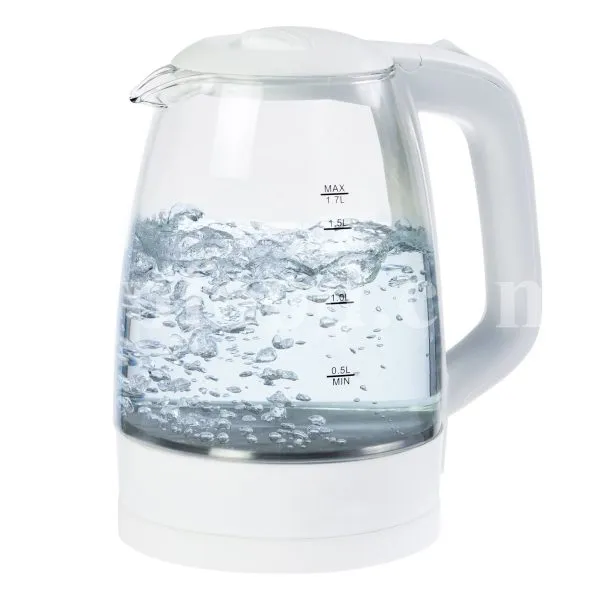
Both the speed at which the water heats and its final temperature are important. For most herbal teas, it is recommended to use half-boiled water. This is the stage when the water in the kettle begins to make a gentle gurgling sound but has not yet reached a vigorous boil. At this point, the water is at an appropriate temperature for brewing many herbal teas. Some medicinal herbs should not be brewed with very hot water because excessive heat may damage their active compounds. Therefore, different herbs require different brewing temperatures, and the brewing time also influences the extraction of their active ingredients.
Choosing the Right Teapot
The container used to prepare herbal tea is just as important as the herbs themselves. When selecting a teapot, consider its material, quality, durability, ease of maintenance, and suitability for brewing herbal teas.
Today, teapots are manufactured from a variety of materials, including glass, stainless steel, zinc, porcelain, pottery, plastic, and others. Many of these materials are produced primarily for commercial purposes and may not be ideal for brewing herbal teas. Some may even deform or lose their quality when exposed to repeated heating.
A porcelain teapot is one of the best choices for preparing herbal teas because porcelain does not absorb flavors or other substances. In addition, its white interior makes it easier to observe the color and strength of the herbal infusion during brewing.
It is also recommended to choose a small teapot that holds only one or two cups of water, leaving minimal empty space inside. This is beneficial for two reasons. First, excess air inside the teapot allows the infusion to cool more quickly after brewing. Second, preparing more tea than needed may encourage it to remain unused for too long, reducing its freshness and quality. This is particularly important when preparing green tea.
If a porcelain teapot is not available, a glass teapot, such as Pyrex, or a ceramic teapot can also be used.
Finally, make sure that the teapot lid fits tightly. A well-sealed lid helps retain heat, aroma, and volatile compounds during brewing. In general, the best teapot is one that prevents steam and air from escaping as much as possible.

Cups Used for Serving Herbal Teas
There are two main types of cups commonly used for serving herbal teas:
- Thin and delicate teacups retain less heat and are suitable for mild herbal teas, such as Lemon Verbena (Aloysia citrodora).
- Thicker cups retain heat for a longer period and are more suitable for herbal teas containing aromatic herbs with strong essential oils, such as Lavender (Lavandula angustifolia).
Preserving Herbs for Preparing Healing Teas
Herbs should be kept dry and protected from moisture because humidity can alter their taste, quality, and properties. Exposure to chemicals or unsuitable storage conditions can also affect the quality of medicinal herbs. Whether using a single herb or a blended herbal tea containing different medicinal plants, the ingredients should be selected carefully based on their active compounds, flavor, compatibility, and suitability for the consumer.
Without sufficient knowledge of plant identification and herbal properties, combined herbal teas should not be prepared. Herbal blends should be formulated in a way that provides complementary and supportive effects. In Traditional Iranian Medicine, considering the nature and temperament of each plant when combining herbs is also an important principle.
In many herbal blends, only one or two herbs provide the main active compounds, while other ingredients are included to improve compatibility, enhance effects, or modify the taste. In scientific terminology, herbs whose active compounds are primarily responsible for the desired therapeutic effect are called “Remedium cardinale.” Herbs that are added to enhance, strengthen, or modify the effects of the main herbs are known as “Adjuvants.” The term “Corrigent” is used for ingredients added to improve the overall quality of a mixed herbal preparation. Finally, the role of constituents or fillers should also be considered. These ingredients mainly contribute to the pleasant color, aroma, and taste of the herbal blend.
Therefore:
- Medicinal herbs should not be mixed arbitrarily without sufficient knowledge and understanding of their properties.
- Recognizing the four stages involved in preparing a mixed herbal tea requires specialized knowledge and experience.
To prepare herbal teas accurately, it is important not only to understand the properties of herbs but also to measure their quantities correctly:
- One teaspoon of dried herb powder weighs approximately 1.5 grams.
- One tablespoon of plant root powder weighs approximately 6 to 10 grams.
- One tablespoon of dried leaf, flower, or blossom powder weighs approximately 3 to 4 grams.
- One tablespoon of plant seeds weighs approximately 5 to 10 grams.
A cup of herbal tea contains approximately 150 milliliters of water, while a glass of herbal tea contains approximately 250 milliliters of water.
Important Tips for Drinking Herbal Teas
- Drink herbal teas warm or lukewarm, and sip them slowly.
- In general, consume 2 to 3 cups of herbal tea per day, unless otherwise recommended by a healthcare professional.
- Avoid sweetening herbal teas with refined sugar. Instead, use natural sweeteners such as honey or white mulberry syrup.
- Purchase medicinal herbs from reputable suppliers. Avoid herbs stored in clear glass containers exposed to direct light, as light can reduce their quality. Whenever possible, choose high-quality organic herbs for preparing herbal teas.

5. Store dried herbs and herbal tea blends in airtight containers in a cool, dry place away from direct sunlight. For the best flavor and potency, use dried herbs within one year.
6. Herbs that are harvested, handled, or stored improperly may become contaminated. Before use, inspect them carefully for signs of mold, insect infestation, insect eggs, rodent droppings, or chemical contamination.
7. Drink herbal teas from a clear glass or cup so you can easily observe their color and strength.
8. Excessive consumption of strong black tea may contribute to tooth staining, digestive discomfort such as acidity and bloating, and may affect fluid balance in the body. If you experience these effects, consider reducing your intake.
9. Pregnant women should avoid herbal teas intended for constipation relief or those with diuretic effects unless advised by a qualified healthcare professional. Some herbs may not be safe during pregnancy.
10. Maintain a balanced daily diet and become familiar with the properties and proper use of the herbs you consume.
11. For many herbal teas, the first cup is traditionally consumed on an empty stomach about 15 minutes before breakfast to support the absorption of their active compounds. If drinking multiple cups per day, the second may be consumed around 5:00 p.m. and the third about one hour before bedtime, unless otherwise directed.
12. Herbal laxative infusions are traditionally taken one hour before bedtime, as herbs containing anthraquinones typically take 8 to 10 hours to produce their effect.
13. To prepare an herbal infusion, pour boiling water over the leaves, flowers, or other delicate parts of the plant. Cover and steep for 10 to 20 minutes without boiling. This method helps preserve the plant’s beneficial compounds.
Contraindications for Drinking Herbal Teas
When using herbal preparations in traditional Iranian medicine, avoid consuming herbal teas under the following conditions:
- Tea that is extremely hot.
- Cold tea, as it may increase stomach moisture and interfere with digestion.
- Excessively strong or highly concentrated tea.
- Tea that has been left in the teapot until it has dried out.
- Tea that has been left overnight and then reheated.
- Tea prepared with unclean water or water contaminated with chemicals.
- Herbal teas consumed within one hour before or after taking prescription or over-the-counter medications, unless advised otherwise by a healthcare professional.
Conclusion
Understanding the different herbal preparations in traditional Iranian medicine is essential for selecting the most appropriate preparation method for each medicinal herb. Whether preparing an infusion, decoction, maceration, syrup, elixir, or tincture, following the correct technique helps preserve the plant’s valuable constituents and ensures the desired quality. By using high-quality herbs, preparing them properly, and observing recommended storage and consumption practices, you can make the most of these traditional botanical preparations. As interest in natural herbal products continues to grow worldwide, traditional knowledge remains a valuable guide for the safe and effective use of medicinal plants.
References:
Darman-e Bimariha ba Sardnousha va Damnoushaye Giahi Book by Dr. Mohammad Daryai