
High Blood Cholesterol in Traditional Iranian Medicine begins with understanding the causes and nature of hypercholesterolemia. At ACPFOOD, we share educational resources on Traditional Iranian Medicine to help readers better understand natural approaches to health and wellness. Hypercholesterolemia is a condition in which elevated blood cholesterol levels increase the risk of developing cardiovascular diseases. Its prevalence rises with age, and it is more common in men than in women. In some cases, high blood cholesterol runs in families due to inherited genetic factors. This condition is closely associated with an increased risk of coronary artery disease (CAD) and stroke, primarily as a result of atherosclerosis.
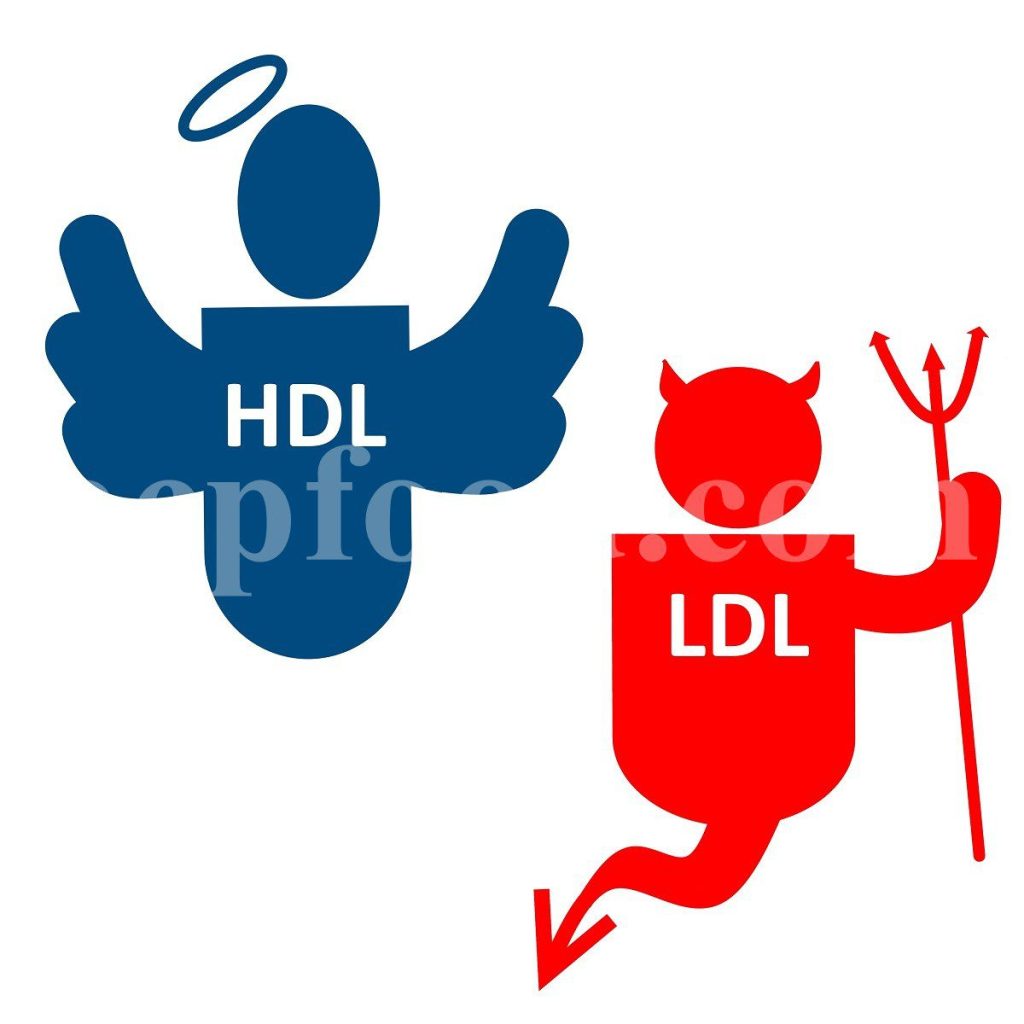
Cholesterol is a waxy, fat-like substance classified as a lipid. It plays an essential role in building cell membranes and producing bile acids, which help digest fats, as well as various hormones. Most low-density lipoprotein (LDL), commonly known as “bad cholesterol,” is produced by the liver, although dietary sources also contribute to the body’s cholesterol levels. Blood cholesterol levels can be significantly influenced by diet, lifestyle, and overall health. Cholesterol is transported through the bloodstream by lipid-protein complexes called lipoproteins, which are mainly classified into two types: low-density lipoprotein (LDL) and high-density lipoprotein (HDL).
LDL carries a larger amount of cholesterol throughout the body than HDL. When LDL levels become excessively high, cholesterol gradually accumulates on the walls of the arteries, forming plaques that narrow the blood vessels, restrict blood flow, and increase the risk of blood clot formation. In contrast, HDL, often referred to as “good cholesterol,” helps remove excess cholesterol from the bloodstream by transporting it back to the liver, where it is broken down and eliminated. Therefore, higher HDL levels help protect the body against atherosclerosis and cardiovascular disease.
Several factors influence cholesterol levels, including genetics, diet, body weight, and physical activity. Diets rich in saturated fats, excess body weight, and a sedentary lifestyle can all contribute to elevated cholesterol levels. However, genetics also play a significant role, and high cholesterol frequently runs in families. Some individuals inherit a condition known as Familial Combined Hyperlipidemia (FCH), which disrupts the body’s lipid metabolism and leads to persistently high blood cholesterol levels. In most cases, high blood cholesterol develops silently without noticeable symptoms until serious complications, such as coronary artery disease or stroke, occur. Understanding these underlying causes is the first step toward effective High Blood Cholesterol in Traditional Iranian Medicine and adopting appropriate dietary and lifestyle modifications.
Table of Contents
ToggleReducing High Blood Cholesterol Through Diet
Diet plays a fundamental role in High Blood Cholesterol in Traditional Iranian Medicine. Most people do not need to eliminate cholesterol-rich foods such as eggs and fish from their diet. Instead, reducing the intake of foods high in saturated fats is far more important. Saturated fats can impair the liver’s ability to metabolize fats efficiently, leading to increased blood cholesterol levels. Replacing saturated fats with healthier unsaturated fats is one of the most effective dietary changes for supporting heart health and maintaining healthy cholesterol levels.
Medical research has shown that elevated blood lipid levels are among the major risk factors for atherosclerosis, cardiovascular disease, and reduced life expectancy.
Fortunately, lowering blood cholesterol and other blood lipids can significantly reduce these risks and promote long-term cardiovascular health. Following healthy dietary principles and maintaining a balanced, nutritious diet are among the most effective strategies for reducing blood cholesterol levels.
Although all types of meat contain some cholesterol, limiting the consumption of meats that are high in saturated fat can help control blood cholesterol levels. Choosing lean cuts of meat and healthier sources of protein, together with a balanced diet, can contribute to better cholesterol management and overall heart health.

Foods That Contain Cholesterol and Are High in Saturated Fat
- Full-fat dairy products, such as milk, cheese, yogurt, cream, and pizza cheese
- Animal fats, such as butter, tallow, margarine, and beef fat
- High-fat meats and processed meat products, such as sausages and salami
- Cakes, cookies, and pastries
- Ice cream and milkshakes
- Coconut milk and coconut cream
- Chocolate and chocolate spreads
- Fried foods
- Fast foods
Some foods are low in saturated fat but naturally high in cholesterol. These include eggs, certain types of shellfish, and liver. For most people, the cholesterol found in these foods does not significantly affect blood cholesterol levels, so there is generally no need to limit their consumption.
Foods That Are High in Cholesterol but Low in Saturated Fat
- Lean meats, haslet, and sweetbreads
- Shrimp, crab, sea fish, and octopus
- Eggs
Tips for Reducing High Blood Cholesterol
Cholesterol is found in animal-based foods, whereas plant-based foods do not contain cholesterol. Therefore, fruits, vegetables, grains, seeds, beans, peas, and lentils are naturally cholesterol-free.
If your medical tests show that you have high blood cholesterol levels, it is recommended that you follow the tips below:
- The first step in treatment is to treat constipation. In many patients, high blood cholesterol and blood lipid levels improve simply by treating constipation.
- Any stress or insomnia should be properly managed.
- Since obesity, especially excess abdominal fat, is an important factor in raising blood lipid levels, you should maintain a healthy weight and lose excess body fat.
Regarding meat consumption, pay attention to the following recommendations:
a. Avoid consuming red meat and choose white meat instead. White meat, including fish and chicken, contains lower levels of harmful fats. In addition, fish contains beneficial fats that can help lower blood lipid levels. Therefore, whenever possible, replace red meat with white meat.
b. Eat meat only once a day, preferably white meat, and limit meat-containing meals to no more than four or five times per week.
c. Avoid frying foods, especially meat. Instead, steam, boil, or grill them.
d. To meet your daily protein requirements, include foods made from grains and legumes, especially dishes prepared by combining grains with legumes.
- Eat more fruits, vegetables, and plant-based foods. In addition to being free of harmful cholesterol, they provide essential nutrients and are rich in dietary fiber, which helps reduce the absorption of harmful fats in the digestive tract.
- Whole wheat bread and barley bread are among the healthiest choices because they are rich in dietary fiber, which can help reduce the absorption of harmful fats in the digestive system.
Oil consumption:
Pure olive oil is considered one of the best oils to consume. It helps reduce harmful blood lipids (cholesterol and triglycerides), increases beneficial HDL cholesterol, relieves constipation, and helps cleanse deposits from blood vessels, including the coronary arteries.
However, please note the following:
- Olive oil is delicate and should be used with care and exposed to as little heat as possible.
- Always ensure that the olive oil you use is pure and of high quality.
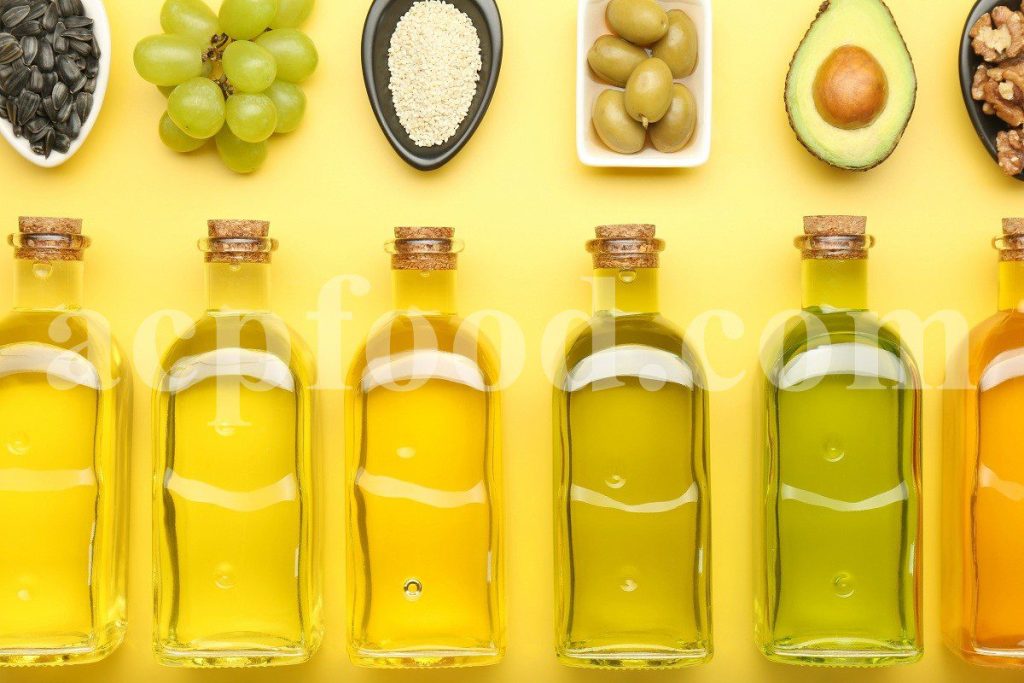
Animal oil is also considered one of the best oils to consume; however, the following points should be observed:
- The preferred animal oil is obtained from cow’s milk (cow’s tallow oil), rather than sheep’s fat.
- People over the age of 50 should avoid consuming animal oil at night.
- Because this oil has a warm temperament, its consumption should be reduced during hot seasons, especially by individuals with a warm temperament.
Sesame oil: If extracted using the proper pressing method, sesame oil is suitable for a wide variety of culinary uses.
Note: With the exception of pure olive oil, no oil—including the highest-quality oils—should be consumed in excessive amounts.
- Regular exercise and physical activity help regulate fat metabolism and reduce high blood cholesterol levels. Therefore, include at least 20 minutes of brisk walking in your daily routine.
- Smoking not only has direct harmful effects on the heart and blood vessels but also reduces life expectancy by increasing blood lipid levels. Therefore, it is strongly recommended that you avoid smoking.
For adults, an appropriate blood cholesterol level is below 200 mg/dL. Many people seek medication immediately after being diagnosed with high blood cholesterol. However, if the condition is not caused by a genetic disorder, lifestyle modifications and natural treatment approaches may be considered before medication, under the guidance of a qualified healthcare professional. Traditional Iranian Medicine also emphasizes dietary and lifestyle changes as important components of High Blood Cholesterol Treatment in Traditional Iranian Medicine.
Treating of High Blood Cholesterol in Traditional Iranian Medicine
Traditional Iranian Medicine recommends the following dietary measures to help manage high blood cholesterol:
- Eat 5 olives with lunch or dinner, preferably bitter olives that are low in salt.
- Eat 5 small sprigs of fresh dill at the end of a meal, mix them with yogurt as a snack, or prepare dill pilaf. However, it is recommended not to consume dill continuously for an extended period, as it is traditionally believed to have a negative effect on vision.
- Unsalted sunflower seeds: Help reduce both cholesterol and triglyceride levels.
- Barley and pure oats: Consuming them in forms such as non-alcoholic barley beverages, barley soup, and similar preparations may help reduce high blood cholesterol and triglyceride levels.
- Artichokes and okra: These are also considered beneficial dietary choices.
- Barberry: Moderate consumption of barberry tea or natural barberry extract may be beneficial for reducing high blood cholesterol. According to Traditional Iranian Medicine, it is most suitable for individuals with a warm temperament and a strong stomach.
Conclusion
High Blood Cholesterol in Traditional Iranian Medicine emphasizes a comprehensive approach that combines a balanced diet, healthy lifestyle habits, regular physical activity, and the use of selected natural foods to support cardiovascular health. In Traditional Iranian Medicine, managing underlying factors such as constipation, excess body weight, stress, and poor dietary habits is considered an important part of maintaining healthy blood cholesterol levels. While these traditional recommendations may complement a healthy lifestyle, individuals with persistently high cholesterol or underlying medical conditions should consult a qualified healthcare professional for proper evaluation and treatment. By combining traditional wisdom with informed healthcare decisions, many people can take meaningful steps toward improving their overall heart health and well-being.
References:
- Daeratol Maarif Giah Darmanie Iran (Noskhehaye Shafabakhsh), by Haji Sharifi, Ahmad (Attare Esfahani).
- Traditional Iranian Medicine Doctor’s Prescriptions (tabaye.ir)