Research & Studies on Dried Hibiscus Flower (Hibiscus sabdariffa L.)
Bulk Dried Hibiscus Flowers for Export have gained substantial commercial and scientific attention in international markets due to their multifunctional applications in herbal teas, nutraceuticals, food manufacturing, botanical beverages, cosmetic formulations, and natural wellness products. The growing demand for Wholesale Dried Hibiscus Flowers and Export Quality Hibiscus Flowers in the United Kingdom, USA, Canada, Australia, New Zealand, and South Africa is strongly connected to modern research regarding antioxidant compounds, anthocyanins, organic acids, polyphenols, and natural colorant properties found in hibiscus calyces.
The international beverage and herbal industries increasingly utilize Food Grade Dried Hibiscus Flowers and Natural Dried Hibiscus Calyces in tea blends, botanical infusions, kombucha formulations, cold beverages, syrups, and functional wellness drinks. In recent years, manufacturers searching for Hibiscus Flowers for Beverage Industry and Hibiscus for Functional Beverages have expanded their product lines because hibiscus provides both visual appeal and naturally tart flavor profiles.
Research published by the United States National Library of Medicine discusses the phytochemical composition and antioxidant activity of Hibiscus sabdariffa:
https://pmc.ncbi.nlm.nih.gov/articles/PMC9086798/
Research published in the National Center for Biotechnology Information (NCBI) has extensively reviewed the physiological activities and wellness-related applications of Hibiscus sabdariffa. The review titled “Physiological Effects and Human Health Benefits of Hibiscus sabdariffa: A Review of Clinical Trials” discusses antioxidant activity, cardiovascular support research, metabolic studies, and the growing importance of hibiscus in functional foods and herbal beverages. This scientific interest has significantly increased global demand for Bulk Dried Hibiscus Flowers for Export, Hibiscus for Functional Beverages, and Food Grade Dried Hibiscus Flowers in tea, nutraceutical, and wellness industries:
https://pmc.ncbi.nlm.nih.gov/articles/PMC9033014/
Additional research in NCBI titled “A Comprehensive Review of the Antimicrobial Effects of Hibiscus Species” examines antimicrobial and bioactive properties associated with Hibiscus species. The study highlights the importance of hibiscus phytochemicals in botanical research, natural preservation systems, herbal formulations, and functional beverage development. These findings support expanding industrial demand for Industrial Grade Dried Hibiscus, Hibiscus Flowers for Herbal Formulations, Natural Dried Hibiscus Calyces, and Hibiscus Flowers for Food Manufacturing:
https://pmc.ncbi.nlm.nih.gov/articles/PMC11619808/
Scientific literature indexed by PubMed in the review “A review on phytochemistry and therapeutic uses of Hibiscus sabdariffa L.” discusses anthocyanins, flavonoids, organic acids, and traditional botanical applications of hibiscus. The publication also explains the commercial relevance of hibiscus in herbal teas, nutraceuticals, botanical extracts, and natural food products, contributing to increased international demand for Wholesale Dried Hibiscus Flowers, Hibiscus Flowers for Beverage Industry, Red Hibiscus Flowers for Tea, and Bulk Hibiscus Flowers for Tea Manufacturers:
https://pubmed.ncbi.nlm.nih.gov/29597091/
United Kingdom
In the United Kingdom, herbal beverage manufacturers and botanical tea brands increasingly use Red Hibiscus Flowers for Tea, Hibiscus Flowers for Tea Blends, and Hibiscus Flowers for Herbal Tea Production in premium infusion products. British consumers have shown strong interest in caffeine-free herbal beverages, leading to higher demand for Cut Dried Hibiscus Flowers and Dried Hibiscus Petals Bulk within tea packaging and wellness industries.
The publication “Hibiscus Tea and Health: A Scoping Review of Scientific Evidence” evaluates scientific findings related to hibiscus tea consumption, antioxidant compounds, cardiovascular studies, and functional beverage applications. The review highlights the increasing global interest in hibiscus-based beverages and supports the commercial growth of Bulk Dried Hibiscus Flowers for Export, Hibiscus Flowers for Tea Blends, Red Hibiscus Flowers for Tea, and Hibiscus Flowers for Herbal Tea Production within international herbal tea and wellness markets:
https://www.researchgate.net/publication/347313314_Hibiscus_Tea_and_Health_A_Scoping_Review_of_Scientific_Evidence
Research published in Food Research International titled “Potential use of red hibiscus flower extract for the production of spray-chilled microparticles” investigates anthocyanin stability, encapsulation technologies, and bioaccessibility of hibiscus compounds in food systems. The study demonstrates the industrial potential of hibiscus extracts for functional foods, nutraceuticals, natural pigments, and beverage innovation, increasing demand for Industrial Grade Dried Hibiscus, Hibiscus Flowers for Natural Color Applications, Hibiscus for Functional Beverages, and Food Grade Dried Hibiscus Flowers:
https://www.sciencedirect.com/science/article/pii/S0963996923011183
The scientific review “A Review in Medical, Pharmacological and Industrial Importance of Roselle Hibiscus sabdariffa L.” discusses the phytochemistry, medicinal relevance, food industry applications, and commercial importance of Hibiscus sabdariffa in modern industries. The publication explains the expanding utilization of hibiscus in beverages, nutraceuticals, cosmetics, herbal formulations, and natural food products, contributing to increasing international demand for Wholesale Dried Hibiscus Flowers, Dried Roselle Flowers Bulk Supply, Bulk Hibiscus Flower Supplier, Hibiscus Flowers for Nutraceutical Industry, and Exporter of Dried Hibiscus Flowers:
https://www.intechopen.com/chapters/87013
The UK herbal tea market also increasingly relies on Bulk Herbal Tea Ingredients Supplier networks and professional Hibiscus Flowers Wholesale Exporter companies capable of delivering consistent botanical quality for industrial blending operations.
United States
In the United States, the market for Industrial Grade Dried Hibiscus continues to grow in herbal tea manufacturing, nutraceutical production, sports recovery beverages, and botanical extract industries. American beverage formulators use Hibiscus Flowers for Infusion Production because hibiscus delivers vibrant natural coloration and acidic fruit-like flavor profiles without synthetic additives.
The United States Department of Agriculture (USDA) provides botanical and agricultural information regarding Hibiscus sabdariffa:
https://acir.aphis.usda.gov/s/cird-taxon/a0ut0000000rCf0AAE/hibiscus-sabdariffa
Research conducted in the United States and published by the National Center for Biotechnology Information (NCBI) titled “Hibiscus flower extract selectively induces apoptosis in breast cancer cells and positively interacts with common chemotherapeutics” investigates the biological activity of hibiscus extracts and their interactions in laboratory cancer research models. The study highlights the increasing scientific interest in hibiscus phytochemicals and bioactive compounds, supporting growing industrial demand for Hibiscus Flowers for Nutraceutical Industry, Industrial Grade Dried Hibiscus, Food Grade Dried Hibiscus Flowers, and Hibiscus Flowers for Herbal Formulations:
https://pmc.ncbi.nlm.nih.gov/articles/PMC6503386/
Research and nutritional discussions published by Tufts University in the United States under “Tea Time is Healthy Time” explain the health-related interest surrounding herbal and traditional teas, including antioxidant-rich botanical beverages. The growing popularity of herbal infusions has increased commercial demand for Red Hibiscus Flowers for Tea, Hibiscus Flowers for Tea Blends, Hibiscus for Functional Beverages, and Hibiscus Flowers for Beverage Industry among tea manufacturers and wellness beverage companies:
https://tuftsjournal.tufts.edu/2008/12_1/briefs/01/
A clinical study indexed in PubMed titled “Hibiscus sabdariffa L. tea (tisane) lowers blood pressure in prehypertensive and mildly hypertensive adults” evaluated hibiscus tea consumption in relation to blood pressure management. The publication contributed significantly to the global commercial growth of hibiscus-based wellness beverages and increased demand for Bulk Dried Hibiscus Flowers for Export, Hibiscus Tea Raw Material Supplier, Hibiscus Flowers for Herbal Tea Production, and Bulk Hibiscus Flowers for Tea Manufacturers:
https://pubmed.ncbi.nlm.nih.gov/20018807/
Scientific reviews from the University of Arizona titled “Hibiscus sabdariffa L. in the treatment of hypertension and hyperlipidemia” discuss both animal and human studies regarding hibiscus and cardiovascular wellness research. The publication highlights the importance of hibiscus in modern functional food and nutraceutical industries, supporting expanding international markets for Wholesale Dried Hibiscus Flowers, Natural Dried Hibiscus Calyces, Bulk Hibiscus Flower Supplier, and Exporter of Dried Hibiscus Flowers:
https://experts.arizona.edu/en/publications/hibiscus-sabdariffa-l-in-the-treatment-of-hypertension-and-hyperl/
Clinical research registered in the United States under the title “Effect of Hibiscus Sabdariffa on Blood Pressure in a University Population” further demonstrates scientific interest in hibiscus beverages and their physiological effects. Such studies continue to encourage product innovation in herbal tea, wellness beverage, and nutraceutical sectors, strengthening demand for Dried Roselle Flowers Bulk Supply, Conventional Dried Hibiscus Flowers, Bulk Herbal Tea Ingredients Supplier, and Hibiscus sabdariffa Flowers Wholesale:
https://clinicaltrials.gov/study/NCT03804801
Manufacturers searching for Hibiscus Tea Raw Material Supplier solutions frequently require reliable Bulk Hibiscus Flower Supplier companies capable of supplying stable moisture-controlled materials for tea bags, beverage concentrates, extracts, and nutraceutical processing.
Canada
In Canada, health-conscious consumers increasingly purchase products made with Conventional Dried Hibiscus Flowers due to interest in botanical wellness beverages and natural food ingredients. Canadian tea packers and herbal companies commonly source Wholesale Roselle Calyces and Hibiscus sabdariffa Flowers Wholesale for herbal infusions, wellness blends, and fruit tea formulations.
The Government of Canada discusses natural health product regulations and botanical ingredients through Health Canada:
https://www.canada.ca/en/health-canada/services/drugs-health-products/natural-non-prescription.html
Canadian universities and research institutes have increasingly explored the nutritional, neuroprotective, antimicrobial, and functional food potential of Hibiscus sabdariffa. These scientific developments continue to support international demand for Bulk Dried Hibiscus Flowers for Export, especially among nutraceutical companies, wellness beverage manufacturers, and botanical product developers.
Research published through the National Center for Biotechnology Information (NCBI) titled “A Distinct Hibiscus sabdariffa Extract Prevents Iron Neurotoxicity, a Driver of Multiple Sclerosis Pathology” investigates the neuroprotective potential of hibiscus extracts and their role in oxidative stress and neurological research. The study demonstrates growing scientific interest in hibiscus phytochemicals within advanced health-related industries, increasing commercial demand for Hibiscus Flowers for Nutraceutical Industry, Industrial Grade Dried Hibiscus, Food Grade Dried Hibiscus Flowers, and Hibiscus Flowers for Herbal Formulations:
https://pmc.ncbi.nlm.nih.gov/articles/PMC8834068/
Research and product innovation initiatives associated with the University of Toronto discuss the development of fortified hibiscus beverages intended to help reduce iron deficiency in Sub-Saharan African women. The project highlights the importance of hibiscus in functional beverage technology and nutritional product development, reinforcing the market growth for Hibiscus for Functional Beverages, Hibiscus Flowers for Beverage Industry, Red Hibiscus Flowers for Tea, and Bulk Hibiscus Flowers for Tea Manufacturers:
Fortified hibiscus beverage aims to reduce iron deficiency in sub-Saharan African women
Scientific literature titled “Hibiscus Sabdariffa Linn: Phytochemical Impact on the Mechanism of Neuroprotective and Anti-inflammatory Pathways” evaluates the antioxidant compounds and bioactive phytochemicals of hibiscus in relation to neuroprotective and anti-inflammatory studies. Such research continues to expand industrial interest in hibiscus extracts for nutraceuticals, botanical supplements, and wellness formulations, increasing demand for Wholesale Dried Hibiscus Flowers, Natural Dried Hibiscus Calyces, Hibiscus Tea Raw Material Supplier, and Bulk Botanicals Supplier:
https://www.eurekaselect.com/article/143338
Additional Canadian-related scientific investigations published in NCBI titled “Aqueous extract of Hibiscus sabdariffa inhibits pedestal induction by enteropathogenic E. coli and promotes bacterial filamentation in vitro” examine the antimicrobial activity and microbiological effects of hibiscus extracts. The publication demonstrates the increasing scientific relevance of hibiscus in food safety research, natural preservation systems, and botanical ingredient innovation, supporting commercial applications for Hibiscus Flowers for Food Manufacturing, Hibiscus Flowers for Natural Color Applications, Conventional Dried Hibiscus Flowers, and Dried Roselle Flowers Bulk Supply:
https://pmc.ncbi.nlm.nih.gov/articles/PMC6407759/
Canadian food manufacturers also explore Hibiscus Flowers for Food Manufacturing because hibiscus calyces can contribute natural red coloration and acidic flavor characteristics in sauces, syrups, confectionery products, and beverage applications.
Australia
In Australia, botanical beverage innovation and wellness product development have significantly increased the demand for Dried Roselle Flowers Bulk Supply and Hibiscus Flowers for Nutraceutical Industry applications. Australian herbal companies often use hibiscus in ready-to-drink botanical beverages, tea sachets, powdered drink mixes, and functional health products.
Research conducted at CQUniversity titled “Finding alternative uses for Australian rosella (Hibiscus sabdariffa) byproducts: Nutritional potential and in vitro digestibility studies” investigates the nutritional composition, digestibility, and potential commercial applications of rosella byproducts in food and functional ingredient industries. The study highlights the growing industrial interest in sustainable utilization of hibiscus materials for nutraceuticals, food innovation, and botanical ingredient development. This research supports increasing global demand for Bulk Dried Hibiscus Flowers for Export, Hibiscus Flowers for Food Manufacturing, Hibiscus Flowers for Nutraceutical Industry, Industrial Grade Dried Hibiscus, and Hibiscus for Functional Beverages among international manufacturers and botanical product developers:
https://acquire.cqu.edu.au/articles/journal_contribution/Finding_alternative_uses_for_Australian_rosella_Hibiscus_sabdariffa_byproducts_Nutritional_potential_and_in_vitro_digestibility_studies/21153451
Australian manufacturers searching to Buy Bulk Dried Hibiscus Flowers generally prioritize microbial safety, color retention, and consistent cut size when sourcing from a professional Premium Dried Hibiscus Flowers Supplier.
New Zealand
New Zealand’s natural wellness sector also demonstrates increasing interest in Hibiscus Flowers for Herbal Formulations and botanical beverage innovation. Herbal tea companies and natural product manufacturers frequently purchase Bulk Hibiscus Flowers for Tea Manufacturers to formulate fruit-herbal infusions and premium wellness teas.
Research conducted by the University of Auckland, School of Pharmacy, Faculty of Medical and Health Sciences, titled “Unveiling the safety, tolerability, and herb-drug interaction concerns of Hibiscus Sabdariffa L. (Roselle): A systematic scoping review of current evidence” evaluates the safety profile, tolerability, and potential herb-drug interactions associated with Hibiscus sabdariffa consumption. The review highlights the growing scientific and commercial importance of hibiscus in herbal medicine, nutraceutical products, wellness beverages, and botanical formulations. Such research strengthens international industry confidence in Bulk Dried Hibiscus Flowers for Export, Food Grade Dried Hibiscus Flowers, Hibiscus Flowers for Herbal Formulations, Hibiscus Flowers for Nutraceutical Industry, and Hibiscus Tea Raw Material Supplier applications for global manufacturers and wellness product developers:
https://www.cell.com/heliyon/fulltext/S2405-8440(26)00086-1?_returnURL=https%3A%2F%2Flinkinghub.elsevier.com%2Fretrieve%2Fpii%2FS2405844026000861%3Fshowall%3Dtrue
South Africa
In South Africa, Hibiscus sabdariffa has commercial importance in herbal beverage production and ethnobotanical applications. South African beverage manufacturers increasingly use Hibiscus Flowers Import Export channels to secure stable raw material supplies for tea processing and wellness beverages.
Research conducted in South Africa has contributed significantly to the scientific understanding of Hibiscus sabdariffa L., particularly in the areas of plant anatomy, secretory structures, and emerging bio-technology applications.
A detailed anatomical and histochemical study titled “Secretory structures in the leaves of Hibiscus sabdariffa L.” investigates the microscopic and ultrastructural features of leaf tissues, including glandular trichomes and mucilage cells responsible for the synthesis and storage of secondary metabolites. The research highlights the presence of phenolic compounds, alkaloids, and polysaccharides within these structures, explaining the plant’s strong phytochemical profile and its relevance in medicinal, herbal, and nutraceutical industries. These findings strongly support the commercial value of Bulk Dried Hibiscus Flowers for Export, Industrial Grade Dried Hibiscus, Hibiscus Flowers for Herbal Formulations, Natural Dried Hibiscus Calyces, and Hibiscus Flowers for Nutraceutical Industry, especially for manufacturers seeking high-bioactive botanical raw materials:
https://www.cabidigitallibrary.org/doi/full/10.5555/20203320469
Another innovative study from South African academic collaboration, “Characterization of Hibiscus Flower as a Potential Source of Electric Supply,” explores the electro-physical properties of hibiscus flower extracts when modified with metallic coatings. The research demonstrates that hibiscus-derived biomaterials can exhibit semiconductor-like properties, including measurable band-gap behavior, suggesting potential applications in renewable energy systems, bioelectronics, and plasmonic technology development. This expands the scientific perception of hibiscus beyond traditional herbal use, reinforcing its importance in advanced material science while maintaining its strong commercial relevance in Hibiscus for Functional Beverages, Hibiscus Flowers for Natural Color Applications, Hibiscus Flowers for Beverage Industry, and Bulk Hibiscus Flower Supplier markets:
https://pure.uj.ac.za/en/publications/characterization-of-hibiscus-flower-as-a-potential-source-of-elec/
The expanding African botanical trade has also increased international demand for Exporter of Dried Hibiscus Flowers companies capable of meeting industrial documentation requirements and international quality specifications.
Globally, modern food and beverage industries continue to explore Hibiscus Flowers for Natural Color Applications as consumer demand shifts toward naturally derived ingredients instead of synthetic additives. Anthocyanin-rich hibiscus calyces are increasingly utilized in functional beverages, fruit preparations, botanical extracts, wellness teas, nutraceutical capsules, and powdered formulations.
As a result, international importers, tea manufacturers, nutraceutical companies, herbal brands, and beverage formulators continue seeking experienced Dried Hibiscus Flowers Manufacturer and Bulk Botanicals Supplier partners capable of supplying premium hibiscus materials suitable for food, beverage, nutraceutical, and herbal processing industries.
Research & Studies on Hibiscus Seeds (Hibiscus sabdariffa L.)
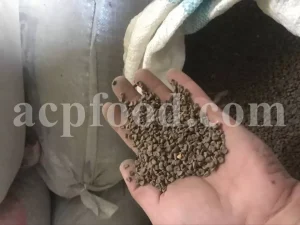
Hibiscus seeds (Hibiscus sabdariffa L.) are increasingly studied in global agricultural science, functional food systems, and botanical raw material industries due to their potential use in oil extraction, cultivation programs, nutraceutical research, and agro-industrial development. While the calyces are widely used in beverages, the seeds are gaining commercial importance in Raw Hibiscus Seeds Bulk Supply, Hibiscus Seeds for Oil Extraction, and Hibiscus Seeds for Agricultural Farming due to their lipid content, protein profile, and agricultural adaptability.
Across international markets, demand continues to grow for Wholesale Hibiscus Seeds, Export Quality Hibiscus Seeds, and Bulk Hibiscus Seeds Supplier solutions, especially from manufacturers, plantation developers, and botanical processors working in food, cosmetic, and agricultural industries.
Scientific research published in the National Center for Biotechnology Information (NCBI) titled “Functional properties of roselle (Hibiscus sabdariffa L.) seed and its application as bakery product” investigates the nutritional composition, protein functionality, oil characteristics, and food processing potential of hibiscus seeds in bakery applications. The study demonstrates that hibiscus seed flour can contribute to improved nutritional value, protein enrichment, and functional ingredient development in baked products such as bread and biscuits. These findings highlight the growing industrial importance of hibiscus seeds in food innovation and support increasing international demand for Food Grade Hibiscus Seeds, Industrial Grade Hibiscus Seeds, Hibiscus Seeds for Food Manufacturing, Hibiscus Seeds for Agro-Industrial Use, and Hibiscus Seeds for Natural Oil Production among bakery manufacturers, nutraceutical companies, and botanical ingredient processors. The research also strengthens commercial opportunities for Wholesale Hibiscus Seeds, Bulk Hibiscus Seeds Supplier, Hibiscus Seeds Manufacturer, and Industrial Bulk Supply of Hibiscus Seeds in global functional food industries:
https://pmc.ncbi.nlm.nih.gov/articles/PMC4252421/
United Kingdom Research & Applications
In the United Kingdom, agricultural and food science institutions have explored hibiscus as a multipurpose crop for sustainable agriculture, botanical extracts, and functional ingredient development. Universities such as the University of Reading have contributed to research on plant bioactives and crop utilization in functional food systems.
Hibiscus seeds are increasingly considered in UK-based research on plant protein sources, natural oils, and sustainable crop diversification. These studies support industrial demand for Hibiscus Seeds for Cultivation, Industrial Grade Hibiscus Seeds, and Hibiscus Seeds for Research and Cultivation.
Research conducted at University of Birmingham titled “Investigating the potential of Hibiscus seed species as alternative water treatment material to the traditional chemicals” explores the use of hibiscus seed-based natural coagulants as sustainable alternatives to conventional chemical water treatment agents. The study evaluates the coagulation efficiency, environmental compatibility, and water purification performance of hibiscus seed extracts in drinking water treatment systems. This research highlights the expanding industrial relevance of hibiscus seeds beyond food and agriculture, supporting commercial interest in Industrial Grade Hibiscus Seeds, Hibiscus Seeds for Agro-Industrial Use, Natural Hibiscus sabdariffa Seeds, Bulk Botanical Seeds Supplier, and Hibiscus Seeds for Research and Cultivation:
https://etheses.bham.ac.uk/id/eprint/7181/1/Jones17PhD.pdf
Additional UK-based research published in ScienceDirect titled “A fluorescence-based assessment of the fate of organic matter in water treated using crude/purified Hibiscus seeds as coagulant in drinking water treatment” investigates the effectiveness of crude and purified hibiscus seed extracts in removing organic matter during water treatment processes. The study demonstrates the potential of hibiscus seeds as environmentally friendly bio-coagulants capable of contributing to sustainable water purification technologies. These findings increase scientific and commercial interest in Hibiscus Seeds for Functional Planting Programs, Agricultural Hibiscus Seeds Supply, Commercial Hibiscus Seeds Supplier, Hibiscus Seeds for Large Scale Farming Supply, and Industrial Bulk Supply of Hibiscus Seeds for environmental, agricultural, and industrial innovation sectors:
https://www.sciencedirect.com/science/article/abs/pii/S0048969718327591?fr=RR-2&ref=pdf_download&rr=a01ce0f60b65bcb4
United States Research & Industrial Use
In the United States, agricultural science programs and nutraceutical research centers have evaluated hibiscus as a functional crop for oil extraction, antioxidant compounds, and plant-based ingredient innovation. Institutions such as the United States Department of Agriculture support agricultural research into seed oil crops and alternative plant-based raw materials.
Hibiscus seeds are being studied for their lipid composition and potential use in cosmetic oils, dietary supplements, and botanical extraction industries. This has increased demand for Hibiscus Seeds for Oil Extraction, Food Grade Hibiscus Seeds, and Hibiscus Seeds for Herbal Industry within commercial supply chains.
Research reference:
https://plants.sc.egov.usda.gov/plant-profile/HISA2
Canada Research & Functional Applications
In Canada, agricultural innovation and natural product development programs have explored hibiscus as part of functional food systems and sustainable crop diversification strategies. Canadian research institutions and food innovation programs highlight the importance of plant-based raw materials for oil, protein, and nutraceutical development.
These developments support growing demand for Bulk Botanical Seeds Supplier, Cleaned Hibiscus Seeds for Export, and Hibiscus Seeds for Functional Planting Programs, particularly in the natural health and food ingredient industries.
Research conducted collaboratively by the University of Manitoba and the Federal University of Technology titled “A study on the use of sorrel seed flour (Hibiscus sabdariffa) for improving functionality of wheat flour bread” evaluates the nutritional, functional, and technological properties of hibiscus seed flour in bakery applications. The study demonstrates that hibiscus seed flour can improve protein content, water absorption capacity, mineral composition, and overall nutritional quality of bread products while supporting functional food development. These findings highlight the increasing industrial importance of hibiscus seeds in bakery innovation, plant-based nutrition, and agro-food processing industries. The research supports expanding commercial demand for Food Grade Hibiscus Seeds, Industrial Grade Hibiscus Seeds, Hibiscus Seeds for Food Manufacturing, Hibiscus Seeds for Agro-Industrial Use, and Hibiscus Seeds for Natural Oil Production among food manufacturers, bakery ingredient suppliers, and nutraceutical companies. The study also strengthens international trade opportunities for Wholesale Hibiscus Seeds, Bulk Hibiscus Seeds Supplier, Commercial Hibiscus Seeds Supplier, Bulk Botanical Seeds Supplier, and Industrial Bulk Supply of Hibiscus Seeds:
https://pmc.ncbi.nlm.nih.gov/articles/PMC10395354/
Australia Research & Agricultural Development
In Australia, agricultural research programs have investigated roselle (Hibiscus sabdariffa L.) as a potential crop for sustainable farming systems, value-added food ingredients, and botanical oil production. Studies emphasize the adaptability of hibiscus seeds in arid and semi-arid cultivation systems, making them relevant for large-scale agricultural diversification.
Australian research supports commercial applications such as Hibiscus Seeds for Plantation, Agricultural Hibiscus Seeds Supply, and Export Quality Hibiscus Seeds for Plantation, especially for farmers and agro-industrial processors.
New Zealand Research & Functional Crop Systems
In New Zealand, plant science and agricultural research programs have explored hibiscus as part of sustainable horticultural systems and functional crop development. Institutions such as the University of Auckland contribute to broader research in plant bioactives, agricultural sustainability, and natural ingredient systems.
Hibiscus seeds are increasingly recognized for their role in Hibiscus Seeds for Cultivation, Bulk Herbal Seeds Supplier, and Hibiscus Seeds for Research and Cultivation, especially in controlled agricultural environments and experimental farming systems.
South Africa Research & Industrial Relevance
In South Africa, agricultural and botanical research has focused on Hibiscus sabdariffa as a multifunctional plant used in food systems, herbal industries, and agro-processing applications. Studies emphasize seed-based propagation, crop resilience, and industrial potential in oil and natural ingredient production.
These findings support increasing demand for Hibiscus sabdariffa Seed Supplier, Commercial Hibiscus Seeds Supplier, and Hibiscus Seeds for Agro-Industrial Use, particularly in regional agricultural development programs.
Industrial & Commercial Applications
Globally, hibiscus seeds are gaining importance beyond traditional herbal markets. They are increasingly used in:
- Natural oil extraction systems (cosmetic and nutraceutical oils)
- Agricultural propagation and plantation development
- Functional plant-based research programs
- Botanical ingredient supply chains
- Sustainable agro-industrial production systems
This expanding industrial demand is driving international trade for Hibiscus Seeds Manufacturer, Exporter of Hibiscus Seeds, Bulk Hibiscus Seeds Supplier for Agriculture Industry, and Premium Hibiscus Seeds Supplier.
Manufacturers and importers increasingly prefer Non-GMO Hibiscus Seeds Supplier, Cleaned Hibiscus Seeds for International Trade, and Industrial Bulk Supply of Hibiscus Seeds to ensure consistency, purity, and scalability in production systems.
Iranian Researches & Scientific Studies on Dried Hibiscus Flowers (Hibiscus sabdariffa L.)
Research conducted by Iranian universities and scientific institutions has significantly expanded the understanding of Hibiscus sabdariffa calyces in the fields of oncology, neuroprotection, cardiometabolic health, antimicrobial activity, and agricultural biotechnology. These scientific findings continue to strengthen the global commercial importance of Wholesale Dried Hibiscus Flowers, Food Grade Dried Hibiscus Flowers, Industrial Grade Dried Hibiscus, and Hibiscus Flowers for Nutraceutical Industry in herbal, pharmaceutical, beverage, and wellness markets.
A scientific study published by Tehran University of Medical Sciences titled “Evaluation of anticancer effect of Hibiscus Sabdarifa, Otostegia Persica Otostegia Aucheri, and Otostegia Michauxii on oral squamous cell carcinoma cell line” investigated the biological activity of hibiscus flower extracts against oral cancer cell models. The research demonstrated promising anticancer potential associated with hibiscus phytochemicals and anthocyanin-rich compounds, highlighting increasing pharmaceutical and nutraceutical interest in Bulk Dried Hibiscus Flowers for Export, Natural Dried Hibiscus Calyces, Hibiscus Flowers for Herbal Formulations, and Hibiscus for Functional Beverages:
https://jdm.tums.ac.ir/browse.php?a_id=5949&slc_lang=en&sid=1&printcase=1&hbnr=1&hmb=1
Research published by Mashhad University of Medical Sciences titled “Protective effect of Hibiscus sabdariffa against serum/glucose deprivation-induced PC12 cells injury” evaluated the neuroprotective effects of hibiscus extracts under oxidative stress conditions. The study suggests that hibiscus calyces contain antioxidant compounds capable of contributing to cellular protection mechanisms, increasing commercial interest in Hibiscus Flowers for Nutraceutical Industry, Red Hibiscus Flowers for Tea, Hibiscus Flowers for Beverage Industry, and Premium Dried Hibiscus Flowers Supplier products for botanical wellness applications:
https://ajp.mums.ac.ir/article_4112_d1c0c45cc3217bbdd9e8a71cfcbd5ddb.pdf
A comprehensive meta-analysis indexed by PubMed titled “Efficacy and safety of Hibiscus sabdariffa in cardiometabolic health” reviewed clinical evidence related to hibiscus and cardiovascular wellness. The publication evaluated dose-response relationships and safety profiles associated with hibiscus consumption, supporting the growing global market for hibiscus-derived products in functional beverages, nutraceuticals, and herbal wellness industries. These findings strengthen international demand for Wholesale Dried Hibiscus Flowers, Hibiscus Tea Raw Material Supplier, Hibiscus Flowers for Herbal Tea Production, and Bulk Hibiscus Flowers for Tea Manufacturers:
https://pubmed.ncbi.nlm.nih.gov/39870328/
Additional Iranian research titled “Antimicrobial activity of Hibiscus sabdariffal extract against human pathogen” investigated the inhibitory effects of hibiscus flower extracts against pathogenic microorganisms. The study demonstrates the antimicrobial potential of hibiscus phytochemicals and supports industrial applications in herbal products, food preservation systems, and botanical ingredient development. These findings increase commercial relevance for Industrial Grade Dried Hibiscus, Conventional Dried Hibiscus Flowers, Dried Roselle Flowers Bulk Supply, and Hibiscus Flowers for Food Manufacturing:
https://www.ijabbr.com/article_7098.html
Research published in Iran titled “Effect of Hibiscus Sabdariffa Extract on Growth of Fusarium graminearum and the Expression of TRI4 and FG08079 Genes of the Fungus” examined the antifungal properties of hibiscus extracts in agricultural and microbiological systems. The study highlights the potential role of hibiscus compounds in sustainable crop protection and natural antifungal applications, increasing industrial interest in Hibiscus Flowers for Natural Color Applications, Hibiscus Flowers Import Export, Exporter of Dried Hibiscus Flowers, and Bulk Herbal Tea Ingredients Supplier solutions for agricultural, herbal, and food industries:
https://ijbsm.zbmu.ac.ir/PDF/ijbsm-6-86.pdf#








Reviews
There are no reviews yet.