
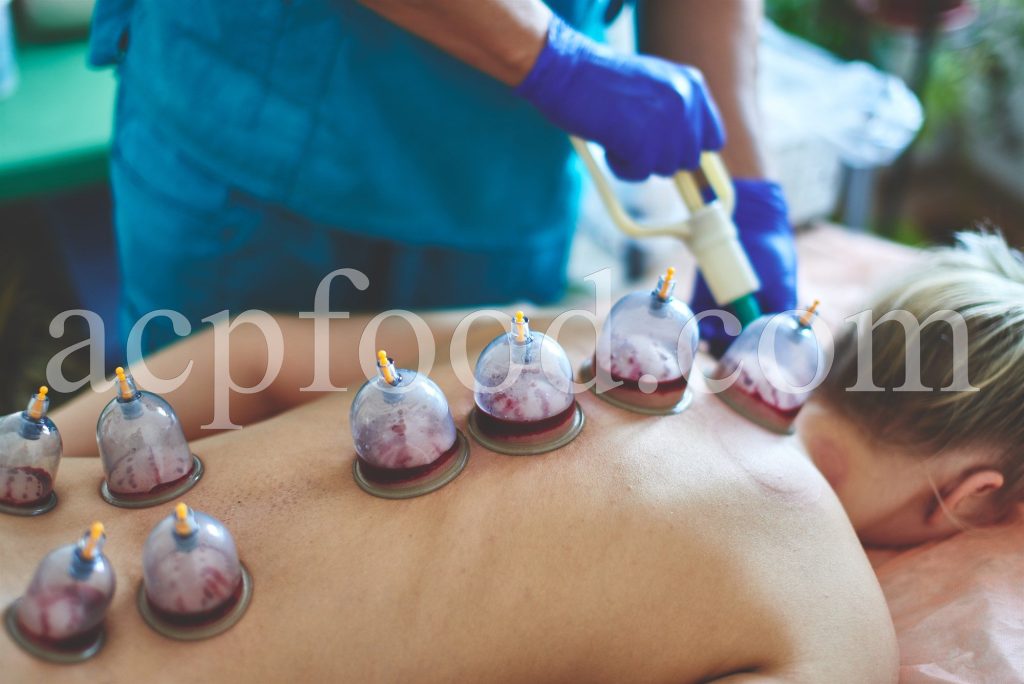
Hijama, also known as Wet Cupping Therapy, is one of the traditional therapeutic practices that has been used for centuries in Persian Traditional Medicine and other traditional medical systems. The practice involves creating controlled suction on specific areas of the body and, in wet cupping, making small superficial incisions to allow a small amount of blood to be removed. In Persian Traditional Medicine, This procedure has traditionally been considered one of the therapeutic methods used to help maintain or restore balance in the body and is selected according to a person’s individual condition and temperament.
In this article, we will explore the concept and history of Hijama, its traditional uses, different types of cupping, the areas of the body where it may be performed, and the traditional principles associated with this practice. We will also become familiar with how Wet Cupping Therapy is traditionally performed and why timing, individual temperament, and other factors are considered important in Persian Traditional Medicine.
At ACPFOOD, we are committed to introducing the principles and heritage of Persian Traditional Medicine and sharing knowledge about traditional practices, medicinal herbs, spices, seeds, flowers, and other natural products. By learning more about Wet Cupping Therapy, readers can gain a better understanding of this traditional therapeutic practice and its place within the broader holistic approach of Persian Traditional Medicine.
Table of Contents
ToggleHijama (Wet Cupping) Definition
Hijama, also known as Wet Cupping Therapy, is a traditional therapeutic practice with a history that dates back more than seven thousand years. It is considered one of the oldest forms of traditional therapy and has been practiced in different cultures and medical traditions throughout history.
It is a relatively simple procedure that does not traditionally require complex equipment. Despite its simple appearance, it has been traditionally used in a wide range of situations and for various health conditions. According to traditional medical principles, the practice is intended to help cleanse and improve the body’s circulation by drawing out accumulated, unwanted, or harmful substances from specific areas of the body.
In traditional descriptions, Wet Cupping Therapy is believed to help remove what is referred to as stagnant, spoiled, or burnt blood and other harmful sediments from the body. By creating suction and subsequently removing a small amount of blood through superficial skin incisions, Wet Cupping therapy is traditionally considered a method for cleansing the body’s vessels and supporting the body’s natural balance.
For this reason, this traditional therapy has maintained an important position in traditional medicine and continues to be recognized as one of the traditional therapeutic practices associated with maintaining and restoring balance in the body.
Doing Hijama in Different Countries
Wet Cupping Therapy is practiced in many countries around the world and has attracted interest beyond the traditional medical systems in which it has historically been used. Today, Hijama is taught through various educational institutions, training centers, and professional programs in countries such as England, the United States, Canada, and others.
People may also find Wet Cupping Therapy services in specialized clinics and wellness centers in different parts of the world. The growing availability of this method internationally has made this traditional practice more accessible to people who are interested in learning about or experiencing Wet Cupping Therapy and its traditional applications.
As wet cupping treatment involves specific techniques and procedures, proper training and knowledge of the practice are traditionally considered important for performing it correctly. Different countries may also have their own requirements and regulations concerning the education, certification, and practice of wet cupping.
Explaining the Patient’s Medical History to a Hakim (Persian Traditional Medicine Doctor)
Before performing Wet Cupping Therapy, the Hakim, or Persian Traditional Medicine doctor, should carefully consider the patient’s individual condition and medical history. In Persian Traditional Medicine, the person’s overall situation, temperament, lifestyle, and other relevant factors are traditionally taken into consideration when determining whether Hijama is appropriate. For example, the predominance of blood humor is traditionally considered one of the conditions for which this procedure may be recommended.
For this reason, it is better to leave the assessment and diagnosis to a qualified doctor or a knowledgeable practitioner of traditional medicine and follow their recommendations. The decision to undergo Wet Cupping Therapy should be based on the individual’s specific circumstances rather than simply following a general recommendation.
If the practitioner determines that this therapy is suitable for you, it should be performed according to the recommended conditions and appropriate traditional guidelines. On the other hand, if Wet Cupping Therapy is not recommended for your particular condition, you can maintain and support your health through other approaches traditionally emphasized in Persian Traditional Medicine, such as appropriate diet, physical activity, exercise, lifestyle practices, and other suitable methods.
Different Types of Hijama
In traditional practice, Wet Cupping Therapy may be performed on different areas of the body depending on the individual’s condition and the traditional therapeutic purpose. The location selected for Wet Cupping Therapy is traditionally determined according to factors such as the person’s temperament, symptoms, and the practitioner’s assessment.
Commonly mentioned Hijama locations include:
- Neck
- Upper back, between the shoulders
- The two sides of the neck
- Shoulders
- Calves
- Under the chin
- Lumbar vertebrae
- Thighs
- Below the knees
- Ankles
- Between the knees
- Heel of the foot
- Under the chest
Different locations are traditionally associated with different therapeutic purposes, and the appropriate site is selected according to the individual’s condition. Therefore, Wet Cupping Therapy should be performed by a properly trained practitioner who can determine the appropriate location and technique for each person.
Observe the Necessary Precautions Before Hijama
After a doctor or qualified practitioner determines that you have the appropriate conditions for Wet Cupping Therapy, several precautions are traditionally recommended before the procedure. These recommendations are intended to prepare the body and help ensure that the procedure is performed under suitable conditions.
- Avoid Hijama immediately after bathing: Traditionally, this treatment method should not be performed immediately after bathing, unless the person has blood concentration. Remaining in a bathroom filled with hot water vapor is traditionally believed to dilute the blood. In such cases, it is recommended to rest for approximately one hour before undergoing this practice.
- Do not undergo Hijama on a completely empty stomach: According to traditional principles, an empty stomach at the time of Hijama may cause yellow bile to flow into the stomach, which is traditionally associated with weakness and biliary problems. It is also believed that an empty stomach may cause the procedure to remove beneficial humors instead of the thick, filthy, or unwanted humors.
- Avoid having a completely full stomach: The stomach should not be excessively full, and Wet Cupping Therapy should not be performed immediately after eating. Allowing sufficient time after a meal is traditionally considered important.
- Avoid cold-temperament foods beforehand: Approximately 8 to 9 hours before the procedure, traditionally cold-temperament foods such as eggs, fish, liver, cheese and other dairy products, as well as fried foods, should be avoided.
- Avoid strenuous physical activity: Activities that place considerable physical stress on the body, such as mountain climbing, jogging, professional sports, or other strenuous exercise, should be avoided before Wet Cupping.
- Get sufficient sleep: Having adequate and restful sleep before undergoing Hijama is traditionally considered important. It is recommended to avoid performing the procedure when the body is excessively tired or sleep-deprived.
- Allow sufficient time after sexual activity: Traditionally, there should be at least 12 hours between sexual activity and this method.
- Remove Agate accessories: Do not wear Agate stone accessories while undergoing Wet Cupping Therapy.
- Avoid excessive hunger and thirst: Try not to be excessively hungry or thirsty before Hijama, and avoid fasting immediately before the procedure.
- Inform the practitioner about medications: According to the traditional recommendations in this article, antibiotics and anticoagulants should not be used before or after this therapy. Any medication being taken should be discussed with the doctor or qualified practitioner beforehand.
- Eat nutritious food on the scheduled day: It is traditionally recommended to eat nutritious food, particularly breakfast, on the day of Hijama. Breakfast may include foods such as honey, jam, or dates.
- Use traditionally recommended laxative foods beforehand: A few days before Wet Cupping Therapy, foods traditionally considered helpful for bowel cleansing may be used. These include Descurainia sophia seeds with hot water, plums, figs, olive oil, fresh seasonal fruits and vegetables, and soups.
- Consider the menstrual cycle and pregnancy: According to these traditional recommendations, wet cupping should not be performed five days before or five days after menstruation or during pregnancy.
- Avoid certain substances beforehand: If possible, avoid smoking cigarettes, drinking coffee, tea, or fizzy drinks, and chewing gum for approximately 12 hours before Hijama.
- Shave the treatment area: If necessary, shave the body hair in the area where this method will be performed so that the practitioner can work more easily and the cups can be properly positioned.
- Inform your doctor about blood donation restrictions: Tell your doctor or practitioner if you have been advised that donating blood is prohibited or unsuitable for you for any reason.
- Consider general Hijama for the first session: Except in special circumstances, general Hijama between the shoulders is traditionally considered the preferred location for a person’s first session. Therefore, it is traditionally recommended not to insist on performing this therapy directly over an area that is painful simply because it may provide pain relief. In this traditional approach, the primary purpose of wet cupping is considered treatment and restoring balance rather than merely relieving pain.
- Blood coagulation disorders: Hijama is traditionally considered prohibited for people with blood coagulation disorders. Therefore, anyone with a blood coagulation disorder should inform the practitioner before considering Wet Cupping Therapy.
These precautions are part of the traditional recommendations surrounding Wet Cupping Therapy and are intended to help determine when and how the procedure should be performed according to the individual’s condition. The patient’s overall situation should always be assessed by a qualified practitioner before Hijama is performed.
Benefits of Inunction Before Hijama
Inunction, or applying oil to the skin before Hijama (Wet Cupping Therapy), is traditionally considered an important part of preparing the body for the procedure. Although some people may think that oil application is only necessary to soften the skin and hair, traditional practitioners describe several other benefits. Therefore, applying oil to the treatment area is traditionally recommended even when the area has little or no hair.
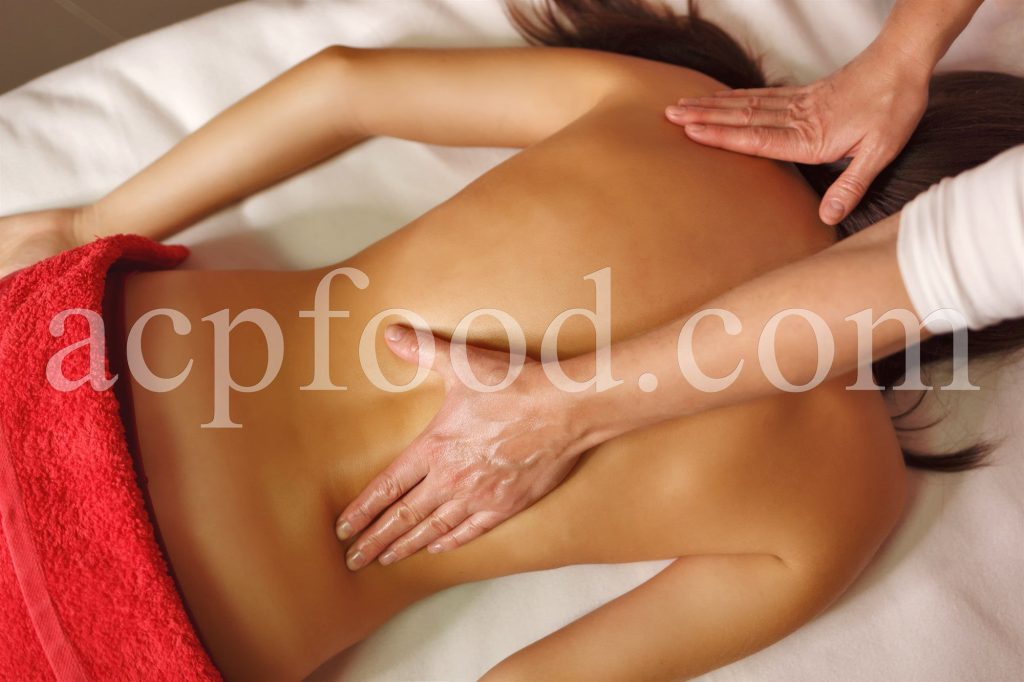
- Softens the skin and hair: Inunction helps soften the skin and body hair, making it easier to place and maintain the cupping glass on the treatment area. It may also reduce the possibility of the cup becoming detached during the cupping process. Some people consider this to be the only benefit of applying oil and therefore may skip it when performing Hijama on hairless areas. However, according to traditional practice, inunction has several other benefits, so applying oil should not be omitted simply because the treatment area is hairless.
- Helps reduce discomfort: Inunction is traditionally believed to have an anesthetic or soothing effect on the skin, which may make the superficial scratches involved in Wet Cupping Therapy easier to tolerate and reduce discomfort during the procedure.
- Helps cleanse the treatment area: Applying oil to the skin is traditionally considered a form of cleansing or preparation of the cupping site. It is believed to help minimize the possibility of infection and prepare the skin before the procedure.
- Makes superficial scratching easier: By softening the skin, inunction traditionally makes it easier for the practitioner to make the required superficial scratches with a scalpel blade during Wet Cupping Therapy. This can help the procedure be performed more easily and smoothly.
How to Do Wet Cupping (Hijama)
This method, also known as Wet Cupping Therapy, is a traditional method of bloodletting that has been used for the prevention and treatment of various diseases. According to traditional practice, the procedure involves several stages and should be performed by a trained practitioner who can determine the appropriate location, technique, and conditions for each individual.
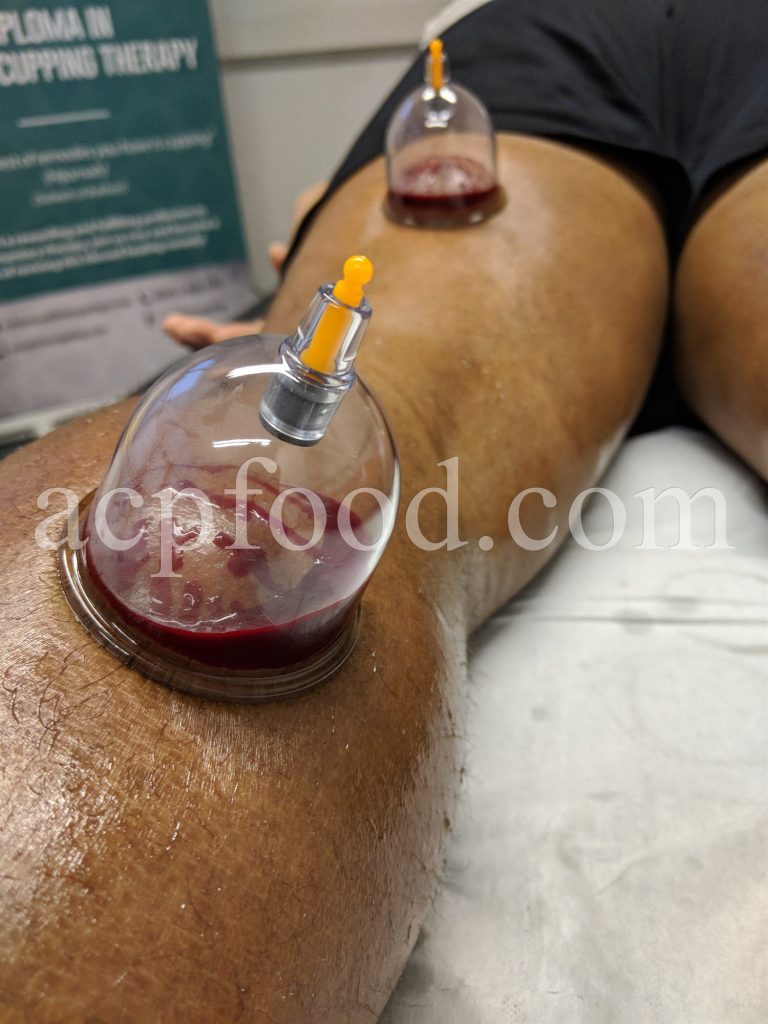
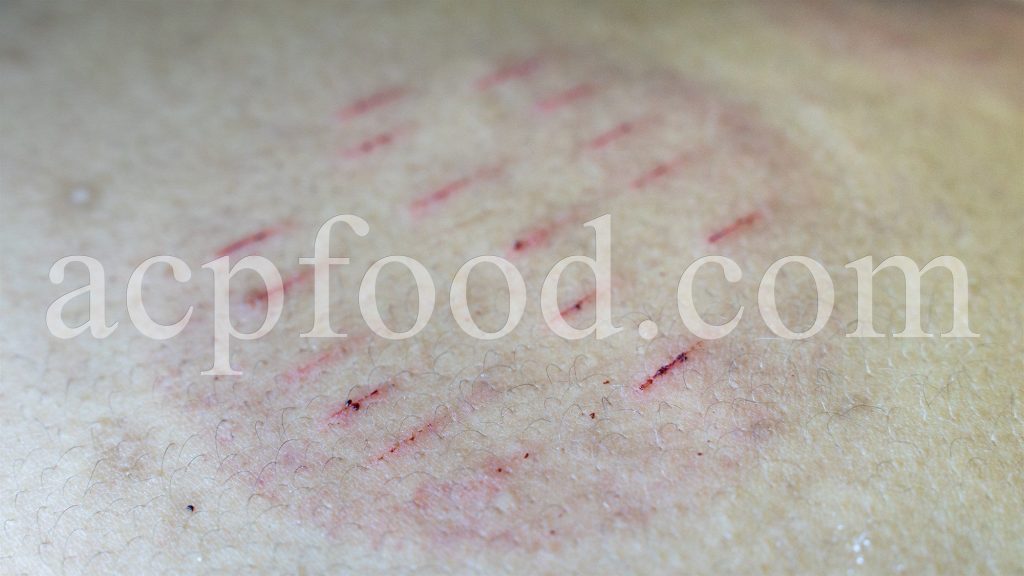
First, the selected area of the body is rubbed with oil to soften and prepare the skin. The practitioner then places the cup over the area and creates continuous suction for a few minutes. After removing the cup, several superficial scratches are made on the skin in a scattered pattern, covering the area that was previously cupped. The cup is then placed over the same area again, allowing suction to draw a small amount of blood through the superficial scratches.
This process may be repeated for approximately two to five consecutive stages, with each stage traditionally lasting around 3 to 5 minutes. Through the combination of suction and the superficial scratches, blood is gradually drawn from the treatment area. According to the traditional description of this procedure, the total amount of blood removed through this method may be approximately 50 to 100 cc, depending on the individual and the method used.
Before beginning the procedure, it is also traditionally recommended that the practitioner spend a little time talking with the patient. This can help the patient feel more relaxed and comfortable and allow the practitioner to better understand the person’s condition before starting the cupping session. Maintaining a suitable mental and emotional state is traditionally considered an important part of preparing for wet cupping.
The sitting position is also traditionally considered important during Hijama. The preferred position for most types of cupping is sitting cross-legged. According to traditional practice, this position is recommended for almost all types of this treatment, with certain exceptions. For example, calf wet cupping may traditionally be performed while the person is standing.
Experience in traditional practice has suggested that sitting cross-legged may be a suitable position for helping maintain blood pressure during the procedure and reducing the possibility of hypotension (low blood pressure). Hypotension may be associated with symptoms such as dizziness or fainting, which is why the patient’s position and overall condition should be carefully considered throughout the procedure.
Dressing the Hijama Area
After completing Wet Cupping Therapy, the treated area should be properly covered and protected. According to traditional practice, honey is considered one of the preferred materials for dressing the Hijama site.
To prepare the dressing, apply a small amount of honey to a piece of sterile gauze and gently place the gauze over the treated area. The gauze can then be secured to the skin with suitable adhesive tape so that the area remains covered and protected.
This traditional method of dressing is intended to keep its area clean and protected while the superficial scratches heal. The dressing should be changed as needed, and the treated area should be kept clean and monitored during the healing process.
Necessary Precautions After Hijama
After undergoing Wet Cupping Therapy, several traditional recommendations are followed to support recovery and protect the treated area. The following measures are traditionally advised during the hours and days after the procedure:
- Avoid smoking for 24 hours: It is traditionally recommended not to smoke cigarettes or use tobacco products for at least 24 hours after this practice.
- Avoid strenuous exercise and hard work: Refrain from strenuous physical activity, heavy work, intensive exercise, or activities that place excessive stress on the body for approximately 24 hours after the procedure. This allows the body to rest and recover after Wet Cupping.
- Avoid certain foods for 24 hours: Traditionally, it is recommended to avoid fish, salty foods, eggs, and dairy products during the first 24 hours after Hijama.
- Care for the treated area: To help relieve scarring and itching, one traditional recommendation is to soak cotton in pasteurized milk for three consecutive nights before going to bed and gently apply it to the treated wounds for approximately 3 minutes. Alternatively, the wounds may be covered with a thin layer of honey twice a day.
- Wait before bathing: You can traditionally take a bath approximately 12 hours after this therapy. When washing the treated area, use water only and avoid applying soap, shampoo, or other cleansing products directly to the wounds.
- Drink suitable beverages during the first six hours: During the first 6 hours after Wet Cupping, traditional recommendations include drinking honey syrup, prepared by mixing one spoonful of honey with a glass of lukewarm water. Sekanjebin and medical beer (non-alcoholic beer) are also traditionally considered appropriate. In addition, drinking pomegranate juice and Fumaria parviflora hydrosol is traditionally considered particularly useful after wet cupping for people with a hot temperament.
- Use a cold compress for bruising and swelling: If the Hijama area becomes bruised, swollen, or painful after the procedure, a cold or ice compress may traditionally be used to help reduce discomfort. Apply the ice for approximately one minute at a time, repeating the application 5 to 6 times as needed.
- Be aware of temporary discomfort: After this practice, some people may experience temporary weakness, headache, dizziness, heart palpitations, muscle cramps, or other minor discomforts. According to traditional experience, these symptoms often resolve within one to three days. However, if the discomfort is severe, persistent, worrying, or particularly troublesome, contact or visit your doctor or qualified practitioner.
- Avoid sexual activity for 24 hours: It is traditionally recommended to avoid sexual activity for up to 24 hours after Wet Cupping Therapy.
People who experience hypotension, dizziness, or nausea during their first Hijama session are traditionally considered to have a greater need for continued treatment. According to the traditional explanation, these symptoms may be associated with blood circulation disorders, clogged arteries, and blood concentration, which are believed to be addressed through this treatment. It is traditionally believed that these symptoms will not necessarily occur during subsequent sessions.
Avoid overeating: After Hijama, avoid consuming excessive amounts of food. Eating moderate portions is traditionally recommended so that the digestive system is not placed under unnecessary strain while the body is recovering from the procedure.
The amount of blood removed can vary: The amount of blood drawn during wet cupping may vary from person to person. According to traditional principles, this amount depends on factors such as the individual’s temperament, physical condition, season, and even the day on which Hijama is performed according to the lunar calendar. Therefore, removing a greater or smaller amount of blood is traditionally not considered to have a major effect on the overall treatment process.
Traditionally, bloodletting is generally continued until the bleeding stops naturally or the color of the blood becomes lighter. The amount of blood removed should therefore not be considered the sole measure of the effectiveness of Hijama.
People Who Shouldn’t Do Hijama
According to the traditional recommendations described in Persian Traditional Medicine, Wet Cupping Therapy is not considered suitable for everyone. Certain physical conditions, stages of life, and individual circumstances are traditionally regarded as reasons to avoid or postpone this therapy. The following groups are traditionally advised not to undergo Hijama:
- People with severe Phlegm domination.
- Infants up to 4 months of age.
- Pregnant women.
- Women during menstruation.
- People with low blood platelet levels (thrombocytopenia).
- People with high blood pressure.
- People who have undergone an organ transplant.
- People with severe anemia.
- People experiencing severe fear or anxiety.
- People with epilepsy or seizure disorders.
Because these conditions can significantly affect whether Wet Cupping Therapy is appropriate, a person’s individual condition should be assessed before this method. Anyone with an underlying medical condition, taking medication, or unsure whether this therapy is suitable should discuss it with a qualified healthcare professional or appropriately trained practitioner before undergoing the procedure.
What Diseases Are Treated by Hijama?
According to the traditional therapeutic framework described in Persian Traditional Medicine, Wet Cupping Therapy has traditionally been used for a wide range of health conditions. Its traditional applications include physical, neurological, metabolic, skin-related, hormonal, and other health concerns.
The following conditions are among those traditionally associated with the use of Hijama:
- Hyperlipidemia and elevated blood lipid levels
- Non-insulin-dependent diabetes (Type 2 diabetes)
- Muscle aches and muscular discomfort
- Neurological headaches and migraines
- Skin diseases and dermatological conditions
- Psoriasis
- Medication, food, and seasonal allergies
- Drug addiction
- Obstructive coronary heart disease
- Postmenopausal complications
- Menstrual cramps in women (dysmenorrhea)
- Infectious, hormonal, and endocrine diseases
In Persian Traditional Medicine, the selection of wet cupping is traditionally based on the individual’s overall condition rather than simply the presence of a particular disease. Factors such as temperament, physical condition, age, season, and the location of symptoms may traditionally be considered when determining whether Hijama is appropriate and which method or location should be used.
The Difference Between Wet Hijama (Wet Cupping) and Dry Hijama (Dry Cupping)
The main difference between Wet Hijama (Wet Cupping) and Dry Hijama (Dry Cupping) is that wet cupping involves superficial scratches on the skin and the removal of a small amount of blood, while dry cupping relies only on suction without bloodletting.
In Dry Hijama (Dry Cupping), the cups are placed on the skin and maintained for approximately 15 minutes. The cups are then removed, and the procedure is considered complete. No scratches are made on the skin and no blood is removed during this type of cupping.
In Wet Hijama (Wet Cupping Therapy), the cups are initially placed on the selected area for approximately 3 minutes. The cups are then removed, and the practitioner makes several small, superficial scratches on the skin using a scalpel blade. The cup is subsequently placed over the same area again, allowing suction to draw a small amount of blood through the superficial scratches. This process may be repeated according to the traditional method and the individual’s condition.
Therefore, while both methods use cupping and suction, dry cupping ends after the suction stage, whereas wet cupping includes an additional bloodletting stage following superficial skin scratches.
Wet Cupping Therapy is a traditional therapeutic practice with a long history in Persian Traditional Medicine and other traditional medical systems. As discussed throughout this article, Hijama involves several stages, including preparing the treatment area, applying suction, making superficial scratches, and drawing a small amount of blood. Traditional practice also distinguishes Wet Hijama from Dry Hijama, with wet cupping involving bloodletting while dry cupping relies on suction alone.
In Persian Traditional Medicine, the suitability, timing, location, and method of wet cupping are traditionally determined according to the individual’s temperament, physical condition, age, season, medical history, and other personal factors. Various precautions are also traditionally recommended before and after the procedure, and certain people are considered unsuitable for this practice. Therefore, it is important to have the individual’s condition properly assessed by a qualified and experienced practitioner before undergoing Wet Cupping Therapy.
At ACPFOOD, we are pleased to share information about the principles and heritage of Persian Traditional Medicine and introduce readers to traditional therapeutic practices and natural products associated with this rich medical tradition. Understanding the traditional principles behind Hijama can help readers gain a broader perspective on its history, methods, traditional applications, and place within Persian Traditional Medicine.
If you’d like to have information about our products and their benefits in Persian Traditional Medicine, please CLICK HERE.