
Traditional Medicine Definition refers to the knowledge, practices, and healing systems that have developed through centuries of human experience, cultural heritage, and observation of the relationship between nature and health. Long before modern medical science, different civilizations around the world developed their own approaches to maintaining well-being using natural resources, dietary principles, medicinal plants, and traditional practices passed down through generations.
Traditional medicine is based on the belief that maintaining balance within the body and living in harmony with nature are essential parts of overall wellness. Many traditional systems classify plants, foods, and natural ingredients according to their properties and traditional uses, creating a deep connection between humans and the natural world.
Among these ancient systems, Traditional Iranian Medicine holds a significant place, with a history spanning thousands of years and a rich collection of knowledge about medicinal herbs, natural products, nutrition, and lifestyle practices. At ACPFOOD, we are inspired by this heritage and provide high-quality natural ingredients, including medicinal herbs, dried flowers, seeds, and plant-based products, helping preserve and share the traditional knowledge of Iranian natural resources with the world.
In this article, we will explore the meaning, history, principles, and different approaches of traditional medicine, while taking a closer look at the valuable heritage of Iranian Traditional Medicine.
Table of Contents
ToggleWhat Is Traditional Medicine?
The Traditional Medicine Definition provided by the World Health Organization (WHO) describes traditional medicine as a collection of knowledge, skills, and practices based on the theories, beliefs, and experiences developed within different cultures and communities throughout history.
According to the WHO, traditional medicine systems are used to maintain health and support the prevention, diagnosis, improvement, and treatment of physical and mental health conditions. These practices may be based on traditional knowledge and cultural experiences, whether or not all aspects of them can currently be explained through modern medical science.
One of the most important characteristics of traditional medicine is its deep connection with local cultures, indigenous knowledge, and the natural environment. Different regions of the world have developed their own traditional medical systems, each with unique theories, approaches, and therapeutic methods. These differences can be seen in the use of native medicinal plants, dietary practices, and traditional therapies such as Hijama (cupping therapy), bloodletting, and leech therapy.
Research and observations from different parts of the world indicate that interest in traditional medicine continues to grow, with many people seeking complementary approaches alongside modern healthcare practices.
Above all, maintaining health and preventing illness are among the most important principles of traditional medicine. Rather than focusing only on treating diseases, many traditional systems emphasize balance, healthy lifestyle choices, proper nutrition, and harmony between the human body and the natural world.
A Brief History of Traditional Medicine
The history of traditional medicine is closely connected with the history of human civilization. Since ancient times, people have observed nature, studied the effects of plants and natural materials, and developed methods to support health and treat illnesses. Many fundamental concepts of traditional medicine are based on philosophical principles, holistic views of the universe, and the belief that human health is influenced by the balance between the body, mind, environment, and lifestyle.
Throughout history, traditional medicine systems have developed in different regions of the world, including Persian, Chinese, Indian, Egyptian, and other ancient civilizations. Each culture created its own medical theories, healing methods, and approaches based on local resources, environmental conditions, and accumulated knowledge passed from generation to generation.
Some of the commonly recognized advantages of traditional medicine include its accessibility, relatively low cost, use of natural resources, and its focus on prevention and maintaining overall health. Many traditional systems emphasize lifestyle, nutrition, and natural products as important factors in supporting well-being, especially in relation to long-term health conditions.
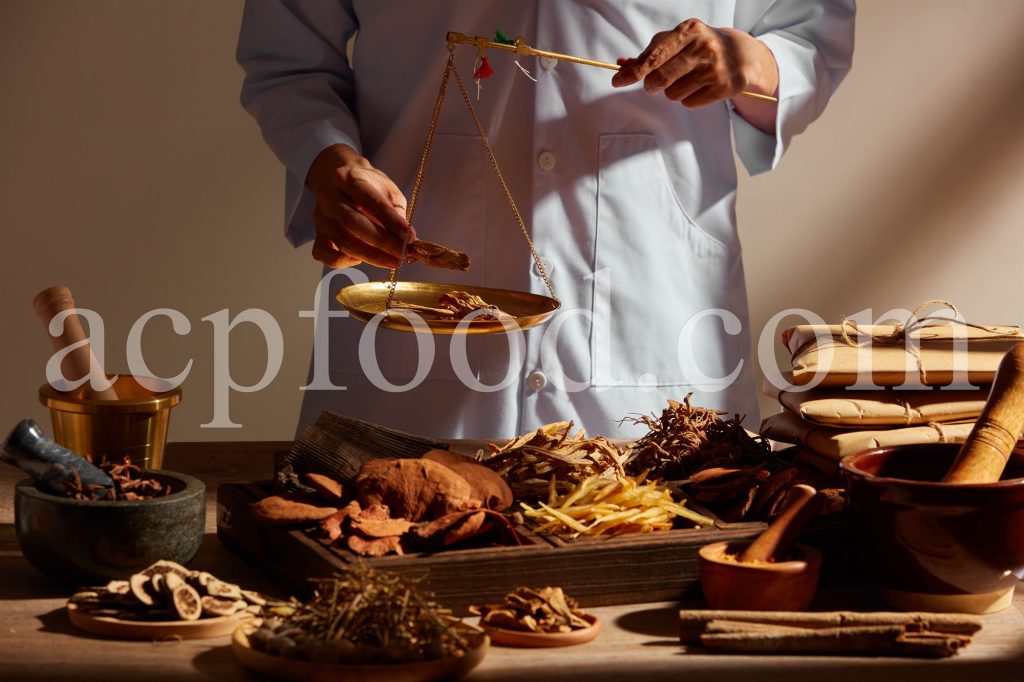
However, traditional medicine also requires careful consideration. Challenges such as the lack of standardized preparations, unreliable practitioners, the use of contaminated or counterfeit herbal and mineral products, and possible interactions with modern medications highlight the importance of obtaining natural products from trusted sources and seeking professional advice when necessary.
Today, traditional medicine continues to play an important role in many parts of the world. In some countries, especially in regions of Africa and Asia, it remains an important part of healthcare practices, particularly for prevention and as a complementary approach alongside modern medicine.
Persian Traditional Medicine
Iranian Traditional Medicine (ITM), also known as Persian Traditional Medicine, is one of the oldest medical systems in the world, with a history spanning thousands of years. Despite being described as “traditional,” this medical doctrine is based on centuries of observation, experience, philosophical principles, and practical knowledge developed by Persian physicians throughout history.
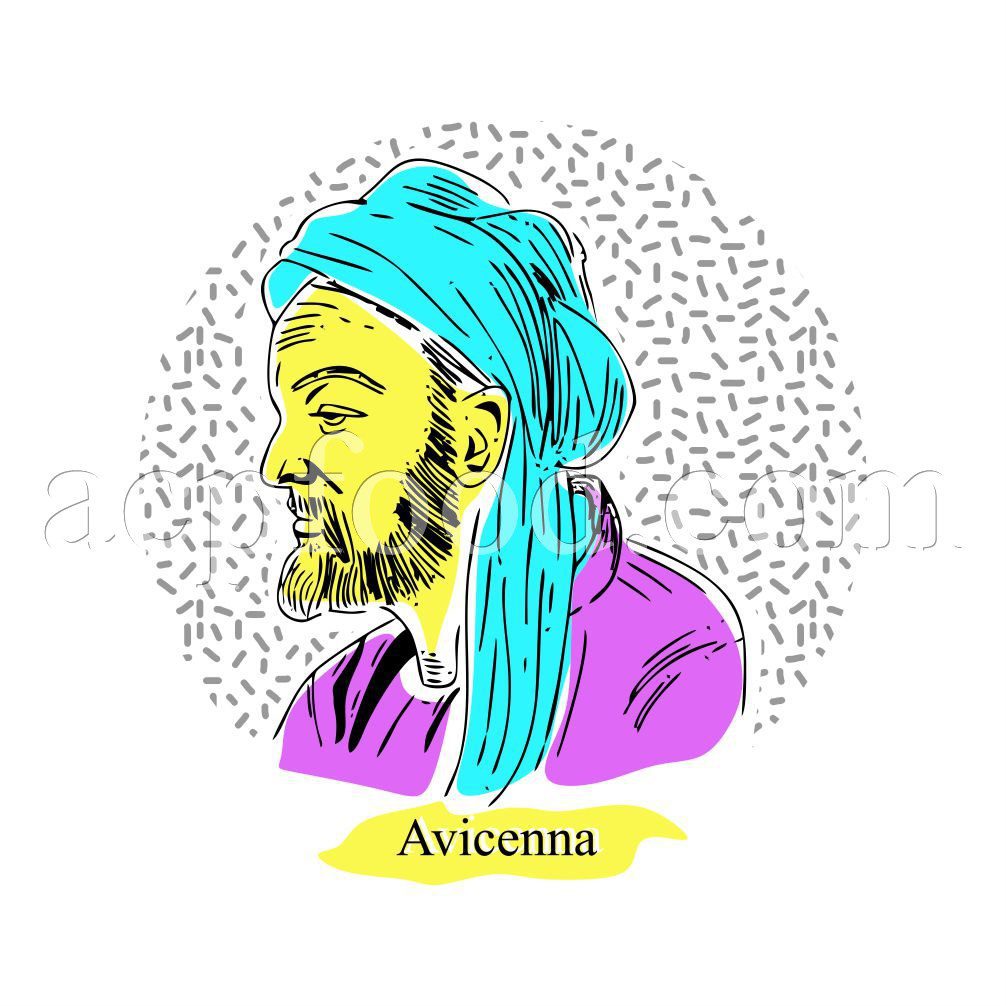
One of the fundamental principles of Iranian Traditional Medicine is that maintaining health is more important than treating illness. Instead of focusing only on diseases, ITM emphasizes the importance of prevention and presents lifestyle recommendations based on each individual’s characteristics, including their physical condition, environment, age, and habits. As Sheikh Al-Rais Abu Ali Sina (Avicenna) wrote in his famous work, The Canon of Medicine: “Medicine is the science by which the states of the human body are known in respect of what preserves health and removes it after it is lost.” Therefore, according to Persian medical philosophy, one of the primary responsibilities of a physician is to help preserve existing health.
Persian Traditional Medicine is considered a holistic medical system, meaning that the human body is viewed as an interconnected whole. To understand the causes of illness and choose an appropriate approach, practitioners traditionally consider various factors, including physical condition, genetics, lifestyle, emotional characteristics, age, geographical environment, and individual temperament. This comprehensive perspective aims to identify factors that may disturb the body’s natural balance.
In Persian Traditional Medicine, the first approach to improving health is traditionally based on lifestyle modification, especially correcting dietary habits. Nutrition plays a central role, as food is considered an important factor in maintaining balance and supporting the body’s natural functions. When necessary, traditional preparations and therapeutic practices such as medicinal herbs, massage, Hijama (cupping therapy), and other traditional methods may also be used as part of the treatment approach.
The use of medicinal preparations in Persian Traditional Medicine has traditionally been approached with great caution. Persian physicians emphasized using the simplest effective approach before moving toward more complex treatments. As Muhammad Ibn Zakariya al-Razi (Rhazes) advised: “As long as you can treat the patient by correcting the diet, do not use medicine; and as long as you can treat the patient with simple medicine, do not use combined medicine.”
This emphasis on prevention, personalized care, nutrition, and the careful use of natural resources remains one of the defining characteristics of Persian Traditional Medicine and continues to influence the study and use of medicinal plants today.
Traditional medicine represents the accumulated knowledge, experiences, and cultural heritage of civilizations that have sought to understand the connection between humans and nature for thousands of years. From ancient healing traditions around the world to the rich heritage of Persian Traditional Medicine, these systems have emphasized prevention, balance, healthy lifestyle choices, and the careful use of natural resources. Today, traditional medicine continues to inspire interest in medicinal plants, natural ingredients, and holistic approaches to well-being. At ACPFOOD, we value this remarkable heritage by providing high-quality medicinal herbs, dried flowers, seeds, resins, and other natural products, helping share the richness of Persian natural resources and traditional knowledge with customers around the world.
If you would like to learn more about our natural products and their traditional uses in Persian Traditional Medicine, please click here.