, ,

Bulk Dried Safflower Petals for Export

ACPFOOD offers bulk dried safflower petals for export to global B2B buyers. Through our trusted partner companies, we can efficiently ship customer orders from Canada, China, and Germany, ensuring fast and reliable delivery. Our high-quality safflower petals and seeds cater to wholesalers, herbal manufacturers, and spice distributors worldwide seeking consistent bulk supply.

Premium Quality Wholesale Safflower Petals and Seeds

  • Product Code:
    1. Safflower petals: FLO-009
    2. Safflower seeds: SEE-033
  • Minimum Order Quantity (MOQ): 300 kg

To order or get a quote, please push the below button:

Get A Quote!

High Quality Bulk Dried Safflower Petals for Export

Our bulk dried safflower petals for export are carefully selected and processed to meet the demands of wholesale safflower suppliers, bulk carthamus tinctorius exporters, and safflower seeds distributors. ACPFOOD delivers premium safflower petals and seeds to herbal product manufacturers, spice wholesalers, and international bulk buyers looking for consistent quality and competitive pricing.

Bulk dried safflower petals for export (Carthamus tinctorius L.) supplied by ACPFOOD are premium-quality, naturally dried, and carefully packed for global distribution. These vibrant red-orange petals are widely used in the food, cosmetic, nutraceutical, and pharmaceutical industries for their natural coloring properties and therapeutic value.

Our bulk dried safflower petals for export are wild-harvested and processed under strict quality control to preserve their carotenoids and flavonoids. This botanical ingredient is known for supporting skin health, anti-inflammatory applications, and cardiovascular well-being.

Whether you are a tea blend manufacturer, herbal supplement producer, or natural dye supplier, ACPFOOD ensures consistent purity, competitive pricing, and secure worldwide delivery options.

🚚 Delivery Options

🌍 Direct Export from Iran – Available worldwide
🇪🇺 European Union Customers: Delivered DDP from our warehouse in Heppenheim, Germany (MOQ: 500 Kg)
🇨🇦 Canada & 🇨🇳 China: Delivered DDP (MOQ: 500 Kg)
🇺🇸 USA Customers: Delivered DAP (MOQ: 1000 Kg)
🚢 Other Countries: CIF shipping available worldwide


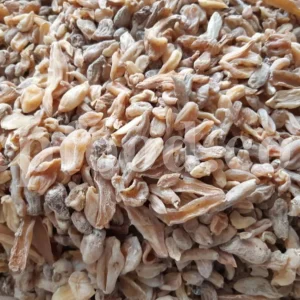
dried safflower petals ready for bulk sale
Bulk dried safflower petals for export and wholesale markets
Scientific Name: Carthamus tinctorius L.
Synonyms: Calcitrapa tinctoria (L.) Röhl., Carduus tinctorius (L.) Falk
English Name: Safflower
Other Names in English (UK, USA, Canada, South Africa, Australia, New Zealand): Bastard Saffron, Dyer’s Saffron
Family: Asteraceae


GENERAL DATA

Plant parts: Flowers, Seeds
Cultivation mode: Wild collection\Cultivated
In manufacturing: Pharmaceutical, oil, dyeing manufacturing, soap, shampoo, cosmetic, extract, livestock and poultry feed, weaving carpet.
In food: Tea, margarine.


🌸 Industries That Use Safflower Petals (Carthamus tinctorius L.)

Safflower petals, traditionally known as “False Saffron” or Golrang in Persian, are used across herbal, culinary, cosmetic, and textile industries. Below is a complete industry-specific breakdown.

🌸 What Are Safflower Petals?

Safflower (Carthamus tinctorius L.) is a flowering plant native to arid regions, particularly Iran, India, and the Middle East. While its seeds are pressed for oil, its vivid orange-red petals are prized for their coloring, medicinal, and aromatic properties.

Rich in flavonoids (especially carthamin), lignans, quinochalcones, and phenolic compounds, its petals are traditionally used as a blood tonic, menstruation regulator, and natural dye.

wholesale dried safflower petals in bulk quantity
Bulk dried safflower petals for export from trusted supplier

1. Pharmaceutical & Herbal Medicine Industry

In traditional and modern herbal systems:

  • Used to regulate menstrual cycles and support women’s reproductive health

  • Acts as a circulatory stimulant and mild blood thinner

  • Offers anti-inflammatory and analgesic benefits

  • Sometimes used in detox and cooling herbal formulations

✅ Found in tisanes, capsules, herbal decoctions, and women’s wellness blends

2. Nutraceutical & Functional Food Industry

These petals are used in:

  • Detox teas, cooling infusions, and digestive blends

  • Blended with Rose, Violet, and Borage in floral herbal teas

  • Used in anti-inflammatory elixirs and cardiovascular health formulas

✅ Known in Persian and East Asian medicine as a gentle heart and blood tonic

3. Food & Culinary Industry

While not as pungent as saffron, these petals offer visual and aromatic benefits:

  • Used as a saffron substitute in rice, stews, and pastries

  • Added to Persian spice mixes (Advieh) and herbal condiments

  • Employed for coloring herbal syrups, jams, and infused drinks

✅ Delivers a warm hue and mild floral aroma without altering taste significantly

4. Natural Dye & Textile Industry

Historically one of the world’s oldest textile dyes:

  • Produces yellow, orange, or red natural pigments for fabrics and yarns

  • Used in traditional Persian, Indian, and Japanese dyeing (e.g. safflower red for silk kimonos)

  • Sought after by artisans and eco-fashion designers for natural coloring

✅ Carthamin pigment is sensitive to pH and offers a range of warm hues

5. Cosmetic & Personal Care Industry

Thanks to its flavonoid and anti-inflammatory content, safflower petals are:

  • Used in soothing facial steams and toners

  • Infused into bath soaks, body oils, and handmade soaps

  • Sometimes found in natural blush powders and lip tints

✅ Traditionally believed to brighten complexion and support skin clarity

6. Cultural, Spiritual & Decorative Use

  • Used in Persian ceremonies, floral teas, and traditional cuisine

  • Popular in herbal potpourri and ritual cleansing blends

  • Used in flower-based artwork and seasonal decorations

Summary Table – Safflower Petals 🌸

Industry Common Uses
Pharmaceutical & Herbal Blood circulation, menstrual support, anti-inflammatory uses
Nutraceutical Detox teas, heart health, cooling blends
Culinary & Food Saffron substitute, spice blends, coloring herbal foods
Textile & Dyeing Natural fabric dyes in yellow-red tones
Cosmetic & Skincare Floral steams, bath soaks, soaps, herbal toners
Cultural & Decorative Ritual teas, crafts, ceremonies, floral art
🌱 Key Features:
  • Sun-dried safflower petals, sourced from traditional cultivars

  • Rich in carthamin, flavonoids, and mild aromatic compounds

  • Used across herbal, culinary, cosmetic, and textile industries

  • Traditional remedy for women’s wellness, skin clarity, and natural coloring


🌱 Industries That Use Safflower Seeds (Carthamus tinctorius L.)

Its seeds are valuable oilseeds used in food, health, and industrial applications. Below is an industry-focused breakdown of how different sectors benefit from this versatile botanical ingredient.

carthamus tinctorius seeds for bulk supply
Carthamus seeds supplied in bulk for international wholesale

🌱 What Are Safflower Seeds?

Safflower (Carthamus tinctorius L.) is a drought-tolerant, thistle-like plant traditionally cultivated for both its flowers and oil-rich seeds. The seeds, either white-hulled or black-hulled, are pressed for oil or consumed whole.

These seeds are particularly high in linoleic acid (omega-6) or oleic acid (omega-9)—depending on the cultivar. They are valued for their neutral taste, high smoke point, and health-promoting properties.

1. Food & Culinary Industry

Its oil extracted from the seeds is widely used as:

  • A neutral-tasting cooking oil with a high smoke point

  • An ingredient in salad dressings, mayonnaise, and margarines

  • A base oil for healthy frying and processed snack foods

  • Cold-pressed versions used in premium culinary oils

✅ Naturally cholesterol-free, with heart-healthy unsaturated fats

2. Nutraceutical & Functional Food Industry

High-linoleic safflower oil is used in:

  • Weight management supplements (CLA-rich formulations)

  • Cardiovascular support capsules for lowering LDL

  • Omega fatty acid blends promoting healthy skin and hair

  • Plant-based functional food formulations and powdered emulsions

✅ Often used in keto-friendly, vegan, and anti-inflammatory diets

3. Pharmaceutical & Herbal Medicine Industry

Its seed oil is used as:

  • A carrier oil in topical herbal and pharmaceutical preparations

  • Base for pain relief creams, ointments, and massage oils

  • Occasionally prescribed in traditional medicine for joint inflammation and menstrual pain

✅ Preferred for its non-comedogenic, quick-absorbing properties

4. Cosmetic & Personal Care Industry

In natural skincare formulations:

  • Used in moisturizing creams, lip balms, and anti-aging serums

  • Added to hair conditioners, scalp oils, and makeup removers

  • Rich in vitamin E and essential fatty acids that nourish dry or sensitive skin

✅ Popular in clean beauty, vegan skincare, and baby care products

5. Animal Feed Industry

Safflower seed meal (byproduct of oil extraction) is:

  • Used as protein-rich animal feed for cattle, poultry, and fish

  • Whole seeds included in bird food mixes, especially for cardinals and finches

  • Preferred due to low saturated fat and high digestibility

✅ An eco-friendly alternative in sustainable livestock systems

6. Industrial & Biofuel Applications

Its seed oil has emerging industrial uses:

  • In bio-lubricants and eco-friendly paints & coatings

  • Under research as a feedstock for biodiesel production

  • Applied in bioplastics and biodegradable product development

✅ Known for its light texture, oxidative stability, and sustainability

Summary Table – Safflower Seeds 🌱

Industry Common Uses
Food & Culinary Frying oil, salad dressings, margarine
Nutraceutical Heart health, weight support, omega supplements
Pharmaceutical & Herbal Carrier oil, topical pain relief, joint care
Cosmetic & Skincare Moisturizers, scalp oils, natural serums
Animal Feed Livestock meal, bird seed, poultry additives
Industrial & Biofuel Bio-lubricants, paints, biodiesel research
🌱 Key Features:
  • Cold-pressed or expeller-pressed seeds rich in unsaturated fatty acids

  • Available in high-linoleic or high-oleic varieties

  • Used in culinary oils, supplements, cosmetics, and animal nutrition

  • An eco-conscious crop with potential in bioindustry and clean energy

🌿 Safflower Petals vs. Safflower Seeds – Industry Use Comparison

Feature / Aspect 🌸 Safflower Petals 🌱 Safflower Seeds
Plant Part Dried flower petals (false saffron) Oil-rich seeds (white or black-hulled)
Primary Constituents Carthamin (natural dye), flavonoids, quinochalcones Linoleic/Oleic acid, vitamin E, sterols, CLA
Main Industries Herbal, Cosmetic, Culinary, Textile Food, Nutraceutical, Pharmaceutical, Industrial
Pharmaceutical Use Regulates menstruation, circulatory support, detox Carrier oil, joint care, topical anti-inflammatory
Nutraceutical Use Heart & liver detox teas, blood tonics Omega-rich supplements, CLA for weight & lipid health
Food Industry Natural coloring, saffron substitute in spice blends Cooking oil, frying oil, processed food ingredient
Cosmetic & Skincare Toners, bath soaks, floral creams Moisturizers, scalp oils, lip balms, baby lotions
Textile Industry Natural dye for fabric in yellow/red tones Not applicable
Animal Feed Use Rarely used Seed cake as livestock feed, bird food
Industrial Use Artisanal/cultural dye crafts Bio-lubricants, paints, biodiesel (in research)
Cultural & Traditional Use Persian teas, rituals, ceremonies Less traditional, more modern utility
Form Available Whole dried petals, crushed petals Whole seeds, cold-pressed oil, seed meal
Color & Aroma Bright orange-red, light floral aroma Pale to dark seeds, neutral or nutty taste
Shelf Life 1–2 years (store in dry, dark conditions) 1–2 years (oil may oxidize faster if exposed)
Summary:
  • Safflower Petals are primarily used for natural dyeing, herbal teas, and cosmetics, appreciated for their traditional medicinal roles and visual appeal.

  • Safflower Seeds serve as a modern agricultural commodity, widely applied in cooking oil, functional foods, supplements, and even biofuel research.

Both parts of the Carthamus tinctorius plant reflect its diverse utility—petals connecting to heritage and wellness, and seeds to innovation and industry.

PRODUCT NAME IN DIFFERENT LANGUAGES

Persian Name: گلرنگ، کافشه/ Golrang, Kafsheh
German Name (Deutschland, Austria, Switzerland): Färberdistel
French Name (France, Belgium, Switzerland, Quebec): Carthame des teinturiers, Faux safran, Safran bâtard

bulk safflower seeds for wholesale and export
Bulk safflower seeds for international distributors

HARVEST CALENDAR

Jan
Feb
Mar
Apr
May
Jun
Jul
Aug
Sep
Oct
Nov
Dec


To order Carthamus flower, please contact us.


farmer inspecting safflower plants in the field during harvest
Farmer carefully examining safflower flowers in the field during peak harvest time

About Carthamus Tinctorius

Safflower is a one-year plant whose height reaches sixty centimeters. The stem of Carthamus tinctorius is relatively thick and yellowish green with pink veins and its cross section is almost circular. The leaves are almost oval and sometimes have a tip, and they grow alternately without petioles. There are small blades on the side of these leaves. The veins of leaves are prominent and distinct on the back of the leaves.

The ends of the stems of the Dyer’s Saffron plant are spherical and sometimes cone-shaped, containing many smaller leaves. These domes grow inside each other. The flowers consist of a large number of narrow, relatively small, reddish-orange tubes that grow above these domes.

In the central part of the domes, there are usually seven to eight seeds, and at the end of each seed, numerous, thin and yellowish-white filaments can be seen. The seeds of Carthamus tinctorius are creamy white, shiny, often pyramidal with a quadrangular basal surface, slightly wide, and slightly elongated. The kernel of these seeds is oily.

The best seed is white, fresh, heavy and fully ripe.

To order Safflower seeds, please contact us.


Carthamus Tinctorius Chemical Constituents

7, 8-dimethylpyrazino [2, 3-g] quinazolin-2, 4-(1H, 3H) -dione, adenosine, adenine, uridine, thymine, uracil, roseoside, 4′-O-dihydrophaseic acid-beta-D-glucopyranoside methylester, 4-O-beta-D-glucopyranosyloxy-benzoic acid and p-hydroxybenzoic acid.


Safflower Temperament

Hot.

Carthamus tinctorius Health Benefits

Safflower Petals

  1. Brew and drink it. It is a stimulant, sudorific, tonic and laxative, it is emmenagogue and relieves menstrual pains, it is anti-inflammatory and tumor, it treats jaundice and paralysis, it improves the complexion, it opens the voice, it increases the sexual power and it is gastrointestinal tract bloating cathartic.
  2. Its soaked water is used to wash and disinfect the eyes.
  3. Pulverize it and mix it with yogurt and poultice it on the bladder. Relieves urinary retention.
  4. Pulverize it and mix it with vinegar and rub it on the skin every night. Removes vitiligo.

armer showing safflowers in his hand in safflower field
A safflower farmer displaying vibrant safflower blooms in the field.

Safflower seeds

  1. Eating Dyer’s Saffron removes bloating, brightens the complexion, strengthens the sexual power and increases sperm, is useful for treating polydipsia and coma and sudden paralysis caused by cerebral hemorrhage or apoplexy.
  2. Pour its kernel into mung bean pottage or chickpea pottage and eat it. Moderates the humors, raw phlegm and burnt humors cathartic.
  3. If you eat the seed sap, it is very useful for reducing phlegm fever.
  4. Pound 20 grams of it and squeeze the juice, then dissolve the brown sugar in it and eat. It is a laxative and useful for polydipsia.
  5. Take its juice and mix it with water in which Figs are soaked, then sweeten with sugar and honey and eat. Cleanses the chest, clears the voice, and is useful for treating most cold chest diseases.

Dried safflower petals used in food products
Carthamus petals add color and benefits to food products

Safflower Side Effects

It is harmful to the stomach, overeating it is not good, its extract or oil causes the milk to stop longer in body; Therefore, it should not be eaten with or after drinking milk.

Carthamus orange Modifier

Anise and sweets.


🌼 Nutrition Facts – Safflower Petals (Carthamus tinctorius L.)

Serving Size: 1.5 g (typical for tea or herbal infusion)
Calories: ~4 kcal

Nutrient Amount per 1.5g Per 100g
Total Fat 0.03 g 2.0 g
• Saturated Fat 0.005 g 0.3 g
Cholesterol 0 mg 0 mg
Sodium 0.6 mg 40 mg
Total Carbohydrate 0.9 g 60.0 g
• Dietary Fiber 0.2 g 12.0 g
• Natural Sugars 0.05 g 3.5 g
Protein 0.08 g 5.0 g

Phytochemical & Functional Profile (Per 100g):

Compound / Group Approx. Content Functional Role
Carthamin (red pigment) Present Natural coloring agent, antioxidant
Flavonoids (quercetin, kaempferol) Moderate Vascular support, anti-inflammatory
Phenolic acids Present Antioxidant, antimicrobial
Volatile oils Trace Mild aromatic and soothing effects
Tannins Low–moderate Astringent, digestive regulation

Vitamins & Minerals (Per 100g):

Micronutrient Approx. Content % DV (per 100g)
Vitamin C ~15 mg 25%
Calcium ~120 mg 12%
Magnesium ~75 mg 18%
Iron ~6.5 mg 36%
Potassium ~450 mg 13%

🌼 Safflower petals are traditionally used in Middle Eastern and Asian cultures as a coloring and flavoring agent—sometimes called “false saffron.” They also offer mild anti-inflammatory and circulatory support benefits when infused.

⚠️ Not a calorie-dense food. Used in teas, food coloring, and topical preparations. Avoid high intake during pregnancy.

Percent Daily Values are based on a 2,000-calorie diet. Composition may vary slightly depending on flower maturity and drying method.

🌱 Nutrition Facts – Safflower Seeds (Carthamus tinctorius L.)

Serving Size: 15 g (about 1 tablespoon, raw seeds)
Calories: ~84 kcal

Nutrient Amount per 15g Per 100g
Total Fat 7.1 g 47.0 g
• Saturated Fat 0.6 g 4.0 g
• Monounsaturated Fat 1.6 g 10.8 g
• Polyunsaturated Fat 4.7 g 31.5 g
Cholesterol 0 mg 0 mg
Sodium 0.9 mg 6 mg
Total Carbohydrate 2.4 g 16.0 g
• Dietary Fiber 1.3 g 8.5 g
• Natural Sugars 0.1 g 0.8 g
Protein 2.8 g 18.5 g

Vitamins & Minerals (Per 100g):

Micronutrient Approx. Content % DV (per 100g)
Vitamin E (α-tocopherol) ~34 mg 226%
Iron ~4.4 mg 25%
Magnesium ~330 mg 83%
Phosphorus ~655 mg 94%
Zinc ~1.7 mg 15%
Potassium ~685 mg 20%

Functional & Bioactive Components:

Compound / Group Approx. Content Functional Role
Linoleic acid (omega-6) High (~70%) Supports skin, hormones, cholesterol balance
Oleic acid (omega-9) Varies by cultivar Anti-inflammatory, heart health
Plant sterols Present Cholesterol-lowering, cell membrane support
Phenolic compounds Trace–moderate Antioxidant, metabolic health

🌻 Safflower seeds are a valuable source of healthy fats, vitamin E, and protein. Widely used in cold-pressed oils, herbal formulations, and animal feed. Suitable for roasting or milling into flour or powder.

⚠️ High in omega-6 fatty acids—balance with omega-3 sources. Not typically eaten raw in large amounts.

Percent Daily Values are based on a 2,000-calorie diet. Nutrient values may vary based on seed variety (oleic vs. linoleic types) and processing method.


Carthamus tinctorius petals for sale, please contact us.


Reviews

There are no reviews yet.

Be the first to review “Bulk Dried Safflower Petals for Export”

Your email address will not be published. Required fields are marked *

Videos

Research & Studies

Research & Studies on Safflower Petals (Carthamus tinctorius L.)

Safflower (Carthamus tinctorius L.) is a valuable aromatic and medicinal plant widely studied for its phytochemical richness, functional food potential, and industrial coloring applications. Its vivid red and yellow petals, often known as “false saffron,” are gaining attention among bulk safflower petals suppliers and safflower petal exporters worldwide for use in nutraceutical, cosmetic, and natural dye industries.

For international bulk buyers looking to buy safflower petals wholesale, these studies confirm the growing global demand for organic safflower petals for export in food, tea, and pharmaceutical markets.

Research and Applications by Region

🇬🇧 United Kingdom

Universities such as the University of Nottingham and University of Reading have conducted research on natural colorants and antioxidant-rich botanicals like Carthamus tinctorius for clean-label food production. Studies highlight the flower’s carthamin pigment as a sustainable alternative to synthetic dyes.
For instance, see Journal of Food Composition and Analysis (Elsevier): https://www.sciencedirect.com/journal/journal-of-food-composition-and-analysis

British herbal suppliers and natural extract producers increasingly partner with bulk safflower petals suppliers to produce wholesale natural safflower petals for herbal infusions and organic teas.

🇺🇸 United States

In the U.S., Carthamus tinctorius is studied at leading universities such as the University of California, Davis and Oregon State University for its dual purpose — as both a functional ingredient and a natural dye source.
One example is the USDA Agricultural Research Service study on safflower’s oil and pigment components: https://www.ars.usda.gov/

American nutraceutical and herbal tea brands increasingly source from premium safflower petals distributors and bulk dried safflower flowers for tea to meet clean-label trends in the natural health industry.

🇨🇦 Canada

Canadian researchers at the University of Saskatchewan and University of Manitoba focus on safflower’s potential as a source of bioactive compounds and natural coloring agents for food and health industries.
A notable study, Carthamus tinctorius L. as a Natural Colorant and Antioxidant Source, was published via Canadian Journal of Plant Science:
https://cdnsciencepub.com/journal/cjps

Canadian herbal importers and safflower petals bulk buyers often buy safflower petals wholesale for blending with chamomile, hibiscus, and other floral infusions.

🇦🇺 Australia

Australia’s RMIT University and University of Sydney have explored safflower’s phytochemical content and industrial applications. Safflower petals’ carthamin and carthamidin compounds have been tested as sustainable colorants for textiles and cosmetics (https://www.sciencedirect.com).
Australian natural product brands also import from organic safflower petals for export suppliers, supporting demand for wholesale safflower petals for food industry and herbal tea manufacturing.

🇳🇿 New Zealand

At the University of Otago, researchers have evaluated herbal coloring agents for natural beverages and dietary supplements, with safflower included as a promising antioxidant-rich botanical (https://www.otago.ac.nz).
New Zealand’s natural tea and wellness industries rely on bulk safflower petals suppliers to create premium safflower-based blends for export markets.

🇿🇦 South Africa

The University of Pretoria and Stellenbosch University have contributed research on sustainable natural colorant production from flowering plants like safflower.
South African manufacturers in the natural food coloring and cosmetics sectors work with safflower petal exporters worldwide to access dried Carthamus tinctorius petals for export used in herbal formulations and organic cosmetics.

Industrial and Functional Applications

Global industries employ Carthamus tinctorius petals in several ways:

  • Natural food colorant for beverages, confectionery, and sauces.

  • Tea and herbal infusion ingredient, using bulk dried safflower flowers for tea for mild flavor and natural coloring.

  • Cosmetic formulations as a botanical pigment and antioxidant additive.

  • Pharmaceuticals and nutraceuticals, where safflower extract supports heart health and anti-inflammatory effects.

For those seeking premium safflower petals distributors or to buy safflower petals wholesale, ACPFood supplies bulk dried safflower petals for export with full traceability and export certification.

Internal Links

Summary

The ongoing global research on Carthamus tinctorius continues to strengthen its reputation as a natural, functional, and eco-friendly botanical. Whether for organic safflower petals for export, wholesale natural safflower petals, or safflower petal exporters worldwide, this versatile plant remains a cornerstone ingredient in herbal, food, and cosmetic industries across Europe, North America, and Oceania.

Research & Studies on Safflower Seeds (Carthamus tinctorius L.)

Safflower seeds — the oil-rich seeds of Carthamus tinctorius L. — have been extensively researched across the world for their nutritional, industrial, and pharmaceutical applications. Rich in unsaturated fatty acids, particularly linoleic and oleic acids, safflower seeds are a cornerstone of global research in natural oil extraction, functional foods, and bio-based materials.
At ACPFOOD, we provide bulk safflower seeds for export, supporting industries across food, health, and cosmetics sectors worldwide.

Explore related categories on our website:
👉 Bulk Medicinal and Aromatic Seeds for Export
👉 Bulk Medicinal Herbs for Export and Wholesale Supply

United Kingdom

Universities in the UK have been instrumental in exploring the nutritional oil potential of safflower seeds and their role in cardiovascular health.

  • The University of Nottingham’s Division of Food Sciences studied safflower seed oil’s lipid-lowering properties in human diets.

  • Research from the University of Leeds examined safflower’s oxidative stability and its potential use as a natural cooking oil alternative.

  • Industrial processors in the UK food sector are increasingly sourcing bulk safflower seeds for export and local production of cold-pressed oils, supported by companies investing in organic safflower seeds for export and premium safflower oil seed exports.

United States

The U.S. agricultural and biochemistry sectors have produced a large body of research on safflower seed applications in nutraceuticals, biodiesel, and plant-based ingredients.

  • The U.S. Department of Agriculture (USDA) and North Dakota State University evaluated safflower cultivars for high oleic content in oil extraction (USDA Research Database).

  • A study at University of California, Davis, explored safflower seed meal’s use as a protein source in livestock feed (ScienceDirect link).

  • U.S. industries are among the top bulk safflower seed distributors, exporting to Europe and Asia for both edible and industrial oil production.

Canada

In Canada, safflower research has focused on cold-climate adaptability and high-value oil production for the health food market.

Australia

Australia’s dryland farming systems have adopted safflower as a climate-resilient oilseed crop, backed by extensive research.

  • CSIRO (Commonwealth Scientific and Industrial Research Organisation) has developed safflower seed varieties with enhanced industrial oil composition for bioplastics and lubricants.

  • Charles Sturt University studied the agronomic benefits of safflower seed rotation in arid soil systems, improving nitrogen balance and sustainability.

  • Many Australian firms now buy safflower seeds in bulk to produce cold-pressed, high-oleic safflower oil for export.

New Zealand

In New Zealand, safflower seed research centers on its use in functional foods and cosmetics.

  • The University of Otago examined safflower oil’s role in human metabolism and its effect on blood lipid regulation.

  • Companies in the natural products sector, including herbal supplement manufacturers, are key organic safflower seeds suppliers, utilizing bulk aromatic and oil seeds for export to Europe and Asia.

South Africa

South African agricultural institutions are expanding safflower seed production for biofuel and edible oil markets.

  • University of Pretoria and the Agricultural Research Council (ARC) studied safflower’s potential as a renewable oil source in local biodiesel industries (ScienceDirect: Industrial Crops & Products).

  • The country’s growing network of premium safflower oil seed exporters and wholesale edible safflower seed suppliers demonstrates its potential as a hub for sustainable seed exports.

Industrial & Commercial Outlook

The growing global interest in safflower seeds positions them as a vital resource for:

  • Functional food and nutraceutical companies seeking high-linoleic oils.

  • Cosmetic and skincare manufacturers using safflower oil for its emollient and antioxidant properties.

  • Biofuel and green chemical industries relying on high-yield safflower oil for renewable applications.

At ACPFOOD, we work with bulk safflower seed distributors, organic safflower seeds suppliers, and premium exporters to ensure consistent quality and purity in every shipment of bulk safflower seeds for export.

Explore Related Bulk Categories

Pin It on Pinterest

Share This
×