
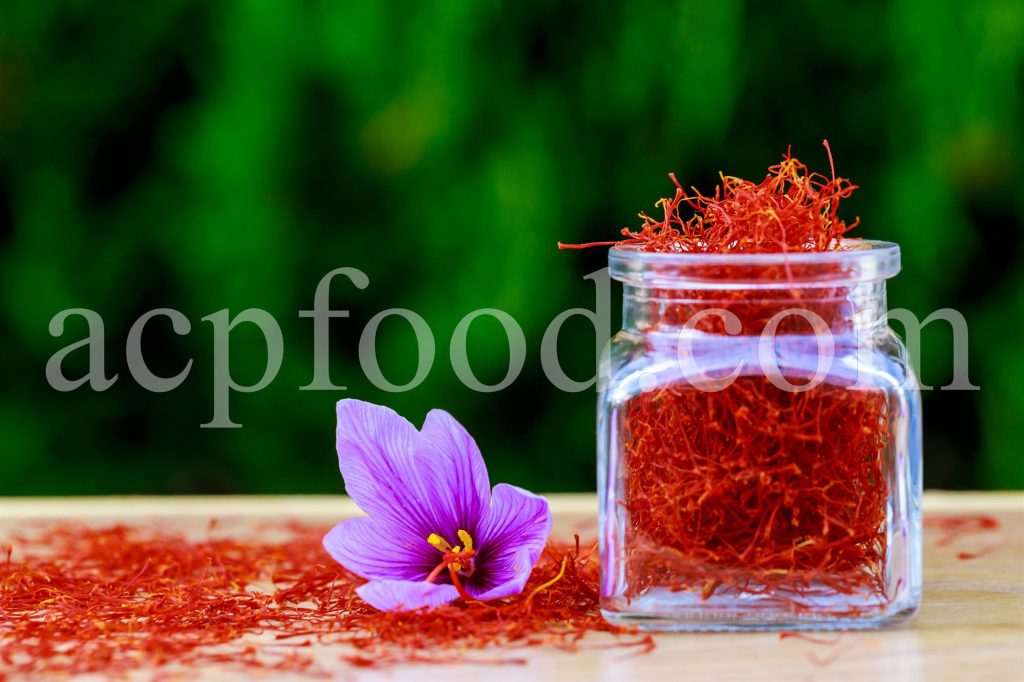
How to identify real saffron is one of the most common questions our customers ask. Often referred to as “red gold,” saffron is one of the world’s most valuable spices due to its labor-intensive harvesting process, exceptional quality, and remarkable culinary and medicinal properties. Its high market value has unfortunately encouraged some dishonest sellers to adulterate saffron or produce counterfeit products, making it difficult for consumers to distinguish genuine saffron from fake alternatives.
Today, laboratories can accurately determine the purity and quality of saffron through scientific testing. However, for most consumers, identifying authentic saffron is not always easy. Counterfeit saffron is created in many different ways—not only by mixing saffron with similar-looking plant materials, but also by increasing its weight with substances such as honey, sugar, salt, oils, or other additives to generate greater profits.
At ACPFOOD, we are committed to supplying premium-quality saffron and helping our customers make informed purchasing decisions. In this article, you will learn how to identify real saffron using simple and practical methods that can help you recognize genuine saffron and avoid counterfeit products with confidence.
Table of Contents
Toggle1. Real Saffron Releases Its Color Slowly
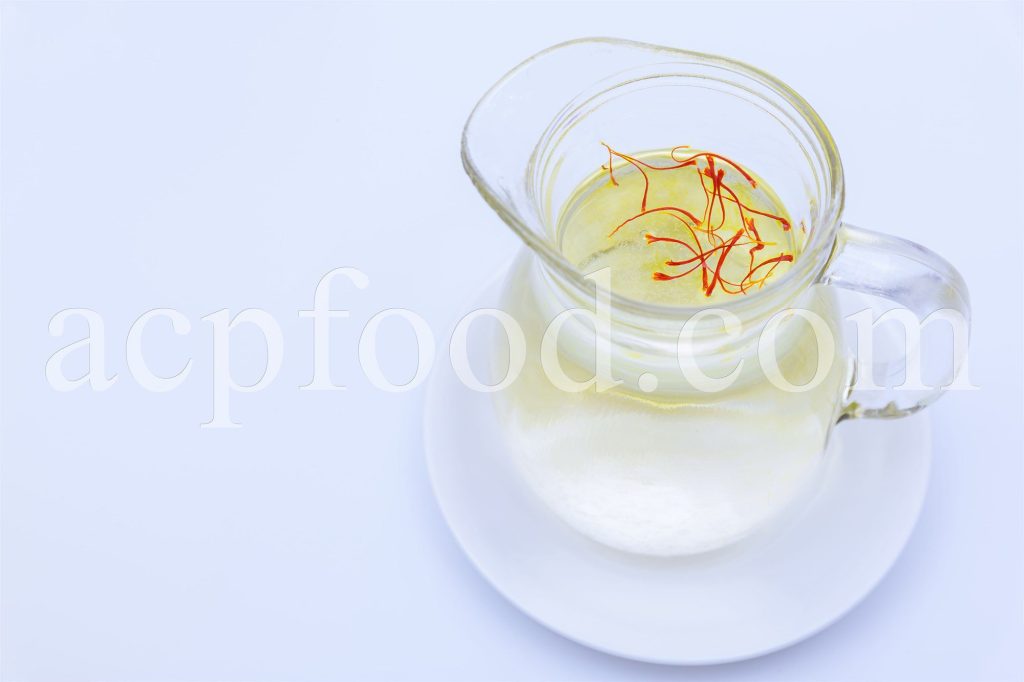
One of the simplest ways to learn how to identify real saffron is by observing how it releases its color in water.
If you pour ink into a glass of water, you will notice that it spreads quickly and colors the water almost instantly. Similarly, if artificial color or essential oil has been added to saffron to improve its appearance, the color will spread rapidly when placed in water. In contrast, genuine saffron releases its color much more slowly, especially in cold water.
Real saffron gradually produces a clear, golden-orange color in the water. A deep red color appearing immediately is not a good sign and may indicate the presence of artificial dyes. These chemicals are sometimes used to enhance the appearance of saffron and may be harmful to your health.
2. Identify Real Saffron Using Hot Water
Another simple way to learn how to identify real saffron is by testing it in hot water. Place a small amount of saffron in hot water (not boiling water) and wait for about 5 minutes. If the saffron threads retain their red color and do not turn white, it is a good indication that the saffron is genuine. However, if the threads quickly lose their color and turn white, it may indicate that artificial dyes have been used.
3. Real Saffron Should Not Feel Oily
Another useful way to learn how to identify real saffron is to check whether it contains added oil. Some dishonest sellers spray saffron with saltwater or oily substances to increase its weight and make a greater profit. To test for this, place a few saffron threads on a piece of white paper and gently press them with your finger for a few seconds. If oily stains appear on the paper, the saffron may have been adulterated.
Another simple test is to bring some water to a boil, pour it into a clean glass, add a few saffron threads, and cover the glass with a lid. After about 10 minutes, check the surface of the water. If you notice a layer of oil floating on top, the saffron should be considered suspicious and may not be pure.
4. Test Saffron with Baking Soda
Another simple method for how to identify real saffron is to use baking soda. Add a small amount of saffron and a pinch of baking soda to a cup of water. If the mixture turns yellow, it is a good indication that the saffron is genuine. However, if the liquid turns red or another unusual color, it may indicate that the saffron is counterfeit or has been adulterated with artificial coloring.
5. Check the Natural Color of Saffron
The color of saffron is another important factor in how to identify real saffron. Genuine saffron has a deep, natural red color and does not appear bright, glossy, or artificially shiny. If you notice saffron threads with an unusually sparkling or vivid appearance, you should be cautious, as this may indicate the use of artificial coloring or other treatments.
6. Test Saffron in Cold Water
Testing saffron in cold water is another practical method for how to identify real saffron. Place a few saffron threads in cold water and wait for a few minutes. Then, take the threads between your fingers and gently rub them together for a few seconds. Fake saffron or dyed materials may quickly break apart and turn into powder. However, genuine saffron threads maintain their structure and do not easily disintegrate.
7. Identify Real Saffron by Its Taste
The taste of saffron is another useful factor in how to identify real saffron. Saffron contains a natural compound called picrocrocin, which is responsible for its characteristic taste and gives it a slightly bitter flavor. Pure saffron has a bitter, slightly astringent, and sharp taste, and it should never taste sweet. If saffron has a sweet taste, it may indicate that substances such as honey have been added to increase its weight.
8. Identify Real Saffron by Its Shape
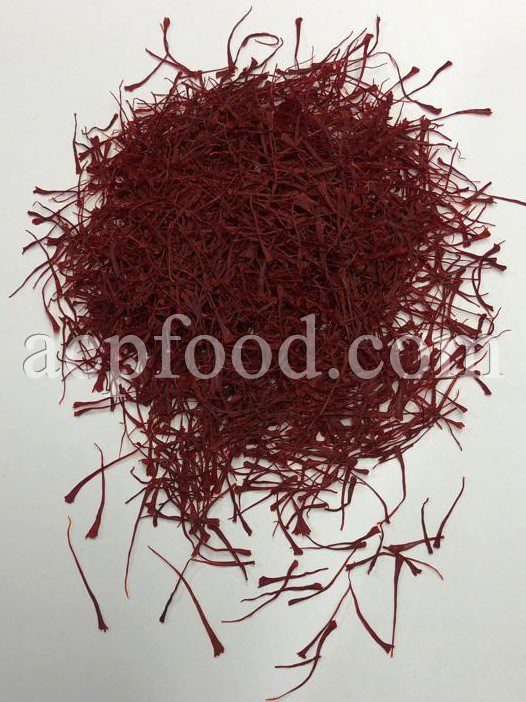
The shape of saffron threads is another useful clue for how to identify real saffron. Genuine saffron threads usually have a thicker, trumpet-like tip that gradually becomes thinner toward the end. They also have a naturally curved shape rather than appearing completely straight.
In contrast, corn silk, which is sometimes dyed and sold as a substitute for saffron, is usually thin, straight, and uniform in thickness from one end to the other. Examining the shape and structure of saffron threads can help you distinguish authentic saffron from common imitations.
9. Petrol Does Not Dissolve Real Saffron
The final method for how to identify real saffron is to test its reaction with petrol. Genuine saffron does not dissolve in petrol. To perform this test, place a few saffron threads in petrol and observe the color of the liquid. If the petrol becomes colored, it may indicate that the saffron contains artificial dyes and is not genuine.
Note: It is best to avoid purchasing saffron powder whenever possible. Ground saffron is easier to adulterate because it can be mixed with other substances, and detecting such fraud usually requires laboratory testing.
Conclusion
Choosing genuine saffron is essential to enjoy its authentic aroma, flavor, color, and natural properties. Although counterfeit saffron can be difficult to recognize, simple methods such as checking its color release, shape, taste, and reaction with water can help you make a more informed choice. Learning how to identify real saffron allows you to avoid low-quality or adulterated products and ensures that you receive the true value of this precious spice. At ACPFOOD, we are committed to providing high-quality saffron and other natural products sourced with care to meet the expectations of customers worldwide.