
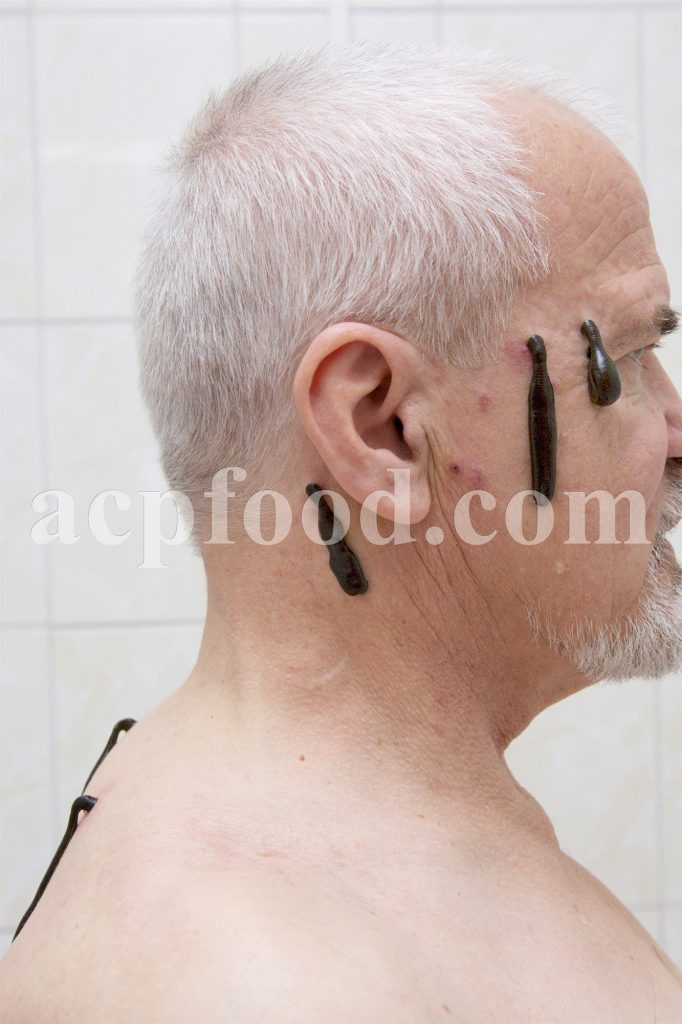
Leech Therapy, also known as Hirudo Therapy, is a traditional therapeutic practice that has been used in various medical traditions for centuries. The use of medicinal leeches has a particularly long history in the Middle East and has also played an important role in the history of Persian Traditional Medicine. At ACPFOOD, we explore the historical role of Leech Therapy in Persian Traditional Medicine, including how traditional physicians described the use of medicinal leeches and their applications in traditional healthcare practices.
The use of leeches was discussed by several prominent physicians and scholars of Persian medicine, including Avicenna and Jorjani, who described their properties and traditional applications in their medical writings. Traditional sources also paid attention to the characteristics of medicinal leeches, the appropriate methods of applying them, and the care required after treatment. Today, Leech Therapy continues to be discussed as a traditional practice, while modern research has also investigated certain biological substances found in leech saliva and their potential effects on the body.
Table of Contents
ToggleHistory of Leech Therapy
Leech Therapy has been used as a traditional medical practice for more than 2,500 years in regions including India, Greece, Rome, and Persia, and its use later spread to Europe. During the 19th century, medicinal leeches were widely used in traditional medical practice for a variety of health complaints, including different types of pain, headaches, fever, infected wounds, boils, abscesses, swellings, and hemorrhoids.
To date, zoologists have identified approximately 650 species of leeches, although only a relatively small number feed on the blood of mammals. Some species of leeches can be harmful or pathogenic, while certain species have been used for medicinal purposes because of the biologically active substances found in their saliva.
One of the best-known substances in leech saliva is hirudin, a naturally occurring anticoagulant that interferes with blood clotting. Leech saliva also contains numerous other biologically active compounds, and researchers have identified a wide range of substances that may affect processes such as blood coagulation, inflammation, and local circulation. These properties have contributed to continued interest in medicinal leeches in both traditional medicine and modern medical research.
Today, medicinal leeches are used in certain specialized medical settings, particularly in procedures where improving local venous blood flow and preventing congestion can be important, such as after some reconstructive surgeries and skin grafts. Their use in modern medicine is more specific and controlled than the broad range of applications historically attributed to Leech Therapy.
Leeches have also been commercially cultivated and traded in several countries, including Russia and England, contributing to the development of a specialized medicinal-leech industry. In Persian Traditional Medicine, the use of medicinal leeches has a long history, and traditional physicians described Leech Therapy as a method used for a wide range of health conditions and therapeutic purposes.
Iranian Sages’ Point of View About Leech Therapy
Seyyed Esmaeil Jorjani
In the third volume of Zakhireh Khwarazmshahi, also known as The Treasure of King Khwarazm, Seyyed Esmaeil Jorjani described the use of medicinal leeches and their therapeutic role in traditional medicine. He considered Leech Therapy particularly beneficial for certain skin conditions. According to his traditional medical approach, the body should first be prepared through methods such as the use of laxatives and bloodletting before Leech Therapy is performed.
Ibn Sina (Avicenna)
In The Canon of Medicine, Avicenna discussed the characteristics and traditional uses of medicinal leeches. He stated that leeches were capable of drawing blood from deeper areas of the body and considered them more effective for this purpose than hijama (wet cupping).
Avicenna also recorded descriptions attributed to Indian physicians concerning potentially poisonous leeches. According to these traditional descriptions, leeches with a large head, dark-green coloration, fine and soft hairs, and an appearance resembling an eel were considered potentially poisonous.
Traditional sources further advised against using leeches collected from black, muddy waters. Instead, leeches collected from moss-covered or cleaner waters were considered more suitable for medicinal use. These descriptions reflect the historical understanding of medicinal leeches in the medical literature of the time.
Karim Khan Kermani
In his book Javame al-Alaj, Karim Khan Kermani described Leech Therapy as an alternative to wet hijama (wet cupping). According to his traditional medical perspective, medicinal leeches could draw out impurities from the blood. He stated that Leech Therapy should be performed only after the body had been cleansed of what traditional medicine described as “rotten humors,” as he believed that otherwise the treatment might draw these unwanted substances toward the treated organ.
Kermani also described situations in which Leech Therapy could be used on areas of the body where cupping or hijama might be difficult or unsuitable. According to his writings, swelling or the formation of foam in the blood during cupping could sometimes interfere with blood removal, whereas he believed this would not occur in the same way during leeching. He further noted that Leech Therapy could be applied to certain areas where hijama was traditionally avoided because of the scars that might remain after the procedure.
Regarding the selection of medicinal leeches, Kermani considered the following characteristics desirable: a shape resembling a mouse’s tail, a small head, a red belly, and a green back, sometimes with a yellow, orange, or liver-colored line along the back. Leeches found in clean or pure water were also considered preferable.
In contrast, Kermani advised avoiding leeches described as dark blue or azure in color, excessively hairy or fluffy, or found in sewage or contaminated water, as these were traditionally considered poisonous.
According to Kermani’s writings, Leech Therapy was also not recommended for children under two years of age or for older adults over 60 years of age. These age-related recommendations reflect the traditional medical practices and beliefs described in his work and should be understood within their historical context.
Suitable Leeches
According to descriptions found in traditional medical sources, certain physical characteristics were considered desirable when selecting leeches for medicinal use. The leeches traditionally regarded as suitable included:
- Leeches with an olive-green color and two golden-yellow lines running along their backs.
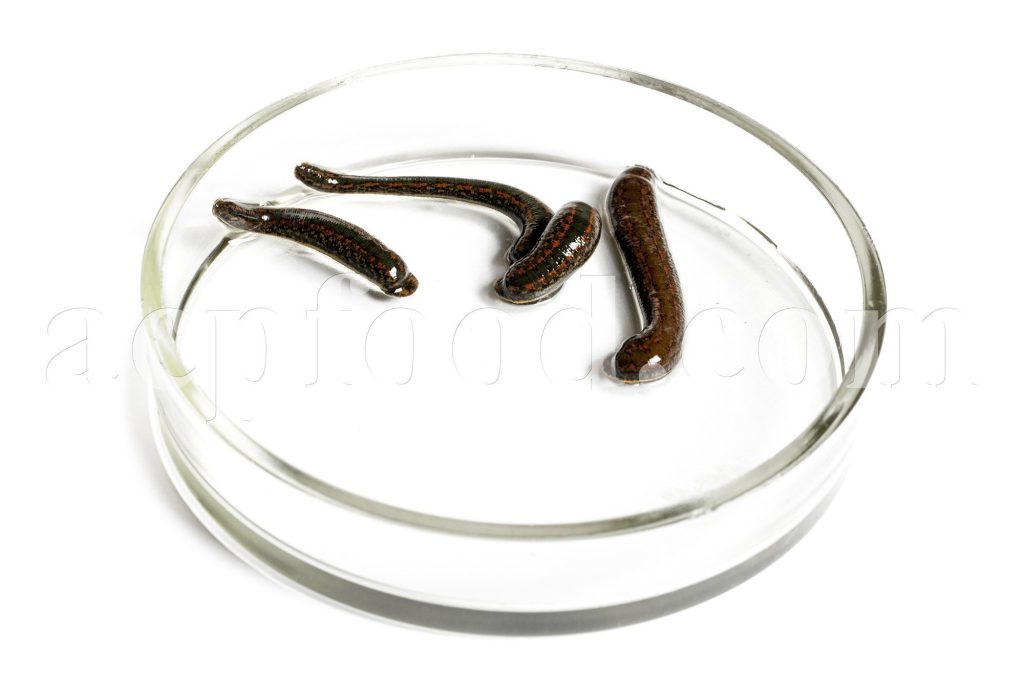
- Red-yellow leeches.
- Liver-colored leeches.
- Leeches resembling tiny grasshoppers.
- Leeches resembling mouse tails.
- Narrow leeches with small heads.
- Red-bellied leeches, which were traditionally considered preferable to green-backed leeches.
Medicinal Properties of Leech Saliva
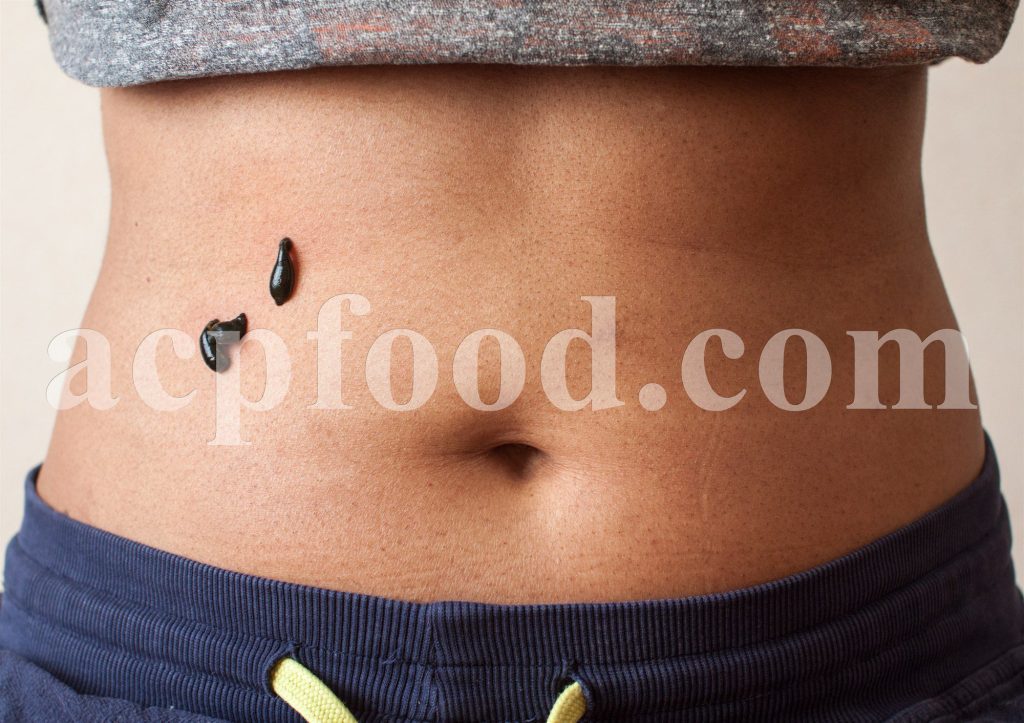
The medicinal leech, commonly known as Hirudo medicinalis, is a blood-feeding annelid that has been used in traditional medicine for centuries. Adult medicinal leeches are generally around several centimeters in length, although their size can vary considerably depending on their state of feeding and other conditions. Today, medicinal leeches may be raised under controlled conditions in specialized facilities to ensure appropriate hygiene and quality for medical use.
One of the most important characteristics of medicinal leeches is the complex mixture of biologically active substances found in their saliva. During feeding, these substances enter the bite site and can influence blood coagulation, blood-vessel tone, inflammation, and local blood flow. Some of the best-known components include hirudin, hyaluronidase, eglins, and bdellins.
The main properties traditionally and scientifically associated with substances in medicinal leech saliva include:
- Local anesthetic effect:
Substances in leech saliva can reduce the sensation associated with the bite and may help make feeding relatively painless. This effect is not primarily attributed to hirudin; rather, several salivary components are believed to contribute to the reduced sensation at the bite site. - Vasodilatory effect:
Leech saliva contains substances that can promote the dilation of local blood vessels and increase blood flow to the treated area. Histamine-like activity and other vasoactive components have been investigated in connection with this effect. Anticoagulant effect:
One of the best-known components of leech saliva is hirudin, a potent and specific inhibitor of thrombin. By interfering with thrombin activity, hirudin reduces the formation of fibrin and therefore inhibits blood clotting. This anticoagulant effect is one of the principal reasons medicinal leeches have applications in certain modern medical procedures.Leech saliva also contains hyaluronidase, an enzyme that can increase tissue permeability by breaking down hyaluronic acid in the extracellular matrix. This allows other salivary substances to spread more easily through the surrounding tissues. Although hyaluronidase has several biological effects, claims that it directly treats conditions such as glaucoma should not be presented as an established medical use.
Protease-inhibiting properties:
Leech saliva contains several proteins that can inhibit proteolytic enzymes. Among the best-known are hirudin, bdellins, and eglins.Hirudin: Hirudin is a highly specific inhibitor of thrombin and plays an important role in preventing blood from clotting at the leech’s feeding site. Recombinant forms of hirudin and related thrombin inhibitors have also been developed for medical and pharmaceutical applications.
Bdellins: Bdellins are protease inhibitors that can inhibit enzymes such as trypsin and plasmin. Their biological activity has been investigated because of their potential role in regulating proteolytic and inflammatory processes.
Eglins: Eglins are small protease inhibitors that can inhibit enzymes including elastase, cathepsin, and chymotrypsin. Their anti-inflammatory properties have been investigated experimentally, although claims regarding their effectiveness in treating specific diseases should be distinguished from established clinical applications.
Antimicrobial properties:
Medicinal leech saliva and the microorganisms associated with the leech have also attracted scientific interest because of their antimicrobial activity. The leech’s digestive tract contains bacteria, including species of Aeromonas, which have a symbiotic relationship with the leech and help it digest its blood meal. However, the presence of these bacteria also means that medicinal leech therapy requires strict hygiene and appropriate medical supervision.Various antimicrobial substances have been identified or investigated in leech saliva and tissues. Their potential activity against different microorganisms is an area of ongoing research, but claims that medicinal leeches can directly treat diseases such as tuberculosis, dysentery, diphtheria, or staphylococcal infections should not be presented as established clinical treatments.
In addition to these well-known substances, medicinal leech saliva contains numerous other biologically active proteins, peptides, and enzymes. Together, these compounds give leech saliva a complex biological profile and help explain why medicinal leeches have attracted interest in both traditional medicine and modern biomedical research.
Enzymes and Bioactive Substances Present in Leech Saliva
Medicinal leech saliva contains a complex mixture of enzymes, proteins, peptides, and other biologically active substances. These compounds can affect blood coagulation, platelet aggregation, local blood flow, inflammation, and other physiological processes. Some of the best-known components include:
- Hirudin:
Hirudin is a potent natural anticoagulant and a specific inhibitor of thrombin. By inhibiting thrombin, it interferes with the blood-clotting process and helps keep blood flowing at the leech’s feeding site. - Bdellins:
Bdellins are protease inhibitors that can inhibit enzymes such as trypsin, chymotrypsin, and plasmin. Their activity has been investigated in relation to proteolytic and inflammatory processes in tissues. - Apyrase:
Apyrase is an enzyme that breaks down extracellular nucleotides such as ATP and ADP. Because ADP plays an important role in platelet activation and aggregation, apyrase activity can help reduce platelet aggregation and support continued blood flow at the feeding site. - Eglins:
Eglins are small protease inhibitors with anti-inflammatory activity. They can inhibit several proteolytic enzymes, including elastase and cathepsin G. Their antioxidant and free-radical-related effects have also been investigated, although these effects should not be interpreted as established clinical treatments. - Destabilase:
Destabilase is a protein associated with medicinal leech saliva that has both fibrinolytic and thrombolytic-related activity. It has been studied for its ability to interfere with fibrin and blood-clot formation and may contribute to maintaining blood flow after the leech attaches to the skin. - Hyaluronidase:
Hyaluronidase is an enzyme that breaks down hyaluronic acid in the extracellular matrix. It is sometimes described as a “spreading factor” because it can increase tissue permeability and facilitate the movement of other substances through surrounding tissues. Medicinal leech saliva also contains substances with antimicrobial activity, although hyaluronidase itself should not simply be described as an antibiotic. - Lipases and Esterases:
Leech saliva contains lipolytic enzymes, including lipases and esterases, which participate in the breakdown of lipids and other ester-containing compounds. Their precise biological role during medicinal leech feeding continues to be investigated. - Anesthetic Substances:
When a medicinal leech bites the skin, the bite is often described as relatively painless. The saliva contains substances that can reduce sensation at the bite site. The bite typically produces a small Y-shaped wound, and some people may experience a cool or unusual sensation in the area. - Anti-elastase Substances:
Leech saliva contains substances capable of inhibiting elastase and other proteolytic enzymes. Since elastase can break down elastin and other proteins, these inhibitors have attracted interest for their potential role in regulating tissue and inflammatory processes. - Vasodilatory Substances:
Medicinal leech saliva contains several substances that can influence local blood-vessel dilation and blood flow. Some of these effects have been associated with histamine-like or other vasoactive activity. As a result, the area around the bite may become red and show increased local blood flow shortly after the leech attaches. - Nitric Oxide Synthase:
Nitric oxide synthase (NOS) is an enzyme involved in the production of nitric oxide, an important signaling molecule that regulates blood-vessel tone and other physiological processes. Nitric oxide-related mechanisms have been investigated in medicinal leeches, including their possible role in vascular and nerve-related processes. However, claims that leech-derived nitric oxide synthase directly repairs damaged nerves should be considered experimental rather than established medical effects.
Together, these enzymes and bioactive substances give medicinal leech saliva a complex biological profile. Their anticoagulant, antiplatelet, vasodilatory, protease-inhibiting, and other biological activities are among the main reasons medicinal leeches have attracted attention in both traditional medicine and modern biomedical research.
Important Recommendations Before Leech Therapy
Traditional medical sources describe a number of recommendations regarding preparation for Leech Therapy. These recommendations may vary among practitioners and should be understood within the context of Persian Traditional Medicine. Because Leech Therapy involves blood removal and prolonged bleeding, modern medical considerations and professional supervision are also important.
- According to some traditional practitioners, the timing, location, and dietary recommendations used for cupping, hijama, and bloodletting may also be applied to Leech Therapy.
- People taking anticoagulant or antiplatelet medicines, such as warfarin, aspirin (ASA), dipyridamole, or clopidogrel, should inform their physician and the practitioner before Leech Therapy. These medicines can increase bleeding risk and should never be stopped or changed without specific instructions from the prescribing physician. The same consideration applies to certain painkillers and other medicines that may affect blood clotting.
- According to traditional practice, the hair around the treatment area may be removed beforehand to make it easier to place and remove the leech and to keep the area clean.
- Some traditional sources recommend avoiding sexual intercourse for approximately 24 hours before Leech Therapy.
- The treatment area should be clean and free from perfumes, scented products, and strongly fragranced detergents. Washing the area with water and a mild, unscented soap is generally preferable.
- Because bleeding may continue for some time after a medicinal leech has been removed, strenuous physical activity should be avoided immediately after treatment. Traditional practitioners may recommend resting for several hours, particularly when multiple leeches have been used or when the patient feels weak or light-headed.
- Some traditional practitioners recommend preparing the body before Leech Therapy through methods such as dietary measures, herbal preparations, cupping, hijama, or bloodletting. These recommendations belong to the traditional framework of treatment and should not be interpreted as a medically necessary “cleansing” process.
- According to some traditional dietary recommendations, foods considered to have a cold temperament—such as dairy products, eggs, rice, cucumber, lettuce, kiwi, tomatoes, pasta, and barley—should be avoided for several hours before treatment. These recommendations are based on the concepts of Persian Traditional Medicine rather than modern nutritional science.
- Some traditional practitioners recommend pomegranate paste, pomegranate juice mixed with rose water, laxative preparations, or selected herbal remedies before Leech Therapy. Such recommendations should be individualized, particularly because herbal products and laxatives can interact with medicines or affect hydration and electrolyte balance.
- Excessive hunger, overeating, and inadequate sleep are traditionally considered undesirable conditions before Leech Therapy.
- Traditional practitioners may advise women to avoid Leech Therapy during pregnancy or menstruation. In particular, pregnancy requires consultation with a qualified healthcare professional before any procedure involving blood loss.
- Long, very hot baths, saunas, and jacuzzis are traditionally discouraged immediately before and after Leech Therapy because heat may increase blood flow and potentially worsen bleeding or dizziness.
- Physical and mental relaxation is traditionally encouraged during treatment. People who experience significant anxiety, fear, stress, or excitement should inform the practitioner beforehand.
- If dryness or bitterness of the mouth occurs, some traditional sources recommend consuming a small amount of pomegranate paste or plum paste.
- Leech Therapy should generally be postponed if a person is experiencing diarrhea, excessive urination, heavy sweating, vomiting, dehydration, or another condition that may contribute to weakness or fluid loss.
- Some traditional medicine practitioners set age limits for Leech Therapy and avoid using it in children younger than two years or adults over 60. Other practitioners do not follow these limits. In modern practice, suitability should instead be determined according to the individual’s age, health status, bleeding risk, and the specific reason for treatment.
- Traditional sources recommend keeping medicinal leeches in clean water before use and changing the water regularly. In modern medicinal use, however, leeches should come from an appropriate controlled and hygienic source rather than being collected or prepared casually.
- A leech should not be intentionally placed directly over a visible vein. Leech Therapy should also be avoided over areas with active infection, open wounds, severe swelling, or skin that is unusually pale or cold.
- For areas with thin skin, such as the face, smaller leeches are traditionally preferred over large ones.
- People with anemia require particular caution because Leech Therapy involves blood loss. The number and size of leeches should be determined by a qualified practitioner after considering the person’s hemoglobin level and overall health.
- Using a large number of leeches during a single session may increase blood loss and the risk of weakness or other complications. The number of leeches should therefore be determined according to the individual and the treatment area rather than using a fixed number for everyone.
- During Leech Therapy, it is preferable for the patient to remain seated or, if weakness or dizziness develops, to lie down safely. Raising the legs may be helpful when appropriate for someone who feels faint. Persistent or severe weakness, fainting, heavy bleeding, difficulty breathing, or other concerning symptoms require prompt medical attention rather than relying solely on traditional remedies.
- Some traditional practitioners recommend honey, rose water, or pussy willow drinks when weakness occurs after treatment. These are traditional supportive measures and should not replace appropriate assessment when significant weakness or prolonged bleeding occurs.
Important Recommendations After Leech Therapy
Traditional medical sources describe various recommendations for caring for the body after Leech Therapy. Some of these recommendations relate to diet, rest, and the traditional concepts of temperament, while modern medical care focuses particularly on controlling bleeding, maintaining wound hygiene, and preventing infection.
- According to some traditional practitioners, the treated area should be kept dry and protected from direct contact with water for a period after treatment. However, the exact duration should follow the instructions of the practitioner or healthcare professional who performed the procedure.
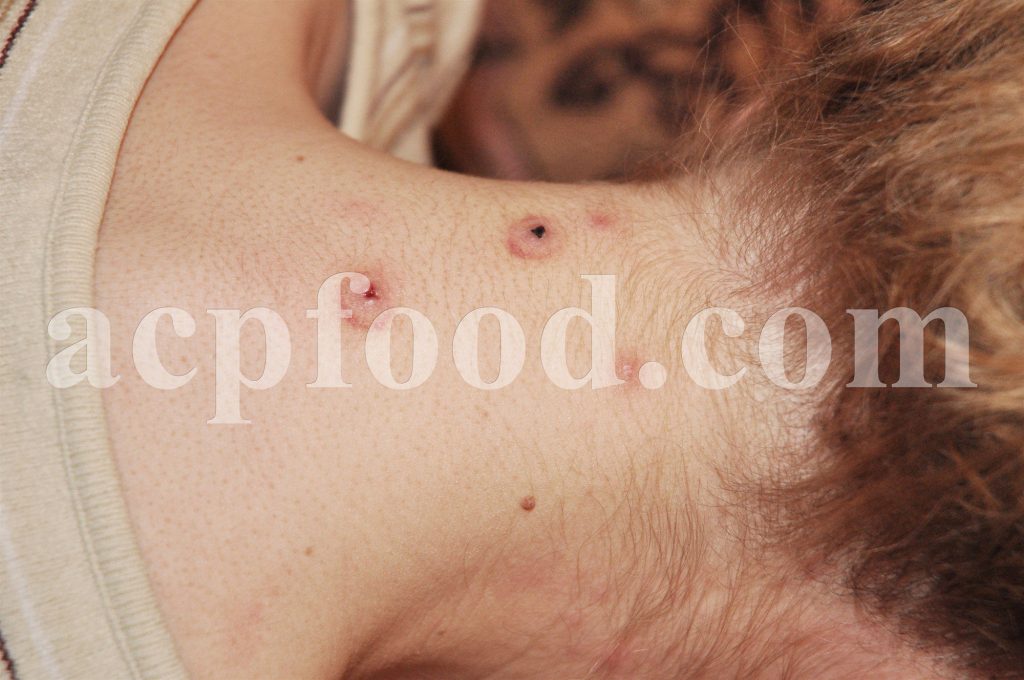
- Mild bleeding or oozing from the leech bite may continue for several hours after the leech has detached because substances in leech saliva interfere with blood clotting. This continued bleeding is a recognized part of medicinal leech therapy. However, heavy, prolonged, or increasing bleeding should not be considered normal and requires prompt medical assessment.
- Mild itching may develop around the bite area during the healing process and can sometimes persist for several days. The area should not be scratched, as this can damage the skin and increase the risk of infection. If itching is severe, persistent, or accompanied by increasing redness, swelling, pain, or discharge, medical advice should be sought.
- Some traditional sources recommend avoiding sexual intercourse for approximately 24 hours after Leech Therapy.
- Physical rest is traditionally recommended after treatment, particularly if several leeches have been used or if the person feels weak or dizzy. Strenuous exercise, heavy lifting, and other activities that could increase bleeding should be avoided until the treatment area has stabilized.
- Traditional Persian medicine may recommend avoiding salt, fish, pickles, and certain strongly flavored foods for approximately 24 hours after treatment. These recommendations belong to the traditional dietary framework rather than established modern medical requirements.
- According to traditional practice, exposure of the treated area to very cold water or cold weather may be avoided because it is traditionally believed to aggravate itching or swelling.
- Some traditional practitioners recommend avoiding foods, fruits, spices, and other ingredients considered excessively hot or cold in temperament after Leech Therapy. Instead, more moderate foods may be preferred, such as celery, pear, broth, apple, and sekanjabin.
- Heavy, fatty meals and overeating are traditionally discouraged after Leech Therapy. A light and easily digestible diet may be preferred during the initial recovery period.
- Excessive standing or walking is traditionally discouraged immediately after treatment, particularly when the patient feels weak or light-headed.
- Traditional recommendations concerning sleep after Leech Therapy vary. Rather than applying a strict prohibition on sleeping, it is more appropriate to ensure that the patient is comfortable and that any weakness, dizziness, or significant bleeding is monitored.
- Very hot baths and other sources of intense heat are traditionally discouraged immediately after treatment. The patient should also follow the practitioner’s instructions regarding bathing and keeping the treatment area clean and dry.
- Some traditional practitioners recommend honey drinks, pomegranate juice, and rose water after treatment. These are traditional dietary practices and should not be regarded as necessary medical treatments.
- Temporary symptoms such as mild weakness, dizziness, nausea, headache, chills, or palpitations may occur after blood loss or the procedure itself. However, severe or persistent symptoms should not simply be attributed to Leech Therapy and should be evaluated by a healthcare professional.
- Some traditional sources recommend avoiding eggs and foods containing eggs for up to 24 hours after treatment. This is a traditional dietary recommendation rather than an established medical requirement.
- Traditional Persian medicine may also recommend avoiding very hot, very sour, very sweet, or highly spicy foods for approximately 24 hours after treatment.
- For thirst or dry mouth, some traditional sources recommend honey-based drinks or other traditional beverages. Any drink should be appropriate for the individual’s health status and dietary restrictions.
- Some traditional practitioners recommend nutrient-rich foods, including grilled meat, after Leech Therapy to support recovery following blood loss. However, the amount of blood removed during treatment varies, and significant blood loss or symptoms of anemia require medical assessment rather than relying solely on dietary measures.
- When medicinal leeches have finished feeding, they normally detach from the skin on their own. They should not be forcibly pulled off because this can cause unnecessary tissue injury.
- Some traditional Persian medicine practitioners have recommended additional cupping over a recently leeched area to remove more blood or what traditional medicine describes as harmful substances. This practice should not be presented as a general post-treatment recommendation because additional blood removal may increase blood loss and the risk of anemia.
- After the leech has been removed, the bite area should be kept clean and appropriately dressed according to the practitioner’s or healthcare professional’s instructions. Modern clinical settings monitor the wound for bleeding and infection and may use antibiotics because medicinal leeches naturally carry bacteria, including Aeromonas, in their digestive tract.
- If weakness or dizziness occurs, the patient should sit or lie down safely. Raising the legs may be helpful when someone feels faint. If symptoms are severe, persistent, or accompanied by heavy bleeding, medical attention should be sought promptly.
- Signs of infection may include increasing redness, warmth, swelling, worsening pain, pus or other discharge, fever, or feeling generally unwell. These symptoms require medical evaluation because infections following medicinal leech therapy may require antibiotic treatment.
- Traditional sources sometimes recommend herbal preparations for treating suspected infection at the bite site. However, an infected wound should not be treated solely with an herbal poultice or covered with a preparation for an extended period without professional assessment. Because medicinal leech bites can become infected, suspected infection should be evaluated by a qualified healthcare professional and treated appropriately.
How Is Leech Therapy Done?
Leech Therapy should be performed by a properly trained practitioner using medicinal leeches obtained from an appropriate controlled source. Before treatment, the area is cleaned and prepared. The practitioner then guides the leech toward the selected area and allows it to attach naturally. In modern clinical settings, the number of leeches used and the duration of treatment are determined according to the patient’s condition and the purpose of treatment. Leeches commonly remain attached for approximately 15 to 60 minutes before becoming fully engorged and detaching.
According to traditional practice, the temperature and condition of the skin were also considered important. Traditional practitioners sometimes believed that medicinal leeches attached more readily to skin that was clean, warm, and slightly moist. If a leech did not attach easily, the area might traditionally be gently warmed or moistened with clean water. These practices should not involve irritating the skin or using substances such as perfumes or other chemicals that could interfere with the treatment.
Actions to Be Taken Before Sticking the Leech
According to traditional methods, when a leech was to be applied to an area such as the hand or foot, the area could be gently warmed beforehand. In some traditional practices, the area was placed in comfortably warm water for a period of time to make the skin warm and soft.
For areas such as behind the ears, the face, or the back, traditional practitioners might gently clean and warm the skin with a clean, warm, damp cloth. The purpose was to create a clean and warm surface that would make it easier for the leech to attach.
However, the skin should not be overheated, irritated, scratched, or damaged before Leech Therapy. In modern clinical practice, the treatment area is cleaned before the leeches are applied, and the patient and treatment site are monitored throughout the procedure.
Managing Possible Reactions After Leech Therapy
Mild itching, redness, or local irritation may occur around the bite during the healing process. The area should not be scratched because this can damage the skin and increase the risk of infection.
Some traditional sources recommend herbal preparations or other traditional remedies for mild itching. However, these should not be applied to an open bite without appropriate guidance. In particular, substances such as salt, oils, or herbal mixtures should not be placed directly on a fresh wound unless a qualified healthcare professional has advised their use.
If itching becomes severe or is accompanied by increasing redness, warmth, swelling, pain, discharge, or fever, medical evaluation is important because infection is a recognized complication of medicinal leech therapy. Medicinal leeches naturally carry bacteria, including Aeromonas, which is one reason infection prevention and appropriate clinical monitoring are important.
What Should Be Done With Leeches After Leech Therapy?
Contrary to the traditional belief that a leech necessarily dies after feeding, a medicinal leech may remain alive after it has finished feeding. However, a leech that has been used on a person should not be released into ponds, springs, or other bodies of water, and should not be reused on another person.
In modern clinical practice, medicinal leeches are considered single-use. After they have finished feeding, they are removed and humanely disposed of according to appropriate procedures for potentially infectious biological material. This approach helps prevent cross-contamination and the potential transmission of microorganisms.
What Conditions Have Traditionally Been Associated With Leech Therapy?
Persian Traditional Medicine and other traditional medical systems have historically attributed a very wide range of therapeutic applications to Leech Therapy. Traditional sources have described its use for conditions affecting the skin, eyes, ears, nervous system, cardiovascular system, respiratory system, digestive system, urinary and reproductive systems, and musculoskeletal system.
These traditional applications include:
- Headache and migraine
- Sinus-related complaints
- Dizziness
- Certain neurological complaints
- Epilepsy and convulsions
- Eye and ear complaints
- Tinnitus
- Nasal dryness and certain nasal conditions
- Acne and other skin complaints
- Eczema, psoriasis, urticaria, and abscesses
- Hemorrhoids
- Varicose veins
- Joint and muscle pain
- Arthritis and rheumatic complaints
- Gout
- Muscle spasms
- Sciatic pain
- Certain inflammatory and swelling-related complaints
- Some reproductive and gynecological complaints
- Certain vascular conditions
Traditional sources have also attributed applications to Leech Therapy for much more serious conditions, including stroke, multiple sclerosis, Parkinson’s disease, Alzheimer’s disease, heart disease, diabetes, thrombosis, infertility, autoimmune diseases, tumors, and other major illnesses. These should be understood as historical or traditional claims rather than established modern indications for medicinal leech therapy.
Today, the medically established use of medicinal leeches is considerably more limited. In modern clinical practice, they are particularly used as an adjunctive treatment for certain cases of venous congestion affecting skin flaps, grafts, reattached tissues, and similar situations where prolonged localized bleeding can help improve venous drainage.
Therefore, while the historical literature on Leech Therapy contains a remarkably extensive list of traditional applications, these claims should not be interpreted as evidence that leech treatment can cure or replace appropriate medical treatment for these diseases.
Conclusion
Leech Therapy has a long history in Persian Traditional Medicine and has been described in the medical writings of several prominent Persian physicians. Traditional sources discussed the selection of medicinal leeches, their application methods, and their use for a wide range of health conditions. Although many of these traditional applications remain part of the historical literature of Persian medicine, they should be understood within the medical knowledge and practices of their time. Today, medicinal leeches are used in specific clinical situations under professional supervision, particularly when their anticoagulant and blood-flow effects may help manage localized venous congestion. Understanding both the traditional history and modern medical applications of Leech Therapy provides a more complete perspective on this long-established practice.
References:
- Blood therapy from the perspective of Iranian traditional medicine book by Seyyed Mohamad Mousavi 1378
- Treatment of diseases with Iranian leech book by Seyyed Mohamad Mousavi 1390
- Types of temperament book by Dr. Hossein Kheirandish 1388
- 15 days to health book by Jamshid Khodadadi 1396
- Leech therapy in traditional and popular medicine by Dr. Siadati
- Knowledge of temperaments book by Dr. Seyyed Ali Abolhabib 1399
- The Canon book (First Volume) by Ibn Sina